Moving Tips

How to Plan a Successful Business Relocation

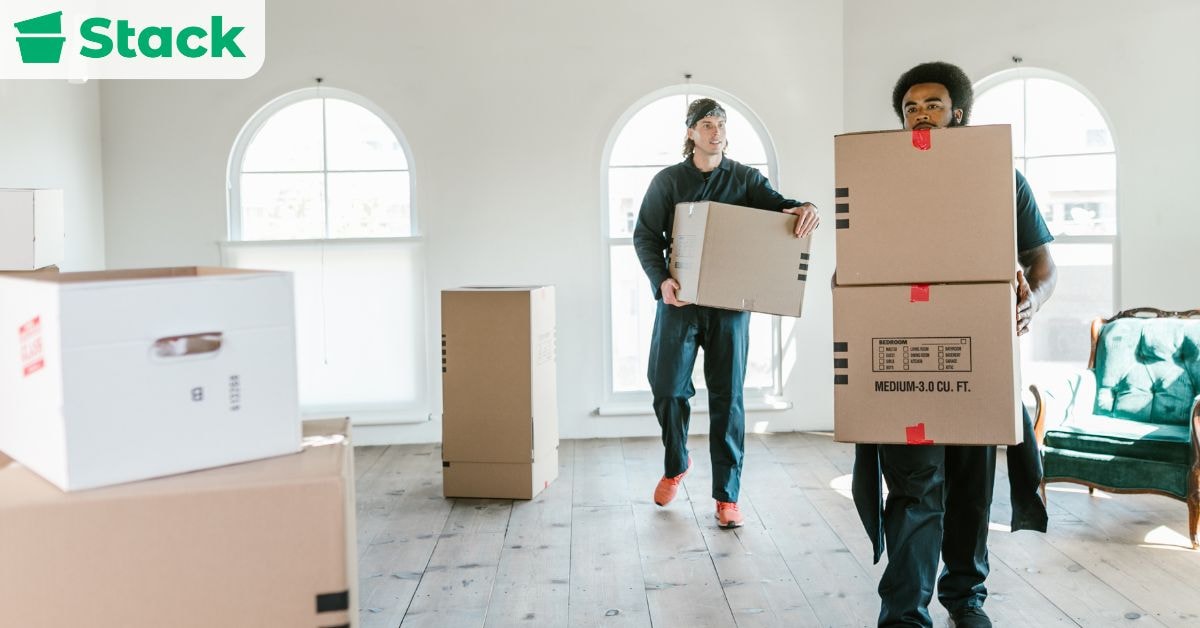
Corporate relocations involve moving your entire business’s operations from one location to another, whether it’s across town or even to a new country. Some common reasons for corporate relocations include expansion, cost reduction, or simply improving accessibility for key stakeholders. When done right, it can mark the beginning of a new phase of growth and productivity.

To successfully move your business, you need to carefully plan for every detail. It starts from choosing the right location, setting a clear moving timeline, and communicating with your stakeholders for the entire move. When you break it down into manageable steps, the process becomes far less overwhelming.

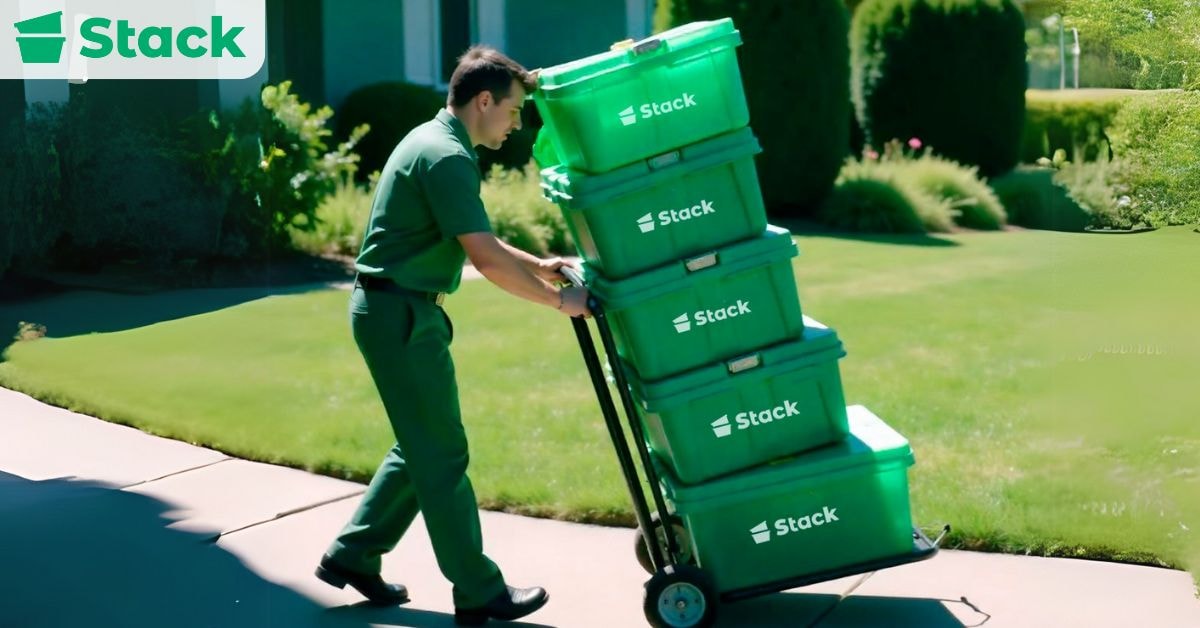
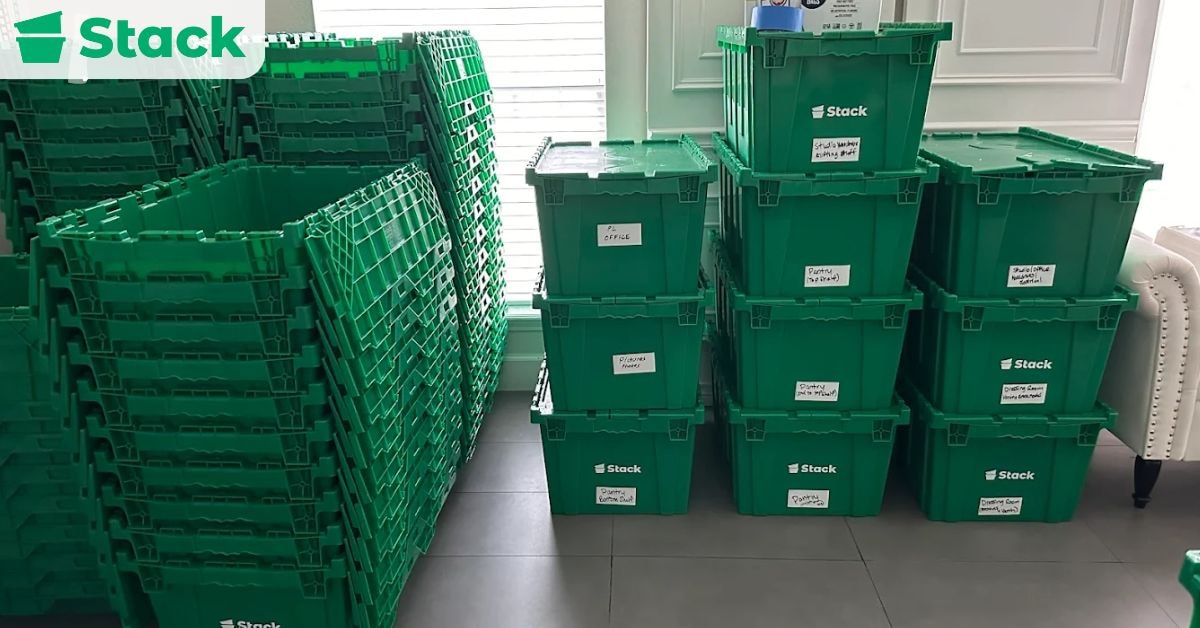
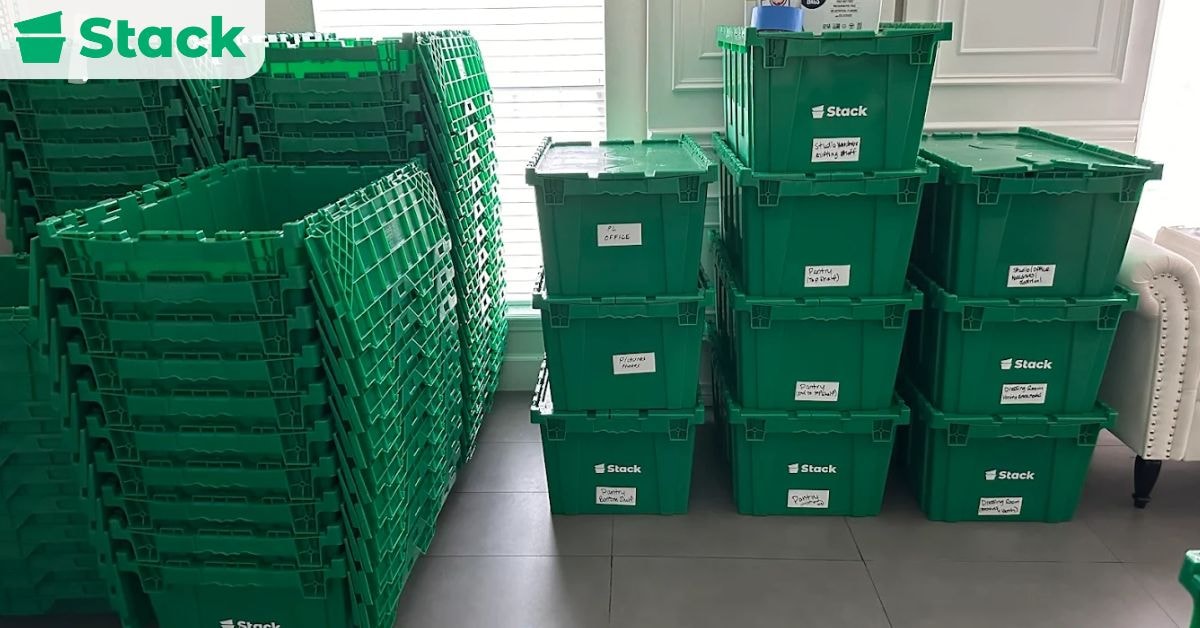
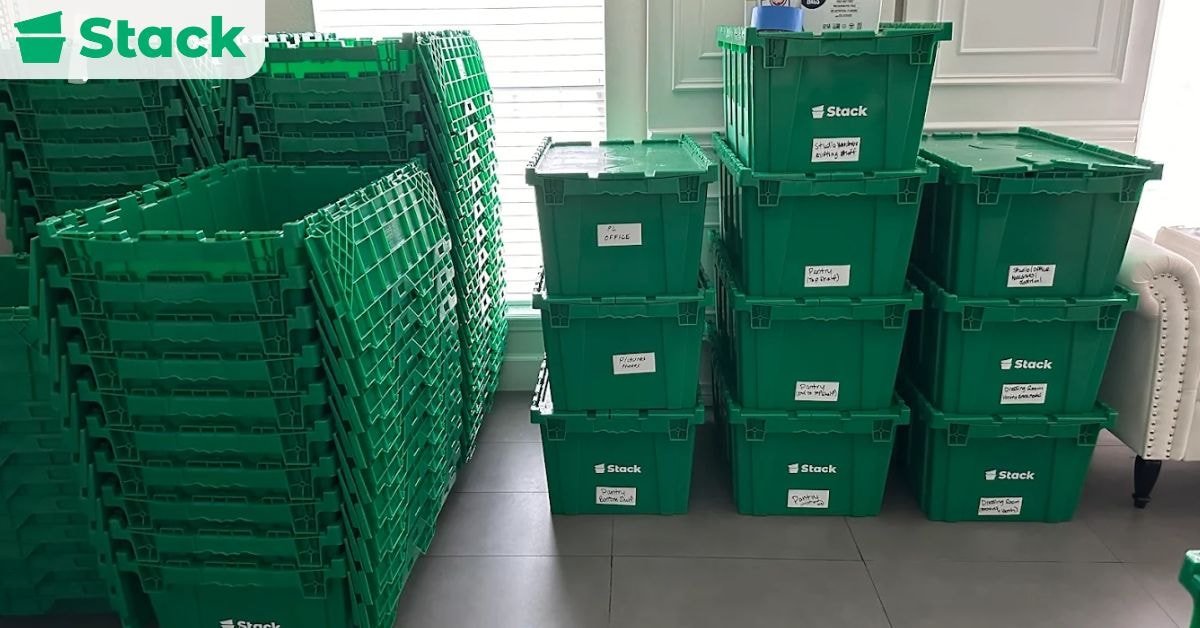
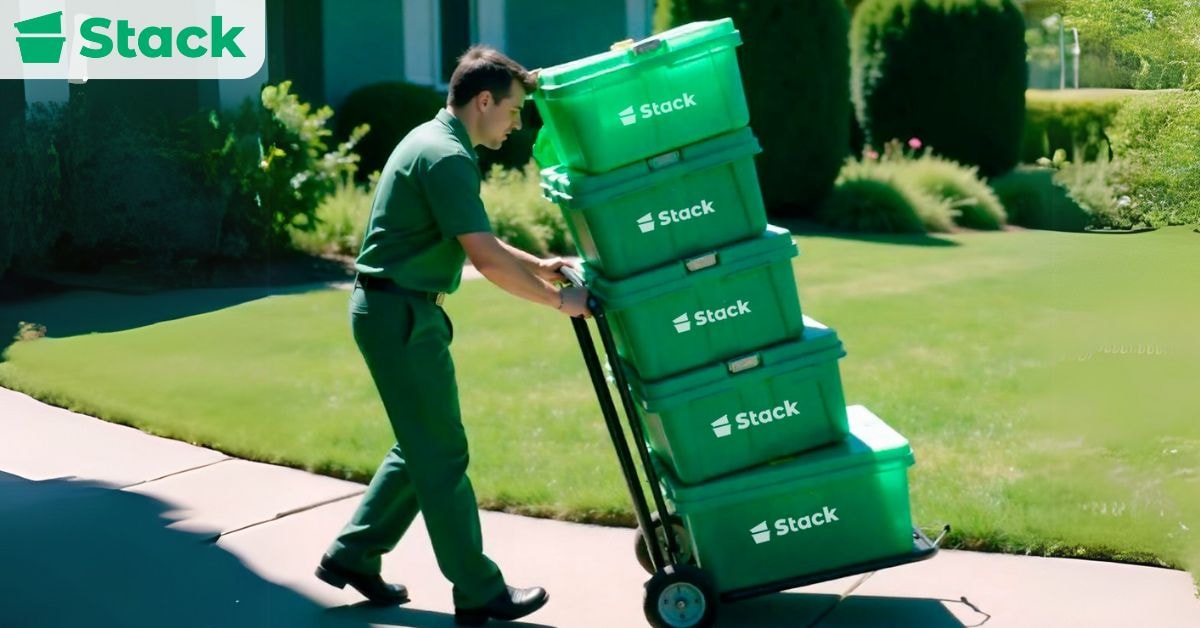
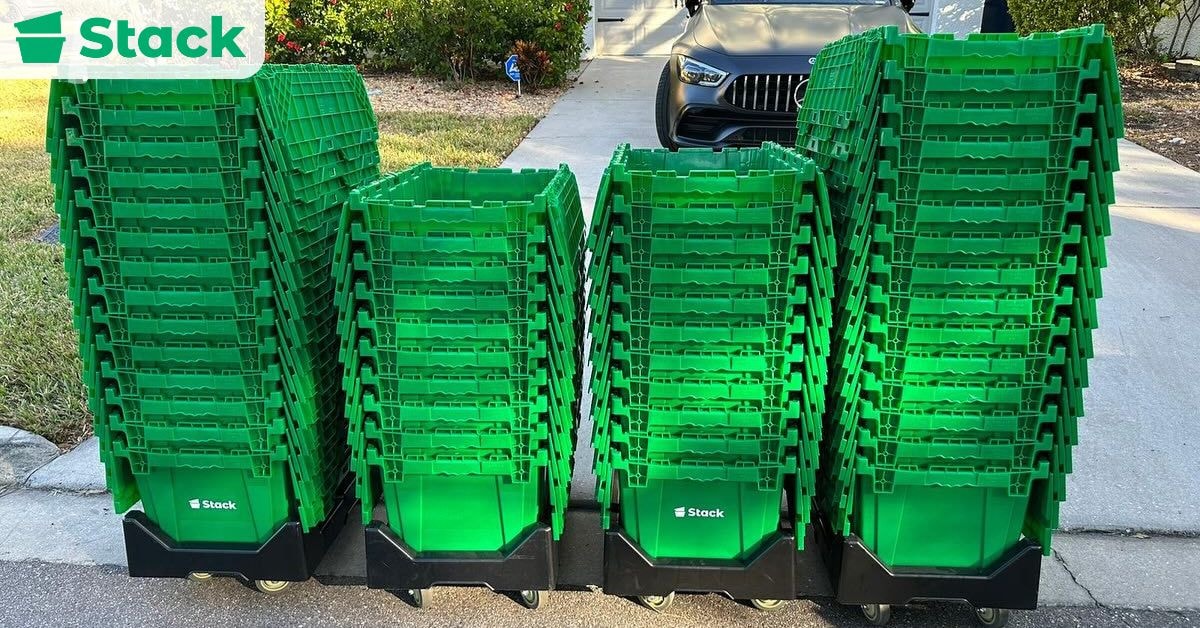
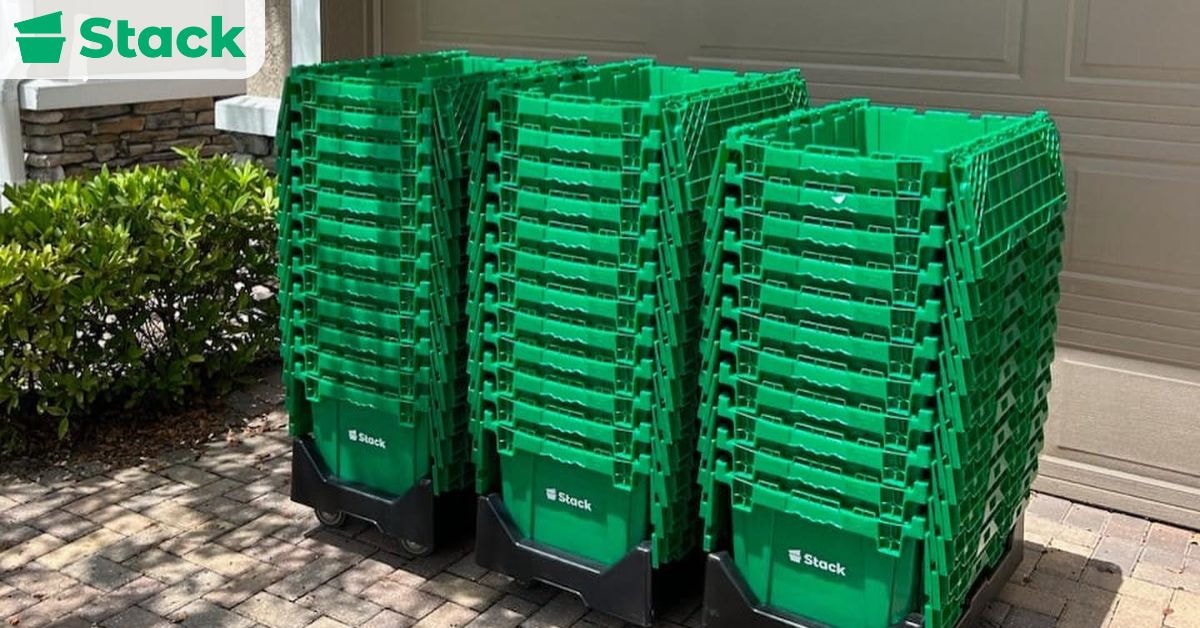
Stack Moves makes office relocations easier by providing heavy-duty office moving crates for rent. These containers are designed with convenience and durability in mind, plus each rental comes with a dolly to make moving your boxes effortless. Rather than blow your budget on single-use boxes, opt for a more cost-effective and ready-to-roll solution. Contact us to get started.

This blog post will teach you everything you need to know to relocate your business with confidence. Our relocation checklist will guide you from planning to setup, and we have included a cost breakdown to help you budget wisely.

Factors to Consider When Relocating a Business

Factors to Consider When Relocating a Business

Anything that could potentially affect how your company operates, earns, or grows is a factor to consider when relocating your business. Your business environment, the tax implications associated with your move, and even access to your suppliers are examples of things to carefully consider before signing a lease. Other important factors to always consider are:

  • Legal and Compliance ConsiderationsReview your current lease agreement to understand what’s expected of you when terminating your contract. Before you sign your new agreement, familiarize yourself with the local laws in that area to be sure your business is permitted there. There may be a need to get new business licenses or amend the current ones you have. To be on the safe side, engage the services of a legal advisor.
  • Financial Planning for Relocation – A move can have a significant impact on your cash flow, which is why it’s necessary for you to create a detailed budget that accounts for everything at the start of your move. Explore funding options outside of your profits, like relocation grants or business loans. Alternatively, look for ways to reduce costs, like downsizing unused space. Also, consider the economic incentives, such as tax breaks and subsidies, available in your new location. They could be used to offset some incurred operational costs.
  • Employee Management and Communication – Your team has a big role to play in ensuring the success of your move. Keep everyone in the loop from the start and give them all the details they’d need to understand how the move will affect their roles and commute. For a smooth transition, offer relocation support or work flexibility to reduce turnover.
  • Customer and Brand Impact – If not handled carefully, a move can be destabilizing for your business partners. Educate your business partners on how the move will benefit them, for example, more space might mean better in-person support. Update your business information across all your channels, including both online and offline channels, such as printed materials.
  • Supply Chain and Vendor Relationships – Moves tend to disrupt logistics when vendors aren’t informed on time. To avoid this, notify your vendors of your new address and update your delivery schedules well in advance. Go over your contracts to see if any changes are needed to make your relocation smoother.
  • Business Growth Opportunities in a New Location – A new location could mean access to untapped markets and emerging business hubs. You may be closer to a more talented labor pool where workforce development initiatives are prioritized. Additionally, you could benefit from tax incentives offered to new businesses in the area. See your move as an opportunity to reintroduce your services or expand your business services.

Business Relocation Checklist for a Smooth Moving Process

Without careful planning, a successful move is impossible. Our office moving checklist covers every step of the moving process, so you can enjoy a seamless move without disrupting your operations.

Determine Why Your Business Needs to Move

Determine Why Your Business Needs to Move

Start by pinpointing the reason you want to relocate your business. Are you looking for more space? Or is it a strategic way to be close to your clients? Whatever the case, knowing your “why” will guide every decision you make for the rest of your move.

Select the Best Location for Your Business

We should also mention that the right office space doesn’t necessarily mean the one that’s available. It’s important for you to carry out your research on the different areas you’re looking to rent in order to find a location that benefits your company activities. This means paying attention to how accessible the area is for your employees, suppliers, and customers, amongst other things.

Create a Detailed Moving Timeline

To avoid any last-minute chaos, you should have a well-structured moving timeline. We suggest appointing one or more of your staff as relocation managers, so that there is someone to oversee the entire process. Break the move into phases like packing, moving equipment, and set up, and assign deadlines for each task.

Set a Realistic Moving Budget

Your office moving cost isn’t limited to the moving company alone. You also have to account for professional movers, space renovations, and IT setup. Also include a buffer to cover unexpected expenses like damages, so you aren’t taken by surprise.

Notify Employees, Clients, and Vendors

Notify Employees, Clients, and Vendors

To enjoy a smooth transition, it’s crucial for you to keep communication between you and your stakeholders open. Hold meetings with your employees, clients, and everyone else who should be aware of your move to get their support.

Pack and Organize Your Business Inventory

When everything is in place, packing can be a breeze. For example, with enough boxes, you don’t have to pause your packing to gather more. A simple tool like a moving box calculator can take out the guesswork. To stay organized, sort your inventory into categories such as furniture, electronics, and documents.

Secure Packing Supplies

Protecting your property is only possible with the right materials. While cardboard boxes are common, plastic bins are more durable and stack better, which is helpful for managing space. Other packing supplies, like packing peanuts and bubble wrap, are also useful for protecting fragile items and minimizing damage during transit.

Protect IT Equipment and Electronics

These deserve extra care because they are crucial for your business’s continuity and are costly to replace. Back up all your data before you set out for your move. If possible, hire a professional IT team to handle this aspect of your move for a seamless transition.

Dispose of or Donate Unused Items

Use this opportunity to declutter your inventory. Donate or sell gently used furniture and properly dispose of hazardous materials according to your local regulations. This will lighten your load and lower your moving costs.

Choose the Right Moving Company

Choose the Right Moving Company

To save time and prevent damage to your property, hire experienced commercial movers. Reach out to multiple companies to get their quotes and secure the best deal. Be sure to confirm if their fee covers essentials like insurance, and also ask about their liability policies. To minimize disruptions, schedule your move outside of peak business hours.

Arrange for Safe Transportation

This should be one of your non-negotiables when relocating your business. The best way to ship moving boxes is to hire a reliable moving service. This guarantees your assets are handled with care from start to finish.

Clearly mark fragile items so that movers handle them with care, and use GPS trackers to monitor your high-value assets. Our office moving crates are built to withstand the rigors of relocation, which keeps your items safe from start to finish. Book your boxes to move with peace of mind.

Transfer Utilities and Business Services

Schedule utility transfers for your electricity, internet, and water in advance. Also, make arrangements for your new space to be cleaned by professionals before move-in day. This way, you and your team can arrive in a fully functional and conducive space from your first day.

Change Your Business Address on Official Records

Update your business address with all relevant parties such as the IRS, tax authorities, banks, insurance companies, vendors, and more. You’ll also need to update some contracts, licenses, and legal documents to reflect this change.

Organize the New Office Layout

Organize the New Office Layout

Before you move into your new office, plan your workspace. Map out workstations, meeting rooms, and other important spaces to ensure everything complies with safety standards applicable in your industry or area while remaining comfortable for your employees. This will make it easier for your team to settle in quickly and stay productive.

Reinstall IT and Communications Systems

Now that you’re in your new space, test all computers, check phone lines, internet connection, and internal network. Confirm that your data protection systems are active and that all your systems, both hardware and software, are running without issues. With this sorted, your business can reopen without any hiccups.

Hold an Employee Orientation at the New Business Location

Provide support for your employees to settle in quickly by offering a tour of the new office space. Address any concerns they may have about the relocation, such as changes in their commute time or transport costs. Use the orientation to review updated policies, emergency procedures, and facility protocols.

Promote Your Business Relocation to Customers

Once you’re all settled in, the last thing to do is to let everyone know you moved. Ideally, you would’ve informed all your stakeholders of your move before now, but after successfully moving, you still need to let them know. Update your online profiles and consider launching a campaign to encourage visits to your new address.

How to Make Packing Office Equipment Easier

How to Make Packing Office Equipment Easier

Before touching a single box, create a comprehensive moving inventory list of everything you plan to move. Take note of everything from your desks to your printers to help you stay organized throughout the move.

Label Everything Clearly – Clearly labeling your boxes will save you hours when it’s time to unpack your load. We recommend using a simple numbering system linked to your inventory list or color-coding your labels. This way, everything ends up exactly where it needs to be in your new office.

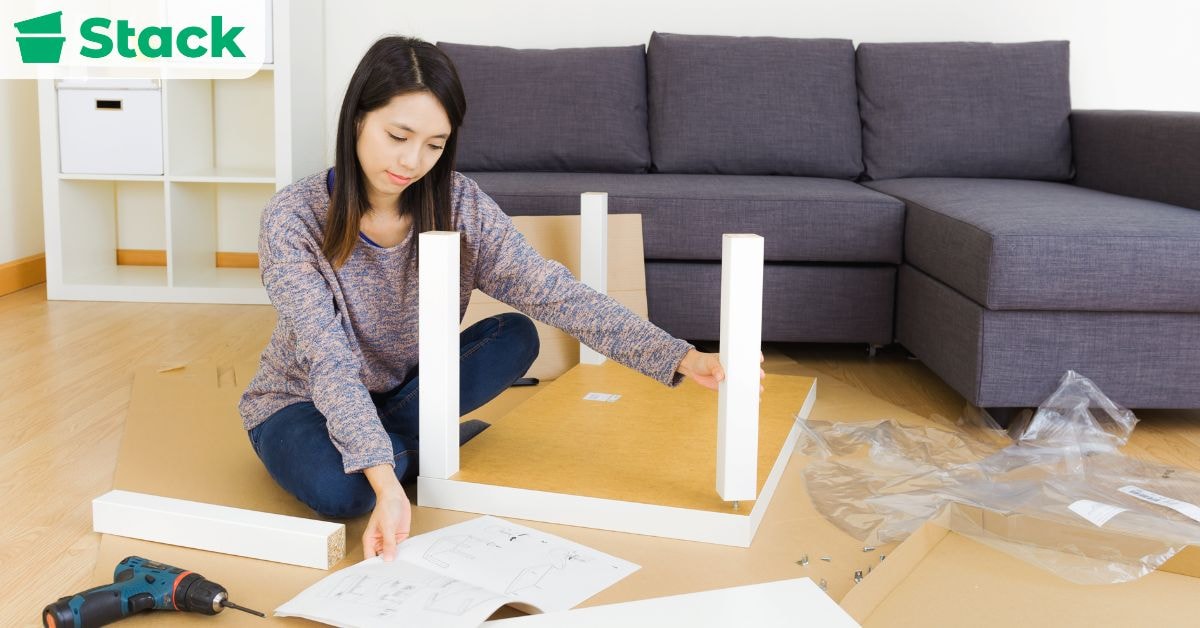
Disassemble Large Furniture and Equipment – When possible, large pieces of equipment and furniture should be disassembled. This makes them easier to move and also reduces their risk of getting damaged. Before taking anything apart, be sure to take a quick photo to make reassembly easier. A great tip to try is to store all your screws, nuts, and bolts in a labeled zip-lock bag, then tape the bag to the corresponding piece of furniture it belongs to or in a centralized container.

Maximize Space and Minimize Weight – A golden rule when packing is to keep heavy items in small boxes and lighter but bulky items in large boxes. This makes it easier to lift these boxes without physically straining yourself. Be sure to use durable boxes that can handle the weight of your items without collapsing. To make the most out of your space, fill in gaps between large equipment with small items like notepads.

How Much Does It Cost to Relocate a Business?

How Much Does It Cost to Relocate a Business?

Corporate relocations cost anywhere from $1,500 to $30,000, depending on the size of the office, the distance of the move, and the needs of your business. Businesses with specialized moving needs, such as tech companies with sensitive equipment, should expect to be on the higher end of that range or even exceed it.

Typical relocation costs include:

  • moving expenses like hiring commercial movers, trucks, and packing supplies,
  • new office setup, i.e, furniture, décor, and tech infrastructure,
  • administrative fees such as deposits, permits, and marketing updates,
  • specialized services like IT professionals, consultants, designers, etc.

Don’t forget to include hidden costs like temporary storage, employee relocation assistance, and utility installations in your plan.

Factors That Influence Business Relocation Costs

Multiple factors can affect how much you’ll spend on relocating your business, starting with the size of your company. Large businesses usually have more furniture, equipment, and even staff. This all adds to the cost of your move.

The industry that you operate in also matters. For example, healthcare providers work with a lot of specialized equipment that needs to be specially packed and transported, which adds to the overall expense.

Distance is another major cost driver. Local moves are generally more affordable than long-distance moves since they’re less likely to require multiple days of transport, temporary storage, and additional coordination.

Ready to Make Your Business Move Easier With Bin Rentals?

Relocating your business boils down to proper planning, clear communication, and making smart choices. The more prepared you are, the smoother your move will be. Don’t hesitate to consult experts, because these professionals can help you avoid costly mistakes.

Stack Moves helps you reduce costs while staying organized by offering durable and reusable office moving crates for rent. They’re built to handle the demands of commercial relocations. Plus, your rental would be delivered to your current location and picked up after your move! Contact us to get started.

Frequently Asked Questions

How Can I Reduce the Costs of Relocating My Business?

One way to cut costs is by renting reusable moving crates instead of buying moving boxes. You can also save by decluttering your inventory before the move. Scheduling your move during off-peak seasons or mid-month can help you negotiate lower rates with movers. And handle certain tasks in-house, like packing non-fragile items to reduce outsourcing expenses.

How Long Does a Business Relocation Typically Take?

This could take a few weeks to a full year. You can speed things up by planning early, assigning a relocation manager, and setting clear timelines with your vendors and team.

How Can I Minimize Downtime During a Business Move?

Start by moving in phases to keep important operations running. Then, back up your data and prep your IT team for a fast reinstallation at the new site. Clearly communicate your moving timeline with your clients and vendors, and pack non-essential items first so you’re not disrupting daily work.

How to Pack Hanging Clothes for Moving?

Clothes are one of the trickiest items to move. They’re easy to crease, wrinkle, or even lose if not packed right. To keep your clothes in excellent condition, it’s crucial to pack your clothes for moving correctly.

The best way to pack hanging clothes is with wardrobe boxes because they’re designed to keep your clothes upright and wrinkle-free. But they are bulky and take up space, plus they can be pricey too. A smarter way to pack your hanging clothes is to combine garment bags and plastic bins. When used together, they protect your clothes from dust and wrinkles while keeping them secure throughout the move.

Our rentable moving bins provide a protective and durable container, for your clothing and other delicate belongings. They’re not only affordable, but also stackable making it easier for you to pack without worry. Schedule your box rental today!

In this blog post, we will provide you with a step-by-step guide on how to pack hanging clothes efficiently. We will also talk about the best way to transport your packed clothes and unpack them safely to avoid damage.

What Boxes to Use When Packing Hanging Clothes?

What Boxes to Use When Packing Hanging Clothes?

The type of box you use depends on what you’re packing and your overall packing needs. For instance, to keep your hanging clothes in pristine condition, you’d need a wardrobe box because of its built-in rod. But wardrobe boxes can be bulky and expensive.

Fortunately, you can still pack your clothes safely without hanging them. One way to do this is to roll or fold clothes into a suitcase or a duffel bag.

For an all-purpose packing solution, you should consider plastic storage containers for their versatility and reliability. At Stack Moves, we provide standard-sized bins that measure 27” by 17” at the top, 24.5” by 14.5” at the bottom, and 13” tall. If you’re not sure how many boxes you need to move, our moving box calculator can help you figure out the right quantity based on your home size.

How to Move Hanging Clothes

When preparing for a move, several factors should guide how you pack your hanging clothes. Two major things to think about are the distance of your move and the type of clothing you’re moving. Delicate items and structured garments require additional protection to prevent damage, while long-distance moves call for sturdier boxes that can withstand the rigors of moving. A final factor to consider is efficiency and convenience. Getting your boxes shouldn’t feel like a treasure hunt. Instead, they should be easy for you to source.

How to Move Hanging Clothes With Wardrobe Boxes

How to Move Hanging Clothes With Wardrobe Boxes

Wardrobe boxes are a fantastic solution for moving hanging clothes. They come with built-in hanging rods or hanger hooks that allow you to transfer your clothes directly from your closet without folding them. Because of this, your clothes remain crease-free and maintain their shape. Wardrobe boxes also protect your clothes from damage caused by dust and dirt, ensuring they arrive in the same condition they left.

To pack clothes in a wardrobe box:

  1. Start by assembling the wardrobe box according to the instructions that came with it. Ensure the box is sturdy and securely taped at the bottom to handle the weight of your clothes.
  2. Take your clothes from your closet and hang them on the rod in the wardrobe box, keeping them organized and ready to wear upon arrival.
  3. Once all your clothes are inside the box, ensure they are evenly distributed to avoid shifting. Close the box flaps and tape it securely.
  4. Finally, label the box with its contents and the room it belongs to in your new home. This will make your unpacking process easier and help movers place the box in the correct location.

Using wardrobe boxes simplifies your packing process, keeps your clothes crease-free, and ensures a smooth transition to your new house.

How to Move Hanging Clothes With Garment Bags

How to Move Hanging Clothes With Garment Bags

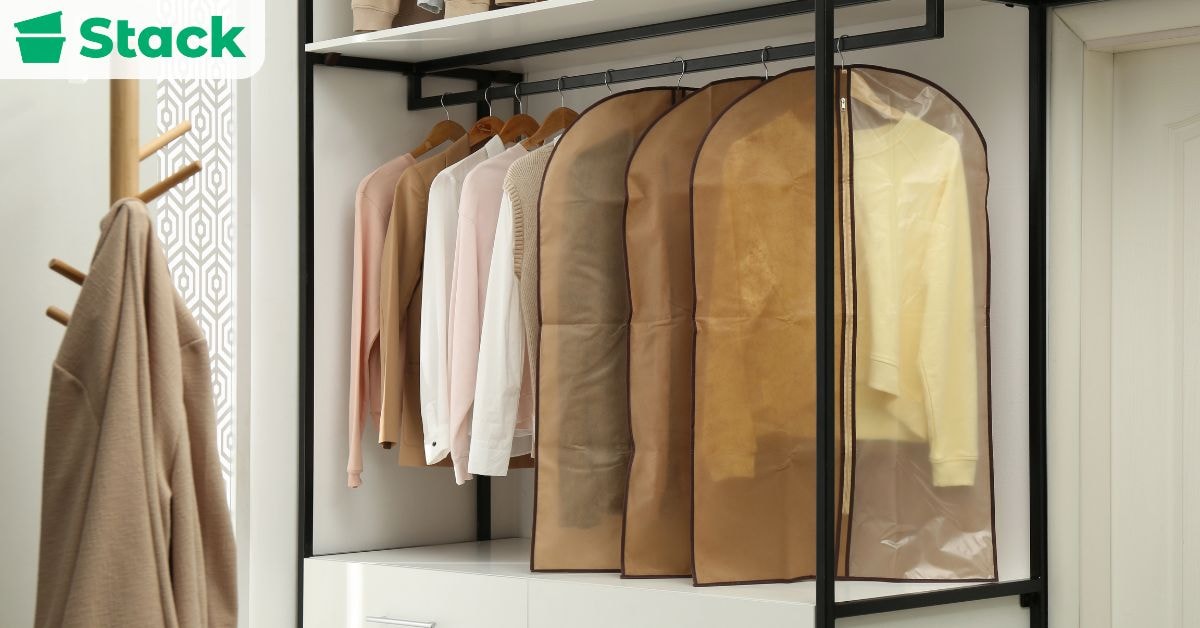
Garment bags come in various types, ranging from plastic to canvas to vinyl. Lightweight plastic garment bags provide basic protection from dust and are an affordable packing option. Canvas bags are more durable and breathable, making them a better option for short-term storage and transport. Vinyl bags offer the best protection against moisture and damage, making them ideal for your high-value or delicate garments.

You can pack your clothes inside a garment bag by:

  1. Choosing the appropriate garment bag based on the material of your clothes and the level of protection it needs. Valuable clothes should be stored in vinyl, while everyday wear can be stored in plastic or canvas.
  2. Keep your clothes on their hangers and slide them into the garment bags. Ensure the top of each hanger is securely hooked through the top of the bag to prevent slipping during the move.
  3. Once all your clothes are inside, zip up the bag and secure any additional fastenings, such as tying it with a string to ensure it stays closed and that your clothes remain protected.

If you are using a moving company, garment bags alone are not an ideal choice because they do not offer enough protection against the rough handling that occurs during transport. We recommend using your garment bags with plastic bins to ensure maximum protection for your clothes.

How to Move Hanging Clothes With Portable Garment Racks

How to Move Hanging Clothes With Portable Garment Racks

Portable garment racks provide easy access to your clothes during a move. They are especially great for short trips and temporary storage, allowing you to hang your clothes directly without folding them. This method helps you sort clothes easily and locate specific items quickly.

To use a portable garment rack, start by assembling it according to the manufacturer’s instructions, ensuring it is stable and secure. Then, transfer your clothes inside onto the rack, keeping them organized and accessible. Lastly, use garment bags or large plastic sheets to cover the clothes and protect them during transport.

While portable garment racks offer convenience, they are not as protective as plastic bins or boxes. They can be unstable and may not shield your garments from rough handling, making them less ideal for moves involving a moving company.

How to Move Hanging Clothes With Suitcases

How to Move Hanging Clothes With Suitcases

One of the major reasons people hang their clothes is so they remain crease-free and ready to wear. But if you can’t pack your clothes while they’re still on hangers, neatly folding them is your next best option. When done properly, this method can help you manage space and fit more clothes into your suitcase. This works for duffel bags, too. To pack your clothes inside a suitcase:

  1. Fold Your Clothes Carefully: Fold each piece of clothing neatly by smoothing out creases and ensuring they are compact. Another way to pack clothes for moving in suitcases is to roll them, leaving you with more space for more clothes.
  2. Pack Folded Clothes in a Suitcase: Lay the folded clothes in a suitcase or a large box, making the most of your space and keeping your clothes secure.
  3. Use Packing Paper: Place packing paper or tissue paper between layers to prevent wrinkles and add an extra layer of protection.

On the downside, you may not have enough suitcases to accommodate all your clothes. Fortunately, you can still apply this method using plastic bins. Plastic bins are spacious and durable enough to keep your folded clothes organized and safe during the move.

How to Pack Clothes Using the Bundle Wrapping Method

How to Pack Clothes Using the Bundle Wrapping Method

Bundle wrapping is a simple, DIY method to keep your garments together and transport them more easily. It also makes unpacking at your new place quicker.

To bundle wrap your clothes, start by gathering 5-10 hangers with clothes and grouping them together. Then wrap the grouped clothes with a sheet or towel to protect them from dust and minor damage. Lastly, secure your wrap with tape or rubber bands, ensuring it stays in place during transport. Carry the bundles directly to your car for the move.

Despite this method’s convenience and cost-effectiveness, it is not recommended if you are using a moving company. Wrapped/bundled clothes can’t withstand the rough handling associated with moves.

How to Pack Clothes in Heavy-Duty Trash Bags

How to Pack Clothes in Heavy-Duty Trash Bags

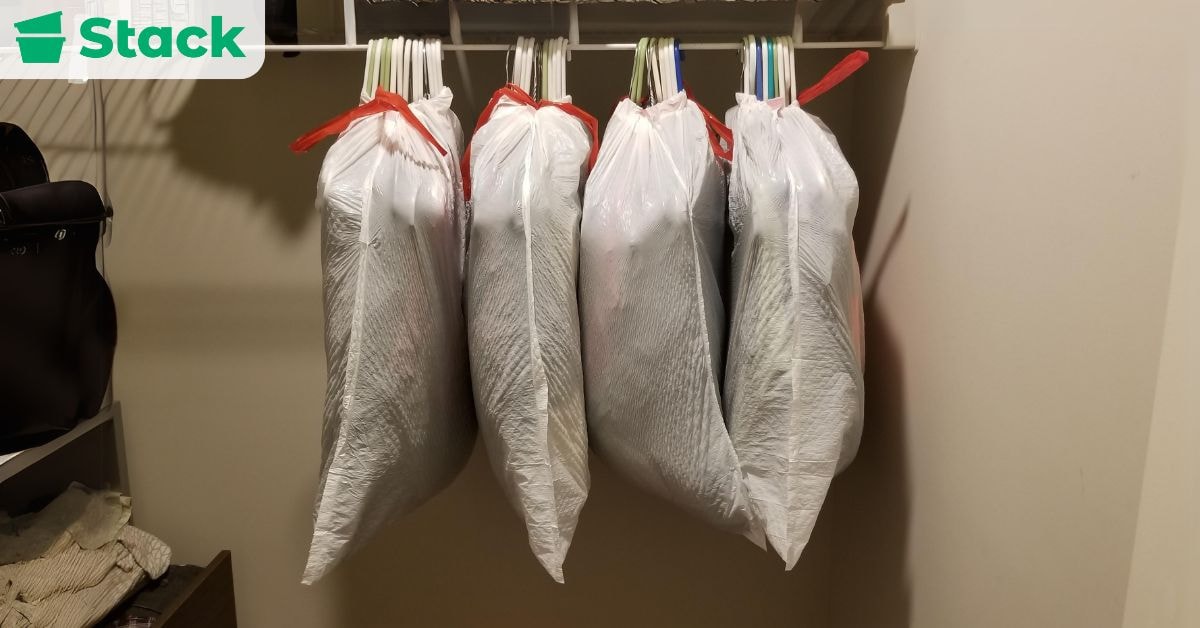
Using heavy-duty trash bags or garbage bags is a cost-effective and straightforward method to pack your hanging clothing. This method provides basic protection against dust and dirt while being easy to implement with everyday materials at home.

  1. Gather a Section of Hanging Clothes: Bundle 10-15 clothes at a time to make handling them easier.
  2. Pull a Trash Bag Up from the Bottom of the Clothes: Slide a heavy-duty trash bag up from the bottom, covering the clothes completely until the hangers are left sticking out at the opening of the bag.
  3. Tie the Bag at the Top, Around the Hangers: Gather the top of the bag around the hangers and fasten it securely. This keeps the clothes together and provides a handle for carrying.
  4. Ensure Clothes are Protected: Check that the clothes are completely covered by the bag to protect them from dust and minor damage during the move.
  5. Pack in a Cardboard Box or Plastic Bin: For added protection, place the bags in either plastic bins or cardboard boxes. This prevents the hangers from shifting during the move. The more durable option is plastic bins, especially if you’re looking for something water-resistant.

How to Pack Clothes for Any Type of Move

How to Pack Clothes for Any Type of Move

Whether you’re moving across town or to another state, packing clothes according to your move can make all the difference. Ideally, how you pack your clothes should depend on how far you’re going, how much space you have, and whether you’re packing hanging or non-hanging clothes.

How to Pack Clothes for Moving Long Distance

For long-distance moves, you can pack your hanging clothing in wardrobe boxes to keep them wrinkle-free. However, they’re very bulky and could eat up space in your vehicle. Instead, you can use plastic boxes to move your hanging clothes without worrying about space, thanks to their stackable design.

How to Transport Hanging Clothes in a Car

Place the clothes in garment bags or large trash bags and secure them with a drawstring. Then lay them flat in your car’s trunk or the passenger area. The downside to this is that your clothes could move around a lot; a plastic bin offers better stability and prevents your clothes from shifting during a drive.

How Do You Fly With Hanging Clothes

You can fly with hanging clothes by packing them in a garment bag, either in your luggage or as a carry-on, as they are sleek enough to fit in the overhead compartment. Most airlines allow garment bags as carry-ons, but check with your airline for specific size and weight restrictions. Alternatively, you can fold your clothes neatly in your luggage to save space and avoid any hassle with carry-on limits.

How to Store Hangers When Moving

Group them together and secure them with a rubber band or string, then place them in a large garment bag so they stay organized. You can also stack them inside plastic bins for easy access.

Need Plastic Bins for Rent to Pack Hanging Clothes?

A smooth and efficient move starts with the right preparation. Properly packing your hanging clothes ensures they arrive in excellent condition, reducing the stress of moving. By investing in quality packing materials, you can streamline the packing process and reduce stress on moving day. Options such as sturdy plastic bins offer a reliable solution to protect your wardrobe during transportation, especially when you need to pack non-hanging clothes.

Stack Moves provides an eco-friendly and durable solution for your moving needs by renting out plastic bins and other packing supplies. These boxes are not only sturdy but also stackable, helping you protect your precious clothes and save space. Contact us today to have your pre-assembled bins delivered to your doorstep for a stress-free move.

How Many Boxes Do I Need To Move?

There isn’t a universal answer to the question of how many boxes you’ll need for your move. The number of boxes you need depends on factors like your home size, how much stuff you own, and how you’d like to pack. Making it possible for a minimalist in a two-bedroom home to use fewer boxes than a collector in a studio apartment.

To take out the guesswork, we created a moving box calculator that gives you quick estimates based on the size of your home. This way, you can enjoy your move without overpacking, overspending, or making unnecessary trips to the store to pick up more boxes.

Once you know how many boxes you need, the next big move is choosing the right kind. Stack Moves provides high-quality moving boxes for rent alongside labels and dollies to make your move hassle-free from start to finish. With convenient delivery and pick-up at your new address, there is truly no better moving solution that moving box rentals! Schedule a call to get started.

In this blog, you’ll learn how to determine just how many boxes you’ll need for your move based on your apartment size.

What Box Sizes and Box Types Are Best for a Move?

What Box Sizes and Box Types Are Best for a Move?

From small boxes to extra-large boxes, choosing the right types when moving helps protect your belongings and makes the moving process easier.

  • Small Boxes (1.5 cubic feet): These are perfect for heavy or dense items like books, tools, canned goods, and small appliances. Keeping the weight concentrated in a smaller space makes these boxes easier to lift and less likely to break during the move. Always pack heavy items here—not in your large boxes.
  • Medium Boxes (3 cubic feet): medium packing boxes are better for moderately heavy items like toys and small decor items.
  • Large and Extra Large Boxes (4.6-6 cubic feet): These boxes are good for packing bulky but light items like blankets, comforters, pillows, comforters, and larger lamps.
  • Specialty Boxes: These boxes are designed to meet specific needs. Examples of such boxes are wardrobe boxes, dish barrel boxes, and mirror/artwork boxes. They reduce the risk of damaging or repairing your expensive or fragile items.
  • Plastic Bins: Plastic bins or plastic boxes are an eco-friendly way to pack your belongings. Our bins are the industry standard size and provide the best protection against moisture and impact.

How Many Packing Boxes Do I Need To Move a Studio Apartment?

Since studios are typically smaller in size, you won’t need too many boxes for this type of move. In our expert opinion, we believe that you would need 15 of our bins to pack your belongings successfully.

Our standard-sized bins measure 27” by 17” at the top, 24.5” by 14.5” at the bottom, and 13” tall- spacious enough to hold personal belongings, clothes and shoes, electronics, and kitchen essentials.

For a smooth move, your box rental also comes with a dolly and labels. The average cost of moving from a studio apartment ranges from $200 to $1,000.

How Many Moving Boxes Do I Need to Move 1 Bedroom Apartment?

Packing Essentials for a 1-Bedroom Apartment?

You will need 25 bins, 2 dollies, and 25 labels to pack a 1-bedroom apartment. Begin with items you use less frequently and use packing paper for kitchenware. Then, move on to more essential items, such as clothing. It is also important to label each box by room and content for efficient unpacking. 

The average cost of moving for a one-bedroom apartment ranges from $300 to $1500. In this case, you will be packing items from the bedroom, living room, kitchen, and bathroom. These items could include nightstands, dressers, a sofa, a TV stand, a television, a dining table, clothes, and personal items.

Average Number of Boxes For a 2-Bedroom Apartment?

You will need around 35 bins, 2 dollies, and 35 labels to move a 2-bedroom apartment. On average this will cost between $500 to $2500. When packing a two-bedroom apartment, it is best to pack one room at a time. Start with decorative and non-essential items. If possible, use the original boxes for electronics. Also, be extra careful with expensive or fragile items.

If your current or new home is a two-bedroom, you will likely have additional belongings to move, such as additional bedroom furniture and possibly more electronics. Therefore, you will need more boxes than are required for a one-bedroom apartment.

How Many Boxes To Move a 3-Bedroom House?

How Many Boxes To Move a 3-Bedroom House?

It should take 50 bins, 3 dollies, and 50 labels to pack a three-bedroom house, and the move will cost you between $4000 and $10,500. A three-bedroom house and a two-bedroom apartment vary in square footage, particularly when it comes to bathrooms, bedrooms, and living areas. It may also have a larger kitchen and a more extensive dining area.

 You should create a moving checklist to track what you have packed and what remains. To make the process easier and faster, it helps to assign specific tasks to family members, friends, or roommates. Additionally, it is important to keep an essential box for items you will need immediately upon arrival at your new home.

Average Number of Boxes for a 4-Bedroom Move?

You will need 75 boxes, 4 dollies, and 75 labels for a four-bedroom move. A move this big usually costs $5000-$15000. For a four-bedroom house, you’ll most likely be moving multiple large furniture items and household appliances like sectional sofas, larger dining tables, and refrigerators. It’s best to hire professional movers to handle oversized or valuable items safely.

How Many Boxes Do I Need To Move a 5-Bedroom House?

How Many Boxes Do I Need To Move a 5-Bedroom House?

For this move, you will need 100 bins, 5 dollies, and 100 labels. Typically, the cost of moving a 5-bedroom house ranges between $7,000 and $22,000. It can be challenging because you will have to manage a much larger volume of items and coordinate multiple family members.

To make your move smoother, consider scheduling packing over multiple days or even weeks. You should also label boxes with detailed information about items and which rooms they belong to. It can be helpful to hire professional movers to assist with packing and moving, especially for large items and appliances.

How Many Boxes Will You Need to Pack a Kitchen?

For an average-sized kitchen (around 1280 cubic feet), you’ll need about 17–22 boxes in total if you plan to use different-sized cardboard boxes.

  • Small boxes (2-4): Use these to pack your cutlery, pantry staples, and small appliances
  • Medium Boxes (5-6): These are ideal for pots, pans, and bulky utensils
  • Large Boxes (4): Pack your mixing bowls and large pantry items
  • Extra-Large Boxes (2): Best for light but large items like oversized pots and baking sheets
  • Specialty Boxes (4-6): For your plates, glasses, and ceramics

Packing Tips for Small and Large Moves

Packing Tips for Small and Large Moves

When preparing for a move, whether small-scale from a studio apartment or large-scale from a multi-bedroom house, it helps to clearly label each box with the items contained and the room to which it belongs. For better visibility, use a permanent marker. Also, consider a color-coding system where each room has a different color label, which speeds up the unpacking process.

Furthermore, keep an inventory list detailing what is in each box. This will help you track important items and organize unpacking.

While packing, avoid overloading boxes with heavy items. Instead, distribute the weight evenly by packing heavier items like books or dishes in small boxes and lighter items like linens and pillows in larger boxes. Place heavier items at the bottom of the box and lighter items on top. This not only helps with balance but also prevents damage to fragile items.

Remember to pack an essential box during your packing process. The essentials box should contain items you’ll need to easily access on moving day. These could include toiletries, a few dishes, utensils, phone chargers, essential documents, medication, and a change of clothes. This box should be the last one loaded onto the moving truck and the first one unloaded.

In addition, you should have a list for moving out. This list ensures that nothing is forgotten during your move.

Should You Buy or Rent Moving Boxes?

Should You Buy or Rent Moving Boxes?

When sourcing moving boxes, the default option is to either buy them or get free ones. But the problem with doing this is that these boxes could be damaged or flimsy. Renting moving boxes, especially plastic bins, is a more cost-effective and practical choice compared to free or bought boxes.

When you rent plastic moving boxes, you only pay for the rental period and return the boxes when you are done. They’re also more durable than their cardboard counterparts because they offer better protection against impact and moisture. Plus, renting reduces waste since these bins can be reused many times.

To avoid last-minute stress, be sure to book your boxes at least a month in advance so you don’t have to pack in a hurry. This will also give you enough time to assess your needs and order the right number of boxes and other packing supplies, such as packing paper, bubble wrap, packing tape, etc.

Need Boxes For Rent?

Having a precise estimate of how many boxes you need to move is vital to avoid overspending. However, keep in mind that the number of boxes you need can vary widely depending on the number of items you have, their sizes, and their fragility.

When packing, take the time to thoroughly go through your belongings or office inventory. This might reveal items that require special packing attention or those that are bulky and need more space.

Ready to make your move smooth and stress-free? Whether you’re relocating your home or need moving boxes for a corporate relocation, Stack Moves can assist you. Contact us now so we can help you plan efficiently!

Plastic Bins vs. Cardboard Boxes – Which Is Best for Moving?

When preparing for a move, one of the first and most crucial decisions you’ll have to make is choosing which type of containers to pack and transport your belongings in. While cardboard boxes have been the norm for most moves for decades, plastic moving bins are rapidly becoming the better, more efficient option.

In general, plastic bins are better for moving because of their superior durability, security, and ability to protect your items from damage and moisture.

Stack Moves is your go-to rental company for sturdy, eco-friendly moving bins, perfect for residential and corporate moves. We make moving easier and more efficient with our affordable pricing. Plus we cater to over 20 locations across the U.S. Schedule your delivery today!

In this blog post, we will explore the benefits of using plastic storage boxes compared to cardboard boxes. At the end of the blog, you will have a clear understanding of the pros and cons of each in order to make the best choice for your move.

Plastic Moving Boxes

Plastic Moving Bins

Plastic containers are sturdy and versatile containers great for transporting and storing belongings during a move. They can be used for both residential and commercial relocations. Plastic bins come in different sizes, with the most common size being 27” by 17” at the top, 24.5” by 14.5” at the bottom, and 13” tall. Their steep purchase price prevents them from being a moving favorite, as they are far more expensive than cardboard boxes. This is why renting plastic moving boxes is a more economical choice. This way, you can enjoy all the benefits of using plastic boxes for a fraction of the price.

Advantages of Using Plastic Bins

One would typically opt for a plastic bin because of its durability. Compared to cardboard boxes, plastic bins provide superior protection against physical damage. Their rigid structure helps safeguard content from impact and compressive forces.

In addition, plastic bins are also water resistant. Because of this, they are ideal for moving during rainy weather or for long-term storage of items in a damp environment. Also, you can reuse plastic bins multiple times, thus reducing waste and resource consumption.

Disadvantages of Using Plastic Bins

Although plastic bins have advantages, there are also downsides to choosing them, like the initial cost. Although reusable, plastic bins can be more expensive upfront compared to cardboard boxes, which may be available for free or at a lower cost.

Another disadvantage of plastic bins is that they take up more space since they don’t fold flat like cardboard boxes. In addition, there are some environmental concerns surrounding the use of plastic bins as their production involves materials that are less eco-friendly than the recycled content of cardboard boxes.

Cardboard Moving Boxes

Cardboard Moving Boxes for Moves

Because of their versatility and availability, cardboard boxes are just as popular for both residential and commercial moves. They come in various types, from standard boxes to specialized ones like cardboard wardrobe boxes for clothing. You can use cardboard boxes to pack a wide range of items like household goods, furniture, and books.

Advantages of Using Cardboard Moving Boxes

An advantage of using cardboard boxes is that they are cost-effective. Cardboard boxes are typically cheaper than plastic tubs. You can often get cardboard boxes at a low cost or even for free from local stores or via online marketplaces.

Cardboard boxes are readily available in many stores, making them a convenient option for last-minute packingAdditionally, they are easily recyclable, making them an environmentally friendly choice for those concerned with sustainability.

Disadvantages of Using Cardboard Moving Boxes

While these boxes have benefits, their biggest issue is durability. Cardboard boxes are susceptible to tearing and can collapse under too much weight, making them less ideal for long-term storage or for very heavy items. Corrugated cardboard boxes were created to counter these durability issues. They offer added durability and are better suited for moving delicate items.

Furthermore, cardboard boxes absorb moisture. Thus, they are susceptible to water damage and cannot be used during the rainy season or in damp environments. Cardboard boxes also lack security as they must be sealed with tape and can be easy to open. They are less secure when compared to plastic boxes that come with locking lids.

Moving Boxes vs. Plastic Bins – Factors to Consider

Moving Boxes vs Plastic Bins - Factors to Consider

When deciding between moving boxes and plastic bins for your relocation, you will need to consider several factors like the nature of the items being moved, the distance of the move, budget constraints, environmental concerns, and storage requirements post-move.

When moving fragile items, it’s better to use plastic bins because they offer better protection, while large and heavy items should be packed in cardboard boxes. However, very heavy items may need the durability of plastic bins to handle the load without tearing.

Cardboard boxes are ideal for short, local moves, but plastic bins are more secure and durable for long-distance moves. While cardboard boxes are often cheaper and sometimes free, their tendency to get damaged makes them less than ideal for the rigor of moving.

From an environmental perspective, cardboard is recyclable, while plastic bins are reusable, reducing the need for continual production and disposal. Another factor to consider would be your storage needs after moving. Cardboard boxes are suitable for temporary storage as they take up less space when not in use. They are fully collapsible when empty, making them suitable for tight spaces. However, plastic bins are better for long periods. Their durability and stackability make them excellent for maintaining the integrity of stored items over time.

Cost Comparison: Which Is More Budget-Friendly?

Cardboard boxes cost $1-$8 depending on size and quality, but they are prone to damage and they may not offer the best protection for your fragile items. Plastic boxes usually cost $10-$30, and even if you need only 15 to move a studio apartment, that would bring your estimated cost to $450. This is why we always recommend renting them instead. For as low as $1.5-$3.0, you can rent a plastic bin for an entire week from rental companies like Stack Moves. This doesn’t just save you money; it also takes away the headache of dealing with storage or disposal after the move.

Feature Comparison Table | Cardboard vs Plastic Bins

FeaturePlastic BinsCardboard Boxes
DurabilityWon’t tear or collapseProne to damage
WaterproofProtects against moistureSusceptible to moisture
ReusabilityCan be used multiple timesTypically one-time use
StackabilitySecure stacking, no shiftingProne to shifting and collapsing
Eco-FriendlinessDurable, reducing the need to frequently replace itRecyclable but often disposed of after use
ConvenienceReady to use, no assemblyRequires tape & setup
Best ForHassle-free, secure movesBudget-friendly, short-term use

Tips for Efficient Packing Regardless of Choice

Tips for Efficient Packing Regardless of Choice

The best practice for packing boxes and bins starts with choosing the right size of boxes or bins. Heavier items like books should go in small boxes or durable plastic bins to prevent overloading. Lighter items can be packed in larger boxes without the risk of them becoming too heavy. Items should also be packed tightly to prevent movement. However, they should not be packed too tight to cause damage. It helps to use packing materials such as bubble wrap, packing paper, or towels to fill empty spaces and provide cushioning for fragile items.

Additionally, you should always place heavier items at the bottom of the box or bin and lighter items on top to prevent damage. For fragile items, consider using specialty cardboard boxes such as dish packs or wardrobe boxes, which provide greater protection and are designed for specific needs. It is also important to ensure that cardboard boxes are taped securely at the bottom and top. Plastic totes with lids should be closed and secured to prevent them from opening during the move.

Labeling your containers is also necessary for an easier move. To do this, use a bold marker to label every box and bin. Also, include the content and the room it belongs to. For plastic bins, you might use labels or sticky notes since markers can be less visible on surfaces. Aside from using markers, you can also decide to color code. Assign a color to each room and use colored stickers or tape to label the boxes and bins. This visual guide will help movers know where to place each container in the new house.

Additionally, pack a plastic box or bin with the essentials you’ll need on the first day in your new home. These essentials could be toiletries, medications, chargers, snacks, and basic tools. Make sure this is labeled clearly and loaded last so it can be accessed first.

Need Plastic Boxes for Moving?

How smooth or stressful your move turns out largely depends on the boxes you use for your move. Although cardboard boxes are a nice option because of their availability and affordability, they come with various limitations. Plastic bins are sturdier, weather-resistant, easy to stack, and reusable—making them ideal for both short and long-term storage.

But to avoid the financial strain associated with purchasing them, renting presents itself as the ideal solution. Stack Moves offers affordable rental packages designed to fit different move sizes. You get all the benefits of plastic bins without the hefty price tag or the clutter once you’re done. Reach out to us today! 

Moving to Chicago Checklist: Pro Tips for a Smooth Move

Chicago has something for everyone, regardless of their preferred lifestyle or budget. It boasts a beautiful, dynamic urban environment with world-class restaurants, networking opportunities, and nightlife. However, factors like traffic congestion, tax regulations, and harsh winter conditions can make planning a Chicago move more difficult than most. That’s why we suggest you compile a comprehensive moving to Chicago checklist, as it will help you have a smooth transition and avoid feeling overwhelmed.

Your checklist should include pre-move preparations such as proper research into housing arrangements, getting all the necessary moving supplies, understanding Chicago’s climate, gathering all essential documents you’ll need for your move, and many other things!

At Stack Moves, we understand that moving can be costly and challenging, which is why we provide a cost-effective, sturdy packing solution. Our eco-friendly moving bins will help keep your belongings safe even when moving during severe weather conditions like Chicago winters. Contact us today to rent moving boxes and enjoy a hassle-free move.

In this blog, we’ll guide you through your relocation process, from pre-move preparations and budgeting to packing strategies and settling into your new Chicago neighborhood.

Moving to Chicago Checklist for Beginners

Moving to Chicago Checklist for Beginners

Before moving to a big city like Chicago, you need a properly structured checklist for moving out that covers everything from choosing the right neighborhood, setting up utilities and preparing for Chicago’s weather conditions.

Ultimately, your checklist should include the tasks you need to complete before and after moving to this city to stay organized. You need to:

  1. Research and plan your move
  2. Find a place to live
  3. Set a realistic budget for your Chicago move
  4. Prepare for the move
  5. Put your moving day essentials together
  6. Update documents and services after moving
  7. Settle into Chicago and explore the city

Now, let’s break down each of these steps in detail:

1. Research and Plan Your Move (3–6 Months Before Moving)

Research and Plan Your Move (3–6 Months Before Moving)

Research and plan your move to a beautiful city like Chicago 3-6 months before moving to make sure you’re fully prepared for the new location. Early planning allows you to research neighborhoods, compare housing options, and organize all the details needed for a smooth relocation.

Start by choosing a neighborhood. Chicago is the third-largest city in the United States and has over 200 diverse neighborhoods that make up its total 77 community areas. Downtown areas like River North, Lincoln Park, and the Loop have a fun nightlife and are closer to public transit. However, they may not be the best option if you are moving on a tight budget. If you prioritize affordability but still want to maintain a convenient community feel, Hyde Park and Lakeview areas are your top options.

You also need to understand Chicago has a 14% higher cost of living than the national average. Rent prices highly depend on the neighborhood you choose and the apartment size. Beyond rent, prepare a proper budget for other utilities, groceries, transportation, and local taxes. For transportation, get a Ventra card for CTA buses and trains and Metra commuter rail services, which costs $5 for new cards. Food, healthcare, and transportation all have a higher cost in Chicago. Still, it’s expected since it’s one of the US’s largest, high-demand urban cities with a dense population and thriving economy.

Next, explore Chicago’s job market and employment opportunities. The big city has different finance, healthcare, technology, education and manufacturing opportunities. Renowned firms have their headquarters or significant operations in Chicago, which makes the city very competitive for those seeking a job.

Prioritize researching for schools if you plan to move to Chicago city with your family or to pursue further education. Review the performance of different school options using Chicago Public Schools (CPS) ratings. Check out different options like Northwestern University and the University of Chicago for higher education. Before you make your choice, look out for housing options close to these institutions, as commuting long distances is not ideal in the long run.

2. Find a Place to Live (2–4 Months Before Moving)

About 2–4 months before you move to Chicago, start to actively find a place to live to get the best selection and avoid any form of last-minute stress. Chicago has different living options, including apartments and family homes in both lively neighborhoods and quieter residential areas. Before making your final decision, weigh the pros and cons of renting vs. buying a Chicago home carefully.

It’s best to rent if you’re new to the city. However, renting doesn’t give you access to equity. On the other hand, if you plan on settling in Chicago for a long time, buying a home is a better option. It allows you to build equity and enjoy stability in monthly payments. On the downside, homeowners must handle all forms of ongoing maintenance costs.

Use online resources like Zillow, Apartments, and Craigslist to hunt for apartments. You can also consider hiring local realtors who can provide personalized recommendations and assist you with lease agreements if you need one.

3. Set a Realistic Budget for Your Chicago Move

Set a Realistic Budget for Your Chicago Move

Set a realistic budget for your Chicago move to manage your expenses and avoid unexpected financial stress. Make a list of expenses when moving out. Your list should include packing supplies, transportation, movers, deposits, and other upfront expenses.

Decide early if you’d prefer hiring professional movers or handling the move yourself. DIY moves with a moving truck may be a cost-effective option. However, if you include gas, mileage fees, rental insurance, and the physical labor involved, the savings might not be as substantial as you imagined. Hiring professional movers may incur higher costs, but it will save you time, energy, and logistical hassle, especially when relocating from a long distance. 

Before your move to Chicago or as soon as you arrive, open a Chicago bank account if you’re relocating from another state. Opening the account will simplify paying your rent, utilities, and local taxes. As part of your financial planning, don’t forget to research Chicago’s local tax rates, including property taxes, which can vary depending on the neighborhood. Be sure to integrate these costs into your moving budget to avoid surprises later on.

4. Prepare for the Move (1–2 Months Before Moving)

Organize and prepare for your move to Chicago 1-2 months beforehand. To kick off your pre-move preparations, check out the items you’ll want to take with you and declutter the ones you won’t need. 

Use a moving box calculator to estimate the number of boxes you’ll need ahead of time. This tool can help you avoid overspending on unnecessary boxes and prevent you from purchasing too few. Additionally, we recommend that you use plastic bins, as they are by far the best bins for moving.

5. Pack Your Moving Day Essentials Bag

A comprehensive moving checklist also ensures that you prepare properly for your moving day essentials. Make sure you have all the necessary supplies, protect your belongings, and prepare ahead for Chicago’s unique weather conditions. Put together a survival kit so you can have quick and easy access to everything you need during the move. Your kit should contain:

  • Toiletries such as toilet paper, your toothbrush and toothpaste, soap and shower gel, etc.,
  • A change of clothes for the first night in your new Chicago home,
  • Essential documents like your lease agreement, ID, and moving contract,
  • Chargers and power banks to keep your devices powered throughout the move,
  • Snacks and bottled water,
  • Basic cleaning supplies for any last-minute touch-ups as soon as you arrive.

Packing these essentials in a separate survival kit helps to prevent unnecessary stress and allows you to settle in comfortably without digging through multiple boxes. If you also plan to move during the colder months, check the weather forecast way before your move and prepare for sudden changes beforehand. This is because the temperature in Chicago often times goes below zero during the winter season.

Once you arrive in Chicago, check your new place for issues. Inspect all plumbing or electrical appliances and confirm that they are working correctly. If you spot any issues or damage, make sure to take photos and document your concerns.

Focus on unpacking when you are done checking out issues with your new place. Start by unpacking bedding, toiletries, and kitchen items before moving on to non-urgent belongings. Also, contact the moving box suppliers for a pickup if you rented a moving truck and bins for your move.

6. Update Documents and Services After Moving (Must Do)

Update Documents and Services After Moving (Must Do)

Update your personal information and services to avoid interruption of service, missing bills, and fines that may come up shortly. Forward a mail to the United States Postal Service (USPS) informing them of your move and requesting a change of address. This would require updating your address with your bank, credit card providers, and insurance providers.

7. Settle Into Chicago After Your Move

Once you’ve moved to Chicago, familiarize yourself with the beautiful city and everything it offers. Understand Chicago’s public transport and how the entire system works. Chicago’s public transport system is also cost-effective compared to the national average. The Chicago Transit Authority (CTA) offers:

  • CTA trains (“The L”) are a fast and reliable service that connects major cities, downtown areas, and airports (O’Hare and Midway) in Chicago.
  • CTA buses complement train service and reach almost every corner of the city.
  • A reloadable Ventra card is used for easy payment on all CTA trains and buses and Metra commuter rail services that connect suburbs with downtown.

If you are moving along with a vehicle, visit an Illinois Secretary of State facility within 30 days of residency so you can obtain an Illinois driver’s license and transfer your vehicle registration. Take your proof of residency and insurance documentation with you, and prepare to pay specific associated fees.

8. Get Involved in the Community

Connect with your new Chicago community to embrace the new suburban life and make the city feel like home. Get involved in the community by joining various groups and events such as:

Social groups and networking opportunities: These groups may occasionally host events tailored to various interests, hobbies, and industries.

Local events, festivals, and entertainment: Chicago hosts different festivals year-round. You can also check out Millennium Park, Navy Pier, and neighborhood street festivals to experience their local culture, food, and lifestyle firsthand. Places like Wicker Park, which is located on the city’s west side, have different bars and restaurants for entertainment.

Making friends and adjusting to life in Chicago: Participate actively in social events like local volunteer programs, community workshops, or neighborhood events so you can connect with people. Many Chicagoans are also known for their friendly and welcoming attitude, so they are more likely to engage with neighbors, coworkers, and fellow newcomers.

What Do I Need to Know Before Moving to Chicago?

What Do I Need to Know Before Moving to Chicago?

There are certain things you should know before settling into the great city of Chicago. You need to fully understand the city’s laws, job market, public transport system, and lifestyle for a smooth move. These are the various factors you need to be aware of:

Understand the Local Laws and Registration Requirements

Chicago has laws and unique regulations regarding residential parking permits, taxes, vehicle registration, and pets. Research early enough to have a hassle-free transition.

For taxes, the national average top rate of state income tax in Illinois is about 4.95%, and Chicago’s taxes are among the highest. The big city requires that Chicagoans pay a sales tax of 10.25%, which is also higher than the national average.

Consider Job Opportunities and the Employment Market

Consider job opportunities and employment prospects if you’re relocating for work or plan to seek new employment when you arrive in the city. Connect with different potential employers or networking groups early enough to have a good advantage.

The Chicago area has a very competitive job market because many Chicagoans are already seeking opportunities across various industries. Research different companies, understand their hiring trends, and organize your resume to fit the expectations of Chicago-based employers. Many companies conduct multiple rounds of interviews so if you decide to wait until after your move to start your application, you may undergo unnecessary delays in securing employment.

Check Out Chicago’s Culture, Entertainment, and Dining Scene

Chicago is also known for its famous dishes, including Italian beef sandwiches and deep-dish pizza. The city also has a vibrant theater scene, annual festivals, and a strong sports culture that brings residents together year-round. Adjust to life in this new city by checking out everything Chicago offers. The more you immerse yourself in these local experiences, the easier it becomes to feel at home.

Explore Different Neighborhoods to Find Your Best Fit

Take time to explore various neighborhoods. This will help you find the ideal community that resonates well with your lifestyle and preferences. Check out different parks, museums, theaters, and shopping centers. You’ll find a host of them in The Loop area. Also, the North side of Chicago is highly recognized for its boutiques and different dining options.

Prepare for Chicago’s Weather Conditions

Make the right preparations for Chicago’s cold temperatures, snow, and icy, challenging periods. Before you move to the city, invest in warm clothing and plan accordingly.

Budget-Friendly Ways For Moving to Chicago

Budget-Friendly Ways For Moving to Chicago

As a newcomer, you should have a strategic plan and budget before you move to Chicago. To make your move smooth without having to sacrifice your convenience or comfort, you need to:

Move During Off-Season

Fall is a good time to schedule your move to Chicago because professional movers offer lower rates during this period, and moving truck rentals are equally more cost-effective than in the summer months. This will help you save significantly compared to moving during the summer months, which is the peak moving season for most Chicago residents.

Declutter and Sell Unwanted Items Before Your Chicago Move

Before you start packing, take time to sort through your belongings and set aside anything you no longer need or use. Downsizing before moving will make your move lighter and more organized. Also, consider selling the things you no longer need, including furniture, clothing, and household goods, online or at garage sales, to offset some of your moving expenses and reduce the number of boxes you’ll need to transport.

Source Free or Discounted Packing Materials

Obtain free packing materials or buy at a discounted price from local grocery stores or retail shops, so you don’t have to overspend on these items.

Compare Multiple Quotes and Negotiate Prices

Request quotes from different Chicago movers or truck rental companies and compare their rates carefully to know the best value that works for you. Don’t also be hesitant to negotiate prices. Most moving companies are open to offering discounts if you have a flexible moving date or would prefer to move during a less busy season.

Plan Utility Setup Strategically

Schedule your utilities properly to avoid overlapping utility payments. Put together disconnect dates at your old place and setup dates at your new home in Chicago so you can avoid paying for duplicate services.

Rent Moving Boxes

Rent eco-friendly moving boxes instead of buying cardboard boxes. Rental options like sturdy plastic moving bins from Stack Moves are very affordable and convenient. When you rent our boxes, they get delivered to your home and picked up afterward.

Packing and Preparation Tips for a Smooth Move to Chicago

Packing and Preparation Tips for a Smooth Move to Chicago

Proper organization will help you reduce stress, save you money, and make sure all your belongings arrive safely. Follow these proven packing and preparation tips for a smooth move to Chicago:

Start Packing Early and Label All the Boxes

Start packing for your move ahead of time. Once you pack up any box, label it clearly with its contents and the room where you’ll eventually want to place them. This will make your unpacking process more straightforward.

Pack an Essentials Bag

Set a bag aside for your toiletries, a change of clothes, medication, chargers, and important documents like your lease agreement, ID, and moving contracts. 

Use Vacuum-Sealed Bags for Bulky Items

Chicago’s winter season demands that you provide bulky clothing, blankets, and bedding. These items should be compressed into vacuum-sealed containers to save space, make transportation easier, and reduce the number of boxes you’ll be moving with.

Protect Fragile Items Creatively

Use towels, blankets, or clothing instead of bubble wrap to shield fragile items like glassware or decor from breakage. This approach will minimize waste and save you money.

Create a Moving Inventory List

If you’ll be hiring professional movers, create a moving inventory list. Note the condition of each item before you pack it, and while unpacking, use the same inventory to check if everything arrived intact.

Research Chicago Parking and Unloading Restrictions

Parking in Chicago can be tricky, most of all when unloading a moving truck. Most neighborhoods require that you have residential parking permits. They also have strict rules about where moving vehicles can park. Check with your new neighborhood or the city’s official website before you arrive to fully understand the parking guidelines, secure the required permits, and avoid fines or delays on moving day.

Need Help With Your Move to Chicago?

A moving checklist will ensure that your move into the big city is smooth and free from stress. Research the neighborhoods and thoroughly prepare your new home setup, including utilities and documents, before you move. You can also avoid any form of disorganization by creating an inventory list, labeling boxes, and preparing ahead for Chicago’s unique climate and regulations.

To simplify your move and reduce moving expenses further, we recommend using eco-friendly moving boxes. This option is hassle-free compared to buying or sourcing cardboard options.

Stack Moves offers durable, reusable plastic moving bins for rent to make packing easy, safe, and affordable. Each of these bins replaces 500+ cardboard boxes in its lifetime and renting them is very quick and convenient. Contact us now to place your order!

The Ultimate Moving Across the Country Checklist

Moving cross-country is an exciting major life transition, but it can be daunting. Packing up everything you own, coordinating logistics, and figuring out how to settle into a new place is a lot to keep track of. But with the right plan, you can avoid unnecessary stress and keep things under control.

To make your move as smooth as possible, we’ve put together the ultimate cross-country moving checklist that you can take cues from. It covers everything from pre-move preparations and packing strategies to coordinating logistics and finalizing details before moving day. With this guide, you’ll have a clear roadmap to make your cross-country move as seamless as possible.

Moving doesn’t have to be stressful! Stack Moves provides durable, eco-friendly moving boxes to keep your belongings secure and your move well-organized. With our sturdy rentals, you can pack more efficiently and focus on settling into your new space. Contact us today to get started!

This guide takes you through each stage of a cross-country move and breaks it down into manageable steps. You’ll find practical advice on early preparations, from researching your new location to budgeting effectively. We’ll also cover smart packing tips, weigh the pros and cons of hiring moving companies and handling the move yourself, and highlight key logistical details to address before moving day.

Moving Across the Country | Checklist for Beginners

Moving Across the Country | Checklist for Beginners

Moving cross-country comes with many challenges, from transportation and logistics to ensuring your belongings arrive safely. To make the process smoother, be sure to follow this quick guide before tackling the finer details:

  1. Make a plan & start early: Beginning early will allow for complete research as well as service bookings and move organization.
  2. Set a budget: Create a financial plan that includes all expenses for moving cross-country as well as travel expenses and unforeseen fees.
  3. Choose a moving method: Decide between patronizing professional moving companies or self-moving through rented truck services.
  4. Notify important contacts: Notify important contacts about your move. Update your friends, family, banking institutions, insurance providers and all your subscription services about your new address.
  5. Create an inventory: Organize an inventory list that tracks your entire shipment to ease the packing process and prevent misplacing anything
  6. Declutter & create a shopping list: Before moving cross-country, create a decluttered space combined with a list of necessary purchases by either selling unneeded items, donating them, or simply throwing them away. Prepare a list containing all the essential items that you will need at your new residence.
  7. Learn how to pack efficiently: Read up on tips and tricks to pack smart and avoid damage.
  8. Secure moving supplies: You should consider renting sustainable moving containers because they combine efficient packing with environmental benefits.
  9. Plan for moving day logistics: You should organize transportation for your moving day along with hotel accommodations and prepare a travel bag that holds essential items.
  10. Prepare for settling in: When moving into a new place, start by setting up essential services like utilities, internet, and waste collection to avoid any inconveniences.

Pre-Move Preparation (2-3 Months Before Your Cross-Country Move)

The earlier you start preparing, the more organized and stress-free the cross-country move will be. At this stage, it’s all about research, planning, and making key decisions to set you up for a smooth transition.

Research & Plan Your Move

Research & Plan Your Move

Doing your research is a non-debatable aspect of a successful move. You need to do your homework and find the best deals for a hassle-free move. Here are some things to look into;

  1. Decide on DIY vs. Hiring Movers: You need to choose between DIY moves and professional mover services to manage the transportation. Evaluate your budget, schedule, and physical ability to handle the move.
  2. Compare Moving Companies & Get Quotes: If you’re hiring a moving company, research multiple options and compare quotes to find the best fit.
  3. Look for Discounts: Several cross-country movers extend rate reductions specifically for members of the military forces as well as AAA members and organizations that perform corporate relocation activities. Check whether you meet the criteria for cost-saving discounts.
  4. Estimate Packing Supplies: You need moving boxes to ease the packing process. Not sure how many boxes you’ll need? Use this moving box calculator to get an accurate estimate and avoid last-minute supply runs.

Research Your New Destination

A successful cross-country move starts with understanding your new location. Before relocating, find out the cost of living in the new place. This will require you to analyze housing prices, utility expenses, the cost of transportation and regular groceries. Even small price differences can impact your budget, so gather accurate estimates to plan your finances effectively.

Beyond finances, research neighborhoods. Look into factors like safety, school quality, and commute times. It might seem insignificant, but make no mistake about this because it can make a huge difference in your daily life. If possible, visit the area beforehand or explore online resources to get a feel for different neighborhoods and what they offer. If you have children, you should make researching local schools a top priority. Look at the reviews and enrollment requirements. Some schools may demand school records for admittance, so request them early to minimize delays.

It’s a good idea to research local services in advance during your planning process. Research into local utility providers, internet options, and healthcare facilities. This will enable you to quickly set up services from the moment you arrive in the new area. 

Create a Budget for Your Move

Moving across the country can be expensive, but careful budgeting can prevent undue financial strain. The decision rests with you to choose between the services of professional movers and self-moving with either a rented moving truck or performing the work independently. Every move method has financial expenses. Cross-country movers offer convenience but can be pricey, while a DIY move saves money but requires more effort. If you’re renting a truck, don’t forget to factor in gas, mileage fees, and potential hotel stays along the way.

Beyond transportation, you may encounter additional expenses during your move. Prepare for moving costs such as storage expenses, utility deposits, pet transportation expenses, and toll road fees. Travel expenses, food, and lodging can also add up, so account for these in your budget to avoid last-minute surprises.

Your move might not go exactly as planned. So, it’s a good idea to set aside an emergency fund for last-minute costs. A backup fund of between 10% and 15% of your total budget will shield you from unforeseen costs, including late deliveries, supplemental packing materials, and urgent maintenance requirements. You can also check if your credit card company offers cashback or rewards on moving-related expenses. This can help reduce costs.

Declutter and Organize

Declutter and Organize

Moving across the country is the perfect opportunity to discard things you no longer need and declutter. Not only will this help with better organization, but it will also make your move easier and cheaper. Go into each room and decide what needs to be sold, donated, or discarded. 

There are online marketplaces like Craigslist, Facebook Marketplace, and eBay, where you can sell any valuable item that is still in good condition. Hosting a garage sale is another great way to clear out unwanted items while making some extra cash to offset moving costs. Anything that you’re not able to sell can be donated to local charities or responsibly discarded.

Notify Important Parties

Update your address with all essential organizations before you relocate so that mail delivery stays smooth without any interruptions. Here’s a checklist to keep everything in order:

  1. Change Your Address
  • Update your new address with the United States Postal Services (USPS).
  • Notify banks, credit card companies, and insurance providers to ensure uninterrupted service.
  • Update records with government agencies (IRS, DMV, Social Security, voter registration).
  1.  Update Records
  • Inform your employer if your move affects payroll, benefits, or remote work status.
  • Transfer school records if you have children enrolling in one of the local schools in the new location.
  • Notify healthcare providers and arrange to transfer medical records.
  • Also, let friends and family members know about your move in advance.
  1. Handle Housing Matters
  • If renting, notify your landlord within the required notice period.
  • If selling a home, coordinate with your realtor to finalize details.

Create a Moving Binder

Staying organized during a cross-country move is essential, and a moving binder can help keep all your important documents in one place. Use it to store moving contracts, receipts, inventory lists, and contact information for your moving company, utility providers, and real estate agents. Having everything easily accessible will make it easier to track expenses and resolve any issues that arise during the move.

In addition to a physical binder, consider using digital tools and apps to streamline record-keeping. Apps like Google Drive, Evernote, or moving-specific planners can help you store documents, create to-do lists, and track your inventory digitally. Having both physical and digital copies ensures you’re prepared no matter what happens during the move.

Packing and Preparation (4–8 Weeks Before Moving)

Packing and Preparation (4–8 Weeks Before Moving)

A structured packing strategy is what you need to ensure that everything you move is accounted for. It automatically takes away the hassle of unpacking once you get to your destination. Here’s how to pack before moving;

Develop a Packing Strategy

  1. Follow a Room-by-Room Packing Timeline
    Do not just pack everything at once, let there be a sequence, pack room by room. You can start with non-essential items like seasonal clothes, decorations, and books, then move on to everyday essentials as the move-out day approaches. 
  2. Label and Color-Code Boxes
    Clearly label each box by its contents or by its destination room. You can already tell that this method will make unpacking incredibly easy. You can also use a color-coding system (e.g., blue for the kitchen, red for the living room). This way, you can know exactly where each box should go.
  3. Create an Inventory List
    One way to keep track of everything you pack is by making a detailed inventory list. It can be handwritten, or you can use a moving app for digital tracking. This helps with organization, insurance claims, and ensuring nothing gets lost in transit.

Handle Special Items

Invest in proper packing supplies for your valuable belongings. Fragile valuables, pets, and even your car require extra care during relocation.

Fragile items should be packed separately using certain packing materials like bubble wrap, packing paper, and sturdy boxes. Wrap each item individually, filling empty spaces in boxes with padding to prevent movement. You can label boxes as “Fragile” so movers handle them with care.

If you’re moving with pets, their comfort and safety should be a priority. If driving, ensure they have a secure carrier, food, water, and scheduled rest stops. For air travel, check airline regulations and obtain any required health certificates. Keeping their vaccination records and ID tags updated before the move is also essential.

To save space, consider using vacuum-sealed bags for bulky clothing, bedding, and linens. These compressed bags not only maximize storage but also protect your fabric from dust and moisture damage during transit.

If you need to move a car, decide whether to ship it or drive it yourself. Shipping your car requires researching reputable transport companies, comparing quotes, and booking in advance. If you choose to drive, plan your route, fuel costs, and overnight stays to make the journey as smooth and cost-effective as possible.

Pack an Essentials Box for Moving Day

When moving across the country, you won’t have immediate access to all your belongings, so packing an essentials box is crucial. This box should contain everything you’ll need for the first 24–48 hours in your new home, reducing stress and avoiding unnecessary digging through packed boxes.

Include medications, toiletries, phone chargers, and basic tools like a screwdriver or box cutter. Snacks and bottled water will also come in handy, especially during long travel days. Keep important documents such as IDs, lease agreements, and moving company contracts in a safe, easily accessible place.

If you’re moving with pets, pack their essentials too—food, water bowls, a leash, and any necessary medications. Having these items readily available will make the transition smoother for both you and your furry companion.

Logistics & Final Preparations (2–3 Weeks Before Moving Day)

Logistics & Final Preparations (2–3 Weeks Before Moving Day)

As moving day approaches, finalizing logistics is key to ensuring a smooth transition. At this stage, it’s time to confirm all moving arrangements, secure transportation, and make any last-minute preparations.

Book Moving Services

You should be researching moving companies or your rental truck services at this point. To start with your search, you should check out long-distance moving companies and their reviews, then request their quotes. Your belongings will be protected if you know that the mover has valid insurance and proper licensing.

Once you’ve chosen a moving date, confirm all timing details, from pick-up to delivery. If you are moving by yourself, you should book a rental truck ahead of time to prevent leasing issues at the last minute.

A storage unit should be reserved ahead of time if your new house requires delayed occupancy. The storage of your items during this period protects them from any harm during the process of settling into your new living space.

Plan Your Travel Route

When driving cross-country, you should select your route before booking accommodation options, which are particularly important for extended journeys. If you’re moving with your family members, plan stops along the way to break up long travel hours. Look for family-friendly hotels and pack travel essentials like snacks, entertainment, and comfort items for school-age children.

People who choose flights should make reservations in advance to secure the most cost-effective rates. Arrange airport transportation to your new residence and keep your vital documents and identification cards close at hand together with your travel plan.

Prepare a travel-friendly moving kit with essentials to keep your journey smooth. Include meals and personal items, along with power adapters, toiletries, and anything else you may need for your driving trip to make the moving process from point A to point B easier.

Finalizing Details Before Departure

Your moving date is approaching soon, so you need to handle final matters to ensure a seamless transition. The first step in finalizing should be terminating or reassigning basic utility services, including electricity, gas, water, and internet. Contact your service providers to schedule disconnection or transfer of services to your new home to avoid any interruptions.

Communicate with your landlord about the final cleaning and property inspection. If you thoroughly clean the house and make all necessary repairs, you could obtain your security deposit back.

Lastly, take a moment to say goodbye to neighbors and your community. Whether it’s a casual get-together or a few personal farewells, leaving on a positive note makes the transition easier and keeps valuable connections intact.

Prepare Your Vehicle for the Trip

If you plan to drive to your new residence, it’s very important to prepare your vehicle for the journey to ensure a safe and orderly trip. Several essential pre-travel inspections will protect you from engine breakdowns and travel interruptions.

Your first step when preparing for the journey must include evaluating oil levels, the brake system, tire condition, and vehicle battery status. Prior to your journey, make sure to obtain oil maintenance and tire service as needed. Place your spare tire, jumper cables, and emergency kit inside the car to deal with possible roadside problems.

If a long drive isn’t an option, you may want to ship your car instead. Look for trustworthy auto transport services. Then, compare prices and book the transportation before the desired date. All items belonging to you need to be taken out from the vehicle before you surrender it for delivery. Also, get photos of the vehicle before it starts its journey.

Moving Day: Final Checks & Supervision

Moving Day: Final Checks & Supervision

Before departure, double-check every packed box and essential item with your moving checklist to ensure nothing vital was omitted from your shipment. Keep a separate essentials box within easy reach, containing medications, important documents, toiletries, and chargers.

Verify when the rental truck or movers will arrive. Check with the moving company about all necessary details to confirm the right destination and contact information. If you’re driving a rental truck, perform a quick visual inspection to ensure everything is functioning properly before hitting the road.

Secure your home by locking your doors and windows, setting the thermostat correctly and switching off unneeded utilities before your departure. If you were renting, take photographic proof of the property’s condition before handing over the keys to the landlord.

Supervising the Move

Your direct involvement during loading prevents any mishandling of your possessions. When the movers arrive, be present to oversee the loading process and make sure they secure fragile or valuable items within the truck.

Ensuring Movers or Truck Rental Is on Schedule

Your last step before departure should be a final walk-through. Thoroughly inspect closets, cabinets, and storage areas to confirm that nothing has been forgotten. 

Settling Into Your New Home

Settling Into Your New Home

Congratulations! Your journey to your new residence has successfully come to an end. The next step involves unpacking all items and establishing proper organization. A structured approach to unpacking will help you settle in quickly and comfortably while minimizing post-move stress.

Unpacking Strategy

Your first step should be unpacking essential items and focusing on the top living spaces, which include the kitchen, bathroom, and bedroom. Establishing these areas first reduces the stress of daily activities, allowing you to cook, freshen up, and get proper rest while settling in.

Next, focus on unpacking major rooms before moving on to furniture assembly. Prioritize spaces based on usage frequency. Start with the living room, then move to the home office, and finally tackle any remaining rooms.

Make sure you stop to verify if anything is damaged or if any package is missing while going through your unpacked items. If you notice any damage to your items, document it and inform both your moving company and insurance provider.

Once the unpacking is complete, you’ll be left with a pile of free-moving boxes. Instead of letting them clutter your new space, here’s what you can do with boxes after moving: consider recycling, donating, or repurposing them. With the essentials in place, you’re well on your way to making your new house feel like a home!

Setting Up Utilities and Services

Ensuring your basic utilities are connected should be one of the first things you take care of after settling into your new home. Begin by registering with local utility providers for electricity, water, gas services, internet access and trash collection. If you arranged for utility transfers beforehand, verify that everything is active and fully working.

Once your household essentials are set up, take a tour of your new community. Locate nearby grocery stores, pharmacies, hospitals, and financial institutions to familiarize yourself with essential services. If you have children, check out the local schools, parks, and recreational spots to help them adjust to their new environment.

Don’t forget to update your driver’s license and vehicle registration. Each state has different deadlines and requirements, so check with the local DMV to complete these changes within the required timeframe.

Getting Comfortable in Your New City

You have completed setting up your new house, so it is time to familiarize yourself with your new environment. Identify the locations of essential services like grocery stores, pharmacies, and healthcare centers. 

Next, attempt to greet your neighbors and join local community activities. This will allow you to begin building connections with the people in the community, making life more comfortable.

To truly enjoy your city, take some time to explore entertainment spots, restaurants, and outdoor spaces. Visit local parks, try out new eateries, and discover fun activities.

If you had memberships in your previous city, consider registering for new ones—whether it’s a gym, library, social club, or professional network like industry associations, business groups, or local networking events. Getting involved in these spaces can help you settle in faster and meet like-minded people.

How Much Does It Cost to Move Cross-Country?

How Much Does It Cost to Move Cross-Country

The total cost of moving across the country depends on different variables. Knowledge of these variables enables you to develop proper budgets and prevents you from encountering surprises during the move;

  • Distance & Route: Moving costs depend largely on the distance and route you take. Cross-country moving prices fall between $2,500 to $7,500, depending on the total mileage and logistical requirements.
  • Weight & Volume of Belongings: Moving costs are often based on either the total weight or size of your belongings. The heavier or bulkier your items, the higher the moving expenses.
  • Moving Services: If you choose full-service movers who provide packing, loading, transportation, and unpacking services, you will spend substantially more than somebody who does it themselves. Professionals charge a minimum of $4,000 and a maximum of $9,000 when providing moving services.
  • Truck Rental vs. Moving Company: Renting a U-Haul or similar moving truck costs between $1,500 and $3,500. You should also consider additional expenses such as fuel, lodging, and hiring workers for loading and unloading.

What Is the Cheapest Way to Move Long Distance?

Moving long distances doesn’t have to break the bank. You just have to be clear on how much effort you’re willing to put in, what services you prioritize and what you’re willing to spend at the end of the day. Here’s a look at three budget-friendly moving methods:

1. Renting a Moving Truck (Most Hands-On & Cheapest)

The most economical way to travel long distances is renting a moving truck, since you will be performing all packing jobs and transportation duties yourself.

  • Estimated Cost: The total moving expenses would range between $1,500 and $3,500, which includes the rental fees along with gas expenses.
  • Pros: Renting a moving truck is a cheap solution, and you get to manage all packing and scheduling independently.
  • Cons: It requires driving a large truck long distances and additional costs for fuel, insurance, and hotel stays.

2. Using Moving Containers (Balance of Cost & Convenience)

Portable moving containers provide a middle-ground option for you to pack independently at your own pace while the company delivers your container.

  • Estimated Cost: $2,000 – $5,500.
  • Pros: Portable storage facilities provide flexible options and better affordability compared to full-service moving services, and you don’t need to do the driving. 
  • Cons: You have control over delivery timing, but it costs more than renting a truck.

3. Hiring Professional Movers (Most Convenient, But Costliest)

Professional moving services will manage every aspect of transportation. If convenience is your top priority, this should be the one for you.

  • Estimated Cost: $4,000 – $9,000+.
  • Pros: Outsourcing the heavy lifting saves time, and experienced movers ensure your belongings are handled with care.
  • Cons: This is the most expensive option, and there may be hidden fees that increase the final cost.

How to Save Money on a Long-Distance Move

Moving cross-country costs money, but with a few smart decisions, you should be able to significantly cut costs without compromising efficiency.

Declutter Before Moving

Moving fewer possessions is the simplest way to decrease moving costs. Critically review all your possessions before the moving process begins to determine the essential items and unwanted items. Items that no longer serve a purpose can be sold, donated, or discarded. Hosting a garage sale or listing furniture and electronics on online marketplaces can even help you earn extra cash to offset moving expenses.

Choose a Cheaper Moving Date

The cost of using renting and reliable moving companies usually rises during peak periods such as summer months, weekends and the first or last days of a month. Moving during weekdays in the middle of the month provides the best rate because prices are lower and demand is at its lowest.

Rent Moving Boxes Instead of Buying

Renting moving boxes is a better choice than using cardboard boxes. Plastic moving bins have proven to be both sustainable and affordable over time because they can be used repeatedly, unlike cardboard boxes. The materials used for plastic moving bins protect your items better than cardboard boxes, thus reducing their susceptibility to damage.

Cross-Country Moving Checklist | Packing Supplies

Use this cross-country moving checklist to gather what you need to keep your belongings protected and organized throughout your long-distance move.

  1. Packing Tape & Dispenser: Secure your boxes properly with strong packing tape from a dispenser to prevent them from breaking during transit.
  2. Bubble Wrap & Packing Paper: You should use bubble wrap together with packing paper to shield delicate objects such as glassware, electronics, and decorations.
  3. Moving Blankets & Furniture Covers: Protect your furniture from scratches, dust, and potential damage with moving blankets and furniture covers.
  4. Labels & Permanent Markers: Use labels and permanent markers to identify the contents of the boxes to make unpacking easier. 
  5. Plastic Bins for Essentials: Store important items such as documents, toiletries, and a change of clothes in durable plastic bins for easy access.
  6. Heavy-Duty Trash Bags: Heavy-duty trash bags serve as excellent packing containers for soft materials such as clothing as well as pillows and blankets.
  7. Zip Ties & Plastic Wrap: Using zip ties with plastic wrap allows you to keep cables, cords and other grouped items together correctly to prevent them from tangling or becoming lost during your move.
  8. Toolset for Disassembling Furniture: Keep a compact toolbox containing screwdrivers, wrenches, and pliers.
  9. First-Aid Kit & Cleaning Supplies: Keep a basic first-aid kit handy for minor injuries and pack some cleaning supplies to tidy up before leaving or upon arrival.

How Far in Advance Should You Plan a Cross-Country Move?

How Far in Advance Should You Plan a Cross-Country Move?

If you’re moving during peak season (May to September), you should start planning at least three to four months in advance. Summer times are often the busiest time for moving companies, and available slots tend to fill up quickly. So book early enough so that you can secure a reliable mover without spending a fortune for it.

If you plan on moving anytime from October through April, planning one to two months ahead is usually sufficient as fewer people move during the off-season. Lower demand also means lower prices which give you more room to play around with your options.

No matter the season, giving yourself plenty of time to organize the logistics, compare moving options, and finalize travel arrangements will help reduce stress and unexpected costs.

Save Big on Your Cross-Country Move With Box Rentals

A cross-country move is much smoother when you stay organized and follow a structured plan. Whether you’re budgeting carefully or packing or handling logistics, each step will ensure you’re not stressed or surprised at the end of the day.

Instead of spending money on flimsy cardboard boxes, consider renting durable plastic storage bins for a more secure and cost-effective solution. Stack Moves provides you with high-quality moving box rentals that keep your belongings protected while making the packing process more efficient. Rent our moving boxes today, or contact us to begin your move!

FAQs

How Many Moving Boxes Do You Need for a Cross-Country Move?

How many boxes do you need for a move long distance? It depends on the size of your home and the number of items you intend to move in with. Smaller apartments, like a studio apartment, typically require 15 bins, and a one-bedroom apartment will require 25 bins, 2 dollies, and 25 labels, while larger homes, like a five-bedroom apartment, may need 100 bins, 5 dollies, and 100 labels. You can obtain a more accurate estimate by using the Stack Moves moving box calculator.

What Should I Know Before Moving Across the Country?

A long-distance move requires careful planning. Consider factors like employer relocation benefits, cost of living in your new location, school districts, and local amenities.

How Far in Advance Should I Book a Moving Company for a Long-Distance Move?

During peak seasons, demand is high, which often means higher costs. However, you can avoid this by booking your move three to four months in advance to secure better rates and availability. If you’re moving during an off-peak period, booking one to two months ahead should be enough.

How Much Money Should You Have Before Moving Across the Country?            

Moving long distances typically costs between $2,000 and $10,000. You should also have at least three to six months of living expenses saved up to cover your rent, deposits, travel costs, and any unexpected expenses.

What Should I Pack for Moving Across the Country?

Pack a “moving essentials” box with must-haves, like toiletries, medications, important documents, chargers, a few days’ worth of clothing, and basic kitchen supplies. Label all the boxes clearly and pack by room so that your unpacking is easier.

How Do I Move Across the Country With Pets?

If you are relocating with your pets, you need to plan a little more. First things first, schedule a vet check-up before the move and update your pet’s vaccination records. Invest in a comfortable, well-ventilated carrier. If driving, schedule frequent breaks so your pet can take stretches, do their business, and hydrate. For flights, research pet-friendly airlines and book pet-friendly hotels in advance to avoid last-minute stress.

How Much to Tip Movers for a Long-Distance Move?

The combination of stress and uncertainty can make long-distance moves overwhelming for everyone involved. Movers handle demanding tasks, such as loading your belongings securely, driving long hours, and carefully unloading items at your destination, notwithstanding the unpredictable traveling conditions.

While tipping movers isn’t mandatory, it is a standard practice in the moving industry. How much to tip movers for a long-distance move is based on the total moving cost or a flat rate. Most customers tip 10–20% of the total moving cost, while others would go for a fixed tip amount per moving crew member, which is $40–100 per person for a full-day move.

A long-distance move doesn’t have to be stressful or cost you a fortune even if you plan to tip your movers. Renting durable and eco-friendly bins for moving from Stack Moves is an option you should always have in mind. We offer affordable, sturdy moving bins for rent to reduce waste and transport your belongings more efficiently. Contact us now to place your order and we’ll deliver them to your doorstep.

This guide will explain why you should tip movers, how much to tip, and factors that influence tip amounts. You’ll also learn alternative ways to show appreciation if tipping movers isn’t within your budget.

Why You Should Tip Movers for a Long-Distance Move

How Much to Tip Movers for a Long-Distance Move

Long-distance moves require more coordination, endurance, and problem-solving than short-distance ones. You should tip movers for a long-distance move to recognize their physical labor, professionalism, and the exceptional service they provide throughout the process.

Beyond the physical demands of loading and transporting heavy items, movers often help customers feel less overwhelmed during an already stressful time. They go the extra mile of answering questions patiently, working around last-minute changes, and troubleshooting unexpected issues with care and calm. These meaningful efforts make a major difference in your moving experience. On this note, tipping is a direct way to acknowledge and appreciate their commitment to making your move as smooth and stress-free as possible.

In addition, many movers earn modest hourly wages that don’t always reflect the true demands of the job. This can be seen mostly when they spend long hours on the road, navigate difficult access points, or handle valuable or fragile belongings. A thoughtful tip closes the gap between pay and effort and also reinforces that their hard work hasn’t gone unnoticed.

How Much to Tip Movers for a Long Distance Move?

Ultimately, how much to tip movers for long-distance moves depends on your situation and the overall quality of service you’ve received. However, there are three ways you can approach tipping movers: 

  1. Percentage-based tipping 
  2. Flat-rate tipping per mover
  3. Tipping based on performance

Let’s explain each of these approaches in detail;

Percentage-Based Tipping

Tipping movers based on a percentage of your total cost of moving is a widely accepted practice in the service industry. The appropriate tip amount falls within 10–20% of your total moving cost. This is highly dependent on the level of service, difficulty of the move, and your satisfaction with the mover’s effort.

If your total moving cost is $1,000, a 10% total tip would amount to $100, while a 20% tip would be $200. However, if your move costs $2,000, you should tip between $200 and $400. For a $3,000 move, tipping could range from $300 to $600.

Tipping movers based on percentage creates room for fairness by aligning gratuity with the overall moving expense. However, make sure to include tipping as part of your overall expenses when moving because long-distance moves often come with added costs like packing supplies, fuel, and temporary storage.

Flat-Rate Tipping Per Mover

Offering a flat amount is another way you can tip movers. A simple way to go about it is to tip between $4 to $5 per hour per mover or $40 to $100 per person for a full-day move.

This makes your budgeting process simpler, especially if your total moving cost fluctuates or includes additional services. For example, tipping $60 each for a crew of three movers during a full-day move totals a reasonable tip of $180.

Tipping Based on Performance

Should you tipp movers based on performance?

In some cases, the appropriate tip is influenced by the movers’ professionalism, attitude, or efficiency during the move. When a crew shows up on time, handles fragile or heavy items with exceptional care, and communicates clearly throughout the day, their service goes beyond basic expectations. You may also notice team members that navigate difficult conditions like bad weather or narrow staircases with a positive attitude and calm professionalism. These are signs of a crew that takes pride in their work, and rewarding that level of service with a more generous tip is both appropriate and appreciated.

However, keep in mind that not all moving experiences go smoothly. If the crew arrives late without notice, behaves unprofessionally, or handles your belongings with little regard for safety, you can adjust your tip accordingly. Tipping is meant to reflect the quality of service received, so while it’s a common industry practice, the final amount should be dependent on your experience.

What Affects the Amount You Should Tip Long-Distance Movers

Several factors influence exactly how much you should tip long-distance movers. The quality of service provided, the effort of the crew, and how complex the move is should be reflected in your final decision. The appropriate tip can be determined by considering the following key factors:

Distance and Duration of the Move

The length of your journey affects your movers’ workload. More effort, longer hours on the road, and careful planning are needed to safely deliver your items in a long-distance move. Moving from Los Angeles to Seattle, for instance, involves a great amount of driving, with a distance of over 1,827 km and a driving time of approx. 22h 30min.

Size and Complexity of the Move

Your tip amount should also factor in the size and complexity of your move. Movers who handle valuable objects such as antiques or pianos should be given extra recognition. Also, if you are a household with many items, you should also factor in the size when considering the tip.

To find out about the size of your move, the materials you’ll need and the tipping range based on your findings, consider using a moving box calculator. Using it helps you prepare properly, define your moving process, and help movers handle complex moves in a more efficient way.

Quality of Service Provided by The Moving Team

Best quality Movers and how much to Tip them

Always factor in the quality of service provided by your movers. A generous tip is warranted if your movers handle belongings carefully, work quickly, communicate effectively, and maintain a positive attitude. Some movers even accommodate eco-friendly packing choices like plastic moving bins, which make the process easier for you and reduce waste. However, before you rely on this option, it’s best to confirm whether your movers will move plastic bins as policies can vary between companies.

Weather Conditions During the Period of Movement

Bad weather makes movers’ jobs much tougher. Extreme heat, bitter cold, heavy rain, or snow adds significant physical constraints. If movers work through harsh weather conditions while maintaining a professional and positive attitude, acknowledging their extra effort with a larger tip is fitting.

Company Policy on Tipping

Some moving companies already include gratuity in your final bill. Before deciding your total bill and tip amount, check your contract or consult with your moving company directly. Understanding their policy helps avoid double-tipping or under-tipping movers who genuinely deserve recognition.

Additional Moving Services

If movers offer additional services like packing, unpacking services, or providing moving supplies, their workload significantly increases. Packing services require extra time and attention to detail, and providing moving boxes can be an added convenience. If movers assist beyond standard transportation, a higher tip reflects their extra effort.

When and How to Give Tips to Professional Movers?

Professional movers should be tipped at the end of the move and preferably in cash. However, the digital tipping method can be an alternative option if cash is unavailable.

Tipping at the End of the Move

The best time to tip professional movers is after they’ve completed the move and all your belongings are unloaded and in place. This allows you to assess their performance and ensure everything arrived safely before deciding on the final tip amount. If you’ve verified that the movers handled your items with care and maintained a positive attitude, they deserve a generous tip. On the other hand, if there were issues during the move, you’ll still have time to adjust the amount based on the quality of service.

To maintain fairness, try to hand over tips personally instead of giving them to the moving company. Not only does this make sure they receive the full amount without deductions, it also gives you a chance to personally thank them for their effort. A simple, direct gesture like that can leave a lasting impression and show them you truly appreciated their hard work.

Cash vs. Digital Tipping – Which Is Better?

Cash vs. Digital Tipping for Movers

Cash is the preferred tipping method for movers because it is a good way to make sure that they receive their full gratuity immediately. Movers work long, physically demanding hours, and cash tips provide instant recognition for their efforts. To make tipping easier, have small bills ready before moving day so you can distribute them accordingly.

If you don’t have any available cash, digital tipping is a possible alternative. However, check with the moving company first to know if they allow tipping through credit cards or other electronic payment methods.

Also, keep in mind that digital tips processed through company payroll are often subject to taxes or internal deductions, which means the mover may not receive the full amount you intended. On this note, if you choose to tip digitally, ask the crew member directly how they’d prefer to receive it to make sure your full tip reaches them.

Giving Fair Tips Individually vs. as a Group

Tipping movers individually allows each worker to get a fair tip, while tipping as a group is mostly for large crews. A better way to approach this tipping etiquette is highly dependent on the size of the moving team and how the work was divided.

For small crews of two to three movers, tipping individually is the preferred method. This will allow each mover to get direct recognition for their efforts, and you can personally thank them for their hard work.

If you have a larger moving crew, hand the tip to the team leader. However, don’t expect a guarantee that the tip will be evenly split among all workers. If you must hand the tip over, ask the crew leader how the total tip will be divided, or if possible, distribute the amount yourself to ensure fairness.

A good way to tip is also to base your decision on how the workload was divided. If all movers contributed equally, tipping each person the same amount is a fair way to acknowledge their teamwork. However, if one of the movers clearly took on more responsibility, you might choose to give them a slightly larger tip to reflect that extra effort.

Regardless of how you decide to tip your movers, the most important thing is that the movers feel greatly appreciated for their hard work. Proper tipping etiquette indicates a positive experience and shows your genuine appreciation for the moving team that made your long journey move smoother.

What If You Can’t Afford to Tip Movers?

how you can move without movers

There are alternative ways to show appreciation to long-distance movers if you can’t afford to tip movers. You can show kind gestures by providing snacks and drinks, writing them a review, or offering recommendations. Let’s explain each of these alternative ways of appreciating movers for a long-distance move.

Providing Snacks and Drinks for Long Distance Movers

Providing snacks, drinks, water, and coffee for movers during long-distance moves may seem basic. However, they help the movers refresh themselves throughout the long journey. Movers appreciate when customers recognize their effort, and taking a moment to offer them drinks and snacks shows how much you care about them and creates a friendly atmosphere.

Writing a Positive Review to Appreciate Exceptional Service

Another excellent way to thank your movers is by leaving a positive online review. Most people often look for online reviews before they make their choice of long-distance movers. So, if your movers did a great job, like arriving on time, handling your fragile items carefully, and remaining professional throughout the process, you should leave them a detailed review.

Beyond leaving a detailed review, try to be more specific by mentioning what impressed you the most. This could be their efficiency, friendly attitude, or attention to detail. If you can also remember their names, include them in your review to add a personal touch.

Offering Recommendations to Express Gratitude

A meaningful alternative to tipping is referring your movers to friends and family. Recommending professional movers to people in your circle demonstrates genuine appreciation. Your positive experience brings the company more business and supports its growth.

These thoughtful gestures go a long way toward acknowledging movers’ hard work and exceptional service, even if you can’t provide a monetary tip.

How to Spend Less Money on a Long-Distance Move

Long-distance moves can add up fast, but there are simple strategies to reduce your final moving cost. Planning helps you save time and resources and minimizes stress and uncertainty. Rent moving supplies, and do some work yourself to lower your expenses. Here’s how you can keep your moving budget in check without cutting down on quality.

Compare Moving Industries

Before you book your move, take time to compare several moving companies. Request for different quotes and ask for a detailed breakdown of what each one includes. Some companies may list packing materials, fuel, or stair fees as separate charges.

Instead of focusing only on the cheapest option to go for, review customer feedback and service ratings to make sure you’re getting the best value for your money. If you’re flexible with your schedule, ask if they offer lower rates for mid-week or mid-month moves. Once you’ve found the right provider, book early to avoid last-minute price hike and secure your spot.

Rent Moving Boxes Instead of Buying

Where to Get Moving Boxes for Moving?

Purchasing disposable cardboard boxes can extend your moving expenses beyond your budget. This can be avoided completely by renting moving bins. Reusable moving bins are sturdy, environmentally friendly, and easier to carry. They also help keep your move more organized especially during long-distance moves.

Pack Your Belongings Yourself to Save Labor Costs

Hiring packing services is convenient but can substantially increase your total moving cost. Packing your belongings yourself can significantly lower expenses, leaving more room in your tipping budget. Consider packing smaller items yourself and leaving heavy furniture or delicate items for professional movers.

Downsize Your Belongings

The good rule of thumb when moving is that you take only things that are important. Before packing, go through your items and set aside anything you no longer use or want.

You can donate usable items to local charities or community centers. Consider selling valuable things online or through a garage sale to make some extra money. Also, discard broken or unusable items responsibly. Taking these steps will reduce the number of boxes you need and reduce your overall moving expenses.

Move During Off-Peak Times

Planning your move during off-peak seasons can significantly reduce your moving costs, as moving companies offer lower rates during these periods. Aim for mid-week or mid-month dates, when demand is typically lower. Winter is also considered a more affordable season to move, as fewer people relocate during colder months.

Being flexible with your moving schedule increases your chances of securing a better deal. If you plan carefully and take advantage of these slower times, you will achieve a smooth, long-distance move.

Rent Moving Boxes and Reduce the Final Moving Cost

Tipping movers for long-distance moves is a good way to recognize their hard work and dedication. There’s no all-in-one way or amount you should always tip per mover. However, you can choose to tip based on 10–20% of your total moving cost or a flat amount of $20–$100 per mover. Ultimately, your tip amount can be altered depending on the quality of services rendered, the complexity of your move, and the extra effort put in by the moving crew.

Keep in mind that tipping is not mandatory. However, it’s a thoughtful gesture. If your movers arrived on time, handled your belongings with care, and stayed professional throughout the move, a generous tip is a great way to thank them. When movers exceed expectations, such as working through bad weather or accommodating last-minute changes, consider giving extra to show your appreciation.

To balance your moving budget effectively while still tipping fairly, consider saving on packing supplies. Renting reusable moving bins is a cost-effective alternative to buying cardboard boxes. Our reusable and rentable moving bins here at Stack Moves are durable, eco-friendly, and more cost-effective. Contact us now to make your request and see how fast we deliver, even if you’re renting moving boxes in Dallas.

Frequently Asked Questions (FAQs)

Do Moving Companies Pack for You?

Yes, moving companies can pack for you. However, this is highly dependent on the moving company you hire.

Is $100 per Person a Good Tip for Movers?

Yes, $100 per person is a general rule and a generous tip for a full-day, long-distance move. 

Do You Tip Movers When They Load or Unload?

You should tip movers when they unload. Ultimately, unloading signifies the end of the move, which is the best time to tip movers.

When Should You Tip Extra?

There’s no general rule of thumb on when you should tip extra. However, you can tip extra when movers exceed your expectations to provide quality service.

What to Do While Movers Are Moving Your Stuff?

While movers are moving your stuff, you need to be available to answer any questions they might have. This will keep the move on track and ensure your belongings are placed exactly where you want them. You should also make sure that certain important items are clearly marked or set aside. Not everything needs to be packed in boxes for movers. Some larger items like furniture or appliances can be moved as they are.

The Ultimate First Apartment Checklist

Moving into your first apartment marks the beginning of true independence and a new chapter in your life. However, the process can be overwhelming because there are so many details to consider and plenty of tasks to complete. That’s why you need a comprehensive checklist to ensure you’re not missing anything when moving into your first apartment. 

To truly make your first apartment feel like a home, you’re gonna need to more than just the bare essentials! You need items that will give this new space your own personal touch. That’s why it’s important that you prepare thoroughly and carefully transport all your the irreplaceable items. That’s where Stack Moves comes in. With our moving boxes for rent, we ensure your belongings arrive safely, allowing you to focus on the fun parts of settling in. Schedule your move with us today!

In this blog, you’ll find a comprehensive checklist covering everything you will need to make your new place feel like home. We’ve also shared tips and suggestions to make the moving process as smooth and stress-free as possible.

Checklist for Moving Into Your First Apartment

Checklist for Moving Into Your First Apartment

Indeed, moving into your first apartment can be a hassle when you are unprepared or do not plan ahead. To avoid such stress, we’ve come up with the ultimate moving into your first apartment checklist. With this guide, you are on the first path to enjoying your new home. 

Here’s a look at our first apartment checklist: 

  • Set a budget: Determine your monthly rent and utility budget. It is helpful to balance your budget and prioritize essentials to make the most of the available funds without suffering financial strain. For example, splurge on an oven but save on items like a microwave or water dispenser.
  • Secure your apartment: Once you know how much you want to spend on your first apartment and the relocation process, the next step is to secure your desired apartment. During your house hunt, pay attention to factors like location, accessibility, and amenities. Once you’ve found the perfect house, secure it by signing the lease agreement and paying the security deposit and the first month’s rent. 
  • Plan your move: Now that you have secured your apartment, you should schedule a moving date. To make the moving process faster and easier, hire movers or rent a moving truck. Using a moving box calculator to determine how many boxes you need is also helpful. 
  • Consult with roommates: Are you moving in with roommates? If yes, check what items they already have. This will help avoid duplicates and reduce the number of items you will need to pack. 
  • Sort and declutter:  What are the essential items you need? What are the things you can do without? You should donate, sell, or dispose of items that you no longer need. These would be items that haven’t been worn or used in over a year.
  • Gather packing supplies: The next step would be to gather the necessary supplies to move your items. Using high-quality moving boxes to protect your belongings during the move is essential. You’ll also need packing tape, bubble wrap, packing peanuts or packing paper, labels, and markers.
  • Pack essentials and valuables: You should have a separate box for your essentials and valuables. This includes documents such as the lease agreement, passport, driver’s license, jewelry, etc. This way, you do not have to worry about your valuables being safe, and you can also easily access them. 
  • Have your move-day essentials handy: What would you need to set up your new home on the first day? These should be easily accessible upon arrival. They include basic tools like cleaning supplies, snacks, phone chargers, and anything else that can help you settle in without stress.
  • First night box: There should be a special box for items that would make your first night comfortable. These include bedding, basic toiletries, a change of clothes, and essential kitchen items such as utensils, plates, cups, and a pot or pan for cooking.
  • Set up utilities and services: To get the best out of your first apartment, you should arrange for electricity, water, gas, internet, and cable services before moving in. Delaying this could mean spending the first couple of days without these utilities which could be really inconvenient.
  • Furnish your apartment: The next step on the checklist is furnishing. Start by focusing on essential items and add more as your budget permits. 
  • Ensure safety and security: Always change your locks when moving into a new apartment. You can also install a door jammer or security bar for added security. If your apartment has an intercom security system, learn how to use it for added safety.

Things You Need for Your First Apartment

To help you settle into your new space faster, we’ve broken down everything you need, room by room. This checklist covers the living room, dining room, kitchen, bedroom, and bathroom essentials, along with estimated costs to help you budget accordingly.

Living Room Checklist for a New Home

Living Room Checklist for a New Home

In setting up your living room, you will need furniture, lighting, decor, and storage. Depending on what you’re getting, it would cost between $300 to $1,000 to set up your living room. 

For furniture, you should get chairs, a couch and coffee table. These items are essential for seating and entertaining guests. The coffee table can also double as some extra storage space as it can hold books and decor. If you have a television, you will also need a TV stand to support it and provide storage. For additional storage, think about getting a bookshelf or storage bins to keep your space clutter-free. If you have extra money from your budget, you can also decide to get throw pillows.

Getting floor lamps and table lamps ensures that you have enough lighting in your apartment. You could also go the extra mile and get rugs, curtains, and wall art to decorate your space, personalizing them to suit your style. 

What to Buy for Your Dining Room

Although not as common today, your first apartment may have a separate space for a dining room. The cost of dining room items varies significantly, and you could spend anywhere from $100 to $2,000 depending on the quality you opt for. It’s best to stick to your budget when deciding on the quality.

Aside from a dining room table and chairs, you’ll also need plates, glasses, cutlery, and even tablecloths or placemats. However, more often than not, the dining room tends to connect to a different area of the apartment, such as the living room or the kitchen. In these cases, you won’t have to overspend on more decorative items, such as curtains and artwork, to fill in the empty space and make it more homey.

Kitchen Essentials for Your New Home

Kitchen Essentials for Your New Home

A kitchen needs essentials like appliances, cookware, cooking utensils, dishware, and knives. Because this is your first apartment, you don’t need much to set up your kitchen. A budget of $150 – $700 is all you need to set up a modest yet functional kitchen.

When considering must-have appliances, it’s more important to focus on what suits your lifestyle and is truly beneficial to you. For example, if you don’t drink coffee, a coffee maker isn’t necessary. Appliances like a microwave and a toaster are often a staple in American kitchens, but that doesn’t mean you have to have them—choose to get those appliances that fit your needs.

On the other hand, you can’t not get cookware like pots and pans, measuring cups and spoons, mixing bowls, and baking sheets. Having three to four of each is sufficient for most first-time apartment setups.

Furthermore, you also need cooking utensils and kitchen tools like a chef’s knife and spatula. We recommend getting about three or four of each. This number also applies to dishware such as a cutting board, food storage containers, plates, bowls, and glasses. In addition, you should have cleaning supplies like dish soap, sponges, and trash bags in the kitchen. 

What Do You Need to Buy for A Bedroom?

What Do You Need to Buy for A Bedroom?

You need around $200 – $1,000 to cover bedroom essentials like furniture, decor, storage, and a few other items. The most crucial purchases are a bed and mattress, and dresser. For bedding, you’ll need sheets, pillows, and blankets for comfort.

If you have extra money to spend, you should get storage items like a bed frame, closet organizers and under-bed storage and decor like curtains, lamps, and alarm clocks.  

What You Needed to Set Up A Bathroom?

Bathroom essentials include bath towels, a shower curtain, and a bath mat, which could cost you $20 – $70. A more complete setup will cost you an extra $30 for additional items like cleaning supplies, which include your toilet brush and bathroom cleaner. You’ll also have to get storage items like shelving units and baskets to store your toiletries.

Miscellaneous Must-Haves for Your First Apartment

Miscellaneous Must-Haves for Your First Apartment

Your first apartment checklist should also account for other apartment essentials that do not fall under any special section or category. For example, cleaning supplies like a vacuum, mop, and broom for cleaning your new apartment. A budget of $30 – $100 would cover these items. 

Tools like screwdrivers, hammers, and measuring tape would also be needed. These would come in handy for assembling furniture and fixing things. They cost between $10 and $30. 

For your electronics, its a good idea to have extension cords, power strips, and extra batteries. They make sure you have power when you need it and typically cost between $10-$20.

Importantly, your miscellaneous budget should cover safety items like a first aid kit and smoke detector in case of emergencies. These would go for $20-$50. A basic first aid kit should have gauze pads, adhesive bandages, antiseptic wipes or solution, tweezers, scissors, thermometer, CPR face shied, disposable gloves, pain relivers, and a first aid manual.

How Much Does It Cost to Move Into Your First Apartment in CA?

How Much Does It Cost to Move into Your First Apartment in CA?

Generally, when moving, you need to account for payment for professional movers, rental trucks, and packing supplies. You would also have to bother with utility setup fees for electricity, water, gas, and internet. All these will come together to determine the amount you will spend on the moving process. 

The cost of moving depends on the number of items you have, which also depends on the number of rooms in your new apartment. However, the moving cost for a one-bedroom apartment ranges between $300 and $1,500. 

Other factors that affect moving costs include distance, volume, weight of belongings, and accessibility. Furthermore, the time of the year also stands as a factor. Moving costs are higher during the peak seasons (summer months) and lower during off-peak times (late fall and winter).

Where to Get Moving Boxes for Moving?

Where to Get Moving Boxes for Moving?

People tend to struggle with deciding whether they should get cardboard boxes or plastic moving bins when moving. Although it’s easy to find cardboard boxes in a department store or from online retailers like Amazon and U-Haul, they are not as durable as plastic bins and do not ensure the safety of your belongings. 

You should use good boxes rather than flimsy cardboard boxes to protect your belongings while moving. Stack Moves offers durable moving boxes with dollies and labels that tend to be unaccounted for when using cardboard boxes. You can use our moving box calculator to estimate how many boxes you need for your move

Use special boxes or garment bags to pack hanging clothes for moving. This helps to keep them wrinkle-free. On the other hand, to pack weights for moving, distribute them evenly in boxes and use smaller boxes for heavy items like weights. 

Tips for a Smooth Move

With proper planning and a few handy tips, you can ensure your move goes smoothly and efficiently. Here’s a guide to help you through the process:

Plan Your Budget

Plan Your Budget

Before moving, you should budget for your security deposit, first month’s rent, and application fees. There should also be a budget for your monthly expenses such as rent, utilities, groceries, and internet. We recommend the 50-30-20 rule to help you with budgeting and saving. This entails allocating 50% of your income to needs, 30% to wants, and 20% to savings. 

To save better, indulge in thrift shopping. You can find affordable items at Goodwill, garage sales, and Facebook Marketplace. You should also engage in DIY projects like creating your own decor and furniture to save money. Furthermore, budgeting apps like Quicken Simplifi, GoodBudget, and EveryDollar can help you track spending and manage your budget.

Prepare for Move-In Day

Before moving in, you must inspect the apartment to check for damages. If there are any, ensure that you document existing issues. You should also test appliances to ensure that everything works properly. 

Next, set up your utilities, such as electricity and water. For the internet, schedule installation as soon as possible. 

Additionally, you would need to change your address. This includes updating important documents like informing your bank, employer, and any subscription services. You should also fill out a change of address form. 

Then, plan your move by hiring movers. However, if you want to do it yourself, you should rent a truck. It also comes in handy to ask for help from friends and family to make the move easier. 

For a hassle-free move, consider renting our sturdy moving boxes. They come with dollies and other packing supplies to ensure your belongings are safe and secure.

How to Make Your First Apartment Feel Like Home

How to Make Your First Apartment Feel Like Home

After moving, the next step is to unpack and settle in. When you get to your new home, try to unpack the items you need immediately. However, do not rush the process. It is best to organize as you go. 

Then to make this place home, you need to personalize it. You can add personal touches through photos, plants, and decorations. You can also use DIY projects to personalize the apartment. 

Furthermore, try to familiarize yourself with the neighborhood. You can do this by exploring local shops and introducing yourself to your neighbors. This helps build a sense of community. 

Once you’ve settled into your new home, call your friends and family over to visit. You are sure to create lasting memories! 

Ready to Move into Your First Apartment?

Moving into your first apartment comes with excitement and a fair share of challenges. You should use our first apartment checklist as a guide to ensure you have a stress-free moving process. 

Additionally, there are some important tasks you must do before moving into your own apartment. This includes inspecting the apartment, setting up utilities, changing your address, and planning your move. 

For a hassle-free move, Stack Moves offers reliable moving boxes for rent, complete with dollies and labels to ensure your belongings are transported safely. The best part? We offer all of these at affordable prices! Contact us today! 

FAQs

How Can I Avoid Damaging My Items During the Move?

The safest way to protect your belongings is to use a sturdy box alongside cushioning materials like bubble wrap. Try not to overpack your boxes, and make sure you clearly label boxes that contain breakable items.

What Should I Buy First for My New Apartment?

Start with essential items for your bedroom, kitchen, and bathroom. This includes items like a mattress, pillow, beddings, a few plates, cups, and utensils for daily use. For your bathroom you’ll need basic toiletries like soap, deodorant, shampoo and conditioner. And finally you’ll need some cleaning supplies such as a broom, mop, and trash bags to keep your home comfortable. Additional items like home decor and furniture can be added over time.

How Can I Save Money When Moving Into My First Apartment?

Try to DIY some parts of your move by packing yourself or with the help of friends and family to save costs. Instead of buying everything new, explore thrift stores for gently used items at affordable prices. If you can, plan your move during off-peak seasons and also negotiate with your movers to get a better rate.

What Are Some Common Mistakes to Avoid When Moving Into a First Apartment?

The first mistake to avoid is not reading your lease agreement, without it, you’ll be in the dark when it comes to issues like pet policies, maintenance responsibilities, and even rent due dates. Next is overpacking, only carry things you need to avoid cluttering your house. Also, avoid moving in without taking measurements of your apartment and furniture to see if everything will fit.

How Do I Make My First Apartment Feel Like Home?

Start with taking your time to unpack and organize. Personalize your space with décor, photos, and plants. Create comfort zones like your workspace or reading nook to make your home more inviting.

How Do I Prepare for the First Night in My New Apartment?

Pack an overnight bag with essentials like toiletries. Apartments aren’t like hotels where you can expect stocked-up bathrooms, so it’s best to be prepared. You’ll also need a change of clothes because you might be too tired to unpack right away. Some bedding, pillows, and chargers are also important because you need to rest after the day’s hard work, and you wouldn’t want to start your morning with your electronics dead.

17 Best Ways to Ship Moving Boxes

Shipping moving boxes is unavoidable when relocating, preparing for a long-distance move, or simply storing items. Whether you’re moving to a new home, heading to college, or relocating a business, selecting the appropriate shipping method guarantees a cost-effective, safe, and efficient move.

To choose the best shipping method, consider factors such as cost, speed, reliability, and the safety of your belongings. Additionally, think about how many boxes you need for your goods to ensure you have just the right amount of boxes for your move. With so many options available, choosing a method that aligns with your budget and timeline is crucial.

Stack Moves offers moving boxes for rent at affordable rates to help you transport your belongings more efficiently. If you’re not sure how many boxes you need, our moving box calculator makes it easy to get an estimate based on the size of your home. If you need personalized assistance, feel free to contact us.

This guide will cover the best ways to ship moving boxes, helping you find the most cost-effective and reliable option for your needs.

Major Shipping Carriers (Best for Standard Shipments)

Major Shipping Carriers (Best for Standard Shipments)-Fedex

Choosing the right shipping carrier for your move boils down to four things – speed, cost, reliability, and flexibility. Which company you go with ultimately depends on what you need the most. We listed three top shipping companies to help you decide which is best for you.

1. UPS

United Parcel Service popularly known as UPS is a go to recommendation for anyone looking for a safe and secure way to ship their items. Their reach allows you to ship across town or internationally in record time at affordable rates. Their services range from standard ground shipping to faster air freight options.

2. FedEx

FedEx stands out where speed matters. They’re famous for coming through for businesses that have time-sensitive deliveries, offering some of the fastest shipping options in the industry. Their services include same-day and even overnight delivery. They’re another company with a strong global presence. However, their prices are slightly higher than UPS and USPS, especially for their expedited deliveries.

3. USPS

Formally known as the United States Postal Service, USPS is a lifesaver when it comes to sending out smaller packages. They’re budget-friendly for both individuals and businesses that also provide flat-rate shipping. Another great thing about them is they cover all U.S. states, including P.O. boxes and rural areas. They also provide international shipping, but it’s a lot slower compared to UPS and FedEx.


Freight Shipping (Best for Bulk or Heavy Items)

Freight Shipping (Best for Bulk or Heavy Items)

If you’re planning on shipping large, bulky, or heavy items, standard shipping carriers like the ones discussed above won’t cut it. Instead, you’d need to use freight shipping services. They’re designed to help businesses and individuals move large shipments. Think of items like furniture and industrial equipment.

But why choose freight shipping over standard carriers? A major advantage is that they’re more cost-effective and better at handling long-distance hauls. However, freight shipping takes longer than express carriers and often requires additional coordination (like scheduling a pickup or ensuring proper packaging).

4. LTL (Less Than Truckload) Freight

LTL (Less Than Truckload) freight is perfect when you have too much cargo for a standard shipping carrier but not enough to fill an entire truck. Instead of paying for a full truckload, you share space with other shipments, cutting costs while still getting reliable delivery.

5. Palletized Shipping

This involves stacking your goods on a pallet and securing them before shipping. This method works best for fragile or valuable items and keeps everything organized. Additionally, loading and unloading is much easier using this method. It’s the preferred method of shipping for warehouses, manufacturers, and even retailers.

Moving Container Services (Best for Flexible Storage)

Moving Container Services (Best for Flexible Storage)

These services are convenient and flexible when it comes to transporting and storing your belongings. They’re the perfect service for anyone who needs extra time before delivery or wants to avoid the hassle of renting and driving a moving truck. A container is delivered to your location, giving you all the time you need to pack before they are shipped or stored. One of the most widely available options is U-Haul U-Box, offering nationwide coverage and easy delivery.

6. U-Haul U-Box

U-Haul U-Box is a portable storage and moving solution made for people who need more flexibility when moving. The process is simple: a container is dropped off at your specified address, allowing you to pack at your convenience. After you’re done packing, U-Haul can either transport it to your new location or store it away until you’re ready for delivery.

This makes it a great option for those with delayed move-in dates or needing temporary storage. While U-Box offers nationwide availability, pricing can vary based on distance and storage duration.

7. PODS (Portable On-Demand Storage)

PODS provides large, weather-resistant containers that can be stored in your home or one of their facilities until you’re ready for your delivery. Unlike rental trucks, there’s no need to rush and load your truck as soon as possible. With PODS, you can pack and move when you want.

8. SmartBox

SmartBox is a budget-friendly moving container service designed for smaller moves. Its business is similar to PODS, but its services come at a lower price point, making it ideal for students, apartment dwellers, or people moving on a budget. However, its reach isn’t as wide as U-Box and PODS.

Consolidated & Specialty Shipping (Best for Long-Distance Moves)

Consolidated & Specialty Shipping (Best for Long-Distance Moves)

Consolidated and specialty shipping services are great for long-distance moves, especially when dealing with fragile, valuable, or oversized items. Services like this combine multiple shipments to help you reduce costs without compromising on professional handling.

9. ShipSmart

ShipSmart focuses on small moves that need professional packing and careful handling. Their services are ideal for students, business relocations, and anyone moving valuable or fragile items. Your delicate items are properly packed to prevent any damage during transit, but their pricing is higher than other DIY shipping options, especially for smaller loads.

10. TSI (Transit Systems, Inc.)

TSI is another long-distance shipping service designed to move multiple boxes or oversized items. It’s especially great for estate moves, small business shipments, and high-value deliveries that need special care. Their high-quality service includes packing and handling to guarantee that your items arrive safely. While TSI is reliable, costs can add up, especially for larger shipments.

11. UShip

UShip is an online marketplace that connects shippers with independent transporters, making it possible for users to review and compare prices before choosing a carrier. This level of flexibility makes it perfect for custom shipments that don’t fit standard shipping options like motorcycles. Since pricing is based on bidding, it’s one of the most budget-friendly ways to ship bulky and unique items. However, their service quality depends on the chosen transporter, so checking reviews is essential.

Bus & Train Shipping (Best for Budget-Friendly Transport)

Bus & Train Shipping (Best for Budget-Friendly Transport)

Bus and train shipping services are a low-cost alternative to traditional carriers. This is best suited for large or heavy boxes that you don’t need delivered urgently. You have to drop them off and pick them up at stations, but they’re a reliable way to send goods across long distances without high fees.

12. Greyhound Package Express

This service uses Greyhound’s extensive bus network to transport your packages across the country. It’s a lot cheaper than standard shipping services, but you have to drop off and pick up your shipments at designated bus stations. This can be very inconvenient for people who don’t have easy access to these stations. Even though it’s affordable, there are limitations on package size and weight.

13. Amtrak Express Shipping

Amtrak Express Shipping is another cost-effective way to send large boxes between major cities using the passenger rail system. It’s the best choice for long-distance moves because it allows heavier/ bulk shipments at lower rates. Like Greyhound, it requires drop-off and pickup at train stations, which may not be convenient for everyone. Availability is also limited to routes where Amtrak operates freight services.

Peer-to-Peer & Gig Economy Shipping

Peer-to-Peer & Gig Economy Shipping

This type of shipping service connects people who need a way to ship their items without involving drivers or couriers. It works best for local and urgent deliveries and has more flexibility than traditional shipping services. Whether you’re trying to send a package across town or move furniture within the same day, these services provide on-demand, real-time tracking, and door-to-door delivery.

14. Roadie

Roadie is a crowdsourced delivery service that connects shippers with local drivers heading in the same direction. It’s your go-to option for same-day and last-minute deliveries, making it great for urgent or local moves. They offer real-time tracking and allow customers to communicate directly with drivers for a more personalized and flexible delivery experience. Since Roadie operates through gig drivers, pricing can vary based on distance, item size, and availability. While it’s convenient, coverage may be limited in some areas, and delivery times depend on driver availability.

15. Lugg

Lugg specializes in furniture, bulky items, and last-minute deliveries, making it ideal for those who need to move heavy objects quickly. Whether you’re buying a couch or moving apartments, Luggs and its team of expert movers will get the job done. Luggs also operates an on-demand module, meaning you can request for same-day pickup and delivery without scheduling in advance. Although it’s great for quick local moves, costs can be higher than standard shipping, and availability may be limited based on demand.

Airline Cargo Shipping (Best for International Travelers)

Airline Cargo Shipping (Best for International Travelers)

Airline cargo is one of the fastest and secure ways to transport goods making it ideal for time-sensitive shipments. We recommend using it for items that usually have to get somewhere quickly and safely, like documents or personal belongings. While it tends to be more expensive than other shipping options, the reliability and speed often justify the cost.

16. Checked Baggage Shipping

This is a convenient and cost-effective option for travelers who are on the move with personal luggage. Rather than ship your items separately, check in your luggage directly with the airline. Many airlines will allow extra baggage for a fee, which would still be cheaper than traditional cargo shipping. This method is ideal for essential items that travelers need access to immediately upon arrival. However, there are strict weight and size limits, and handling can be rough, increasing the risk of damage.

17. Cargo Shipping via Airlines

Larger shipments that go over airline baggage limits can be shipped through airline cargo shipping. This requires you to book a space with the airline’s cargo division. While significantly more expensive than checked baggage shipping, it offers greater security, detailed tracking, and faster delivery times. Cargo shipping is mostly used to ship valuable goods, fragile items, and bulk shipments that can’t fit standard luggage. But, it often involves more paperwork, customs regulations, and logistical coordination.

What Is the Cheapest Way to Ship Boxes?

What Is the Cheapest Way to Ship Boxes?

Finding an affordable way to ship your boxes shouldn’t be based on pricing alone; it should also consider factors like durability, convenience, and environmental impact. While there are plenty of budget-friendly options out there, renting moving boxes is usually the smartest choice. The boxes can be delivered and picked up from your address, saving you time and money, all at an affordable rate.

Cost-Saving Tips for Shipping Moving Boxes

Comparing Quotes from Multiple Carriers

Get a quote from multiple carriers to be sure you’re getting the best deal. Some companies offer discounts for bulk shipments, and regional carriers often have lower rates than national services.

Using Flat-Rate or Regional Shipping Services

If you’re predominantly shipping heavy boxes, flat-rate shipping can be a great way to control costs. Regional shipping services may also provide cheaper rates for short-to-mid-distance moves, making them a smart alternative to national carriers.

Shipping During Off-Peak Seasons

Shipping rates tend to be lower outside of peak moving seasons (spring and summer). If possible, planning your move for fall or winter can lead to substantial savings. Additionally, weekday shipping is often cheaper than weekends.

Taking Advantage of Discounts and Promotions

Many shipping companies offer special discounts for students, military personnel, or first-time customers. Signing up for promotional offers, using loyalty programs, or bundling shipments can further reduce costs.

Packing Efficiently to Reduce Box Count

The fewer boxes you ship, the less you pay. Nesting smaller items inside larger ones, filling empty spaces with soft goods, and using sturdy boxes that can handle heavier loads without breaking all help minimize the number of boxes required. Smart packing reduces both shipping fees and the risk of damage.

What’s the Best Way to Ship Boxes to Another State?

What’s the Best Way to Ship Boxes to Another State?

We understand how expensive and complicated shipping across states can be. That’s why we compile some simple strategies to help you ship your boxes from one state to another:

  • Think Beyond Traditional Shipping: traditional shipping services aren’t always the most budget-friendly option. Sometimes, it’s best to explore other options like consolidated freight, which allows you to combine shipments with multiple senders. This shipping method is cost-effective and can significantly reduce costs for larger moves. You can even mix things up by using one service like USPS for your smaller shipments and freight for bulkier ones.
  • Avoid Common Pitfalls: A lot of people don’t pay attention to hidden fess, weight restrictions, and potential delivery delays associated with a specific shipping method. Some carriers charge extra for overweight boxes which could turn an originally cost-effective option into an expensive one. To keep your costs under control and avoid any unpleasant surprises, its best to check details like this upfront.
  • Leverage Regional Shipping Services: There isn’t a one-size-fits-all price that carriers charge, so each one has a different rate for their services. Many regional services offer lower prices than big-name shipping companies, especially for routes they ply frequently. Digging around for local shipping providers can reveal budget-friendly alternatives that still offer reliable service.
  • Optimize Packing for Cost Savings: One of the easiest ways to lower your shipping costs is to lighten your load. When boxes are packed efficiently, you can reduce the number of boxes needed, resulting in lower shipping costs. Simple strategies like nesting smaller items inside larger ones, eliminating unnecessary empty space, and distributing weight evenly help avoid extra fees. Furthermore, properly packed boxes are also less likely to get damaged, preventing potential losses.
  • Consider Insurance & Tracking: This isn’t something that all service providers automatically include in their packages. Shipping without insurance or tracking is risky, especially when dealing with valuable or irreplaceable items. If a shipment is particularly valuable or time-sensitive, paying extra for these features can provide peace of mind and financial protection in case of loss or damage.
  • Rent Moving Boxes: Renting reusable moving boxes has proven to be a cost-effective alternative to buying disposable ones. Rental companies like Stack Moves provide these durable boxes at affordable rates, eliminating the need to hunt, store, or dispose of them after the move. Rented boxes usually offer better protection against damage, making them a smart choice for long-distance moves.

How to Pack Moving Boxes for the Cheapest & Safest Shipping

How to Pack Moving Boxes for the Cheapest & Safest Shipping

Packing your boxes the right way will ensure your items get to their destinations safely while keeping costs low. To organize your moving boxes, you have to choose the right one, use appropriate cushioning to protect your belongings, seal your boxes securely, and take special precautions for boxes with fragile or valuable items.

Choosing the Right Box

Without the right box, your belongings are at risk of damage. The condition of your box also matters. For instance, used boxes tend to get weaker over time, so they may not be able to protect your items as well as new boxes. Another factor to consider is the material your box is made of. You’ll most likely have to make a choice between plastic bins or cardboard boxes.

Packing Materials and Cushioning

Bubble wrap, packing peanuts, and foam protect your items by keeping them from shifting during transit. They also absorb any shock that could break, scratch, or damage them. In addition to this, it’s also important to evenly distribute the weight of your items inside the box to prevent it from collapsing. A general rule of thumb is to keep heavy items at the bottom and lighter ones on top.

Sealing and Labeling

A well-sealed box will remain intact throughout the moving process. High-quality tape provides a strong seal and stops your box from opening unexpectedly. You’re also expected to label your boxes properly with their content and any relevant handling instructions to help movers identify fragile items.

Special Considerations for Fragile or Valuable Items

These items need extra care to prevent breakage. Glassware, electronics, and other delicate items should be wrapped and placed in cushioned boxes with little to no space. Perishable goods or liquids should be packed in an insulated container or temperature-controlled vehicle so they don’t spoil along the way. These simple precautions will ensure that your items arrive at their destination safely.

Wanna Save Money During the Transport of Your Moving Boxes?

How you ship your moving boxes ultimately depends on your budget, the type of items you’re shipping, and how soon you need the items delivered.

For a stress-free experience, plan ahead by comparing carriers before making a final decision. Also, pack your boxes efficiently and consider shipping during off-peak seasons to cut costs. You can save even more by renting your moving boxes instead of buying new ones.

For personalized advice on the best shipping options for your move, speak with one of our experts at Stack Moves.

Moving Boxes for a 1-Bedroom Apartment

Moving into a new home signifies a fresh start, but the process of packing and organizing everything can quickly become overwhelming. One of the initial steps in the moving process is determining how many boxes you need. Get it right, and you won’t have to worry about having too many or too few boxes in the middle of your move. 

For a one-bedroom apartment, you’ll need about 25 boxes, along with essentials like labels, markers, and bubble wrap to keep everything organized and protect your fragile items. But where can you find these supplies, and what do you do with them after the move?

Stack Moves has got you covered. We offer moving boxes for rent along with other packing supplies like labels and dollies to make your move as stress-free as possible, so you don’t have to bother about sourcing or disposing of them post-move. Got any questions? Contact us to learn more about how we can simplify your move.

In this blog post, we’ll guide you on you how many boxes you need to move your 1-bedroom apartment, where to get them, and how much you’ll likely spend on your move. We’ll also share some essential tips on how to pack your apartment for a successful move.

Average Amount of Moving Boxes for a 1-Bedroom Apartment

Average Amount of Moving Boxes for a 1-Bedroom Apartment

The average amount of boxes needed to move a 1-bedroom apartment is about 25 boxes. However, this could be more or less depending on factors such as how many items you have, whether you’re downsizing or taking everything with you, and even your packing style.

Minimalists may need fewer boxes, whereas people with more belongings may benefit from getting some extra boxes. The easiest way to determine how many boxes you need for a move is to use a moving box calculator. These tools eliminate the guesswork and give you an accurate estimate based on the size of your home.

Here’s a rough estimate of what you’ll need to pack your one-room apartment:

  • Small boxes (books, kitchen items): 6-10
  • Medium boxes (clothing, decor): 5-8
  • Large boxes (bedding, lightweight items): 3-5
  • Wardrobe boxes (hanging clothes): 1-2
  • Specialty boxes (TV, dishes, mirrors): 1-3

At Stack Moves, our standard moving boxes are designed to enhance your packing efficiency. These boxes measure 27” by 17” at the top, 24.5” by 14.5” at the bottom, and stand 13” tall, providing the ideal size to pack up without overloading them. Many of our customers find that they need fewer boxes than the typical estimates suggest, thanks to their optimized design.

Types of Moving Boxes and Their Uses

Types of Moving Boxes and Their Uses

While cardboard boxes remain the default choice for most movers because of their availability and versatility, plastic bins are proving to be a better moving solution. Plastic boxes are considered the best moving boxes because they better secure your items, don’t have to be assembled, and can be easily stacked for transport.

Standard Cardboard Boxes

Cardboard boxes have long been the preferred option for packing, but that doesn’t mean they don’t come with drawbacks. They deteriorate over time, struggle to withstand moisture and heavy loads, and are not ideal for multiple moves. They’re suited for short-term use, but if durability matters to you, they aren’t the best choice. Another aspect to consider is size. Packing requires a variety of box sizes, from small to large. Without the appropriately sized boxes, packing can become a hassle.

Plastic Moving Boxes (Rental Option)

When compared to their cardboard counterparts, plastic moving boxes are more durable and environmentally friendly. Additionally, they come pre-assembled, which saves you time and effort. Unlike cardboard boxes, they are water-resistant, providing protection for your belongings against moisture. They are also designed with stackability in mind, which reduces the likelihood of being crushed when stacked on top of one another.

Cardboard boxes usually seem less expensive upfront, but renting moving boxes saves you more money in the long run. You avoid hidden costs associated with cardboard boxes, like buying extra tape to reinforce weak boxes. We don’t advise you to buy plastic bins because they can be pricey; it’s much more cost-effective to rent your boxes.

Stack Moves makes moving a breeze with our sturdy plastic boxes for rent – delivered to your doorstep and picked up when you’re done for maximum convenience. Ready for a smoother move? Contact us to rent plastic bins today.

How to Pack a One-Bedroom Apartment

There are many logistics involved in moving, and it’s difficult to cover everything without a solid plan. This is where a moving checklist comes in. It’ll guide you on what to do and help you stay organized as you move into your new space.

Declutter Before Packing

Declutter Before Packing

Before boxing up your items, sort through your belongings. Divide these items into three categories: what to keep, what to sell or donate, and what to dispose of. This will help you reduce your moving costs since fewer items mean fewer boxes and possibly a smaller moving truck.

To help you decide on what should stay and what shouldn’t, ask yourself questions like:

  • How often do I use this?
  • Will this fit my new space?
  • Is this worth the effort to move?

Remember, the fewer unnecessary items you pack, the easier it will be to move.

Room-by-Room Packing Plan

Unpacking is a breeze when you pack room by room. By organizing your belongings as you pack, you’ll make your new space feel more like home right away.

Kitchen

Your kitchen likely contains more breakable items than any other room in your home. Be generous with bubble wrap, packing peanuts, or whatever material you choose to pack your fragile itemsWrap up your utensils and glassware to prevent scratches or breakage. Use dish pack boxes for your dishes, as they offer better protection than regular boxes. Avoid packing utensils and appliances together to prevent damage.

Living Room

Protect your electronics with padding to prevent scratches. Pack fragile decor items like vases with packing paper or bubble wrap to prevent damage. Small boxes are best for heavy items like books.

Bedroom

Pack your hanging clothes in wardrobe boxes so they arrive wrinkle-free at their new home. Bulky items like comforters should be packed in large boxes to avoid crushing them, and they should be packed last so they don’t take up valuable box space.

Bathroom

To prevent spills, store your toiletries in leak-proof bags or Ziploc bags. Also, this is a good time to throw out any expired products or anything you don’t need, as bathroom items accumulate very quickly.

Labeling and Organizing Boxes

Labeling and Organizing Boxes

After meticulously packing your items room by room, once the boxes are closed and stacked on top of one another, it can be a bit challenging to differentiate them. This is where labeling comes into play. To effectively label your boxes for moving, clearly list the contents of each box and the room it belongs to. We recommend doing this on multiple sides of the box to make it easier to identify what’s inside from any angle you may be looking at it.

Other good practices for labeling your packing boxes are to color code them and mark boxes with fragile items in them.

Where to Get Moving Boxes for a 1-Bedroom Apartment

Where to Get Moving Boxes for a 1-Bedroom Apartment

We’ve already established you need boxes to move, but where can you get the best ones? People typically get moving supplies in three ways: for free, bought, or rented. Here’s a breakdown of what each option entails:

Free options

If you’re on a tight budget, you might want to look for free moving boxes. You can get free moving boxes from various places, such as grocery stores, online community groups, Facebook Marketplace, and even local retail stores. Just keep in mind that free boxes may not always be usable, so it helps to inspect them for any damage before you use them.

Buying New Boxes

For movers with a bigger budget, you might have considered buying your boxes. Moving boxes are available at local supply and home improvement stores like Home Depot and Lowe’s. While newly purchased boxes are sturdy and reliable, their costs can accumulate more quickly than you might expect.

Renting Eco-Friendly Moving Boxes

Renting your moving bins combines the benefits of sourcing for free and purchasing new boxes. For a lower cost, you can enjoy sturdy boxes that are environmentally friendly.

How Much Does It Cost to Move a 1-Bedroom Apartment?

How Much Does It Cost to Move a 1-Bedroom Apartment?

For a local move, the total cost of moving a one-bedroom apartment should be between $300 and $1,500. However, this price is dependent on multiple factors, such as distance, labor costs, packing supplies, and additional services like furniture assembly, so you could end up spending more or less.

Looking for Plastic Bins for Your 1-bedroom Apartment?

Moving is stressful, but simple tactics like getting the right supplies can make all the difference. More movers are opting for plastic bins to enjoy a more organized and hassle-free move.

They’re stronger and won’t tear or collapse. They’re also reusable, making them an eco-friendly choice for your move. And they’re super convenient to use: There’s no need to buy, store, or dispose of them; just rent, use, and return them.

Ditch the stress of having your boxes flake on you mid-packing and rent plastic moving bins from Stack Moves. We operate in Miami and many other locations across the U.S. Contact us today to rent your moving bins.

Rent Boxes!