
Does Everything Have to Be in Boxes for Movers?
In most cases, professional movers don’t require all items to be packed in boxes, but it’s highly recommended across the industry as the safest and most efficient way to move. While most household items can fit neatly into boxes, packing certain large and odd-shaped objects this way can be challenging. This might leave you wondering if your movers would be willing to move these items without a box.
Knowing what should and shouldn’t be packed in boxes can make the difference between a smooth move and a stressful one. For the past three years, Stack Moves has helped homeowners and businesses move more efficiently with durable, reusable moving bins delivered directly to their door. Made from recycled plastic, our bins provide a more convenient, sustainable alternative to traditional cardboard boxes and can help customers save up to 40% on moving supplies. Contact us today to reserve your moving bins and pack your belongings with confidence.
In this blog, we’ll clarify what needs to be boxed for a move and explore alternative packing solutions for items that don’t fit neatly into standard boxes.
Table Of Contents
Will Movers Move Items Not in Boxes?

No, not everything has to be packed in a box for professional movers. Most moving companies will move large furniture and appliances without boxes, but they usually want small household items, fragile items, and other loose items to be packed securely before moving day. As a general rule, if an item fits in a box, it’s best to pack it in one. Doing this helps protect your belongings and makes the moving process easier for everyone.
Using moving boxes is the safest way to pack most of all your belongings. Boxes help keep items from moving around in the moving truck, make them easier to stack, and help movers load and unload faster. According to the Federal Motor Carrier Safety Administration, you should understand your moving company’s packing and transportation policies before moving day so you know how to prepare your items. Some professional movers may also refuse to move certain unpacked items, or they may not cover them if they are damaged during the move.
That doesn’t mean everything needs a packing box. Large furniture, home appliances, and other oversized items are usually moved without cardboard boxes, but they should still be wrapped with moving blankets, stretch wrap, or other packing materials to help prevent damage. As Michael Weaeedian says, “The goal isn’t to put everything in a box. It’s to make sure everything is protected.” Whether you’re moving locally or planning a long-distance move, packing your items the right way helps keep them safe and makes moving day much less stressful.
How to Pack Your Belongings for a Move
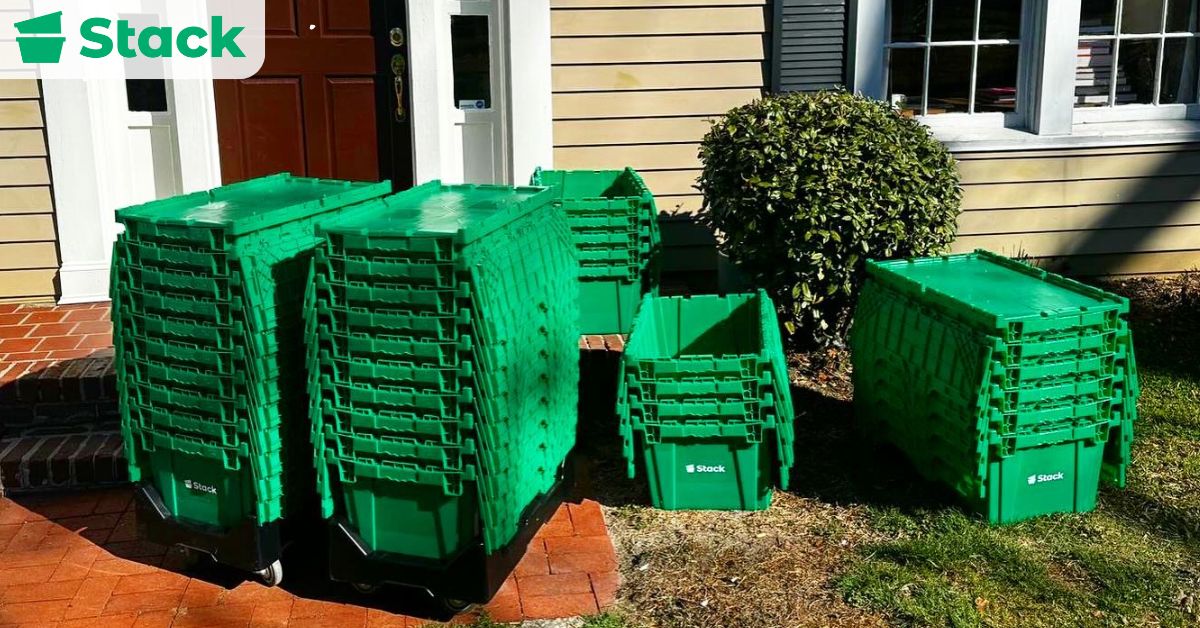
Packing your belongings is about more than filling moving boxes. Some household items belong in packing boxes, while others are better protected with plastic bins, moving blankets, wardrobe boxes, or other packing materials. At Stack, we’ve found that the easiest moves happen when every item is packed the right way instead of trying to fit everything into one type of container. That’s why we recommend following the BOX Framework.
B- Box Small Household Items
Start by packing all small and loose items into sturdy packing boxes. Fragile items, electronics, books, fragile dishes, canned goods, and other valuables should be carefully packed with packing paper, bubble wrap, and packing tape. Put heavy items in small boxes, medium-weight items in medium boxes, and bulky but lighter items in large boxes. As Michael Weaeedian says, “The right box is just as important as the right packing material because both work together to protect your belongings.”
O- Organize Everything
Pack one room at a time and keep similar items together. Label every box with its contents and destination room so your professional movers know exactly where it belongs. Properly labeled boxes make unloading faster, help you stay organized, and make unpacking much easier. They also help movers load the moving truck more efficiently because everything is packed securely and easy to stack.
X- Xtra Protection for Large Items
Not everything belongs in a box, but everything should be protected. Wrap large furniture with moving blankets, secure home appliances before moving day, and use wardrobe boxes, suitcases, or plastic bins when they make more sense than cardboard boxes. According to the New York State Department of Transportation, packing materials such as paper padding, bubble wrap, tape, and similar protective materials are used to help protect household goods during a move. From our experience, using the right protection for each item helps keep all your belongings safe and makes the packing process much easier.
What Should and Shouldn’t Be Packed in Boxes?
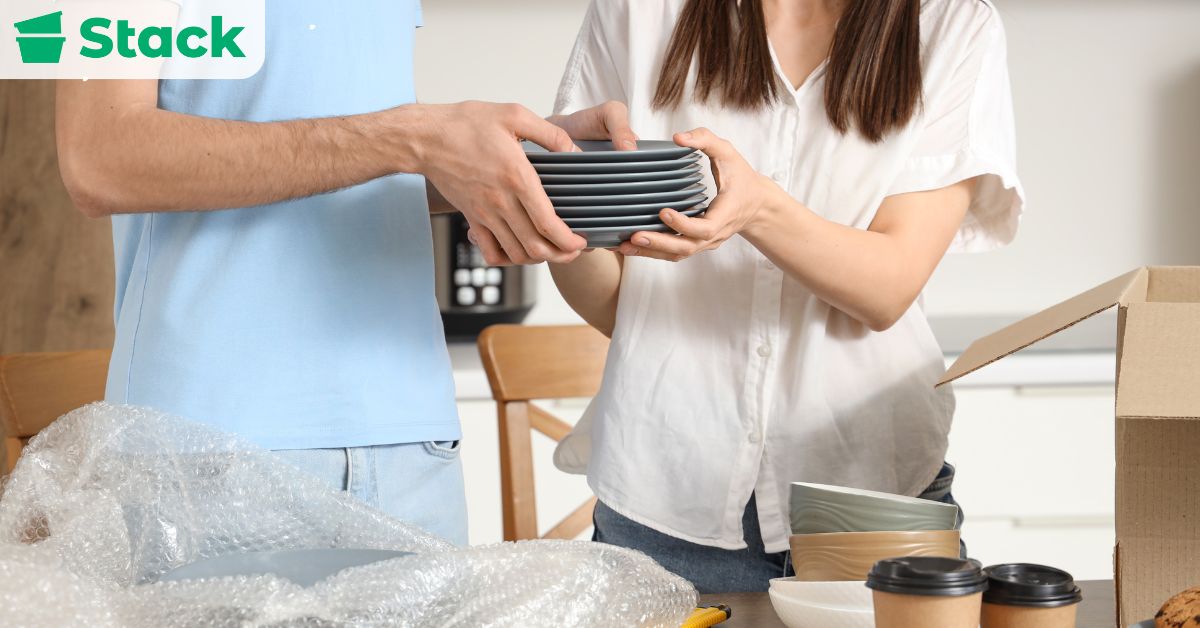
Not everything needs to go into moving boxes, but not everything should be left out either. Some household items are much safer when they’re packed securely inside packing boxes, while others are easier to move with moving blankets, plastic bins, or other protective materials. The table below shows the best way to pack common household items before moving day.
| Always Pack in Boxes | Can Be Moved Without Boxes | Best Protection |
|---|---|---|
| Glassware | Sofas and couches | Moving blankets |
| Electronics | Refrigerators | Appliance wrap |
| Books | Washers and dryers | Dolly and moving blankets |
| Jewelry and valuables | Bed frames | Protective wrap |
| Fragile dishes | Hanging clothes | Wardrobe boxes |
| Hand tools | Suitcases | Use as storage containers |
Items like glassware, electronics, books, jewelry, fragile dishes, and hand tools should always be packed in moving boxes. These items are easier to stack, less likely to get damaged, and much easier for professional movers to carry. Use bubble wrap, packing paper, and other packing supplies to fill empty spaces and keep fragile items from moving around inside the box.
Large furniture and major appliances usually don’t need cardboard boxes, but they still need protection. Wrap furniture with moving blankets, secure appliance doors and cords before moving day, and keep artwork or mirrors in specialty containers whenever possible. For everyday items like clothes, plastic bins, suitcases, and wardrobe boxes can be a practical alternative to standard boxes while still keeping your belongings safe during the move.
What Movers Will Not Pack or Move
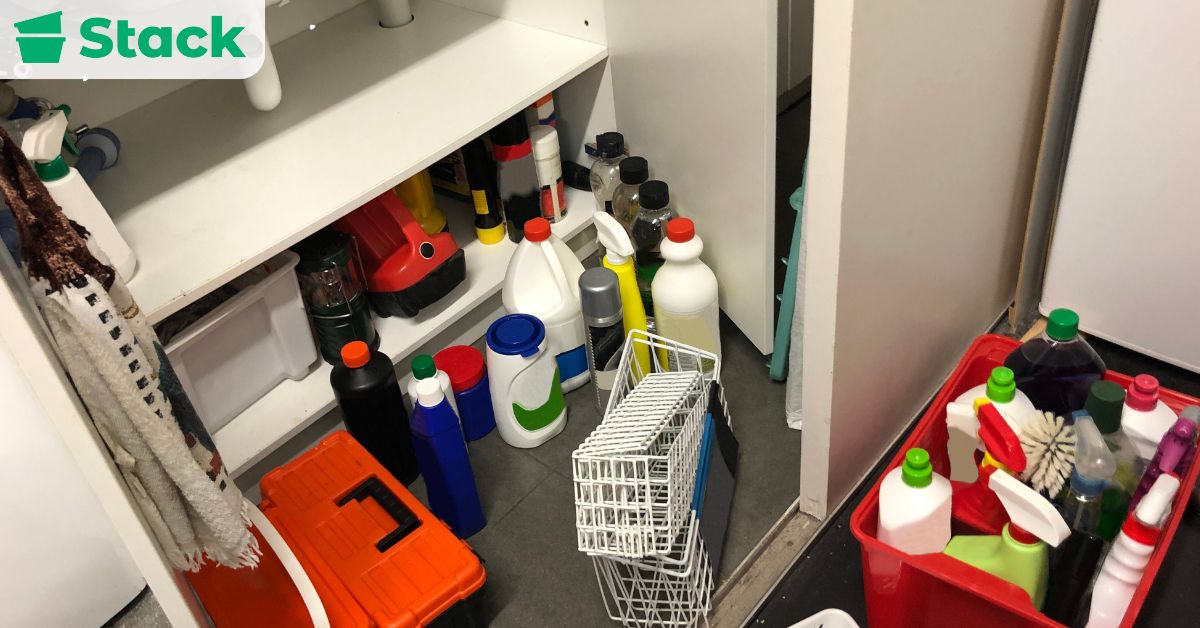
Even if you hire professional movers or full-service movers, there are some items they may refuse to pack or move. These rules help protect your belongings, the moving crew, and everyone else on the road. While every moving company has its own policies, most moving companies do not move items that could create a safety, legal, or insurance problem. It’s always a good idea to check with your mover before moving day so you know what you’ll need to transport yourself.
The most common items movers won’t take include hazardous materials, perishable food, plants, pets, and weapons or ammunition. Hazardous materials like gasoline, propane tanks, paint, fireworks, and certain cleaning chemicals can be dangerous during transport. Fresh food can spoil, plants may not survive the trip, and live animals require special care that professional moving companies cannot provide. Depending on local laws and company policies, firearms and ammunition may also be restricted.
Another thing to keep in mind is how your belongings are packed. Some movers refuse to move loose items because they can shift around in the moving truck, get damaged, or damage other household goods during the move. If you’re using packing services, ask what needs to be boxed before moving day. If you’re handling the DIY packing yourself, make sure everything is packed securely with the right packing materials before the movers arrive.
If you’re hiring full service movers, ask whether professional packing is included in the service. Some full service moving companies will pack your belongings, provide packing boxes, and supply other packing materials, while others only load and transport your items. Knowing what’s included ahead of time can help you avoid delays, extra costs, and surprises on moving day.
Need Plastic Bins for Rent?
You don’t have to box up everything for your move, but knowing what to pack and how to pack can make a huge difference. Using the right packing materials, such as sturdy bins for fragile items, will help your belongings remain safe during transit. Remember to check in with your moving company to clarify what they can and can’t move to avoid any unwanted surprises on moving day.
If you’re ready to simplify your packing process, consider renting plastic bins from Stack Moves. To learn more about our rental options, contact us today.
Frequently Asked Questions
Will Movers Move Things Not in Boxes?
It depends on the moving company. Most professional moving companies prefer to work with items packed securely in boxes because it guarantees their safety. Loose items are a lot harder to load, plus there’s a good chance they won’t be covered by insurance if something happens to them. Because of this, some movers may refuse to transport unpacked items, especially for long-distance moves.
Will Movers Move Plastic Bins?
Yes, they will. Plastic bins can be more durable than cardboard boxes, and so they are often accepted by many movers. Just make sure your bins are well secured and properly labeled the same way you would pack regular cardboard boxes.
What Is the Best Way to Pack for Moving?
The best way to pack all your belongings is in a box. While cardboard boxes are common, we recommend using plastic boxes where possible. They’re more durable, weather-resistant, and they can stack perfectly to create a secure, tight load.
Do Moving Companies Provide Boxes?
Full-service movers usually offer packing supplies, including boxes. They could come at an additional fee or as part of a moving package. If you’re considering a DIY move, be sure to get enough boxes ahead of time so everything can be packed securely.
Should I Hire Movers to Pack for Me?
If you’re working with a tight deadline or just want to make sure your things are carefully packed, it makes sense to hire professional packers. With professional movers, there’s an assurance that industry-grade protective materials are being used to pack your items, which significantly reduces the chances of anything breaking. This is especially helpful for long-distance or high-value moves.
Can I Use Bins and Bags Instead of Boxes?
Plenty of moving companies have no problem moving a few non-boxed items if they’re packed in a suitcase or a sealed plastic bin. But a majority of your belongings should be packed in a standard moving box because doing so makes moving a straightforward process. Avoid using open bags and loosely packed containers for a move.
Rent Plastic Bins for Your Move!
Moving with cardboard boxes is a pain. Get pre-assembled bins delivered to your door and move hassle-free with Stack!
Stack eliminates the need for you to source, break down, or fill up your trash can with cardboard boxes.