Skip to main content

Moving Tips

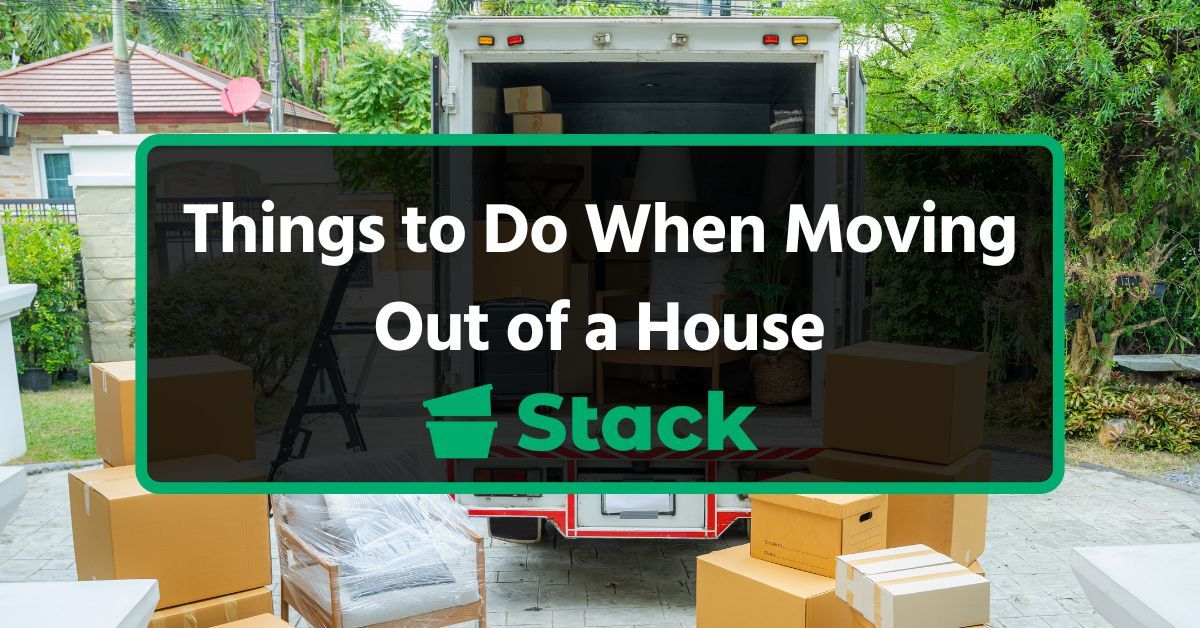
Things to Do When Moving Out of a House

From arranging the logistics of your move to organizing your belongings, moving out requires thorough planning and coordination to enjoy a smooth transition to your new home.

When moving out of a house, start by decluttering and creating a moving-out checklist. As you prepare for your move, try to source high-quality moving boxes to pack all your belongings room by room. Also, decide whether you will rent a moving truck, hire a moving company, or transport your belongings yourself. Lastly, notify all important parties, such as your landlord and utility company, about your move.

For a more sustainable and efficient packing solution, consider renting moving bins from Stack Moves. Our reusable bins simplify the packing process while reducing waste. To learn more about how our containers can streamline your moving process, contact us today.

This blog post will serve as a guide on everything you need to know about moving out, including a step-by-step checklist, expected costs, and budget-friendly tips to make your move as stress-free as possible.

6 Things to Do When Moving Out of a House

Packing is just one piece of the moving puzzle. A successful move involves juggling multiple tasks, which oftentimes feels like a lot to handle. However, breaking the process down into manageable steps can help reduce the chaos and keep things on track.

In this guide, you’ll learn:

  1. How to create a checklist for moving out
  2. How to make a plan for your move
  3. How to pack like a pro for a moving day
  4. How to finalize your moving process
  5. How to organize your moving day
  6. How to settle comfortably into your new home

1. Create a Moving-Out Checklist

Create a Moving-Out Checklist

The cornerstone of every successful move is a detailed moving checklist. During this hectic period, a moving-out list will help you stay organized and ensure that no tasks are left undone. The best moving checklists break down processes into manageable steps to help you stay on track and reduce stress. Some key items to include on your list are:

  • Gathering important documents: Secure all personal documents, such as passports, birth certificates, and lease agreements
  • Sorting and decluttering: Decide what to keep, donate, or toss out to lighten your load.
  • Scheduling a cleaning: Make arrangements for a deep cleaning session so the house is left in top shape for its new owner.
  • Notifying utility providers: Schedule shut-off periods for utilities and set up services at your new home.

2. Preparing for the Move

Preparing for the Move - Declutter

As we mentioned earlier, with adequate planning, your move will be hassle-free. For example, booking a moving company weeks in advance is a simple step that can help you avoid any last-minute chaos when moving day arrives. Carving out time to organize your move through easy steps like this can make the move far less overwhelming. Remember that the earlier you prepare, the more control you’ll have over how your relocation unfolds.

Setting a Moving Date

To make the move more affordable, avoid peak moving seasons. We recommend moving over the weekends so that you can skip the stress of getting time off work. Be sure to check your work schedule, lease agreements, and any other commitments before choosing a date to avoid any conflicts. This will save you time and money from rescheduling along the line.

Declutter and Organize Your Belongings

Decluttering before you start packing saves you time and reduces your moving expenses since you’d have fewer items to pack. A good place to start is by sorting your belongings into four categories: keep, donate, sell, or discard.

One of the easiest ways to discard unwanted items is to host a garage sale. Alternatively, you could sell these items online on platforms like Facebook Marketplace and eBay. Items that are not up for sale could be donated to local charities to support people in need. For items that have outlived their purpose, consider recycling them instead of just tossing them to reduce waste. Using any of these steps to declutter will help others or the planet in the process.

Ensure You Have the Right Packing Supplies

Your move would be nearly impossible without the right packing supplies. Basic items you’ll need for any move include:

  1. Moving boxes
  2. Packing tape
  3. Scissors
  4. Bubble wrap/packing paper/packing peanuts
  5. Markers and labels

Instead of the traditional cardboard boxes, consider opting for plastic bins. These eco-friendly moving boxes reduce waste and are sturdy enough to withstand the rough handling of a move. Not to mention, most rental companies, like Stack Moves, can deliver these bins to your doorstep and pick them up after your move.

How Many Moving Boxes Will You Need?

While there isn’t a standard way to calculate how many boxes you’d need for a move, you can get a close estimate by paying attention to the size of your home and how much property you have. Our moving box calculator takes away the guesswork and provides an accurate estimate of how many boxes you’ll need for your move.

3. Pack Strategically

Pack Strategically

Contrary to what most people believe, you don’t have to wait until you are weeks away from your moving day to start packing. You can start packing nonessential items like seasonal decorations and rarely used kitchen items months in advance. For a seamless packing experience, take some time to read online resources on how to pack before moving.

Pack your belongings by tackling one room at a time. This method keeps things orderly and makes all the unloading much faster. Some areas, like your bathroom, will require special attention. For example, packing bathroom items means sorting through toiletries and properly sealing liquids to avoid leaks.

For your valuable keepsakes, use padded packing materials like bubble wrap to protect your breakable items. Decide what items you’ll pack in a box and what you’ll carry personally during the move. Keep an essential items box containing all must-have items like toiletries and clothes separately for easy access.

How to Pack Fragile Items

To safeguard your delicate belongings:

  • Use bubble wrap, newspapers, or towels to cushion fragile items.
  • Place your lighter items on top of heavier ones.
  • Clearly label boxes as “FRAGILE” to ensure movers handle them with care. Remember that there is a right way to label your boxes, and knowing how to label boxes properly will protect your items and contribute to a less stressful move.

4. Finalizing the Move-Out

Finalizing the Move-Out - Clean house

In this stage, you only need to tie up all the loose ends and prepare the house for its next occupants.

Cleaning the House

There are two reasons to clean up your home before you leave. First, it is a courtesy to the new owners, and it may be a requirement by your landlord. Whatever the case, you should decide whether you will be cleaning the house yourself or using a professional cleaning service. If you decide to clean yourself, you will need to purchase some basic cleaning supplies like glass cleaners, detergent, dishwashing soap, etc.

Notify Relevant Parties About Your Move

Some essential organizations and stakeholders should be aware of your move. These are your utility companies, banks, postal service, etc. Utility companies should be notified of your move so they can transfer or disconnect your electricity, water, and gas. Another party to be informed of your move is your postal service so that you can keep receiving your mail as usual.

Additionally, critical services like your bank and insurance providers should have your updated address so you can avoid missing important communications or payments. Make a checklist to guarantee you don’t forget to notify any of these important providers.

Completing Final Home Check

Before locking up, go through the house one last time:

  • Check that there are no forgotten items in any rooms, closets, or storage spaces
  • Inspect any damages or repairs to address before handing over the keys and take photos of the property for your record

5. How to Organize Moving Day

How to Organize Moving Day

Moving day comes with a lot of stress, but with proper organization, it can shift from chaotic to manageable. First, decide if you want to rent a moving truck or hire a professional moving company. Professional movers are ideal for long-distance trips if you would rather not handle the move yourself. A cost-effective alternative is to hire a moving truck. This is better for smaller moves.

If you have children or a pet, it’s best to arrange for childcare or a pet sitter. If you can’t afford this, you can keep your kids engaged with toys, snacks, and activities while you focus on your move. When dealing with pets, a quiet space with familiar items will keep them calm. The final step is to create a timeline to help you stay on track.

6. Settle Into Your New Home

You’ve finally moved, and all that’s left is to settle into your new home. Start with unpacking your items. If you followed our previous advice of packing room by room, you can unpack the same way. Next, ensure that everyone who should have your new address has it.

Lastly, meet your neighbors and explore your new community. Build connections by attending local events, joining community clubs and groups, and taking trips to the park and coffee shops. Consider volunteering at local initiatives or participating in hobby-based meetups. You can also try to strike up a conversation with your neighbor during casual encounters, such as checking your mail.

How Much Does It Cost to Move Out of a House?

How Much Does It Cost to Move Out of a House?

Whether you’re moving to a furnished or unfurnished place, some expenses can’t be avoided. Understanding the key expenses involved will help you budget effectively and avoid unnecessary stress. To help you navigate these expenses, we compiled a list of expenses when moving out that covers everything you need to consider.

Expenses to Consider:

  • Cost of movers vs. DIY: Moving companies charge based on distance, size, and sometimes the duration of your move.
  • Packing materials: The cost of moving supplies can quickly add up. One way to save money here is to rent moving boxes instead of buying them.
  • Travel costs to the new location: If you are moving a long distance, account for fuel, meals, and accommodation.
  • Potential deposit/fees for the new home: You will need to pay a security deposit and application fees for your new residence.

How to Budget and Save Money During Your Move

  1. Plan ahead: Book movers or rental trucks early so you can secure lower rates.
  2. DIY Packing: Pack your belongings yourself to save on labor costs. This is a budget-friendly option that can help you keep your moving costs in check.
  3. Rent moving boxes: Take the cost-effective route of renting your moving boxes instead of buying them or sourcing free boxes that may be of low quality.
  4. Declutter: Sell or donate unnecessary items to reduce how much you have to move, saving you time and money.

Need Moving Boxes to Rent?

Despite the stress, moving can be much more manageable with careful planning and the right resources. Some key takeaways for a stress-free move include creating a moving checklist, decluttering, and staying on schedule.

While moving can be challenging, careful planning and organization make it manageable.

If you’re looking for a hassle-free way to handle your packing, Stack Moves is here to help. Our moving box rental service makes packing and moving easier than ever. No need to worry about finding the right box size for your items —just rent, pack, and move! Contact us today to get started!

Why Are Moving Boxes So Expensive?

Moving boxes are a crucial part of every move, but there’s one problem: they tend to be rather expensive. But why are moving boxes so expensive? Typically, it comes down to the quality of materials, demand, and high production costs. 

However, there are various ways to keep your costs low. You can use a moving box calculator to help you avoid overbuying boxes. Just enter how many rooms you need to pack, and you’ll get a reasonable estimate of the number of bins, dollies, and labels you’ll need. Planning ahead and renting your moving supplies instead of buying them can also save you time, effort, and money during your move.

At Stack Moves, we have years of experience helping people move with as little stress as possible. To help save money, reduce waste, and streamline your moving experience, we offer high-quality, affordable moving bins for rent. If you’re planning your next move, contact us so that you don’t end up spending a small fortune on boxes you might never use again.

In this blog, we’ll discuss the cost of moving boxes, why they’re so expensive, and how you can save money with alternatives.

How Much Do Moving Boxes Cost?

How Much Do Moving Boxes Cost?

Many people facing an upcoming move wonder, “How much do moving boxes cost?” The price of moving boxes varies depending on the size and type you choose.

Small cardboard boxes, for example, are usually between $1 and $3. Medium-sized boxes are $2.94 on average, while larger boxes can cost as much as $6. Extra large boxes go for around $8.

As for specialty boxes, options like wardrobe boxes that have a metal bar on which you can hang your clothes can go for up to $20 each.

Corrugated boxes, which boast enhanced durability, can cost anywhere from $1 to $5 for standard boxes and from around $8 to $20 for specialty boxes.

Plastic boxes can be even more costly. On average, you can expect to pay anywhere between $10 to $30 per box.

The Hidden Costs of Moving Boxes

The total price can quickly become overwhelming, given the number of boxes you’ll need. However, if you stick with traditional cardboard boxes, you might have to deal with other costs.

Potential Damage to Belongings

While they can be relatively sturdy, cardboard is inherently a weak material. As a result, using cardboard boxes can easily lead to damaged and broken belongings. Many people choose cardboard boxes because they’re cheaper than more durable options like plastic bins, but the cost of replacing damaged items quickly outweighs any potential savings.

Additional Packing Materials

It’s not just the boxes you’ll need to buy, either. To ensure that your glass-wear and other fragile items are safe during the move, you’ll have to purchase bubble wrap, polystyrene balls, paper, and all manner of other packaging materials. You might spend an additional $100–200 on these materials for even a small move.

Time and Effort

Don’t forget the additional cost of your labor. Packaging boxes take a lot of time, especially if you have many fragile items that need extra care.

What Makes Moving Boxes So Pricey?

What Makes Moving Boxes So Pricey?

Moving boxes haven’t always been quite so expensive. In recent years, a variety of economic factors, including supply chain issues and production costs, have impacted packaging materials of all kinds.

Material Quality

There are vast differences in materials available for these boxes. Cardboard boxes come in two main options: single-walled and double-walled. Single-walled boxes have just one wall of cardboard material, while double-walled ones have two. Splurging on the latter can mean better protection for your belongings.

Raw Material Issues

Cardboard packaging is made from wood pulp, which comes from trees. Deforestation issues, as well as environmental regulations, have put a strain on the supply chain, spiking overall costs.

Increased Demand

As online shopping has become more commonplace, the demand for cardboard has only increased. Further contributing to this demand is the rising popularity of sustainable packaging trends, such as using recycled cardboard boxes. However, as paper mills and other manufacturers struggle to keep up with this increased demand, the price has nowhere to go but up.

Production Cost

Production costs of cardboard packaging are also higher than they’ve ever been because of the reliance on automation and other technological advancements. For manufacturers to be able to profit, they have to pass down the additional costs of technological implementations to consumers.

Supply Chain and Logistics

It’s not just the manufacturing process that is expensive. Companies have to store the boxes and ship them to you when you purchase them as well. That all adds to the overall cost of the packaging.

Environmental Factors

These days, companies are focused more on sustainability and eco-friendly manufacturing. Such processes, including recycling and green production, are often more time-consuming and expensive. To make up for these additional costs, manufacturers will often increase prices.

Price Comparison: Buying Cardboard Boxes vs. Alternatives

Price Comparison: Buying Cardboard Boxes vs. Alternatives

An alternative to buying new cardboard boxes can be choosing second-hand options or even plastic. But are these really better options when it comes to price and environmental impact?

New vs. Used Boxes

New boxes are sturdy and less likely to lose their shape. They also don’t have water damage or lingering smells, which pose a risk to your belongings. The drawback is, of course, price. New cardboard boxes can cost anywhere between $1 and $8, depending on size.

Used boxes tend to be cheaper, often half the cost of new ones. There are drawbacks, however. They can be weaker than new boxes and could even sag if they’ve been exposed to water. You also run the risk of encountering mold.

If you’re looking for where to find cheap boxes, there are many options, including online retailers and recycling centers.

Plastic Moving Bins

Buying plastic bins can cost between $10 and $30, but renting them is a possibility that can save you a lot of money. Even if you choose to purchase them, these are sturdy bins that will last you for years. It’s an investment that can more than pay for itself.

Plastic moving bins are resilient. They generally don’t get damaged if they get wet, and they won’t collapse on you when you pick them up.

Renting Moving Boxes

Perhaps the best option of all is to rent moving boxes. Not only is this better for the environment since you won’t be feeding into the deforestation industry, but it’s also better for your wallet. When you rent plastic options, the prices tend to be significantly lower than you can imagine.

Purchasing 15 of the cheapest plastic bins at $10 each will cost $150. But renting them costs just $129—and this includes a dolly and 15 labels.

The convenience, too, is unmatched. You don’t have to worry about where to store the bins when you’re done with them or take them to any recycling sites.

How to Save Money on Moving Boxes

How to Save Money on Moving Boxes

If you’re still struggling to lower your costs and keep your move affordable, here are some tips on how you can save money on moving boxes.

Buying in Bulk

Buying boxes in bulk can earn you good deals. Many online retailers offer that option, but you can also find them at UPS.

Rent Moving Boxes

When you rent moving boxes, you can get the best prices without having to stress over taking items over to recycling centers. All you do is turn them in, and you’re done.

Seasonal Sales and Discounts

Most people choose to move in the warmer months, so you may have better luck getting cheaper boxes if you try to get them in the fall or winter. Because there will be less demand, prices could dip significantly. Watch out for the holidays, however, since that’s when people are doing a lot of gift shipping, and prices could rise.

DIY Alternatives

You can also go for creative packaging options. For fragile items, why not wrap them up in a comforter and slip them into a crate? You can use bags for clothing and even suitcases and backpacks. Laundry baskets and hampers are also helpful. If you’re moving a dresser, stuffing your clothes and other smaller items into its drawers can easily save you a box or two.

Check Online Marketplaces

You can find good deals on online marketplaces, especially ones that cater to your area. You may even be able to pick the boxes up, saving you shipping costs.

How to Choose the Best Moving Boxes for Your Needs

How to Choose the Best Moving Boxes for Your Needs

When deciding on the right boxes for your move, you’ll want to keep a few key things in mind.

Size and Weight Capacity

Not all boxes are suitable for all items. As great as it would be to pack a lot of books into one extra-large box, those boxes may not be made to carry such items, potentially leaving you with a pile of books falling on your feet. Here’s a quick rundown of what each size can carry:

  • Small Boxes: Books, canned goods, DVDs
  • Medium Boxes: Decorative items, kitchenware, toys
  • Large Boxes: Large kitchen appliances, lamp bases, linens
  • Extra-Large Boxes: Large household appliances, bedding, tools

Knowing the best size boxes for each type of item can save you time, money, and heartache. 

Specialty Boxes

Some items require their own special boxes. There are television boxes, for example, that can keep your electronics safe during the move because they’re sturdier and have the right shape for the task. Dish packs are made of corrugated cardboard to protect your dishes and other delicate items, while wardrobe boxes have rails to hang your clothes, making transportation much easier without the risk of damaging fine fabrics.

You can find specialty boxes online and in stores that offer packaging supplies.

Interested in Renting Moving Boxes?

Buying cardboard boxes or plastic bins can be very costly. The high demand of recent years has skyrocketed the prices of these boxes, but you don’t need to spend a fortune when there’s another option available. Renting boxes can help you save money and make your whole move more efficient.

At Stack Moves, we are dedicated to helping people enjoy smooth, cost-effective moves with affordable and durable plastic bins. Contact us to learn more about renting moving boxes today.

What to Do While Movers Are Moving Your Stuff

It is moving day, and you’ve hired movers to handle the heavy lifting. However, what are you supposed to do while movers are moving your stuff? While the movers are busy, it is important to be available to answer any questions they might have. This will keep the move on track and ensure your belongings are placed exactly where you want them. 

At Stack Moves, we believe that moving day does not have to be overwhelming. It is why we have moving boxes for rent to ensure that your belongings are well-protected while the movers are doing the packing your stuff. Our moving boxes are affordable as we offer competitive pricing and ensure to work with you every step of the way. Contact us today for a moving day consultation. 

In this blog post, we will cover the key things to do while movers are working and how to save money during the moving process. We will also talk about activities to do before movers arrive and how to find and hire these professional movers. 

Things to Do Before Professional Movers Arrive

Things to Do Before Professional Movers Arrive

Before the movers arrive at your home, there is some vital groundwork that you have to lay out to ensure everything runs as smoothly as possible. 

  • Firstly, make sure everything is packed up and clearly labeled. This will help the moving crew know exactly where each box should go in your new home, minimizing confusion and speeding up the process. If you are not sure of how to label your boxes, you can check out our guide on how to label boxes for moving
  • The next thing you should do is create an inventory list. This inventory list will help you keep track of all your belongings and ensure nothing gets lost during the move. It is also useful if you need to file an insurance claim later on.
  • It’s also important to pack a separate bag with essential items like medicine, toiletries, and important documents. It is best to keep these personal items with you so you have easy access to them during the move and immediately after arriving at your new home.
  • Additionally, make sure there is a clear path from your home to the moving truck. This includes moving obstacles like furniture or boxes out of the way and ensuring that doorways and staircases are clutter-free. 
  • Similarly, before the movers start, go through your home and unplug all electronic devices from the walls. Not only does this make it easier for the movers, but it also protects your electronics from potential damage.

What to Do While Movers Are Moving Your Stuff?

What to Do While Movers Are Moving Your Stuff?

There are certain things you should do on moving day while the movers are doing the heavy lifting. Engaging in these activities would ensure that everything goes smoothly. These activities include:

  • Communicating with the movers.
  • Offering refreshments.
  • Keeping kids and pets away from the movers.
  • Cleaning the house.
  • Staying out of their way but not disappearing on them.
  • Preparing the payment in advance.
  • Monitoring the move.
  • Doing a final walkthrough of the house.

Communicating with the Movers

When the movers arrive, start by greeting them and doing a quick walkthrough of your home. This is your chance to provide specific instructions, highlight any fragile items, and ensure they have access to every room. 

Engaging in clear communication will help minimize confusion and ensure your belongings are handled with care.

Offer Refreshments

Moving is a big job, and your moving crew will appreciate small gestures like offering drinks and snacks, especially bottled water. You can take it a step further and offer a kind gesture like going to buy a meal, such as pizza or light snacks that helps keep them energized throughout the day.

Keep Kids and Pets Away from the Movers

For safety reasons, it is best to keep kids and pets away from the movers as the kids and animals can get injured if they collide with the movers during the moving process. Thus, you should consider setting up a nearby park visit, organizing board games, or arranging a lunch break with a family member to keep them occupied and out of the movers’ way.

Clean

As the movers work, take the opportunity to clean. Make sure cleaning supplies like hand soap, toilet paper, and other essentials are available.

Stay Out of Their Way

Once you’ve provided instructions, it is important to step back and let the movers do their job. Avoid telling them how to carry boxes or where to place furniture; they are professionals and know how to handle the process. Staying out of their way allows them to work efficiently.

Don’t Disappear

While you shouldn’t hover, it is important not to disappear entirely. You should be available to answer questions, address any concerns, and be a good host throughout the entire day. This will help ensure everything goes according to plan.

Have Your Payment Ready

Once the job is done, you will need to pay the moving company. Having your payment ready is essential to avoid delays and ensure a smooth transaction. Typically, most movers expect payment on the day of service, so be prepared.

Monitoring the Move

Throughout the day, periodically check the progress, and make sure the movers are handling your belongings with care and address any concerns or issues promptly. This proactive approach helps ensure everything is handled to your satisfaction.

Final Walkthrough

Once the movers have loaded the truck, it is important to do a final walkthrough of your home. This includes inspecting each room carefully and making sure to double-check closets, cabinets, and any common hiding spots for overlooked items. 

This final sweep ensures that nothing is left behind and gives you peace of mind as you move on to your new home.

Tips for Saving Money

Tips for Saving Money

Moving can be expensive, but with a little planning and some smart strategies, you can significantly reduce costs. Here are some practical tips to help you save money on your moving day:

Declutter Before You Move

One of the best ways to save money is to declutter before you move. Go through each room in your house and decide what you really need to take with you. Sell unwanted items online or at a garage sale, and donate anything you can’t sell. The less stuff you have to move, the lower your moving costs will be.

Plan Your Move in Advance

Planning your move in advance can also help you save money. Try to schedule your move during the off-peak season, such as late fall or winter, and aim for a weekday. Full-service moving companies often charge less during these times, allowing you to save on the total cost.

Rent Reusable Moving Bins

Instead of buying cardboard boxes, consider renting reusable moving bins, as they are the best bins for moving. Renting plastic bins is not only more environmentally friendly, but they’re also sturdier and easier to stack. 

Additionally, when you rent moving boxes, you don’t need to worry about discarding or recycling the boxes as you would be returning them. Some might argue that by buying the boxes, you can use them afterward to store items around your home. However, often, what happens if you do this is that your home quickly becomes overcluttered with boxes. By renting your boxes, you can easily save yourself the hassle of dealing with these surplus boxes. Especially because renting reusable moving bins often comes with convenient delivery and pick-up services, which save you time, money, and effort.

Hire a Moving Truck

If you’re looking to save even more money, consider hiring a moving truck instead of a full-service moving company. While you will need to handle the heavy lifting yourself or with the help of family members, it can drastically cut down on costs. Importantly, make sure you know how much stuff you have so you can rent a truck that’s the right size for your needs.

Do Moving Companies Pack for You?

Do Moving Companies Pack for You?

The  most common question we get from people when it concerns hiring moving companies is: ‘Do moving companies pack for you?’  Yes, many moving companies offer packing services as part of their services. This depends on if you are going for a full-service moving company or a self-service moving company.

Full-service moving companies can pack up your entire home, handle the heavy lifting, and even unpack at your new location. This option is ideal if you’re short on time, have fragile items, or simply want to reduce the stress of moving.  However, full-service moves are typically more expensive due to the encompassing nature of the service. 

On the other hand, self-service moving companies allow you to handle packing and unloading. This can save you money and is a good option if you are on a budget or prefer to be hands-on during your move. However, it requires more time and effort, and there is a higher risk of damaging your items if they are not packed properly. 

How to Find and Hire Movers?

How to Find and Hire Movers?

In finding and hiring movers, start with recommendations by asking family members, friends, or colleagues if they’ve had a good experience with any moving companies. Personal recommendations are often reliable because they come from people you trust.

You can also use online resources to research moving companies in your area. While doing this, look for customer reviews, ratings, and any red flags that might indicate poor service. Websites like Yelp, Google Reviews, and the Better Business Bureau are great places to start.

Furthermore, it is always helpful to get multiple quotes. We recommend getting at least three different moving companies to send quotes. This will help you compare services and prices. Be sure to ask about what’s included in the quote, such as packing services, moving truck fees, and any potential extra costs.

Importantly, check out for credentials and ensure the movers you are considering are licensed and insured. This is particularly important if you’re moving long distances or have a lot of valuable or fragile items.

When planning your move, consider renting plastic bins instead of buying cardboard boxes. At Stack Moves, we offer convenient and cost-effective moving bins for rent that can save you money and make your move easier. Our bins are sturdy and eco-friendly and come with free delivery and pick-up services, adding extra convenience and cost savings for you. 

How Much Should I Tip the Movers?

How Much Should I Tip the Movers?

Tipping movers is a way to show appreciation for their hard work and dedication during your move. A common guideline is to tip between 10-20% of the total moving cost.

You can adjust the amount based on the level of service provided, the difficulty of the move, and your overall satisfaction. If the movers went above and beyond, such as handling fragile items with extra care or navigating challenging stairs, consider tipping on the higher end of the range. Remember, tipping is optional but appreciated, and it’s a great way to acknowledge the movers’ effort in making your moving day smoother.

Need Help with Moving?

If you are preparing for a move, you should start by decluttering your home, creating an inventory list, and ensuring all your items are packed and labeled. On the moving day, you should stay proactive by communicating clearly with the movers. It also helps to offer refreshments as a kind gesture. 

During the moving process, keep an eye on everything and ensure to address any concerns promptly. You should also perform a final walkthrough to ensure that nothing is left behind. By following these tips, you can reduce stress and ensure everything goes according to plan.

At Stack Moves, we are committed to making your moving process as smooth and stress-free as possible. Contact us today for more tips. 

Rent Boxes!