index, follow Skip to main content
Skip to main content

Author: TJ Hennessy

TJ Hennessy leads Stack and is CEO of its parent company, Brick Dynamics. Before Stack, he spent more than four years as VP of Global Revenue at Bird. He was named to the Forbes 30 Under 30 list in 2017 and studied at the University of Southern California's Marshall School of Business.

Moving Your Business to a New Location

Moving your business to a new location is like a juggling act. You have to coordinate the transition while keeping your daily operations running. To help you get through this phase with as little stress as possible, we've put together this moving guide to walk you through key steps to moving your business to a new location.

A simple decision like switching from cardboard boxes to plastic boxes can make all the difference in any corporate move. Small businesses and large corporations alike have trusted Stack Moves for plastic moving boxes that protect their tech, speed up packing time, and lower moving costs. Contact us or visit our Los Angeles office to learn more about how we can make relocating your business hassle-free.

In this guide, you'll learn how to plan a successful business relocation and keep operations running with minimal disruption. We'll also cover relocation costs and practical tips for moving your business efficiently and staying organized from start to finish.

The Ultimate Business Relocation Checklist: A Step-by-Step Guide
The Ultimate Business Relocation Checklist: A Step-by-Step Guide

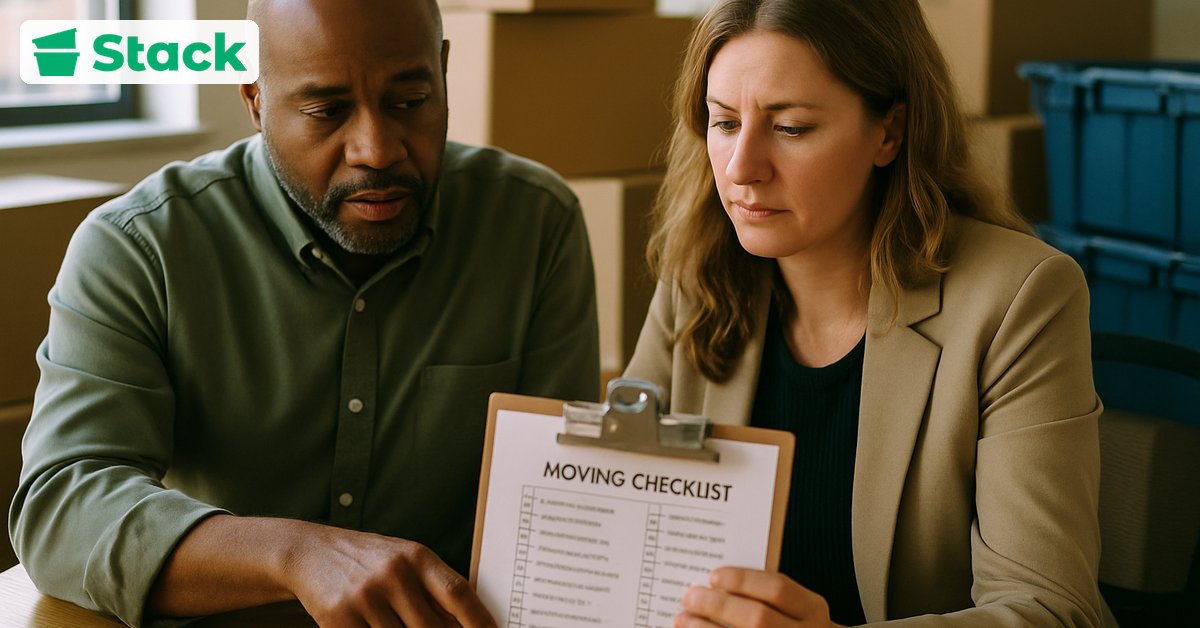
Over the years of helping businesses move, one thing we noticed was that there was no "single" reason for moving mishaps. It was always a combination of small oversights that could've been avoided with better planning. We used this insight to build a practical office relocation guide.

1. Create a Relocation Strategy Before Making Any Commitments

"Businesses often focus on moving day itself, but most relocation problems actually originate weeks before the truck arrives." — Stack Moves Operations Team

The first step to any relocation is to decide what you want to achieve by it. Are you moving to expand your business? Or maybe you want to be closer to your customers. Your answer to this question should guide every other decision that you make throughout the move.

This is also the best time to create your moving timeline and decide on who is going to be responsible for various aspects of the move. A move committee or internal team should be assigned to oversee the relocation process and manage tasks.

Even if you aren't running a large corporation with dozens of unit heads, you still need some employees to be hands-on in the relocation process. The benefit is that for the rest of the move, your decision-making is faster and more confident.

2. Build a Realistic Moving Budget

Build a Realistic Moving Budget

Most business owners tend to focus on the obvious expense, like movers and rental trucks, not realizing this is only one slice of the moving expense pie. Your relocation budget should account for every expense that will be incurred as a result of the move. This means utility installations, cleaning services, and even downtime have to be taken into consideration.

It's also wise to build a contingency fund into your budget. Unexpected expenses are common during relocations, and you want to be prepared for them when they show up. It's common practice to reserve an extra 10% to 20% of the budget for these situations.

It's also good idea for every company planning to relocate to conduct a thorough financial analysis that compares their current operating costs with projected expenses in the new locations. This way you have a fair idea of the real cost of doing business in that new location. And while many jurisdictions offer tax incentives for relocating businesses, these often require advance application and commitments to job creation or capital investment.

3. Make Sure the New Location Actually Supports Your Business

Beyond rent and square footage, consider how the location will affect your employees, customers, suppliers, and day-to-day workflows. For example, imagine a 20-person accounting firm relocating to a larger office. While extra space may solve current capacity issues, the new location also adds 30 minutes to employee commutes. It's not surprising that staff satisfaction and retention could suffer. Looking beyond the property itself helps businesses avoid costly surprises after the move.

It's also important to factor in how well the new office will accommodate any growth in the next three to five years. Let's say you start a new product or department; will you have to move again? While you want the location to meet your needs today, it should still have some wiggle room to meet the needs you might have tomorrow. The goal should be to find a location that helps the business operate more effectively over the long term.

4. Review the Lease Carefully Before Signing

Given the financial commitment involved, it's advisable to get a professional legal review of your lease. This will turn out to be far less expensive than discovering an unfavorable clause after you've already moved in.

Commercial leases are far more complex than most business owners realize. This is why two properties with the same monthly payment can have very different renewal terms or early termination penalties. Some leases also restrict certain business activities, renovations, signage, or operating hours.

If you're moving into a new state, lease structures and local regulations may differ from what you're used to. For example, businesses relocating to states like California or New York often run into requirements and costs that wouldn't necessarily arise elsewhere.

5. Decide Whether a DIY Move Makes More Sense Than Hiring Movers

Most blogs will advise you to hire professional movers, but we think there's nothing wrong with managing a move internally if the circumstances are right. A small office with a handful of employees and limited furniture should be able to coordinate its own relocation without much stress.

In those situations, handling the move internally will be cheaper and more flexible. However, while DIY moves can be the most cost-effective, they still require you and your employees to dedicate your time and effort to successfully handle the transition.

Things become less straightforward for large businesses because of the expensive equipment or specialized machinery that will be involved. Professional commercial movers bring experience and logistical expertise that most organizations simply don't have in-house.

It's best to hire commercial movers who specialize in office moves and be sure that they are insured and licensed to operate. And while hiring movers may increase the upfront cost, it often reduces risk and helps businesses resume normal operations much faster.

6. Hire Vendors Long Before You Need Them

Because of how easy it is to get things done at the click of a few buttons, many businesses may assume they'll be able to book their vendors whenever they're ready. Unfortunately, that's not always the case.

In reality, moving companies usually book out weeks or months in advance, particularly during busy seasons. The same can be true for internet providers, furniture installers, and specialized contractors. Early scheduling also gives you time to compare quotes, verify insurance coverage, and coordinate timelines between multiple vendors. Waiting too long may leave you choosing from whoever happens to be available rather than the providers you'd actually prefer to work with.

7. Tell Employees and Partners Early Enough to Prepare

Employees are often among the people most affected by business relocations. A new office can change commute times, transportation costs, and even daily routines. Some employees may welcome the change, while others may have concerns that leadership hasn't considered.

When you let them know early, you give them the chance to plan and get answers to areas that are still uncertain. We suggest communicating with your employees and other stakeholders at least two months before the move.

It also creates an opportunity to gather feedback that could influence decisions before they move is finalized. When employees feel informed and included throughout the process, they're generally more willing to support the transition and help solve problems as they arise.

8. Create a Detailed Inventory for Everything You're Moving
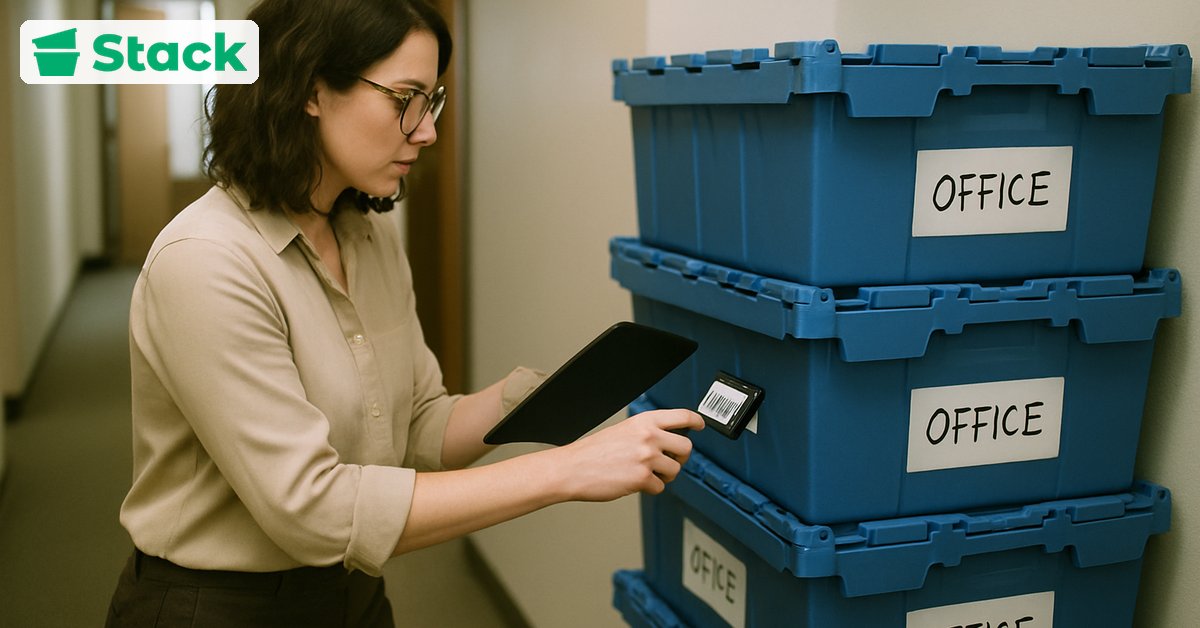
Create a Detailed Inventory for Everything You're Moving

A move is one of the few times a business is forced to account for nearly everything it owns. This is why it's the perfect opportunity to create a complete inventory list of office furniture, equipment, technology, and any other physical assets.

In some cases, companies have reduced moving costs simply by identifying items that were no longer useful before the first box was packed. Beyond helping with packing, this information can prove useful for insurance purposes, budgeting, and asset management.

9. Decide What Should Be Moved and What Should Be Replaced

There are instances where you'll be better off replacing something than trying to relocate it. This is especially true for items like older furniture and obsolete equipment. For example, moving a collection of worn cubicles across state lines may cost nearly as much as simply buying newer ones. Don't be scared to make every item earn its place in the move. If replacing it would cost a little more than transporting it, replacement may be worth considering.

10. Set Up Utilities and Technology Before Moving Day

If we're being honest, not every moving delay is caused by movers. Some of them happen because the business arrives before the infrastructure needed to run it is ready. Your internet service, phone systems, and utilities, among many other things, should be scheduled well in advance. Especially because depending on the provider and location, installation lead times can be longer than expected.

Consider a customer service company that relies on cloud-based phone systems. If internet installation is delayed by even a few days, employees may be unable to communicate with customers, leading to lost revenue.

Businesses that rely heavily on technology should also work with their IT teams to create backup plans and test critical systems before the transition. And if possible, hire a professional moving company that specializes in IT relocation or at least has some experience with moving technology. This gives you the guarantee that all your tech will be handled properly and the chances of any damage are minimal.

11. Update Your Licenses, Registrations, and Business Records

Depending on where you're moving to, you may need to update your local business licenses, tax records, insurance policies, permits, and even banking information. Businesses operating across state lines may face additional requirements related to taxation, employment law, and regulatory compliance.

It's easy to postpone these updates because they don't feel urgent. But it would benefit you greatly if you treated these updates as part of the relocation itself rather than something you'll get around to afterward. For instance, picture something important going to the wrong mailbox. This can lead to your business entity falling out of good standing and even result in hefty fines from the Secretary of State.

12. Let Customers Know Where to Find You

The easier you make the transition for customers, the faster your business can return to normal. Keep in mind that a customer who arrives at your former location may not always make the effort to track down your new one.

Communication should begin before the move and continue afterward through multiple channels. Spread the news of your move through as many channels as possible. Email campaigns, social media updates, website announcements, invoices, newsletters, and even customer service interactions. Nothing is off limits.

13. Test Everything Before Declaring the Move Complete

A relocation should only be considered complete when the business is operating efficiently in its new location, not when the last box comes off the truck. Once you're in the new space, confirm that everything is functioning as expected. Walk through the facility from the perspective of employees, customers, and vendors. Small issues that seem insignificant on day one can become major frustrations if they're allowed to linger for weeks. So it's best to deal with a problem as soon as you discover it.

Key Legal Considerations When Moving Your Business

Key Legal Considerations When Moving Your Business

Many business owners overlook the legal side of a relocation. Missing a filing deadline or failing to register in a new state can lead to fines, delays, or interruptions to your operations. Taking care of these requirements early helps you avoid unnecessary problems and allows your business to continue operating smoothly before, during, and after the move.

Update Licenses and Permits Before Relocating

When you move your business, your existing licenses and permits may no longer be valid, especially if you are relocating to a different city or state. Depending on your industry, you may need to update business licenses, health permits, or professional licenses with the appropriate local or state agencies.

For example, many businesses will need to update records with their Secretary of State's office, local city government, or licensing boards. Taking the time to review your licensing requirements before the move can help you avoid fines and prevent disruptions to your daily operations. It also ensures that you can continue serving customers legally from day one in your new location.

Understand Tax and Regulatory Requirements in Your New Location

Different states have different rules for income tax, sales tax, employment tax, and business reporting requirements. To maintain business continuity, research the requirements in your new state or speak with an accountant who understands multi-state business operations. You may also need to register with a new Department of Revenue or other state tax agencies.

How to Transfer an LLC to Another State

If your business is structured as an LLC, moving to another state may require more than simply changing your address. Some states allow LLC domestication, which lets you transfer your LLC from one state to another without creating a new company. If domestication is not available, you may need to register your existing LLC as a foreign LLC or dissolve the original LLC and create a new one. These processes are usually handled through the Secretary of State's offices in both states.

Hiring Employees in a Different State

Many employers are not aware of just how many changes come with hiring employees in a new state. Employment laws, payroll tax requirements, workers' compensation rules, and minimum wage regulations can vary significantly from one state to another.

Because of this, you may need to register with state labor departments, unemployment insurance agencies, and tax authorities. Taking these steps early makes onboarding employees much easier and helps you avoid compliance issues later. It also gives your team confidence that the business is operating correctly in its new location.

Protect Trademarks and Intellectual Property During Expansion

If your move involves expanding into a new state or market, it is worth confirming that your trademarks are properly registered and protected. You should also update any legal documents, contracts, or registrations that contain your old business address. By keeping these records up to date, you protect your brand and reduce the risk of disputes as your business grows in its new location.

How to Manage an Office Move Without Disrupting Operations

How to Manage an Office Move Without Disrupting Operations

Even with a solid relocation plan, many businesses struggle with downtime during a move. Delayed internet installation, poor communication, and disorganized packing can all interrupt daily operations and impact customer service. By focusing on coordination and business continuity, you can keep your company running smoothly while transitioning to a new location.

Create a Single Point of Contact

One of the easiest ways to keep an office move organized is to appoint a single person to oversee the entire process. This individual should coordinate communication between employees, vendors, movers, and building management. Having one point of contact reduces confusion and ensures that questions and problems are addressed quickly. It also helps prevent important tasks from slipping through the cracks during a busy relocation.

Coordinate Vendors and Internal Teams

An office move often involves multiple parties working on different schedules. Movers, internet providers, utility companies, furniture installers, and employees all need to be aligned to avoid delays. Creating a shared timeline and regularly communicating updates can help everyone stay on the same page. The better your coordination, the less likely you are to experience unexpected disruptions.

Reduce Downtime During the Move

Downtime is one of the biggest hidden costs of business relocation. To minimize interruptions, consider moving in phases rather than relocating every department at once. Critical systems such as internet, phones, and software should be tested before employees begin working from the new location. Planning ahead allows your team to resume normal operations faster and reduces the risk of lost productivity.

Use the Right Packing Equipment

The packing materials you choose can have a significant impact on how efficiently your move goes. Durable moving crates help protect office equipment, simplify stacking and transport, and make unpacking much easier than traditional cardboard boxes. Many businesses also find that reusable moving bins reduce packing time because they arrive ready to use and do not require assembly. Choosing the right equipment helps keep the move organized while reducing the risk of damage to valuable assets.

Ready to Simplify Your Business Move?

Moving your business to a new location is a big step that can feel overwhelming, but with the right preparation, it can be as easy as A-B-C. It all boils down to how well you plan for the move. Your planning will set the tone for how easily you avoid downtime, reduce hidden costs, and keep your team and clients confident throughout the process.

Because business moves are always high stakes, every decision matters, even how you pack. Renting sturdy, reusable office moving crates is the smartest choice for protecting valuable equipment, cutting packing time, and avoiding the waste and hassle of cardboard. Schedule your moving crates today!

Frequently Asked Questions

Relocating a business is a big decision, and it's normal to have questions about how the process works. Below, we've answered some common concerns business owners have when moving to a new location.

How Long Does It Take to Move a Business?

A successful move often starts at least 6 months in advance with a dedicated relocation team. A local move can be completed in a few days, while a long-distance relocation may take several weeks to coordinate. The more organized you are, the faster your business can resume full operations.

How Much Does It Cost to Relocate a Business?

The cost of relocating a business depends on factors such as the size of your office, the distance of the move, and the services you require. Small office moves may cost between $1,500 and $5,000, while larger relocations can exceed $20,000. Additional expenses such as packing supplies, IT relocation, storage, and utility setup fees can also affect your total budget.

Can a Business Stay Open During the Move?

Yes, a business can stay open even when moving from one location to another. Many businesses use a phased approach, where certain departments continue operating while others focus on the relocation. This helps reduce downtime and allows the business to continue serving clients throughout the transition.

How Do I Transfer an LLC to Another State?

Domestication or conversion is the process of transferring your business to a new state. While domestication is typically the easiest process for moving a business, it is not available in every state. The second easiest way to do this is to maintain your LLC in your current state and register a new LLC in a new state. You can also choose to dissolve the current LLC and start a new one in a new state. In some states, you have the option to domesticate your LLC.

What Should I Update After Moving My Business?

After moving your business to a new location, the first thing you should update is your online presence. Your social media accounts, Google Business Page, and website should reflect this new change. In some cases you will be legally required to notify the government of your relocation. Additionally, your new address should be updated on marketing and internal assets such as your letterhead, invoices, and business cards.


Free Office Relocation Checklist Excel Template

Office Relocation Timeline Checklist

An office relocation involves dozens of moving parts, and without an office relocation checklist, it's easy for important tasks to slip through the cracks during the moving process. That's why many businesses use an office move checklist template to organize responsibilities, track progress, manage budgets, and keep every department aligned before, during, and after the move. Our free office relocation checklist Excel template gives you a simple way to stay organized at every stage of the move from start to finish.

At Stack Moves, we help businesses simplify office relocations with our reusable plastic moving boxes. These boxes are designed to protect office equipment and make packing more efficient no matter the size of your move. Contact us today to book your plastic moving boxes in time for your upcoming move.

In this blog, you'll learn how to create a fool-proof office relocation checklist Excel file for your business. We'll cover the key sections every office move spreadsheet should include, how to use Excel features like formulas and practical tips to help your team stay organized throughout the relocation process.

Why Use Excel for Your Office Move Checklist?

Why Use Excel for Your Office Move Checklist

From our experience we've noticed that the companies with the smoothest moves almost always have a detailed relocation checklist. The biggest benefit of using Excel for your office moving checklist is that it offers flexibility and customization that most tools can't match. Instead of being stuck with a template, you can build your checklist from scratch or customize an existing one.

It also comes with built-in features like filters, conditional formatting, and formulas, which make it easier to stay focused on what's urgent. It's also easy to update and share with team members in real time. Saving your file on a cloud platform like Google Drive or OneDrive allows everyone to access the most current version, preventing miscommunication or outdated lists.

In addition to this, the file is accessible on multiple devices. Whether you're at your desk or on-site at the new office, you can open, edit, or check off tasks on a laptop, tablet, or smartphone. And finally, you can list budget and vendor information in the same file. This means you can record costs, vendor names, and even their contact information, all in one place.

What to Include in Your Office Move Spreadsheet

Each column in your checklist should serve a purpose and make it easier to coordinate across teams and timelines. A well-structured Excel file will help you organize your entire move in one place.

  • Task – What needs to be done (e.g., “Pack IT Equipment,” “Confirm New Internet Setup”).
  • Department – Which team or unit is responsible (e.g., HR, IT, Facilities)?
  • Assigned To – The person responsible for completing the task.
  • Start Date – When the task should begin.
  • Due Date – When the task must be completed.
  • Status – Progress stage (e.g., Not Started, In Progress, Completed).
  • Priority – Level of urgency (e.g., Low, Medium, High).
  • Estimated Cost – Expected expense for that specific task.
  • Actual Cost – Real expense incurred.
  • Completion% – Useful for multi-phase tasks or sub-tasks.
  • Notes – Extra context, updates, or dependencies.

How to Create an Office Relocation Checklist in Excel

How to Create an Office Relocation Checklist in Excel

Before building your moving checklist, first think about how your office move will be managed. We've found that many teams start with a simple task list but quickly realize they also need to track responsibilities, budgets, vendor information, and deadlines. Treating your spreadsheet as a central project management tool from the beginning can save a lot of confusion later in the relocation process.

1. Create Columns for All Key Relocation Components

Think of this spreadsheet as your command center. Create columns like task, assigned to, department, start date, due date, estimated cost, etc. A structure like this makes it easy to track tasks, responsibilities, budgets, and anything else you want to keep tabs on.

2. Use Data Validation to Create Dropdowns for Status and Priority

There's a higher tendency to make mistakes or enter data inconsistently, for example, “in progress” vs. “In Progress,” which can make filtering or sorting difficult. With data validation in place, you can add a dropdown list for fields like priority, e.g., Low, Medium, or High. This will help your team update the sheet without any guesswork or confusion.

3. Apply Conditional Formatting to Highlight Critical or Overdue Tasks

When you have a long checklist, visual cues can help you focus better. Use conditional formatting to highlight important tasks in bold colors, for example, overdue tasks in red. This helps your team spot time-sensitive issues without going through the entire sheet.

4. Use Filters to Sort Your Checklist by Person, Department, or Task Status

A move can be a busy period, and you may not always have time to go through everything in detail. Excel filters let you drill down into information based on what's most relevant. For example, a team member might want to see all the tasks assigned to them; this is possible with filters. In the end, they save you time and reduce information overload.

5. Use Formulas to Track Completion Rates and Budget Totals

Formulas make it possible to track your progress and costs. These simple formulas provide real-time insights into your move, helping you monitor budget and progress at a glance.

Goal Formula What It Does
Calculate how many tasks are completed =COUNTIF(StatusRange, “Completed”) Count the number of completed tasks
Get the percentage of tasks completed =COUNTIF(StatusRange, “Completed”)/COUNTA(StatusRange) Show progress as a percentage
Total estimated costs =SUM(EstimatedCostRange) Adds up your expected moving expenses
Total actual costs =SUM(ActualCostRange) Tracks your real spend as you go
Difference between actual and estimated =SUM(ActualCostRange)-SUM(EstimatedCostRange) Helps you stay on budget by flagging overruns

To get the most out of your spreadsheet, share it with your team to make real-time collaboration possible. You can save it to a shared drive or cloud storage service like OneDrive or Google Drive, then set appropriate permissions to prevent version control issues.

How to Minimize Downtime During an Office Move

How to Minimize Downtime During an Office Move

The best way to reduce downtime during an office move is to treat the move like a sequence of priorities, not just a big move everything at once event. Start with the essentials your business can’t function without and make sure these are fully set up and tested in the new office before staff even walk in. If those aren’t ready, everything else grinds to a halt.

It also helps a lot to move in phases instead of shutting everything down at once. You can relocate non-essential teams first or move departments in stages so parts of the business are still running while others transition. It feels a bit more organized, and it keeps revenue and operations from stopping completely during the process.

Before anyone officially resumes work, your IT team should do a proper run-through of everything. Think of it as a pretend workday where you catch problems before real work starts. That alone can save you from a lot of chaos on day one.

And finally, timing matters more than people expect. Try to schedule the actual move outside working hours, like evenings or weekends, and keep everyone aligned on a clear timeline so things don’t drag. The smoother the coordination between movers, vendors, and your internal team, the less downtime you’ll end up dealing with.

Tips to Protect Office Equipment During a Move

Tips to Protect Office Equipment During a Move

After supporting office moves of different sizes, we've learned that equipment damage is often caused by small packing mistakes rather than major accidents. Which is why knowing how to protect your gear is one of the important things to consider when relocating a business. Taking a little extra time to protect and organize your equipment before moving day can prevent expensive replacements and unnecessary disruptions

  • Use plastic boxes: These boxes are more durable than cardboard boxes and offer better protection against moisture and impact. They're also designed to be stacked on top of each other, helping you maximize space. Plus, they have lids too.
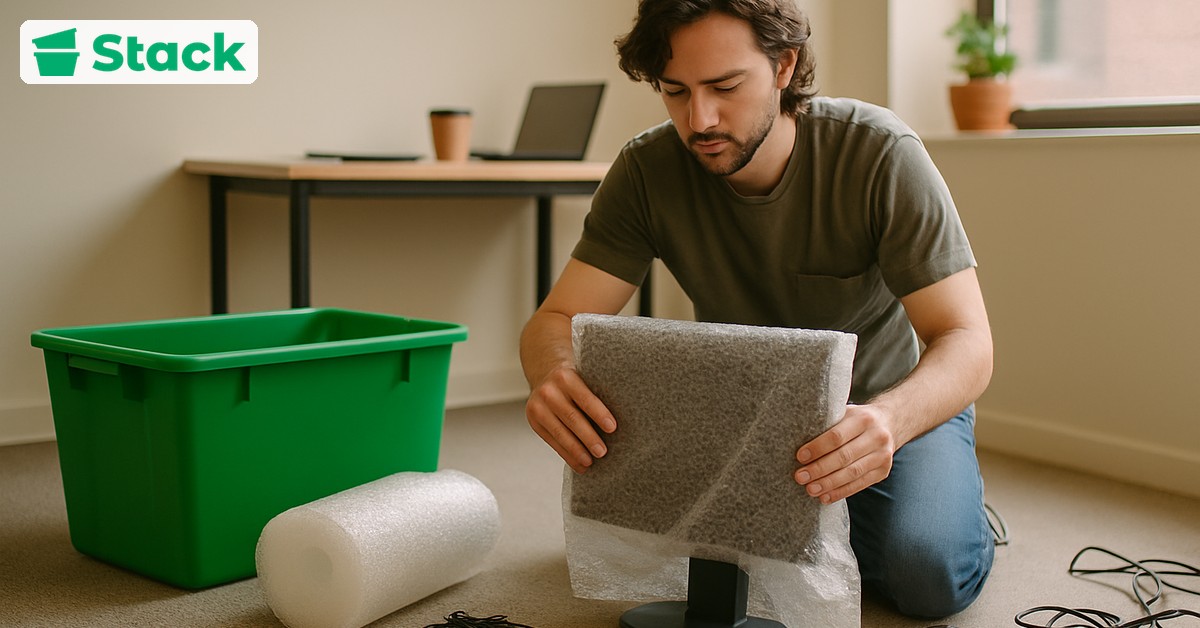
  • Wrap equipment in bubble wrap: Before you place your electronics in a box, wrap them in bubble wrap or any kind of protective padding. This will cushion the effect of any impact and prevent damage during a move.
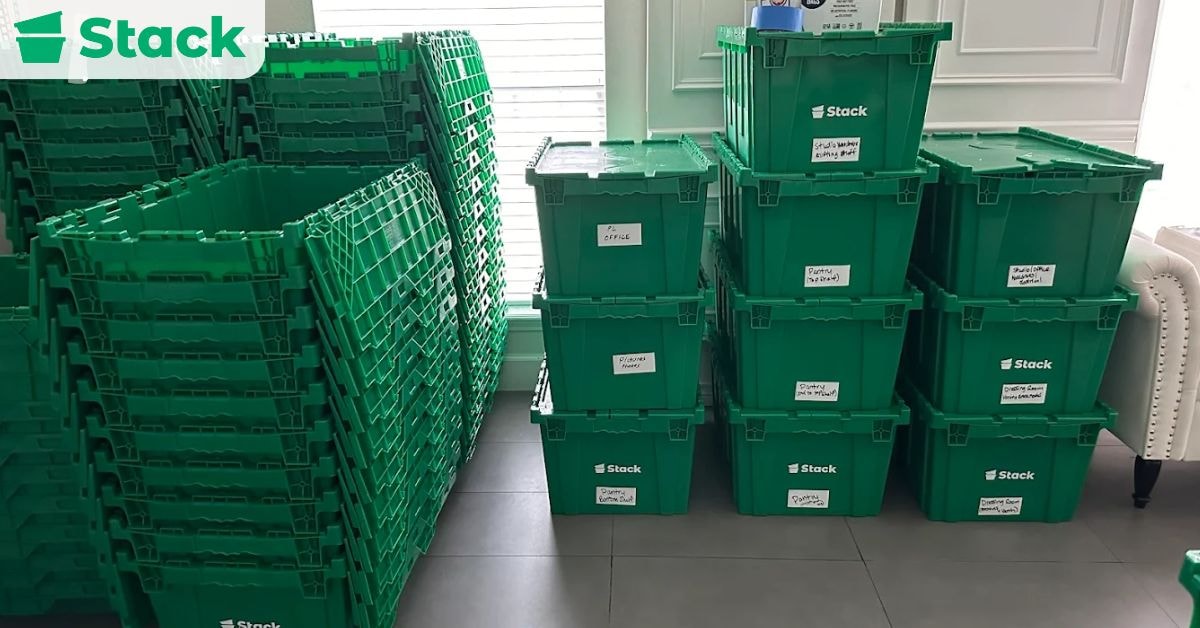
  • Label fragile boxes clearly: Clearly label your boxes that contain breakable items. In addition to this, also list out the contents of the box and where it should be placed. This tells your movers to handle the box with care and to keep it where it will be safe.
  • Disassemble large electronics before packing: When possible, take apart large electronic devices. Doing this reduces the likelihood of anything getting damaged and makes it easier to keep them safe.
  • Organize accessories in labeled bags: Use a small bag or container to store wires, chargers, and other accessories. Furthermore, label the bag to make organizing them quick and stress-free.
  • Use climate-controlled transportation: Sensitive equipment like servers or hard drives may be affected by heat or humidity. With a climate-controlled vehicle, you can maintain a stable environment during the move.
  • Don't stack heavy items on fragile boxes: Never place heavy boxes on top of boxes containing sensitive equipment. This prevents pressure damage and ensures fragile items aren't crushed in transit.
  • Use anti-static bags for electronics: Static electricity can damage electronic components. Items like circuit boards, memory sticks, or processors should be placed in anti-static bags to prevent electrical discharge.
  • Hire experienced movers: Not all movers have the experience to handle sensitive equipment. Always work with a professional team that understands the special requirements of handling these electronics.
  • Create a moving checklist: Keep a detailed list of every fragile item you're moving and check them off when you arrive at your new space. Tracking them this way makes sure nothing gets lost or left behind.

Want to Simplify Your Office Move?

A well-structured office relocation checklist can differentiate your move from a chaotic one to a smooth one. With a checklist, you'll be better prepared to tackle each phase of the move without unnecessary stress. Take the checklist we've outlined and make it your own by customizing it to fit your company's specific needs, timelines, and team structure.

In addition to having a checklist, having the right packing supplies can also make your move more seamless. Our sturdy, reusable boxes protect your equipment, cut down on packing waste, and make transport easier. If you're planning a move and want to simplify the process, contact us to speak with a relocation expert. Let's make your next move your easiest one yet.

Frequently Asked Questions

Moving into a new office location comes with a lot of practical questions. To make things easier, we’ve answered some of the most common questions businesses have when preparing for an office move.

What Should an Office Relocation Checklist Include?

An office relocation checklist should include all the tasks, timelines, responsibilities, and costs associated with the move. Important sections typically cover pre-move planning, communication, IT setup, packing, move-day logistics, and post-move tasks. Your Excel checklist should also include columns for assigned team members, deadlines, status updates, and estimated versus actual moving costs.

How Far in Advance Should You Plan an Office Move?

You should begin planning your office relocation at least 6 to 12 months before the move date, especially for larger offices. Early planning gives you enough time to coordinate vendors, notify employees, prepare IT infrastructure, and avoid unnecessary downtime. Starting early also makes it easier to create a realistic relocation timeline and budget.

Can I Use Google Sheets Instead of Excel?

Yes, you can. Google Sheets is a great alternative for teams that need to collaborate in real time throughout the move. Since the spreadsheet is cloud-based, employees can update tasks, monitor progress, and access the checklist from different locations and devices. However, Excel may offer more advanced features for formulas, reporting, and large-scale project tracking.

How Do You Track Office Moving Costs?

The easiest way to track office moving costs is by adding estimated cost and actual cost columns to your relocation spreadsheet. This allows you to monitor spending on movers, packing supplies, equipment setup, cleaning services, furniture installation, and other relocation expenses. You can also use formulas in Excel to calculate totals automatically and identify areas where your moving budget may be going over target.

How Much Does It Cost to Move in NYC?

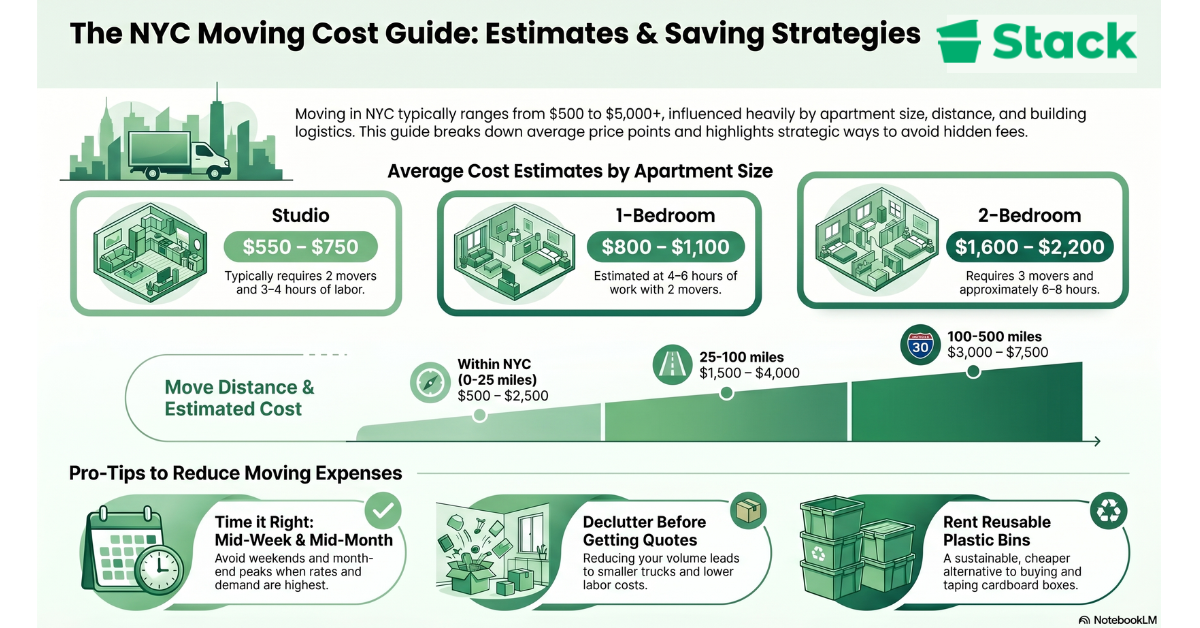
On average, moving costs in NYC range from about $500 to $5,000 and more. The final price can change based on factors like your apartment size, the distance of your move, the time of year, and the services you choose. Understanding what affects moving costs ahead of time can help you budget more accurately and avoid unexpected fees on moving day.

If you are trying to cut costs for your upcoming NYC move, renting moving boxes instead of buying them is a smart place to start. Stack Moves offers durable, stackable bins at affordable rates and we deliver them straight to your door. Contact us today to schedule your moving boxes in NYC today.

In this blog post, we’ll break down the average moving costs in NYC and the factors that impact those costs. We will also point out overlooked expenses that tend to drive up your moving costs and share tips on how you can save money when moving.

How Much Will It Cost to Relocate Within NYC? Factors to Consider

Stack Moves reusable moving box rental service

Movers typically charge based on the size and complexity of your move or based on an hourly rate, which can be more beneficial for smaller moves. Outside of your moving company’s base fees, there are several other moving expenses you’ll want to plan for to get a good idea of how much your move will cost.

Average Cost by Apartment Size

These estimates include basic services like loading, transport, and unloading within the five boroughs. Extras like packing services, certificates of insurance (COIs), long carries, or stair fees come at an additional cost. Based on the size of your apartment, you can expect to pay:

Home Size Average Moving Cost Movers Needed Est. Hours
Studio Apartment $550-$750 2 3-4
1-Bedroom $800-$1,100 2 4-6
2-Bedroom $1,600-$2,200 3 6-8
3-Bedroom+ $3,800+ 4+ 7+

Average Cost by Distance

The cost of a long-distance move or the cost of moving out of state is usually higher than a local move because of the amount of time, resources, and effort needed to complete these moves. In general, the farther you move from NYC, the more you can expect to pay.

Move Distance Move Type Estimated Cost
Within NYC (0-25 miles) Local move $500–$2,500
25-100 miles Short-distance move $1,500–$4,000
100-500 miles Interstate move $3,000–$7,500
500+ miles cross-country move $5,000–$12,000+

Moving Company NYC: What Influences Your Moving Cost?

What Are the Average Moving Costs in NYC?

Your final bill depends on many factors, starting from how much stuff you have to move to what time of the year you are moving. A solid understanding of what influences your moving costs can help you plan your upcoming move in the Big Apple better.

Size of the Move

The more belongings you have, the longer the process takes, which means a higher moving cost. A studio apartment usually needs 2 movers and a few hours to wrap up, but a two-bedroom apartment will need more laborers and time. Local moving companies usually try to find out the size of your move and give you a quote based on that.

Distance

Local moves are generally more affordable, but if you’re crossing state lines, expect a significant jump in moving expenses. Don’t forget that traffic and parking challenges in NYC can also increase the time your movers spend in transit, which may add to your final bill, especially if you’re being charged by the hour.

Time of Year and Day

If you’re looking to save, try scheduling your move mid-month and mid-week, when availability is better and rates are often lower. Last-minute bookings can also come with premium pricing, so booking in advance gives you a better shot at transparent pricing and more flexibility when choosing local NYC movers.

Walk-Up vs. Elevator Building

Be prepared for additional fees if you live in a walk-up building. Movers tend to charge more if they have to carry heavy furniture up several flights of stairs or navigate narrow hallways. On the other hand, buildings with elevators generally make for easier moves, but only if the elevator is available and appropriately sized. Otherwise, the moving process may still require extra time and effort.

Packing Services and Materials

The type of packing service you opt for can affect your overall moving cost. If you choose to hire full-service movers for your upcoming move, you’ll enjoy a less stressful move, but it’ll come at a steep cost. If you opt for a partial packing service or professional help for fragile items only, you’ll save money.

Your packing materials, like moving boxes, can also drive up your cost. One sustainable way to manage this is to rent affordable moving boxes. You can even use a moving box calculator to help you figure out how many bins you’ll need, so you don’t overpay for more than you need or run out of boxes mid-move.

Specialty Items

If you’re transporting custom furniture or anything that can’t easily fit through a standard doorway, expect higher fees. Specialty items like pianos, artwork, and delicate antiques need careful handling, which often comes with an extra charge. Heavy and bulky pieces like furniture also attract higher charges because local moving companies need specialized equipment to properly handle these items.

Permits and Parking Tickets

Parking permits and tickets are an easily overlooked moving expense. To secure a parking spot in NYC, you’ll need a permit. Some moving services expect you to secure a permit yourself, while others may simply include any parking fines on your final bill. It’s important to ask your movers whether parking permits are required and who’s responsible for obtaining them.

NYC Movers vs. DIY Moving: Cost Comparisons and Considerations

What Impacts the Cost of Moving in NYC?

Professional movers cost more than doing it yourself, but DIY moves require more time and effort and come with some hidden expenses. The best time to hire professional movers is when your move is time-sensitive or physically demanding. DIY moves work better for smaller, short-distance moves or when you’re on a tight budget and have help.

How Much Does It Cost to Move with Professional Movers?

On average, local NYC movers will charge between $500 and $3,500 for a move, depending on certain factors. The size of your apartment is a major one, followed by the number of things you’re moving, the distance of your move, and how easy it is to access the building. If you’re moving a small studio or one-bedroom within the city, costs tend to stay on the lower end, while larger apartments or long-distance moves quickly push prices higher.

Several factors influence this estimate, including apartment size, distance, building access, and the level of service you choose. On top of this, there are often additional or hidden costs like stair fees, long carries, storage, and insurance requirements that can increase the final price. Because of these variables, professional movers are best suited for people who want a hands-off, efficient experience or who are dealing with larger, more complicated moves.

How Much Does a DIY Move Cost in NYC?

DIY moving is generally cheaper upfront and works best for smaller apartments or short-distance moves. If you don’t have much furniture and can get help from friends or family, handling the move yourself may help you save money. In most cases, DIY moving costs in NYC range from a few hundred dollars to around $1,500, depending on truck rental size, mileage, tolls, and packing materials.

Keep in mind a DIY move requires significantly more time, physical effort, and coordination, especially in a city where parking and traffic can slow everything down. Costs can also rise unexpectedly because of logistics issues like having to make multiple trips due to limited truck space. Many people also forget to factor in the value of their time or the risk of damage or injury when lifting heavy furniture. While DIY moving can be a smart choice for small, simple moves, it becomes less practical as the size and complexity of the move increases.

  DIY Move Full-Service Movers
Who Packs? You Movers
Who loads the truck? You Movers
Who handles transport? You Movers
Cost Costs the least Costs the most
Best for Short moves on a tight budget Stress-free, hands-off experience

5 Simple Tips that Will Help You Save Money When Moving in NYC

DIY vs Professional Movers Cost Difference

The first thing you’ll hear when you tell anyone you’re moving to NYC is how expensive it is. And while NYC is expensive, there are a few simple strategies that can help you cut your moving expenses every time.

1. Book Movers Early and Avoid Peak Days

Avoid the most expensive moving periods like weekends, end-of-month dates, and peak summer season. During these times, demand is high, and moving services charge premium rates. Instead, try to go for mid-week and mid-month for your move. Movers are more available, and prices tend to drop during these off-peak windows, helping you stay within budget.

2. Declutter Before Moving

The less you move, the less you pay. Moving companies often base their moving price on the volume of your move, so trimming down your load can make a noticeable difference. Take the time to get rid of anything you no longer need. For you, this means fewer packing materials, smaller trucks, and potentially lower rates from your movers.

3. Use Reusable Moving Boxes

A more affordable and eco-friendly alternative to buying boxes is renting plastic moving bins. These sturdy, stackable boxes help you pack efficiently, prevent damage, and eliminate the need for additional packing materials like tape because they come with secure lids.

4. Ask for Multiple Quotes and Compare Services

Get quotes from multiple moving companies and take the time to compare what’s included in each one. Some moving companies may offer better rates on specialty items, while others may charge for additional services you don’t need. The more informed you are, the easier it is to spot hidden fees or inflated prices.

5. Negotiate Flat Rates

With a flat rate, you’re less likely to get a higher bill than anticipated. If you’re working with a reputable moving company, ask if they’re willing to give you a flat rate instead of charging by the hour. This will be helpful if your move involves a lot of stairs and traffic delays that could increase the duration of the move.

Need Reusable Plastic Bins When Moving in NYC?

The cost of moving in NYC can range from a few hundred to several thousand dollars, depending on your apartment size, the services you choose, and how far you’re going. Before deciding on what moving service to go for, think about your budget, timeline, and how much help you’ll realistically need. A full-service move may cost more, but it can save you time and physical strain. In contrast, if you’re looking to cut costs, small choices like when you move can make a big difference.

A simple way to keep moving costs in check is to rent plastic bins. It’s a cleaner, smarter, and more cost-effective alternative to buying cardboard boxes. If you’d like to make your move significantly less stressful, just contact us to book your moving boxes.

FAQs

Moving in NYC comes with unique challenges, so it is completely normal to have a few questions about the process. For personalized guidance or specific moving dilemmas, please reach out to us directly.

How Much Money Do You Need to Move to NYC?

It depends on how far you’re moving and how much stuff you have. Local moves within NYC usually cost $500–$2,000+, while long-distance moves from out of state can reach up to $10,000 or more. Be sure to budget for rent, security deposits, and setup costs once you arrive.

How Much Money Should You Have Before Moving Out in NYC?

Besides your moving expenses, you’ll need enough money saved up to cover your rent, utilities, furniture, and unexpected fees. A solid safety net is at least 3–4 months’ worth of living expenses, especially in a city as expensive as New York.

What Is the Cheapest Way to Move in NYC?

The cheapest way is a DIY move using friends, public transportation (if feasible), and rented moving bins. You can also save by moving mid-month, avoiding weekends, and decluttering to reduce how much you need to move.

How Many Moving Boxes Do You Need to Move in New York City?

The number of boxes you need to move depends on your living space and how much stuff you own. With a moving-box calculator, you can get an accurate estimate based on the size of your home.

How to Organize Your Office Move With Office Moving Labels

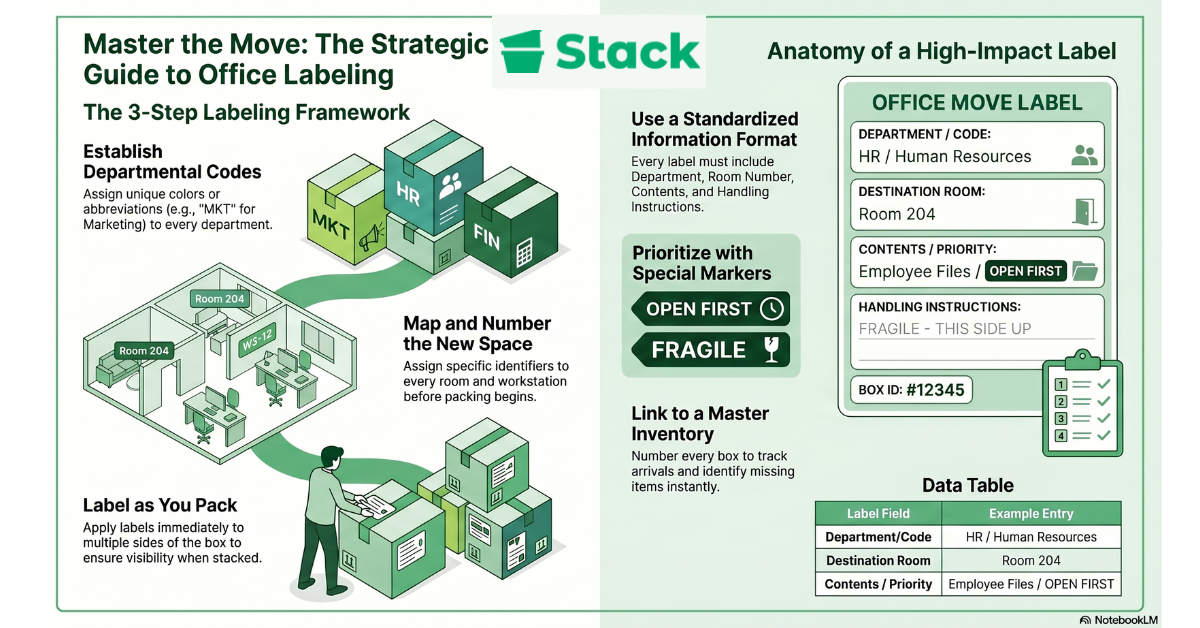
Without a clear system in place, even a small business relocation can become difficult to manage once packing and unloading begin. The most effective way to label boxes for an office move is to include the department name, destination room, box contents, and any handling instructions on each label. Also place the labels on multiple sides of the box so they remain visible no matter how the boxes are stacked, carried, or unloaded.

At Stack Moves we understand that labeling is an important part of any move, be it corporate or residential. That’s why every moving box rental comes with a corresponding number of labels to help you stay organized. You’re also welcome to ask for more labels if you want, we’re happy to provide extras.Contact us today get started.

In this guide, you’ll learn how to organize your office move with office moving labels. We’ll also cover how to create a labeling system, label office equipment and boxes correctly, and avoid common office moving mistakes.

How to Create an Office Moving Label System Step by Step

Stack Moves reusable moving box rental service

Because office movers depend on your labels to avoid delays on moving day, it’s important for all labels to follow the same format. The consistency in labeling makes it easier for anyone handling the boxes to understand them instantly without confusion. We put together a 6-step guide to help you build a simple and consistent moving-label system that keeps your move organized.

1. Assign a Labeling System for Each Department

First, decide how you want to identify each department throughout the move. This will be the foundation for your entire labeling system and help movers quickly recognize where each box should go without needing instructions. Most offices do this by assigning each department a color, abbreviation, or both. The important thing is to keep the system simple and consistent so everyone can understand it immediately.

You can use department codes like “HR” for Human Resources and “MKT” for Marketing. Once these codes are established, they should appear on every box, piece of furniture, and moving label connected to that department.

2. Number Offices, Rooms, and Workstations

The next step is to clearly number every office, room, and workstation in the new space. Without room numbers, labels like “Marketing” or “HR” are still too broad and can easily lead to boxes being dropped in the wrong areas. Walk through the new office space and assign simple identifiers to each area, such as numbers or codes that are easy to track. For example, if the finance department has three rooms, you could label them Office – FIN-001, FIN-002, and FIN-003. Once these identifiers are finalized, share them with employees and movers before packing begins so everyone is working from the same system.

3. Decide What Information Goes on Every Label

One of the biggest mistakes offices make during a move is allowing employees to label boxes however they want. Some people write detailed descriptions and others barely write anything. In some cases, nothing gets written at all. To avoid this, every box should follow the same labeling format.

Decide exactly what information must appear on every label before you start packing. This keeps the system organized. A good office moving label should include the department’s name or code, destination room number, brief description of its content, and any necessary handling instructions. For example, HR-204 – Employee Files – Open First.

4. Label Boxes Before Packing Is Finished

Many people make the mistake of waiting until they’re finished packing before they start labeling. The issue with this approach is that it often leads to incomplete or inaccurate labels, since details are easier to forget once boxes are already sealed. A much more effective way to label your boxes is to label them as you pack. You’re less likely to forget anything this way, plus, it helps everyone stay organized throughout the process. Remember to place your labels on multiple sides of each box, not just the top, since stacked boxes can easily hide key information during loading and unloading.

5. Create Special Labels for Important or Fragile Items

Some boxes may contain fragile electronics, confidential documents, or supplies that need to be unpacked immediately once the office is operational again. With special labels, these boxes are easier to identify and prioritize during the loading and unloading process.

The easiest way to do this is by using bold text, brightly colored stickers, or labels with clear handling instructions that stand out from your regular moving labels. For example, you can use labels like “OPEN FIRST – Reception Supplies” or “CONFIDENTIAL – HR Files.” This helps prevent important items from getting buried underneath less urgent boxes during the move.

6. Share the Labeling System With Employees and Movers

A labeling system only works if everyone involved in the move understands how to use it. Take time to explain the system to employees and movers before they start packing. This includes explaining department codes, room numbers, label formats, and any special handling labels being used during the move. Giving everyone the same instructions ahead of time helps unloading move faster, reduces confusion, and keeps boxes from ending up in the wrong rooms.

Benefits of Using Labels During an Office Move

What Are Office Moving Labels

When an office move isn’t properly organized, boxes can end up in the wrong rooms and equipment can go missing. To avoid this, combine your labeling system with an office moving checklist to keep the transition seamless. A clear labeling system prevents confusion on moving day by making sure every box, piece of equipment, and file is directed exactly where it needs to go from the start.

It also speeds up the unpacking process, helping teams get back to normal operations with less disruption and downtime. Beyond efficiency, proper labels help protect sensitive documents, keep IT equipment correctly routed, and make coordination between employees and movers far more seamless during the relocation.

Types of Office Moving Labels You Can Use

Labels are designed to support different moving conditions and handling environments. Choosing the right combination can make sorting and unpacking more efficient and reduce errors during an office relocation.

  • Color-Coded Labels: These are used to assign visual identity to different departments, rooms, or floors. Each color represents a category, making it easier to sort boxes quickly during loading and unloading without needing to read every label in detail.

    Pre-Printed Moving Labels: These come with pre-set fields such as “Room,” “Box Number,” and “Contents,” helping teams stay consistent across all boxes. They’re especially useful in structured office moves where multiple people are packing and you want every label to follow the same format.

    Blank or Writable Labels: These are flexible labels that allow you to customize information as you pack. They work well for smaller offices or situations where contents and box assignments may change during the packing process.

    Durable or Weather-Resistant Labels: These are designed for situations where boxes may be exposed to heat, moisture, or heavy handling. They help prevent smudging, peeling, or fading so important information stays readable throughout the entire move.

Best Practices for Labeling Office for Office Moves

A clear labeling system reduces confusion and makes it easier to unpack important items first. These labeling techniques will ensure key items don’t get lost in the shuffle and your workflow resumes quickly.

Label by Room for Quick Setup

Label your boxes with their destination, i.e., where the items in them should be placed, instead of where you packed them from. Write things like “HR-File Cabinet” so that movers can place the boxes exactly where they need to be in the new space. This quickens the unpacking process and makes it easier for team members to find their belongings right away.

All our rental packages are designed to match the size of your move, making sure you have the right number of bins for your move. You can even use our moving bin calculator to determine the best bin package for your needs.

Use Numbering to Track Every Bin

Another way to label your boxes is to number them and link the boxes to your inventory list. For example, Box 12 could be “Admin-Printer Toner.” An advantage to using this method is that if the box goes missing or arrives late, you know exactly what’s inside it.

Prioritize What Gets Unpacked First

You can also try labeling your boxes according to priority so that high-priority boxes are unpacked first. Use tags like “Priority 1 or Unpack First” so that your essential operations aren’t held up while the rest of the office is still being set up.

Combine Methods for Better Organization

To really stay on top of things, you can combine different methods. A bin labeled “Box 8 – Marketing – Priority 2 – Event Supplies” tells your movers what to do and when to do it. Small details like this make the transition easier for everyone involved.

Common Mistakes to Avoid When Using Office Moving Labels

How Do You Label Boxes for Maximum Efficiency?

Even with the best intentions, labeling systems often break down during real office moves because people prioritize speed over structure. This often leads to hidden delays that can significantly inflate your office moving costs. Although labeling is often treated as a simple task, in reality, labeling mishaps can potentially jeopardize your entire move. Below are five common mistakes people make when preparing for an office move, along with the correct approach to avoid them.

1. Using Vague or Generic Labels

People often write vague labels like “cables,” “documents,” or “marketing stuff” because it feels faster during busy packing periods. The problem is that these labels don’t help anyone differentiate between multiple boxes with similar contents once everything arrives at the new office. Instead, use specific identifiers like “Marketing – Desk Supplies” or “Finance – Client Files Q1.” This makes unpacking faster and helps employees locate exactly what they need without opening multiple boxes.

2. Inconsistent Label Formats

Different team members will naturally label boxes in their own style. Some will use room names and others may use abbreviations. While this seems harmless, it creates confusion when boxes are being sorted in bulk by movers who don’t understand internal shorthand. A consistent format (e.g., Department – Room – Contents – Box Number) solves this immediately. The result is a system that anyone can read quickly without interpretation.

3. Labeling Only One Side of the Box

Many people assume the top of a box is enough because it’s the first thing they see when packing. However, once boxes are stacked or moved around, that label often disappears from view entirely. This slows down unloading because movers have to rotate boxes just to identify them. Labeling at least two sides plus the top ensures visibility no matter how the box is placed.

4. Skipping Box Numbers or Tracking Systems

In smaller moves, teams often skip numbering boxes because they believe they can keep track of them mentally. The issue is that once dozens of boxes are in transit, it becomes nearly impossible to confirm whether anything is missing. Adding box numbers tied to a simple inventory list removes that uncertainty completely. It gives you full visibility over what has been packed, moved, and delivered.

5. Not Highlighting Priority or Sensitive Items

People usually focus on labeling what’s inside but forget to signal importance. As a result, essential items like IT equipment, urgent files, or fragile hardware can end up treated like standard boxes. This happens because urgency is not visually communicated. Using clear markers like “FRAGILE,” “OPEN FIRST,” or “IT EQUIPMENT” ensures priority handling and reduces the risk of damage or delays in setup.

Need a More Organized Way to Handle Your Office Move?

Why Box Labels Are Key to a Smooth Office Relocation

Even with a clear structure in place, low-quality packing boxes can slow down the entire moving process. Weak boxes can collapse under weight, make stacking unstable, and cause labels to peel or become unreadable during transport. When that happens, even a well-planned labeling system starts to fall apart.

With high-quality moving boxes, labels stay firmly in place, boxes stack safely without shifting, and teams can move through packing and unpacking with far fewer interruptions. In practice, better supplies support better organization, making the entire move easier to manage from start to finish.

At Stack Moves, we provide high-quality plastic moving boxes designed to keep your office relocation organized and stress-free. Each rental comes with labels included, helping you and your team stay consistent and efficient throughout the packing and unpacking process. Contact us today to reserve your moving boxes ahead of your next office move.

Frequently Asked Questions

Here are a few quick answers to the most common questions about setting up a workspace relocation sorting system. These tips will help your team and movers stay organized throughout the relocation process.

Why Is Proper Labeling Important During an Office Relocation?

Proper labeling helps keep the entire office relocation organized from start to finish. It ensures that packing boxes are delivered to the correct office space without confusion or delays. With clear labels, movers can quickly place items in the right areas in the new location. This reduces downtime and helps the moving process run more smoothly.

What Should Be Included in Office Moving Labels?

Office moving labels should include the department name or code, the destination room, a short description of contents, and any handling instructions. This gives movers and employees clear packing instructions and reduces confusion during the move. It also helps ensure belongings arrive safely and end up in the right place. Keeping the format consistent across all packing boxes is key.

What Is the Best Way to Place Labels on Packing Boxes?

The best approach is to place labels on multiple sides of each box, not just the top. Since boxes are often stacked during transport, proper label placement makes them easier to identify at all times. This helps movers quickly sort items based on the floor plan and room assignments. It also speeds up unloading in the new office space.

How Can You Make Sure Everything Arrives Safely at the New Office Space?

The key is combining proper labeling, structured packing instructions, and good packing supplies. Every item should be clearly labeled based on department and destination so nothing gets misplaced during the move. Movers can then follow the system without confusion, reducing errors during transport. This helps ensure a smooth office relocation and safe arrival of all belongings.

Do Moving Companies Pack for You?

Yes, most moving companies offer packing services and can handle everything from wrapping fragile items to boxing up your entire home. However, not all movers pack for you, as some companies only provide transportation while others offer partial packing services for certain items. Whether you choose to hire professional packers or plan to do some of the packing yourself, having strong, high-quality moving boxes can make the entire process smoother, safer, and far more organized.

Stack Moves helps make moving simpler with durable reusable moving boxes delivered directly to your door. Our plastic moving bins are designed to keep your belongings protected, organized, and easier to pack whether you’re moving yourself or working with professional movers. Contact us today to book your moving boxes and get started.

In this blog, we’ll explain how moving company packing services work, what movers will and won’t pack, how much packing services cost, and whether hiring professional packers is worth it.

Do Moving Companies Pack for You?

Stack Moves reusable moving box rental service

Yes, many moving companies offer packing services either as part of a comprehensive moving package or as an optional add-on. It all depends on whether you’re working with a full-service or self-service moving company.

Full-service movers typically handle every part of the move, and if you’re looking for a stress-free experience, this can be a convenient option. On the other hand, a self-service moving company focuses strictly on transportation. They do not help with packing, loading, or unloading your items. A self-service option is generally more budget-friendly and gives you full control over how your items are packed.

Ultimately, whether you go full-service or self-service depends on your budget, timeline, and comfort level with outsourcing the packing process.

What Are Professional Packing Services and How Do They Work?

Do Moving Companies Pack for You?

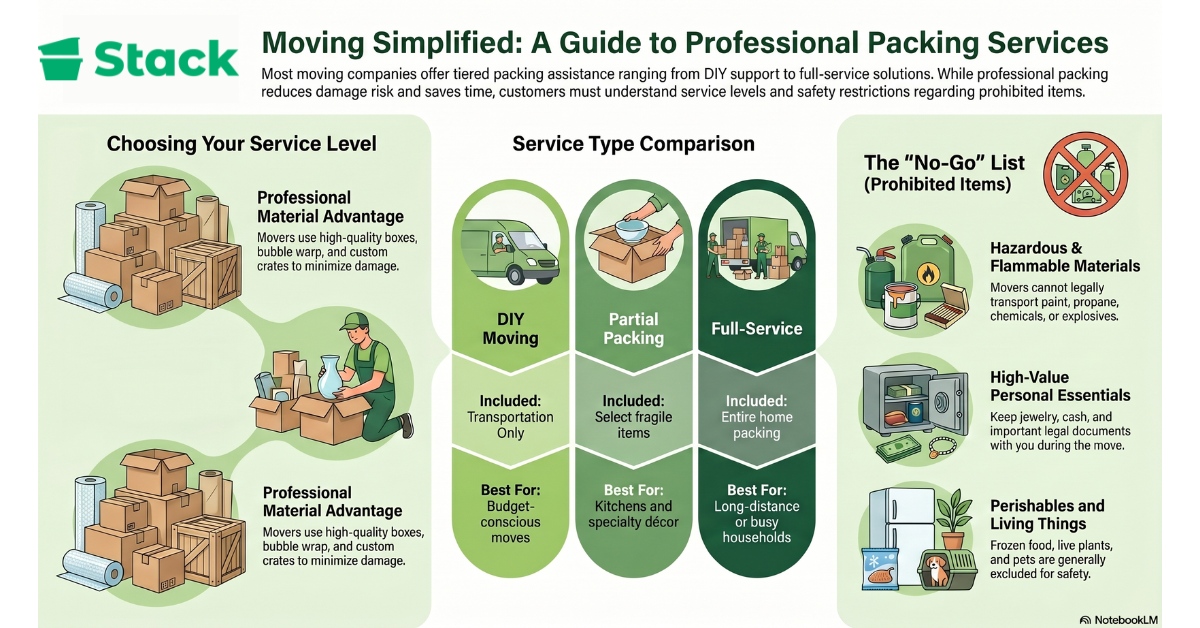
Professional packing services are services provided by moving companies to help homeowners safely prepare their belongings for a move. Depending on the company and the package you choose, packing services can range from partial packing for select belongings to full-service packing for your entire home. Some movers also offer unpacking services at your new destination to make the moving process even more convenient.

The process usually starts with an assessment of your home and belongings. The moving company may provide an in-home or virtual estimate to determine how many supplies, movers, and hours will be needed. On packing day, the crew arrives with boxes, tape, bubble wrap, packing paper, labels, and other packing materials. Then they systematically pack, label, and organize your belongings before loading them onto the moving truck.

One of the biggest advantages of professional packing services is the reduced risk of damage. Experienced movers know how to properly secure delicate items, maximize box space, and safely handle bulky or high-value belongings. For busy households, long-distance moves, or homes with many fragile items, professional packing services can save a significant amount of time and stress.

What Is Included in Professional Packing Services?

This majorly depends on the moving company and the package you choose. Here’s what is typically included in professional packing services:

  • Packing Supplies and Materials: Movers usually provide boxes, packing tape, bubble wrap, packing paper, and labels. Some companies may charge separately for specialty materials or custom crates.
  • Packing Household Belongings: Professional movers can pack common household items like clothing, dishes, books, toys, decorations, electronics, and small appliances. They organize and label boxes to make unpacking easier later.
  • Fragile Item Packing: Delicate belongings such as glassware, artwork, mirrors, antiques, and TVs are carefully wrapped using extra padding and protective materials to reduce the risk of damage during transport.
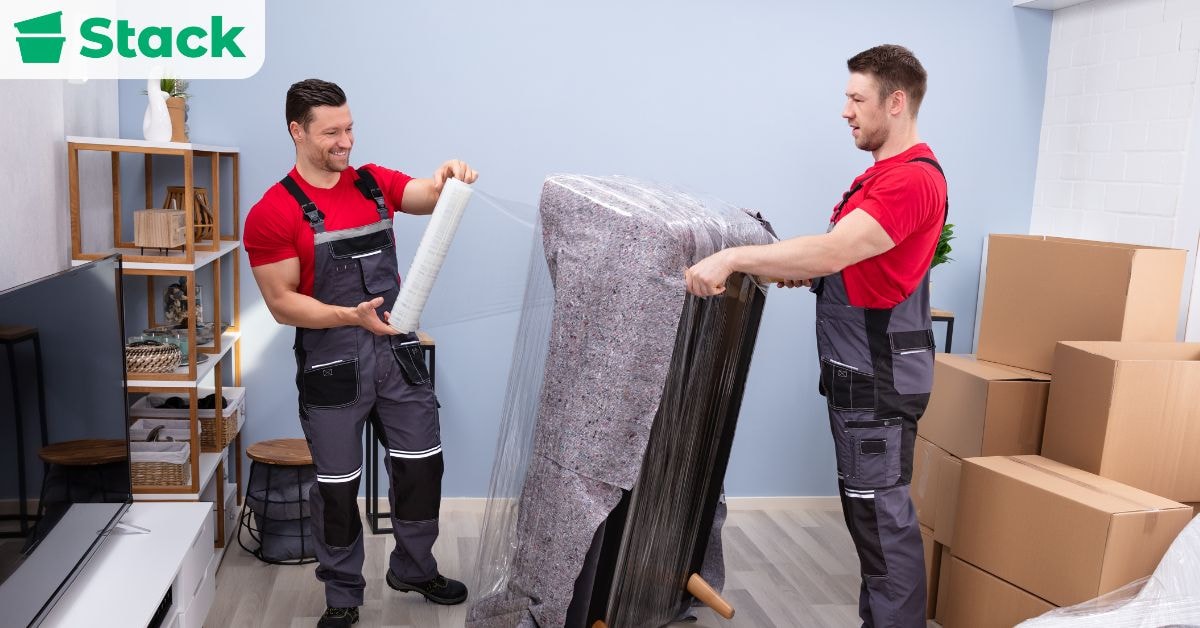
  • Furniture Preparation: Movers may disassemble furniture, wrap large items in protective blankets, and secure loose parts before loading everything onto the moving truck.
  • Labeling and Inventory Management: Most movers label boxes by room and contents while also creating an inventory list to help keep track of your belongings throughout the move.
  • Partial Packing Services: If you do not need help packing your entire home, you can hire movers to pack only certain rooms or difficult items. Many people use partial packing for kitchens, fragile décor, or bulky specialty items.
  • Unpacking Services: Some full-service moving companies also offer unpacking services at your new home. This may include unpacking boxes, placing items in rooms, and removing used packing materials after the move.

Types of Packing Services

When it comes to moving, one of the biggest decisions you’ll face is whether to pack your belongings yourself (DIY packing) or to hire movers. Fortunately, it doesn’t have to be one or the other. There are different types of packing services to fit a range of needs and budgets.

1. DIY Packing

For DIY packing, you get to save costs as you’re packing your belongings yourself and avoiding the fees associated with getting professional movers. You also have control over how things are organized and packed. However, DIY packing is a time-consuming process and can be stressful, especially when juggling it with other responsibilities.

Moreover, there is a higher risk of damage during transport when you do not have proper knowledge of packing techniques. Professional movers have the right materials and knowledge to pack your belongings securely, especially delicate or fragile items that need extra care. If you would still prefer handling the packing yourself, learning how to pack moving boxes properly can help reduce damage and make loading much more efficient.

2. Full-Service Packing

Opting for a professional moving company is a convenient option because it optimizes efficiency. Hiring movers who are experts is a safe option, as they have access to high-quality packing materials and have expertise in packing techniques. 

But it’s not the first choice for people, as getting a professional moving service is more expensive. It also gives you less personal control over how items are organized and packed. Understandably, some people may also feel uneasy about strangers handling their personal belongings or may prefer to organize their items in a specific way that only they can achieve.

3. Partial Packing Service

Partial packing services offer a much-needed middle ground between DIY and full-service moves. With this service, you can pack most of your household items yourself, but leave specific items to the professionals. Partial moving services can also be more affordable than full-service packing while still offering the benefit of professional handling where it counts.

It’s a great way to remain involved in the moving process while outsourcing the most time-consuming or fragile tasks. We recommend this option for people who are comfortable doing the packing themselves but would like some professional help for specialty or breakable items.

Service Type What’s Included Best For
DIY Moving You pack everything Budget-conscious moves
Partial Packing Movers pack select items Fragile or specialty items
Full Service Packing Movers pack entire home Busy households or long-distance moves

What Professional Movers Will Not Pack for You

Types of Packing Services

For safety, liability, and compliance reasons, moving companies usually have a list of items they cannot legally or safely pack or move. Since these restrictions can vary between movers, it’s always a good idea to ask for their prohibited items list before packing day. Items movers commonly refuse to pack or move include:

  • Hazardous Materials: Paint, gasoline, propane tanks, fireworks, chemicals, and other flammable or explosive materials are usually prohibited.
  • Firearms and Ammunition: Many movers will not transport guns, ammunition, or other weapons due to liability and legal restrictions.
  • Perishable Food: Refrigerated, frozen, or open food items may spoil during transit and are often not accepted for long-distance moves.
  • Important Documents: Passports, birth certificates, financial records, medical files, and legal documents are usually best kept with you.
  • Jewelry, Cash, and Valuables: Movers may refuse high-value personal items or limit liability coverage for them during the move.
  • Live Plants and Animals: Plants can be damaged during transport, and movers generally cannot transport pets or live animals.
  • Prescription Medications: Medications should stay with you to ensure easy access and proper storage during the move.

Do Moving Companies Provide Boxes and Packing Materials?

In many cases, they do. Most full-service movers arrive with their own packing supplies, so you don’t have to run around looking for boxes or tape the week of your move. This might not always be the case, so it helps to ask whether moving boxes and packing supplies are included in your estimate or charged separately.

Another thing to remember is that the pricing of mover-supplied boxes is also usually higher. If you’re trying to keep moving costs down, it might be a better idea to source your own high-quality moving boxes ahead of time.

Will Movers Move Things Not in Boxes?

Yes, movers can often move items that are not packed in boxes, but this depends on the item and the moving company’s policies. If you’re unsure about whether everything has to be in boxes for movers, it’s always best to check with the company beforehand.

Large belongings like couches, mattresses, bicycles, patio furniture, rugs, and some exercise equipment are commonly moved without boxes. However, loose or unpacked items can shift during transportation and may be more likely to get damaged.

Smaller household belongings should still be packed securely in sturdy containers whenever possible. Some movers may also refuse to move certain loose items if they believe they are unsafe or difficult to transport properly. For better protection and organization, it is usually best to pack as many belongings as possible into durable moving boxes or reusable moving bins before moving day.

Factors to Consider When Choosing Packing Services

Not all packing services offer the same level of quality, protection, or value. Some movers handle fragile items with care and communicate clearly throughout the process, while others may surprise you with hidden fees. Before hiring a moving company, it’s important to compare more than just the price so you can choose a service that actually fits your move and your expectations.

Cost

Cost is one of the biggest factors people consider when hiring professional packers. Packing service pricing usually depends on how many belongings you have, how difficult they are to pack, how many movers are needed, and how long the job will take. Because of this, moves involving larger homes, fragile items, and specialty packing materials can increase your final cost.

Packing supplies themselves can also become a major expense. Some movers include boxes and materials in their pricing, while others charge separately for them. If you want to cut down on moving costs, renting reusable moving bins can be a more affordable option and often includes extras like labels and dollies.

It’s also worth asking whether the company offers discounts for off-season moves, bundled services, or flexible scheduling. Getting multiple quotes can help you better understand what’s actually included and avoid unexpected charges later.

Insurance Coverage

Professional moving companies usually offer different levels of liability coverage for your goods. Basic coverage is often included, but you may want to consider purchasing additional valuation coverage for peace of mind, especially for high-value items. Items packed by the movers are generally covered under their insurance policy. However, items you pack yourself might not be covered or could have limited coverage. So, it’s important to understand the policy details.

Online Reviews and Testimonials

Reviews and testimonials can give you a better idea of what working with a moving company is actually like. Look beyond star ratings and pay attention to comments about professionalism, punctuality, communication, damaged items, or surprise fees. It also helps to ask friends or family members for recommendations if they’ve recently used professional movers. A company with consistently positive reviews and clear communication is usually a much safer choice than one offering unusually cheap estimates with little transparency.

Licenses & Certifications

Also, check if the moving company has any industry certifications or affiliations with reputable organizations. Memberships in organizations like the American Moving and Storage Association (AMSA) can indicate a commitment to industry standards. In addition, reputable companies will offer to conduct an in-home estimate or a virtual survey to assess your packing needs and provide a more accurate quote. Be wary of companies that give a low estimate without seeing your home or the items you need to pack.
Looking for an Easier Way To Pack for Your Move?

Will Movers Move Things Not in Boxes?

Most moving companies will pack your belongings for you, especially if you’re using a full-service moving option. It’s one of the easiest ways to take a huge amount of stress off your plate, particularly when time is tight or you’re dealing with a full household move.

That said, even with professional help, the packing process is only as reliable as the materials you use. Strong, reliable boxes make a real difference in how safely and efficiently everything gets packed, moved, and unpacked. Which is why more people are switching from cardboard boxes to plastic moving boxes. Ready to make packing easier? Contact us to rent our durable plastic bins and take the hassle out of your next move.

Frequently Asked Question

If you’re still figuring out how packing services actually work, you’re not alone. These are some of the most common questions people ask when deciding whether to hire movers, pack themselves, or go for something in between.

Do Movers Pack For You?

Yes, most full-service moving companies offer packing services and can handle everything from a few rooms to an entire home. However, some movers only provide transportation, so it depends on the type of service you book.

How Long Does Professional Packing Take?

It depends on the size of your home and how much stuff you have. A small apartment may take a few hours, while larger homes can take a full day or more.

Do You Need To Pack Before Movers Arrive?

Not always. If you booked full-service packing, the movers will handle most of the packing for you. However, you should still set aside personal essentials and important documents you want to keep with you.

Will Movers Pack A Messy House?

Yes, movers will usually still pack your home even if it’s not perfectly organized. That said, heavy clutter can slow things down and may increase the time (and cost) of the job.

Do Moving Companies Unpack For You?

Some full-service movers do offer unpacking, but it’s not always included automatically. It’s usually an add-on service where movers help unpack boxes and place items in the right rooms.

What Are Red Flags With Moving Companies?

Be cautious of movers who give vague estimates, demand large deposits upfront, or avoid written contracts. Another red flag is a company that refuses to do an in-home or virtual assessment before giving pricing.

What Will Professional Movers Not Pack?

Most movers won’t pack hazardous materials, firearms, perishable food, or live plants. Valuable items like jewelry, cash, and important documents are also typically excluded for safety and liability reasons.

Is It Worth Paying For Professional Packing Services?

It can be worth it if you’re short on time, moving a large home, or have fragile or valuable items. It saves time and reduces stress, but DIY packing is still a good option if you’re trying to cut costs.

What to do With Moving Boxes After Moving

If you’re staring at a mountain of empty boxes after a long move, you probably want to know how to clear that clutter without just tossing it in the trash. While it’s often a relief to get them out of the house, finding a second life for your supplies is a great way to reduce waste and help out a neighbor. You can either keep them for storage, sell or donate them to someone else, or dispose of them responsibly.

At Stack Moves, we’ve helped thousands of people avoid the post-move clutter by providing a smarter way to pack. Our reusable moving bins for rent serve as a convenient alternative to cardboard boxes, allowing you to skip the stress of disposing of cardboard altogether. To get started on your hassle-free move, contact us today.

We are going to walk you through the most practical ways to handle your leftover boxes so you can enjoy your new home.

15 Practical & Creative Ways to Reuse Moving Boxes

How to Organize Your Moving Boxes After You Move

After a move, you’re usually left with a stack of empty boxes and one big question: what now? Instead of tossing them right away, there are plenty of practical and creative ways to reuse moving boxes that can save you money and reduce waste.

A. Creative Ways to Reuse Moving Boxes

Cardboard is surprisingly versatile, and a little creativity can save you money while cutting down on waste. If you’re not in a rush to get rid of them, these ideas are worth trying first.

1. Turn Boxes Into Drawer or Closet Organizers

This is a simple way to stay organized without buying storage bins. Start by measuring your drawer or shelf so you know what size inserts you need. Cut your moving boxes down to fit, then place them inside to separate clothes, accessories, or office supplies. Smaller boxes are perfect for this since they already fit tighter spaces. If you want a cleaner look, line them with paper or fabric before placing items inside.

2. Build a DIY Kids’ Playhouse or Fort

Large moving boxes are perfect for creating a playhouse or fort. It’s an easy project that turns your leftover packing supplies into something fun, especially if you’re exploring moving box alternatives beyond traditional uses. Start with one or two large moving boxes and tape them together if you need more space. Cut out doors and windows using a box cutter, then fold back flaps to create openings. Use tape to reinforce weak corners so the structure holds up during play. Once it’s set up, let kids decorate with markers, stickers, or paint.

3. Create a Cozy Pet House or Cat Scratcher

Cardboard moving boxes can double as a low-cost alternative to store-bought pet furniture. Pick a sturdy box that’s large enough for your pet to sit or lie down comfortably. Cut a wide opening on one side so they can easily get in and out. Add a soft blanket or cushion inside to make it more inviting. For cats, you can stack or layer pieces of cardboard inside to create a scratching surface.

4. Use Cardboard as a Weed Barrier in Your Garden

Place flattened cardboard boxes over soil to block weeds naturally. Add mulch on top to hold everything in place and improve the look. This method helps retain moisture while reducing the need for chemicals. It’s especially useful for garden beds or landscaping projects. Just make sure to remove tape and labels first.

5. Get Creative With DIY Cardboard Projects

Moving boxes are great for DIY projects like wall art, storage bins, or even small furniture. You can cut, paint, and shape them into just about anything. We recommend this for anyone who enjoys hands-on projects and wants to reduce waste. It’s also a fun way to personalize your space on a budget.

6. Compost Cardboard for Eco-Friendly Disposal

Composting is a great option if you’re looking into how to get rid of moving boxes in a more eco-friendly way. It’s simple and good for your garden long-term. Plain cardboard can be added to your compost pile as a carbon-rich material. Tear it into smaller pieces so it breaks down faster. Bear in mind that this works best for boxes without heavy ink or coatings. For best practices, resources like the US Composting Council offer helpful guidance on composting cardboard safely.

B. Practical Things to do With Moving Boxes

If you’re looking for more straightforward ways to handle leftover moving boxes, there are plenty of practical options too. These ideas focus on saving money, staying organized, or helping someone else out. Most of them take little effort but can make a big difference.

7. Keep Boxes for Future Storage Needs

Hold onto sturdy moving boxes for seasonal storage like holiday decorations or clothing. This saves you from buying new storage bins; plus, it’s one of the easiest ways to reuse moving boxes long-term. Most moving boxes are designed to stack and handle weight fairly well. Just be sure to label them clearly so you can find your things later. For long-term storage, it helps to understand how to store moving boxes properly so they stay in good condition.

8. Protect Floors During Painting or Renovations

Flatten your boxes and lay them across areas where you’ll be painting or working. Overlap the edges slightly to make sure no part of the floor is exposed. Tape the corners or edges down so they don’t shift while you move around. This creates a protective layer against paint, dust, and debris. It’s a quick setup that can save you from costly cleanup later.

9. Use Boxes for Garage or Attic Storage

Moving boxes are perfect for organizing items in your garage or attic. Group similar items together and label each box clearly. This helps reduce clutter and makes storage more efficient. If possible, place them on shelves or pallets to avoid moisture damage. This keeps your storage organized and protects your belongings long-term.

10. Make Dividers for Fragile Items

Measure the inside of your box and cut cardboard into equal strips based on the size of your items. Cut small slots halfway through each strip so they can slide into each other and form a grid. Place the grid inside the box, then fit each glass or item into its own section. This keeps everything separated and prevents movement during storage or transport. It’s a simple way to protect fragile items without buying inserts.

11. Repurpose Boxes for Shipping and Packaging

Shipping items can get expensive when you have to repeatedly buy materials for each shipment. Fortunately, moving boxes can double as ready-to-go shipping supplies. It’s one of the easiest ways to get extra value out of your boxes. Just remove the old labels and reinforce the edges with tape, and they’re good to use again. This works especially well if you’re selling items online or sending packages regularly. You save money, reduce waste, and still get reliable packaging that holds up during transit.

12. Sell Your Used Boxes for Extra Money

This is a simple way to recover some of your moving costs when you consider how much moving boxes cost. Start by setting aside clean, sturdy boxes in good condition. Bundle them by size or type to make your listing more appealing. Take clear photos and list them on platforms like Facebook Marketplace or Craigslist with basic details.

13. Give Away Free Moving Boxes Locally

If you don’t want to sell, offering free moving boxes is the fastest way to get rid of them. Many people are actively looking for free packing supplies. It’s not only convenient but also helps someone else save money. Post them in local groups or community boards for quick pickup.

14. Donate Boxes to Schools or Small Businesses

Schools, nonprofits, and small businesses often need boxes for storage or shipping. Start by identifying local schools, nonprofits, or small businesses that might need boxes. Call ahead or send a quick message to confirm they accept donations. Bundle your boxes neatly to make drop-off easier. Focus on giving away clean, sturdy ones that can be reused.

15. Use Boxes for Donations and Decluttering

One problem with donating items is that you need to present them in a way that looks presentable. Loose items or overstuffed bags can make donations look messy and harder for organizations to handle. Moving boxes solve that instantly by giving you a sturdy, stackable way to sort clothes, books, and household items neatly. It’s a simple way to declutter your space while making your donations more presentable and useful.

How to Properly Recycle Cardboard Boxes

Donate Moving Boxes

Start by breaking down your moving boxes so they lay flat and take up less space. Make sure your boxes are dry and free from food, grease, or moisture, as contaminated cardboard is often rejected from recycling programs. Go even further to remove tape, labels, and any packing materials first to improve your chances. If you’re unsure where to go, a quick search for the local recycling centers in your area will show drop-off locations and accepted materials.

Flattening and bundling your unused moving boxes also makes pickup or drop-off faster and more efficient. When done right, recycling keeps a large amount of waste out of landfills and supports local waste management systems.

Where to Donate Moving Boxes

Before recycling, set aside any gently used boxes that are still sturdy and intact. These sturdy cardboard boxes are often in high demand, especially from people trying to avoid the cost of having to buy cardboard boxes for their own move. Boxes with lids, uniform sizes, or minimal wear tend to get picked up fastest.

Start locally. Reach out to local businesses like liquor stores, bookstores, or small e-commerce shops. Many reuse moving boxes for shipments or storage and are happy to take clean extras. You can also contact nonprofit organizations, schools, or community centers, which often need packing supplies for events, donations, or storage.

For faster results, list your unused boxes on neighborhood apps or local marketplaces where people actively look for free cardboard boxes. Be clear about quantity, size, and condition to avoid back-and-forth messages. Donating this way not only clears space quickly but also helps someone else cut moving costs while keeping usable materials in circulation.

How to Organize Your Moving Boxes After You Move

Stack Moves reusable moving box rental service

Moving is just the beginning; you still have to arrange everything you came with, including your moving boxes and other packing materials. Knowing how to organize your moving boxes properly helps you save space and makes future moves easier. Here are four tips to help you keep things tidy and manageable:

  1. Assess the Condition of the Boxes: Before you actually start organizing your boxes, take a moment to inspect them. Check if the boxes made it through the move unscathed or if they sustained some damage. Only keep sturdy moving boxes (boxes still in good condition) since they can be reused in the future.
  2. Sort by Size and Type: To arrange your boxes by size, stack smaller ones on top of the larger ones to maximize space. Also, group them by type to make finding a box easier when you need it. For instance, sturdy boxes that can be reused should be kept together, and flimsy ones should be kept in a separate pile.
  3. Plan for Next Steps: Now that you’ve got all your boxes in one place, decide on what you’re going to do with them. If they’re still in good condition, you could reuse them or give them out to someone who needs them. Damaged boxes should either be recycled or properly disposed of.
  4. Avoid Leaving Boxes Around the House: Leaving your boxes scattered around the house creates clutter and makes it harder to settle in. When unpacking, try to put things in their proper places at the same time, including the boxes. If you’re having a difficult time getting rid of your boxes all at once, gradually dispose of them over time instead.

What’s the Best Way to Get Rid of Moving Boxes After Moving?

Sustainable Moving Boxes

At this point you know that you can either reuse, donate, recycle, or even sell your moving boxes after your move. Depending on how much time and effort you want to put into handling them after the move, each of these options work just fine

But if you’d rather skip the stress of figuring out what to do with your boxes after the move, consider renting your moving boxes instead. These reusable bins are picked up once you’re done. You don’t have to worry about disposal, storage, or extra clutter afterward; it’s all handled for you. It’s a cleaner, more convenient approach that also cuts down on waste.

Ready to make your next move easier? Contact us today or schedule your moving box delivery and skip the post-move cleanup altogether.

Frequently Asked Questions

Still have questions about what to do with your moving boxes? Here are quick answers to help you recycle, donate, or reuse them the right way.

Where Can I Find Free Cardboard Boxes Near Me?

You can find free cardboard boxes through local marketplaces, neighborhood groups, and platforms like Freecycle. Many people give away gently used boxes after a move to avoid disposal. You can also check with local businesses like grocery or liquor stores that regularly receive shipments.

Should I Recycle Or Donate Moving Boxes?

If your moving boxes are still in good condition, donating is the better option. Sturdy cardboard boxes can be reused by others, reducing the need to buy cardboard boxes. Only recycle boxes that are damaged, wet, or no longer usable.

What Types Of Cardboard Boxes Cannot Be Recycled?

Boxes with grease, food residue, or water damage are usually not accepted at the nearest recycling center. Wax-coated or heavily treated cardboard may also be excluded from standard recycling programs. These materials can contaminate recycling batches and should be disposed of separately.

Who Accepts Donations Of Moving Boxes In The U.S.?

Many nonprofit organizations like Goodwill and Habitat for Humanity accept unused moving boxes in good condition. You can also donate to local businesses, schools, or community groups that reuse packaging materials. Online platforms make it easy to connect with people looking for free cardboard boxes nearby.

Eco-Friendly Moving Boxes: Best Reusable & Sustainable Options (2026 Guide)

Eco-friendly moving boxes are designed to help you move while reducing waste, cutting costs, and avoiding single-use packing materials. From reusable plastic bins to recycled cardboard and biodegradable options, there are several ways to make your move more sustainable. The challenge is figuring out which option actually makes sense for your budget, timeline, and moving needs.
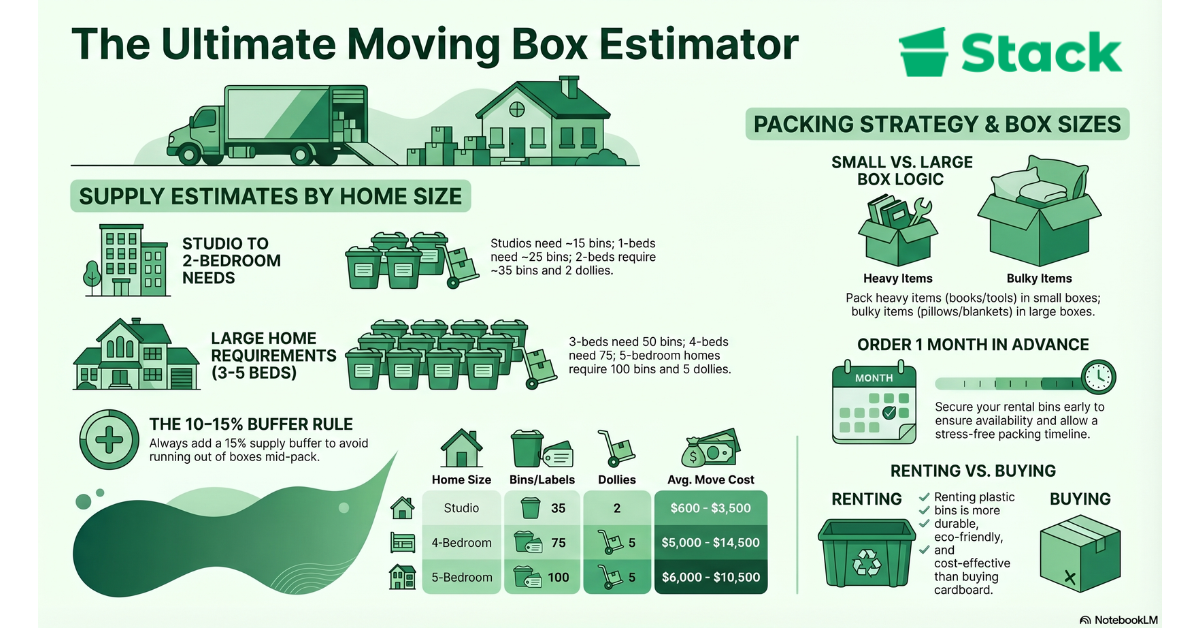
If you’re looking for a simple and eco-friendly solution, Stack Moves offers durable moving bins for rent. Our reusable bins eliminate cardboard waste, protect your belongings better, and save you time during your move. Contact us today to schedule your delivery and make your move easier.

In this guide, we’ll break down the best eco-friendly moving box options, compare renting vs buying, and show you how to choose the right solution for your move.

What Are Eco-Friendly Moving Boxes?

Stack Moves reusable moving box rental service

Eco-friendly moving boxes are packing containers designed to reduce environmental impact throughout the moving process. Unlike standard single-use cardboard boxes, they are typically made from recycled, biodegradable, or reusable materials that help minimize waste and resource consumption.

These boxes come in different forms, including plastic moving bins, recycled cardboard boxes, and biodegradable alternatives. Each option offers a different balance of cost, durability, and sustainability depending on how you plan to move.

While the idea is simple, not all eco-friendly moving boxes serve the same purpose. Some are better for short-term convenience, while others are designed for reuse over multiple moves, which is why choosing the right option matters.

Best Eco-Friendly Moving Box Options

Why Choose Eco-Friendly Moving Boxes?

Whether you want to rent heavy-duty bins or just find recycled materials that fit your budget, there are plenty of great options to choose from. By looking at what you actually need to pack, you can find a solution that keeps your stuff safe while keeping things eco-friendly.

Reusable Plastic Moving Bins (Best Overall)

Reusable plastic moving bins are one of the most efficient and eco-friendly ways to move. These durable bins are designed for multiple uses, which eliminates the need for single-use cardboard and significantly reduces waste. They’re also sturdier than traditional boxes, offering better protection for fragile or heavy items.

Renting reusable bins is often more cost-effective than buying cardboard for every move. Most rental services include delivery, pickup, and ready-to-use bins, saving you time and effort during an already stressful process. If you’re looking for a convenient, low-waste solution, this is typically the best option.

Recycled Cardboard Boxes (Best Budget Option)

Recycled cardboard boxes are a popular choice for budget-conscious movers who still want an eco-friendly option. Made from post-consumer materials, these boxes can be recycled again after use, helping reduce overall waste. They’re also widely available and often inexpensive, or even free if sourced locally.

However, cardboard boxes are typically single-use and less durable than reusable bins. They can weaken with moisture or heavy loads, which may lead to damage if not packed carefully. While they’re a solid low-cost option, they may not be the most sustainable long-term solution. If you go this route, look for certifications like Forest Stewardship Council (FSC) or Sustainable Forestry Initiative (SFI) to ensure the materials are responsibly sourced.

Biodegradable Moving Boxes (Best for Zero-Waste Disposal)

Biodegradable moving boxes are designed to break down naturally over time, making them a more environmentally friendly alternative to standard cardboard moving boxes. These boxes are often made from plant-based materials like cornstarch or other compostable fibers, reducing their impact on landfills.

They’re also typically free from harmful chemicals, which makes them a safer option for both your home and the environment. However, biodegradable boxes can be harder to find and are often more expensive than other options. This makes them a good choice for eco-conscious movers who are willing to pay a bit more for sustainability, but they may not be the most practical option for everyone.

Used / Second-Hand Boxes (Most Sustainable DIY Option)

If your goal is to minimize waste completely, using second-hand boxes is one of the most sustainable options available. Sourcing boxes from local stores, friends, or community platforms means you’re reusing materials that already exist.

This option is often free or very low-cost, making it ideal for budget moves. However, availability can be inconsistent, and the boxes may vary in size, quality, and durability. You may also need to spend extra time collecting enough boxes for your move. For DIY movers who don’t mind the extra effort, this is a great way to reduce both costs and environmental impact.

Renting vs Buying Eco-Friendly Moving Boxes

Types of Eco-Friendly Moving Boxes

When choosing eco-friendly moving boxes, one of the biggest decisions is whether to rent or buy. Both options have their advantages, but the right choice depends on your budget, timeline, and how often you plan to move. Here’s how they compare.

Renting

Renting moving boxes is one of the easiest and most sustainable options available. Most rental services also include delivery and pickup, saving you time and effort during your move. These bins are typically more durable than cardboard, offering better protection for your belongings.

While the upfront cost may be slightly higher than buying cheap boxes, renting often ends up being more cost-effective for short-term use since you don’t have to worry about disposal or storage afterward. The main drawback is that rentals come with a return deadline, so timing matters. However, for most local moves, the convenience and reduced waste make renting the better overall choice.

Buying

Buying eco-friendly moving boxes can be a good option if you want full control over your timeline. Once purchased, the boxes are yours to keep, reuse, or repurpose for storage. This can be useful if you expect to move again or need long-term storage solutions.

Eco-friendly cardboard boxes are also widely available and easy to source, making them a convenient option if you need boxes quickly. However, costs can add up if you’re buying multiple boxes, especially if they’re only used once. You’ll also need to handle disposal or storage after your move. If the boxes aren’t reused or recycled properly, they can still contribute to waste, reducing their environmental benefit.

Which Option Is Best for You?

For most people, renting reusable plastic moving bins strikes the best balance between convenience, cost, and sustainability, especially for short-term or local moves. However, finding the right fit still depends on what matters most to you, whether that is saving time or keeping more cash in your pocket. You can use these quick guidelines to see which choice aligns with your goals.

  • Choose renting if you want a low-waste, hassle-free move with minimal cleanup
  • Choose buying if you need flexibility or plan to reuse boxes long-term
  • Choose second-hand boxes if your priority is saving money and reducing waste as much as possible

How to Choose the Right Eco-Friendly Moving Boxes

Selecting the right eco-friendly moving boxes is essential for a stress-free move. Below are some helpful steps:

  1. Assess Your Needs: The first step in the selection process is to assess your needs. You can begin by making an inventory list of all the items you need to pack. Then, use a moving box calculator to estimate the number of boxes to avoid last-minute runs to the store. 
  2. Material Quality: The next step would be to determine the material quality you desire, as the quality of materials used in eco-friendly moving boxes can vary. When selecting materials, look out for durability and environmental impact. You should ensure the boxes are strong enough to hold your items without breaking or collapsing. We recommend going for reusable plastic moving boxes, as they are highly durable. However, high-quality recycled cardboard boxes can also be reliable.
  3. Supplier Reputation: Be sure to check their reviews and testimonials before making a final decision. 
  4. Certifications and Labels: Certifications and labels can help you identify genuinely eco-friendly products. These include FSC and SFI labels.

Where to Get Eco-Friendly Moving Boxes

Once you’ve decided which type of eco-friendly moving boxes you want, the next step is knowing where to find them. The good news is there are several options available, depending on your budget, timeline, and how hands-on you want to be. Here are the most common ways to get eco-friendly moving boxes.

Moving Box Rental Companies

Moving box rental companies provide reusable boxes that are delivered to your home and picked up after your move. This is one of the easiest ways to avoid cardboard waste while saving time on packing and cleanup. Some popular options include Stack Moves and U-Haul Plastic Moving Boxes. At Stack Moves, our durable, stackable bins come ready to use with labels and dollies, making your move faster and more organized. If you’re looking for a low-waste, hassle-free solution, renting is typically your best option.

Retail Stores & Online Market Places

If you prefer to buy your boxes, there are plenty of online and in-store retailers that offer eco-friendly options like recycled cardboard or biodegradable boxes.

Common places to check include Home Depot, Lowe’s, Amazon, and U-Haul. Prices typically range from $1 to $8 per box depending on size and quality. When buying, look for recycled materials or certifications like FSC or SFI to ensure the boxes are genuinely eco-friendly. If you’re trying to keep costs down, check out our guide on cheap moving boxes for ways to save without sacrificing quality.

Local Businesses, Friends & Community Groups

If your goal is to save money and reduce waste as much as possible, sourcing free boxes locally is a great option. Many businesses and individuals are happy to give away used boxes after deliveries or moves.

Places to look include grocery stores, retail shops, neighbors who recently moved, and community groups such as Facebook Marketplace and Freecycle. For more ideas, check out our full guide on where to find free moving boxes. This is one of the most sustainable options since you’re reusing existing materials, but it may take extra time to collect enough boxes.

Tips for Using Eco-Friendly Moving Boxes

Tips for Using Eco-Friendly Moving Boxes

Using eco-friendly moving boxes can reduce environmental impact while simplifying your packing process. Here are some helpful tips when using eco-friendly boxes: 

Pack Efficiently 

Use smaller boxes for heavier items and larger ones for lighter belongings to keep everything balanced and easy to carry. This makes stacking more stable and reduces the risk of boxes breaking or shifting during the move. For fragile items, skip plastic-based materials and use what you already have, like towels, clothing, or packing paper. This cuts down on waste while still protecting your belongings effectively.

Reduce Waste From the Start 

It is best to go for eco-friendly boxes that are designed for multiple uses. Renting instead of buying eliminates the need to deal with disposal after your move. Another thing you can do to keep waste minimal is to plan your box count ahead of time. This helps avoid excess materials, which is one of the biggest sources of moving waste.

Label Clearly and Stay Organized

Label each box with its destination room and key contents using recycled paper labels or markers directly on the box. Clear labeling speeds up unloading and makes unpacking far less stressful. Keeping a simple inventory list helps you track what’s packed where, especially for essential or high-value items.

Reuse Before You Recycle

Before recycling, consider whether your boxes can be reused for storage, donations, or future moves. Many eco-friendly boxes are designed to last through multiple uses, making them more cost-effective over time. If you’re done with them, pass along gently used boxes to others or local groups. Only recycle boxes that are no longer sturdy enough to reuse.

Looking for an Easier, Greener Way to Move?

If you’ve gone through the effort of reusing, donating, or recycling your moving boxes, you’ve already seen how much waste cardboard can create. Even with the best intentions, you still have to deal with packing supplies, breakdown, and disposal at the end of it all.

That’s why many people are switching to reusable plastic moving bins. Plastic boxes arrive ready to use, stack neatly, and hold up better during the move, which means less packing stress and better protection for your belongings. Since plastic bins are reused again and again, you also avoid the cycle of buying, breaking down, and disposing of them.

If you want a move that’s both efficient and low-waste from start to finish, renting bins is a simple upgrade. Contact us or schedule your boxes today to make your next move easier and more sustainable.

Frequently Asked Questions

Choosing the right eco-friendly moving boxes can raise a few questions. Before you choose eco-friendly moving boxes, here are answers to some of the most common questions about cost, sustainability, and what to expect.

What Is the Most Sustainable Moving Box Option?

The most sustainable option is typically the one that gets reused the most. Renting reusable plastic bins or sourcing second-hand boxes are both excellent choices because they avoid creating new waste altogether.

How Many Moving Boxes Do You Need?

A handy tool like our moving box calculator can help you determine exactly how many boxes you’ll need based on the size of your home and the number of rooms. This calculator ensures you have enough packing supplies without overbuying.

Are Eco-Friendly Moving Boxes More Expensive?

Eco-friendly moving boxes can sometimes have a higher upfront cost, especially for biodegradable or specialty options. However, options like renting reusable bins or sourcing free boxes can actually save you money in the long run.

Are Reusable Plastic Moving Bins Really Eco-Friendly?

Yes, they are. Reusable plastic moving bins are considered eco-friendly because they are used multiple times, reducing the need for single-use cardboard. Over time, this significantly cuts down on waste and resource consumption.

Can You Recycle All Moving Boxes?

Most cardboard moving boxes can be recycled as long as they are clean and dry. However, heavily damaged or contaminated boxes may not be accepted, which is why reuse is always the more sustainable option when possible.

Moving Bags vs Boxes: Which Is Actually Better for Your Move?

When it comes to packing for a move, the debate between moving bags vs. boxes is one that comes up more often than you’d think. The right choice depends on factors such as the nature of your items, how far you are moving, ease of packing, and even how much storage space you have afterward. Based on these considerations, plastic moving boxes come out on top because they are durable, waterproof, and versatile enough to handle almost anything you need to pack.

Stack Moves takes the guesswork out of moving with its durable, waterproof plastic moving boxes for rent. We deliver them straight to your door and pick them up once you are done, so there’s nothing to store, recycle, or worry about. Schedule your move with us today!

In this blog, we will give you a clear breakdown of moving bags and moving boxes, including the different types available and how they compare across different factors. By the end, you’ll know exactly which option suits your move and how to get the most out of whichever you choose.

What Are Moving Bags?

Stack Moves reusable moving box rental service

Moving bags are large, flexible bags designed (or repurposed) to help you pack and transport your belongings for a move. Most moving bags are made from heavy-duty woven polypropylene or reinforced nylon because these materials are very durable.

Depending on the type, they come with features such as water resistance to protect against moisture and tear resistance so they don’t split open when you are hauling them down a flight of stairs. They also come with zip closures to keep everything securely inside until whenever you are ready to unpack.

In general, moving bags work best for soft, flexible items such as clothing, bedding, pillows, towels, and linens. While we would not recommend them as a one-size-fits-all solution, for the right items, they are incredibly convenient.

Types of Moving Bags and When to Use Them

Packing clothes and bedding into moving bags for relocation
Moving bags are ideal for packing soft and flexible household items.

Understanding what each bag is designed for goes a long way in helping you pack smarter and faster. Here’s a breakdown of the most common types and where they work best.

1. Oversized Zip Tote

The oversized zip tote is essentially a shopping bag built for moving day. It is roomy enough to hold a good amount of clothing or soft household items, and the zip closure means nothing falls out mid-carry. These are great for everyday use beyond the move too, so they’re one of the better investments on this list.

2. Duffel Bags

If you already own a large duffel bag, congratulations! You have already got a moving bag. Duffel bags are flexible and easy to carry thanks to their sturdy handles or shoulder strap. They are perfect for clothes, shoes, gym gear or really just anything you want to keep separate from the rest of your stuff. The main limitation with duffel bags is size, so they work better as a supplement to your main packing system rather than a standalone solution.

3. Vacuum-Seal Bags

Vacuum-seal bags are a game changer if you are moving bulky soft items such as comforters, winter jackets, or throw blankets. You pack them in, seal the zip, and use a vacuum to suck out all the air, shrinking the contents down to a fraction of their original size. They are particularly useful when you are tight on truck space or need to compress seasonal items you won’t be reaching for right away.

4. Mattress Bags

A mattress bag is a large plastic or polypropylene sleeve that goes over your entire mattress to protect it during the move. It shields your mattress from dirt, dust, moisture, and any accidental scuffs or tears. If you are not using a professional moving company that supplies their own covers, picking up a mattress bag is genuinely worth the few dollars it costs.

5. Garment Bags

Garment bags are great for transporting your hanging clothes, e.g., suits, dresses, and coats, without folding them. They zip up around the entire garment on its hanger, keeping everything wrinkle-free and protected from dust during transit. Most people reach for these when moving nicer or more delicate pieces of clothing they would otherwise have to iron or steam after the move.

6. Clear Zip Bags

Clear zip bags are smaller, transparent bags that are brilliant for keeping small items organized and visible during a move. Think toiletries, cables and chargers, craft supplies, or anything you would normally toss into a junk drawer. Because you can see exactly what is inside without opening them, they save you a lot of time when you are unpacking.

7. Garbage Bags / Contractor Bags

Trash bags, specifically the heavy-duty contractor ones, are the budget-friendly workhorses of the moving bag world. They are not glamorous, but a 55-gallon contractor bag can swallow a surprising amount of bedding, pillows, or soft clothing in one go. Just keep in mind that these are not reusable in the same way purpose-built moving bags are. And they offer zero structure, so they’re best reserved for soft items that are not precious to you.

What Are Moving Boxes?

Moving boxes are rigid containers used to pack, protect, and transport your belongings from one location to another. They are most commonly made from corrugated cardboard, though you’ll also find options in heavy-duty plastic.

What makes boxes particularly useful is their structure. They are rigid enough to protect whatever it is you are packing, which is why they are the go-to choice for anything fragile, heavy, or oddly shaped. Another benefit moving boxes have over moving bags is that they are stackable, which makes it possible to arrange them neatly in a moving truck. And the best part is they come in a variety of sizes so you are sure to find a box that is big enough to fit whatever you are packing.

Types of Moving Boxes and When to Use Them

Stacked labeled cardboard moving boxes in a moving truck
Moving boxes provide structure and stackability for fragile and heavy items.

Just like bags, moving boxes come in different types. Picking the right box for the right items can mean the difference between everything arriving safely and opening a box to find something broken. Here’s what you need to know about the main types available.

1. Cardboard Boxes

Cardboard boxes are the number one choice of most movers, and for good reason too. They are affordable, widely available, and get the job done for most items. They come in three main variations. First is the standard folding box that you assemble and tape into shape. Next are the rigid boxes that come with a separate lid and offer a bit more structure for delicate items. And last on the list are corrugated boxes that provide extra strength and cushioning for heavier loads such as books, tools, or kitchen appliances.

2. Plastic Boxes/Totes/Crates

These are all made from heavy-duty plastic but serve slightly different purposes. Plastic boxes are structured containers with secure snap-on lids, great for heavy or moisture-sensitive items. Totes are similar but typically lighter and more versatile; think of them as the everyday storage bin you already have at home. Crates are on the heavy-duty end of the spectrum. They are stackable and built to handle serious weight and are what most moving companies use when offering reusable container rentals. All three are waterproof, won’t buckle under weight, and double as long-term storage after your move.

3. Specialty Boxes

These are purpose-built for specific items that a standard box cannot handle well. Some examples include wardrobe boxes with a built-in hanging rail for clothes, dish pack boxes with cardboard dividers for glassware, and TV boxes for flat screens you no longer have original packaging for.

Moving Bags vs Boxes

Now that you have a clear picture of both options, it is time to see how they actually stack up against each other. We will be comparing them across six key factors so you can make an informed decision based on what matters most to your specific move.

1. Cost: Which Option Costs Less?

In our experience, the first question we always get is about cost and the answer is almost never as straightforward as people expect. Upfront, moving bags tend to cost more than boxes. A decent set of purpose-built moving bags can run anywhere from $30 to $80 depending on quantity and quality.

On the other hand, boxes are one of the easiest things to source for free. Even if you buy new, a bundle of mixed-size cardboard boxes rarely breaks the bank. Where bags start to make financial sense is in the long run. A good set of moving bags can be reused across dozens of moves, while boxes are essentially single-use. If you move frequently, the math eventually tips in favor of bags. For a one-time move, though, boxes are hard to beat on cost.

2. Ease of Packing: Which One Saves You More Time?

Moving bags win this one pretty comfortably. You open the zipper, stuff your items in, and you are done. When it comes to packing boxes, they require a bit more effort. You have to fold them into shape, tape the bottom securely, pack them carefully so nothing shifts, and tape the top closed before labeling. It is not a huge deal for a few boxes, but when you are staring down a full apartment’s worth of packing, that extra time can add up quickly. If you are working against the clock on moving day, bags are genuinely the lower-effort option.

3. Space Efficiency: What Fits Better in A Truck?

Boxes are uniform in shape, which means they stack neatly on top of each other. You can load a moving truck like a game of Tetris and use virtually every inch of vertical space. Bags, being flexible and shapeless, do not stack reliably. They shift, slide, and slump against each other, making it harder to build a stable load. That said, bags do have one spatial advantage. They can fill in the awkward gaps and corners that boxes leave behind. For the most efficient use of truck space, boxes give you much more control over your load.

4. Protection: Which Offers Better Protection?

The answer really depends on what you are packing. Boxes are the clear winner for packing anything fragile, heavy, or breakable. Their rigid walls act as a physical barrier between your items and whatever is pressing against them in the truck. Plus, you can reinforce that protection further with packing paper, bubble wrap, or foam inserts.

Where bags do hold their own is with soft goods that genuinely don’t need rigid walls to stay safe. For moisture protection, good quality moving bags with sealed zippers actually have an edge over cardboard, which can soften and weaken if it gets wet. But the downside is that bags offer no structural support.

5. Eco-friendliness: Which is Better for the Planet?

One study found that about 56% of paper/cardboard waste in the United States is landfilled annually. While cardboard boxes are recyclable, most people do not actually follow through with properly disposing of them after use. On the other hand, most moving bags are plastic-based and pose a greater environmental risk compared to cardboard. However, their reusability over many years means a significantly lower per-move environmental footprint.

If you are a one-time or occasional mover who sources secondhand boxes and recycles them responsibly afterward, moving with boxes can be sustainable. But if you move frequently or want to reduce waste over the long term, reusable moving bags have the clear edge.

6. Organization: Which is Easier to Keep Track of?

Boxes make organization straightforward. Simply write any relevant information directly on the side, such as the destination room, a brief contents list, or handling instructions such as “fragile.” That label remains visible throughout the move and can be read from across the room when you are trying to figure out where to tell the movers to put things.

Bags require a bit more effort to stay organized. Most of them don’t have a surface you can write on. This leaves you relying on luggage tags, sticky labels, or color-coded handles to tell them apart. It works, but it is an extra step that boxes don’t require. Where bags can keep up is if you invest in a color-coding system from the start. Both options are manageable; boxes provide you with the simpler, more foolproof system.

Factor Moving Bags Moving Boxes
Cost (Up-front) Expensive Low cost/free
Cost (Long-term) Free Expensive
Ease of Packing Very easy Moderate effort required
Space Efficiency Poor Excellent
Protection Soft items only All types of items
Eco-friendliness Reusable Recyclable
Organization Needs tags Write on the surface or use labels

When to Use Moving Bags and When to Stick to Boxes

Combination of moving bags and boxes packed inside moving truck
Using both moving bags and boxes creates the most efficient packing system.

The number one packing mistake we see is people using the wrong container for the wrong item. Because bags are flexible, lightweight, and easy to carry, they are best for soft items such as clothing, bedding, pillows, and towels. Basically things that do not need rigid protection. Bags are also the smarter call when you are short on time, moving locally, or want something reusable for future moves.

When you need to move fragile or heavy loads or plan for a long-distance move where things will be in transit for a while, boxes are the better choice. Their rigid structure, stackability, and easy labeling make them more reliable when the stakes are higher.

Can You Pack With Both Moving Bags and Boxes?

Yes, you can, and honestly, you probably should. The biggest shortfall of boxes is that they are overkill for soft goods. You would be taping up a large box just to move your bedding, which bags handle in seconds. However, bags are not reliable enough to do what boxes do for your kitchen, books, or anything breakable. Used together, these two cover each other’s weak spots perfectly. Bags handle all the soft, bulky items while boxes take care of everything that needs structure and protection.

Common Moving Bag Mistakes to Avoid

Moving bags are a genuinely useful packing tool, but only when used correctly. Here are the most common mistakes people make with them and how to avoid them.

  • Overpacking bags: Just because a bag can stretch does not mean it should. Overfilled bags are harder to carry, more likely to split at the seams, and put unnecessary strain on the zippers. A good rule of thumb is to stop filling once the bag becomes difficult to zip without force.
  • Using regular trash bags instead of contractor bags: Standard bin liners are simply not built for moving. They tear easily, offer no grip when carrying, and will almost certainly let you down mid-move. If you are going the bag route on a budget, spend the little extra on heavy-duty contractor bags specifically.
  • Packing breakable items in a bag: Bags offer zero protection against impact, pressure, or the weight of other items placed on top of them. If you would not feel comfortable dropping the bag from waist height, whatever is inside should be in a box instead.
  • Mixing heavy and light items in the same bag: Tossing a pair of shoes in with your bedding might seem harmless, but hard or heavy items packed alongside soft ones can tear through the bag from the inside during transit. Keep hard items separate and reserve bags strictly for soft, uniform loads.
  • Leaving bags unsealed during the move: It is easy to leave a bag partially zipped when you are rushing, but an unsealed bag is an open invitation for items to fall out, collect dust, or get damaged if anything spills nearby. Always do a final zip check before the bag leaves the house.

Still Torn Between Moving Bags and Boxes?

It is normal to still be confused about whether you should use a moving bag or box for your upcoming move. We recommend renting plastic moving boxes. These containers are waterproof, incredibly durable, and can handle most of what bags are typically used for. Since you are not buying them, you are spending less than you would buying either option outright, with the added convenience of delivery straight to your door and pickup once you are done. Pair them with a few bags for clothing and bedding, and you have a complete, stress-free packing system. Ready to make your next move simpler? Rent your moving boxes today.

Frequently Asked Questions

If you’ve made it this far, you probably have a solid understanding of both options, but a few specific questions keep coming to mind. Here are the ones we get asked about most.

Are Moving Bags Better Than Boxes?

Neither is objectively better. It really comes down to what you are packing and what your move looks like. Bags are better for soft goods, while boxes are better for fragile items and heavy loads. The smartest approach is to use both, letting each option handle what it is genuinely good at.

Can I Use Moving Bags for Fragile Items?

This is something we’d strongly advise against. Moving bags are flexible by nature, which means they offer zero structural protection against impact, pressure, or the weight of other items stacked on top of them. For anything fragile, stick with corrugated cardboard boxes along with proper cushioning materials such as packing peanuts inside.

How Many Moving Boxes Do I Need for a 2-Bedroom Home?

On average, a 2-bedroom home requires somewhere between 40 and 60 boxes of mixed sizes. That number can vary depending on how much stuff you are packing and how efficiently you pack. Using moving bags for clothing and bedding can realistically cut that number down by 10 to 15 boxes.

What Is the Best Alternative to Moving Boxes?

Heavy-duty moving bags are the most practical alternative, particularly for soft items and clothing. Beyond that, suitcases, laundry hampers, and plastic storage bins you already own are all fair game. The goal is to use what you have before spending money on new supplies. Just make sure whatever you are using can actually handle the weight of what you are putting inside it.

Can You Put Moving Bags in a Storage Unit?

You can, but we wouldn’t recommend it. Because bags aren’t rigid, they don’t stack the way boxes do, which means you’ll lose a lot of vertical space in your unit. If you are planning on using a storage unit for any length of time, a combination of boxes for stacking and bags for filling gaps is going to serve you much better than bags alone.

How Many Boxes Do I Need To Move?

There isn’t a ballpark answer for how many boxes are needed to move because the number largely depends on factors like your home size, how much stuff you own, and how you’d like to pack. To take out the guesswork, we created a moving box calculator that gives you quick estimates based on the size of your home. This way, you can enjoy your move without overpacking, overspending, or making unnecessary trips to the store to pick up more boxes.

Once you know your total, it’s usually cheaper to buy your boxes in bulk rather than picking up singles as you go.

Stack Moves provides high-quality moving boxes for rent alongside labels and dollies to make your move hassle-free from start to finish. With convenient delivery and pick-up at your new address, there is truly no better moving solution that moving box rentals! Schedule a call to get started.

In this blog, you’ll learn how to determine just how many boxes you’ll need for your move based on your apartment size. We also explore the various factors that can change that number and share where you can find high-quality boxes.

How Many Packing Boxes Do You Need By Home Size?

Stack Moves reusable moving box rental service

The number of boxes you’ll need depends largely on the size of your home. The bigger your space, the more complex your move becomes. Below, we break down what to expect at each home size so you can plan smarter, not just pack more. Think of this as a quick reality check before moving day hits.

Studio Apartment

15 bins | 1 dolly | 15 labels | Avg. move cost: $200–$1,000

Relocating a studio is usually a straightforward project you can knock out in a single day. The most effective way of managing a move like this is to declutter before you even touch a bin. Doing this will keep your workload light and your costs down. Even though the square footage is small, don’t underestimate how much your closets can hold. So we wouldn’t advise you to leave the packing for the very last minute.

One Bedroom Apartment

25 bins | 2 dollies | 25 labels | Avg. move cost: $300–$1,500

A one-bedroom move usually takes a full weekend once you account for all your furniture and personal belongings. If you are planning a DIY move, it’s a great idea to grab at least one friend to help you out. We recommend packing room by room to keep things organized. It’ll also prevent your main living area from turning into a wall of boxes before you’re ready to load the truck.

Two Bedroom House

35 bins | 2 dollies | 35 labels | Avg. move cost: $500–$2,500

Once you hit the two-bedroom mark, give yourself at least three days for packing to make sure nothing falls through the cracks. A solid labeling system is your best friend here, because it will save you from the headache of hunting for your coffee mug when you arrive at the new place. On average, the cost for professional movers for a two-bedroom apartment typically ranges from $300-$900. While you can still manage this with a dedicated team of friends and family, calling in professionals to assist is a worthwhile investment.

Three Bedroom House

50 bins | 3 dollies | 50 labels | Avg. move cost: $4,000–$10,500

With this much volume, it is best to start packing away non-essential items at least a week before the big day. Moving multiple rooms is a physically draining task. It’s important for you to get all the help you need so you’re not overwhelmed. Breaking the work into smaller phases helps you stay in control and avoids that total exhaustion that often hits during large moves.

Four Bedroom House

75 bins | 4 dollies | 75 labels | Avg. move cost: $5,000–$15,000

For a move like this you have to look out for those hidden storage spots and seasonal items that tend to pile up in larger homes over the years. A multi-day packing schedule is the only way to go so you can focus on the details without feeling rushed. Another important thing is to sequence the move in such a way that allows you to load the largest, heaviest pieces of furniture first. This creates a solid foundation at the back of the truck, which allows you to stack your moving boxes and smaller items safely on top as you work your way toward the door.

5-Bedroom House

100 bins | 5 dollies | 100 labels | Avg. move cost: $7,000–$22,000

When you are moving this much property, a precise tracking system is the only way to stay sane and organized. Trying to handle this scale of work on your own is often more trouble than it is worth and can lead to burnout or broken items. Most families find that hiring professional movers is the most practical choice here to keep their assets safe and the transition successful.

Factors Affecting How Many Boxes You’ll Need

What Box Sizes and Box Types Are Best for a Move?

In some cases, your box count might defy these averages we shared earlier. For instance, if you are a minimalist living in a two-bedroom house, you may find that 20 bins are plenty. While our guide gives you a great starting point, you should keep the following factors in mind as you plan your inventory:

  • Home Size: The bigger your home, the more boxes you’ll need. A studio apartment requires far fewer boxes than a 4-bedroom house.
  • Volume of Belongings: Two people living in the same size apartment can end up with very different needs when moving day arrives. The more you own, the more boxes you’ll need.
  • Decluttering: If you take the time to donate, sell, or discard items before packing, you’ll naturally need fewer boxes.
  • Box Size Mix: Using the wrong box sizes means wasted space or overloaded boxes. A good mix of small, medium, and large boxes helps you pack more efficiently.
  • Fragile or Specialty Items: Delicate items like artwork, mirrors, and glassware require specialty boxes or extra padding, which can add to your total box count.
  • Packing Style: If you pack loosely or use a lot of padding material, you’ll use more boxes than someone who packs more tightly and efficiently.

How to Estimate the Number of Boxes Needed for Your Move

Packing Essentials for a 1-Bedroom Apartment?

Start with a physical walkthrough of your home where you go room by room and mentally group your items into box-sized loads. This helps you get a true feel for the volume and ensures you do not overlook those hidden stashes in cabinets or under the bed.

If you want to skip the mental math, you can also use a moving box calculator to get a quick, reliable estimate based on your home size. This takes the guesswork out of the equation and gives you a solid number to work with right away. Once you have that initial figure, it is helpful to cross-reference it against our home size breakdown, which covers everything from studio apartments to 5-bedroom houses.

After you have a final estimate, make sure to add a 10–15% buffer to your total. Running out of boxes in the middle of packing is a major headache you really want to avoid, so having a few extra bins on hand keeps your momentum going. Finally, do not forget to account for specialty items like artwork, mirrors, and dishes. These pieces need their own dedicated boxes outside of your standard count to ensure they stay protected throughout the journey.

What Box Sizes and Box Types Are Best for a Move?

When it comes to packing, there is no such thing as a best box size for moving. To get the best moving experience, you really need a strategic mix of sizes to protect your belongings and keep the workflow steady. That said, we went ahead to break down exactly what box size works for what to help you make sure every item is paired with its perfect match.

Small Boxes (1.5 cubic feet | 16″ x 12″ x 12″)

Small boxes are your go-to for anything heavy or dense, such as books, tools, canned goods, small appliances, and kitchen utensils. Keeping heavy items in a smaller space makes the box easier to lift and less likely to give way during the move. A good rule of thumb to guide how you pack is to always pack heavy items in a small box.

Medium Boxes (3 cubic feet | 18″ x 16″ x 18″)

They’re ideal for moderately heavy items like toys, small décor pieces, office supplies, and small kitchenware. Basically things that are a bit too bulky for a small box but not light enough to justify a larger one.

Large and Extra-Large Boxes (4.6–6 cubic feet | 18″ x 18″ x 24″ and 24″ x 20″ x 24″)

These are best reserved for bulky but lightweight items like blankets, comforters, pillows, towels, and larger lamps. Large boxes handle most bulky household items well, while extra-large boxes are particularly useful for oddly shaped or oversized items that won’t fit anywhere else. Just be careful not to overload them because size doesn’t mean weight capacity.

Specialty Boxes

Some items simply need their own dedicated packaging. These typically consist of valuable, fragile, and oddly shaped items. A good example of such an item is hanging clothes. Wardrobe boxes let you transfer hanging clothes directly without folding, holding roughly 2 feet of hanging garments. Another example is your dishes. Dish barrel boxes use thick-walled construction to protect fragile kitchenware. More examples of specialty boxes are mirror and artwork boxes, which are custom-sized to keep frames and canvases safe in transit.

Where to Get Boxes for Your Move?

When sourcing moving boxes, the most common options are to buy them new or hunt for free ones. The problem with relying on free moving boxes is that these boxes are often flimsy or damaged from previous use.

Renting plastic moving bins is a much more cost-effective and practical choice that removes the risk of your belongings falling through a weak bottom. When you rent plastic boxes, you only pay for the time you actually need them and return them when you are finished. These bins are far more durable than cardboard, keeping your items dry and secure. Beyond the physical benefits, renting also significantly reduces waste since these sturdy bins can be reused hundreds of times.

To avoid last-minute stress, it is a good idea to book your boxes at least a month before your move date.

This will also give you enough time to assess your needs and order the right number of boxes and other packing supplies, such as packing paper, bubble wrap, and packing tape, so you never have to pack in a hurry.

Packing Tips for Small and Large Moves

How Many Boxes To Move a 3-Bedroom House?

Whether you are moving out of a small studio or a large family home, the secret to a smooth transition is a solid packing strategy. Clearly label every box with its contents and the room where it belongs using a bold, permanent marker. This small step helps everyone know exactly where each bin goes the moment it arrives at your new place.

To stay even more organized, keep a master inventory list that details the contents of each box. This is a lifesaver when you are looking for a specific item and do not want to open ten different containers to find it. As you pack, remember to avoid overloading boxes with heavy items. Always place your heaviest items at the bottom of the box to create a stable base and protect your more fragile belongings on top.

One step we’d never advise you to skip in the packing process is to pack a dedicated essentials box for your first night. This should be the very last thing loaded onto the truck and the first thing you open when you arrive. Fill it with everything you will need immediate access to, such as basic toiletries, phone chargers, essential documents, and a fresh change of clothes.

Ready to Take the Guesswork Out of Your Move?

At the end of the day, estimating how many boxes you need is not an exact science. While no guide can give you a perfect, down to the last bin number, our goal is to provide a close enough estimate so you can avoid major surprises.

The quality of your moving supplies is just as important as the number you order. While you could buy brand new boxes, the cost adds up quickly, and relying on used boxes often means dealing with flimsy or unreliable materials. Renting plastic bins is the most practical middle ground, as it offers superior protection for your belongings and significantly reduces the waste that comes with traditional moving. And it’s important to book as early as you can. Reach out to the Stack Moves team today to reserve your plastic moving bins.

Frequently Asked Questions

Still have questions about how many boxes you’ll need for your move? We’ve answered the most common ones below to help you plan with confidence.

How Far In Advance Should I Order Moving Boxes?

It’s best to order your boxes at least a month before your move date. This gives you enough time to pack without rushing and ensures your preferred box type and quantity are available.

How Many Boxes Do I Need For a Kitchen?

For an average-sized kitchen, you’ll need around 17–22 boxes depending on the size mix you use. This covers everything from cutlery and pantry staples to pots, pans, and fragile items like plates and glasses. Check out our dedicated kitchen section above for a full breakdown by box size.

Is It Better To Rent Or Buy Moving Boxes?

Renting is almost always the better option if you’re looking to save money and reduce waste. Plastic rental bins are more durable than cardboard, offer better protection, and you simply return them when you’re done.

How Do I Know If I Have Enough Boxes?

Estimate your needs room by room, then add a 10–15% buffer to your total count. Our home size guide above gives you a solid starting point, but when in doubt, it’s always better to over-order slightly than to run short on moving day.

What Is The Most Common Moving Box Size?

The medium box (around 3 cubic feet) is the most commonly used size for general packing. It’s versatile enough for a wide range of household items without becoming too heavy to lift comfortably.

Can I Reuse Old Boxes For Moving?

You can, but always check that they’re still in good condition before packing anything valuable in them. Old or previously wet cardboard weakens over time and can give way under the weight of your belongings.

How Do I Pack Fragile Items Safely?

Always use specialty boxes for your most delicate items, for example, dish barrels for kitchenware and mirror boxes for artwork. Wrap each item individually in packing paper or bubble wrap, and fill any empty space in the box with padding to prevent shifting during the move.

Best Packing Storage Containers for Moving: Top Picks

When packing, your biggest concern is making sure your belongings arrive at their new destination safely. Achieving this heavily depends on what storage container you use, but with so many options available, which container is the best for moving? Before deciding, it’s worth considering factors like protection, cost, durability, and environmental impact. And across all these factors, plastic bins come out on top as the best storage container for moving.

Here at Stack Moves, we’ve helped countless customers find the right solution for every type of move. With us poor quality moving containers become a thing of the past, thanks to our rentable plastic moving boxes that are both affordable and durable. Schedule your delivery for free today!

In this blog, we will walk you through the process of choosing the best storage container for moving. We will also share important packing tips to make your relocation simpler.

Types of Packing & Storage Containers for Moving

Stack Moves reusable moving box rental service

The right storage container depends on what you’re moving, how far you’re going, and what matters most to you. That could be cost, durability, or sustainability. From cardboard boxes to plastic bins, each option comes with its own set of trade-offs. Here’s a look at the most common types to help you decide what works best for your move.

1. Cardboard Boxes – Best Budget Option

Cardboard boxes are adaptable, lightweight storage units generally used for shipping and moving. Standard cardboard moving boxes are made from recycled paper or tree pulp. Because they are easy to handle and come in different sizes, many storage companies prefer to use them.

While you can get cardboard boxes for free most of the time, you also have the option of buying new ones. Small boxes typically range from $1 to $3, medium boxes from $2 to $5, and large boxes from $5 to $12. They are suitable for short to medium-distance moves and ideal for packing moderately heavy items like books, kitchen utensils, and non-fragile decorative pieces.

2. Plastic Bins – Best for Heavy Items

Plastic containers offer better durability and longevity compared to cardboard boxes because they are made of high-density polyethylene or other plastics. They are the best solution for protecting fragile items during long-distance moves and long-term storage because of their improved protection against moisture and pests. Bins made from plastic are reusable and stackable. They come in various types such as clear bins for easy content identification, lidded bins for added security from dust and damage, and heavy-duty bins for carrying heavier items.

Prices tend to range from $1 to $3 per bin per week for rentals or $10 to $30 per plastic bin for purchase. Companies like Stack Moves offer plastic bins for rent with free container delivery and pickup as part of our service. Our reusable plastic bins are an environmentally friendly solution that makes your move easier.

3. Plastic Totes – Best for Long-Term Storage

Plastic totes or crates are sturdy storage containers commonly used for moving, shipping, and storing items. They’re made from durable plastic and provide the best protection against moisture. Their rigid structure makes them ideal for stacking and storing heavier or fragile items. They aren’t something you can get for free the way you get cardboard boxes. Prices vary depending on size and design, with small totes ranging from $5 to $15, medium ones from $10 to $30, and large ones from $20 to $50 or more. While they offer long-term usability and better durability, they’re too expensive for one-time use. USPC offers a range of plastic totes that meet your different storage needs.

4. Portable Storage Units – Best for Large Moves

These are a convenient and flexible solution for moving and temporary storage needs. These units are usually delivered to your location, allowing you to load your belongings at your own pace. Once you’re done packing, the container is delivered to your new address or a storage facility. These containers are perfect for a long-distance move because they are secure and weather-resistant, keeping your items safe during transit.

The biggest benefit of portable storage units is their versatility. You can use them alongside your personal storage containers for better organization. Some full-service moving companies offer this service, which makes it easier for you to combine professional moving services with DIY packing. The cost of renting one varies based on size, rental duration, and the distance of your move. Although they’re super convenient, they’re not the best choice for anyone with limited space for loading and unloading. Providers like ReloCube, PODS, and U-Box offer these units with varying rental prices based on size, duration, and distance.

5. Shipping Containers – Best for International Moves

Shipping containers are frequently used for large-scale moves and long-term storage. They are designed for freight transport because they offer maximum protection against weather and damage. However, the containers can be repurposed as a portable storage unit, providing a reliable storage solution before or after your move. But their size and weight often call for specialized equipment to transport or move them. Plus, the cost of renting one is on the high side, so you’d only need this for an extensive move or as a way to securely store your properties over a long period.

These containers are made of tough, weather-resistant materials to ensure their durability. The most common material used for making shipping containers is Corten steel. It’s highly rust-resistant and easy to weld, making repairs and modifications a breeze. Other materials used in making containers include aluminum and fiberglass. Both also have non-corrosive properties and are preferred for light shipments.

6. Specialty Containers – Best for Fragile Items

Specialty containers are designed to carry specific items during a move. Examples include:

  • Wardrobe Boxes: Cardboard wardrobe boxes have a rod that lets you hang your clothes from your closet. This protects your clothing from wrinkles and makes packing and unpacking easier.
  • Dish Pack Boxes: The extra padding and partitions in these specialized boxes protect your breakable kitchenware like glasses, plates, and mugs.
  • Mattress Boxes: Mattress boxes are designed to protect your mattresses from moisture, dirt, and tears.
  • Mirror and Artwork Boxes: These long, flat boxes are crafted to safely transport your artwork, mirrors, and other flat items. Thanks to the adjustable corner protectors and foam padding in artwork boxes, they secure these items during transit.
  • Bike Boxes: A bike box is a large and sturdy box designed to safely store bicycles for transport.

How to Choose the Best Packing & Storage Containers for Your Move

What Are Storage Containers?

There are many factors to consider when choosing moving containers. Take a two-bedroom apartment move as an example. Most customers in this situation need between 25 and 35 medium-to-large bins. Opting for plastic bin rentals over purchasing cardboard boxes saves them an average of $80 to $120, while eliminating the hassle of figuring out what to do with boxes after the move. If you want to pick the best box for your move, you should pay special attention to these factors:

Durability – Durable boxes should protect your belongings without being damaged themselves. Do not use water-damaged or old cardboard boxes, because they cannot take the stress of being transported with heavy items in them. This could put your items in danger, especially when working with a moving company.

Size and Versatility – Your container should be big enough to accommodate items with ease.

Ease of Handling – It is simpler to transfer and arrange your belongings when your containers are stackable, have wheels, or come with handles.

Weather Resistance – This focuses on protection against pests, moisture, and dust, making sure your items maintain their pristine condition upon arrival.

Company Coverage – Your move will fall into one of four categories: local, interstate, transnational (within the same continent), and international (overseas). Research what type of moves the company handles based on your needs.

Types of Transfers – Some companies specialize in certain types of relocations. Ensure the company can accommodate the specific type of move you require.

In summary, selecting an option that is durable, easy to handle, and weather-resistant ensures a smooth and secure move for your items.

Where to Buy or Rent the Best Packing & Storage Containers

Free vs. Bought vs Rented Containers

Where you source your containers can be just as important as which ones you choose. Your main options are renting, buying online, or picking them up from a local store. Here’s a breakdown of each option to help you decide what works best for your situation.

Renting Options

Renting containers is a good idea for anyone searching for a cost-effective and environmentally friendly way to move. You save money when you rent containers instead of buying them. You also encourage sustainability by renting because waste is reduced by reusing these containers. Renting also offers flexibility and convenience since they can be delivered and picked up at times that work for you. At Stack Moves, we provide all you need for a seamless residential or corporate move. Rent our bulk moving boxes for a hassle-free relocation experience today.

Online Retailers

You can shop from the comfort of your couch and access a wide selection of options when you buy your containers online. But the expense may be on the high side after factoring in shipping fees. Plus, you would have to deal with a longer delivery time if the seller is outside your area.

Local Store

A major benefit of going to a local moving store is that you can inspect your items in real-time, skip the delivery fees, and avoid long delivery timelines. However, a major downside is that you have limited options to choose from compared to online retailers. Also, getting these boxes to your house from the store can be difficult if you do not have an appropriate vehicle.

How Many Containers Do You Need to Move?

Our moving box calculator can help you figure out how many boxes you need, whether you live in a cozy studio apartment or a spacious five-bedroom flat. People who get this step right enjoy the smoothest moves because they aren’t overpacked or short on storage space. 

Packing Tips Using the Best Storage Containers

Criteria for Choosing Packing Containers

It is important to know how to pack moving boxes efficiently because packing goes beyond simply filling up boxes. When you understand proper packing techniques, you maximize space, protect fragile items, and streamline the unpacking process at your new home or office. Some of these techniques are:

  • Labeling and Inventory: The best way to keep track of your items and avoid losing anything is to list them and label the containers they are in.
  • Maximizing Space: Get the most out of your container space by filling up empty spaces with smaller items. When packing hanging clothes, you can either go with wardrobe boxes or garment bags paired with plastic bins.
  • Protecting Fragile Items: You need to give extra care to fragile items like glass. When transporting such items, be generous with bubble wrap and packing peanuts to provide extra padding. We also recommend using specialty boxes like dish pack boxes to better secure your items during your move and labeling the box “fragile” or “handle with caution” so potential handlers know to be gentle.
  • Free Packing: Use free boxes and packing materials from grocery stores or friends to save money.

Looking for Moving and Storage Solutions That Fit Your Needs?

Selecting the right storage container is important if your goal is to keep your belongings safe during a move. You should be aware of what you are packing to pick the best container that helps you reach this goal. When it comes to cutting costs, improving sustainability, and all-around convenience, renting a storage container is the most suitable option by far.

Moving is less daunting when you place durability, size, and quality at the top of your list. This makes relocating easier and guarantees the secure transportation of your belongings. Discover the perfect solution for your moving and storage needs with Stack Moves. Our storage services of affordable moving boxes for rent ensure your belongings are transported safely and securely. Schedule your move today and experience a seamless relocation process.

Frequently Asked Questions

Still have questions about moving containers? Here are answers to some of the most common ones we hear from customers preparing for a move.

How Do I Choose the Right Container Size for My Move?

This largely depends on the size of your load. A studio apartment has very different needs than a three-bedroom house. If you only have a few large items, a smaller unit may be all you need, which can save you money.

Can I Use Moving Containers for Short-Term Storage?

Yes, most moving and storage services offer flexible short-term storage options. They’ll hold your container at a secure storage facility until you’re ready for delivery. This is especially handy if there’s a gap between your move-out and move-in dates.

Are There Hidden Fees I Should Watch Out For?

Some companies charge extra for fuel, long carries, or extended rental periods, so always ask for transparent pricing upfront. Reviewing the fine print before signing helps most customers avoid unexpected costs on moving day.

Can I Pack Breakable Items in a Moving Container?

Breakable items can absolutely be moved in packing containers as long as they’re properly wrapped and cushioned. Filling unused space with packing paper or bubble wrap prevents shifting during transit.

How Do Cross Country Moves Differ From Local Ones?

Cross country moves and interstate moves typically involve longer transit times and more logistical coordination than local relocations. Choosing a company experienced in long-distance moves ensures your container is tracked and handled appropriately throughout the journey.

What Items Are Not Allowed in Moving Containers?

Most companies prohibit hazardous materials such as propane tanks, paint, and certain cleaning chemicals from being packed in containers. When in doubt, check with your provider before packing anything flammable or corrosive.

Can I Rent Multiple Containers for a Large Move?

If you have a lot to move, many providers allow you to rent as many containers as you need, making it easy to pack methodically without rushing. Using multiple containers can also be a smart alternative to a moving truck if you prefer a self-paced approach.

What Are the Best Moving Container Companies?

The best moving container companies combine reliable delivery, flexible scheduling, and clear pricing. Brands such as Stack Moves and 1-800-PACK-RAT are popular starting points.

Rent Boxes!