Best Ways to Ship Moving Boxes
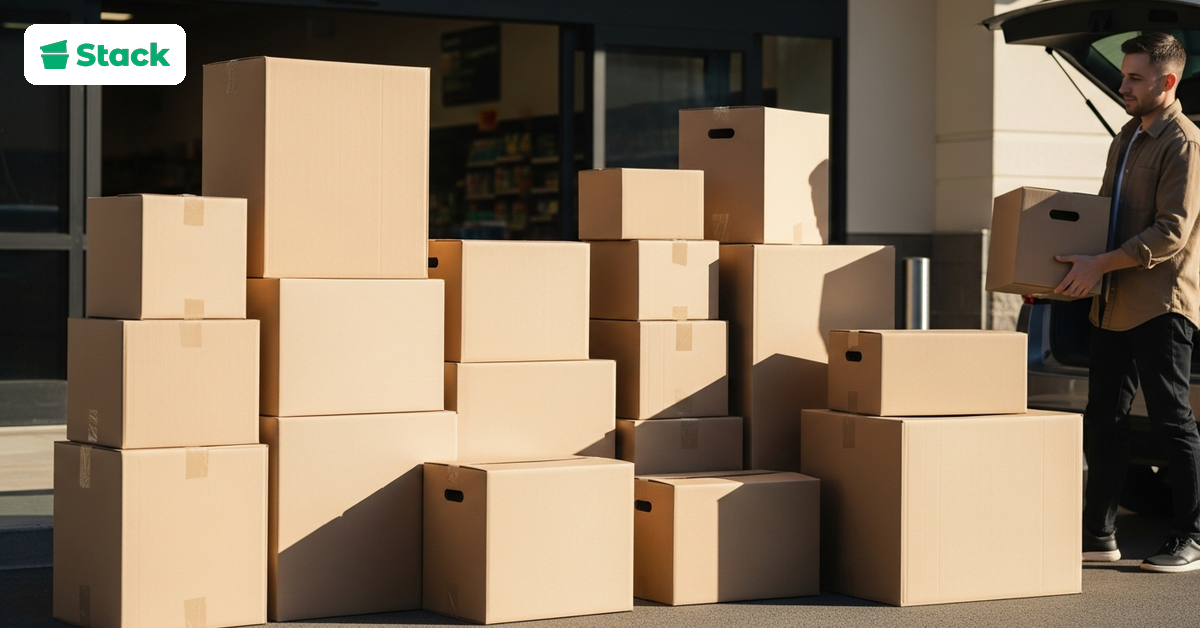
Shipping moving boxes is one way to save you all the hassle and cost that comes with renting a moving truck, but choosing the right shipping method is where things can get tricky. The best option depends on the number of boxes you’re shipping, how quickly they need to arrive, and how much you’re willing to spend. So if you’re sending only a few boxes across town or shipping to an entirely different state, having a shipping strategy can help you protect your things and keep the spending under control.
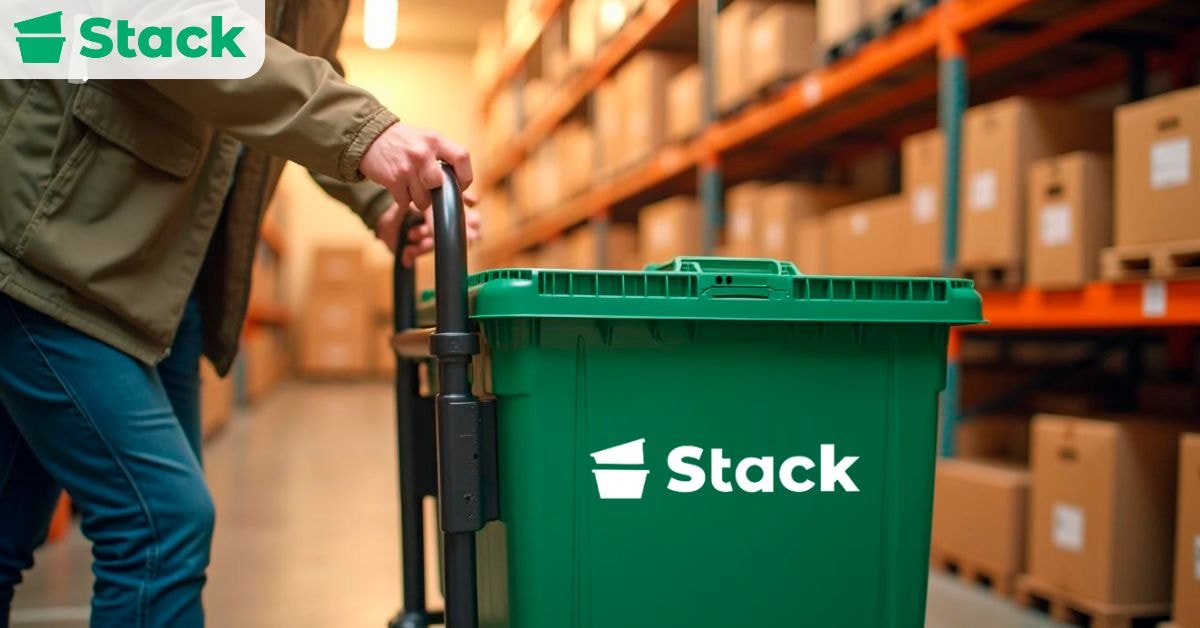
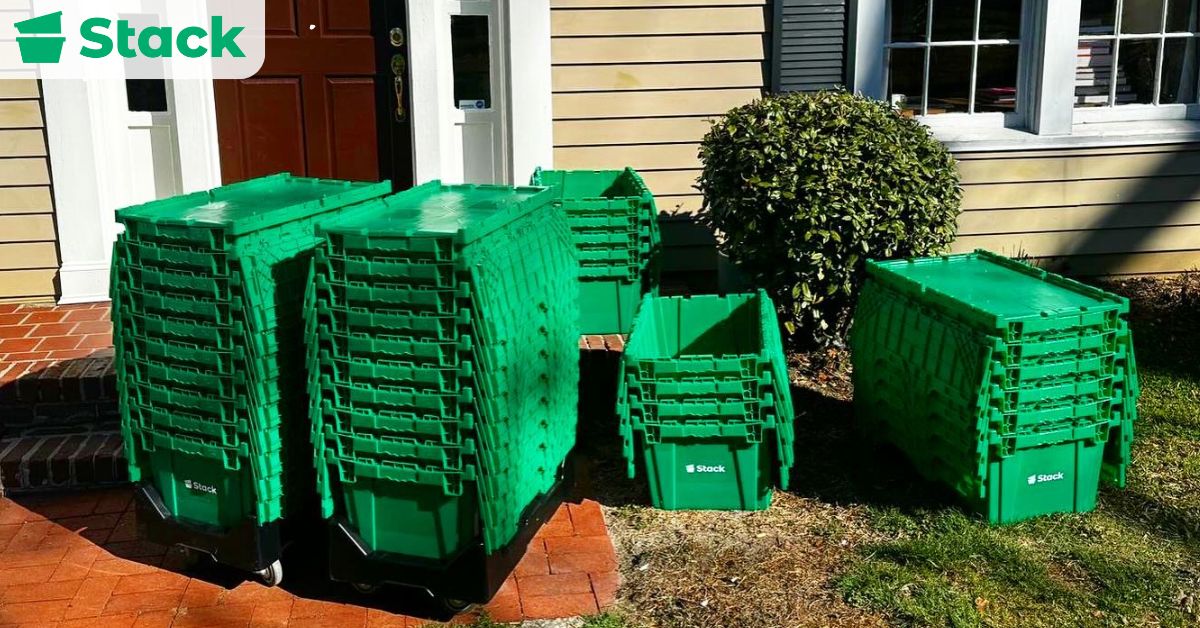
Shipping moving boxes shouldn’t mean choosing between protecting your belongings and staying within budget. For the past three years, Stack has helped homeowners, businesses, and moving professionals simplify their moves with durable, reusable moving bins delivered directly to their door. Made from recycled plastic, our bins provide a more convenient and sustainable alternative to traditional cardboard boxes while helping customers save up to 40% on moving supplies. Whether you’re shipping a few boxes or preparing for a long-distance move, contact Stack today to reserve your moving bins and make packing and transportation easier from start to finish.
This guide will cover the best ways to ship moving boxes, helping you find the most cost-effective and reliable option for your needs.
How to Ship Moving Boxes: Step-by-Step Process
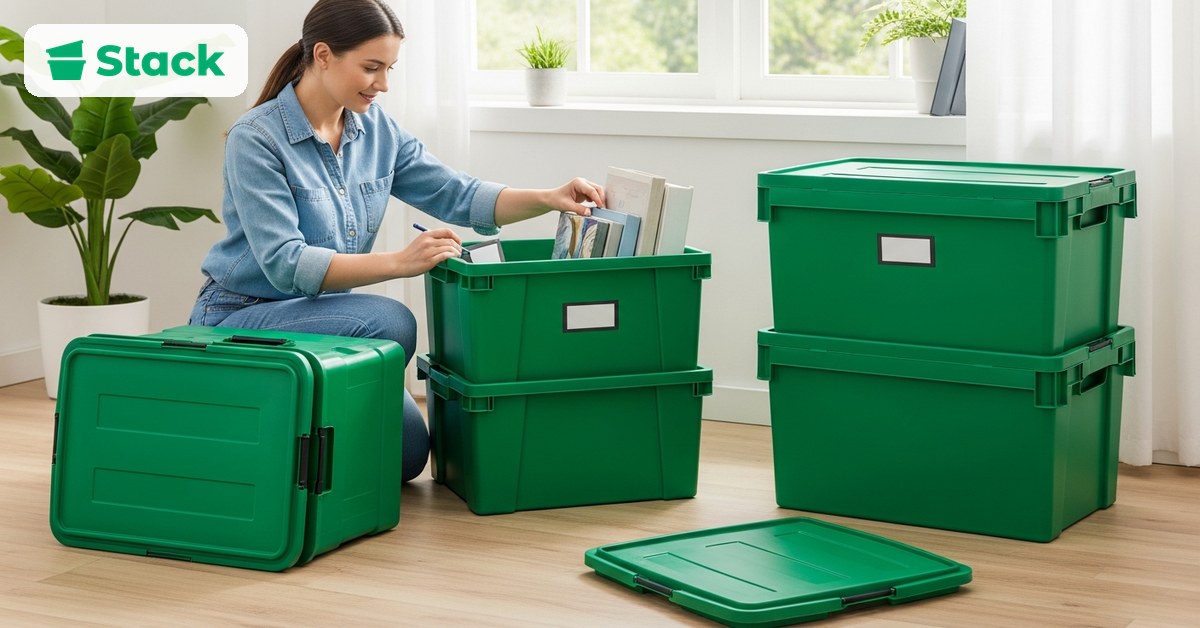
The shipping process starts long before you hand your boxes to the courier service. Whatever decisions you make when selecting a shipping service, packing your things, and preparing your shipment can have a major impact on the cost, delivery timeframe, and the condition of your items when they arrive. You will also need to follow a consistent process to make it easier to compare shipping companies, avoid unnecessary fees, and have a guaranteed delivery date. Instead of simply guessing your way through the process, breaking them down into manageable steps helps you make smarter decisions at every stage. This is why at Stack, we recommend using the M.O.V.E Framework to help simplify the process of shipping moving boxes safely, efficiently, and cost-effectively.
M- Match the Right Shipping Method
The best way to ship moving boxes depends on what you’re sending, where it’s going, and how quickly it needs to arrive. A few boxes may be more affordable through the United States Postal Service, while larger shipments often make more sense with UPS, FedEx, a freight company, or moving containers. According to the United States Postal Service, it delivers to more than 160 million delivery addresses nationwide, making it one of the most accessible options for residential shipments across the country. Michael Weaeedian recommends comparing delivery speed, insurance options, and total shipping costs before choosing a carrier because the cheapest quote isn’t always the best value. For example, someone shipping a few boxes to a college dorm may choose USPS, while a family relocating across the country may benefit from freight or container shipping instead.
O- Organize and Pack Your Boxes
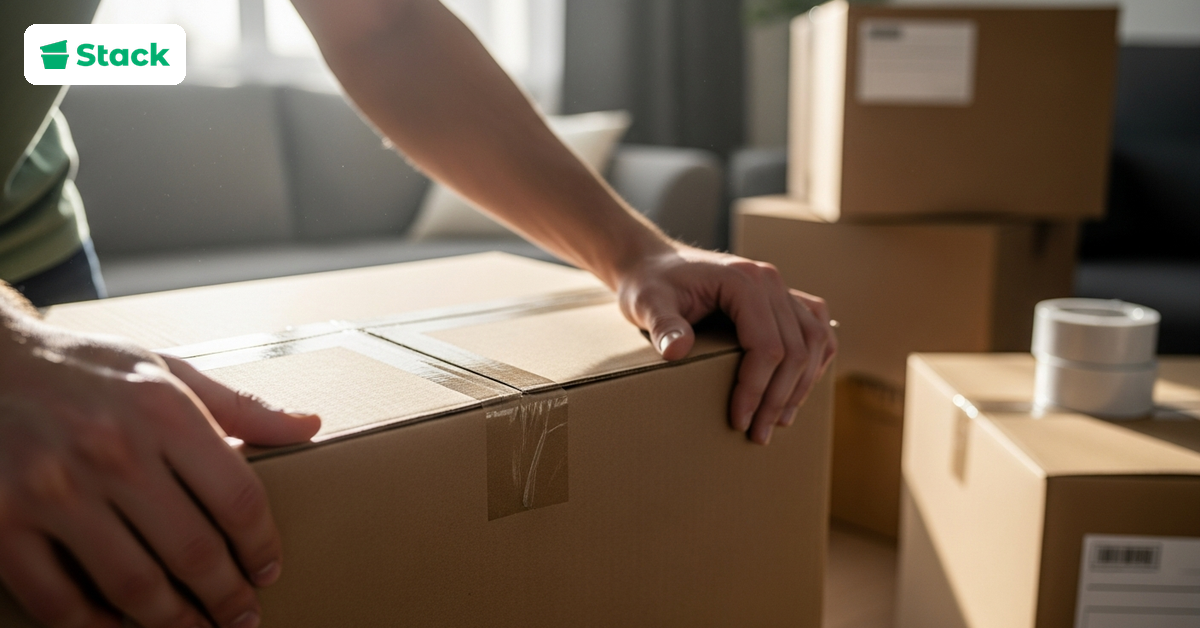
Proper packing protects your belongings and helps prevent damage during box shipping, especially when your boxes pass through multiple sorting facilities. Use sturdy, double-walled cardboard boxes whenever possible, avoid worn or damaged boxes, and choose the right size for the items you’re packing. Fragile or valuable items should be wrapped with quality packing materials, while heavy items should be packed in smaller boxes to make lifting safer and reduce the risk of box failure. Lorem Ipsum suggests using the H-taping method to seal every seam securely because it reinforces the box and helps prevent it from opening during transit. A few extra minutes spent packing correctly can save you from damaged belongings, denied insurance claims, or unexpected repacking costs later.
V- Verify Every Shipping Detail
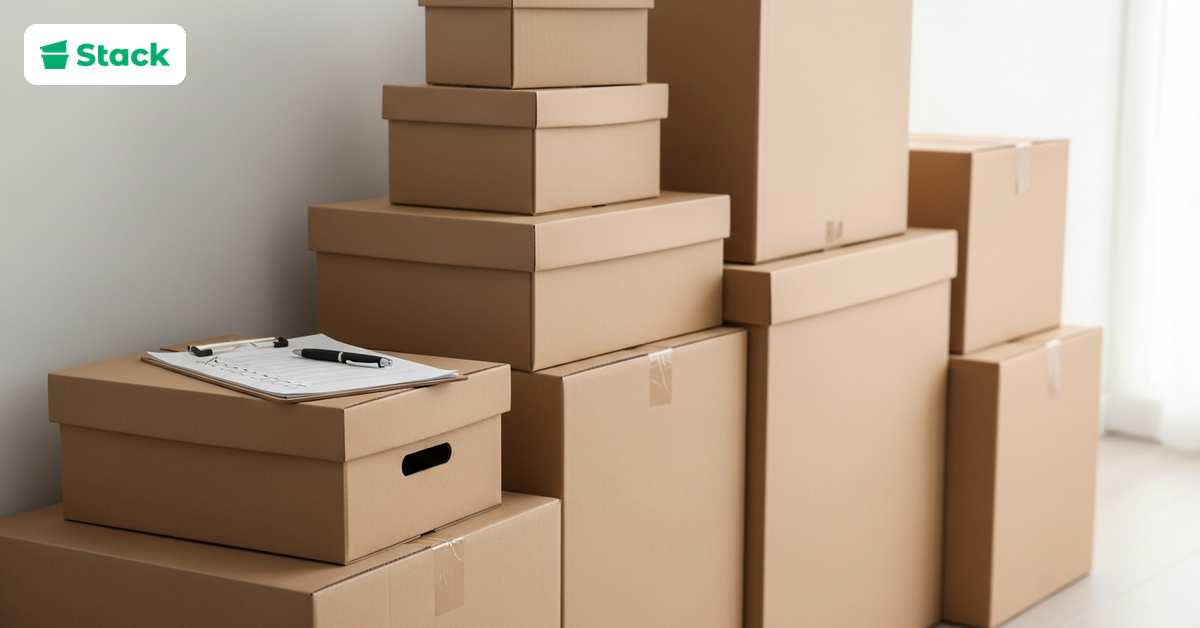
Before sending your shipment, double-check every detail that could affect pricing or delivery. Many shipping companies calculate charges using both actual weight and dimensional weight, so measuring each shipping box accurately helps you avoid unexpected fees. If you’re shipping multiple boxes, compare quotes from different carriers, confirm any residential delivery surcharges, and consider purchasing insurance for valuable or fragile items. Label every box clearly with the destination address, contact information, and handling instructions, and keep a simple inventory so you know exactly what was shipped. Taking a few minutes to verify these details can prevent delays, misplaced boxes, and unnecessary expenses.
E- Ensure Safe Delivery
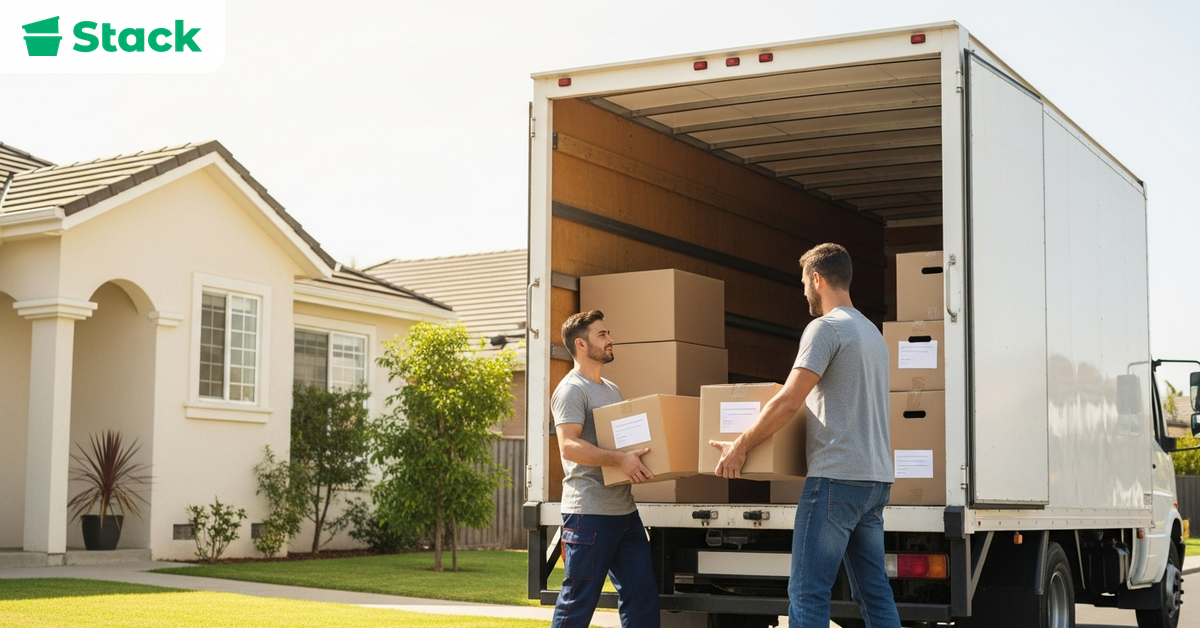
Your job isn’t finished once your boxes leave your home. Schedule a pickup or drop-off that fits your timeline, save your tracking numbers, and monitor each shipment until it reaches its final destination. When your boxes arrive, inspect them before unpacking and report any visible damage to the carrier as soon as possible, especially if you’ve purchased shipping insurance. If you’re coordinating a long-distance move, tracking every shipment also helps you stay organized and ensures essential items arrive when you need them. Following each step of the MOVE Framework helps make shipping moving boxes more predictable, giving you greater confidence from pickup through delivery.
Choosing the Most Cost-Effective and Reliable Way to Ship Moving Boxes
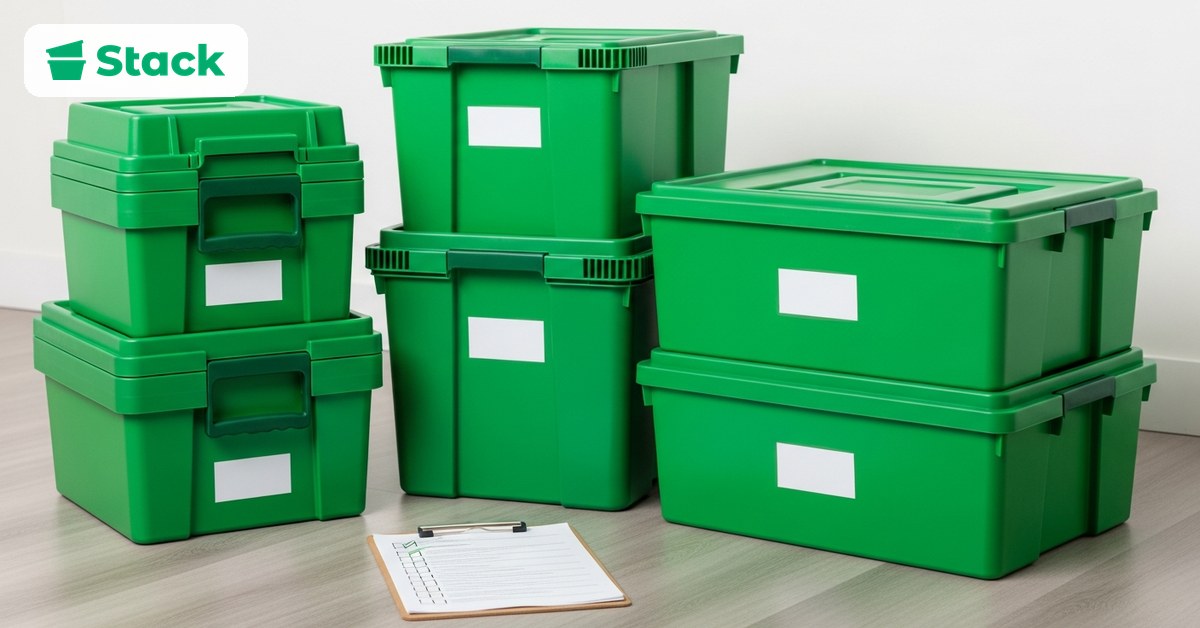
Choosing the cheapest way to ship moving boxes isn’t always as simple as picking the lowest price. The best shipping service depends on the number of boxes you’re sending, their weight, how quickly they need to arrive, and the level of protection your belongings require. For example, shipping a few moving boxes to a college dorm requires a different approach than transporting an entire household across the country. Comparing carriers side by side makes it easier to balance shipping costs, delivery speed, and reliability before making a decision. The table below compares some of the most common options to help you choose the best way to ship moving boxes for your budget and timeline.
| Shipping Method | Best For | Typical Cost | Delivery Speed | Things to Consider |
|---|---|---|---|---|
| USPS Retail Ground | Small to medium shipments | Starts at $7.35 per package | Standard | Budget-friendly for a few boxes and nationwide delivery. |
| UPS Ground | Heavy or valuable items | Varies | Standard | Excellent tracking and dependable service. Residential delivery surcharges may apply. |
| FedEx Ground | Time-sensitive shipments | Medium to High | Fast | Strong delivery network with expedited shipping options available. |
| LTL Freight | Multiple heavy boxes | Quote required | Slower | Requires palletizing and labeling but is often more economical for bulk shipments. |
| Moving Containers | Household or business moves | Varies | Flexible |
Price is important, but it shouldn’t be the only factor when comparing shipping companies. According to the United States Postal Service, USPS Retail Ground shipping starts at $7.35 per package, making it one of the more economical options for customers shipping a few boxes without expedited delivery. Stack Moves recommends requesting quotes from at least two or three carriers before booking because delivery speed, insurance, dimensional weight, and additional service fees can quickly change the overall cost. For larger moves involving heavy boxes or several rooms of household goods, freight shipping or moving containers may provide better overall value than paying individual parcel rates. Taking the time to compare your options helps you find a shipping solution that protects your belongings while keeping your move on budget.
Major Shipping Carriers (Best for Standard Shipments)
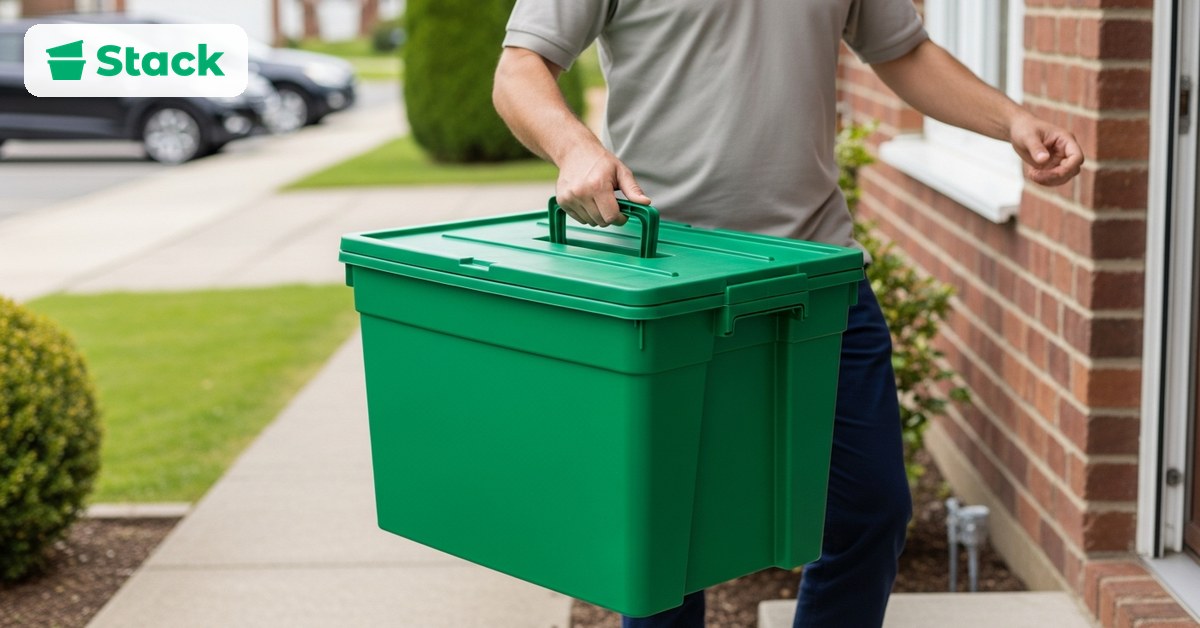
Choosing the right shipping carrier for your move boils down to four things – speed, cost, reliability, and flexibility. Which company you go with ultimately depends on what you need the most. We listed three top shipping companies to help you decide which is best for you.
1. UPS
United Parcel Service, popularly known as UPS, is a go-to recommendation for anyone looking for a safe and secure way to ship their items. Their reach allows you to ship across town or internationally in record time at affordable rates. Their services range from standard ground shipping to faster air freight options.
2. FedEx
FedEx stands out where speed matters. They’re famous for coming through for businesses that have time-sensitive deliveries, offering some of the fastest shipping options in the industry. Their services include same-day and even overnight delivery. They’re another company with a strong global presence. However, their prices are slightly higher than UPS and USPS, especially for their expedited deliveries.
3. USPS
Formally known as the United States Postal Service, USPS is a lifesaver when it comes to sending out smaller packages. They’re budget-friendly for both individuals and businesses and also provide flat-rate shipping. Another great thing about them is they cover all U.S. states, including P.O. boxes and rural areas. They also provide international shipping, but it’s a lot slower compared to UPS and FedEx.
Freight Shipping (Best for Bulk or Heavy Items)
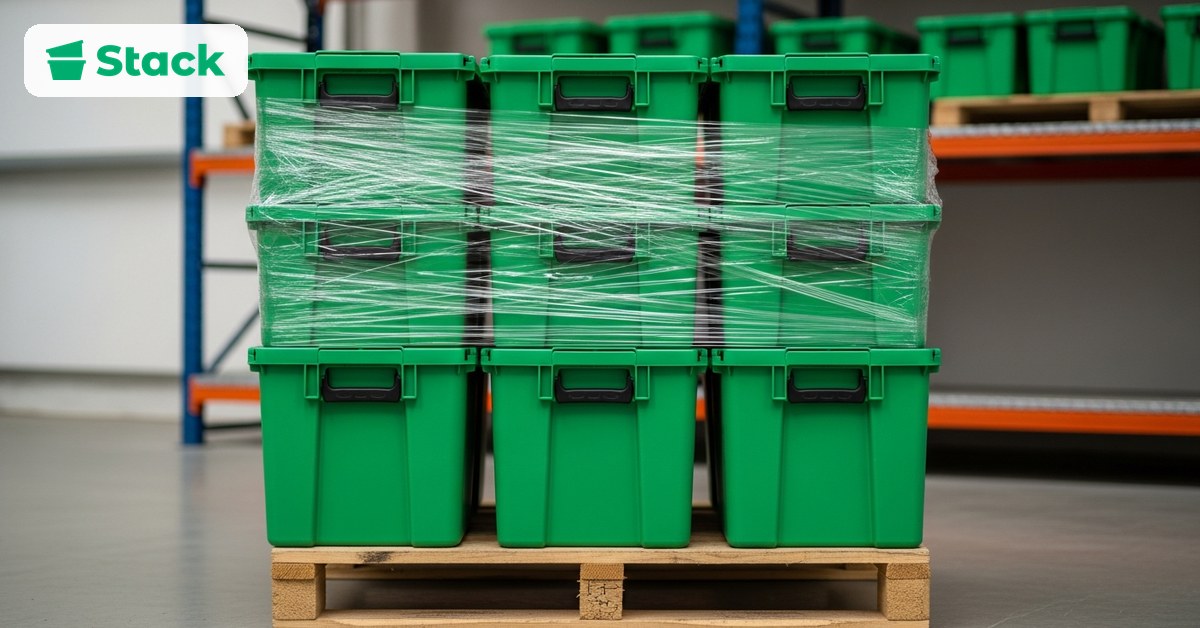
If you’re planning on shipping large, bulky, or heavy items, standard shipping carriers like the ones discussed above won’t cut it. Instead, you’d need to use freight shipping services. They’re designed to help businesses and individuals move large shipments. Think of items like furniture and industrial equipment.
But why choose freight shipping over standard carriers? A major advantage is that they’re more cost-effective and better at handling long-distance hauls. However, freight shipping takes longer than express carriers and often requires additional coordination (like scheduling a pickup or ensuring proper packaging).
4. LTL (Less Than Truckload) Freight
LTL (Less Than Truckload) freight is perfect when you have too much cargo for a standard shipping carrier but not enough to fill an entire truck. Instead of paying for a full truckload, you share space with other shipments, cutting costs while still getting reliable delivery.
5. Palletized Shipping
This involves stacking your goods on a pallet and securing them before shipping. This method works best for fragile or valuable items and keeps everything organized. Additionally, loading and unloading is much easier using this method. It’s the preferred method of shipping for warehouses, manufacturers, and even retailers.
Moving Container Services (Best for Flexible Storage)
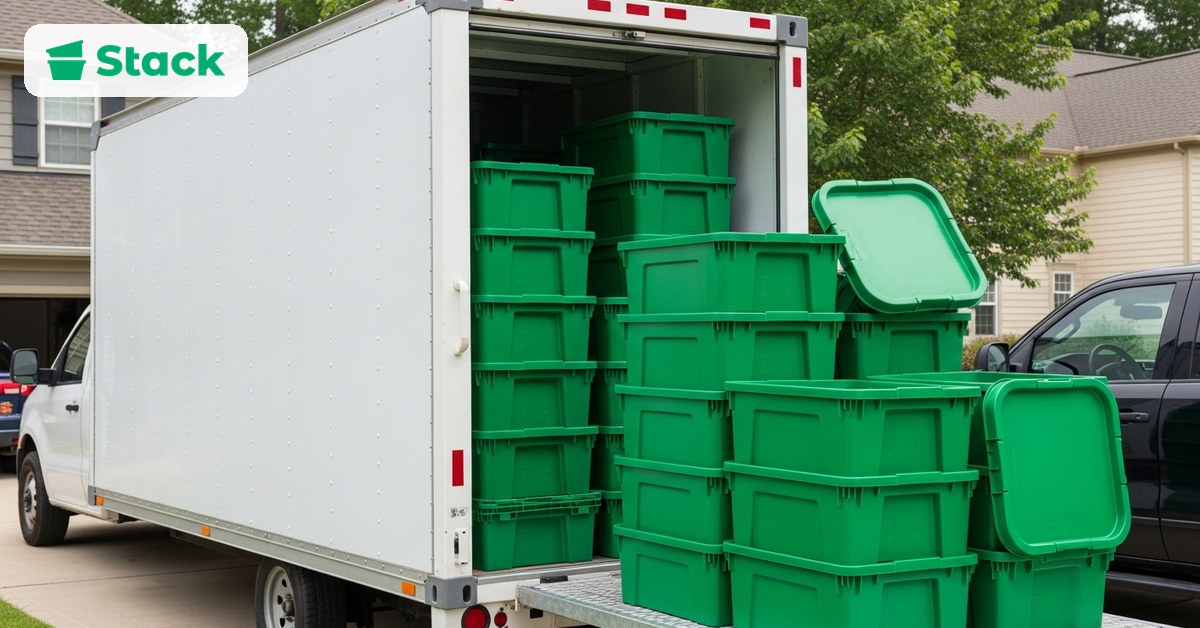
These services are convenient and flexible when it comes to transporting and storing your belongings. They’re the perfect service for anyone who needs extra time before delivery or wants to avoid the hassle of renting and driving a moving truck. A container is delivered to your location, giving you all the time you need to pack before they are shipped or stored. One of the most widely available options is U-Haul U-Box, offering nationwide coverage and easy delivery.
6. U-Haul U-Box
U-Haul U-Box is a portable storage and moving solution made for people who need more flexibility when moving. The process is simple: a container is dropped off at your specified address, allowing you to pack at your convenience. After you’re done packing, U-Haul can either transport it to your new location or store it away until you’re ready for delivery.
This makes it a great option for those with delayed move-in dates or needing temporary storage. While U-Box offers nationwide availability, pricing can vary based on distance and storage duration.
7. PODS (Portable On-Demand Storage)
PODS provides large, weather-resistant containers that can be stored in your home or one of their facilities until you’re ready for your delivery. Unlike rental trucks, there’s no need to rush and load your truck as soon as possible. With PODS, you can pack and move when you want.
8. SmartBox
SmartBox is a budget-friendly moving container service designed for smaller moves. Its business is similar to PODS, but its services come at a lower price point, making it ideal for students, apartment dwellers, or people moving on a budget. However, its reach isn’t as wide as U-Box and PODS.
Consolidated & Specialty Shipping (Best for Long-Distance Moves)
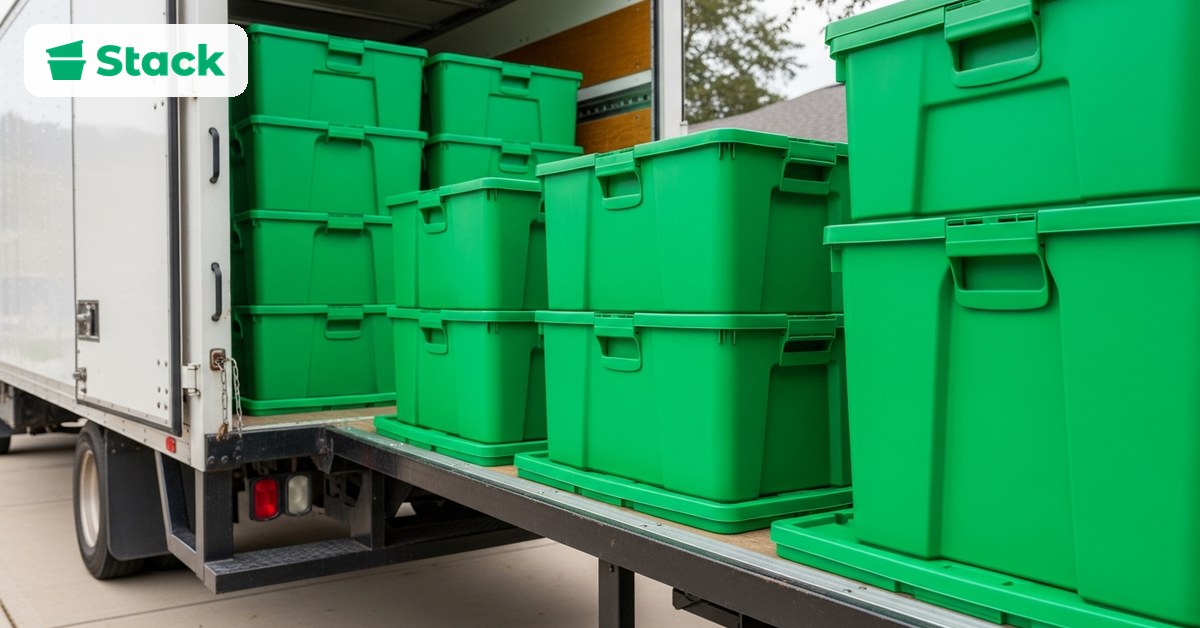
Consolidated and specialty shipping services are great for long-distance moves, especially when dealing with fragile, valuable, or oversized items. Services like this combine multiple shipments to help you reduce costs without compromising on professional handling.
9. ShipSmart
ShipSmart focuses on small moves that need professional packing and careful handling. Their services are ideal for students, business relocations, and anyone moving valuable or fragile items. Your delicate items are properly packed to prevent any damage during transit, but their pricing is higher than other DIY shipping options, especially for smaller loads.
10. TSI (Transit Systems, Inc.)
TSI is another long-distance shipping service designed to move multiple boxes or oversized items. It’s especially great for estate moves, small business shipments, and high-value deliveries that need special care. Their high-quality service includes packing and handling to ensure that your items arrive safely. While TSI is reliable, costs can add up, especially for larger shipments.
11. UShip
UShip is an online marketplace that connects shippers with independent transporters, making it possible for users to review and compare prices before choosing a carrier. This level of flexibility makes it perfect for custom shipments that don’t fit standard shipping options like motorcycles. Since pricing is based on bidding, it’s one of the most budget-friendly ways to ship bulky and unique items. However, their service quality depends on the chosen transporter, so checking reviews is essential.
Bus & Train Shipping (Best for Budget-Friendly Transport)
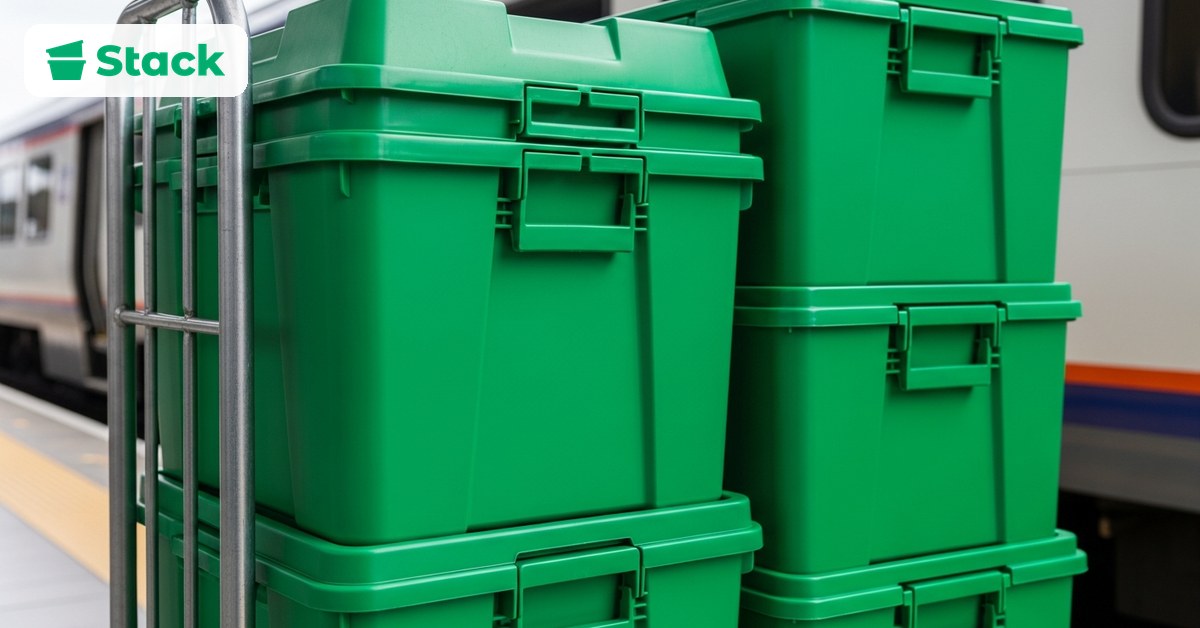
Bus and train shipping services are a low-cost alternative to traditional carriers. This is best suited for large or heavy boxes that you don’t need delivered urgently. You have to drop them off and pick them up at stations, but they’re a reliable way to send goods across long distances without high fees.
12. Greyhound Package Express
This service uses Greyhound’s extensive bus network to transport your packages across the country. It’s a lot cheaper than standard shipping services, but you have to drop off and pick up your shipments at designated bus stations. This can be very inconvenient for people who don’t have easy access to these stations. Even though it’s affordable, there are limitations on package size and weight.
13. Amtrak Express Shipping
Amtrak Express Shipping is another cost-effective way to send large boxes between major cities using the passenger rail system. It’s the best choice for long-distance moves because it allows heavier/ bulk shipments at lower rates. Like Greyhound, it requires drop-off and pickup at train stations, which may not be convenient for everyone. Availability is also limited to routes where Amtrak operates freight services.
Peer-to-Peer & Gig Economy Shipping
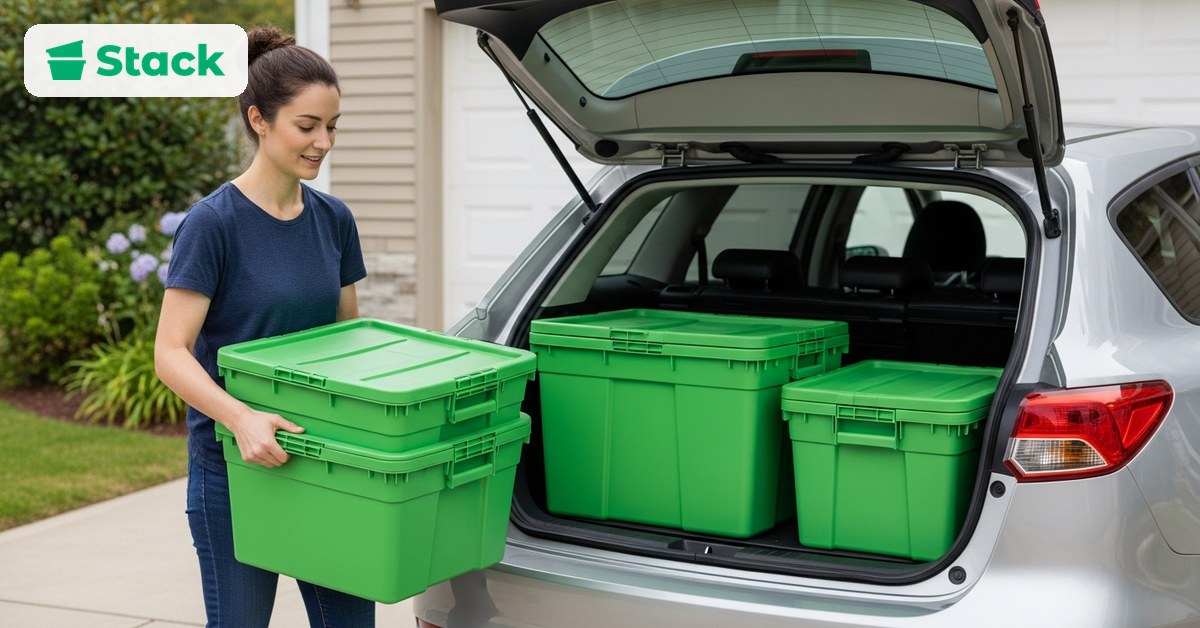
This type of shipping service connects people who need a way to ship their items without involving drivers or couriers. It works best for local and urgent deliveries and has more flexibility than traditional shipping services. Whether you’re trying to send a package across town or move furniture within the same day, these services provide on-demand, real-time tracking, and door-to-door delivery.
14. Roadie
Roadie is a crowdsourced delivery service that connects shippers with local drivers heading in the same direction. It’s your go-to option for same-day and last-minute deliveries, making it great for urgent or local moves. They offer real-time tracking and allow customers to communicate directly with drivers for a more personalized and flexible delivery experience. Since Roadie operates through gig drivers, pricing can vary based on distance, item size, and availability. While it’s convenient, coverage may be limited in some areas, and delivery times depend on driver availability.
15. Lugg
Lugg specializes in furniture, bulky items, and last-minute deliveries, making it ideal for those who need to move heavy objects quickly. Whether you’re buying a couch or moving apartments, Luggs and its team of expert movers will get the job done. Luggs also operates an on-demand module, meaning you can request same-day pickup and delivery without scheduling in advance. Although it’s great for quick local moves, costs can be higher than standard shipping, and availability may be limited based on demand.
Airline Cargo Shipping (Best for International Travelers)
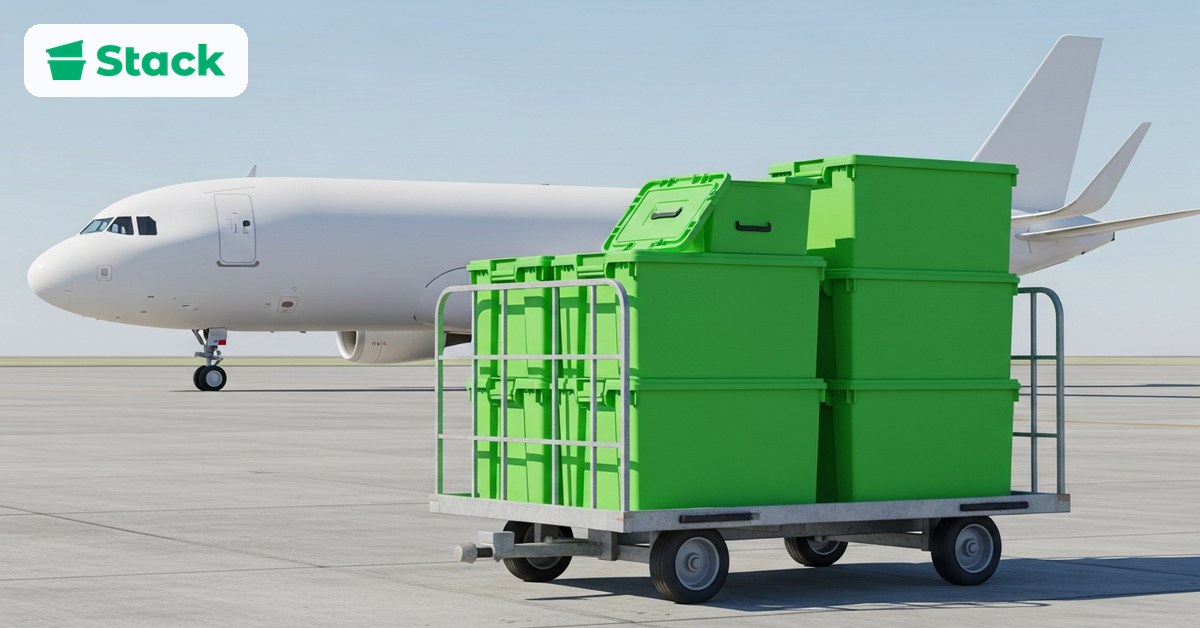
Airline cargo is one of the fastest and most secure ways to transport goods making it ideal for time-sensitive shipments. We recommend using it for items that usually have to get somewhere quickly and safely, like documents or personal belongings. While it tends to be more expensive than other shipping options, the reliability and speed often justify the cost.
16. Checked Baggage Shipping
This is a convenient and cost-effective option for travelers who are on the move with personal luggage. Rather than ship your items separately, check in your luggage directly with the airline. Many airlines will allow extra baggage for a fee, which would still be cheaper than traditional cargo shipping. This method is ideal for essential items that travelers need access to immediately upon arrival. However, there are strict weight and size limits, and handling can be rough, increasing the risk of damage.
17. Cargo Shipping via Airlines
Larger shipments that go over airline baggage limits can be shipped through airline cargo shipping. This requires you to book a space with the airline’s cargo division. While significantly more expensive than checked baggage shipping, it offers greater security, detailed tracking, and faster delivery times. Cargo shipping is mostly used to ship valuable goods, fragile items, and bulk shipments that can’t fit standard luggage. But it often involves more paperwork, customs regulations, and logistical coordination.
Ways to Reduce the Cost of Shipping Moving Boxes
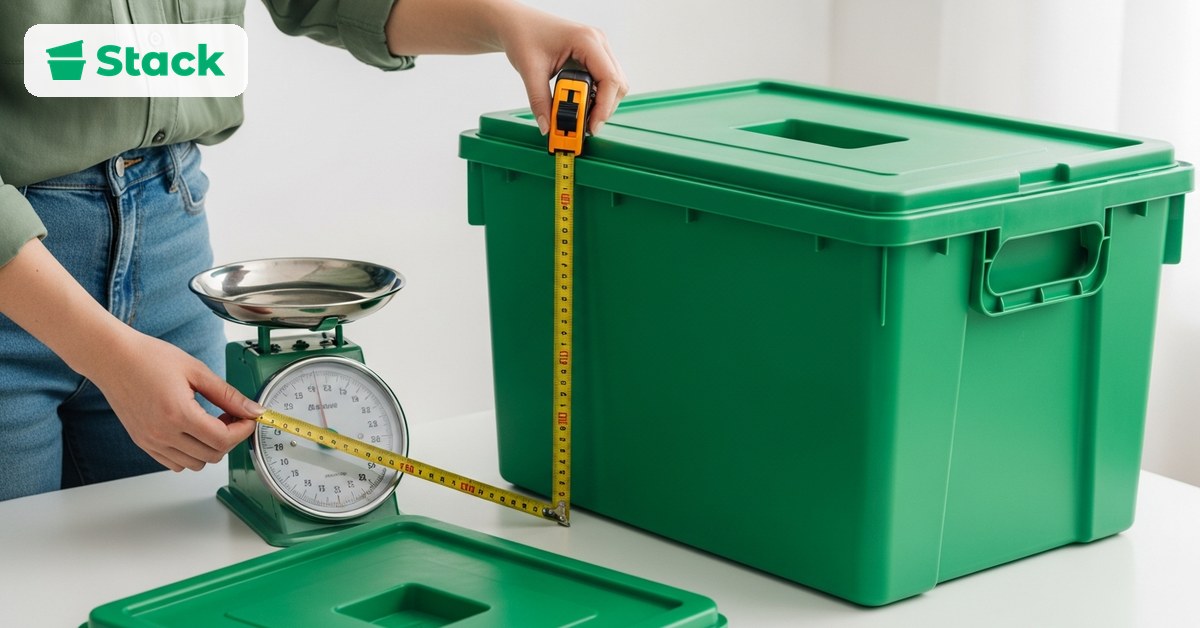
Finding an affordable way to ship your boxes shouldn’t be based on pricing alone; it should also consider factors like durability, convenience, and environmental impact. While there are plenty of budget-friendly options out there, renting moving boxes is usually the smartest choice. The boxes can be delivered and picked up from your address, saving you time and money, all at an affordable rate.
Cost-Saving Tips for Shipping Moving Boxes
Comparing Quotes from Multiple Carriers
Get a quote from multiple carriers to be sure you’re getting the best deal. Some companies offer discounts for bulk shipments, and regional carriers often have lower rates than national services.
Using Flat-Rate or Regional Shipping Services
If you’re predominantly shipping heavy boxes, flat-rate shipping can be a great way to control costs. Regional shipping services may also provide cheaper rates for short-to-mid-distance moves, making them a smart alternative to national carriers.
Shipping During Off-Peak Seasons
Shipping rates tend to be lower outside of peak moving seasons (spring and summer). If possible, planning your move for fall or winter can lead to substantial savings. Additionally, weekday shipping is often cheaper than weekends.
Taking Advantage of Discounts and Promotions
Many shipping companies offer special discounts for students, military personnel, or first-time customers. Signing up for promotional offers, using loyalty programs, or bundling shipments can further reduce costs.
Packing Efficiently to Reduce Box Count
The fewer boxes you ship, the less you pay. Nesting smaller items inside larger ones, filling empty spaces with soft goods, and using sturdy boxes that can handle heavier loads without breaking all help minimize the number of boxes required. Smart packing reduces both shipping fees and the risk of damage.
What’s the Best Way to Ship Boxes to Another State?
One of the best methods to ship to another state is to think beyond traditional shipping. Traditional shipping services aren’t always the most budget-friendly option. But sometimes, it’s best to explore other options like consolidated freight, which allows you to combine shipments with multiple senders. This shipping method is cost-effective and can significantly reduce costs for larger moves. You can even mix things up by using one service like USPS for your smaller shipments and freight for bulkier ones.
Most times, a lot of people don’t pay attention to hidden fees, weight restrictions, and potential delivery delays associated with a specific shipping method. Some carriers charge extra for overweight boxes, which could turn an originally cost-effective option into an expensive one. To keep your costs under control and avoid any unpleasant surprises, it’s best to check details like this upfront.
There isn’t a one-size-fits-all price that carriers charge, so each one has a different rate for their services. Many regional services offer lower prices than big-name shipping companies, especially for routes they ply frequently. Digging around for local shipping providers can reveal budget-friendly alternatives that still offer reliable service.
Another one of the easiest ways to lower your shipping costs is to lighten your load. When boxes are packed efficiently, you can reduce the number of boxes needed, resulting in lower shipping costs. Simple strategies like nesting smaller items inside larger ones, eliminating unnecessary empty space, and distributing weight evenly help avoid extra fees. Furthermore, properly packed boxes are also less likely to get damaged, preventing potential losses.
Also, consider insurance & tracking. This isn’t something that all service providers automatically include in their packages. Shipping without insurance or tracking is risky, especially when dealing with valuable or irreplaceable items. If a shipment is particularly valuable or time-sensitive, paying extra for these features can provide peace of mind and financial protection in case of loss or damage.
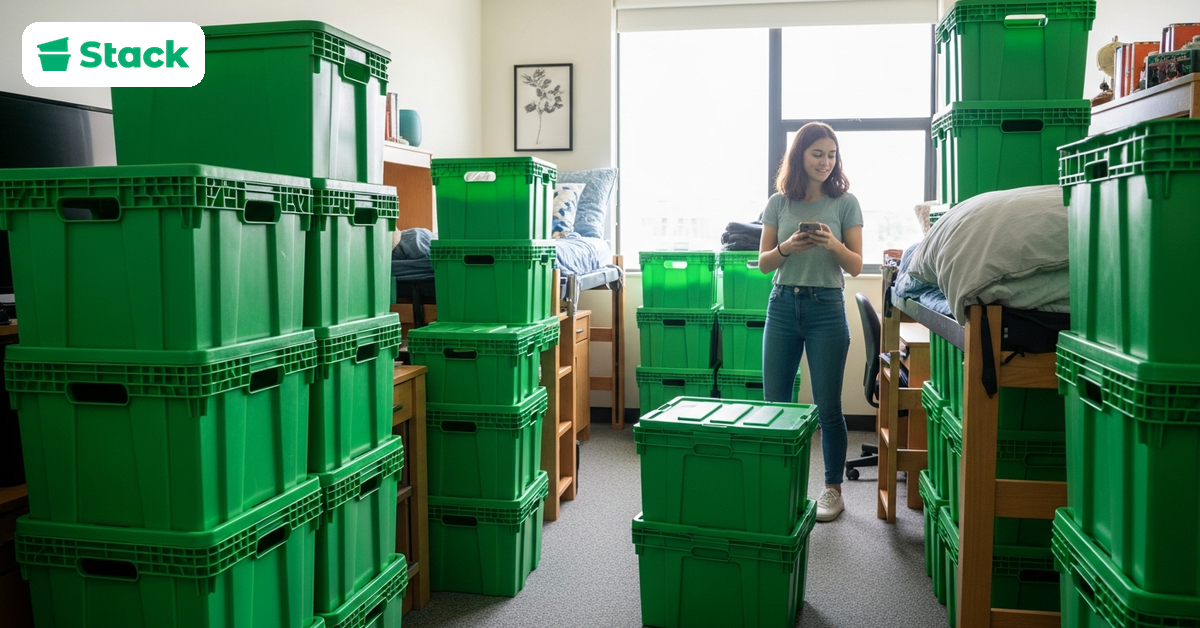
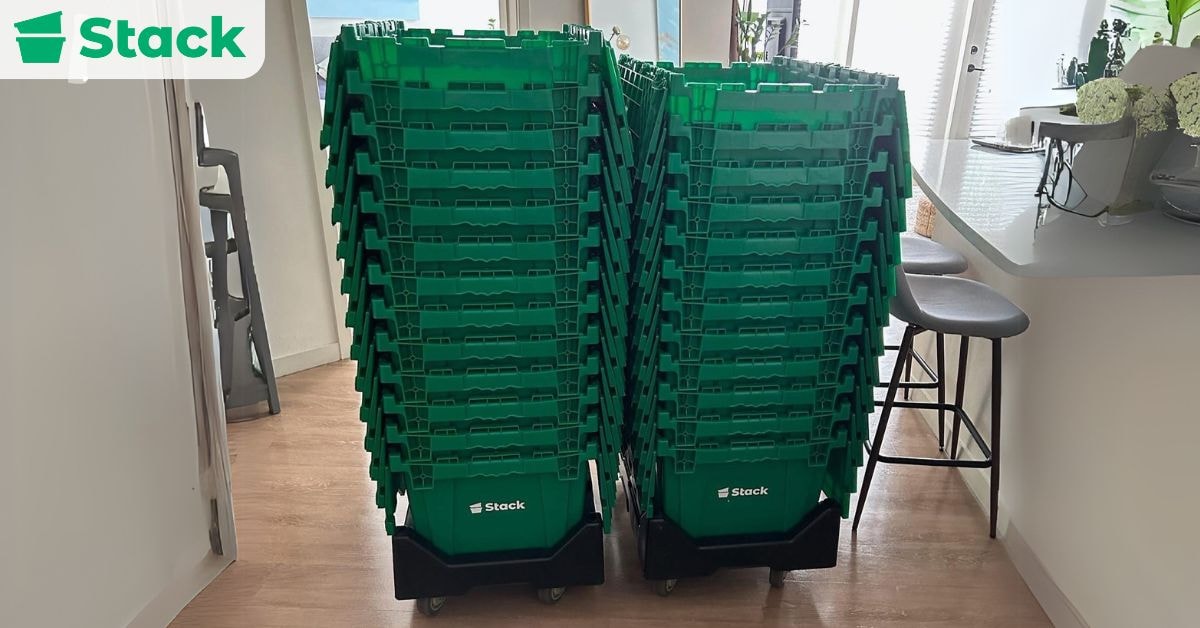
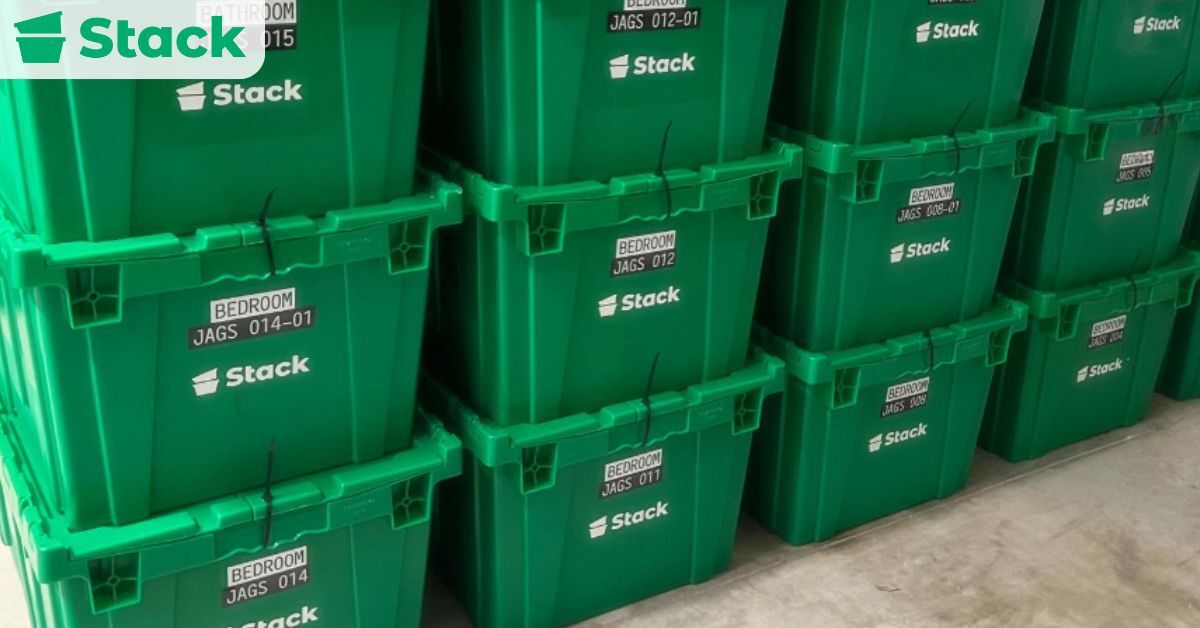
Renting reusable moving boxes has proven to be a cost-effective alternative to buying disposable ones. Rental companies like Stack Moves provide these durable boxes at affordable rates, eliminating the need to hunt, store, or dispose of them after the move. Rented boxes usually offer better protection against damage, making them a smart choice for long-distance moves.
How to Pack Moving Boxes for the Cheapest & Safest Shipping
Packing your boxes the right way will ensure your items get to their destinations safely while keeping costs low. To organize your moving boxes, you have to choose the right one, use appropriate cushioning to protect your belongings, seal your boxes securely, and take special precautions for boxes with fragile or valuable items.
Choosing the Right Box
Without the right box, your belongings are at risk of damage. The condition of your box also matters. For instance, used boxes tend to get weaker over time, so they may not be able to protect your items as well as new boxes. Another factor to consider is the material your box is made of. You’ll most likely have to make a choice between plastic bins or cardboard boxes.
Packing Materials and Cushioning
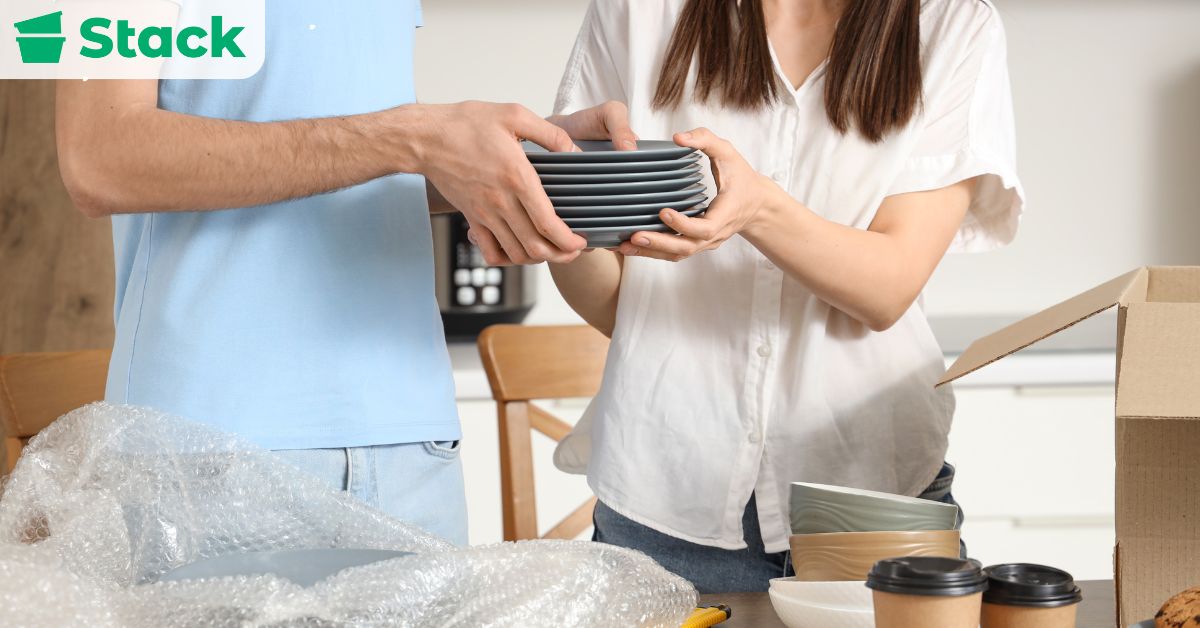
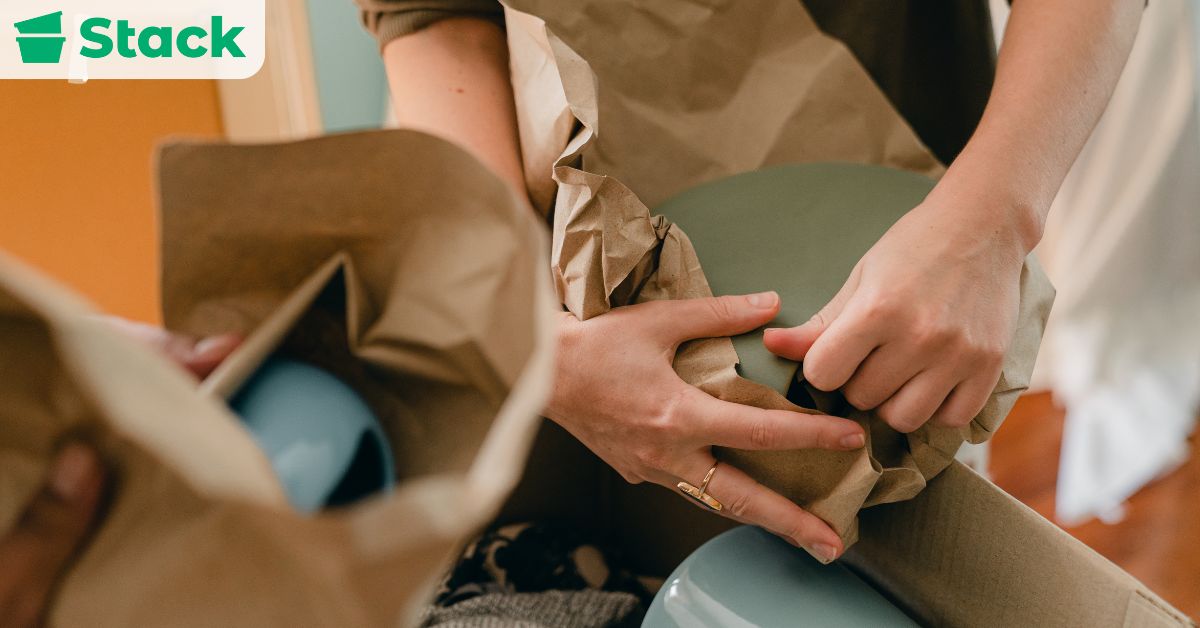
Bubble wrap, packing peanuts, and foam protect your items by keeping them from shifting during transit. They also absorb any shock that could break, scratch, or damage them. In addition to this, it’s also important to evenly distribute the weight of your items inside the box to prevent it from collapsing. A general rule of thumb is to keep heavy items at the bottom and lighter ones on top.
Sealing and Labeling
A well-sealed box will remain intact throughout the moving process. High-quality tape provides a strong seal and stops your box from opening unexpectedly. You’re also expected to label your boxes properly with their contents and any relevant handling instructions to help movers identify fragile items.
Special Considerations for Fragile or Valuable Items
These items need extra care to prevent breakage. Glassware, electronics, and other delicate items should be wrapped and placed in cushioned boxes with little to no space. Perishable goods or liquids should be packed in an insulated container or temperature-controlled vehicle so they don’t spoil along the way. These simple precautions will ensure that your items arrive at their destination safely.
Wanna Save Money During the Transport of Your Moving Boxes?
Shipping moving boxes doesn’t have to be expensive or complicated when you choose the right shipping method for your timeline, budget, and belongings. Whether you’re sending a few boxes across town or coordinating a long-distance move, comparing carriers, packing carefully, and planning ahead can help you avoid unnecessary costs while keeping your items protected. Taking the time to prepare your shipment properly gives you the best chance of a smooth, stress-free delivery from pickup to your final destination.
For a stress-free experience, plan ahead by comparing carriers before making a final decision. Also, pack your boxes efficiently and consider shipping during off-peak seasons to cut costs. You can save even more by renting your moving boxes instead of buying new ones.
For personalized advice on the best shipping options for your move, speak with one of our experts at Stack Moves.
FAQs
Here are answers to common questions about shipping moving boxes
What is the Most Cost-Effective Way to Ship Moving Boxes?
The most cost-effective option depends on the size, weight, and destination of your shipment. For a few lightweight shipping boxes, USPS Ground Advantage is often a budget-friendly choice, while UPS Ground, freight shipping, or moving containers may provide better value for larger moves. Comparing quotes from multiple shipping companies is the best way to find the right balance between price and service.
Is it Cheaper to Ship Large Boxes with UPS or the United States Postal Service?
It depends on the dimensions and weight of your shipment. The United States Postal Service is often more affordable for smaller or moderately sized boxes. At the same time, UPS may offer better value for heavy boxes or shipments that require additional tracking, insurance, or prompt delivery options. Always compare rates before booking because costs vary depending on box size, destination, and service level.
What’s The Best Way to Ship Moving Boxes to Another State?
If you’re wondering how to ship moving boxes to another state, start by comparing parcel carriers for smaller shipments and freight or moving containers for larger moves. Choosing the right shipping service, packing your belongings securely, and purchasing tracking or insurance for valuable or fragile items can help protect your shipment throughout the journey.
What’s The Cheapest Way to Ship a 50-Pound Box?
A 50-pound shipping box may qualify for several carrier services, including UPS Ground, FedEx Ground, freight shipping, or USPS, depending on its dimensions. Because many carriers also use dimensional weight pricing, reducing unnecessary space inside the box and packing efficiently can help lower shipping costs.
Can You Ship Home Depot Moving Boxes with UPS?
Yes. UPS accepts most sturdy cardboard boxes, including branded moving boxes from home improvement retailers, provided they meet the carrier’s size, weight, and packaging requirements. Before shipping, inspect the box for damage, reinforce the seams with quality packing tape, and make sure it is labeled correctly.
Should I Use New or Used Moving Boxes for Shipping?
Whenever possible, choose new or high-quality double-walled cardboard boxes, especially when shipping fragile items, electronics, or other valuable belongings. Older used boxes can lose their structural integrity over time, increasing the risk of damage during transit. Strong, properly sealed boxes also make stacking and handling much safer throughout the shipping process.
What Packing Materials Should I Use When Shipping Moving Boxes?
Quality packing materials such as bubble wrap, packing paper, foam, and sturdy packing tape help protect your belongings from shifting during transit. Place heavier items at the bottom, fill empty spaces to reduce movement, and avoid overpacking, as overloaded boxes are more likely to fail during shipping.
How Do I Track My Shipped Moving Boxes?
Most major shipping services provide a tracking number once your shipment has been booked. Save your tracking information and shipping receipt so you can monitor your delivery, receive updates, and quickly contact the carrier if your shipment is delayed or arrives damaged.