
11 Moving Box Alternatives That Actually Work
Most people planning a move default to cardboard boxes without a second thought. But the truth is, plenty of alternatives get the job done just as well. Plastic moving bins, suitcases, and duffel bags are just a few options worth considering, with plastic bins being the standout choice for durability and convenience.
At Stack Moves, we’ve helped thousands of people move smarter by offering high-quality plastic moving bins for rent. Our bins are delivered to your door, require no assembly, and get picked up once you’re done. Contact us today to reserve your bins and take the hassle out of packing.
In this guide we cover the best moving box alternatives available, how each one compares to traditional cardboard, and tips for getting the most out of whichever option you choose.
Table Of Contents
The Best Moving Box Alternatives for Your Next Move
“The biggest mistake we see people make is emptying everything into boxes first and figuring out containers second,” says a moving logistics specialist at Stack Moves. “If you start by inventorying what you already own, most people realize they need far fewer cardboard boxes than they expected.” Below, we break down 11 of the best options; here’s what you need to know about each one.
1. Plastic Moving Boxes
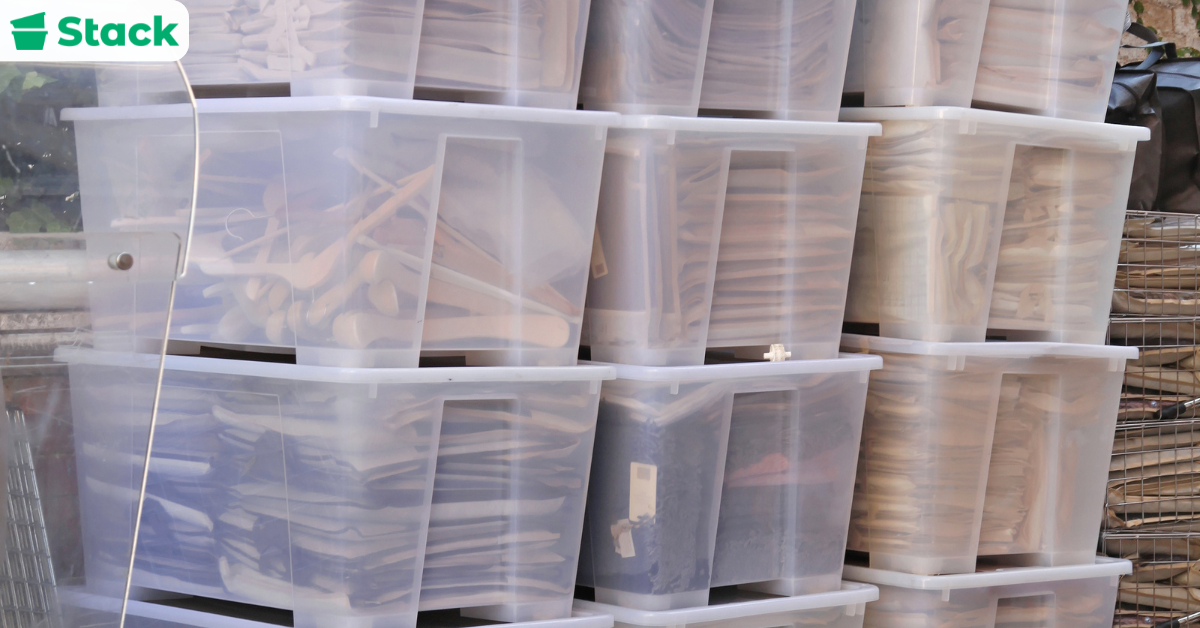
If you want the closest thing to a traditional moving box but better in almost every way, plastic moving boxes are it. Available to rent from services like U-Haul’s Ready-To-Go Box, Stack Moves, and others, these sturdy bins arrive pre-assembled, stack securely, and hold up in weather that would destroy cardboard in minutes. Most rental services typically deliver the bins to your door. Once you’re done unpacking, they pick everything up, which removes the burden of figuring out what to do with your moving boxes after moving.
What Can You Pack in Plastic Moving Boxes?
Avoid packing very large, awkwardly shaped items that won’t fit the standard bin, hazardous materials, and extremely heavy loads. Outside of these items, you can pack the following comfortably in plastic boxes:
- Books, files, and documents
- Kitchen items (wrapped plates, cups, pantry goods)
- Clothing and linens
- Toys, games, and hobby supplies
- Electronics (with padding)
- Small appliances
- Tools and hardware in smaller bins
2. Storage Totes
Storage totes are one of the most practical moving box alternatives hiding in plain sight. Especially if you have a collection of them idle in your garage. Totes you already own cost nothing extra to use and come in a variety of sizes. Plus, they can go straight from the moving truck into their permanent spot in your new home.
The main difference between storage totes and purpose-built moving boxes is that totes weren’t specifically designed for stacking under load. The lid fits and structural integrity can vary quite a bit between brands. That said, name-brand totes from Sterilite, Rubbermaid, or IRIS USA hold up well for most household moves.
What Can You Pack in Storage Totes?
Please do not pack fragile or breakable items in storage totes. Also try not to pack anything that would require precise climate control. Totes aren’t airtight and won’t protect against humidity in the same way vacuum-sealed containers will.
- Seasonal clothing and off-season gear
- Linens, towels, and bedding
- Toys, craft supplies, and hobby items
- Books and magazines
- Non-fragile kitchen items
- Bathroom and cleaning supplies
3. Suitcases and Briefcases
Suitcases and briefcases have to be moved regardless, so why move them empty? They’re sturdy, closeable, and wheeled suitcases in particular are excellent for heavy items since you can roll them instead of carrying them. Hardshell suitcases offer solid protection for their contents, while soft-shell bags offer more flexibility in terms of what shapes fit inside.
What Can You Pack in Suitcases and Briefcases?
Briefcases work well for documents, electronics, and anything you’d typically pack in a small box.
- Clothes you’ll need immediately before, during, and after the move
- Books
- Shoes and accessories
- Toiletries and bathroom essentials
- Important documents
- Electronics, cables, and chargers
- Small framed photos or artwork wrapped in clothing
4. Duffel Bags
Duffel bags are the underrated workhorse of most moves. They’re flexible enough to squeeze into gaps in a moving truck, they hold a surprising amount of clothing and soft goods, and they’re easy to carry. Unlike rigid boxes or bins, a duffel can be shaped to fit awkward spaces, which matters a lot when you’re trying to maximize every inch of a moving truck. They’re especially useful for last-minute moves, single-room moves, or when you need to transport items between multiple trips in a personal vehicle.
What Can You Pack in a Duffel Bag?
Avoid packing anything fragile, sharp-edged, or heavy in a duffel bag. These bags offer no structural protection, so breakables will shift and shatter and sharp items can puncture the bag from the inside. Even heavy loads like books will strain the seams and make the bag unsafe to carry. Outside of these items, you can pack the following comfortably in a duffel bag:
- Clothing, especially casual wear, gym clothes, and everyday items
- Towels, pillowcases, and lightweight linens
- Stuffed animals and soft toys
- Sports gear and workout equipment
- Throw blankets and seasonal items
- Shoes (in a separate compartment or bag if possible)
5. Laundry Hampers & Baskets
Laundry hampers and baskets are perfectly fine moving containers for anything soft, lightweight, and non-fragile. Since they’re already in your home, they’re free to use, and they work especially well for the kind of bulk clothing and linen loads that would take up three or four boxes if packed the normal way. The catch is that most hampers are open-top, which limits their stacking and storage capabilities in a moving truck. Some professional movers may also decline to move loose, open containers, so it’s worth checking before moving day.
What Can You Pack in Laundry Hampers and Baskets?
Avoid packing anything breakable, liquid, or too heavy to carry in an open container. Without a secure lid, items will shift in transit, bottles can tip and leak onto everything nearby, and overloading a hamper makes it unstable and difficult to move safely. Other than that, you can safely pack:
- Clean clothing, especially bulky items like sweaters and jeans
- Throw pillows and decorative cushions
- Stuffed animals and soft toys
- Rolled-up towels and washcloths
- Lightweight linens and sheet sets
- Loose items that won’t break, like hats or scarves
6. Dresser Drawers
Have you ever considered leaving your dresser drawers full during a move? This is one of the most overlooked yet time-saving tricks when planning a move. Instead of emptying every drawer into boxes, you can remove the drawers from the dresser, transport them separately, and slide them straight back in at the destination. This method is most effective with lightweight clothing and casual items. It doesn’t work well if the dresser itself is already very heavy or if the drawers contain fragile items.
What Can You Pack in Dresser Drawers?
Don’t pack anything fragile, liquid, or heavy enough to add significant weight to the dresser. Drawers aren’t cushioned, so breakables won’t survive the trip, and overloading them puts stress on the drawer joints and makes the piece dangerous to lift. Generally you can pack the following items in dresser drawers:
- Casual clothing: t-shirts, jeans, socks, underwear
- Lightweight sleepwear and loungewear
- Kids’ clothing and soft accessories
- Folded scarves, workout wear, and casual accessories
7. Original Appliance & Electronic Boxes
If you’ve held onto the original box your appliances came in, moving day is exactly the moment that patience pays off since these boxes were engineered specifically to hold and protect that exact item. No other container will protect a flat-screen TV as well as the box it was shipped in. The same goes for monitors, printers, small appliances, and anything with a precision-molded insert. This is the one case where the original packaging is genuinely irreplaceable.
What Can You Pack in Original Boxes?
Try not to pack anything other than the item the box was designed for or items significantly heavier than the original product. These boxes are rated for one specific load and overfilling them or substituting a heavier item compromises the structural integrity the packaging was built around. Feel free to pack:
- The item the box was specifically designed for
- Similar-sized items with comparable fragility, using the original foam inserts as padding
- Smaller items tucked around a central appliance with soft padding
8. Backpacks
Backpacks might not move a lot of volume, but they serve a very specific and important purpose in a move. Keeping your most valuable and frequently needed items with you at all times. During a move, things get shuffled, buried, and misplaced. A backpack on your person means your essentials never end up in the truck. Beyond the ‘personal carry’ role, backpacks can also handle a meaningful amount of moving load, especially heavier items like books, where the ergonomic design actually makes carrying easier than a cardboard box.
What Can You Pack in Backpacks?
We wouldn’t advise anyone to pack liquids that aren’t fully sealed, fragile items without padding, and heavy loads in a backpack. A backpack in an active move gets bumped and dropped more than you’d expect, and a broken strap or blown zipper mid-move is a headache you don’t need. It’s okay to pack these items in a backpack:
- Personal documents: passport, IDs, insurance papers, lease or closing paperwork
- Laptops, tablets, hard drives, and chargers
- Medications and first-aid essentials
- Valuables: jewelry, cash, keepsakes
- Books
- Snacks and a water bottle for moving day
- Kids’ essentials and comfort items
9. Vacuum Bags
Vacuum storage bags are a legitimate game-changer for packing comforters and any other light but bulky items that take up an absurd amount of space. These items can be compressed to the size of a bed pillow. Vacuum bags work by removing air from a sealed plastic bag, either with a standard vacuum cleaner hose or a hand pump. The result is a flat, dense package that can be slid into tight spaces in suitcases, boxes, or directly into a truck.
What Can You Pack in Vacuum Bags?
Please do not pack delicate fabrics like silk, cashmere, or leather, and never pack anything even slightly damp in a vacuum bag. Compression permanently damages fine fibers and structured garments, and any moisture sealed inside a vacuum bag can quickly turn to mildew. With those out of the way, you can safely pack:
- Duvets, comforters, and quilts
- Pillows and throw cushions
- Bulky winter coats and jackets
- Sweaters, hoodies, and thick knitwear
- Spare towels and extra bedding
- Seasonal clothing being transported out of season
10. Baskets & Hampers
Decorative wicker, rattan, or fabric baskets are great for light, non-fragile items and have one specific advantage over other alternatives: they’re items you’re moving anyway, and they look like containers. Using them as moving containers means less empty space on the truck and one less category of item to worry about packing. They’re best treated as supplementary containers rather than primary packing solutions. They work alongside your real boxes rather than replacing them.
What Can You Pack in Decorative Baskets?
Avoid packing anything breakable, heavy, or small enough to fall through an open weave. Wicker and rattan offer no impact protection and loose small items have a way of disappearing through gaps in the basket. You can pack the following comfortably in decorative baskets:
- Rolled towels and washcloths
- Scarves, hats, and light accessories
- Craft supplies and small hobby items
- Remote controls, cables, and small electronics accessories
- Candles, sachets, and non-breakable home decor
- Kids’ toys (soft items)
11. Buckets & Trash Cans
Buckets and trash cans don’t look like moving containers, but they’re among the most structurally sound options on this list. A 5-gallon utility bucket is rigid, stackable (to a degree), waterproof, and easy to carry by the handle. Larger lidded trash cans can hold a significant volume of lightweight or bulky items. They’re particularly useful for items that don’t fit neatly into boxes, like long-handled tools, cleaning supplies, wrapping paper rolls, and sports equipment. They’re also a natural fit for anything already living in a bucket or bin, like outdoor gear and garage supplies.
What Can You Pack in Buckets and Trash Cans?
Neither buckets nor trash cans offer padding or compartments, so breakables won’t be protected and loose items will tumble around freely in transit. The best items to pack in buckets and trashcans are:
- Cleaning supplies (sealed bottles upright)
- Garden and garage tools
- Sports balls and outdoor equipment
- Long, awkward items that don’t fit in standard boxes (rolled posters, wrapping paper, golf clubs)
- Non-breakable kitchen items
- Pet supplies
- Kids’ outdoor toys and sports gear
What Should You Never Pack in a Moving Box Alternative?
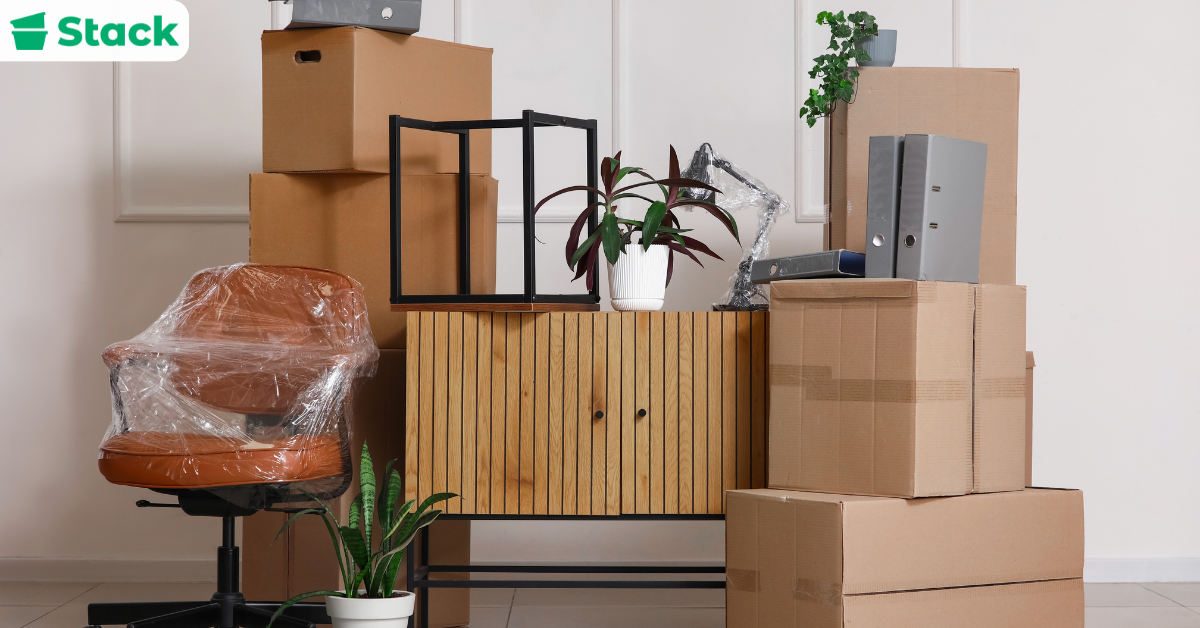
Packing the wrong things in the wrong container is how belongings get damaged in transit. Before filling bags, bins, and baskets, here are items that should never go into a moving box alternative.
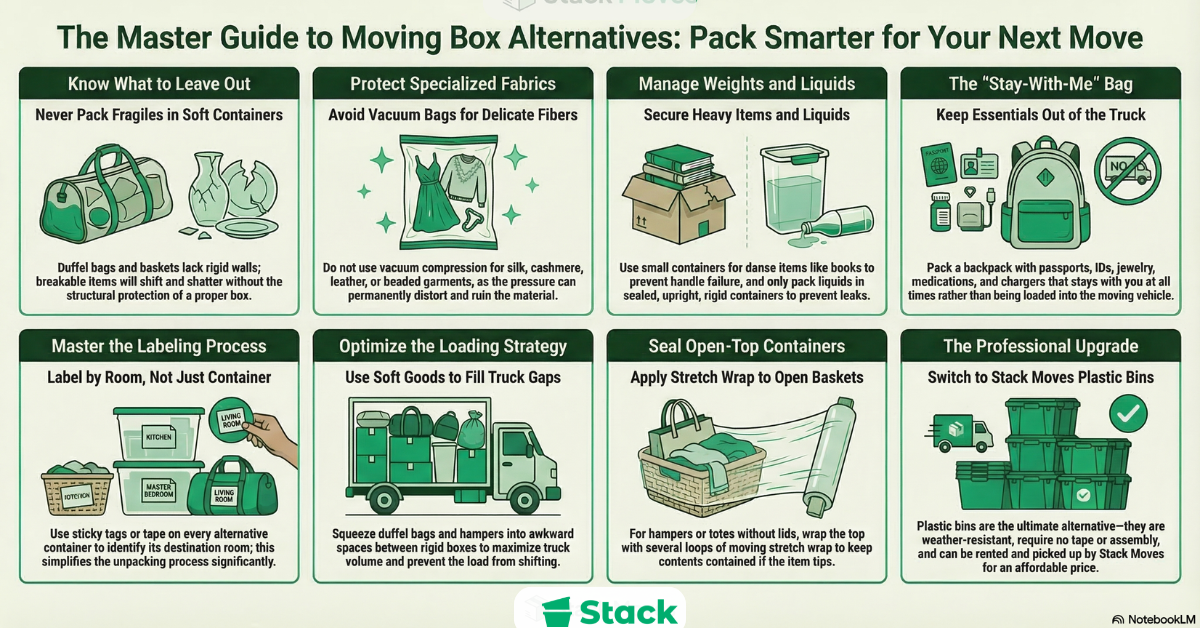
Fragile or breakable items: Alternatives like duffel bags, laundry hampers, and decorative baskets offer little to no structural protection. Without rigid walls and proper padding, anything breakable will shift, collide, and likely shatter before you reach your destination.
Very heavy items in large or soft containers: Large totes, duffel bags, and wicker baskets weren’t designed to bear serious weight. Overpacking them strains seams, handles, and structural joints and makes them unsafe to lift.
Delicate fabrics in vacuum bags: Silk, cashmere, lace, leather, and beaded garments don’t survive compression well. The pressure damages fibers, distorts structure, and can permanently ruin the item.
Anything damp or liquid: Moisture sealed inside an airtight container like a vacuum bag or plastic bin quickly becomes mold. Even slightly damp clothing or loosely sealed bottles can cause serious damage to everything packed around them.
Liquids in soft or open containers: Bottles packed in duffel bags or hampers can tip, leak, and soak everything nearby. When packing liquids such as your bathroom essentials and cleaning supplies, only use sealed, upright, rigid containers.
Sharp or pointed items in fabric bags: Tools, kitchen knives, or anything with an edge can puncture duffel bags, backpacks, and soft totes from the inside. Wrap these separately or use rigid containers.
Valuables and important documents in the moving truck: Passports, IDs, jewelry, and irreplaceable items should never go in any container that ends up in the truck. Keep these in a backpack or bag that stays with you at all times.
How Do Moving Box Alternatives Compare to Traditional Cardboard Boxes?
One of the biggest advantages cardboard boxes have over alternative moving containers is their uniform shape. Bags, hampers, and baskets tend to leave awkward gaps and create unstable loads that shift in transit. In contrast, cardboard boxes stack cleanly and make the most efficient use of space in a moving truck.
Another area where boxes outclass moving box alternatives is structural protection. Most alternatives on this list are only good for soft goods, but the moment you need to pack dishes, glassware, or anything breakable, you’re back to needing a proper box. That’s not a flaw in the alternatives so much as a reminder that boxes were specifically engineered for this job.
There’s also the matter of labeling and organization. Cardboard boxes give you a flat surface on every side to write room names, contents, and handling instructions in seconds. With most alternatives, you’re improvising with sticky labels, tags, or stretch wrap just to communicate what’s inside.
Tips for Packing with Moving Box Alternatives
Unlike generic packing guides, this one is written by a team that has handled thousands of real moves. We know which alternatives actually hold up in a moving truck and which ones look good on paper but fail in practice. Every recommendation here is based on what we’ve seen work and what we’ve seen go wrong.
Use Smaller Containers for Heavier Items
Keeping dense items like books, tools, and canned goods in smaller bags or bins means every container stays manageable to lift and reduces the risk of injury or a broken handle mid-move.
Use Soft Alternatives to Fill Gaps in the Truck
Duffel bags, backpacks, and laundry hampers can be squeezed into spaces that rigid boxes can’t reach, maximizing every inch of truck space and reducing the chance of items shifting during transit.
Label Everything Before It Goes Into the Truck
Whether it’s a sticky tag on a bin or a piece of tape tied to a basket handle, knowing what’s inside and where it’s going saves significant time and frustration on the other end.
Keep One Bag or Backpack With You at All Times
Pack your daily essentials—medications, documents, chargers, a change of clothes—in a bag that never goes in the truck. You’ll be glad you did when the unloading runs long into the evening.
Wrap Open Containers With Stretch Wrap Before Loading
Hampers, baskets, and totes without secure lids should be wrapped with a few loops of moving stretch wrap to keep contents contained if they tip or get turned on their side.
Pack Room by Room, Not Container by Container
Regardless of the alternatives used, associating each container with a specific room simplifies unpacking compared to mixing items from various areas of the house.
What’s the Best Moving Box Alternative?
Cardboard boxes aren’t always the most practical or cost-effective solution for every move. Whether you’re cutting costs or just being resourceful with what you already own, there’s a solid case for going beyond the traditional box. Ultimately, what should guide your decision is the type of items you’re moving, the distance of your move, and how much convenience matters to you.
In our opinion, plastic containers are the closest thing to a straightforward upgrade from cardboard. They’re sturdier, reusable, and weather-resistant and require no assembly, making the whole process faster and less wasteful. And the best part is you can conveniently rent them for an affordable price from moving companies like Stack Moves that will deliver and pick them up. Reserve your plastic moving bins in time for your next move now.
Frequently Asked Question
Moving comes with a lot of questions, especially when you’re trying to figure out the most efficient and affordable way to pack. Here are answers to some of the most common ones we hear.
Are Moving Box Alternatives as Safe as Cardboard Boxes?
It depends on what you’re packing. For soft goods, clothing, and lightweight items, most alternatives work just as well as cardboard. For fragile or breakable items, you’ll still want a rigid container with proper padding.
What Packing Materials Work Best With Moving Box Alternatives?
When using alternatives like plastic bins or storage totes, packing materials like bubble wrap, packing paper, and foam inserts still play an important role in protecting fragile items. The container handles the structure, but the packing materials handle the cushioning, which is necessary for a safe move.
Are Reusable Moving Boxes Worth Renting for a Single Move?
Absolutely. Reusable moving boxes are sturdier than cardboard, require no tape or assembly, and can be rented and returned once you’re done, making them one of the most practical for local moves. The rental cost is typically lower than buying the equivalent number of cardboard boxes, with far less waste at the end.
Can I Use a Mix of Alternatives and Traditional Boxes?
Yes, and for most moves that’s actually the smartest approach. Use alternatives like duffel bags, plastic bins, and suitcases for clothing, linens, and soft goods, and reserve traditional boxes for anything fragile, oddly shaped, or particularly valuable.
Rent Plastic Bins for Your Move!
Moving with cardboard boxes is a pain. Get pre-assembled bins delivered to your door and move hassle-free with Stack!
Stack eliminates the need for you to source, break down, or fill up your trash can with cardboard boxes.