Moving Tips

Factors to Consider When Relocating a Business

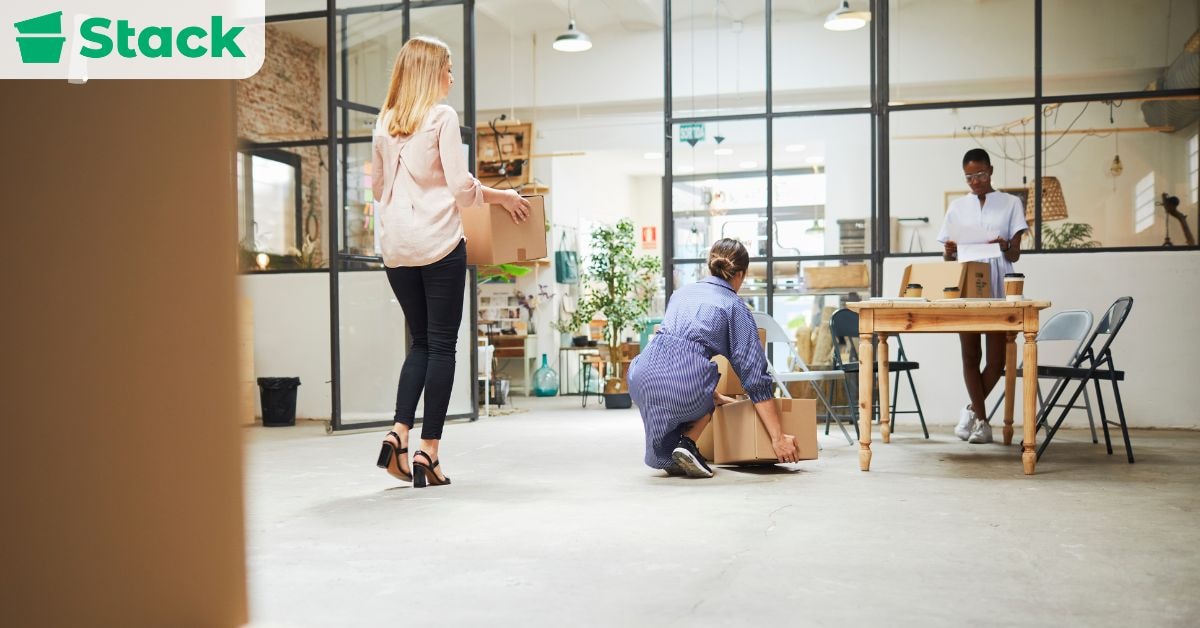
Moving your business is a major decision that affects everything from customer experience to financial health. Proper execution can position you for growth, but a poorly executed move will cost you time and money. This is why it’s important to weigh the various factors that could affect your move.

Some of the factors to consider include the cost of renting or buying the property, the local labor laws where you’re moving to, the impact of the move on your existing employees and customers, and much more. After carefully considering these, you should enjoy a move that not only keeps your costs minimal but also guarantees a successful transition for all stakeholders.

If you’re interested in shaving a few thousands off your moving costs, consider renting office moving crates from Stack Moves. Our durable crates are a cost-effective alternative to traditional cardboard boxes and they have helped many businesses save money while keeping their items secure. We’re here to help, contact us today!
In this blog, we will take a look at the key considerations that come with relocating a business, from the legal requirements to the long-term financial implications. We even share a few trustworthy tips that can help you keep your expenses in check as you plan for your move.

9 Factors to Consider When Relocating a Business

One of the most common reasons for corporate moves is business expansion. Growing companies often need more room to operate efficiently, whether for additional workstations, storage, or production capacity.

Closely following this is the opportunity to take advantage of lower real estate prices, which positions your business for a better financial future in the long run. Some business relocations occur because they need to be closer to their clients or suppliers to enhance their efficiency and customer service.

Whatever the case, proven strategies like using an office moving checklist can help you stay organized and enjoy a smooth relocation.

Key factors to consider when relocating a business

  1. Financial Considerations for Relocation
  2. Selecting the Ideal Location for Your Business
  3. Legal Requirements for Business Relocation
  4. Ensuring a Positive Customer Experience During Relocation
  5. IT and Technology Planning for a Smooth Transition
  6. Evaluating Workforce Needs and Availability
  7. Key Post-Move Factors for Long-Term Success

1. Financial Considerations During Business Relocation

Financial Considerations During Business Relocation

Moving your physical assets is only one piece of the moving puzzle; there are still other factors to consider, like operational costs and business taxes. Before you pack up, take the time to evaluate every aspect of your move to avoid surprises that could hurt your bottom line.

Cost of Commercial Real Estate

This is one of the most significant expenses during an office relocation. Be sure to compare the property prices in different areas to guarantee you’re getting the best deal on the market. Don’t just focus on the immediate price of the property; also consider whether it will be a good choice in the long term. It’s easy to get caught up in the excitement of a new location, but a careful review of these details can save you a lot of money in the long run.

Business Tax Implications and Incentives

There’s a possibility that your new address will bring some changes to your tax environment. If there are tax relocation credits or government incentives available to help offset some of your relocation costs, do what you can to claim them. Some locations offer tax breaks to attract new businesses, and taking advantage of this can boost your cost savings.

Moving Expenses and Operational Downtime

We’ve already established how quickly office moving costs can pile up. Estimating these expenses will help you keep your spending under control and prevent unwanted financial strains.

Another equally important challenge of moving is the downtime your business suffers. The longer your operations are disrupted, the more potential revenue you could lose, so planning to keep disruptions to a minimum will help maintain cash flow.

Utility and Operating Costs

During the course of planning for your move, don’t forget to account for utility expenses at your new location. Utilities like electricity and internet vary by region, and these can impact your overall moving cost if not managed carefully. Smart decisions on this front can help maintain efficiency while keeping expenses in check.

2. New Business Space: How to Choose the Right Place

The success of any recruitment depends on factors like wage expectations and, more importantly, the availability of skilled workers. When choosing your next business location, make sure it offers a strong talent pool as well ,as easy access to major highways and public transit.

Facilities like parking shouldn’t be overlooked because it doesn’t just enhance employee convenience but even customers as well. The last thing to pay attention to is zoning laws and business regulations because they can impact your business operations. Understanding permit requirements and compliance ensures a smooth transition.

3. Legal and Regulatory Guidelines for Moving Your Business

Compliance with regulatory and legal requirements is non-negotiable for any business. If you try to operate without proper licenses at the local, state, or federal level, you could end up paying some hefty fines or being suspended.

For example, in the U.S., failing to meet zoning laws—rules that define the types of business activities allowed in specific areas—can result in costly penalties or forced shutdowns. To maintain business continuity, research the laws governing your new location before your move.

Another important area to look at is labor laws because they vary by state. Failure to comply with these laws can lead to legal challenges. So it’s best to get familiar with local labor laws pertaining to health and safety standards, working conditions, etc., before the move. By doing this, you can avoid sanctions and keep your workforce happy.

4. Moving Process: How to Move Your Business Easy

Moving Process: How to Move Your Business Easy

Moving is more than packing boxes. It requires careful planning to minimize disruptions. A structured approach makes all the difference, even for something as basic as organizing your office equipment.

How to Hire Professional Movers for Office Relocation

Many of us have moved homes at least once, but moving an office is nothing like that. Most office items like IT equipment and confidential documents need specialized handling to prevent damage, data loss, or extended downtime. This is what makes choosing a professional moving service a crucial part of your move.

It’s not a bad idea to DIY some parts of your move in order to cut costs, but using this approach for the entire move is not advised. DIY moves often lead to damaged equipment or costly delays because we lack the experience professional movers do. This also applies to general moving companies since they may not have the expertise needed to handle sensitive office equipment.

With a professional moving company, you enjoy:

  • expertise in handling office assets like office furniture
  • minimized downtime
  • efficiency and reliability

However, not all moving companies offer the same level of service, so in choosing a moving company, be sure they offer these key services before anything else.

Packing and Unpacking: Do they offer full moving services? Will your moving company provide moving boxes or do you have to arrange these yourself? These are important questions to ask.

Storage: If needed, can they provide short-term or long-term storage solutions?

IT Equipment Handling: Does this company have the resources needed to safely relocate my computers, servers, and other electronics without physical damage or data loss?

Post-Move Setup: Can they assist if I need help reassembling workstations and getting my office back up and running?

How to Pack and Organize Office Equipment

Like we mentioned earlier, packing isn’t just throwing items into a box, it’s equally about organizing your belongings, keeping them secure, and wrapping up the move in good time.

It all starts with gathering the right moving suppliesWe’d like to focus on moving boxes for a bit because they do the heavy lifting in every move. It’s important to have the right number of boxes for your move. Without an adequate number of boxes, you might overpack or underpack. The good news is that tools like our moving box calculator make it easy to estimate how many boxes you need based on the size of your office.

At this stage, you may be weighing the pros and cons of using cardboard boxes vs plastic bins for your move. While cardboard is cost-effective, it may not be as durable for heavier items. Plastic bins are more sturdy and offer better protection for fragile office equipment.

Now comes the actual packing process: start with items you won’t need right away and work your way towards essentials. Make sure to protect your sensitive electronics and documents by giving them extra padding with bubble wrap or packing peanuts to prevent damage.

The next step in organizing your office equipment is to properly label your boxes so you can avoid any confusion when unpacking. Finally, assign responsibilities to your team so everyone knows their tasks.

5. Customer and Brand Impact

When planned properly, a move should enhance customer experience. However, your plan to relocate your business may cause some customers to worry about how it could affect the services they’re currently enjoying. This is why it’s important for you to proactively reassure them that they won’t experience any significant disruptions during the course of the move.

One way to guarantee this is to consider offering your services online if you don’t already or work extended hours. To make it easier for people to find your office, use clear signage or offer directions. During the move, keep your customers informed every step of the way and offer support by addressing any issues that may come up.

Moving could be an opportunity to enhance your brand as well. You can curate content to show off your company’s growth or host a grand opening to talk about how the move reflects your values. With the right approach, this transition can reinforce your brand’s reputation as a forward-thinking, customer-focused business.

6. IT and Technology Relocation Considerations

Some may consider this the hardest part of moving, and for good reason. Relocating your IT infrastructure involves moving servers and other digital assets to your new space. It requires detailed planning to keep downtime minimal and guarantee everything runs smoothly when you open the doors in your new location. To avoid tech-related headaches, we advise outsourcing this part of your move to professionals who specialize in IT moves.

When it comes to moving IT equipment, it’s extremely important to have a backup strategy in place to protect your business’s priceless information. Employing tactics such as encrypting sensitive data or just making sure your backup systems are operational before the move will keep your data secure and recoverable.

For some of you, this move will present an opportunity to transition to cloud-based operations. This offers flexibility and ease of access from any location. It could definitely come in handy by eliminating the need for physically moving servers or maintaining on-site equipment. Plus, moving to the cloud often improves collaboration across teams, making the overall relocation process more seamless.

7. Communicating the Move to Stakeholders

7. Communicating the Move to Stakeholders

The backbone of every successful business lies in its employees. They should be the first set of people to know about the move. Set up internal meetings to explain the reason for the move and the benefits it could potentially bring to the company and the employees. Provide clear timelines and offer relocation support, such as moving stipends or assistance with commuting, to help ease the transition.

The next group of people to keep informed are your customers, both existing customers and target customers. Come up with a communication plan that uses various channels like emails and websites to notify them about the move. As your moving date gets closer, keep sending reminders of the intended move, and even after the move, inform them that you’ve changed locations. This reassures them that services are still running smoothly.

And let’s not forget the key suppliers and vendors who keep your operations running. They’ll need to know about the move so they can adjust their supply chains accordingly. There might be a need to update shipping details and other service agreements to avoid any disruptions, so be sure to notify them well in advance.

8. Workforce Factors for a Successful Business Relocation

Before moving to a new location, one of the things to assess is the workforce in that area. Ask yourself whether there are qualified candidates with the right skills for your business in that region. Also, compare employment rates and salary expectations. This research helps establish that you can offer competitive compensation while still aligning with the area’s cost of living.

But let’s not forget about your current employees. Business relocations are stressful for team members, so addressing any concerns they may have early on is important. For example, talk about how the move will affect their daily commute. Even offering relocation assistance in the form of financial incentives directed towards transport costs can go a long way in keeping morale high.

9. Post-Relocation Strategy: Settling into the New Location

The first few days in your new office are usually dedicated to setting up the place. Your tasks will focus on arranging workstations, testing IT systems, internet connectivity, and much more. All this is to avoid potential disruptions which could slow down productivity.

Once the move is completed, the next thing to do is measure its impact on your business. You can start with tracking revenue to see whether your new location has had any effect on your sales numbers. You could also pay attention to whether your move has brought new customers on board. But don’t just focus on your customers, your employees are important to. If you notice that they feel more comfortable and productivity has gone up, that’s a win, too.

After you’re all settled, it’s time to start announcing your presence to the local market. A grand reopening event or sponsoring community activities can make a splash and attract attention. Networking with local businesses in your area to build relationships is another way to go about this.

How to Budget and Save Money When Relocating a Business

How to Budget and Save Money When Relocating a Business

It’s natural to want to cut costs and save a few thousand dollars when relocating your business. The good news is with a little cost-cutting strategy you can trim some fat off your moving budget without sacrificing efficiency. These are our smart tips for relocating without breaking the bank:

Plan early to avoid last-minute expenses: Moving and procrastination are like oil and water, they don’t mix. Unless you enjoy paying premium prices for services, you should plan for your move early. Start with creating a detailed timeline that has details for everything from hiring movers to updating your address. This way, you avoid costly rush fees and can make strategic choices rather than panic purchases.

Compare multiple moving companies: Not all moving companies are the same, and a higher price tag doesn’t always mean the best service. To be on the safe side, get multiple quotes, at least three, from different moving companies. Pay close attention to what services are included in their pricing, and don’t be scared to negotiate.

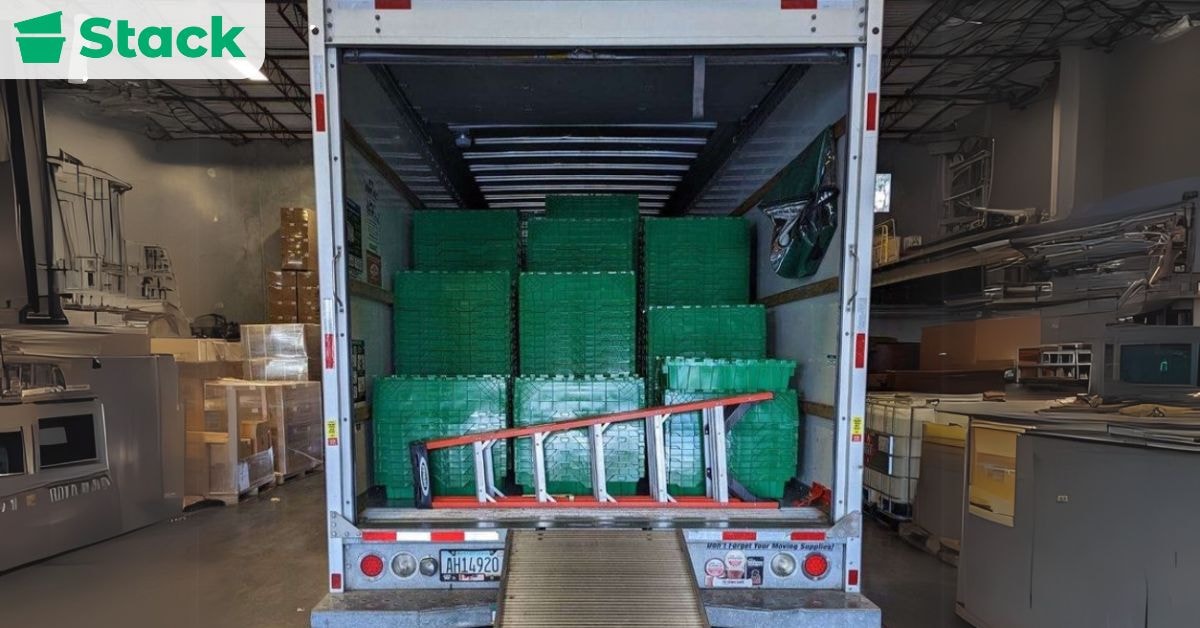
Rent moving boxes: Why settle for cardboard boxes when you could rent reusable moving bins? They’re not just eco-friendly, they’re also stackable, making arranging them in your truck much easier. Plus, they come with lids that keep your items secure, so you can ditch dealing with tape that doesn’t quite stick.

Opt for cost-effective utilities: This is the best time to change your utility providers if needed. This will give you a chance to negotiate for better rates than what you’re currently paying. Some vendors offer discount packages to first-time customers or offer bundle deals, so take advantage of these to lower your operating costs.

DIY packing: If we’re keeping it real, you and your team understand your office setup better than anyone else. Consider packing in-house to save some cash. Your employees can pack their desks, and a designated team can handle common areas like break rooms. The best part about this is you’re more likely to come up with some unconventional but efficient ways to pack items. For instance, if you’re short on bubble wrap, soft office supplies like company T-shirts can work as padding for fragile items.

Ready to Move Your Business? Rent Moving Boxes

Business relocations are major decisions that affect both internal and external stakeholders. A well-planned move where major considerations like relocating your IT infrastructure are considered can set your business up for long-term success. With the right approach, you can avoid unnecessary disruptions, improve efficiency, and boost employee, supplier, and customer experience.

With our expert guidance and cost-effective solutions, we’ve helped numerous businesses navigate their move. A simple decision like renting moving boxes could save you hundreds to thousands of dollars. Contact us to enjoy your customized moving solution today.

Best Ways To Pack Weights & Dumbbells For Moving

Wondering how to pack weights for moving? When preparing for a move, you need to pay special attention to certain items, especially heavy items like workout equipment, free weights, and home gym equipment. Moving weights presents unique challenges like transportation difficulties, risk of injury, and potential for damage.

At Stack Moves, we offer various packing solutions throughout the nation to for packing weights. Our high-quality moving boxes for rent can handle even the heaviest weights. Ready to get started? Schedule a free consultation with our moving experts today.

In this blog, we’ll talk about all of your options and the best ways to pack weights for moving.

How to Pack Weights for Moving

How to Pack Weights for Moving

Moving weights often differs for each move as it depends on the quantity and type of exercise items that you want to move. For example, if you are relocating your home gym, you would have to pack your fitness equipment. This exercise equipment could be in the form of dumbbells, barbells, weight plates, yoga mats, and kettlebells.

It is important to pack these weights properly to ensure that they do not move during transport. When weights move during transport, they could lead to damage to the weights themselves, humans, other items, or the moving truck. Ensuring that you pick the best boxes for moving to pack weights is a priority.

Materials Needed for Packing Weights

Materials needed for packing weights include sturdy boxes, bubble wrap, moving blankets, moving boxes, packing tape, and markers. In addition, you should also have optional packing materials for extra protection. These include foam sheets, furniture blankets/moving blankets, and plastic bins. 

If you’re unsure about how many moving boxes or what types of packing materials are needed, you should make use of our moving box calculator. At Stack Moves, we provide this tool to give you an estimate of the number of moving boxes you will need when relocating to your new home, based on what you need to pack.

How to Wrap Weights

Preparing Weights for Packing

Let’s say you want to move your home gym or fitness equipment. The first step would be to properly clean each piece of equipment to remove dirt, sweat, and grease. This step prevents rust and keeps other items from getting dirty during the move. Use a damp cloth and mild detergent for cleaning, and ensure all items are completely dry before packing to avoid moisture, which could cause rust.

The next step would be to disassemble the entire machine like a stationary bike if necessary. For larger weights gym equipment like a stationary bike, a weight machine, an elliptical machine, and an exercise bike, disassembling into manageable parts is important. When disassembling, you should refer to the owner’s manual for general instructions on how to safely disassemble your equipment. You should also keep all screws and small parts in a labeled plastic bag so you can easily reassemble the equipment later.

After cleaning and disassembling, wrap each component with bubble wrap or moving blankets for protection. Securing the padding with packing tape ensures that it stays in place. This extra layer of protection helps prevent scratches and dents during the move.

Packing Techniques for Different Types of Weights

Packing Techniques for Different Types of Weights

Knowing how to pack different types of weights properly is important to protect them during a move and ensure they arrive at your new location without damage.

How to Pack Dumbbells For Moving

If you’re moving dumbbells, wrapping each dumbbell individually in bubble wrap is recommended. Ensure that all surfaces are covered and secured with packing tape to prevent unwrapping during transport.

Once wrapped, place the dumbbells in small sturdy boxes. This helps to prevent the box from breaking under the weight. If you’re packing multiple dumbbells in one box, ensure that the total weight is manageable. This way, the box can be moved without straining.

How to Pack Barbells

To pack barbells, start by detaching weights from the barbell, and wrap them separately. Then, secure the bar with bubble wrap. However, ensure that you pay special attention to the ends to prevent them from poking through the packaging. For the bar itself, use a long narrow box that fits the length of the bar.

How to Pack Weight Plates

In moving fitness equipment like weight plates, you should stack the plates vertically to minimize the risk of breakage. You can do this in small boxes as it helps distribute the weight evenly and prevent excessive pressure on the lower plates.

It also helps to place cardboard or foam separators between each plate to reduce friction and prevent scratches during the move.

How to Pack Kettlebells

Due to their unique shape, each kettlebell should be wrapped individually with bubble wrap. It is important to make sure the entire kettlebell is covered and the wrap is secure. In addition, place the wrapped kettlebells in medium-sized, durable boxes.

Securing and Labeling Moving Boxes

Securing and Labeling Moving Boxes

When moving heavy items like weights and gym equipment, it is important to secure and label your boxes properly. It comes in handy for the safety of both the items and the people handling them.

To secure your moving boxes, you would need to tape them thoroughly. You should start by choosing the right tape, ensuring to use only high-quality packing tape designed for moving. Before packing, reinforce the bottom of each box with multiple layers of tape. This prevents the box from breaking open under the weight of its contents. Then, make sure to tape all seams of the box. This includes any flaps or sides that might come apart during the move.

After taping your boxes, you need to label each box by clearly writing what each box contains. This is especially important for gym equipment, as it helps in organizing and unpacking in your new space.

For those who do not know how to label boxes for moving, it starts with having a bold or permanent marker. You need to have the content description, handling instructions, and placement instructions. For instance, label boxes with “Dumbbells”, “Weight Plates”, “Yoga Mats”, etc. You should also mark each box with handling instructions such as “HEAVY”, “HANDLE WITH CARE”, or “THIS SIDE UP”.

Loading and Transporting Weights

In loading weights like weight machines, always lift with your legs. In addition, keep your back straight and bend at the knees and hips. This helps prevent strain and injury. You should also hold weights close to your torso as you lift. It is better to work in teams and you should never try to lift heavy weights alone.

When you place weights in the moving truck, place the heaviest items towards the front of the truck. This helps distribute weight evenly and maintain balance during transport. You should also use sturdy boxes and ensure they are tightly packed without empty spaces. If there are empty spaces, fill the gaps with moving blankets, packing paper, or bubble wrap to prevent items from moving or colliding. Furthermore, layer lightweight items on top of heavier ones.

You might also want to consider hiring professional movers to help with the moving process, especially when it comes to home gyms or particularly heavy and awkwardly shaped equipment. These movers are experienced in handling heavy loads safely and efficiently. Do moving companies pack for you? Many moving companies offer packing services. However, it is important to ask about their scope of work before getting into any agreement.

At Stack Moves, we offer moving dollies to help move your items with ease. Our goal is to give you the right tools and support for your moving process. Contact us today to get started!

Unpacking and Reassembling Weights at Your New Location

Unpacking and Reassembling Weights at Your New Location

Once you get to your new location, you need to start unpacking weights. First, you need to inspect boxes and check for any signs of damage that might have occurred during the move. Then, you use a safety key or box cutter to open the boxes carefully.

As you unpack each item, carefully remove bubble wrap, moving blankets, or other packing materials. Keep these materials until you are sure that everything is in order and functioning, as they might be needed for returns or future moves. Furthermore, you need to sort out your equipment by type – dumbbells, hand weights, weight machines, etc. This makes it easier to decide the layout of your new gym space.

Before reassembling any equipment, ensure all parts are accounted for according to the owner’s manual. This is crucial for complex machines like elliptical machines, exercise bikes, or weight machines.

To set up a home gym in your new space, plan the space and choose the right flooring. Then, assemble the equipment systematically. In addition, arrange your gym so that all equipment is easily accessible and safe to use. 

Once assembled, test each piece of equipment to ensure it is stable and functioning correctly. Finally, adjust placements if necessary to optimize the space and usage.

Plastic Moving Bins For Transporting Weights

Packing weights properly involves selecting the right materials that can withstand the load. Plastic moving bins are particularly suited for this task because they offer robustness that cardboard boxes might lack. They are also more resistant to wear and tear and can be reused for future moves, making them a sustainable choice.

If you’re looking for high-quality plastic moving bins that can handle significant weight and protect your valuable gym equipment during a move, Stack Moves is here for you. We provide a range of moving solutions tailored to meet your needs, and some more tips to ensure that your weights are transported safely and efficiently.

With our competitive pricing, we have the solutions for all budgets and requirements. Contact us today for a free consultation!

How Much Does It Cost to Relocate an Office?

Businesses relocate for multiple reasons, like getting a location that’s more accessible to clients and employees or downsizing. Many people don’t realize that moving an office is about more than just changing spaces; it’s a financial investment that involves a ton of planning. This is why you need to understand the costs involved in relocating your office so you can avoid any unexpected expenses.

The total cost of relocating your office depends on several factors like the size of your office, the distance of the move, and even your IT setup at the new office. Generally, your office relocation cost can range anywhere from $1,500 to over $30,000, especially for offices with specialized moving needs.

You can manage your moving expenses by renting moving crates from Stack Moves. Renting is far more cost-effective than buying boxes, and eliminates the hassle of disposing of these boxes after your move. Plus, we deliver the crates to your location and pick them up once you’re done, making your office relocation seamless and stress-free. Contact us today!

In this blog post, we will break down the key cost components of moving an office to help your budget better and plan your move in a way that minimizes downtime.

How Much Does It Cost to Relocate an Office?

The cost of moving your office ranges from $1,500 to $30,000 or more. Your office moving cost is primarily determined by the size of your office as well as other factors such as distance, labor, etc. To help you budget properly, we’ve explained the major components that contribute to your total office relocation costs:

Office Size and Layout

Your office size is the most significant factor that affects the cost of your move. Below is an estimated cost range based on the square footage of your office:

Office SizeEstimated Moving Cost
Small office (<1,000 sq. ft.)$1,500-$5,000
Medium office (1,000 -5,000 sq. ft.)$5,000-$20,000
Large Office (5,000+ sq. ft.)$20,000+

Distance of the Move: Local vs. Long-Distance

Another key contributor to office relocation expenses is the distance of the move. Local moves or same-city moves, which typically span 50-100 miles, may cost you anything from $1,000 – $10,000. However, a long-distance move like moving from LA to Seattle or generally anything above 100 miles could cost as much as $50,000.

Lease Termination and Deposit Fees

Breaking an office lease early can result in hefty fines, such as early termination fees and lost security deposits. Some of these fees could be the equivalent of several months of rent, making it cheaper to complete the lease term instead of terminating it. To make the best financial decision, carefully compare the cost of breaking your lease vs. waiting until it naturally expires.

Labor: Professional Movers vs DIY

Outsourcing labor is convenient but expensive regardless of whether you are charged a flat fee or an hourly rate. On average, the hourly rate of movers will fall between $80 and $120. With professional laborers, a faster move is guaranteed because, with their experience, they can move quickly. On the other hand, you can save a significant portion of your moving expenses by packing yourself, but if you’re short-staffed, you will end up delaying the move and racking up additional fees on your truck rental. Before opting for a DIY approach, ensure that you have a well-organized team that is up to the task.

Packing Materials

Packing Materials

You’d be surprised how much packing material, such as bubble wrap and tape, you need to pack a room in a house, let alone an entire office. Depending on what materials you get and the size of your office, your estimated cost should be between $500 and $2,000.

This is one reason why traditional cardboard boxes can be more expensive compared to plastic bins. They require extra packing materials to make them suitable for use, which isn’t the case with plastic bins. These boxes are reusable and durable from the get-go.

You can also save a few bucks by knowing exactly how many boxes are needed for your move so you don’t overspend on boxes you don’t need or risk looking for more boxes mid-move. Estimating the number of boxes has been simplified thanks to our moving box calculator, which takes the guesswork out of the process by telling you how many boxes you’d need.

Furniture and Equipment Handling

Every office has its fair share of heavy furniture and equipment, which can be a real headache to pack and transport. Depending on the number and type of furniture you have, you’re most likely going to spend $200 – $1,000+ on disassembling and reassembling these pieces. As such for older furniture, it may be a smarter choice to replace them instead of trying to relocate them. When it comes to moving your office, we’d advise you to compare the benefits of moving the item vs. replacing it.

IT and Technology Relocation

This is one of the most complex and probably the most expensive parts of your move. You’d typically spend $1,000 – $5,000+ on this, depending on your IT setup. This cost will cover disconnecting, transporting, and reinstalling your servers and equipment. Because of the high risks involved, some businesses prefer to hire specialized IT movers to handle this as a way to prevent data loss and security breaches.

Insurance Coverage

Insurance Coverage

There’ll be some valuable assets involved in your move, so insurance coverage isn’t something you want to skimp on. Aim for comprehensive coverages that will give you better protection for your assets. Consider policies that do more than cover damage. They should also cover lost items and even liability for moving companies. If you’ll be handling part of the move yourself, it’s wise to check if your business insurance policy covers self-moves.

Seasonality and Timing of the Move

The timing of your move affects your overall cost more than you give it credit for. Summer is a busy season for movers, and they’re likely to charge higher rates because of their limited availability. The opposite is the case for moves scheduled for fall and winter. If possible, try to schedule your move around an off-peak season to enjoy some savings on your move.

Office Relocation Costs You Might Miss

It’s easy to focus on the obvious costs when planning an office move—hiring movers, packing materials, and transportation. However, a few indirect costs can catch businesses off guard, and can lead to your going over your budget. Having an idea of these expenses beforehand can help you prepare better financially and ensure a smoother move to your new office space.

Temporary Storage Costs

Temporary Storage Costs

Sometimes, your new office isn’t ready after you’ve vacated your current office, and you will need to store your equipment, furniture, and equipment somewhere temporarily. This leads to temporary storage fees. This cost is commonly overlooked by businesses because no one plans for delays in the course of their move.

Your storage costs will vary depending on the size of the items stored, the duration of storage, and whether you’re opting for climate-controlled rooms for sensitive items. You’d also be spending more on labor and transportation because you’ll be moving your items twice- first to the temporary storage, then to the office. To avoid these expenses, try to make sure your lease dates align as closely as possible.

Marketing Costs

Many businesses fail to plan for the marketing expenses associated with relocating their office. You have to update your business address on your website and stationery like letterheaded papers, which is not only time-consuming but costly.

You’d also have to change your office signage and inform your clients of your new address. In some cases, a move might prompt a complete rebranding, requiring new logos, design assets, and marketing collateral. An effective way to manage marketing costs during a move is to tackle digital platforms first and phase out old materials gradually instead of replacing everything at once.

Unexpected Fees from Movers

Unexpected Fees from Movers

Professional movers will always provide you with an estimated cost for your move, but in the course of executing the move, there might be some unexpected fees that could quickly increase your total costs. For example, movers may charge a fee for carrying items up or down several flights of stairs. They could also charge you extra for having to carry items over a long distance from the truck. You’ll also most likely be charged an additional handling fee for oversized furniture and fragile items that require special care. As such, always request a detailed cost breakdown from your moving company to avoid surprise charges.

IT Setup and Downtime Costs

Avoid the common mistake of underestimating the cost of moving IT infrastructures such as internet service providers, phone systems, and office networks. If you don’t have in-house IT personnel, you’ll have to hire someone to disconnect and reinstall your tech equipment, which can be really expensive for businesses with complex setups.

Moreover, any downtime experienced during the move can negatively impact your operations and lead to a loss of revenue. To minimize these costs, plan IT transitions carefully, set up backup systems, and test everything before employees resume work.

Employee Relocation Costs and Lost Productivity

If your new location is significantly further than the previous one, you’re bound to face relocation challenges for numerous employees like higher commuting costs. To retain key employees, offer some assistance like transportation stipends or reimbursements. You also have to factor in the productivity loss that comes with switching office spaces. Like the movers, your employees will have to unpack their belongings, set up their new workstations, and adjust to the new space.

Also, keep in mind that you’d have to take out the time normally scheduled for regular work tasks to bring your employees up to speed on new building protocols, which can be time-consuming. The best way to mitigate these challenges is to communicate about the move early and schedule your move during a slow business period.

How to Move Your Office Without Overspending

How to Move Your Office Without Overspending

One of the easiest ways to save money during a move is to rent moving boxes and hire a moving truck instead of relying on full-service movers or buying cardboard boxes. Unlike flimsy cardboard boxes, plastic crates are more durable, offering better protection for your office equipment and documents. You’d also save costs on additional packing materials like tape since these bins don’t need additional reinforcement like cardboard boxes do.

Planning Ahead to Reduce Costs

Last-minute planning comes with a premium price tag because of limited availability and rushed bookings. When you plan your move months ahead, you get the chance to compare quotes, negotiate for better deals, and secure the most cost-effective services. You can also schedule your move during off-peak seasons and when rates are lower. With more time, you can allocate your resources and cut unnecessary expenses better.

Declutter and Downsize

A move is the best time to get rid of any outdated furniture, old electronics, and unnecessary paperwork. When done right, downsizing reduces the number of items you have to transport, which lowers labor and transportation costs. If you decide to sell these items, you can even generate extra funds to offset some of your moving expenses.

DIY Where Possible

You don’t have to outsource every part of your move. Full-service movers are convenient, but their services are pricey. Consider renting a truck and using labor-only movers or going for a hybrid service where you pack, and the movers handle transportation.

Non-fragile items and small office supplies can be packed and transported by members of your team. This helps you cut down costs by saving on paid labor hours. However, professional movers should handle fragile items, specialized equipment, and oversized furniture to avoid damaging them.

Ask About Potential Incentives

Some landlords may offer relocation incentives such as discounted rent or free months in the lease arrangement as a strategy to attract new tenants. This also applies to moving companies that may offer promotional deals on business relocations during off-peak seasons. Always ask about these opportunities when negotiating your contracts because they could help you save thousands of dollars.

Office Relocation Checklist for a Smooth Transition

A lot of careful planning goes into an office move to guarantee all forms of disruptions and unexpected expenses can be avoided. With a detailed office moving checklist, you can stay organized and keep track of everything, from packing to notifying key stakeholders about your change of address.

Need Assistance with Your Office Move?

Business relocation costs add up quickly, with factors like office size and distance being major contributors to the overall cost. Budgeting wisely, comparing prices, and planning for your move early are easy tips to keep your expenses under control.

Stack Moves simplifies the moving process with its eco-friendly moving box rentals. Whether you’re moving locally within Las Vegas or to various locations across the US, our service guarantees a seamless experience wherever you are. Ready to enjoy a smoother move at a lower cost? Contact us today.

How to Store Moving Boxes

Properly storing your boxes ensures they remain in good condition, allowing you to reuse them multiple times, either for packing or as a temporary storage solution. This not only saves money but also reduces waste.

To store your boxes correctly, start by cleaning them to ward off pests and flattening them to save space. Choose a dry and pest-free location to store your boxes, preferably off-ground. Go a step further to protect them from dust and moisture by using plastic covers. And most importantly avoid storing your boxes near flammable sources like petrol and propane.

While cardboard boxes are go-to moving solution they come with the headache of collapsing under heavy weight. If your boxes have fallen apart mid-move, you know how frustrating and wasteful this can be. That’s where plastic bins make all the difference. Stack Moves provides durable, stackable, and pest-resistant moving bins for rent that take the stress out of moving. Contact us today to learn more about our affordable bin rental options!

In this blog, we will guide you through the best ways to store your moving boxes, including preparation, storage tips, and pest prevention.

Types of Moving Boxes That Are Easy to Store

Types of Moving Boxes That Are Easy to Store

Storing your moving boxes becomes a lot easier when you don’t have to deal with more boxes than you need. This is why we advise all movers to estimate how many boxes they’d need for a stress-free move. Don’t worry about trying to figure out how to get the right number; our moving box calculator does all the hard work and tells you what you’ll need.

Standard Cardboard Boxes: These are ideal for packing books, kitchenware, and general items. However, storing these boxes can be difficult. They attract pests because they tear easily and can create openings for insects like roaches. In humid environments, they become breeding grounds for mold, which could pose a health risk.

Reusable Plastic Moving Bins: Plastic bins are a superior alternative to traditional cardboard boxes. Their biggest benefit is that they are more durable and sustainable. Despite all these benefits, plastic boxes take up a significant amount of space, making storing them very challenging.

Specialty Boxes: Specialty boxes, such as wardrobe boxes, dish pack boxes, and electronic boxes, are made for specific items. While they can be lifesavers during the move, their unique shape makes storing them challenging.

How to Store Moving Boxes Without Damaging Them

Storing your moving boxes the right way can keep them in good shape for reuse, saving you money and the hassle of buying new boxes. The steps below will guide you through the process of storing your cardboard boxes, no matter how long they’re stored.

Prepare Before Storing Moving Boxes

Prepare Before Storing Moving Boxes

This is the foundation of storing your boxes correctly, and any mistakes here could potentially damage them. Start by emptying the boxes so that you don’t leave anything that could attract pests. Then, inspect them for significant damage, such as tears and worn-out edges.

In addition to making sure your boxes are clean, also make sure they are dry. When wet, cardboard boxes can develop mold and unpleasant odors, so taking time to air-dry them before storage can save you a lot of trouble later.

To save space, flatten your boxes. Flattened boxes reduce clutter and are easier to store, as they can be stacked neatly on top of each other. Label these boxes so it’s easy to tell what they’re for when you need them.

Choose the Right Storage Location

Where you store your boxes is just as important as how you store them. The best place to store your boxes is an indoor storage space like closets, spare rooms, and climate-controlled units. These rooms protect your boxes from pests and humidity, which are the biggest challenges with storing cardboard boxes.

If your only option is to convert an outdoor space, like your garage or shed, to an additional storage solution, with some extra steps you can avoid the problems mentioned. Lifting the boxes off the floor and using pest repellants are great ways to prevent damage to your boxes.

Whether you opt for an indoor or outdoor storage space, it’s more important to consider how accessible your boxes will be after you store them. If you don’t have much space, you can get creative and store your boxes using under-bed storage, attic corners, or even shelving units.

Organize and Stack Boxes

Organize and Stack Boxes

Organizing your boxes is important because it helps you preserve their condition and keeps your storage tidy. A general rule of thumb for organizing your boxes is to place heavier boxes at the bottom of the stack. This gives the lighter boxes a solid foundation and prevents them from getting crushed.

Before stacking your boxes, use good-quality packing tape to seal them so that their edges don’t split open during storage. Avoid overstacking, i.e., making your stacks too tall. This not only increases the risk of everything toppling over but also makes it difficult to retrieve the boxes if you need them.

Use a shelf if you’ve got one. They keep things organized and make it easier to access your boxes. Shelves also take off stress from the boxes at the bottom of the stack. They prevent them from getting crushed under the weight of those above, further extending their lifespan. Finally, leave gaps between your boxes to allow for airflow. Adequate ventilation reduces the risk of moisture buildup, which could weaken your boxes.

Protect Moving Boxes During Storage

The final step in packing moving boxes to protect them is to guard against factors beyond your control, like pests and moisture. To keep them safe, you must regularly check on them.

Consider wrapping your boxes with plastic wrap to give them an extra layer of protection, which is necessary in outdoor storage units. Don’t place your boxes directly on the floor, as they can easily get wet. It’s also wise to use pest repellants like cedar blocks and mothballs to keep pests at bay. If your storage area is prone to infestations, you can even keep your boxes in sealed storage units.

Cost-Saving and Eco-Friendly Options for Moving Box Disposal

Cost-Saving and Eco-Friendly Options for Moving Box Disposal

Disposing of your moving boxes shouldn’t always mean throwing them away. By exploring alternative ways to dispose of them, you could protect the earth and even make some extra money.

  1. Rent Reusable Moving Boxes: The most effective way to skip the hassle of storing or disposing of your boxes is to rent reusable bins. You can just hand them back to your rental company, eliminating the stress of deciding what to do with them after the move. Stack Moves rents eco-friendly plastic bins at affordable prices.
  2. Reuse Instead of Discarding: Another option is to reuse your boxes. When stored properly, cardboard boxes can be reused multiple times, saving you the money you would’ve spent on purchasing new ones. If you’re a fan of DIY projects, cardboard is a versatile material that can be used for making anything from organizers to home decor. Explore your creative side and give these boxes a second chance at life instead of throwing them out.
  3. Recycle Responsibly: When your boxes aren’t fit for reuse, the next best thing to do is recycle them. Before you opt-in for recycling your boxes, first make sure that they meet basic recycling requirements by removing any tape or labels on these boxes. This is especially useful when dealing with corrugated boxes.
  4. Buy Used or Recycled Boxes: If you’d like to own moving boxes without paying a hefty price, buying used or recycled boxes is an excellent choice. Not only are these boxes offered at a lower cost, they are just as functional as the new ones.
  5. Share with Others: Our final tip for making sure your boxes don’t go to waste is to share them with others. Your friends, neighbors, or family members could need these boxes for their own storage or moving needs. You can also post them on community platforms like Facebook Marketplace, Freecycle, and Craigslist.

These steps are some of the best ways to extend the lifespan of your cardboard boxes and keep them ready for future use. In our guide on how to get rid of moving boxes, we share additional tips for disposing of your boxes along with advice on how to pack efficiently.

What to Keep in Mind When Storing Cardboard Boxes

What to Keep in Mind When Storing Cardboard Boxes

While cardboard boxes are a cost-effective storage option, they come with many challenges that could negatively impact their usefulness over time. To keep your boxes in good condition, we shared some risks to be aware of and the steps you need to take to mitigate them.

Insect Infestations

One of the biggest concerns about storing cardboard boxes is that silverfish, cockroaches, and termites are naturally drawn to them, especially when they’re kept in dark and damp areas.

A way around this is to store your boxes in tightly closed cabinets or plastic bins to deter insects. Also, try using repellants like cedar blocks to keep pests at bay.

Mold and Mildew Growth

Another common issue with storing boxes, especially in humid or damp environments, is mold and mildew growth. A crucial step to preventing this is to make sure your boxes are dry and clean before storing them. The best place to store your boxes is in a low-humidity area, like a climate-controlled room. If the only place available is spaces like your garage or basement that are prone to high moisture levels, consider using dehumidifiers to manage the humidity.

Structural Weakening

Over time, cardboard boxes tend to weaken. Factors like humidity and poor stacking can cause them to sag, tear, and collapse. The best way to deal with this is to flatten your boxes when they aren’t in use. When stacking your boxes, place lighter boxes on top of heavier ones. To protect your boxes from floor moisture, keep them off the floor by placing them on pallets or shelves.

Fire Hazard

It’s easy to forget that cardboard boxes are highly flammable. The likelihood of an accidental fire is pretty high where you have large stacks of boxes in poorly ventilated rooms and near heat sources. As such, don’t store your boxes near open flames, furnaces, or heaters, and keep them in fireproof cabinets if possible.

Rodent Damage

Rats and mice often use packing materials like cardboard boxes for nesting. They often chew through these boxes, placing any items you might have in them at risk of damage. The first step to dealing with rodents is to ensure there are none in the storage area you want to use. Then, seal off any possible entry points. Also, store your boxes off the ground and make use of rodent repellants like peppermint oil-soaked cotton balls.

Dust and Dirt Accumulation

After being stored up in your attic, garage, or basement for a while, these boxes gather cobwebs, dust, and other allergens that can make them potentially harmful to people with allergies and awful to look at. Cover your boxes with breathable fabric or place them in plastic tubs to avoid dust. Regularly clean where you have them stored to reduce the buildup of dirt and keep these stored items in pristine condition.

How Do You Store Cardboard Boxes Without Attracting Bugs?

How Do You Store Cardboard Boxes Without Attracting Bugs?

To keep your cardboard boxes bug-free, make sure they are clean and dry before you store them. Dirt and moisture in boxes can attract pests like cockroaches, so a quick cleaning and proper drying is a step you can’t skip. Additionally, use plastic liners or pest deterrents to create an extra layer of protection.

Where your boxes are stored is just as important. The best place to store your boxes is a dry, climate-controlled space since damp and dark environments are breeding grounds for pests. Raising your boxes off the floor also reduces the risk of bug infestations. And finally, regularly check your storage area for any signs of pests so you can deal with them immediately.

Need Reusable Plastic Bins to Rent?

You can save space and extend the usability of your boxes just by storing them the right way. Simple hacks like making sure your boxes are dry and not in direct contact with the floor are great ways to keep them in mint condition until when you need them again.

While cardboard boxes are handy to have, renting reusable plastic bins is an even better option. These bins are made from moisture-resistant materials, eliminating any worry about moisture. Their sturdy and stackable design further enhances your storage experience because the likelihood that they will collapse is very low.

To rent reliable and eco-friendly plastic boxes at affordable prices, contact us today to learn more.

Do Moving Companies Provide Boxes and Supplies?

The key to the success of any move is organization and thorough planning, which is why pre-move planning is the most essential step in the moving process. During this stage, you must address any and all questions related to your move. One important question you might ask yourselves is whether your moving companies provide boxes and other supplies. Knowing what’s included in your moving company’s services can prevent unwanted costs and last-minute stress.

Most moving companies will provide moving boxes, depending on the type of service you choose. Their packages range from full packing services, where everything is handled for you, to unpacking services that help you settle in faster.

Moving companies aren’t the only convenient way to get moving boxes. Renting plastic bins is a hassle-free alternative that’s just as practical and even more economical. At Stack Moves, we deliver eco-friendly, sturdy boxes right to your door and pick them up after your move. Reach out to learn more about how we can simplify your next move.

In this blog post, we’ll answer the question of whether movers provide moving boxes, what’s typically included in their services, and how you can make the best choice for your needs.

Do Moving Companies Provide Boxes?

Do Moving Companies Provide Boxes?

Yes, they often do. Most moving companies provide moving boxes, especially when you opt for a packing service. However, the specifics can vary. Some companies may charge you separately for the boxes, while others will include the cost in their packages. Movers who don’t supply boxes directly often recommend trusted suppliers from whom you can get these materials since they do not provide these boxes themselves.

Types of Boxes Provided by Movers

You can get just about any type of box from moving companies that offer professional packing services, which is why they’re so convenient. Most moving companies will offer these types of boxes:

Standard Cardboard Boxes

When planning a move, cardboard boxes are often the first option that comes to mind. Who can blame you? They’re widely available, come in a host of sizes, and can often be acquired for free. However, they’re less durable than other options and are prone to collapsing under heavy weight or when exposed to moisture.

Plastic Bins

Unlike cardboard boxes, plastic bins are sturdier and waterproof, offering better protection for your belongings. They’re also a more sustainable option since they can be reused multiple times, thus reducing waste. While buying these can be costly, renting them is a smarter and more affordable option.

Specialty Boxes

These boxes are designed to give the highest level of protection to specific items. Examples of specialty boxes include wardrobe boxes, dish pack boxes, and electronics boxes. They are more expensive, costing as much as $40 per box, with limited reusability. You can get the same level of protection from plastic bins, saving you the stress of buying different boxes for different items.

Moving Company Service: What’s Included?

Moving Company Service: What’s Included?

It’s important to know what services and materials are provided by your moving company since the whole point of using them is to streamline and ease the stress of relocating.

Packing Supplies:

A majority of moving companies provide packing materials to meet your basic moving needs. Some of these include:

  • Boxes
  • Tape
  • Packing paper
  • Specialty supplies (e.g., wardrobe boxes, dish packs)

Full Packing Service

This is the most comprehensive service offered by any moving company. Full-service movers offer packing as part of their services, taking the stress off you. They are the ideal choice for anyone looking for a hands-off experience. Full-service moving companies handle every aspect of the move, from wrapping fragile items to boxing up entire rooms. They’ll come with all the necessary packing materials and use their expert packing knowledge to ensure all your belongings arrive at their new home in pristine condition.

Partial Packing Service

This package is recommended for people who want to remain involved in the packing process while receiving professional assistance. You get to choose what the movers pack, which can help you save money, as you will only be charged for the items or rooms packed.

If they end up packing more or less than expected, this will affect your original estimate. In cases like this, it’s best to contact your moving company before or immediately after the move so that these changes can be accounted for.

Fragile-Only Packing

A few moving companies offer specialized services for packing delicate or valuable items, such as glass, china, antiques, and artwork. Choosing to let professional moving companies handle these items instead of packing them yourself guarantees that they are properly packed. It also boosts their chances of arriving at their final destination intact. 

Unpacking Services

Some moving companies do more than help you pack; they also help you unpack at your new location. Unpacking services typically include unboxing, organizing items in their designated areas, and even reassembling furniture. This time-saving option helps you settle in faster.

What to Consider When Getting Boxes from Moving Companies

What to Consider When Getting Boxes from Moving Companies

As far as durability and suitability go, their boxes are generally good quality and can pack a variety of items, from clothing to books. Moving companies often charge extra for moving boxes unless provided as a part of your moving estimate.

Using company-provided boxes can be very convenient since you save time spent on having to source for the boxes yourself. However, DIY packing with rented bins offers greater flexibility.

Also, consider how the size of your move often dictates how many boxes you’ll need, which makes getting boxes from moving companies more convenient for large moves. For example, if you’re packing a 6-bedroom house, you’d need dozens of boxes, and getting them all from one place can save you time and effort.

Likewise, the complexity of your move—such as packing oddly shaped items—makes it more practical to use company moving bins. These companies often provide specialty boxes as well, which are usually harder to find than regular boxes.

How Much Do Moving Boxes Cost?

How Much Do Moving Boxes Cost?

Cardboard boxes typically cost $1-$8, depending on the size and type (standard or heavy-duty), while specialty boxes can cost as much as $40 per boxPlastic bins average $10-$30 per box, and you’d need at least 15 to pack a modest studio apartment. Remember to budget for additional packing materials such as tape and bubble wrap. 

The cost of moving boxes can easily exceed a few hundred dollars. The most economical option is to rent moving boxes. Many rental services provide complimentary packing supplies as part of their packages to help you stay organized throughout your move.

Alternatives to Moving Company Boxes

Alternatives to Moving Company Boxes

Exploring different ways to gather moving bins can help you save money and even reduce waste through options like renting bins or using free boxes.

  1. Renting Reusable Moving Boxes

One of the most convenient ways to source packing supplies is to rent moving boxes. Many rental services, such as Stack Moves, offer reusable bins that eliminate the hassle of finding and disposing of traditional cardboard boxes. These bins are sturdy, don’t need to be assembled, have lids for added protection, and reduce waste.

  1. Purchasing Boxes from Retailers

You can also buy moving boxes from retailers such as Home Depot and Lowes. These stores offer moving boxes in varying sizes and often provide discounts on bulk purchases. They’re also a great place to shop for brand-new boxes and specialty boxes, such as television boxes. However, buying moving boxes is usually more expensive than renting and isn’t eco-friendly.

  1. Finding Free Boxes

Another economical way to acquire moving boxes is to find free ones. These are often found in local grocery stores, liquor stores, and bookstores. You can also get free boxes from close friends and family members and online communities such as Craiglist and Facebook Marketplace.

The biggest advantages to sourcing for free boxes are that they come at no cost and are sustainable. But a majority of the time, their availability is limited, quality is inconsistent, and they are time-consuming to look for. Renting boxes saves you time and effort by providing you with readily available and high-quality packing materials.

How Many Boxes Will I Need to Move?

How Many Boxes Will I Need to Move?

Diving into your move without knowing how many boxes you need is risky business. It could either lead to last-minute scrambling and wasted money on extra supplies. To avoid these headaches, it’s best to estimate the number of boxes you’d need for your move ahead of time. A practical way to do this is to base your estimate on the size of your home. A simple tool, like a moving box calculator, can help you accurately estimate how many boxes you’d need for your move.

Want Moving Boxes for Rent?

Proper packing is the cornerstone of any stress-free move. While moving companies often provide boxes along with other services that can simplify the entire moving process, renting your moving bins instead comes with more benefits.

An even more budget-friendly alternative is to rent moving bins from companies like Stack Moves. These bins make packing easier and more efficient, eliminating the need to source boxes yourself. Additionally, they are designed to be stackable and durable, ensuring maximum protection for your items.
Contact us today to get started on your next move.

What to Do With Boxes After Moving

After a long and stressful move, the last thing you want to deal with is a large number of boxes that need to be disposed of. That’s why many movers tend to put it off. Some find the task too tedious, some don’t know how, or they simply don’t have the time. As a result, these boxes clutter their new homes or add to the growing waste problem when just thrown out.

The good news is there are several ways to properly dispose of your boxes. You can donate, recycle, or get creative and upcycle them. An even easier alternative is to just rent your moving boxes. This way, you don’t have to worry about storing or disposing of them after your move since you return them once the move is complete.

To avoid dealing with a mountain of empty boxes after your move, make sure you don’t have more than you need in the first place. A moving box calculator can help you estimate the right number of boxes based on the size of your home.

Rental services like Stack Moves have helped thousands of people enjoy a stress-free move with their reusable moving bins for rent. These boxes are a convenient and cost-effective moving solution that help you eliminate the stress of decluttering after a move. To get started on your hassle-free move contact us today.

In this blog, we will explore the best ways to handle your moving boxes after you move. We will also highlight the most sustainable option for planning your next move.

How to Organize Your Moving Boxes After You Move

How to Organize Your Moving Boxes After You Move

Moving is just the beginning; you still have to arrange everything you came with, including your moving boxes and other packing materials. Knowing how to organize your moving boxes properly helps you save space and makes future moves easier. Here are four tips to help you keep things tidy and manageable:

  1. Assess the Condition of the Boxes: Before you actually start organizing your boxes, take a moment to inspect them. Check if the boxes made it through the move unscathed or if they sustained some damage. Only keep sturdy moving boxes (boxes still in good condition) since they can be reused in the future.
  2. Sort by Size and Type: To arrange your boxes by size, stack smaller ones on top of the larger ones to maximize space. Also, group them by type to make finding a box easier when you need it. For instance, sturdy boxes that can be reused should be kept together, and flimsy ones should be kept in a separate pile.
  3. Plan for Next Steps: Now that you’ve got all your boxes in one place, decide on what you’re going to do with them. If they’re still in good condition, you could reuse them or give them out to someone who needs them. Damaged boxes should either be recycled or properly disposed of.
  4. Avoid Leaving Boxes Around the House: Leaving your boxes scattered around the house creates clutter and makes it harder to settle in. When unpacking, try to put things in their proper places at the same time, including the boxes. If you’re having a difficult time getting rid of your boxes all at once, gradually dispose of them over time instead.

What to Do With Boxes After Moving | 8 Practical Ways

You’ve finally moved into your new space, and now you’re left with a mountain of boxes and no clear idea of what to do with them. The method you choose to dispose of your boxes should help you free up space, reduce waste, or even earn some extra money. Here are eight ways to handle your leftover boxes after the move:

1. Donate Moving Boxes

Donate Moving Boxes

The easiest way to dispose of your boxes is to give them to someone else. Many people are on the hunt for moving boxes and would be more than happy to take them off your hands. Try giving them out to a friend, family member, or neighbor who might need them.

If none of them need any, explore online platforms like Freecycle, where you can give out your boxes for free. You can also try donating your boxes to charities. Many of them accept these boxes for their own moving or storage needs.

2. Return Boxes to Moving Companies

Did you get your boxes from your moving company? Depending on their policy, there’s a possibility that you may be able to return them. Many moving companies provide moving boxes, either directly or through a trusted supplier. To curb pollution, some of these companies offer buyback or reuse programs.

3. Save Boxes for Future Moves

If you plan to move again in the near future, it would be better to save your boxes instead of discarding them. When stored properly, cardboard boxes can be reused multiple times. Remember to keep only the best quality boxes, meaning no tears or dents. We advise you to store them based on their size and condition.

4. Recycle the Right Way

While recycling your boxes is an encouraged way to discard them, it won’t mean anything if it isn’t done the right way. That’s to say, there is a right and wrong way to recycle.

Start by breaking down your boxes so they take up less space and are easier for the recycling centers to deal with. Be sure to clean your boxes and check if they have any contaminants and grease because it can mess up the recycling process. Also, remove non-recyclable materials like plastic liners and anything else that could make recycling the boxes more difficult. Remember that your boxes aren’t the only thing you can recycle, other packing supplies like crinkle paper and bubble wrap can also be recycled. To get more clarity on what you can and can’t recycle, get in touch with your local recycling center.

5. Sell or Trade Boxes

Sell or Trade Boxes

If your boxes are still in excellent condition, you can trade them for some extra cash. As we mentioned earlier, many people need these boxes and won’t mind paying for them. Try platforms like Craigslist, eBay, and Facebook Marketplace to connect with buyers. If you’ve got any specialty boxes with you, mention that so they attract more attention.

Alternatively, you could trade your boxes through a box exchange program. The purpose of these programs is to connect people who have extra boxes with people who are in need.

6. Creative Upcycling Ideas

Who said your moving boxes have to stay as boxes? Cardboard is a commonly used material for many DIY projects, and with a bit of creativity, you can transform your boxes into something just as useful, like craft organizers and side tables. If you’ve got kids around, this is the perfect opportunity to bond with them over some fun craft projects. You can also use your boxes for home decor projects like creating wall art and photo frames. Through upcycling, you can reduce waste and add a new twist to your home.

7. Hire a Box Removal Service

Lots of professional movers, as well as junk removal companies, offer to pick up and dispose of these boxes for you. This is great for people who are short on time and don’t want to go through the stress of disposing of these boxes themselves.

However, keep in mind that this is significantly costlier than handling the disposal yourself. If saving time and effort are the most important factors for you, then hiring a removal service is the best way to go. But if you’d rather save a few bucks, consider getting rid of these boxes yourself.

8. Use Moving Boxes as Fire Starters

8. Use Moving Boxes as Fire Starters

Cardboard moving boxes are seen as a burden once the move is over, but they have other uses, such as being fire starters. They’re light weight and burn quickly, just the qualities you need to get a fire going. Just tear them up into small pieces, and you’re all set. Plus, using them as fire starters is an eco-friendly way to reuse them compared to letting them pile up in a landfill.

But make sure the boxes you’re using don’t have plastic coatings, heavy ink, or adhesive tape on them. Burning boxes with any of these things can release harmful chemicals into the atmosphere. If you aren’t sure whether your boxes are free from chemicals or not, it’s better to find another way to dispose of them.

Sustainable Moving Boxes

Sustainable Moving Boxes

The stress of a move often follows people after the actual move because they are left with piles of boxes they’re not sure what to do with. Fortunately, an eco-friendly and convenient way to avoid this is to rent moving boxes.

Renting moving bins saves you time and reduces waste, contributing to a greener environment. Ditch the worry of finding, assembling, and disposing of your moving boxes by renting them from Stack Moves.
Another advantage of plastic bins over cardboard boxes is that they are more durable. Their sturdy, reusable design allows them to be used multiple times instead of being thrown out after a single use. Not to mention, they save you lots of precious time since they come preassembled.

How Renting Moving Boxes Works

Hassle-free moving in 3-steps:

  1. Delivery: Most rental companies, including Stack Moves, deliver your boxes to you, the hassle and time involved in picking up these boxes yourself.
  2. Packing: All you have to do is pack your belongings into our preassembled bins. Their stackable design, paired with our complimentary dollies, makes the moving process easier by letting you move multiple boxes at once.
  3. Pick-Up: After your move, just give us a ring, and we’ll be at your door to pick up your boxes.

Creative Ideas for Using Large Moving Boxes

Creative Ideas for Using Large Moving Boxes

After the move, large boxes quickly become a nuisance and take up valuable space in your new home. Instead of stashing them in a closet or tossing them out, how about transforming them into fun yet practical solutions for your home? Here are a couple of creative ways to reuse your boxes:

Bookcase Alternative

Large moving boxes make great additional storage solutions and can serve as a makeshift bookshelf. Simply stack your books in a visually appealing way, and you’ve got yourself a bookshelf. This works well with children’s books because you can sort them by size and color. You can even go a step further and personalize these boxes by painting them or using wrapping paper to make them match the room’s aesthetic.

Nightstand

Another way to reuse your large moving boxes is to turn them into nightstands. All you need to do is cover them with some decorative paper or fabric and place a piece of wood on top to create a flat, solid surface. With your new nightstand, you can keep lamps, books, and other nighttime essentials.

Plant Stand

Similar to the nightstand idea, you can also use these boxes to display your house plants. Stack a few boxes of varying heights next to each other, with space in between them for your plants. Alternatively, you can cut holes into the boxes for your plant pots to sit inside of them. For a more polished look, add some paint or decorative paper.

Toy Chest

Let the kids join in on all the fun. Use one of your boxes to make a colorful toy chest. This project teaches your kids the importance of keeping their space tidy. Stickers, paint, and fabric are a few ways to transform these boxes into something your kids will love. You can even create a theme based on their favorite colors or characters.

Art Supply Organizer

If you or your children enjoy crafting, these boxes are a great way to store your art supplies. Divide the boxes into compartments using small dividers. Smaller boxes are better for paintbrushes and markers. Label each section to make finding what you need easier.

Playhouse

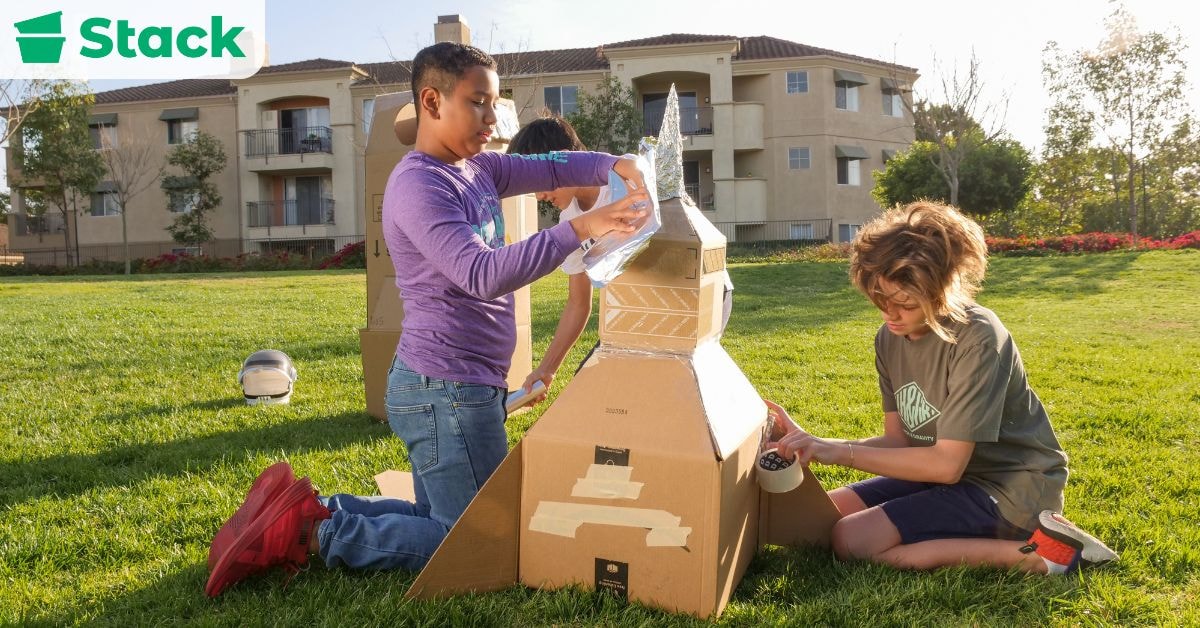
Turn your boxes into a fort, spaceship, or playhouse. Just get a pair of scissors or a box cutter to cut windows and a door. And voila! You’ve got the foundation of a cozy hideaway. Add some cushions, toys, and whatever you think can enhance your children’s experience.

Remember to get creative with your box projects. Paint, fabric, and decorative paper can transform ordinary boxes into something special. Moreover, if you are repurposing boxes for your kids, confirm that they are sturdy and free of sharp edges.

Need Moving Boxes to Rent?

Moving often leads to a significant amount of waste, and cardboard boxes are among the biggest contributors. Responsibly discarding your moving boxes is about clearing space in your home without negatively impacting your environment.

Through sustainable methods like reusing or renting moving boxes, you reduce waste and lead a more eco-friendly lifestyle. Stack Moves provides reusable bins for rent with complimentary dollies to make your move easier and greener. Contact us today to book your moving bins and make your next move hassle-free.

How to Get Rid of Moving Boxes

While the number of boxes you need can vary depending on the size of your home and the number of items you have, cardboard moving boxes are the standard means to pack and transport belongings safely during relocation. However, once the move is complete, you have yet another issue you need to deal with: getting rid of these cardboard boxes.

If left alone, cardboard boxes can take up space and create unnecessary clutter in one’s home. And if disposed of improperly reusable material goes to waste, becoming hazardous waste and causing environmental harm. The right way to dispose of cardboard moving boxes is through recycling. However, a better option would be to rent moving boxes. 

With Stack Moves, you do not need to bother with getting rid of cardboard moving boxes, as we offer durable and affordable moving boxes for rent. We deliver these moving boxes to your homes and come for pick up once you are done. Our goal is to make your next move stress-free, more efficient, and eco-friendly. Schedule your move with us today!

In this blog, we will talk about how to get rid of moving boxes, as well as introduce you to some more eco-friendly alternatives to cardboard boxes! We will also share tips for efficient packing. 

8 Ways How to Get Rid of Moving Boxes

Before you buy cardboard boxes for your move, you should think carefully about what you can do with them after you have arrived at your new home. In general, there are 8 ways in which you reuse or recycle your used cardboard boxes:

  • Reuse your moving boxes
  • Recycle your moving boxes
  • Find community recycling programs
  • Give away or donate moving boxes
  • Use online platforms
  • Sell moving boxes
  • Give your boxes to moving companies
  • DIY projects for your boxes

1. Reuse your Moving Boxes

1. Reuse your Moving Boxes

After relocating, you can reuse your empty moving boxes by using them to organize items within your home. They can be great for storing seasonal decorations, clothing, or extra household items. 

Typically, you should label these boxes for easy identification. It also helps to stack them neatly in closets, garages, or under beds to avoid cluttering the living spaces. 

2. Recycle your Moving Boxes

Many people feel intimidated by this option because they have never had to recycle cardboard boxes before and are unsure of how to go about it. However, this is one of the easiest ways to deal with your leftover cardboard boxes. You can do this by looking for a local recycling center that accepts cardboard boxes. If you’re in Las Vegas, you should check out Champion Recycling, while those in Dallas can use Recycle Revolution, for example. 

Before taking your cardboard boxes to the recycling centers, flatten them to save space. You should also ensure that they are dry and free from plastic tape. 

3. Find Community Recycling Programs

Getting rid of your unused boxes shouldn’t be a hassle if you live in communities that offer recycling programs. Typically, many communities offer recycling programs that even come with curbside pickup for cardboard boxes. 

To get started, check with your local waste management company for details. Then, sign up for these programs. 

4. DIY Projects for Your Boxes

8. DIY Projects for Your Boxes

Using your free cardboard boxes for DIY projects is another great way to get rid of moving boxes. You can transform boxes into creative projects like playhouses for small children, storage solutions, or even compost bins. 

Look up simple DIY instructions online for inspiration and step-by-step guides.

5. Use Online Platforms

Often, people use online platforms like Craigslist or Freecycle to give away free moving boxes. When using these platforms, be sure to create detailed listings with photos and specify the box sizes. This makes it easier for people to decide when searching for moving boxes. 

6. Sell Moving Boxes

If you would rather make money from your used moving boxes, you should sell them off. You can do this by listing your empty boxes on eBay, Facebook Marketplace, or other online marketplaces. 

Research similar listings to price your boxes competitively and provide clear descriptions and photos. This gives you a good chance of selling them off. 

7. Give Your Boxes to Moving Companies

To get rid of your moving boxes, you can give them to a moving company. Reach out to local moving companies in your community, as some may buy used boxes. 

When speaking with them, discuss the condition and quality of the boxes. Then, arrange a convenient time for pickup or drop-off. 

8. Give Away or Donate Moving Boxes

Donating or giving away your unused moving boxes is one of the best ways to get rid of them. Check if friends or family members need moving boxes for their own moves. 

You can make it easy by offering to drop the boxes off for them. You could also arrange for pickup at a convenient location. 

Where to Sell Used Moving Boxes

Where to Sell Used Moving Boxes

If you’re looking to get rid of used moving boxes while making some extra money, selling them is a great option. Many people prefer buying cheap boxes instead of purchasing new ones, especially for short-term use.

Here’s how you can sell your sturdy boxes and ensure they don’t go to waste.

1. Online Marketplaces

Platforms like Facebook Marketplace and Craigslist are excellent places to list your used moving boxes. Create an ad describing the condition of your cardboard boxes, whether they are flattened boxes, bulk quantities, or if you have any other packing materials included. Highlight their durability, size, and suitability for moving or storage. By offering reliable and affordable boxes, you can attract buyers quickly.

2. Neighborhood and Community Groups

Post in local online groups or neighborhood programs about your used boxes. Many people in your area may be looking for free moving boxes or affordable options for their upcoming move. This approach is both eco-friendly and convenient, as it helps reduce waste and benefits your community.

3. Local Businesses and Moving Companies

Reach out to local businesses or a nearby moving company. Businesses that ship items often need packing materials, and some moving companies may purchase used boxes to provide cheap boxes to their customers. Make sure the boxes are in good shape and free of excessive duct tape or damage.

4. Animal Shelters and Charities

Some charities and animal shelters might buy cardboard boxes for their operations, while others may use them for storage or as makeshift beds for animals. Offering your boxes to such organizations could help you sell them in bulk while supporting a good cause.

5. U-Haul Box Exchange Program

The U-Haul Box Exchange is a program where you can post your used moving boxes for sale. Many people use this platform to get cheap, reliable boxes because it saves them both time and money. This platform is ideal for selling larger quantities of sturdy boxes.

6. Grocery Stores and Local Recycling Centers

While grocery stores and local recycling centers are great for donating or recycling, some stores may also purchase clean, flattened boxes for their own use. Check with nearby businesses to see if they are interested in buying your used moving boxes.

The Best Moving Solution in 2025

The Best Moving Solution in 2024

Often, there is a great debate on whether to go with plastic or cardboard bins for one’s move and which is the more sustainable option. Given that in 2019, over 62 million tons of cardboard ended up in landfills, buying single-use cardboard boxes is steadily falling out of favor. At Stack Moves, we offer durable plastic bins that can be used multiple times, reducing the environmental impact of your move and making your move sustainable

With years of experience in the moving industry, Stack Moves is dedicated to providing top-notch service and making your moving process stress-free. Our moving box calculator can help you determine the right number of boxes and the necessary materials, such as dollies and labels, to handle your move efficiently.

Where to Find Moving Boxes?

If you’re looking for affordable and reliable moving boxes for your next move, there are various routes you can take. For example, you can purchase bulk moving boxes from online retailers like Amazon, U-Haul, and Walmart. You can also get boxes for free from local grocery stores, bookstores, or online community groups like Freecycle or Craigslist

However, we at Stack Moves believe renting moving boxes is a better option. It completely avoids the hassle of disposing of boxes after your move. Additionally, as they are not made of cardboard, our moving boxes are a more durable, convenient, and eco-friendly moving solution.

Tips for Efficient Packing

Tips for Efficient Packing

Packing efficiently is key to a stress-free move. By following the simple tips we will share, you can minimize the number of moving boxes needed, reduce clutter, and make the entire packing process easier.

Declutter Before Packing

Decluttering before packing helps reduce the number of cardboard boxes you need, saving space and money. It also ensures that you only move items you truly need and use.

We recommend going through your belongings and deciding what to keep, donate, or discard. If you haven’t used an item in the past year, consider whether it’s worth keeping. Then, to streamline the process, separate items into piles for keeping, donating, and discarding. We recommend donating scarcely used items and discarding broken or used items.

Use Efficient Packing Methods

One helpful packing method when packing moving boxes is to label boxes. You should clearly label each box with its contents and the room it belongs to to make unpacking easier. 

Furthermore, pack heavier items first. To prevent damage, heavier items should be at the bottom of the boxes, and lighter items should be on top. It also helps to fill gaps in the boxes. Use soft items like socks or newspapers to fill gaps and keep items from shifting during transit. Most importantly, use packing materials that can be easily disposed of or reused.

Want to Get Rid of Moving Boxes?

Getting rid of moving boxes is one of the biggest challenges that comes with using cardboard boxes for moving. You can get rid of them through reusing, recycling, donating, selling, etc. However, renting moving boxes is the most sustainable and convenient solution. 

At Stack Moves, we offer eco-friendly and durable moving boxes for rent. Our goal is to help you with a hassle-free move. Schedule your move with us today!

Office Moving Costs: How to Budget for an Office Relocation

Relocating an office is more than just packing and transporting your equipment from one location to another. Think of it instead as a strategic operation that can positively or negatively impact your business. This is because, unlike residential moves, corporate moves are much more expensive, especially for large offices. This is why a well-rounded understanding of the costs involved can help you avoid unexpected expenses.

An office move typically includes packing services, transportation, insurance, and setting up your new workspace. The cost ranges from $1,500 to $30,000, depending primarily on the size of the office. Distance and the required services can also influence your final expense.

Stack Moves offers tailored solutions to make your relocation hassle-free. Our durable and eco-friendly office moving crates simplify packing while reducing waste. Whether you need reliable bins or expert guidance, we provide the tools and expertise to streamline your move. Book an appointment to get started.

This guide will walk you through the factors that influence office moving costs and offer practical tips on how to budget effectively.

How Much Does an Office Relocation Cost?

How Much Does an Office Relocation Cost?

You could spend anything between $1,500 – $30,000 on office relocation costs. On average, it will cost you from $1,500 to $5,000 to move a small office (under 1,500 sq ft), whereas larger moves (5,000+ sq ft) typically range from $15,000 or more. This cost includes packing, transportation, and setup of your new office space.

For DIY moves, the costs are significantly lower since they will focus on the basic things needed, such as rental trucks and packing supplies. The downside of DIY moves is that they require more time and effort from team members, and this could potentially disrupt your business’s operations. Choosing to go with a professional moving service can help you avoid/reduce any operational downtime and streamline the entire moving process. However, the costs associated with hiring movers are far more expensive.

Most moving companies will either charge you per hour or with a flat fee. The average rate per hour is $80, but this can quickly shoot up based on multiple factors, such as the number of laborers needed.

It’s important for you to get multiple quotes from as many reliable businesses as possible. This will give you a chance to compare prices and services and avoid overpaying for anything while still receiving top-notch service.

Components Involved in Office Moving Costs

Components Involved in Office Moving Costs

How much you eventually spend on your office relocation is determined by a number of factors, from the timing to the size of your office. Understanding these factors will help you plan and manage your costs better.

Office Size

The size of your corporate space is the biggest determinant of your total moving cost, as seen in the cost estimation above. Office spaces are typically measured in square feet (sq ft), and the larger your square footage, the higher the cost of your move.

While smaller businesses spend less when moving, it’s crucial not to skimp on key essentials like IT setup and furniture assembly. Failure to do this can potentially disrupt the moving experience and make it less efficient. Larger offices, on the other hand, require months of extensive planning before the actual move and potentially higher insurance coverage.

How Far You’re Moving

Local moves tend to cost less, with rates ranging from $80 to $200 per hour, whereas long-distance moves can cost much more. This is due to the additional costs of fuel, toll fees, accommodation, etc.

What Service Do You Need

Another factor that can influence your moving cost is the type of service you use. Commercial moving services can save you time and reduce your stress, but at an added expense. Their services will typically include packing materials, careful handling of your office equipment, and a seamless unpacking process at your new location. This is a great option for anyone looking to minimize operational downtime and who doesn’t mind spending a little extra to achieve that.

If you have a lot of specialty items, like IT equipment and heavy furniture, the cost of your move can also increase. Sensitive items like these require specialized handling to prevent damage, which sometimes requires more manpower or the use of specialized equipment.

When Do You Plan to Move?

The timing of your move is another factor that plays a role in determining your total cost. Peak moving seasons, such as summer and over the weekends, often come with higher rates due to the increased demand. By scheduling your move outside this period, you can save on costs by securing better prices.

Additionally, how quickly you want to move can also influence how much you spend. If you are looking for a quick relocation, you will have to pay more for the movers to prioritize your job over others. For them, this means working overnight or allocating additional resources. While efficient, it can quickly drive up costs beyond your budget. Careful planning will help you minimize the need for premium services like this.

Permits and Regulations

Most cities have specific requirements for moves, which could also add to your overall cost. For example, some locations require you to get a permit for large trucks, especially in urban areas with strict traffic regulations. These permits are essential to avoid fines or delays during the move.

Another area to pay attention to is parking and loading zones. Reserving space for moving trucks, particularly in busy city centers, may incur additional charges. Without making these arrangements, movers can have a hard time accessing your office, which ultimately means higher labor costs due to delays and increased labor time.

Recurring Costs of Office Moves

An example of such costs is your lease. During the transition, you may end up having to pay rent for both your old and new offices. This happens a lot when your moving date doesn’t align perfectly with the end of your current lease. Another area where we see something like this is in maintaining your utilities and addressing office maintenance requirements such as cleaning and repairs.

Hidden Costs in Office Relocations

Hidden Costs in Office Relocations

Just like with residential moves, corporate moves are also riddled with hidden costs that could catch businesses off guard if not properly planned for.

Downtime and Productivity Loss – One of the biggest problems faced during any move is delays, and this could have a ripple effect on the productivity level of your employees. Each hour of downtime means lost revenue and disruptions to client service. Your staff may also have a hard time adapting to the temporary working conditions provided. To avoid situations like this, it helps to plan your move outside business hours or make provisions for key operations to continue from a convenient remote location.

Insurance and Liability – Another commonly overlooked area is insurance for your equipment and furnishings. Accidents are unpredictable; that’s why you should be ready in case they happen. With adequate insurance coverage, you minimize the risk of having to replace or repair expensive equipment. However, keep in mind that not all moving companies provide insurance as part of their service, and this means you might have to purchase a policy separately.

IT and Infrastructure Setup – IT and infrastructure setup at your new location can be a significant expense. Many don’t realize that rewiring your internet, phone systems, and power outlets is a specialized service, which means added costs.

Post-Move Adjustments – Another area where we see hidden expenses is in post-move adjustments. For example, your vacated space will need cleaning and maintenance. Additionally, your new office may need some purchases to bring the place together. Some of the items you may have to buy include office supplies, office decor, and furniture. Factoring these into your budget will help you make sure the new office is comfortable for your team.

Cancellation or Rescheduling Fees – Any unexpected changes to your moving schedule can attract cancellation or rescheduling fees. To avoid these fees, create flexible timelines that accommodate unforeseen circumstances.

Should You Tip Professional Movers?

Tipping your movers is customary but not mandatory. Keep in mind that the essence of tipping is to show appreciation for hard work, excellent service, or navigating challenging situations. If you choose to tip your movers, the appropriate range is 10% – 15% of your total bill or a flat rate per mover. While this may not seem like a hidden cost, it’s worth factoring into your moving budget.

How to Budget for an Office Move

How to Budget for an Office Move

A move is a costly and complex endeavor, which is why it should be budgeted properly. By accounting for all potential expenses, you’re almost guaranteed a smoother transition while avoiding financial surprises.

Assess Moving Needs

Start by listing everything you’d be moving to the new location, including furniture, electronics, and office supplies. Tools such as a moving box calculator can simplify your move by helping you estimate the number of boxes needed for your move. Don’t forget that specialized equipment and large furniture will need professional handling. Taking note of this during your initial assessment will help you come up with a more accurate cost estimate.

Obtain Quotes

Reach out to multiple moving companies so that you can get a clear picture of what services come at what price range. Be sure to have these quotes include relevant services such as storage and insurance in addition to the usual transportation.

Include Additional Expenses

A move goes beyond transportation alone. Other potential cost elements include storage, professional packing services, set-up costs for the new office, and signage updates. These extra expenses add up quickly and should not be overlooked.

Allocate a Contingency Fund

Set aside 10–15% of your moving budget as a contingency fund to prepare for any surprises, such as delays or last-minute packing needs. This will cushion the effect of any unforeseen expenses without putting a strain on your finances.

Monitor Spending

Budgeting tools such as spreadsheets can help you track your expenses throughout your move. To stay on top of your finances, keep a record of all received quotes, as well as all payments made. Additionally, you should also include any unexpected costs you’ve encountered in this documentation. But don’t stop there! Review all the data you’ve collected to confirm you’re within your budget and to make any necessary adjustments.

Tips on How to Save On Office Moving Costs

Tips to Save on Office Moving Costs

Corporate moves don’t always have to break the bank. While they tend to be more expensive than residential moves, this doesn’t mean there aren’t ways to cut down on moving expenses.

Planning Ahead and Choose Off-Peak Seasons- Book your movers early to secure the best rates. Try to avoid peak moving seasons such as summer months and the weekend. Movers tend to charge less when demand is lower, making this a great cost-saving strategy.

Decluttering Before the Move – Downsizing can do more than lower your transportation costs; it can also generate extra funds. Selling or donating furniture and equipment that’s no longer needed can translate to lower costs since fewer items are being moved.

Leveraging Tax Deductions – Some relocation expenses are tax deductible for businesses. A detailed record of all your moving expenses can help you maximize your tax deductions during tax season.

Rent Moving Boxes – Renting moving boxes is a less expensive and more sustainable alternative to buying them. In addition to their durability, they are also convenient, as most rental companies can deliver them to you and pick them up after your move.

Bundle Services – If you find a mover that offers bundle services, you should prioritize them over others. Bundle services typically include packing, transportation, and setup, which can save you money compared to paying for these services individually.

Hire Local Movers – Local companies are familiar with local regulations, which translates to efficiency since they already know everything required for a successful office move in your area.

How to Successfully Relocate Your Office

How to Successfully Relocate Your Office

Relocating your office is no joke, and unless you’ve planned for it adequately, the disruptions in workflow could cost you more than you could imagine. A structured approach to an office starts with simply using an office moving checklist to stay organized and avoid common pitfalls.

  • Set a realistic timeline for the move (ideally 3-6 months). This gives you enough time to plan for logistics, manage tasks, and address any unexpected challenges that might come up.
  • Assign roles to team members to oversee key aspects of the move. Clear delegation helps keep the process organized and efficient.
  • Create a moving budget that includes moving company costs, insurance, and expenses for setting up equipment at the new location.
  • Inform employees, clients, and suppliers early on about the move. Clear communication minimizes confusion and allows everyone to transition smoothly.
  • Update your company’s contact information in your email signatures, on your website, social media pages, and business cards so that clients and partners can easily reach you.
  • Categorize items to move (e.g., office furniture, files, IT equipment). Taking this systematic approach to packing and unpacking makes setting up the new office much more efficient.
  • Rent moving boxes to optimize packing and reduce waste.
  • Ensure smooth logistics by confirming dates and arrival times. Verifying these details will help you steer clear of delays that could hinder a seamless moving day experience.
  • Test all systems (IT, phones, etc.) before employees return to work. This will help you address issues beforehand and prevent downtime.
  • Unpack in an organized manner to avoid confusion and downtime. Start with priority areas like workstations and IT equipment to restore operations quickly.

Want to Ensure a Successful Office Relocation?

Corporate moves are a complex process, but with enough planning and the right tools, they can be an efficient transition. It helps to set a realistic timeline for your move, work with a budget, categorize your items, and ensure all systems are operational before reopening the business.

Enjoy a smooth transition by partnering with Stack Moves for your office relocation. Our expertise in moves combined with our moving bins for rent simplifies the entire moving process, saving you time and money to focus on what matters the most – your business. Contact us today!

Things to Do When Moving Out of a House

From arranging the logistics of your move to organizing your belongings, moving out requires thorough planning and coordination to enjoy a smooth transition to your new home.

When moving out of a house, start by decluttering and creating a moving-out checklist. As you prepare for your move, try to source high-quality moving boxes to pack all your belongings room by room. Also, decide whether you will rent a moving truck, hire a moving company, or transport your belongings yourself. Lastly, notify all important parties, such as your landlord and utility company, about your move.

For a more sustainable and efficient packing solution, consider renting moving bins from Stack Moves. Our reusable bins simplify the packing process while reducing waste. To learn more about how our containers can streamline your moving process, contact us today.
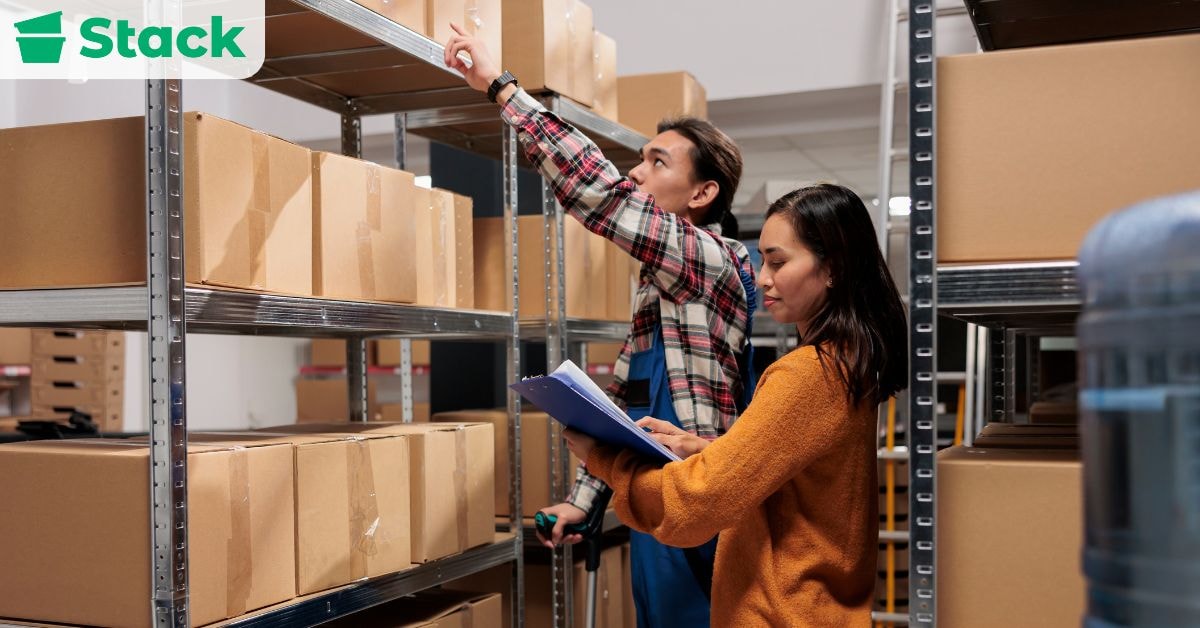
This blog post will serve as a guide on everything you need to know about moving out, including a step-by-step checklist, expected costs, and budget-friendly tips to make your move as stress-free as possible.

6 Things to Do When Moving Out of a House

Packing is just one piece of the moving puzzle. A successful move involves juggling multiple tasks, which oftentimes feels like a lot to handle. However, breaking the process down into manageable steps can help reduce the chaos and keep things on track.

In this guide, you’ll learn:

  1. How to create a checklist for moving out
  2. How to make a plan for your move
  3. How to pack like a pro for a moving day
  4. How to finalize your moving process
  5. How to organize your moving day
  6. How to settle comfortably into your new home

1. Create a Moving-Out Checklist

Create a Moving-Out Checklist

The cornerstone of every successful move is a detailed moving checklist. During this hectic period, a moving-out list will help you stay organized and ensure that no tasks are left undone. The best moving checklists break down processes into manageable steps to help you stay on track and reduce stress. Some key items to include on your list are:

  • Gathering important documents: Secure all personal documents, such as passports, birth certificates, and lease agreements
  • Sorting and decluttering: Decide what to keep, donate, or toss out to lighten your load.
  • Scheduling a cleaning: Make arrangements for a deep cleaning session so the house is left in top shape for its new owner.
  • Notifying utility providers: Schedule shut-off periods for utilities and set up services at your new home.

2. Preparing for the Move

Preparing for the Move - Declutter

As we mentioned earlier, with adequate planning, your move will be hassle-free. For example, booking a moving company weeks in advance is a simple step that can help you avoid any last-minute chaos when moving day arrives. Carving out time to organize your move through easy steps like this can make the move far less overwhelming. Remember that the earlier you prepare, the more control you’ll have over how your relocation unfolds.

Setting a Moving Date

To make the move more affordable, avoid peak moving seasons. We recommend moving over the weekends so that you can skip the stress of getting time off work. Be sure to check your work schedule, lease agreements, and any other commitments before choosing a date to avoid any conflicts. This will save you time and money from rescheduling along the line.

Declutter and Organize Your Belongings

Decluttering before you start packing saves you time and reduces your moving expenses since you’d have fewer items to pack. A good place to start is by sorting your belongings into four categories: keep, donate, sell, or discard.

One of the easiest ways to discard unwanted items is to host a garage sale. Alternatively, you could sell these items online on platforms like Facebook Marketplace and eBay. Items that are not up for sale could be donated to local charities to support people in need. For items that have outlived their purpose, consider recycling them instead of just tossing them to reduce waste. Using any of these steps to declutter will help others or the planet in the process.

Ensure You Have the Right Packing Supplies

Your move would be nearly impossible without the right packing supplies. Basic items you’ll need for any move include:

  1. Moving boxes
  2. Packing tape
  3. Scissors
  4. Bubble wrap/packing paper/packing peanuts
  5. Markers and labels

Instead of the traditional cardboard boxes, consider opting for plastic bins. These eco-friendly moving boxes reduce waste and are sturdy enough to withstand the rough handling of a move. Not to mention, most rental companies, like Stack Moves, can deliver these bins to your doorstep and pick them up after your move.

How Many Moving Boxes Will You Need?

While there isn’t a standard way to calculate how many boxes you’d need for a move, you can get a close estimate by paying attention to the size of your home and how much property you have. Our moving box calculator takes away the guesswork and provides an accurate estimate of how many boxes you’ll need for your move.

3. Pack Strategically

Pack Strategically

Contrary to what most people believe, you don’t have to wait until you are weeks away from your moving day to start packing. You can start packing nonessential items like seasonal decorations and rarely used kitchen items months in advance. For a seamless packing experience, take some time to read online resources on how to pack before moving.

Pack your belongings by tackling one room at a time. This method keeps things orderly and makes all the unloading much faster. Some areas, like your bathroom, will require special attention. For example, packing bathroom items means sorting through toiletries and properly sealing liquids to avoid leaks.

For your valuable keepsakes, use padded packing materials like bubble wrap to protect your breakable items. Decide what items you’ll pack in a box and what you’ll carry personally during the move. Keep an essential items box containing all must-have items like toiletries and clothes separately for easy access.

How to Pack Fragile Items

To safeguard your delicate belongings:

  • Use bubble wrap, newspapers, or towels to cushion fragile items.
  • Place your lighter items on top of heavier ones.
  • Clearly label boxes as “FRAGILE” to ensure movers handle them with care. Remember that there is a right way to label your boxes, and knowing how to label boxes properly will protect your items and contribute to a less stressful move.

4. Finalizing the Move-Out

Finalizing the Move-Out - Clean house

In this stage, you only need to tie up all the loose ends and prepare the house for its next occupants.

Cleaning the House

There are two reasons to clean up your home before you leave. First, it is a courtesy to the new owners, and it may be a requirement by your landlord. Whatever the case, you should decide whether you will be cleaning the house yourself or using a professional cleaning service. If you decide to clean yourself, you will need to purchase some basic cleaning supplies like glass cleaners, detergent, dishwashing soap, etc.

Notify Relevant Parties About Your Move

Some essential organizations and stakeholders should be aware of your move. These are your utility companies, banks, postal service, etc. Utility companies should be notified of your move so they can transfer or disconnect your electricity, water, and gas. Another party to be informed of your move is your postal service so that you can keep receiving your mail as usual.

Additionally, critical services like your bank and insurance providers should have your updated address so you can avoid missing important communications or payments. Make a checklist to guarantee you don’t forget to notify any of these important providers.

Completing Final Home Check

Before locking up, go through the house one last time:

  • Check that there are no forgotten items in any rooms, closets, or storage spaces
  • Inspect any damages or repairs to address before handing over the keys and take photos of the property for your record

5. How to Organize Moving Day

How to Organize Moving Day

Moving day comes with a lot of stress, but with proper organization, it can shift from chaotic to manageable. First, decide if you want to rent a moving truck or hire a professional moving company. Professional movers are ideal for long-distance trips if you would rather not handle the move yourself. A cost-effective alternative is to hire a moving truck. This is better for smaller moves.

If you have children or a pet, it’s best to arrange for childcare or a pet sitter. If you can’t afford this, you can keep your kids engaged with toys, snacks, and activities while you focus on your move. When dealing with pets, a quiet space with familiar items will keep them calm. The final step is to create a timeline to help you stay on track.

6. Settle Into Your New Home

You’ve finally moved, and all that’s left is to settle into your new home. Start with unpacking your items. If you followed our previous advice of packing room by room, you can unpack the same way. Next, ensure that everyone who should have your new address has it.

Lastly, meet your neighbors and explore your new community. Build connections by attending local events, joining community clubs and groups, and taking trips to the park and coffee shops. Consider volunteering at local initiatives or participating in hobby-based meetups. You can also try to strike up a conversation with your neighbor during casual encounters, such as checking your mail.

How Much Does It Cost to Move Out of a House?

How Much Does It Cost to Move Out of a House?

Whether you’re moving to a furnished or unfurnished place, some expenses can’t be avoided. Understanding the key expenses involved will help you budget effectively and avoid unnecessary stress. To help you navigate these expenses, we compiled a list of expenses when moving out that covers everything you need to consider.

Expenses to Consider:

  • Cost of movers vs. DIY: Moving companies charge based on distance, size, and sometimes the duration of your move.
  • Packing materials: The cost of moving supplies can quickly add up. One way to save money here is to rent moving boxes instead of buying them.
  • Travel costs to the new location: If you are moving a long distance, account for fuel, meals, and accommodation.
  • Potential deposit/fees for the new home: You will need to pay a security deposit and application fees for your new residence.

How to Budget and Save Money During Your Move

  1. Plan ahead: Book movers or rental trucks early so you can secure lower rates.
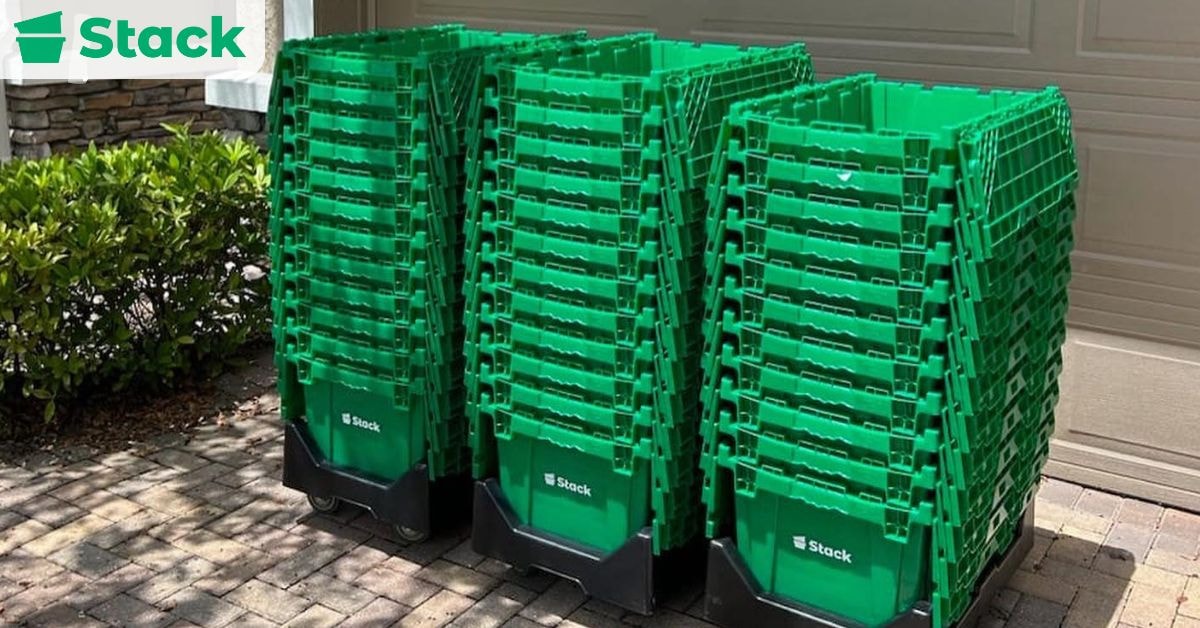
  2. DIY Packing: Pack your belongings yourself to save on labor costs. This is a budget-friendly option that can help you keep your moving costs in check.
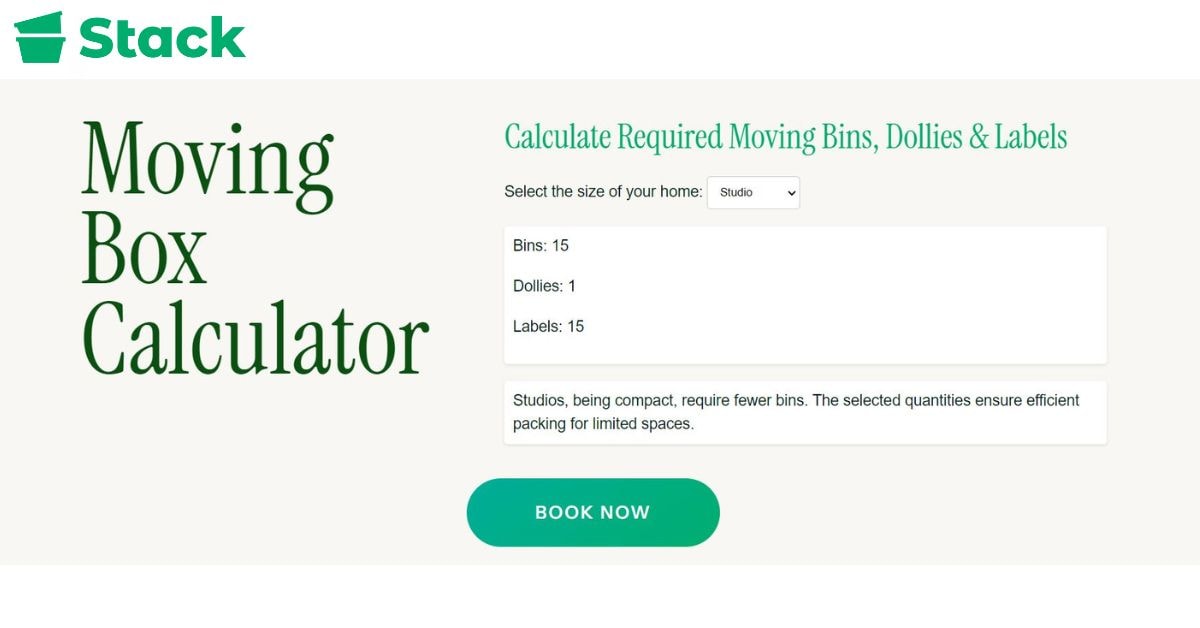
  3. Rent moving boxes: Take the cost-effective route of renting your moving boxes instead of buying them or sourcing free boxes that may be of low quality.
  4. Declutter: Sell or donate unnecessary items to reduce how much you have to move, saving you time and money.

Need Moving Boxes to Rent?

Despite the stress, moving can be much more manageable with careful planning and the right resources. Some key takeaways for a stress-free move include creating a moving checklist, decluttering, and staying on schedule.

While moving can be challenging, careful planning and organization make it manageable.

If you’re looking for a hassle-free way to handle your packing, Stack Moves is here to help. Our moving box rental service makes packing and moving easier than ever. No need to worry about finding the right box size for your items —just rent, pack, and move! Contact us today to get started!

Moving from an Apartment to a House – A Checklist

Relocating from an apartment to a house is a big step that is both exciting and a little nerve-wracking. On one hand, you’re investing in property that will give you more freedom to create and live in a space that reflects your needs. You can do this through home improvement projects like repainting the walls and landscaping your yard. However, moving to and owning a house comes with great responsibility, not only in terms of higher costs but also in the sheer amount of planning required for the move.

When preparing for any type of move, creating a moving checklist is something you shouldn’t skip. A moving checklist will help you stay on track during the moving process and help you save time and money by avoiding any last-minute surprises. Essential tasks include decluttering, packing room by room, hiring a moving truck, cleaning your current home, and transferring your utilities.

Looking for the perfect rental solution? Stack Moves is here to simplify your moving process with our moving bins for rent. With delivery and pickup, plus complimentary packing materials, our moving containers provide a convenient way to keep your belongings organized and safe. Get your moving boxes today!

In this post, we will guide you on how to move from your apartment to a house. We also share tips on how to enjoy a stress-free move using the right tools and strategies.

How to Organize Moving from an Apartment to a House

How to Organize Moving from an Apartment to a House

The biggest difference between a house and an apartment is that houses usually have extra space, with rooms for guests and even a home office. This additional space gives you the freedom to personalize your home. Plus, owning a home can be a smart investment as houses have the potential to increase in value over time.

To kickstart your move, start by creating a to-do list or a moving checklist. Without one, you risk leaving something important behind. Creating a checklist can also reduce your stress and anxiety about the move by giving you a sense of control.

Next, you should take inventory of everything you plan to move by drafting a moving inventory list. This can be useful for confirming that all items from your apartment safely made it to your new home. Additionally, it will come in handy when making an insurance claim or tracking a lost item with your moving company.

While you take inventory, decide on what items you would want to keep, sell/donate, or discard. Decluttering has been proven to save movers time and money since they are moving fewer items. Once you’ve decided on what to pack, it’s time to gather supplies. Basic packing materials include your moving boxes, packing tape, markers, labels, scissors, and bubble wrap.

Usually, the only thing harder than trying to find quality moving boxes is figuring out how many you need. With a moving box calculator, you can skip the guesswork and get an accurate estimate of how many boxes you’d need for a successful move.

Let’s not forget about the part of moving that doesn’t involve any actual packing. This involves notifying relevant parties about your move and transferring your utilities.

Depending on your budget and preferences, you may choose to hire professional movers or take the DIY route and move your belongings yourself. Whatever the case, make sure to confirm moving arrangements before your move-in day.

To summarize it all, there are four essential parts to moving:

  1. Planning Ahead – Consider budgeting, choosing the right house, and making a good timeline.
  2. Packing Your Essentials – Gather all necessary items and follow helpful packing tips.
  3. Organizing Moving Day – Have a checklist to help you stay on track, and remember to keep children and pets safe.
  4. Settling into Your New House – Prioritize setting up essential rooms like the bathroom first, and take time to explore your surroundings so you can feel at home.

How to Plan a Move to a New House

How to Plan a Move to a New House

Planning for your move isn’t just some helpful tip. It’s an important step that saves you from chaos and unexpected costs. Without a plan, you’re at risk of overspending, missing deadlines, and scrambling to get everything packed on time. For a stress-free move, here are three things you shouldn’t overlook:

How to Budget for the Move

To come up with an accurate budget for your move, start by taking a look at the major factors that influence the cost of a move. These are the distance of your move, the weight of your items, and the services you’ll need. Your budget should include a comprehensive list of expenses when moving out, starting with obvious items like transportation to additional expenses like storage.

We advise all movers to get a quote from multiple companies to compare prices and services offered. By doing this, you’re sure to get the best deal available. One of our major tips on how to save money when planning a move is to set aside 10%–20% of your total moving cost as a contingency fund.

How to Choose the Right House

When choosing a house, try to look beyond the general aesthetic of the building. The most important factor when choosing a home is often the location. Beyond the neighborhood itself, think about how easily you can access facilities such as hospitals, schools, and supermarkets.

The next major factor is the size of the house. Families will need more space compared to a single person or a couple moving into their first home.

Lastly, review the available amenities. Here, you have considerations like parking and backyard space. Other factors that are relevant for choosing a house include your property taxes, how safe your neighborhood is, and the house’s potential resale value.

Before making your final choice, schedule a home inspection.

How to Create a Moving Timeline

  • 8 Weeks Before Moving Day: A lot of your focus will be directed to researching your new neighborhood. This is also the best time to create a moving budget and gather quotes from different companies.
  • 6 Weeks Before Moving Day: Start packing non-essential items like your seasonal clothes. Also, begin making arrangements to set up utilities at your new place.
  • 4 Weeks Before Moving Day: Notify all important stakeholders, such as your landlord, about your move and update your address with relevant institutions, such as your bank.
  • 2 Weeks Before Moving Day: Confirm that all moving arrangements made with your moving company or rental company are still good to go. Prepare an essentials box for your immediate needs, like toiletries, to get you through the first day of your move.
  • Moving Day: Take a final walkthrough of your apartment to be sure you aren’t forgetting anything.

To avoid any last-minute chaos, prepare for your move in advance. Packing just a box every day will ease the stress of procrastinating and squeezing a month’s worth of packing into a week. When packing, label your boxes clearly. We suggest packing your items room by room and labeling them this way because it can make unpacking easier.

While packing is an important aspect of moving, one potential problem area that is often overlooked is transferring your utilities. Before move-in day arrives, confirm that all your utilities are fully set up to avoid disruptions. Thoughtful planning like this keeps your move running smoothly. 

How to Pack Like a Pro When Moving to a New House?

How to Pack Like a Pro When Moving to a New House?

Despite what you’ve heard, moving doesn’t have to be a stressful experience. With the right strategies, it can be a hassle-free process. Some of our proven tips that can help you pack like a pro include:

Don’t Forget to Declutter Before the Move

You should start decluttering at least one month before you move. First, sort your belongings into categories, such as clothing or kitchenware. Then, decide what to keep, donate, or discard.

Gently used items can be donated to local charities or thrift stores. To reduce waste, aim to recycle items you plan to throw away. As you pack, don’t skip preparing a “first-night” essentials box, an easily accessible bag that contains every item you’d need for your first day at your new home.

How to Organize Moving Boxes?

To organize your moving boxes, label them clearly. Virtually everything you pack will go into a moving box, and labeling them properly will make it easier to locate your items. The best way to label moving boxes is to fully describe the content of each box and mention what room these items should go to. For example, “kitchen – utensils.”

It also helps to group your boxes by room when packing, as this can simplify the unloading process at your new house. In addition to your moving boxes, you’ll need other packing supplies, such as tape, markers, scissors, bubble wrap, etc.

Packing Room by Room

Focusing on one room at a time allows you to group similar items together and label your boxes accurately with their destinations. This helps you reduce the confusion of not knowing what goes where when unpacking.

  • Kitchen: Most kitchen items are breakable, so we strongly recommend wrapping these delicate items in bubble wrap or packing paper.
    • Protect fragile items like plates, glasses, and mugs by wrapping them in bubble wrap or other cushioning materials.
    • Use containers for utensils, spices, and small items.
    • Pack heavy pots and pans in smaller boxes, and make sure to wrap them well to avoid damage.
  • Bathroom: Many bathroom items are liquids or semi-liquids that can leak. Sealing them in plastic bags or wrapping them in a cling film can help prevent spills.
    • Pack toiletries, towels, and shower essentials in clearly labeled boxes or bags.
    • Keep a separate bag for essentials like toilet paper, soap, and toothbrushes to have on hand during the first few days.
  • Living Room & Bedroom: To avoid getting any scratches on your furniture, consider using a moving blanket or some sort of protective cover over the surface.
    • Disassemble furniture (e.g., bed frames, dining room table) to save space.
    • Use wardrobe boxes for clothing and hanging items.
    • Pack electronics securely with plenty of padding.

Tips for Smart Packing

Use bubble wrap to pack fragile items like glass to cushion them and prevent any breakage. Small towels and soft clothing can work as a substitute if you don’t have any bubble wrap. Place heavier items like books at the bottom of your box, and lighter items should go on top of them.

Packing special items like weights requires extra care to protect both the weights and the other contents of your box. Learning how to correctly pack weights for moving can make the move not only smoother but safer for everyone.

Take apart large furniture to save space and reduce the risk of damage. Any bolts and screws from disassembling the furniture should be placed in a ziplock bag and clearly labeled with the furniture it belongs to. This approach can make it a lot faster to reassemble these furniture items.

Get a picture of how the cables of your electronic devices are connected before you unplug them. This serves as a reference when setting up your new home. To maximize space for bulky items like comforters, consider using vacuum bags.

We also recommend using rented plastic moving bins for your move rather than cardboard boxes. Renting moving boxes comes with the convenience of delivery and pickup, taking one worry off your plate as you plan for the move.

Moving Day: How to Make the Transition Smooth

Moving Day: How to Make the Transition Smooth

Hiring professional movers can save you time and effort, especially when you’re preparing for a long-distance move. Typically, moving company services include packing, loading, and transporting your belongings from one location to another, but this comes at a high cost. DIY moves are more budget-friendly and are better suited for smaller moves because of how physically demanding they are.

When searching for a reliable mover, look for businesses with good reviews, proper licensing, and insurance. Be sure to ask about what services they offer and any hidden fees you would need to know about. Before your move-in day, confirm your moving company’s availability for that date.

You can keep your kids engaged with age-appropriate tasks like packing toys and clothes or helping with labeling. If you can afford it, it would be easier to hire a babysitter to care for your children while you focus on the move.

To handle your pets, keep them away from the moving madness and in a safe, quiet space. Handing them familiar items like their favorite toys can help reduce their anxiety and keep them calm.

After packing, you’re expected to clean your apartment. Your first reason for doing this is because it is often a lease requirement. Additionally, it is courteous and creates a good impression for the landlord and the next renters after you’ve left.

When loading items into the truck, ensure they are loaded properly. Place heavy boxes at the bottom and stack them from floor to ceiling to create a tight fit. This prevents the boxes from moving around and potentially getting damaged.

Settling into Your New Home

Settling into Your New Home

Settling in is about more than just unpacking; it’s about creating a space that makes you feel comfortable and secure. With some thoughtful steps like connecting with your new community, you’ll be feeling at home in no time. Here are a few things you can do to settle into your new space quickly.

Prioritize Unpacking and Organization

Begin unpacking essential items like toiletries, bedding, a change of clothes, and basic kitchen supplies. This will help you settle in comfortably from the first night.

Additionally, you should first focus on setting up essential rooms, such as your kitchen and bedroom. After a hectic journey, it’s nice to prepare a meal without relying on takeout and eventually have a comfortable place to rest. After finishing these areas, you can move on to spaces like the living room.

Getting to Know the Neighborhood

No one can exist in isolation; as humans, we are social beings who thrive best when we belong to a community. This is why it’s important for you to build a local network for yourself once you move into a new neighborhood. And the easiest way to do this is to introduce yourself to your neighbors. From here, you can take it a step further by attending local events and using community platforms to stay informed on all the recent happenings.

Another thing you should tackle quickly is learning where all the local amenities are located. A quick drive or walk around the area can help you familiarize yourself with nearby grocery stores, pharmacies, and recreational centers.

Updating Important Documents

As we mentioned earlier, one of the necessary parts of moving is informing important institutions, such as your bank, about your move. It’s necessary to file a change of address with these establishments because failing to do so could result in

It’s best to set up utilities like gas, water, and electricity before you move into your new house because they are crucial for daily life.

Secure Your Home

Securing your home boosts the safety of your family and yourself. Always change the locks as a precaution in case the previous owners or landlord still have a set of spare keys. If you can, go the extra mile to install security cameras and alarm systems in your home for extra protection.

Need Moving Boxes to Rent?

Moving from an apartment to a house doesn’t have to be overwhelming. With the right approach, moving can be stress-free. It all boils down to getting a head start. Strategies like sourcing quality packing supplies, renting moving boxes, and organizing your boxes can help you enjoy a chaos-free relocation.

We also advise you to embrace whatever new opportunities your new home offers wholeheartedly. Be it a vibrant community or a cozy backyard, it’s a chance for a fresh start and shouldn’t be taken lightly.

Planning to move? Stack Moves has got you covered with our reliable moving boxes for rent and expert advice. Get in touch to book an appointment and make your move ten times smoother.

Rent Boxes!