How Much to Tip Movers in Los Angeles
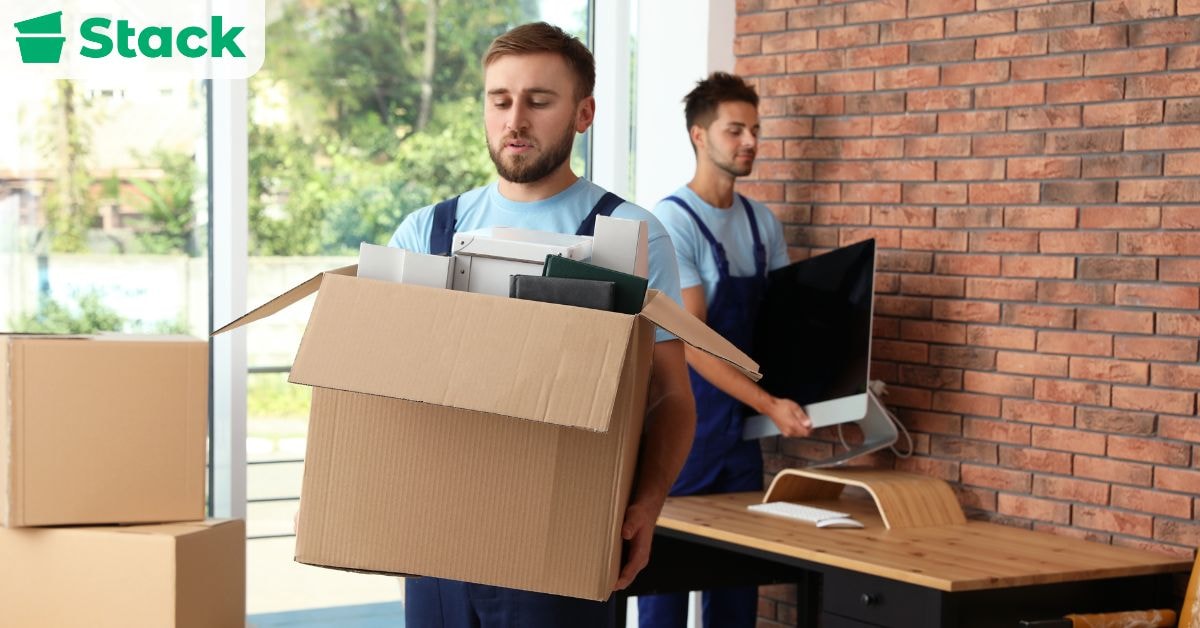
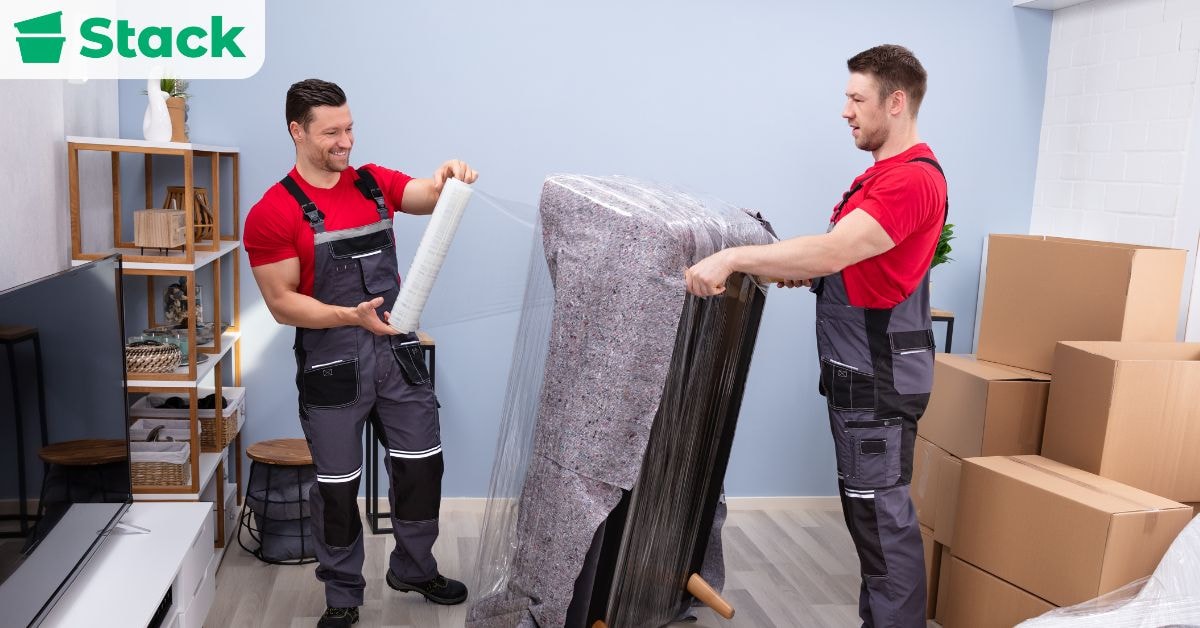
Tipping is a common practice when hiring professional movers in Los Angeles. It’s a meaningful way to show appreciation for the hard work and long hours they put in. But exactly how much should you tip movers in Los Angeles?
In Los Angeles, a good tip is typically between $20–$40 per mover for a half-day job, or $50–$100 per mover for a full-day move. Since tips are meant to reflect the quality of service received, it’s totally fine to tip less if the experience wasn’t great. You can even skip the tip altogether if the service provided didn’t meet basic standards.
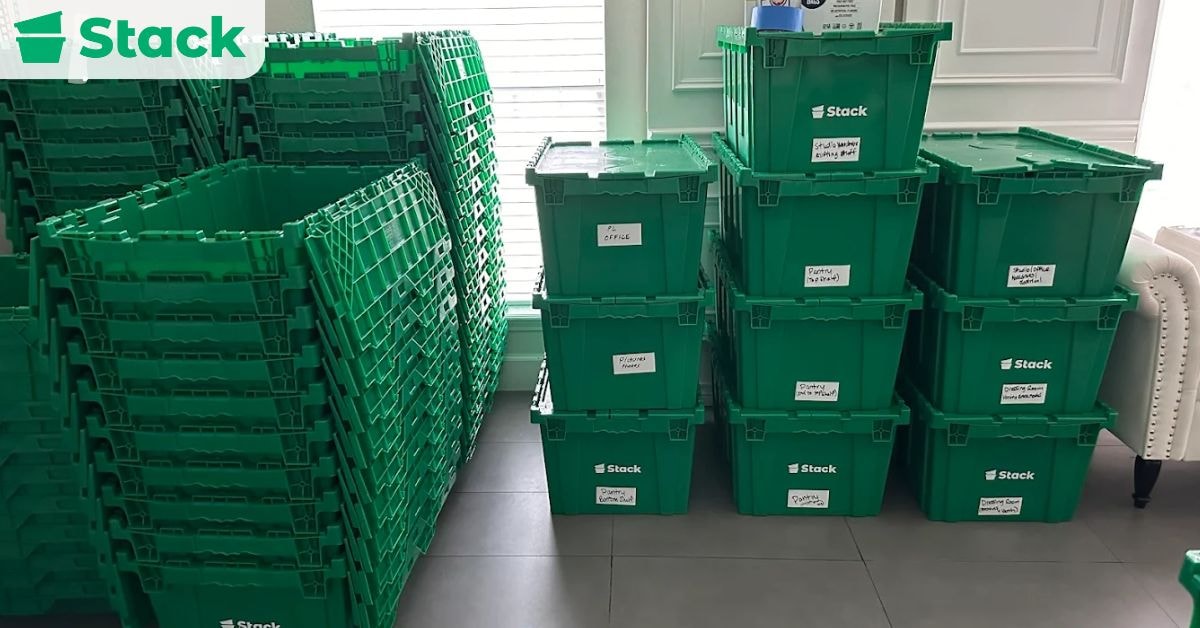
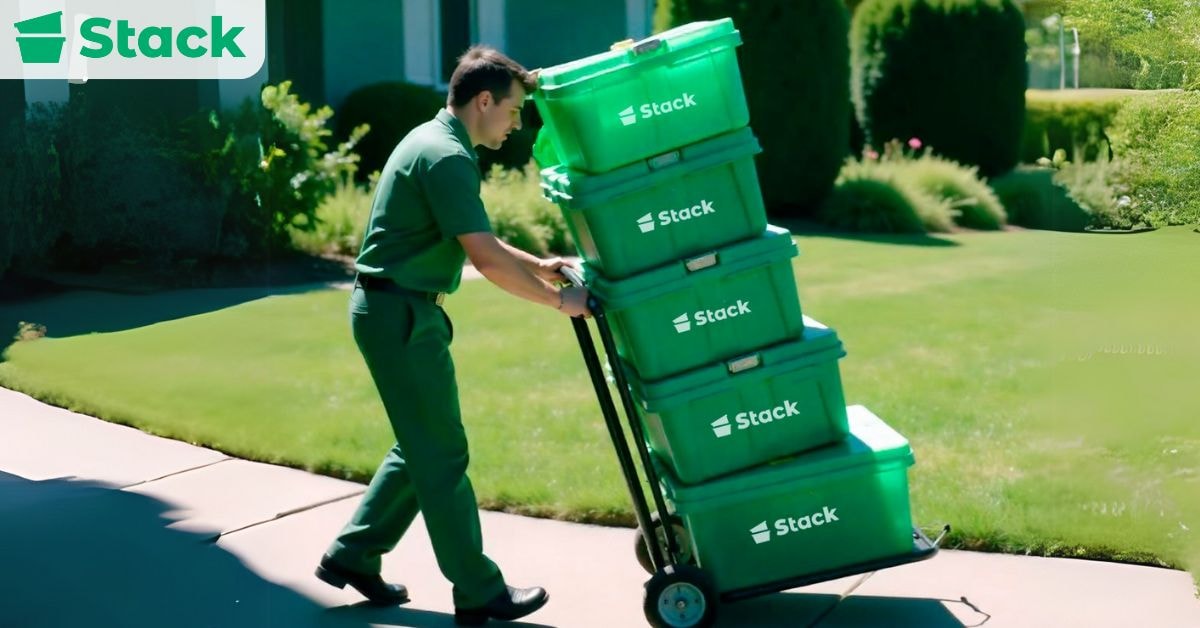
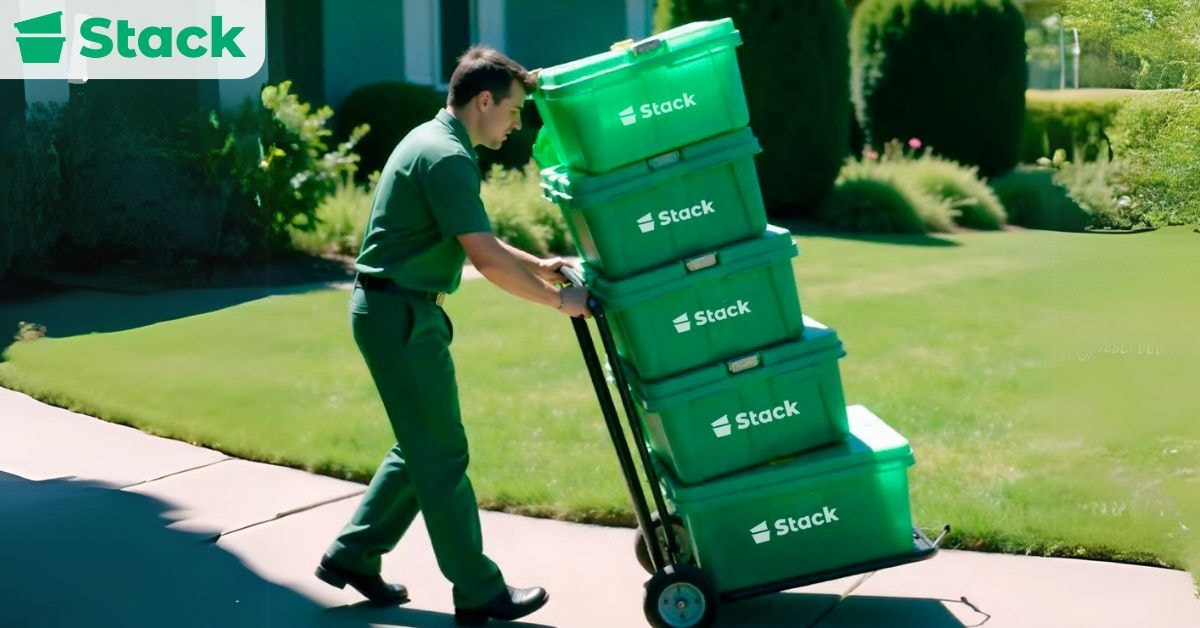
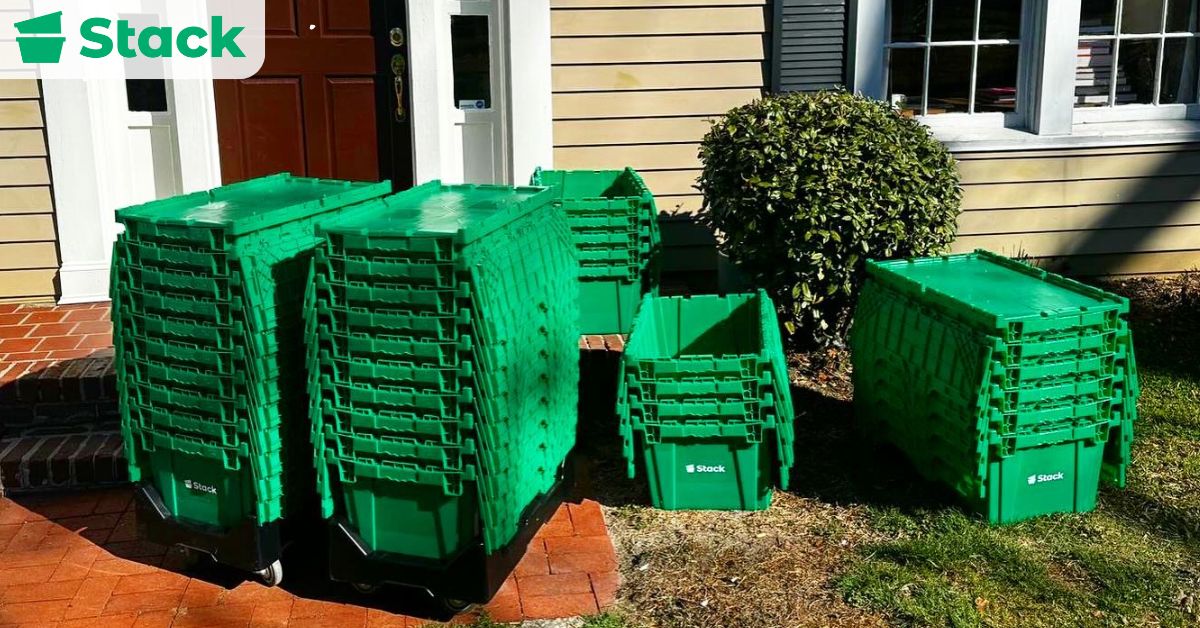
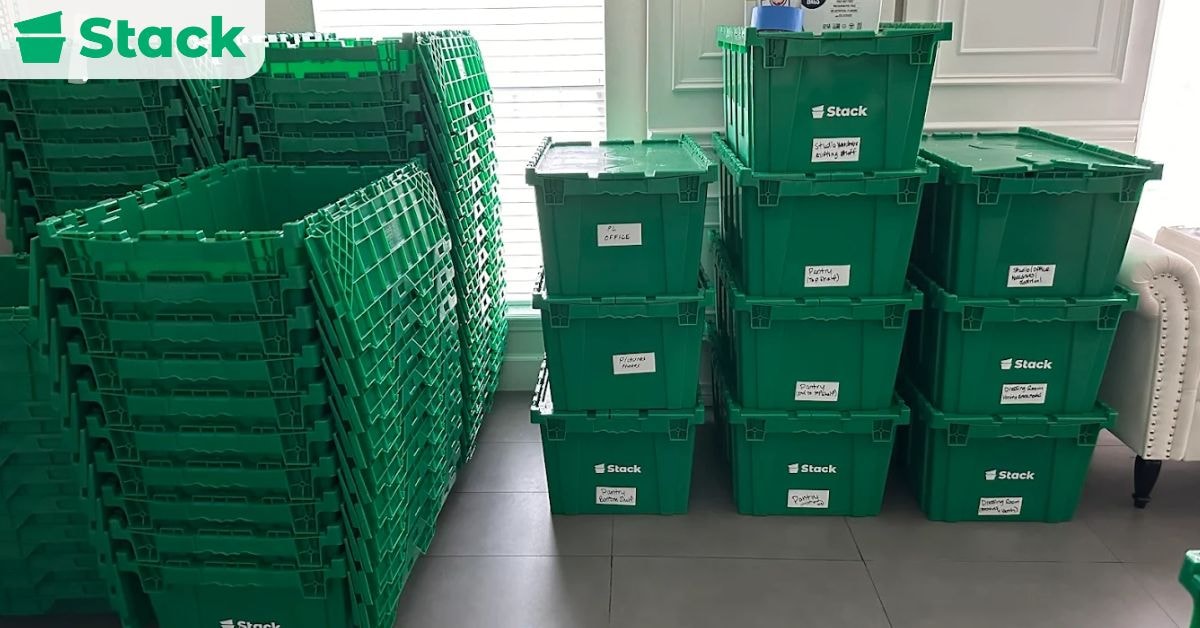
A successful move starts with you. The more organized you are on move day, the better the service your movers can provide and that’s where Stack Moves comes in. With our rentable moving boxes in LA, your movers can stack, load, and transport everything more efficiently. We deliver bins right to your door, and every rental includes free dollies, labels, and pickup after your move. Contact us to book your boxes today!
In this blog, we will share how much to tip movers in Los Angeles, the different ways to compute a tip, and even share how to show appreciation besides cash.
Is Tipping Movers Required in Los Angeles?
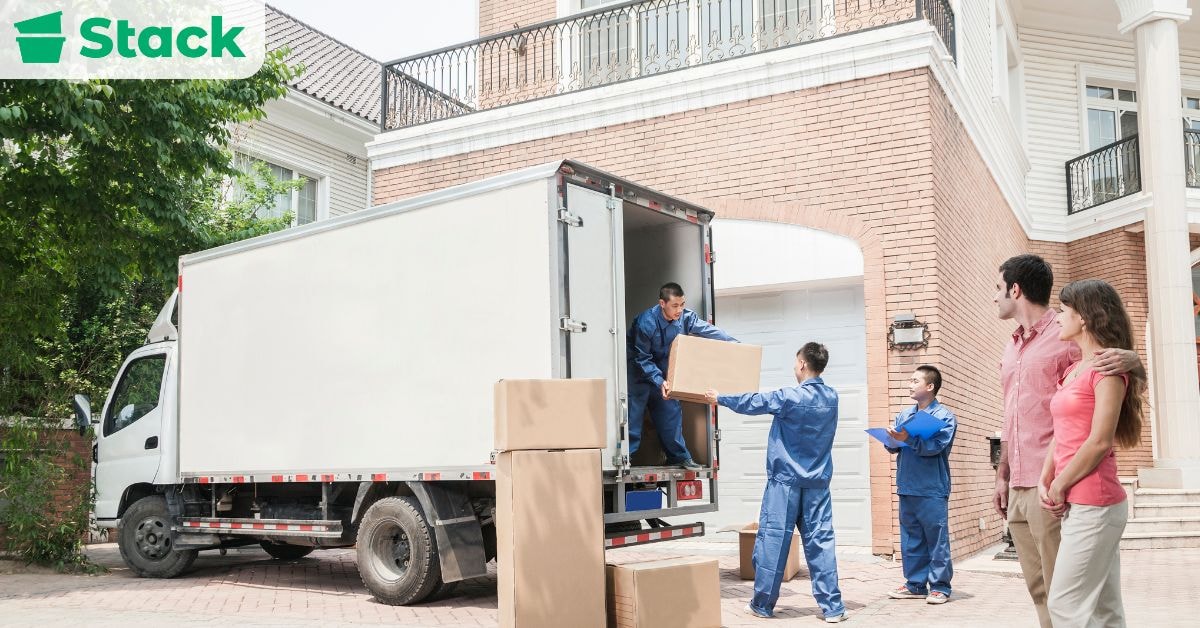
Tipping in Los Angeles is more of a customary expectation than a legal requirement. This means that you don’t have to give a tip, but it’s generally considered a fair way to express gratitude and recognize your mover’s hard work due to the physical nature of their job.
In other words, if the service provided was poor, it’s completely fine for you to reduce the tip amount or even withhold it. Tipping should reflect professionalism, care, and respect shown throughout the moving process.
How Much Should You Tip Los Angeles Movers?

How much to tip movers in Los Angeles depends on a few factors, such as the size and complexity of the move, as well as the service provided.
For a typical local move, a standard tip is around:
- $20-$40 per mover for a half-day (4 hours) job.
- $50-$100 per mover for a full day (8+ hours).
For example, imagine there are two members in your crew working a full day shift; you’re looking at a total of $100–$200 in tips. If the move involved extra effort, like heavy lifting or carrying items up multiple flights, a larger tip is appropriate.
For luxury moves or specialty moves that involve fragile items, some customers tip even more, especially if the crew handled everything with extreme care and professionalism.
Flat Rates vs. Hourly Tips: What Works Best?
Some common approaches to calculating a tip include using a percentage of the final moving cost, a flat rate per mover, or an hourly rate. An hourly tip works well for longer or unpredictable jobs, especially if your move runs into overtime. A typical range is $4–$6 per hour per mover. For instance, if two movers worked 10 hours each and you tipped $5/hour, that would come out to $100 per mover.
A flat rate per mover is more suitable for short-distance moves. A standard tip might be $20–$40 per mover for a half-day job or $50–$100 for a full-day move. So if three movers handled your 8-hour move, tipping $75 each would be a generous but reasonable amount.
No matter the method, the goal is to match your tip amount with the level of exceptional service and effort shown by your moving team.
Tipping for Local vs. Long-Distance Moves
When thinking of how much to tip long-distance movers, keep in mind that you’d most likely be dealing with two separate crews. One for pickup and another for delivery. To tip long-distance movers, it’s recommended to tip each team separately or each mover individually, since they usually don’t split tips with each other.
Tip the pickup crew after they’ve loaded everything at your old place, then tip the delivery crew once all your items have arrived and been placed in your new home. Doing this allows you to base your tip on the quality of service received.
When it comes to short-distance moves, they are a lot less complicated. For short-distance moves, a simple flat rate or hourly tip at the end of the day is ideal. Since the entire moving crew stays with you from start to finish, you can base your tip on the overall quality of service
What Factors Affect How Much You Should Tip Movers?
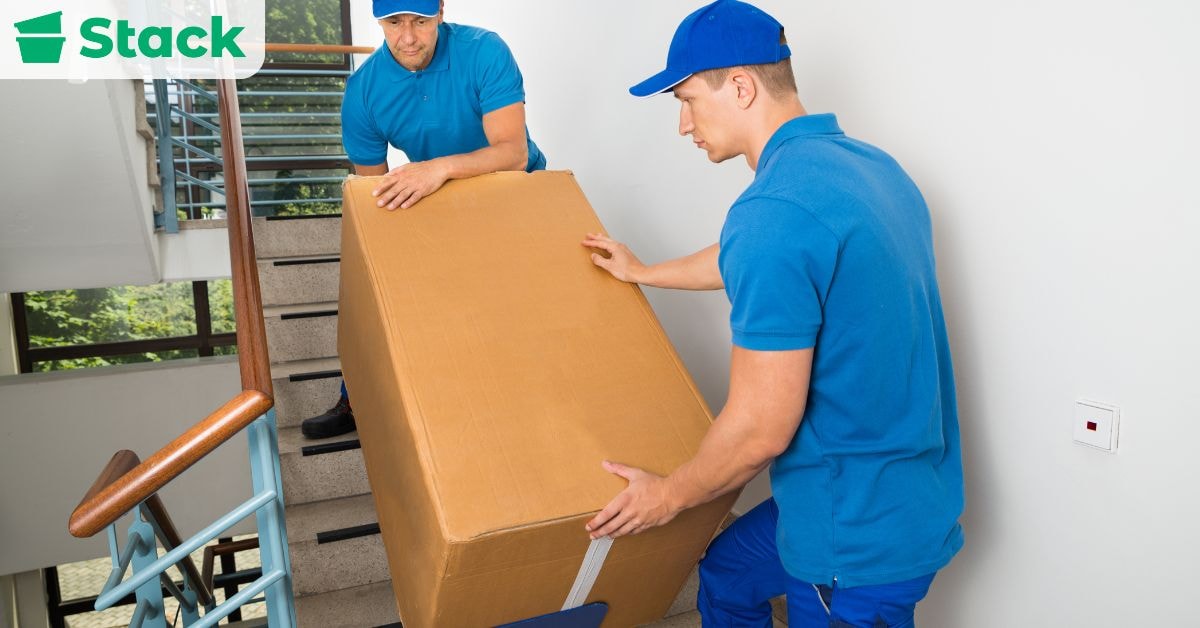
Tipping is meant to reflect the time and effort your moving crew puts into your move. And so there are several factors that shape what is considered an appropriate tip amount.
1. Size of the Move
A large move requires more time, energy, and coordination to get everything securely packed and transported. If you’re moving a home with multiple bedrooms or heavy furniture, it’s generally considered fair to leave a substantial tip at the end of the move.
For a short-distance move, you can choose to leave a smaller tip. In the end, a tip should reflect the actual work done, not just the distance covered.
2. Complexity of the Move
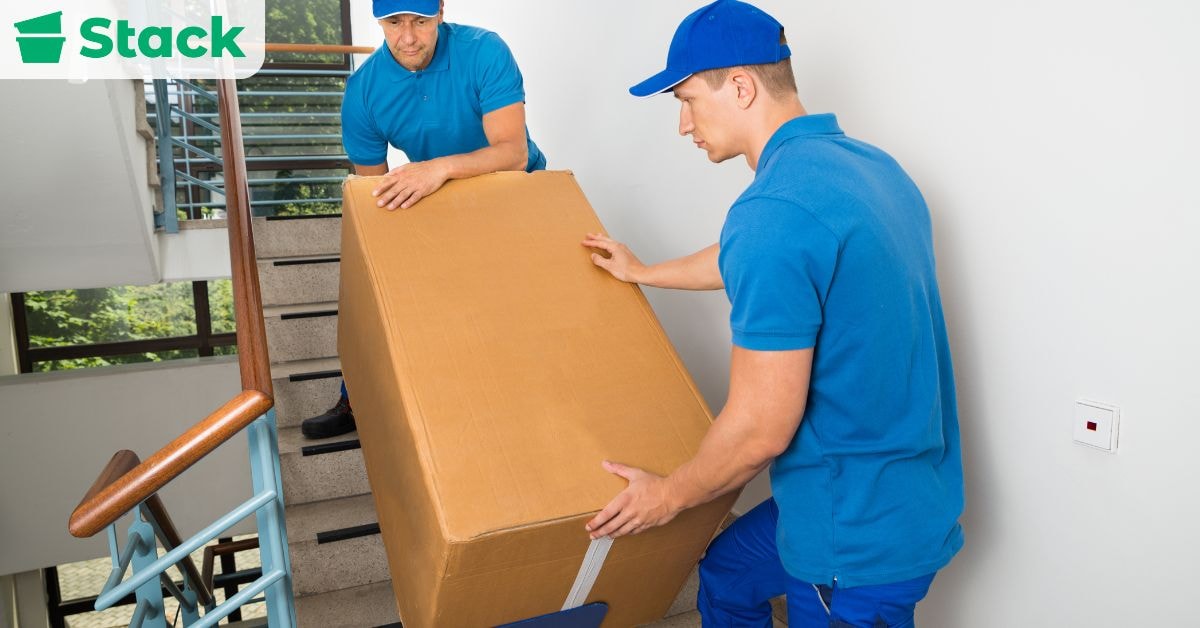
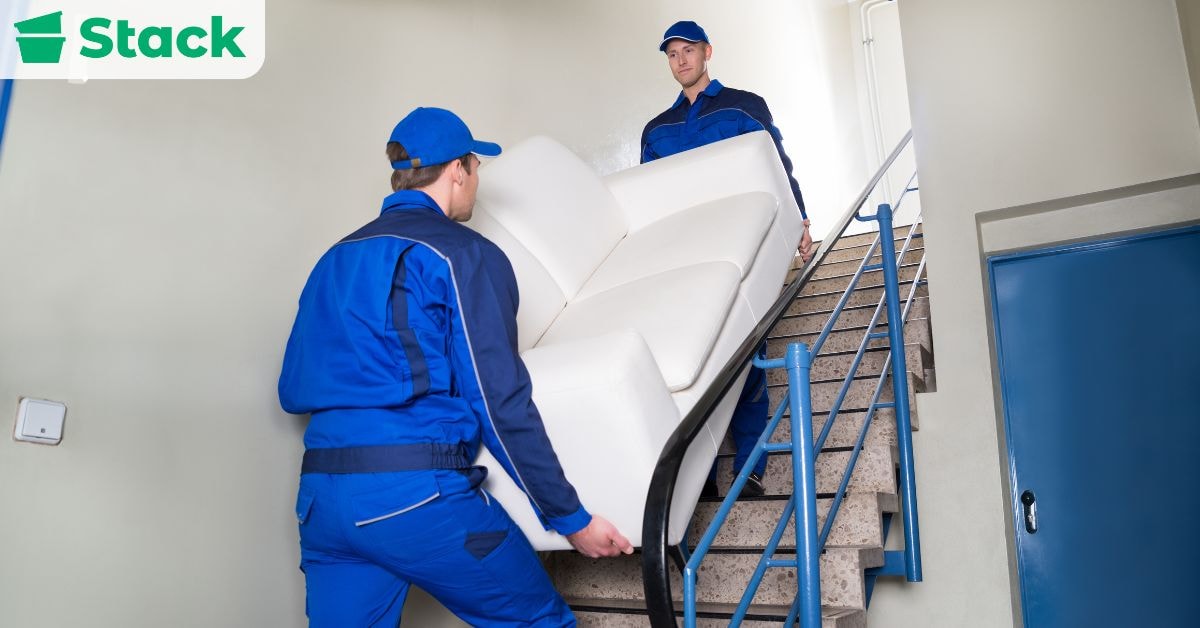
If your movers can successfully navigate tight spaces, several flights of stairs, or carry items over long distances, that’s a sign of exceptional service. So it makes sense that the more physically demanding the job is, the more reasonable it is to offer extra money as a thank you. In cases like these, tipping stops being just a thoughtful gesture, but instead becomes a recognition of the extra effort involved in getting the job done safely.
3. Quality of Service and Attitude
A major factor that influences tipping is how your moving team treats you and your belongings. A team that is professional and handles the moving process without a poor attitude is worth acknowledging. With an organized moving solution, like plastic moving boxes, you can make their job easier and help the entire move go more smoothly.
4. Unexpected Delays or Going Above and Beyond
Things don’t always go as we plan. Your elevator could break down, or you might be unable to secure a parking space for your moving truck. If your movers can stay level-headed despite any setbacks, you should recognize them for it.
The same goes for when they offer additional services like rearranging furniture or packing last-minute items. Situations like this fall outside the scope of their normal job, and a generous tip shows that you value the effort of your moving crew.
5. Weather or Traffic Conditions on Moving Day
Moving to a city like Los Angeles means dealing with their unpredictable traffic and sometimes bad weather, too. Imagine your movers getting through a storm, heat wave, or gridlock without a single complaint.
Even though these may not stop a move from happening, they certainly make it harder. When you come across hardworking movers who can brave these tough challenges, tipping a bit more than you normally would is a good call.
When and How Should You Give the Tip?

It’s best to tip your movers at the end of the move, meaning after everything has been unloaded and placed in its new position. This makes it possible for you to evaluate the service provided and to base your decision on the entire crew’s performance.
If you’re satisfied with the outcome of the move, especially with how the team handled heavy or delicate items, this is the perfect time to show your appreciation. Ideally, you should always hand out cash tips to each member of the crew. This makes it feel more personal and ensures everyone gets their fair share.
Where this isn’t practical, you could give the full amount to the crew leader. However, it’s a good idea to confirm how the tip will be split and try to make sure it’ll be shared evenly. Also, make sure to keep small bills handy to avoid running around looking for change.
For long-distance moves or moves that span over a couple of days, you can try tipping at the different stages of the move. In a situation where you don’t have cash, professional movers usually also accept tips through card payments or transfers. But always ask the company about their rules on digital tipping beforehand. Whether you’re tipping via cash or card, it’s a good idea to stay informed on what’s accepted and how the tip is shared.
And finally, always remember to say a genuine ‘thank you’ when handing a tip; it shows your movers how much you appreciate their hard work and good service.
What Are Other Ways to Thank Your Movers Besides Tipping?

Tipping is great, but it isn’t the only way to show your appreciation to your hardworking movers. If you’re looking for other ways to say thank you, these small gestures can go a long way.
- Offer refreshments: One of the simplest ways to show your moving crew some appreciation is to offer them something to eat or drink. It could be cold water, cold drinks, energy drinks, or even some snacks. The gesture can make a huge difference, especially on a hot day. If your job will take several hours, you could offer them lunch, like a sandwich or pizza. These small gestures really go a long way in saying “thanks.”
- Write a positive review: Another way to appreciate your movers is to take a few minutes to leave a good review. Regardless of where you leave your review (Google, Yelp, or their website), a thoughtful review boosts their credibility. If you remember the crew members’ names, mention them. Shoutouts can really mean a lot. It’s a great way to say thank you and help their business grow.
- Recommend the movers to others: If your movers did a great job, spread the word! Recommend them to your friends and neighbors. You can even post them on your social media accounts. Word-of-mouth is powerful in this industry, and a personal recommendation goes further than most ads. It’s one of the best ways to support a hardworking crew.
Need Reusable Moving Boxes in LA?
At the end of the day, tipping is about recognizing your movers’ hard work. Your perception of what they’ve done should be based on the service provided, the extra effort involved, and how smoothly things go on moving day.
While there isn’t a standard amount or way to show appreciation to your movers, remember that your tip can motivate crews to keep providing exceptional service. It also supports the people doing the real heavy lifting behind the scenes.
Every successful move starts with the right packing tools. Stack Moves moving box rentals come with packing supplies, such as free dollies and labels to help you and your movers enjoy a seamless move. Contact us to schedule your rental.
FAQs
What if I’m Not Happy With the Moving Service?
Tipping is based on the service provided, so if the movers were late, careless with your belongings, or had a poor attitude, it’s okay to adjust the tip amount accordingly or not tip at all. You’re not obligated to tip for subpar service.
Should I Tip Movers Differently Based on the Size of the Move?
Yes, the size and complexity of the move should influence your tipping decision. Larger homes with heavy furniture or multi-day moves usually warrant a larger tip, whereas smaller, short-distance moves may fall on the lower end of the tipping range.
What Is the Tipping Etiquette for Movers in Los Angeles?
Tip after the job is done, hand cash directly to each mover if possible, and base your tip on performance, not just a percentage. While there’s no strict formula, most people follow the tipping guideline that suggests 10–20% of the total moving cost, depending on service and job complexity.
Do LA Professional Movers Expect Bigger Tips?
Los Angeles moving company tipping customs don’t require you to give a big tip. They’re just more common due to the city’s difficult moving conditions (narrow hallways, traffic, and multi-story buildings).
Is Cash the Preferred Method for Tipping Movers?
Yes, cash tips are generally preferred because they’re easy to distribute and feel more personal. That said, some movers in LA can accept tips via transfer or card, just ask in advance.
How to Talk to Your Moving Company About Tipping?
Just call or email the moving company and ask whether tipping is allowed and expected. This is also a good time to ask if there is a crew leader who usually splits the tip among the entire moving crew. Being upfront can help you plan ahead and avoid awkward moments.