Moving Tips

College Packing List for Girls: Everything You’ll Need for Dorm Life

Even if you’ve never spent a single night away from home, you can still pack for college without second-guessing whether you have everything you’ll need or not with the help of a detailed college packing list. For a start, you’ll need clothing, bedding, school supplies, and toiletries, plus other must-haves like electronics, all of which we’ll cover in this guide.

Over the years, Stack Moves has helped students relocate smarter and faster. As a trusted name in the moving industry, we’re proud to offer sturdy, eco-friendly moving bins for rent across the U.S. that not only protect your belongings but also make packing and unpacking easier. If you’re a student and need help figuring out how our services can simplify your upcoming move, feel free to reach out to our team.

By the end of this blog, you’ll know exactly what to pack, what to leave behind, and how to make the most of your limited dorm space to ensure your move-in day goes smoothly.

Ultimate College Packing List for Girls

Dorm Room Essentials

Everything you bring should make college life comfortable, convenient, and stress-free. On that note, your college dorm list should include major categories, which are clothing, dorm essentials, bedding, school supplies, and personal care items. In addition to these basics, other items like electronics and important documents also help make daily life smoother and more organized.

Dorm Room Essentials

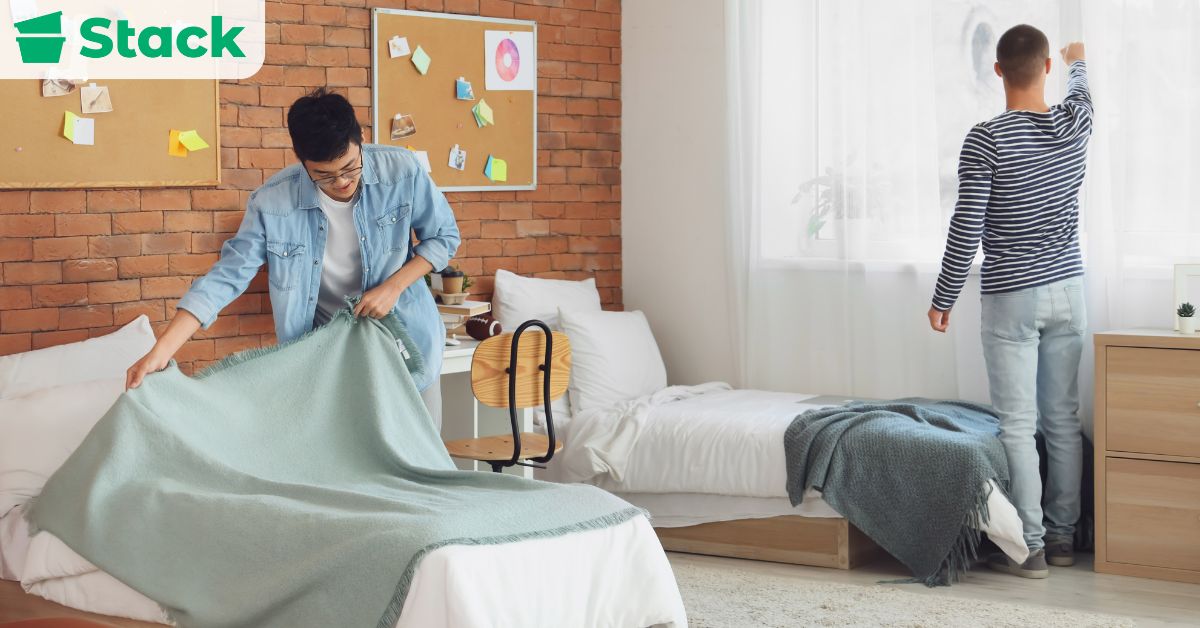
Dorm room essentials are items that make your space functional and comfortable, like bedding and lighting. Without them, you’d struggle to stay organized, keep your room tidy, or get a good night’s sleep, which can make studying and daily life harder. These basics form the backbone of your dorm setup, helping you feel at home from day one.

To pack your dorm essentials, start by grouping similar items, like room accessories, and packing them in a single box. Label each box clearly so you can quickly set up your dorm and find everything you need on move-in day. Wrap delicate or protruding items, such as hooks, in towels or bubble wrap to prevent damage. Place heavier items like your storage bins and trash cans at the bottom of your boxes, and lighter items on top to prevent crushing.

  • Command hooks and adhesive strips
  • Small rug or mat
  • Trash cans
  • Storage baskets
  • Small fan
  • Wall decor
  • Alarm clock
  • Door hook or over-the-door rack
  • Under-bed storage bins
  • Power strip/surge protector

Bedding

Investing in cozy, durable bedding makes your space feel inviting and helps you recharge after long days. Without the right setup, you’re more likely to have restless nights and feel constantly tired during classes.

Bulky yet light items like comforters, blankets, and extra pillows should be packed in large boxes. It’s best to pack them last so they don’t take up valuable space needed for smaller, essential items. Make sure all bedding is completely dry before packing to prevent mold or unpleasant odors.

  • Bedsheets
  • Mattress topper/mattress pad
  • Pillows
  • Throw blanket
  • Bedside caddy
  • Comforter or duvet
  • Mattress protector
  • Decorative pillows
  • Weighted blanket (optional)

Clothing and Accessories

While everyone knows to pack clothes, knowing what type to pack is just as important. You’ll need outfits for more than just classes since you will have to attend other social activities. It’s also critical that students follow the school’s dress code to avoid any issues, especially when it comes to modesty or professional events.

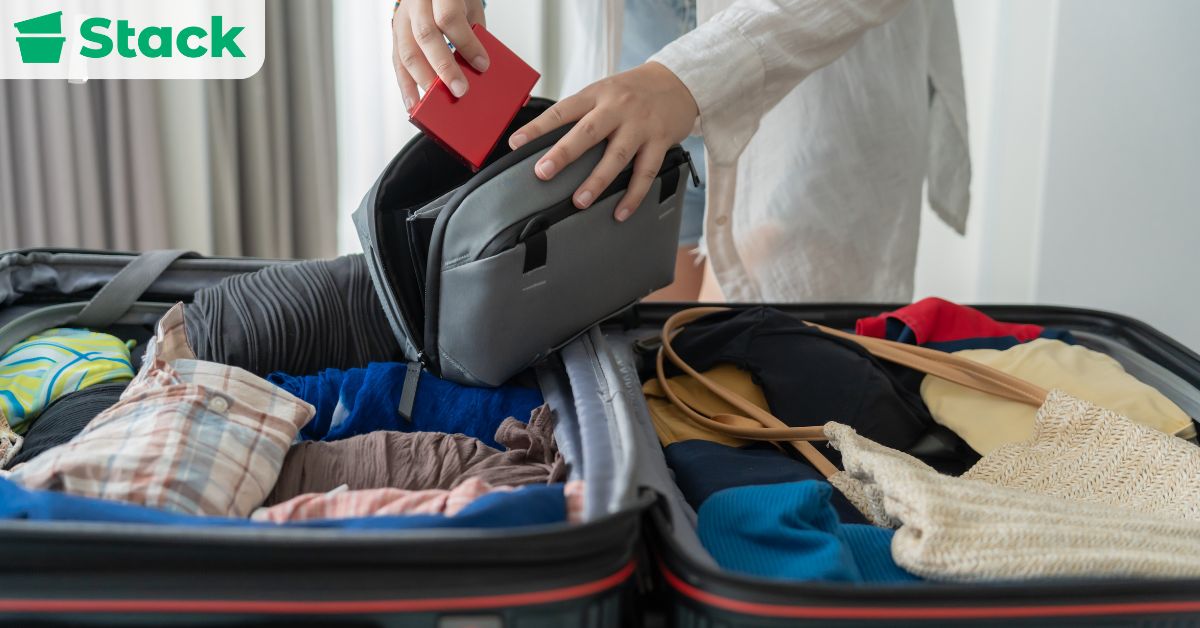
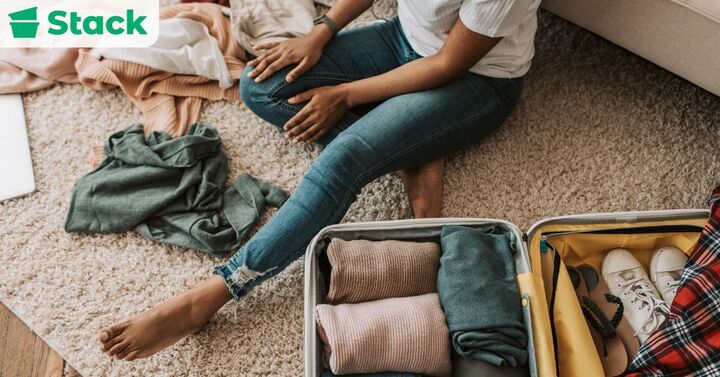
Hanging clothes are best packed still hanging using wardrobe boxes to prevent wrinkles. Alternatively, you can cover them with a large garbage bag and place them in a plastic bin for double protection. Casual items like T-shirts, leggings, and pajamas can be rolled to save space and reduce creasing. Pack shoes in separate bags or boxes to keep them clean.

Tops

  • Blouses
  • T-shirts
  • Hoodies
  • Sweatshirts

Bottoms

  • Jeans
  • Leggings
  • Skirts

Underwear

  • Bras
  • Panties
  • Tights
  • Socks

Sleepwear

  • Pajamas or nightgowns
  • Loungewear

Dresses and Formal Wear

  • Formal dresses
  • Business casual outfits

Footwear

  • Shoes
  • Sandals
  • Sneakers

Others

  • Rain Boots & winter boots
  • Workout clothes
  • Jackets and coats

Accessories

  • Purses
  • Handbags
  • Crossbody bags
  • Sunglasses

Desk and School Supplies

Desk and School Supplies

Juggling deadlines for assignments and exams and attending classes are all part of college life. To stay on top of everything, you’ll need these items to stay organized and manage your schedule.

The best way to pack your school supplies, like notebooks and binders, is upright so they don’t get bent or crushed. Smaller items like highlighters, pens, and pencils should go in a zippered pouch or small container to help you stay organized.

Writing and Note-Taking Essentials

  • Notebooks
  • Binders
  • Pens and pencils
  • Highlighters
  • Sticky notes

Organization Tools

  • Planner or calendar
  • Folders
  • Desk organizer
  • Whiteboard or corkboard
  • Index cards

Desk Accessories

  • Stapler and staples
  • Paper clips and binder clips
  • Reading lamp
  • Study timer
  • Ergonomic chair cushion
  • Desk lamp

Personal Care and Bathroom Items

Having your personal care items on hand keeps you feeling fresh, healthy, and confident. Without them, daily routines can become inconvenient or messy, especially in shared bathrooms.

The safest way to pack bathroom items is to keep them in sealed plastic bags to prevent leaks. Wrap fragile items, such as glass bottles, in towels or bubble wrap for extra protection. Group smaller essentials like toothbrushes, toothpaste, and menstrual products in a separate toiletry bag or container.

Oral Care

  • Toothpaste
  • Toothbrush
  • Floss
  • Mouthwash

Shower Basics

  • Bath towels
  • Hand towels
  • Flip-flops
  • Bathrobe
  • Washcloth or shower pouf

Hair Care

  • Shampoo
  • Conditioner
  • Hair ties & clips

Skincare & Body Care

  • Body wash or bar soap
  • Razor or shaving cream
  • Perfume and body spray
  • Makeup remover
  • Perfume & body spray
  • Menstrual products

Electronics

Electronics - Stack Moves

The right electronics make college life smoother, keep you connected, and keep you entertained during your leisure time.

Clearly label the boxes as fragile so they’re handled with care during the move. When packing electronics, do your best to protect them from bumps and scratches by wrapping each item with bubble wrap, clothing, or padded sleeves. Keep cords, chargers, and small accessories together in labeled bags to avoid losing them.

  • Laptop and charger
  • Phone and charger
  • Laptop sleeve
  • Extension cords or power strips
  • Portable speaker
  • Headphones or earbuds
  • HDMI cable
  • Surge protector
  • Flash drives or external hard drives
  • Mouse (optional)
  • Batteries (AA/AAA if needed)
  • Ethernet cable
  • Cable organizer
  • USB hub

Kitchen Supplies

Even if you don’t plan to cook much, having a few kitchen basics can save you time and money.

  • Reusable water bottle
  • Mugs
  • Reusable utensils and cutlery
  • Food storage containers
  • Can opener
  • Snack storage bag or box
  • Collapsible cooler bag
  • Dish soap
  • Dish towel or sponge
  • Small cutting board
  • Measuring cup or small measuring spoons

Cleaning Supplies & Laundry

Maintaining hygiene in a shared environment prevents clutter and makes your room feel welcoming every day.

  • Paper towels
  • Disinfecting wipes, e.g., Clorox & Lysol
  • Glass cleaner
  • Microfiber cloths
  • Broom & dustpan
  • Air freshener or diffuser
  • Trash bags
  • Dish soap and sponge
  • Cleaning gloves
  • Stain remover spray
  • Cleaning caddy or bucket
  • Detergent
  • Dryer sheets
  • Fabric softener
  • Bleach
  • Laundry bag or basket
  • Lint roller
  • Handheld steamer or iron

Essential Documents

These are the papers you can’t afford to forget, such as your IDs, health forms, insurance cards, and any college-required documents. Keep all important documents in a waterproof folder or accordion file because of their irreplaceable nature. Also, consider making digital copies as a backup in case of accidents.

  • College acceptance letter
  • Student ID
  • Health Insurance card
  • Bank cards
  • Class schedule
  • Medical records and prescriptions
  • Birth certificate (copy)
  • Social security card (copy)
  • Student handbook

Miscellaneous

While not strictly necessary, these extras add personality and convenience to your space, from small tools and decorations to comfort items and snacks.

  • Umbrella
  • Duffel bag
  • Board & card games
  • Sleeping bag
  • First aid kit
  • Reusable shopping bags
  • Small safe or lockbox for valuables

What Not to Bring to College

Most colleges have strict rules about what is not allowed in their dorms. Typically, this includes hazardous items, illicit substances, prohibited appliances, and duplicate or unnecessary belongings. These rules are meant to keep you and the dorms safe, prevent fire hazards, and save you from wasting space on things you won’t use.

Here’s a quick rundown of what not to pack and why:

  • Weapons: these could be considered a threat and are strictly banned on campus
  • Candles: Open flames are a major fire hazard in dorm buildings
  • Incense or oil burners: Pose fire risks and can trigger allergies or smoke alarms.
  • Space heaters: Often prohibited due to fire safety concerns
  • Hot plates or toasters: Can easily start fires if left unattended
  • Electric blankets: Some colleges ban them due to overheating and fire risk
  • Air fryers or deep fryers: Too much wattage for dorm outlets and not allowed in most residence halls
  • Large appliances (microwave, fridge over size limit): Most dorms have wattage limits or provide shared ones
  • Pets (other than approved service animals): Not allowed due to allergies, hygiene, and housing policies
  • Drugs or alcohol: Strictly prohibited under campus and federal laws
  • Illegal substances or paraphernalia: Can lead to disciplinary action or expulsion
  • Excess furniture: Dorms are small; adding big items clutters your space
  • Too many clothes or shoes: Storage is limited, so it’s best to bring what you’ll actually wear.
  • Duplicate items: Coordinate with your roommate so you don’t bring two of everything (like fridges or rugs)
  • Fireworks: Dangerous, illegal on most campuses, and can cause severe damage
  • Hoverboards or e-scooters (in dorms): Many schools ban them due to battery fire risks
  • Weapons replicas or toy guns: Can cause panic or violate campus safety policies
  • Expensive jewelry or heirlooms: Best left at home to avoid loss or theft

5 Dorm Room Decorating Ideas

Decorating a dorm room helps make a small, shared space feel like home, reflecting your personality and creating a cozy, comfortable environment. If you’re short on ideas, here are 5 suggestions to inspire your creativity:

1. String Lights or Fairy Lights

String lights instantly add warmth to any room. They provide soft lighting that can make the space feel cozy and inviting, especially for study or relaxation time. You can drape them over the bed frame, along shelves, or around windows.

2. Wall Posters or Art Prints

An easy way to show off your interests and personality is with posters and art prints. They can make bare walls feel vibrant and visually appealing and the best part is they don’t take up any floor space. It’s better to use removable adhesive strips to hang them instead of nails so you don’t damage your dorm walls.

3. Throw Pillows and Blankets

If you’re looking for a way to add some comfort and color to your space, decorative pillows are the way to go. These items make your bed or seating area cozier while reflecting your personal style. Throw pillows and blankets are also functional in that they can also keep you warm on a chilly night. Don’t be shy about playing with textures, patterns, and colors to create a visually appealing setup.

4. Wall Tapestries or Fabric Hangings

Wall tapestries and fabric hangings add texture, color, and personality to a dorm room by transforming blank walls into focal points. You can hang them behind your bed, over a desk, or across a wall to create a cozy atmosphere. The best part about them is you can easily remove and swap their designs as your style changes.

5. Personal Photos and Memory Boards

For a more sentimental touch, display your photos of family, friends, or travel experiences to create a cozy ambiance. You’ll notice how doing this makes your dorm feel more like home and reminds you of loved ones. You can create a photo wall, hang prints from string lights, or use a collage frame.

Ready to Pack and Personalize Your Dorm?

When you aren’t sure of what to carry, packing for college begins to seem less like an exciting step toward independence and more like an overwhelming chore. With a comprehensive packing list, you’ll be in a much better position to make sure nothing essential gets left behind without overpacking.

If you’re a girl getting set for college, you should always have dorm essentials, bedding, school supplies, and personal care items before thinking of adding anything else to your list. Without these basic items, it’s easy to feel unprepared and uncomfortable in your new space.

And don’t forget that how you pack is just as important as what you pack. Using poor-quality boxes or supplies increases the risk of damage or loss, especially if you’re moving across the country. Our student-friendly moving bins are designed to protect fragile items while making the entire Don’t wait until the last minute; reserve your moving bins today!

Frequently Asked Questions

Have questions about packing for college? We’ve answered some of the most common concerns to help you stay organized, save money, and move in smoothly.

What Are the Must-Have Items for a College Packing List for Girls?

Must-have items for girls in college include dorm room essentials like bedding, as well as clothing and accessories suited for both classes and social activities. Don’t forget personal care items, electronics, desk supplies, and kitchen basics if allowed.

Where Can I Find Affordable College Packing Items for Girls?

You can look for affordable packing items from retailers like Walmart, Target, and IKEA, as well as online stores like Amazon or eBay. Other budget-friendly options include thrift stores, marketplaces, and your local dollar store.

How Can I Pack Sustainably and Eco-Friendly for College?

The most effective and least expensive way to sustainably move is to rent plastic moving bins. These bins are made from recycled plastic and are reused hundreds of times before they eventually reach the end of their life cycle. Unlike single-use cardboard boxes, they are sturdier, making them a more environmentally friendly and cost-effective way to relocate.

What Are Some Budget-Friendly Packing Tips for College?

Reuse containers, bins, and supplies from home whenever possible to save money. Shop secondhand for furniture, decor, or clothing, and look for student discounts or clearance sales. Lastly, invest in multipurpose items; for example, a storage bin that doubles as a bedside table saves you both space and money.

How to Prepare for the College Move-In Day

If you’re heading to college soon and feeling unsure about what to bring or how to organize your belongings, you’ve come to the right place. By the time you’re done reading this guide, you’ll know exactly how to prepare for college move-in day. To get ready for college move-in day, start by reviewing your school’s move-in guide, gathering essentials early, and packing efficiently to make unloading simpler. This is where rentable plastic moving boxes come in.

At Stack Moves, we’ve helped students in the U.S. enjoy a smooth and stress-free college move-in day. With years of experience in the moving industry, we offer durable plastic moving boxes that make packing, loading, and unpacking easier from start to finish. Contact us today to rent your boxes and prepare for your college move-in day.

In this blog, we’ll share a step-by-step guide on how to prepare for college move-in day and a few pointers on what not to bring to campus.

An 11-Step Guide on How to Prepare for College Move-In Day

An 11-Step Guide on How to Prepare for College Move-In Day

These steps will help you stay organized, save time, and relieve yourself from stress during this big milestone of your freshman year.

1. Review Your College’s Move-In Guide

Before you start packing, take time to read through your college’s official move-in guide. You’ll usually find it on the school’s website. It includes important details about check-in times, parking areas, residence halls, and items not allowed in dorms. Some colleges also use their social media accounts to share links to campus resources like health services and safety offices to help new students settle in better.

2. Coordinate With Your Roommate Early

If possible, reach out to your roommate to decide who’s bringing what before move-in day. Share a list of what’s needed and who’s bringing it, so you don’t end up with duplicate items taking up valuable space. Similarly, you can discuss how to share closet space or organize common areas to keep your room functional and tidy. You can even agree on an arrival time so you can secure earlier time slots to avoid long lines during check-in.

This simple step can make the whole move-in process a lot easier for you and your roommate(s). It gives you a chance to break the ice and reduce those first-day nerves so that by the time you meet in person, it’ll feel like reconnecting with an old friend.

3. Pack Smart

Instead of packing everything you own, focus on only bringing what you’ll need for your first year. You’ll thank yourself later when unpacking feels like a quick, easy win instead of an all-day workout.

The right way to pack your moving boxes is to always pack heavier items at the bottom of your box, while the lighter ones are on top to avoid crushing them. Also, group similar items together and use smaller boxes for heavier items like books. Everyday items and appliances are best suited for medium-sized boxes, and bulky but light items like your comforters go in large boxes.

4. Bring a Dorm Essentials Kit

This should include everything you’ll need to settle in comfortably on your first day. Trust us when we say the last thing you’d want after a long day of moving and unpacking is to look for your phone charger. Having an essentials kit saves you that hassle and boosts your confidence in how prepared you are for your first year in school.

Examples of items to include are a change of clothes, toiletries, phone chargers, medications, and important documents. Some campus resources may even recommend certain must-haves for new students, so check your college’s housing site or orientation guide for ideas.

5. Label Everything

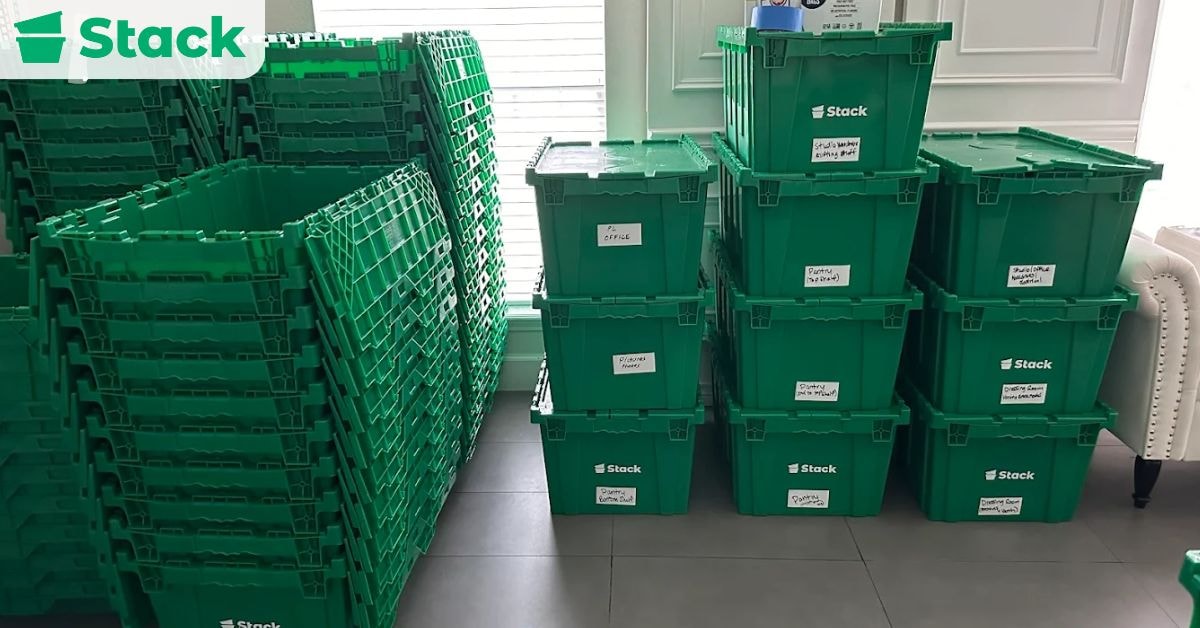
It might seem like an unnecessary extra step at first, but labeling your boxes can actually contribute to a smoother move, especially when done right. The correct way to label your boxes is to clearly write the content of the box and its destination on multiple sides. This method of labeling makes it easier to find what you’re looking for and speeds up the unpacking process. Alternatively, you can even color-code by category (clothes, toiletries, cleaning supplies, school supplies, etc.).

It’s also a good idea to write your room number and building name on each box in case something gets misplaced. This small step can prevent you from mixing up your things with those of someone else.

6. Keep Important Items With You

6. Keep Important Items With You

Keep a small bag or backpack for items you can’t afford to lose during move-in. This might include your student ID, keys, wallet, phone, charger, medications, and any important documents. You’ll save yourself the stress of a panic attack from rummaging through your boxes when you suddenly need them.

7. Plan Meals and Snacks

You may be tempted to skip meals or you might genuinely forget to eat something because of how busy you’ll be. Remember that you need food to keep your energy up and maintain a cheery mood through the day. Bring snacks, water, and maybe even a quick meal for yourself and anyone helping you.

The chances of you getting to explore the campus dining options right away are slim, so it’s best to prepare light meals that can keep you energized through the day. Once you’re settled, you can celebrate your successful move-in with a proper meal on or off campus.

8. Prep for Dorm Setup

Have a mental image of what your dorm room should look like before you move-in. Picture where you’ll place furniture, store clothes, and even hang family photos. If you can, check your school’s website for room measurements or photos of your residence halls to plan ahead. Having a comfortable setup right away makes it easier to relax and soak in the excitement of your first year on campus.

Carry paper towels and cleaning wipes to freshen up surfaces before unpacking. Most dorms may not allow nails. It’s best to come with as many command hooks and strips as you can to help you hang your decor, lights, and small organizers without damaging the walls.

9. Use Vertical Space in Your Dorm

Despite their small size, dorm rooms can feel a lot bigger if you’re intentional about how you organize them. The best way to organize a dorm room is to take advantage of vertical space. This means keeping as much as you can off the floor. To achieve this, you’ll need shelves, hanging organizers, and wall racks. They’ll keep your space a lot more tidy and make daily life easier since you know exactly where everything is. Also, choose moving boxes that can be stacked on top of each other, as this is the best way to organize moving boxes during and after a move.

10. Minimize Stress

Moving day can be emotional, especially if it’s your first time living away from home. To keep calm, start the day early. Also prepare a moving checklist to help you stay organized and allow yourself to take breaks at intervals. The key is to pace yourself and enjoy the process instead of rushing through it.

Remind yourself that everyone is feeling just as nervous as you, even your family. Once you’ve settled in, try to keep your door open because it invites friendly faces. Most campuses offer relaxation or orientation activities for incoming students, so take advantage of those as well. Especially if you have plans of getting involved in clubs or student organizations early on.

11. Make the Move Memorable

College is the start of a whole new chapter. Take photos, laugh with your family, and let yourself feel the emotions of the moment. These memories will mean a lot when you look back on your first year of college. Take time to walk around and explore your new community. Say hello to neighbors or other students moving in because you never know who could become a lifelong friend.

How Long Does College Move-In Take?

How Long Does College Move-In Take?

Most students take about 2 to 4 hours to unpack and set up their room. However, your total time can go up to a full day, depending on the number of belongings you bring. Simply put, the more you pack, the longer it’ll take to unload and organize. Plus, if you plan to decorate or rearrange furniture, expect to spend extra time setting up your space.

Another factor that could extend your total move-in time is logistics involving parking distance, elevator access, or even the building layout. For instance, if your dorm is a multi-story building and your room is on the top floor, it may take a while to get everything upstairs, even with an elevator.

You can ask your parents, friends, and family members to help you set up and cut down your move-in time. They’re usually happy to help because it gives them an opportunity to spend extra time with you before they say goodbye.

What Not to Bring to College (and Why)

What Not to Bring to College (and Why)

Avoid large appliances like toasters, hot plates, and air fryers. Most colleges won’t allow you to move-in with these for safety concerns, plus they’d only take up unnecessary space. Also, resist the urge to show up with bulky furniture such as full-sized dressers, because they won’t fit well in compact dorm rooms and can block movement.

Try not to come with duplicate items since they can quickly crowd your limited storage space. A short conversation with your roommate ahead of time can help you coordinate who’s bringing what and avoid unnecessary overlap. Leave seasonal clothing you won’t need right away; it can stay at home until you return for break.

There’s a higher chance for your belongings to get lost or damaged in shared spaces, so it’s best to leave expensive valuables or sentimental items. Finally, avoid bringing too many décor items, since your dorm will feel cozy with just a few personal touches and functional storage.

Feeling Ready for Your College Move-In Day?

While it’s okay to feel anxious about starting this new chapter of your life, remember that everyone’s figuring it out too. In college, you’ll meet new people who inspire you, learn new things, and create memories that you’ll remember for the rest of your life.

Since your entire college experience hinges on your first day, it is important for the move-in day to go smoothly. By staying organized during a college move, you help yourself save time, reduce stress, and settle into campus life smoothly.

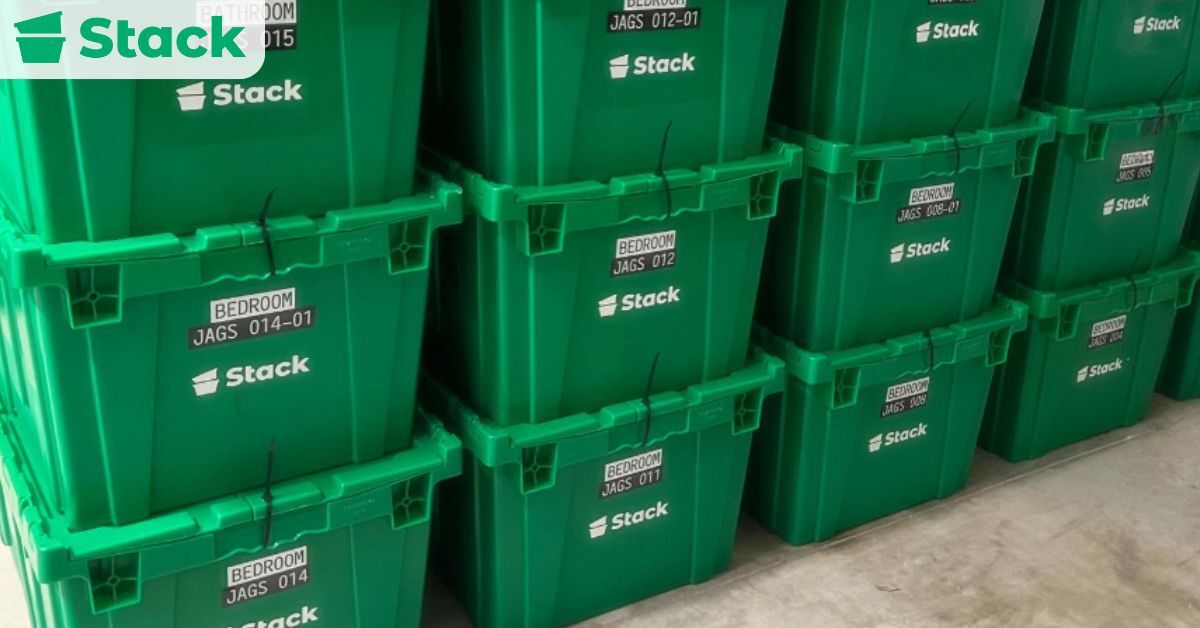
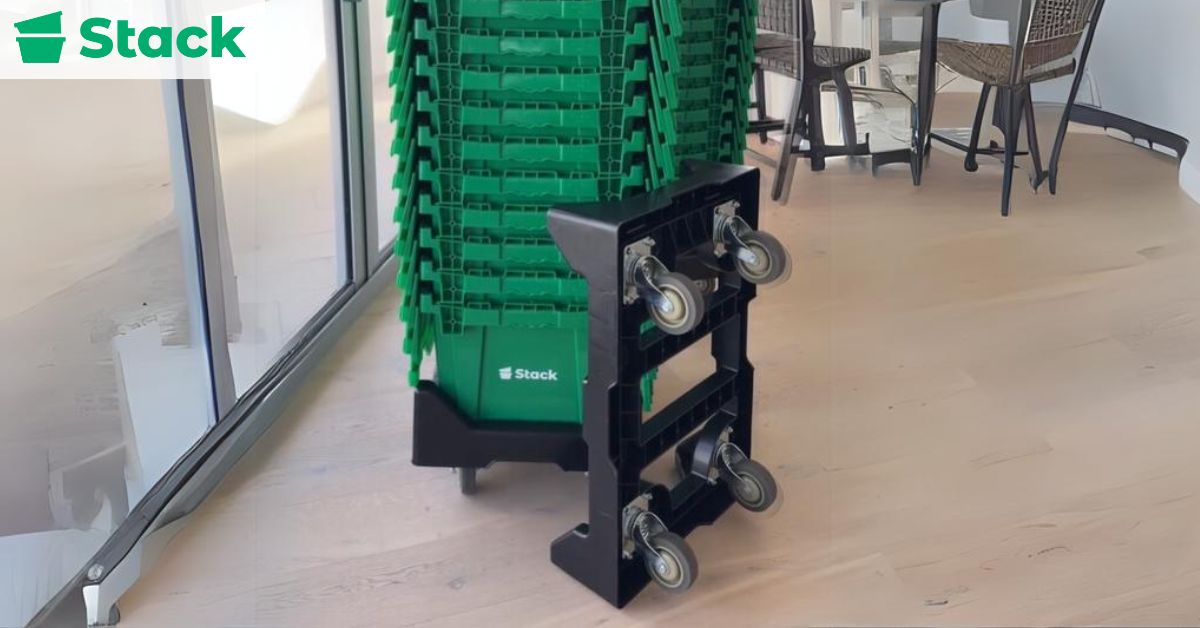
One foolproof way to stay on top of your college move is to rent plastic moving boxes instead of buying cardboard boxes. Our rentals include uniform boxes, labels, and dollies, so you can pack, move, and unpack without a hint of chaos.

Make your freshman move-in day effortless; book your moving boxes today and start your college journey stress-free!

FAQs

We’ve answered some of the most common concerns students have, so you can feel confident, prepared, and ready to start your freshman year strong.

What Should I Pack for College Move-In Day?

Pack essentials like clothes, toiletries, bedding, and dorm necessities first, along with practical extras like snacks, chargers, and cleaning supplies. Also pack first-night essentials in a separate, easily accessible bag. To stay organized and ensure nothing’s left behind, create a detailed packing list and check items off as you go.

How Early Should I Arrive for College Move-In Day?

You can arrive about 30 to 45 minutes earlier than the allocated time slot to stay ahead of check-in lines and parking rushes. This gives you extra time to unload your stuff, start unpacking without feeling rushed, and settle in before meeting your roommate or joining any move-in day activities.

What Are Some Items I Should Avoid Bringing to College on Move-In Day?

Skip bulky furniture, excessive decor, or appliances not allowed by dorm rules. Avoid packing things you rarely use, as dorms have limited space. Instead, focus on essentials and leave other items behind since you can always bring more later once you know what you truly need.

How Should I Label and Organize My Dorm Items for Move-In Day?

Label every box with your name, room number, and contents to stay organized. Pack things in reverse order, meaning items you’ll need first should go last into the car or box. Color-code categories like clothes or kitchen supplies to make unpacking easier and keep your stuff sorted from the start.

11 Tips for Moving Into a Dorm Room

Stepping into dorm life for the first time can feel like a big change. Between packing, planning, and saying goodbye, it’s easy to wonder where to even start. No need to worry, because this guide will walk you through everything you need to make move-in day smooth and stress-free. Our most important tips for moving into a dorm include planning your setup in advance, packing smartly, and using the right moving boxes to pack. Simple steps like creating a checklist, arriving on time, and planning with your roommates in advance are all you need to move in with confidence.

Stack Moves is a U.S.-based moving service that has helped hundreds of students enjoy stress-free moves. For years, our durable plastic moving bins have made dorm transitions easier by cutting down on clutter and protecting personal items during every move. Contact us today to reserve your bins and guarantee delivery before your college move-in day!

In this blog, we’ll share expert tips for moving into a dorm, along with some advice on how you can make the most out of your space.

11 Practical Tips for Moving Into a College Dorm

11 Practical Tips for Moving Into a College Dorm

Using these great tips will make the entire process faster and much less stressful for any college student.

1. Make a Dorm Move-In Checklist

Before you pack anything for your college move-in day, create a detailed moving checklist to help you stay on track. With a checklist, you’re guaranteed a more organized move from the start. Your checklist should include all the things you’d need to make your stay comfortable, such as toiletries, bedding, and school supplies.

Also, be sure to find out from your college what has already been provided for and what items are prohibited, as most colleges have rules about appliances and decor. You can either print out your checklist or use a digital app to tick things off as you go.

2. Coordinate With Your Roommate Ahead of Time

If possible, connect with your roommate before the big day to discuss shared items like a fridge or TV. The major benefit of doing this is that you’d save money on the cost of big purchases. Plus, you’ll also avoid bringing duplicate items and cluttering the limited space you have. Not to mention that good communication early on sets the tone for a positive roommate relationship.

Once you agree on what each person will bring, make a mini checklist for reference. Then talk about how you’d like to arrange your new dorm so setup is faster when you arrive. By sharing your style preferences, you can create a comfortable space you both enjoy.

3. Pack Smart and Stay Organized

You can save time, space, and stress by packing efficiently. For starters, instead of folding your clothes, roll them so you can fit more into your box. When packing bulky items like jackets or blankets, use vacuum-seal bags to shrink them down and make more room. Make sure to always group similar items together so unpacking is easier. Clearly label every box or bin so you know what’s inside at a glance. The correct way to label boxes is to write what’s inside the box and where it’s going on multiple sides.

4. Choose the Right Packing Containers

4. Choose the Right Packing Containers

The containers you choose for your move can make a big difference. Keep in mind that the best moving box not only keeps your items safe but also helps keep your move organized from start to finish.

Consider using plastic moving bins instead of traditional cardboard, since they are more sturdy. They offer better protection thanks to their enhanced durability, plus they’re a much more eco-friendly way to move. For smaller items like toiletries, cords, and desk supplies, you can use compact containers to keep everything neat and easy to find.

5. Set a Budget for Your Move

Don’t buy anything without planning your budget first. Setting spending limits for your move will help you prioritize what’s truly necessary for dorm life. Plus, it also lets you save money while still creating a comfortable space for yourself.

To create your moving budget, all you have to do is list every possible expense you think you’d incur as a result of the move. Examples of typical moving expenses include transportation, moving supplies, cleaning supplies, decor, etc.

Another way for college students to save money when planning for a move is to take advantage of student discounts or back-to-school sales. You can stretch your budget even more if you reuse certain home items instead of buying new ones.

6. Pack an Essentials Bag

Preparing an essentials bag is one of the smartest things you can do for move-in day. It should contain items you’ll need right away to make your first twenty-four hours comfortable, such as toiletries, bedding, chargers, snacks, and pajamas. Also include a change of clothes and any important documents, like your student ID or housing info, so they’re easily accessible.

An essentials box can prevent you from rummaging through multiple boxes after a long day of unpacking. Keep this bag separate from your other luggage so it doesn’t get buried during the move.

7. Arrive Early on Move-In Day

Many students don’t realize that simply by showing up on time, they gain an advantage. Starting early allows you to find parking faster, avoid long lines, and get a head start on setting up. Be sure to check the school’s move-in schedule and follow all parking or unloading rules. If possible, recruit a friend or family member to help speed up the process. Also, bring along a hand truck or rolling cart to make carrying heavy bins and boxes much easier.

8. Set Up Your Room Strategically

8. set up your room strategically

To instantly make your room feel more inviting, start with setting up your bed. Then clean surfaces like desks, dressers, and shelves before you unpack. Move through your room one area at a time, to avoid feeling overwhelmed.

9. Personalize and Decorate Your Space

Once the basics are in place, you can start directing your efforts to making your dorm feel like home. Creating a space that reflects your style helps you feel more relaxed and settled in your new environment. A few well-chosen accessories are all you need to make your dorm room feel cozy without cluttering it.

To start, add personal touches such as photos, posters, or string lights to give the room warmth and personality. Since many colleges don’t allow nails, use command hooks or strips to hang decorations safely. You can also incorporate functional décor like storage ottomans or wall shelves to combine style with practicality.

10. Keep Your Dorm Room Clean

Any space immediately feels more spacious and comfortable when it’s clean. Create a weekly cleaning schedule with your roommates to divide chores fairly and stay consistent. Even setting aside just 10 minutes each day for cleaning can help prevent big messes from building up. We recommend using over-the-door organizers and wall organizers to keep clutter off the floor and surfaces.

11. Adjust to Dorm Life

We understand that it’s going to take some time to settle into dorm life; fortunately, all it takes is an open mind to make the transition easier. Some things you can do to help you adjust quickly include taking time to get to know your roommates and neighbors. This small step can help you build a friendly, supportive atmosphere that feels like home. Make sure you respect shared spaces by keeping noise levels down and cleaning up after yourself.

It also helps to stick to a consistent sleep schedule to keep your energy and mood balanced. And don’t forget to establish a study routine early so you can stay focused even with the constant activity around you.

How to Maximize Space in a Small Dorm Room

how to maximize space in a small dorm room

Moving into a dorm often means having to adjust to a much smaller living space. Thankfully, this doesn’t automatically mean you have to feel cramped. With these organization hacks, you can make your dorm room feel bigger and easier to live in.

  • Use Under-Bed Storage: Take advantage of the space under your bed by storing clothes and shoes underneath. This frees up your floor and keeps less-used items neatly tucked away.
  • Go Vertical with Storage: To keep your room organized and more open, install shelves, tall bookcases, or stackable drawers to utilize every inch of wall space.
  • Try Over-the-Door Organizers: You can use your door for extra storage. Use over-the-door hooks, pocket organizers, or shoe racks to hold accessories, toiletries, or school supplies.
  • Pick Multi-Functional Furniture: Choose furniture that does two things at once. For example, a bed with drawers. This way you can save space while still keeping everything within reach.
  • Keep Your Closet Organized: Use slim hangers, hanging shelves, and dividers to fit more in your closet without creating clutter.
  • Declutter and Prioritize: Dorm rooms can get messy fast, so only keep what you truly need. Store seasonal or extra items at home or in a storage bin under the bed.
  • Use Hooks and Wall-Mounted Racks: For a clear and visually tidy room, use hooks and wall-mounted racks to hang your backpack, jacket, or headphones.
  • Use Rolling Carts or Bins: Portable carts or bins are great for small spaces because you can move them wherever needed and tuck them away when not in use.
  • Use Small Baskets or Containers: You can keep your shelves and desks neat without taking up too much space by using small containers to store small items like pens, chargers, and toiletries.
  • Choose Foldable or Collapsible Items: Opt for foldable chairs, hampers, or storage boxes that can be packed away when not in use.

Ready to Make Your College Dorm Move-In a Success?

Moving into a college dorm might seem overwhelming, but with some planning and organization, it can be a breeze. The right dorm move-in strategy helps you save time, maximize your space, and settle in comfortably from day one.

Some of the most useful tips for moving into a dorm are to budget your expenses, only pack what’s necessary, and coordinate with your roommate ahead of time. If you want to simplify your move even more, consider packing with plastic moving boxes. These boxes make packing, transporting, and unpacking a breeze. Each rental from Stack Moves includes stackable bins, labels, and dollies, so you can move in faster and stay organized.

Don’t let move-in chaos slow you down; book your plastic moving bins today and start your college experience with confidence!

FAQs

Moving into a dorm for the first time comes with lots of questions, from what to pack to how to make your space feel like home. These FAQs address your concerns to help you move in easier, stay organized, and settle comfortably into dorm life.

What to Do on the First Day in a Dorm?

Start unpacking right away to make the space feel like yours. Introduce yourself to roommates, organize essentials, and check for any maintenance issues. Label your desk drawer and hang a few decorations to settle in faster.

How to Prepare for Living in a Dorm?

Preparation starts before college move-in day; bring only what you’ll use daily. Most colleges provide lists of what’s allowed, so review them carefully. Remember, safety matters; avoid overloading outlets or using anything that could be a fire hazard.

What Are Some Essential Items to Bring When Moving Into a Dorm?

Some essential items to bring when moving into a dorm include bedding, toiletries, school supplies, and cleaning supplies. Don’t forget organizers for your desk drawer and closet to keep your space tidy.

How Can I Emotionally Prepare for Moving Into a Dorm and Leaving Home for College?

It’s normal for a college kid to feel nervous leaving home, but remind yourself this is an exciting step toward independence and personal growth. Stay connected with family, but also focus on new friendships and activities on campus.

What Should I Pack for Move-in Day to Ensure a Smooth Transition?

To make move-in easier, organize items by category and pack fragile things last. Put a trash bag over your hanging clothes to move them wrinkle-free, and label boxes clearly with their content. Keep snacks handy so you can stay energized and focused while unpacking.

How Can I Stay Organized in My Dorm Room?

Use stackable drawers and command hooks to save space. Keep frequently used items easily accessible, and make your desk drawer your productivity hub. These great tips help keep clutter under control and your room feeling like a calm, functional space.

What Are the Best Tips for Sharing a Dorm Room?

Respect is key. Have a discussion around quiet hours, cleaning schedules, and shared spaces early. Use headphones for calls or music, and set clear expectations for guests. It’s important to remain considerate to ensure a smooth roommate experience.

How to Move a College Student Across the Country

Planning a cross-country move for your child can feel overwhelming, especially when you’re trying to figure out how to keep it organized. The good news is that with some careful planning, you can make the entire process hassle-free for both you and your student.

To move a college student across the country successfully, start by budgeting and creating a moving timeline, arranging transportation, and securely packing their belongings. For maximum protection, consider using plastic bins to pack your belongings.

At Stack Moves, we’ve helped families and students enjoy stress-free long-distance moves nationwide. With years of experience in the moving industry, we offer reliable moving solutions and durable plastic moving boxes that make packing and unloading easier every step of the way. Contact us today to rent your boxes and make your cross-country college move simple and organized.

By the end of this guide, you’ll know how to coordinate a move across the country so your student arrives at campus ready to start their next chapter.

How to Move a College Student Across the Country

How to Move a College Student Across the Country

As a parent or guardian, your role is to make sure your student’s move goes smoothly. With our clear step-by-step guide, you can help your college student start the school year with zero stress.

Plan Ahead and Set a Budget

By preparing early, you can make smarter decisions about how much stuff should go with your student and what can stay in storage. Start planning your cross-country move at least 8–12 weeks in advance to avoid any last-minute stress. Your moving timeline should cover each step, from packing to arrival day. To stay organized, make a moving checklist of everything your student might need.

Try to set a realistic budget that includes all major moving expenses, such as truck rental or professional movers, shipping fees, and travel expenses like flights, gas, or meals. Do not forget to include college-related costs such as dorm room supplies, too. It’s also a good idea to keep a small emergency fund for unexpected expenses that might come up during the move.

Arrange Transportation

Once you’ve set your budget, the next step is to choose how you’ll get everything and everyone across the country. Decide early whether you will rent a moving truck, hire professional movers, or use a secure storage service to ship items. Plan the student’s personal travel too, whether that means booking a flight or planning a road trip.

It’s best to set a date with your transportation provider as soon as you can because it saves money and ensures everything arrives on time. If you’re planning to drive yourself, map out rest stops and overnight stays for comfort and safety.

Declutter and Organize Belongings

Declutter and Organize Belongings

Before packing, assist your students in deciding what truly needs to make the trip. Categorize items in keep, donate, or sell piles and encourage your student to part with things they no longer use. This simple step makes it easier to figure out how much stuff they need to move and can save money on moving services or shipping.

To keep your things organized and speed up unpacking, clearly label your boxes. The best way to label your moving boxes is to write down the contents and destination of each box on multiple sides. Alternatively, you can also color-code your boxes to guide movers on what goes where, further shortening unloading time.

Gather Moving Supplies

Gather all the supplies you’ll need in advance. This includes moving boxes, packing tape, bubble wrap, and markers for labeling, to name a few. We also advise most movers to consider renting plastic moving boxes instead of using cardboard boxes. Plastic bins are more durable, protect belongings better during long-distance travel, and save time since there’s no assembly or tape required.

Pack Strategically

Proper packing reduces the risk of lost or damaged items and helps your child feel comfortable and prepared in their new space. The right way to pack your box is to place heavy items at the bottom of each box and lighter ones on top to prevent damage during transit. Bulkier items like comforters should be packed last and in large or extra-large boxes since they take up a lot of space. Protect fragile items, electronics, and important documents with bubble wrap or soft clothing as a substitute.

Make sure you prepare an essentials bag that contains everything your child will need to comfortably settle in on their first day on campus. Items like toiletries, chargers, medications, and a few days’ worth of clothes are examples of what should go in your essentials bag. Additionally, important documents, like IDs, transcripts, and payment receipts, should be kept in a secure folder that travels with the student.

Coordinate With the College

Coordinate With the College

Before move-in day, reach out to the college to confirm move-in dates, policies, and dorm check-in procedures. Some colleges have scheduled time slots or designated unloading areas, and having this information handy can save stress and prevent delays. Do not shy away from asking if the school offers moving assistance, storage options, or rental equipment to make the process easier. If possible, review the dorm layouts or photos to plan where furniture and belongings will go.

Unpack and Settle In

When you arrive, unpack essential items first, such as your bedding, bathroom supplies, and kitchen necessities. Do not feel under pressure to set up everything at once; instead, take time to set up the room in a way that feels comfortable and functional. Explore the campus together to find key areas such as dining halls, libraries, and student services.

Reduce Stress During the Move

Prepare snacks, drinks, and meals for travel time to keep everyone energized. Plan for breaks and allow extra time to handle unexpected events that can happen during a busy move-in weekend. Keeping stress levels down helps both you and your student stay focused and make better decisions during the move. You also get to enjoy a more positive experience, allowing your child to start college feeling confident and supported.

Simple Ways to Reduce Stress and Save Money on Your College Move

Simple Ways to Reduce Stress and Save Money on Your College Move

These simple strategies will help you save money while keeping stress levels under control as you plan for your move.

  • Set a realistic budget: List all expected expenses, including transportation, packing supplies, travel, and meals. Track spending to make sure you stay on target and avoid surprises.
  • Compare moving options: Get quotes from multiple moving companies to find the best fit for your needs. Comparing options ahead of time saves money and prevents last-minute headaches.
  • Rent reusable moving boxes: Reusable plastic moving bins are sturdier and more eco-friendly than cardboard. They protect your child’s belongings better and make packing and unpacking faster.
  • Ship items directly to college: Consider ordering dorm essentials online and shipping them to campus. This way, you can save space in your moving truck or car and reduce the amount of stuff you need to carry during travel.
  • Ask for student discounts: Many moving, storage, and transportation services offer special student rates. Taking advantage of these can lower overall costs and make the move more affordable.
  • Use checklists and apps for organization: You can avoid any last-minute stress and ensure nothing important gets left behind by keeping track of tasks with a checklist.
  • Meal prep for travel days: Pack snacks, water, and simple meals for the journey to keep energy levels up. Having food ready reduces stress and keeps both you and your child focused on the move.
  • Provide emotional support: Supporting their emotional needs helps them adjust to the new college dorm or apartment more smoothly.

Ready to Move Your Student Across the Country?

It’s natural to feel stressed about moving your child across the country. But with careful planning, a clear timeline, and organized packing, you can ensure your child’s belongings arrive safely and that the move-in weekend goes smoothly.

One cost-effective way to stay organized is to rent plastic moving boxes for your move. These boxes are reusable, easy to transport, and make the entire moving process faster and more secure. Reserve your moving boxes and set your student up for a smooth start.

Frequently Asked Questions

This FAQ section answers the common concerns parents have to help make the process smoother and less stressful.

How to Move Stuff Across the Country for College?

Start by creating a detailed plan that includes packing, decluttering, and arranging transportation for your child’s belongings. Organizing early and labeling everything clearly ensures the student’s dorm room or apartment is ready for their trip and reduces stress for both of you.

What Is the Best Transportation for College Students?

For large shipments, moving pods or professional movers are reliable, while the student can fly, drive, or take a bus depending on travel time and convenience. Coordinating the students’ personal travel with the arrival of their belongings helps ensure a smooth move and a comfortable start to the school year.

How Much Does It Cost to Move Belongings Across the Country?

The cost of moving a college student across the country can range from around $1,000 to $10,000. The final cost depends on factors like the distance, the amount of belongings, and whether you hire professional movers or use a DIY method.

What Are the Cheapest Ways to Move a College Student Across the Country?

Cost-saving strategies include renting a truck and moving belongings yourself, using shipping or moving pods for heavier items, and decluttering. Parents can take advantage of student discounts on moving, storage, and travel services and ship dorm essentials directly to campus. These methods reduce travel time, stress, and overall costs while keeping the student’s items safe.

How Far in Advance Should I Plan to Move a College Student Across the Country?

Planning should begin at least 8–12 weeks before move-in weekend. This gives enough time to create a budget, book movers or trucks, gather supplies, declutter, and coordinate the student’s travel. Early preparation reduces stress, prevents last-minute problems, and ensures the dorm room or apartment is ready for the school year.

What Are the Benefits of Using Dorm Moving Services for Moving a College Student Across the Country?

Dorm moving services provide professional packing, secure transportation, and sometimes storage options for seasonal items. Parents and guardians can save time and reduce stress knowing belongings will arrive safely for move-in weekend. These services help students settle in faster and ensure essential items like bedding, clothing, and laundry detergent are ready when the school year begins.

How Can College Students Find Community Before Arrival in Their New Location?

They can join online groups or forums for other students attending the same university. They should also take part in campus orientation programs and connect with their roommates. Early connections help the student feel more comfortable and supported, making the transition to college life smoother and less overwhelming.

Medical Office Relocation Checklist Template

Download Medical Office Relocation Checklist

Relocating a medical office is a lot more complex than a standard business move. In addition to the usual logistics, healthcare facilities also have to account for patient safety, how they dispose of their waste, HIPAA-compliant data handling, among other things.

It all goes to show how the smallest oversight can lead to serious consequences. With a comprehensive moving checklist, you can allocate resources efficiently and avoid making any costly mistakes.

For this kind of high-stakes move, you can rent sturdy plastic moving crates from Stack Moves, which offer more protection than traditional cardboard. Backed by years of experience supporting corporate relocations across the US, our durable crates help keep sensitive equipment and files secure throughout the process. Rent your crates today and make your medical office move smoother from start to finish.

In this post, we will walk you through how to plan for your medical office move with a detailed medical office relocation checklist. We will cover everything from early planning and compliance to IT setup and post-move operations. Use this as a roadmap to ensure your relocation process is smooth, compliant, and stress-free.

Why You Need a Medical Office Relocation Checklist

Why You Need a Medical Office Relocation Checklist

Relocating a medical office involves complex legal, operational, and logistical requirements. A clear and detailed office moving checklist can help you stay organized, minimize disruptions, and ensure nothing critical gets missed along the way.

The first reason to create a medical office relocation checklist is that you’re dealing with more than just boxes. The requirements that apply to a medical office during a move are different from those of other businesses. They are regulated by multiple agencies and need to remain compliant every step of the move, or else they could face serious penalties such as losing their license.

The second reason to plan your move with a checklist is that there’s a risk of HIPAA violations or patient care gaps. Relocating improperly could put patient data at risk. If such an incident happens at any point during the move, it could lead to HIPAA violations and heavy fines. There’s also the risk of missed appointments or service interruptions, which can erode patient trust and harm your reputation.

Additionally, without a checklist, it would not be easy to get everyone on the same page. One of the great things about working with a checklist is that it clearly communicates everyone’s roles. Plus, vendors can be scheduled properly, and patients can receive timely updates about your new address.

Medical Office Relocation Plan for Beginners

This beginner-friendly plan breaks down the process step by step so your move stays organized, secure, and on schedule.

Pre-Planning Stage (6–12 Months Before Move Date)

Pre-Planning Stage (6–12 Months Before Move Date)

The success of your move is determined long before any box is packed. Understand that the decisions you make during this phase will shape the entire relocation. And so this stage is all about building a strong foundation by getting organized, aligning stakeholders, and setting expectations.

Begin by notifying all key stakeholders of your intent to relocate. Clear and early communication ensures everyone is on the same page and allows time to coordinate responsibilities. Next, set a realistic relocation budget that accounts for moving expenses, downtime, equipment upgrades, and any unexpected costs that may arise.

It’s also crucial to assign a dedicated project manager or build a small relocation team. This group will be responsible for overseeing everything concerning the move. This includes timelines, tasks, and being a point of contact for vendors and internal teams.

Once your leadership structure is in place, start researching potential new office locations that support your operational needs, meet zoning regulations, and offer easy access for patients and staff. You can also start searching for trusted professionals for the move itself.

To tie it all together, review your current lease agreement and determine your required notice period or any penalties. This is also a good time to initiate your compliance planning, such as certifications needed for your new facility.

Compliance and Communication (3-6 Months Before Move Date)

During this stage, focus on meeting all regulatory requirements and keeping all key stakeholders in the loop of what’s happening. Begin by updating your address with all relevant regulatory and administrative bodies, including:

  • Your state’s medical board
  • Drug Enforcement Administration (DEA)
  • Centers for Medicare & Medicaid Services (CMS) and all insurance payers
  • Any applicable state licensing authorities

Failing to notify any of these organizations could violate legal standards. Plan for possible inspection appointments, site approvals, or credential re-verifications, especially if your move involves controlled substances or changes to your service offerings.

Keep in mind that compliance-related tasks often move slowly, so allocate extra time into your planning process. So if your new office location requires local occupancy permits, zoning clearance, or business registrations, start the process early to avoid last-minute delays.

Equipment, IT, and Layout Coordination (1–3 Months Before the Move)

Any successful move requires early coordination of your equipment, IT infrastructure, and new office layout. This is especially true for medical facilities because of how heavily they rely on tech. Use this time to assess your current setup and ensure your new office location can support the same functionality.

Start by notifying your IT provider or in-house team well in advance. You want them to have enough time to create a transition plan for transferring your office IT services, such as internet service, phone lines, internal servers, and cloud-based platforms.

Next, schedule a secure backup of all patient data and essential files. This protects you in case anything gets lost or damaged in transit. Before you reopen your medical facility, test all critical systems to confirm everything works smoothly. This will allow you to troubleshoot in advance and reduce downtime.

To wrap things up, finalize your new office layout and confirm all tech-related installations meet your workflow needs.

Packing and Labeling (2-4 Weeks Before Move Date)

Packing and Labeling (2-4 Weeks Before Move Date)

The goal of everything done during this phase is to ensure that your items arrive safely and that they can be unpacked quickly at the new facility. Using labels to organize your move can be a game-changer. With a color-coded labeling system or room-based tags, you can indicate where each box should go in the new space.

For a more efficient packing experience, consider renting plastic moving bins instead of buying cardboard boxes. These containers are not just sturdier but also more eco-friendly. Pack sensitive medical equipment using foam-lined containers or custom padding to prevent costly damage.

Heavy items should go in smaller boxes to reduce the risk of someone getting hurt from lifting them. Be sure to clearly label each box with its contents and the appropriate department so staff can find what they need quickly at the new office.

For any hazardous materials, follow all safety regulations for separation and secure transport. Confidential patient records should be packed in tamper-evident containers to maintain compliance with HIPAA and ensure privacy throughout the move.

Pack essential supplies last so they’re the first to be unpacked at your new location. Items like PPE, prescription pads, or daily-use instruments should be immediately accessible once operations resume.

Final Preparation (1 Week Before Move Date)

In the final week leading up to your medical office move, your focus should shift to execution. By now, you should’ve packed all non-essential items and labeled every box with its content and destination. Doing this helps to avoid any confusion on move day and speeds up the unpacking process. You can even use color-coded labels or numbers to match your floor plan, so movers and staff can easily place items where they belong in the new office.

Next, confirm all vendor appointments, moving times, and access instructions. This means getting in touch with any vendor responsible for medical waste disposal, specialized equipment, or installations. Make sure everyone has the right address, entry times, parking instructions, and contact persons. Miscommunication at this stage could cause delays or missed services on move day.

Set up mail forwarding with the postal service and transfer your utility accounts to your new office location. As a final step, prepare signage and entry instructions for both staff and patients at the new space.

Your company address should be up to date on all printed forms, digital listings, and even insurance portals. Even a temporary sign will be useful in directing patients and vendors where to go during the first week.

Move Day

This is a busy day for everyone, so it’s important to have a clear plan for how it should go. Assign staff members to supervise both the current and new office locations. The point of doing your part is to have someone on-site who can answer questions, provide access, and direct the movers as needed. It also minimizes confusion and helps catch any last-minute issues that might arise on either end of the move.

As items are being moved from your current office to the new one, secure all sensitive materials and medical equipment. This includes protected health information (PHI), controlled substances, and any diagnostic devices like an X-ray scanner. Be sure to pack, label, and move them according to the relevant safety and legal standards.

Upon arrival, inspect everything for damage. It’s best to start with your most valuable and fragile equipment before moving on to furniture and supplies. Use your office relocation checklist to confirm all items have arrived and are placed in the correct rooms. Address any issues right away with your movers.

Finally, distribute keys, access cards, alarm codes, and update your security system. Confirm that all staff members know how to enter and exit the new facility safely. Also, be sure that all security protocols are in place before you leave. You want to be sure that your office, equipment, and information are safe from day one.

Final Setup (First Week After Move Date)

Final Setup (First Week After Move Date)

Once your office is fully relocated, your first line of action should be to make sure that all systems are operational within the first 24 hours. Test your phones, internet connections, appointment software, EMRs, and internal communication tools. Even minor issues, such as a voicemail not routing correctly, can have a big impact on the patient experience.

After confirming that your core systems are up, gather your team for a brief walkthrough of the new office space. Even if everyone helped during the move, an orientation can help clarify workflow, emergency exits, and process changes. This is also a good time to remind staff of any newly implemented protocols related to the new space, such as how to use upgraded equipment or access updated digital tools.

Next on your list should be to verify that all professional licenses, billing systems, and patient forms reflect your new office address. Any inaccuracies can lead to insurance claim denials, reimbursement delays, and compliance concerns.

Lastly, send a follow-up message to your patients to confirm the move was successful. Mention your new office address, your business hours, and how they can reach you. This is also a good time to thank them for their patience during the move.

Want to Rent Reusable Bins and Cut Moving Costs?

To guarantee a successful transition, you need to create a detailed budget, set clear timelines for each task, and organize your team. The best way to accomplish this is with a comprehensive checklist. A relocation checklist won’t just help you prevent costly mistakes; it can also help you minimize possible disruptions.

Remember to start planning early, at least a year before your intended move date. Assign responsibilities to staff members and allow time for any necessary renovations or permit delays. After moving in, don’t overlook your post-move assessment.

And don’t forget that your assets are far too valuable to be packed in flimsy moving containers. Instead, opt for reusable plastic moving boxes offered by rental companies like Stack Moves. They’re strong, secure, and stackable, making them perfect for protecting sensitive equipment and confidential records in a high-stakes healthcare environment. Ready to simplify your move? Rent a moving bin today!

Frequently Asked Questions

There are many parts to planning a medical move, literally and figuratively. These FAQs address common concerns that medical practices face when preparing for a smooth and compliant move.

How Far in Advance Should I Start Planning My Medical Office Move?

Ideally, planning should begin 9-12 months before your intended move date. This gives you time to get everything set. You can notify your patients, secure necessary permits, and book a professional moving company experienced in medical facility relocations.

What Packing Materials Are Recommended for Fragile Medical Instruments?

Firstly, make sure you consult professional movers who specialize in medical office relocations to ensure proper handling and transport of your devices. That said, sensitive equipment should be packed with high-quality materials such as foam inserts, anti-static bubble wrap, and hard-shell crates. Avoid using standard boxes or cheap fillers, as they won’t protect against damage or shifting in transit.

What Items Should Be Prioritized for Packing First in a Medical Office Move?

Start by packing non-essential items such as archived records, excess office furniture, and seasonal supplies. Gradually move toward less frequently used medical equipment and office décor. Leave essential tools and patient care equipment until the very end to avoid interruptions to your daily operations.

Can I Customize the Medical Office Relocation Template for My Practice?

Absolutely. Just like every business is different, every medical practice has its unique business needs. Your relocation checklist should be tailored to what happens in your business. This will help you allocate your resources more efficiently.

How to Pack Moving Boxes

Packing is arguably one of the hardest parts of moving because it’s time-consuming and stressful. People tend to rush through the process and toss items randomly into boxes, only to deal with broken belongings and disorganized unpacking later.

Fortunately, the packing process becomes much easier and even more enjoyable when you know how to pack moving boxes correctly. The best way to pack moving boxes is to use the right supplies, group items by category, and keep boxes balanced for safe transport.

At Stack Moves, we’ve supported hundreds of successful moves nationwide, giving families and businesses peace of mind during one of life’s most stressful tasks. Our durable moving bins for rent are trusted by professional movers to keep belongings safe while cutting down on waste. Contact us today to reserve your bins and move with confidence.

In this blog, we’ll break down how to efficiently pack moving boxes for a move and share tips on how to pack different rooms in your home.

How to Pack Boxes for Moving

How to Pack Boxes for Moving

The most effective way to pack moving boxes is to gather high-quality supplies, organize your items by type, and keep each box evenly balanced to prevent damage in transit. To break it down even further, we’ve created a 10-step packing guide on how to pack boxes for moving.

1. Gather Your Supplies

Before you start packing, first make sure you have everything you’ll need by preparing a list for moving out. With the right supplies on hand, your items are well-protected from the start. Plus, you can avoid running back and forth for missing supplies, which will only waste your time and break your packing rhythm.

At a minimum, you’ll need moving boxes in different sizes, heavy-duty packing tape, bubble wrap, packing paper, scissors, and permanent markers. If possible, consider using specialty boxes like wardrobe boxes for your hanging clothes. They’re more reliable than all-purpose boxes because they’re designed to protect specific items during transport.

2. Declutter Before You Pack

Reducing your load lowers your moving costs and makes your unpacking much more manageable. A move presents the perfect opportunity to sort through your belongings. As you pack, sort your items into groups of what to keep, sell, or discard. Decluttering also helps with organization. You’ll know exactly what’s going with you, and you can avoid paying movers for unnecessary weight.

3. Clean Items Before Packing

Take a little time to clean your belongings before packing. This way you can avoid bringing dirt and grime into your new space. Wipe down appliances, dust furniture, and wash clothing or linens. This small step makes your belongings feel fresh when you unpack.

Another benefit of cleaning your items before packing is that it can also protect your belongings from damage. It’s possible for dirt or debris to scratch the surface of furniture, glassware, or electronics and ruin their appearance during the move. Additionally, making sure everything is ready to use fresh out of the box saves you an extra chore later.

4. Choose the Right Box for Each Item

Choosing the right box size ensures items don’t shift, break, or cause boxes to collapse. Use small boxes for dense, heavy items like books, canned goods, or kitchen appliances. Medium boxes are ideal for everyday items like dishes and small décor. Large boxes work best for light, bulky items like bedding, pillows, or stuffed toys.

Although cardboard boxes are readily available in different sizes, they are not always reliable when exposed to moisture. A much more durable alternative is plastic moving boxes, which resist crushing, repel moisture, and provide stronger protection for fragile belongings. If you’re still weighing the pros and cons of each, check out our guide on moving boxes vs. plastic bins to see which option would best suit your moving needs.

5. Pack Room by Room

5. Pack Room by Room

A room-by-room packing method will also help you unpack more easily. Each box will be labeled by the room it should go to, making it easier for your movers to drop boxes in the right place.

6. Protect Fragile Items

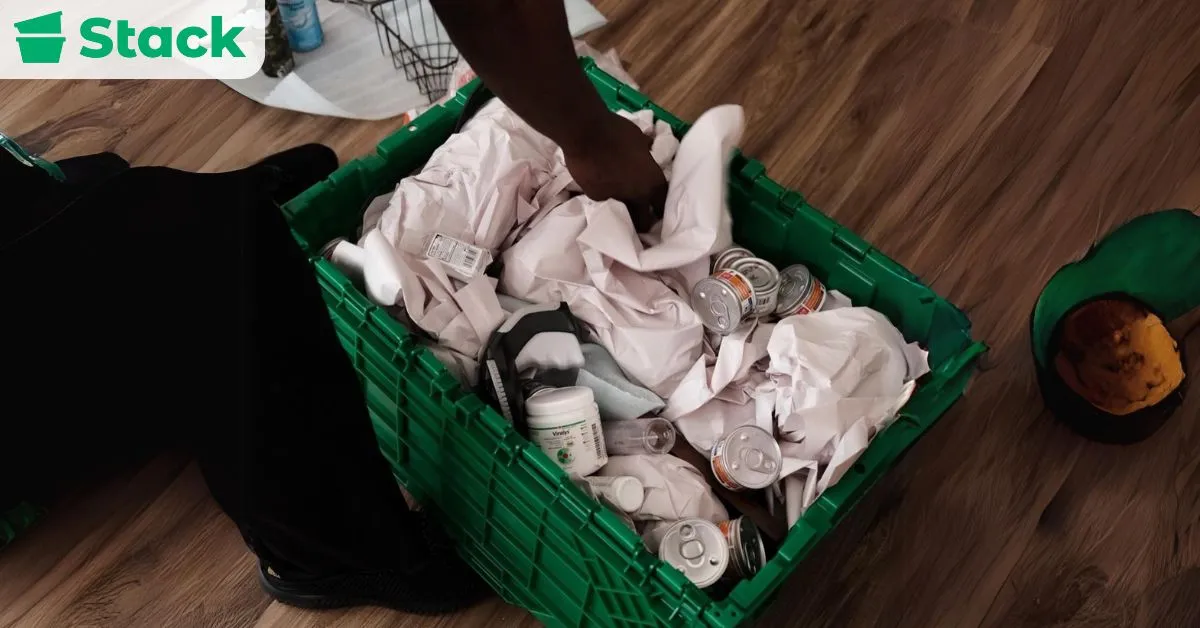
Fragile items need extra care because they’re the most vulnerable to damage. Wrap each item with packing paper or bubble wrap to prevent scratching or breaking. Place heavier fragile items at the bottom of the box and lighter ones on top, with padding in between. Use crumpled paper, towels, or clothing to fill gaps and keep things from shifting.

For very delicate items like glassware or heirlooms, it may be a good idea to double-box them. Double-boxing for extra protection ensures your most delicate belongings make it safely to your new home. To double-box your items, pack them in a small box first, pad it well, then place that box inside a larger one with additional cushioning.

7. Use Space Wisely

A well-packed box is stable and keeps your belongings safe without being too heavy to lift. Use nesting techniques by placing smaller items inside sturdier ones, such as rolling socks into shoes. This will maximize space, add cushioning, and reduce the number of boxes you’ll need.

Always place heavy items at the bottom and lighter ones on top to avoid crushing. Avoid overfilling boxes, which can cause them to split, but don’t underfill them either because this leaves space for items to shift during transit.

8. Label and Inventory

Nothing goes missing when you track your move with both labels and lists. Clearly labeling your boxes will also save you lots of time when you’re ready to unpack. The correct way to label boxes for moving is to use a thick marker to write the contents and destination room on multiple sides of every box.

If you want to speed things up, try color-coding with tape or stickers. You can assign one color per room and mark all boxes accordingly. In addition to labels, keep a simple inventory list. Number your boxes and write down their contents on a master sheet or digital file. This way, you’ll know if a box goes missing.

9. Seal Boxes Properly

Sealing a box well keeps it intact during the move. Use strong packing tape because masking or duct tape can peel or split. Tape both the bottom and top seams with at least two layers, making sure it extends partway up the sides for extra strength.

Also pay close attention to high-stress areas where flaps meet. Double-taping high-strain areas prevents boxes from opening unexpectedly when lifted or stacked.

10. Stack Boxes Safely for Moving

When it’s time to load boxes, think about balance and safety. Place the heaviest boxes on the bottom and stack lighter ones on top to create a stable base. Group boxes of similar size together so they stack evenly without tipping.

Always bend your knees and lift with your legs, not your back. When dealing with heavy loads (above 50lbs), use a dolly or hand truck to move them safely and reduce the risk of injury. If possible, don’t attempt to lift bulky items alone.

How to Pack Boxes Room by Room

How to Pack Boxes Room by Room

The best way to pack room by room is to start with low-use spaces, finish one area completely before moving on, and label each box clearly for its destination. This method keeps you organized and makes unpacking faster. To make planning even easier, our moving box calculator can estimate how many boxes you’ll need for every room.

How to Pack Your Kitchen

Packing items in the kitchen can be challenging because it contains a lot of fragile items like dishes and glasses. In packing, you should begin with items you use less frequently, such as mixing bowls, baking sheets, and special utensils. Then, use sturdy boxes and wrap each dish in packing paper or bubble wrap. Furthermore, place dishes vertically in a box as if you were loading a dishwasher. This reduces the risk of breakage.

In addition, you should wrap each glass individually with packing paper or bubble wrap and use divided boxes if possible. You should also fill any empty spaces with crumpled paper to prevent movement. Finally, clearly label the boxes with “Fragile” and list the items.

How to Pack Your Bedroom

Packing the bedroom involves dealing with clothes, personal items, and possibly heavy furniture. Wardrobe boxes come in handy for hanging clothes directly from your closet without folding. This is ideal for dresses, suits, and other garments. In addition, rolling clothes can save space and reduce wrinkles.

Use large boxes for bedding, pillows, and linens. These lightweight and smaller items are perfect for larger boxes. Furthermore, keep a separate box or bag for personal items you’ll need right away at the new home, like your toiletries, phone charger, and a change of clothes.

How to Pack Your Living Room

The living room can be tricky because it is a mix of large furniture, electronics, and decorations. If possible, pack electronics in their original boxes with their original padding. Otherwise, wrap items in bubble wrap and pack them in boxes filled with packing peanuts to cushion them.

For decorative items and picture frames, wrap them in bubble wrap or packing paper and place them in medium-sized boxes cushioned with packing materials. You should also disassemble furniture if possible and wrap pieces in moving blankets or bubble wrap.

How to Pack Your Bathroom

Bathrooms usually have fewer items to pack, but you need to be cautious with liquids and breakables. For non-leakable toiletries, seal caps with tape to prevent leaking and place toiletries in plastic bags before packing them in boxes.

Furthermore, use towels to wrap other fragile items or fill empty spaces in boxes. Otherwise, pack them into large boxes where they can cushion other items. It is also important to keep a separate, clearly labeled box for medicines and first aid supplies. This should be easily accessible during your move.

Packing Tips to Save Space and Time

Packing Tips to Save Space and Time

Use these practical tips to save space, stay organized, and keep your belongings safe throughout the move.

  1. Use the Right Box for the Job: Heavy items like books belong in small boxes, while light, bulky items go in large ones. Choosing the right size prevents damage and makes stacking easier.
  2. Wrap Fragile Items Individually: Protect breakables with packing paper, bubble wrap, or even towels. Wrapping each item separately prevents scratches and chips during transit.
  3. Layer Heavy to Light: Always place heavier items at the bottom of a box and lighter ones on top. This reduces the risk of crushing delicate belongings.
  4. Fill Gaps to Prevent Shifting: Use crumpled paper, clothing, or linens to pad empty spaces inside boxes. A snug fit ensures nothing moves around in transit.
  5. Seal Boxes Securely: Reinforce seams with strong packing tape using the H-tape method (across the top and bottom seams). This keeps boxes from opening unexpectedly.
  6. Avoid Overpacking or Underpacking: Overstuffed boxes may split, while underfilled ones collapse under weight. Aim for boxes that close flat without bulging.
  7. Use Nesting Techniques: Save space by tucking smaller items inside larger ones, such as placing socks in shoes or utensils inside containers.
  8. Clearly Label All Sides of the Box: Write the room name and contents with a thick marker. This saves time when loading, unloading, and unpacking.
  9. Color-Code for Speed: Assign a color to each room using tape or stickers. Movers and family members will know instantly where each box belongs.
  10. Keep Essentials Separate: Pack an “open-first” box with toiletries, chargers, snacks, and a change of clothes. Having necessities handy avoids rummaging through multiple boxes on your first night.

Ready to Pack Moving Boxes With Confidence?

Packing your moving boxes correctly can make the difference between a chaotic move and a smooth one. But don’t forget that the type of box you’re using also matters. With the right moving boxes, you can stay organized, unpack faster, and enjoy peace of mind throughout your move.

Professional movers and relocation experts recommend using sturdy, reusable moving containers like plastic bins because they reduce the risk of damage and support a more eco-friendly move. Looking for moving boxes in Los Angeles? Our professional-grade plastic moving bins are all you need to save space, protect your belongings, and cut down on waste. Contact us today to reserve your bins.

Frequently Asked Questions

Understandably, you may still have plenty of questions about how to efficiently pack for a move and ways to keep the process simple. Below, we’ve answered some of the most common ones.

What’s the Best Way to Pack Fragile Items for a Move?

Clearly mark “Fragile” and place on top of heavier boxes to prevent crushing. Wrap each fragile item in packing paper or bubble wrap and secure with tape. Cushion boxes with crumpled paper, avoid overpacking, and keep them light. Use specialty boxes or the double-boxing technique for delicate items.

How Do You Properly Seal Moving Boxes?

Before sealing, check for empty spaces or overstuffing, then perform a lift test to ensure the box is secure. Use strong packing tape, not masking or duct tape, to double-tape both top and bottom seams, letting tape extend up the sides. Reinforce stress points like edges and flaps.

How Should You Stack Boxes Safely During a Move?

Always stack heavy boxes at the bottom and lighter ones on top. Group similar sizes to improve stability and use moving straps inside the truck. Test with a gentle shake to prevent shifting. Lift with your legs, not your back, and use a dolly for bulky loads.

How Soon Should You Start Packing Before Moving House?

Ideally, start packing at least 4–6 weeks before moving day. Begin with seasonal or rarely used items first, such as décor or books, then work toward daily essentials. By the final week, only essentials like toiletries, clothes, and kitchen basics should remain unpacked.

What Is the Hardest Room to Pack When Moving?

The kitchen is usually the hardest room to pack because it has a mix of fragile, bulky, and oddly shaped items. Bathrooms can also be tricky because of liquids and toiletries that may leak.

Is It Better to Pack Clothes in Bags or Boxes When Moving?

Both work, but it depends on the type of clothing. Wardrobe boxes are best for hanging clothes like suits and dresses since they prevent wrinkles. Folded clothes can go into regular boxes or plastic bins. And soft bags, like duffels or vacuum-sealed bags, save space and work well for items like linens, bedding, or casual wear.

What Is the Best Order to Pack Things When Moving?

Pack items by frequency of use. Start with seasonal and rarely used belongings, then move on to non-essential rooms. Save daily-use areas like bedrooms, bathrooms, and kitchens for last. Finally, prepare a clearly labeled “essentials” box with toiletries, bedding, and chargers for easy access on your first night.

How Many Boxes Do I Need to Move?

The number of boxes you’ll need depends on the size of your home, how many belongings you own, and how much you decide to declutter before moving. The easiest way around guesswork is to use a moving box calculator, which gives you an accurate estimate based on your rooms and household size.

What Supplies Do Movers Recommend?

At minimum, you’ll want sturdy boxes in multiple sizes, heavy-duty packing tape, bubble wrap, packing paper, markers for labeling, and specialty boxes for fragile or bulky items.

 

How to Pack Bathroom Items for Moving?

Packing bathroom items can be one of the trickiest parts of moving, since toiletries are prone to leaks, spills, and breakage. That’s why knowing how to pack bathroom items for moving the right way is essential; otherwise, you risk costly damage and extra stress. The safest approach is to secure liquids in spill-proof bags, cushion fragile items, and use sturdy, water-resistant containers that won’t give way to moisture.

Over the years, Stack Moves has helped movers relocate with confidence thanks to our professional-grade plastic bins. These sturdy boxes come with secure lids, making them the perfect solution to protect fragile bathroom items like toiletries. Don’t risk leaks or breakage—contact us today to book your moving bins for rent.

In this post, you’ll discover the best ways to pack toiletries and bathroom items for a move. You’ll also learn how to create a first-day essentials kit and how to choose the right bins to keep everything secure.

How to Pack Bathroom Essentials for a Move

How to Pack Bathroom Essentials for a Move

Packing bathroom essentials for a move can be tricky, especially with fragile items and liquids prone to spills. Follow this step-by-step guide to ensure the safety and organization of your bathroom items.
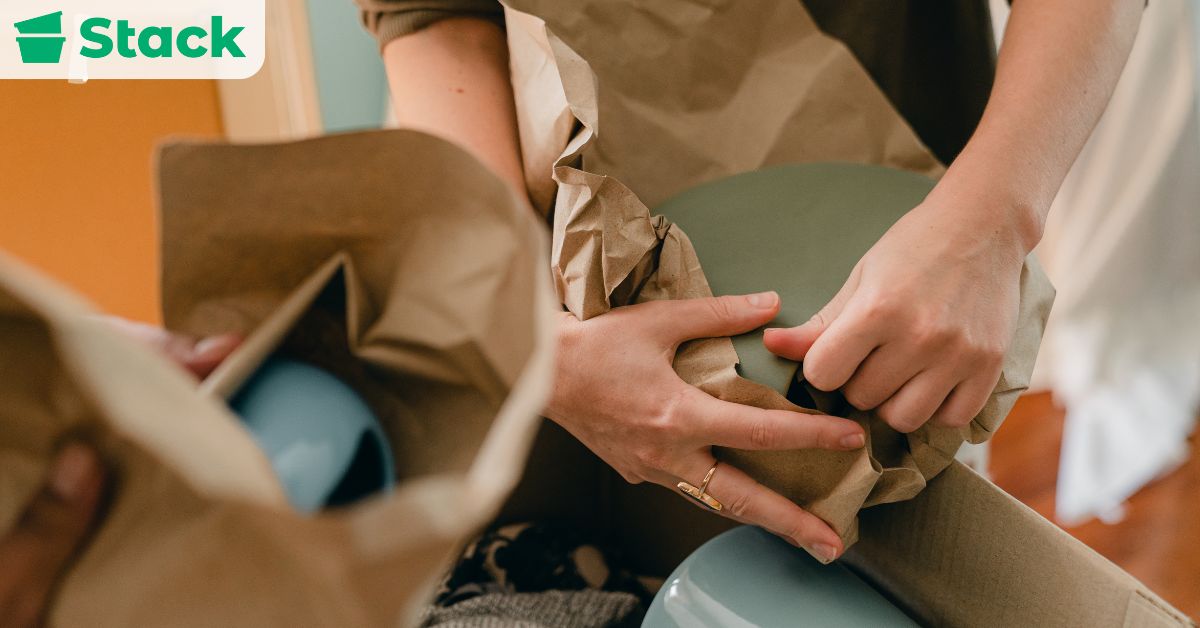
1. Declutter and Sort

Before you start packing, it’s important to declutter your bathroom to avoid moving unnecessary items and reduce the risk of accidents. Go through all your toiletries, cleaning supplies, and bathroom accessories, and decide what to keep, donate, or throw away.

Pay special attention to nearly empty containers, expired cosmetics, and hazardous products like nail polish or bleach, which should be disposed of safely. Once decluttered, categorize your items for easier packing and organization. Group similar items together, e.g., toiletries like shampoo, conditioner, and soap should be placed in the same container. Another example is grouping medications and first aid supplies.

By decluttering and sorting, you’ll know exactly what needs to go in your moving boxes, speed up packing, and reduce the risk of accidents during the move.

2. Gather Packing Supplies

To pack bathroom items for moving safely, you need the right supplies that protect your belongings and prevent spills. Make sure you have moving boxes (preferably water-resistant), bubble wrap or protective padding, sealable plastic bags for liquids, packing tape, labels, and small containers. Also, remember to get cleaning supplies to sanitize each item before packing.

For liquids like shampoos, conditioners, nail polish, and other liquid-based toiletries, use waterproof containers and leak-proof bags. You’ll be able to prevent leaks that could damage other items in your boxes this way. Plastic wrap is also helpful to seal bottle openings and padding like towels or bubble wrap cushions fragile containers during the move.

3. Pack Liquids and Toiletries

Liquids and toiletries are prone to leaks and spills, so it’s important to pack them carefully. Proper padding, careful placement, and leak-proof containment ensure your toiletries and fragile items stay safe throughout the move.

Put plastic wrap under the lids of opened bottles and store them in airtight plastic bags to prevent leaks. Use small, sturdy boxes for liquids to keep bottles upright and secure. Place makeup containers in specialized makeup bags, and cushion glass bottles like perfumes with towels or packing paper to prevent breakage.

Hazardous items such as nail polish remover or hair dye should also be packed in sealed plastic bags for extra protection. Keep medications and other bathroom essentials that you’ll need immediately separate in a well-labeled box. This tip also applies to first-day essentials, so you can access them without digging through multiple boxes.

4. Protect Fragile Items

4. Protect Fragile Items

Fragile bathroom items like mirrors, glass bottles, and decorative pieces require extra care to prevent breakage. Wrap each item individually in bubble wrap or packing paper, and make sure all sides are covered. You can also use towels and washcloths for extra padding between items to prevent movement during transit.

When placing items in boxes, put heavier items on the bottom and fragile ones on top to avoid crushing. Fill any gaps with packing paper, towels, or bubble wrap to keep items from shifting while the box is being moved. Using medium-sized boxes helps keep the weight manageable and reduces the risk of dropping or damaging the contents.

For additional protection, consider double-boxing, especially delicate items like large mirrors or glass jars: place the wrapped item in a slightly larger box filled with padding, then place that box inside another box for extra cushioning. Following these steps ensures your fragile bathroom items stay intact and reduces stress on moving day.

5. Organize Small Accessories & Electronics

Small bathroom accessories and electronics are easy to lose or damage if not packed carefully. Keep items like hair ties, razors, tweezers, and cotton pads organized in small but sturdy boxes or reusable containers to prevent them from scattering during the move.

Electronic items should be packed in their original packaging if possible or wrapped in towels for added protection. Soft items like shower curtains, towels, and bath mats can cushion fragile items or delicate appliances inside your boxes. This will keep your items organized while maximizing the space you have.

Store cords and chargers in sealable plastic bags to prevent tangling. Pack batteries in their original packaging or a designated container to avoid leaks or short circuits

6. Pack Medications and First Aid

Start by checking expiration dates on all medications and safely dispose of unused medicine or anything that’s no longer needed. Next, pack all medications (prescription bottles, over-the-counter medicines, and any liquid medications) in a clearly labeled, airtight plastic bag or small container to keep them organized and protected from moisture. Check that lids are tightly sealed to prevent any spills.

First aid supplies like bandages, antiseptics, and medical tools should be stored in a separate, labeled container so they’re easy to find during and immediately after your move. For added convenience, consider keeping a small “emergency kit” within reach, containing the items you may need on the first day in your new home.

7. Prepare a First-Day Bathroom Essentials Box

A first-day bathroom essentials box is a well-marked and readily available container containing everything you’ll need when you arrive in your new home. A box like this will keep you from digging through multiple moving boxes to find basic necessities, thereby reducing stress on your first day.

Pack the box with all items you’ll need for immediate use so you can freshen up and settle in comfortably. This includes a toothbrush and toothpaste, deodorant, essential skincare products, medications, a few towels, toilet paper, soap, and hairbrushes.

For smaller items, store them in clear, transparent bags so they’re easy to see and grab without unpacking everything. Proper preparation ensures a smoother move-in and a stress-free first day in your new home.

How to Choose the Best Moving Boxes for Bathroom Items

How to Choose the Best Moving Boxes for Bathroom Items

The best bin for moving largely depends on the items being packed. Toiletries and bathroom items are usually liquid-based and fragile, and can cause a mess if a leak happens. Think shampoos, soaps, perfume bottles, cosmetics, and mirrors.

Because of these qualities, cardboard boxes won’t offer much protection for delicate items since they’re easily damaged by moisture. This is where plastic bins take the lead in the debate of moving boxes vs plastic bins. Plastic moving bins are durable, water-resistant, and spill-proof thanks to their lids. When combined with proper padding like towels, bubble wrap, or washcloths, they create the safest environment for transporting bathroom essentials without leaks or breakage.

Final Checks Before Sealing Boxes

Once you’ve selected the right boxes and packed your items, the next step is to perform final checks before sealing them. Before sealing your boxes, make sure to:

  • Secure fragile items: review each box to ensure it is properly packed and secure for the move. You must ensure that fragile items like glass containers are cushioned with bubble wrap or towels.
  • Double-check your bathroom: go through your bathroom cabinets once more to verify that you haven’t left behind important items like hair dryers, shower caps, and other bathroom appliances.
  • Label boxes clearly: ensure that all the boxes are clearly labeled with their contents and the room they belong to. For example, mark boxes containing fragile bathroom items or first aid supplies for easier unpacking later.

Want a Spill-Proof Way to Move Your Bathroom Items?

Packing up toiletries and bathroom essentials is often the messiest part of moving. A smart approach ensures your bathroom goods travel safely and you settle in stress-free. The most efficient way to pack bathroom items is to contain liquids tightly and protect breakable items from impact.

This means to always pack delicate items with extra padding or place liquids in spill-proof containers like plastic moving bins. Each rental also comes with labels to make tracking your bathroom essentials and other belongings much easier.

Don’t let leaks or broken bottles slow you down on moving day. Our moving bin rental service in Los Angeles delivers sturdy bins right to your location and ready for use. Schedule your moving bins today!

Frequently Asked Questions

We answered your most asked questions about packing bathroom items for a move to help you enjoy a stress-free move.

How Do I Pack Toiletries for Moving?

Properly packing toiletries helps prevent leaks and damage. Use spill-proof bags for liquids, cushion fragile containers with towels or bubble wrap, and keep all similar items together in small, sturdy boxes.

What Is the Best Way to Pack Bathroom Items for Moving?

The best approach combines leak-proof containers for liquids, extra padding for fragile items, and clear labeling. Using stackable plastic moving bins adds durability and keeps your items organized during transit.

How Should I Pack Liquids for Moving?

Place plastic wrap under bottle caps and store liquids in airtight, sealable bags. Keep them upright in small, sturdy boxes, and separate hazardous liquids like nail polish remover or bleach from other items.

How Do I Pack Cleaning Supplies When Moving?

Check labels for flammability and expiration dates, and securely close all containers. Transport cleaning products in a dedicated box or plastic bin, preferably lined with absorbent material to contain spills.

How Can I Pack Medications and First Aid Supplies Safely for a Move?

Sort medications by type and expiration date, and store them in clearly labeled airtight bags or small containers. Keep first aid supplies separate for quick access on moving day.

What Should I Include in a First-Day Bathroom Essentials Box?

Include items you’ll need immediately, like a toothbrush, toothpaste, deodorant, essential skincare products, a few towels, toilet paper, soap, and any medications. Store smaller items in clear bags for easy access.

List of Expenses When Moving Out

If you’re planning for a move but aren’t sure what expenses to include in your moving budget, you’re in the right place. During a move, you’ll face upfront costs like deposits, utilities, and dozens of smaller expenses you may not expect. This guide will outline the real costs of moving out so you can budget smart and stay in control.

At the very least, every list of moving expenses is categorized into professional services, moving supplies, transportation & travel costs, and home-related costs. Depending on the nature of your move, you may also incur other expenses such as insurance and temporary storage fees.

At Stack Moves, we’ve helped movers in the United States save hundreds of dollars on their move. With the help of our rental bin service, you can plan for a budget-friendly move without any added stress. Contact us today to secure your moving bins for rent.

This blog will cover the major expenses that form a part of any move, highlight hidden costs to watch out for, and share practical tips to keep your move affordable.

List of Expenses When Moving Out

List of Expenses When Moving Out

Your goal should be to account for everything that fits the unique needs of your move so there are no last-minute surprises. To assist, we’ve curated a list of the most common costs people face when moving out.

  1. Moving truck/van rental
  2. Travel costs
  3. Packing/moving supplies
  4. Cleaning supplies/services
  5. Professional packing services
  6. Storage units (short- or long-term)
  7. Utility setup fees
  8. Repairs/maintenance
  9. Furniture or appliances
  10. Decor and household essentials

1. Transportation Costs and Travel Costs

Transportation is one of the biggest parts of your moving budget, covering both how your belongings get to your new home and how you and your family travel during the move. The final cost depends on whether you hire moving companies or handle the process yourself

  1. Moving Truck/Van Rental: Renting a moving truck or van is often the largest transportation expense. Costs depend on the truck size, mileage, fuel, and rental duration. If you’re crossing state lines, expect higher charges, plus possible registration fees or liability insurance requirements.
  2. Travel Costs: On top of moving your belongings, you’ll also need to cover your own travel. This can include gas and tolls if you’re driving a personal vehicle, or flights and hotel stays for long-distance moves. Meals during travel add up quickly, especially for family members. If you’re relocating to a high-cost area like Los Angeles or New York, expect daily expenses to climb even higher.

2. Moving Supplies and Services

These expenses cover all the essentials you’ll need to actually carry out the moving process. From the packing materials to the cleaning supplies.

  1. Packing/Moving Supplies: Packing materials are a must-have in any move. The basics include moving boxes, bubble wrap, packing tape, and labels. You may also need extra tools like dollies or straps, which add to the cost but make handling heavy belongings much easier. Most people source for cardboard boxes because they are cheaper upfront, but these boxes can break down in humid weather or collapse under heavy weight. Plastic moving bins are a sturdier alternative if you want durability.
  2. Cleaning Supplies or Services: Both your old and new homes need to be cleaned, either to leave behind a good impression or to create a fresh, welcoming start. While DIY cleaning keeps costs low, hiring a professional service can save time and deliver a more thorough job, especially if you’re juggling family members, work, or other expenses. Depending on your budget, you should consider hiring a professional cleaning service to handle this task.
  3. Professional Packing Services: The cost often depends on the size of your home and the service level you need. While it’s more expensive than packing yourself, professional help ensures your belongings are protected, especially when combined with liability insurance. For many, the peace of mind makes this an investment worth considering.
  4. Storage Units (short- or long-term): If your move-out and move-in dates don’t align, renting a storage unit may be unavoidable. They’re also helpful if you’re downsizing or trying to arrange temporary housing. While short-term rentals are affordable, long-term storage can eat into your budget over time. Before paying registration fees and deposits, weigh whether it’s worth keeping everything or letting go of items you no longer need.

3. Setup & Settling In Costs

The expenses don’t stop even after the move is complete. Here we’ll look at the costs needed to make the space both functional and welcoming.

  1. Utility Setup Fees: When you move into a new home, utility companies will charge a connection or activation fee for electricity, gas, water, or internet. These may look small, but deposits or same-day/weekend services can quickly raise the total. It’s advisable to contact your provider early so you can plan for these expenses and ensure everything is running smoothly by move-in day.
  2. Repairs/Maintenance: Setting aside a little money for unexpected fixes prevents surprises after you’ve just spent on the move itself. Even in homes that look ready, small issues like leaky faucets, loose outlets, or squeaky doors often surface in the first few weeks. For renters, landlords may cover some repairs, but homeowners must pay out of pocket. These aren’t always optional costs since fixing them improves safety and comfort.
  3. Furniture or Appliances: Big-ticket purchases like furniture and appliances should be budgeted for early. It shouldn’t come as a surprise that your new home doesn’t come with a washer, dryer, or fridge. These purchases can easily become one of the biggest settling-in costs, so you should prioritize what you truly need right away and consider secondhand options to save money.
  4. Decor and Household Essentials: To truly make your house a home, you’ll want to personalize your space with decor and other practical items. Things like curtains, rugs, cleaning supplies, or cookware might not seem significant, but they add up when bought all at once. Planning a checklist for essentials and gradually adding decorative items helps you avoid overspending.

Hidden Moving Costs to Watch Out For

Hidden Moving Costs to Watch Out For

Knowing these hidden costs ahead of time better positions you to prepare for them in advance and save money for a less financially overwhelming transition. Some common unexpected expenses to be aware of include:

  • Tolls and Parking Fees: City moves or long-distance trips can rack up small but steady charges at bridges, highways, and street parking.
  • Pet Transportation: From flights to special carriers, traveling with pets quickly adds hundreds of dollars.
  • Childcare on Moving Day: Parents often forget babysitting or daycare costs, which can be essential when movers are coming in and out.
  • Moving Equipment Rentals: Dollies/trollies, moving blankets, etc., often aren’t included with truck rentals.
  • Moving Insurance Coverage: Standard coverage from movers is minimal; full-value protection costs extra.
  • Utility Disconnection Fees: While people expect setup charges, many providers also charge to disconnect old accounts.
  • Meals During Unpacking: Expect higher food costs in the first few days as takeout and delivery fill the gap before your kitchen is set up.
  • Lost Wages or Time Off Work: Time away from your job to manage the move can affect your paycheck.

Is It Better to Buy or Rent Moving Boxes?

Is It Better to Buy or Rent Moving Boxes?

Renting is often the better choice, especially for large or complex moves. But there are cases where buying may be the more sensible option. Before you choose between renting or buying your moving boxes, it’s important to first think about the long-term impact on both your budget and your moving experience.

For starters, renting is more affordable in the long run because you only pay for the time you use the bins. Plus, many rental companies include delivery and pickup in the price. Buying cardboard boxes might seem cheaper upfront, but if you need several sizes or larger quantities, the costs can add up quickly. Not to mention you’ll still have to handle transport and disposal yourself.

Renting is also far more convenient than buying boxes. Your bins are dropped off at your door before the move and collected once you’re done, leaving you with one less thing to worry about. When you buy your boxes, it’s your responsibility to transport them to your location and store or dispose of them after the move.

Another big difference comes down to quality and durability. Plastic rental bins are sturdier than their cardboard counterparts. Traditional cardboard boxes, especially when used, can be flimsy, wear out quickly, and may not hold up if you’re moving in bad weather.

Lastly, renting is the more eco-friendly choice. Plastic bins are reused many times, which significantly reduces waste and your overall carbon footprint. Even though cardboard can be recycled, a large number of boxes end up in landfills after just one use, making them a less sustainable option.

In summary, renting bins is usually the better choice if you want affordability, convenience, and a more eco-friendly move. Buying boxes, on the other hand, may work for very small moves or when you need storage afterward.

Smart Money-Saving Tips for Moving

Smart Money-Saving Tips for Moving

Declutter before you pack. One of the easiest ways to reduce moving costs is to lighten your load. You can do this by either selling or donating items you no longer need. The fewer items you take with you, the less you’ll spend on packing supplies and transportation.

Once you’ve reduced what you’re moving, the next step is to plan for what’s left by creating a realistic budget. A detailed budget helps you set financial limits for anticipated costs like supplies and transportation.

Even with a solid budget, it’s still important to track and control your spending. Moving often comes with small, unexpected costs, and it’s easy to go over budget. Monitoring your expenses and delaying non-essential purchases can keep your finances in check. In addition, building an emergency fund can help you tackle any unplanned but unavoidable expenses.

Another way to save money on a move is to rent moving boxes instead of buying them. Rental services are usually bundled with extras like labels and markers, which could help you reduce your spending on moving supplies.

Looking to Lower Your Moving Expenses?

With a list of your moving expenses, you can easily plan for your move without the fear of going over budget. However, an incomplete budget could put you at risk of unexpected costs. It’s important to remember that every move is different, and costs can vary depending on distance, services, and personal needs. That’s why the golden rule for creating a realistic budget that reflects your situation is to take all possible expenses into consideration.

If you’re planning your next move on a limited budget, one of the simplest ways to lower your moving expenses is to rent your moving boxes instead of buying them. That’s where Stack Moves comes in. With over 20 service locations across the U.S., our plastic bin rentals won’t just help you save costs; they’ll guarantee you a one-way ticket to a hassle-free move. Schedule your plastic bin rental today!

Frequently Asked Questions

To help you budget wisely and avoid last-minute stress, here are quick answers to the most common questions about expenses during the moving process.

What Do You Have to Pay For When You Move Out?

In addition to your first month’s rent, you’ll also have to pay a security deposit and utility setup fees. For the move itself, you’ll have to pay for packing supplies and professional moving services.

Is $3,000 Enough to Move Out for the First Time?

$3,000 is enough to cover a short-distance move from a small apartment in some areas. However, it may fall short if you need to buy new furniture, pay higher deposits, or cover temporary housing.

What Are Some Hidden Expenses When Moving?

Hidden costs often include cleaning services, storage units, and moving insurance. You may also run into extra fees from moving companies, such as charges for heavy or fragile items.
What Bills Do You Need to Set Up When You Move Out?

The main bills include utilities like electricity, water, and internet. You’ll also need renters insurance, and if you own a personal vehicle, don’t forget car insurance and registration fees.

How to Organize Moving Boxes Like a Pro

If you’re looking for efficient ways to organize your moving boxes, you’re in the right place. Getting this step right in the moving process can save you hours of frustration and even cut down your moving costs. The best way to organize moving boxes is to keep the same-sized boxes together, stack lighter boxes on top of heavier ones, and clearly label them so nothing gets misplaced along the way.

Enjoy a hassle-free move with Stack Moves‘ durable moving bins for rent. Trusted by hundreds of movers, our reliable and stackable bins fit neatly into your truck, helping you to save space and cut moving costs. Schedule your moving boxes today!

In this guide, you’ll learn every step of organizing moving boxes, from sorting items to labeling. We’ll also share proven moving tips that save time, protect fragile belongings, and make unpacking less stressful.

How to Organize Moving Boxes for a Stress-Free Move

How to Organize Moving Boxes for a Stress-Free Move

Without proper organization, it’s easy to forget essential items, leading to last-minute scrambling to find extra packing supplies. To help you stay organized and make your move as smooth as possible, here’s a practical guide on how to pack and arrange your moving boxes effectively.

1. Sort and Group Items Before Boxing

Before you begin packing, please take a moment to organize your belongings by category and room. Once grouped, you’ll find it easier to decide which box size works best and how to label them for moving. Another big advantage of decluttering is that you save money on supplies because you won’t need as many for items you no longer want. Start packing by grouping items such as books, clothes, kitchen tools, and picture frames into piles before putting them into boxes.

2. Choose the Right Box for Each Item

Using the wrong box can easily result in broken items or wasted space in your moving truck. For example, overpacking in a large box often leads to torn boxes or even back injuries from lifting. Specialty boxes are the best option when packing fragile items like dishes or hanging clothes. They provide the best protection for fragile items, despite being more costly than standard cardboard boxes.

To save money, consider using a combination of specialty boxes with standard cardboard boxes. Always reinforce the bottom and sides of cardboard boxes with strong packing tape to keep them from collapsing under heavy weight. With plastic moving bins, this step isn’t necessary because they are built to carry heavy loads without tearing.

3. Pack Boxes Without Overloading

One of the most important packing tips is to avoid overloading boxes. Overfilled boxes are harder to lift, more likely to break, and unsafe for movers to handle. A sensible rule is to keep boxes under 50 pounds, no matter the size. The major benefit of following this method is avoiding accidents, although it also means you will need more boxes overall.

Place heavier items at the bottom and lighter belongings on top to distribute weight evenly. This method protects fragile belongings like picture frames or glassware from crushing. Another mistake people make is trying to fit all the contents from a single room into the same box, which can make the boxes far too heavy.

Remember that overloading makes stacking boxes in the truck difficult, which can lead to more damage. Instead, mix heavier belongings with lighter fillers, like clothing or towels, to balance the weight.

4. Clearly Label Each Box

Without labels, unpacking becomes chaotic because you won’t know what’s inside each box or which room it belongs to. The most effective method of labeling boxes is to write the contents of the box and the room it belongs to. Use permanent markers to label at least two sides and the top of each box for easy visibility.

Another method of labeling boxes is by color-coding them, for example, blue for the bathroom, red for the kitchen, and so on. This method speeds up unloading since movers know exactly where each box should go. Although labeling your boxes will take extra time during packing, it will save you hours when unpacking. But overall, labeling ensures nothing important gets misplaced.

5. Number and Track Boxes with an Inventory List

In addition to labeling, you should also number each box and connect it back to your inventory list to add an extra layer of organization. Numbering each box lets you know exactly where everything is, and if you misplace a box, your list will help you quickly identify what’s missing.

Create a master list that matches box numbers to their contents and destination room. You can do this with a spreadsheet, a printed checklist, or even moving apps like Sortly. Update the master list each time you seal and label a box so you don’t forget.

6. Stack Boxes by Weight and Fragility

The general rule is to place heavier boxes at the bottom and lighter or fragile ones on top. This prevents breakage and helps keep stacks stable in the moving truck. Movers also prefer well-organized stacks since they can move them more safely.

Stack larger items or awkwardly shaped items against the truck’s walls. Also fill gaps with smaller boxes to maximize space. For fragile items like dishes, mark the box clearly and avoid stacking anything on top. Another helpful moving tip is to keep boxes of similar sizes together so they stack evenly. Using durable bins or sturdy used boxes can reduce the risk of collapse, especially for heavier loads.

7. Separate Essentials and Open First Boxes

Consider preparing a few “open first” boxes to easily access basic items without having to search through numerous boxes. Pack essentials such as toiletries, a change of clothes, medications, important documents, and basic kitchen supplies in clearly marked boxes. These boxes should be the last thing you load into the truck and the first thing you unload. You may also want to create a separate essentials box for each family member to keep things personal and organized.

Efficient Packing Techniques to Keep Boxes Organized

Efficient Packing Techniques to Keep Boxes Organized

Packing efficiently can significantly ease your moving process, making it smoother, faster, and less stressful. Follow these proven methods to keep boxes organized and simple to manage.

Distribute Weight Correctly

Ideally, you should avoid overpacking large boxes, as they can become too heavy to lift and are more likely to break. Stick to smaller boxes for heavier items and reserve large boxes for lighter, bulky items like pillows and comforters. It is best to distribute weight evenly across all boxes or combine heavy and light items in medium boxes to balance the weight.

Protect Fragile Items

When packing boxes, always place the heaviest items at the bottom. This provides a stable base and prevents lighter, more fragile items from being crushed. If you’re dealing with fragile items, you should wrap each one in bubble wrap or packing paper to prevent damage. You can take it further by placing a layer of padding (towels, blankets, or bubble wrap) between layers of items to prevent movement. Most importantly, mark boxes with fragile items clearly to ensure they are handled with care during the moving process.

Fill Empty Space

When packing, fill spaces to prevent shifting. You can do this by using clothing like socks or scarves to fill the gaps, or towels and blankets. You can also use bubble wrap and packing paper. What matters is that these spaces are filled with soft materials.

Use the Same Box for Similar Items

If it’s possible, pack similar items together in the same box (e.g., books with books, linens with linens). This makes labeling easier and saves time when unpacking. Mixed boxes are harder to sort and can slow down the moving process.

Seal Boxes Properly

A box is only as strong as its seal. Always reinforce seams with high-quality packing tape (not masking tape). For heavier boxes, tape in an “H” pattern across the top and bottom to prevent the box from opening under weight.

Don’t Use Damaged Boxes for Heavy Loads

While used boxes are fine for lighter items, they’re not ideal for heavy or fragile belongings. Reserve sturdy new boxes for larger items or valuables to avoid collapsed bottoms or torn corners.

Where to Find Moving Boxes

Where to Find Moving Boxes

Where you source moving boxes depends on whether you’d like to pay for them or get them for free. You can often find free cardboard boxes from friends, family, grocery stores, or online community groups. While sourcing free boxes saves money, these boxes are usually worn out, mismatched in size, or less durable, putting your belongings at greater risk.

Retailers like Amazon and U-Haul sell new moving boxes in different sizes, and some moving companies offer them for an additional fee. You’ll get sturdier boxes than the free options, but costs can add up quickly, especially for larger moves.

A cost-effective alternative is to rent moving boxes. Most rental companies provide boxes with additional packing supplies and often deliver them to your home and pick them up afterward. Renting combines convenience, strength, and eco-friendliness, making it the most reliable way to source boxes for your move.

What Are the Best Moving Boxes?

Plastic bins are the best moving boxes. They are durable, reusable, water-resistant, and often stackable. This often limits their cardboard counterparts to single-use due to their susceptibility to water damage and tumbling in transit. Although plastic bins are more reliable, they are pricier when compared to cardboard boxes, which is why we advise movers to rent them instead.

How Much Do Moving Boxes Cost?

Moving boxes cost between $1 and $8 per box, but this price varies depending on the size and quality. For box rentals, the price depends on how long the rental period is and the number of boxes needed. Renting can be more cost-effective when considering durability and convenience.

The boxes are usually delivered to your doorstep and picked up from your new location after the move. To avoid wasting money on more boxes than you need, use a moving box calculator to estimate how many boxes are needed for your move.

Essential Moving Day Tips for a Smooth Transition

Essential Moving Day Tips for a Smooth Transition

Keep these tips in mind as you make the big move:

  • Loading the Truck Strategically: Start by placing heavier items and boxes at the bottom and toward the front of the truck to maintain stability. Stack lighter and fragile items on top of heavier ones to prevent damage. Also, ensure the weight is evenly distributed to maintain balance during transport.
  • Keeping Essentials Accessible: Pack a clearly marked essentials box that contains important documents and first-day necessities such as toiletries, a change of clothes, basic kitchen supplies, toilet paper rolls, paper towels, and medications.
  • Communicate with Movers: Label each box with its destination room and any special handling notes. Take a few minutes to explain fragile or high-value items to your movers so they can be handled with extra care.
  • Do a Final Walkthrough: Walk through your old home to check closets, cabinets, and storage spaces to be sure nothing gets left behind.
  • Stay Comfortable and Safe: Wear comfortable clothes and sturdy shoes for lifting and walking. Keep water bottles and light snacks handy to maintain energy throughout the day.

Smart Tips for Unpacking and Settling In

Smart Tips for Unpacking and Settling In

These practical unpacking tips will help you turn your new space into a comfortable home quickly.

  • Start with essentials: Unpack rooms you’ll need right away, like the kitchen, bathroom, and bedrooms.
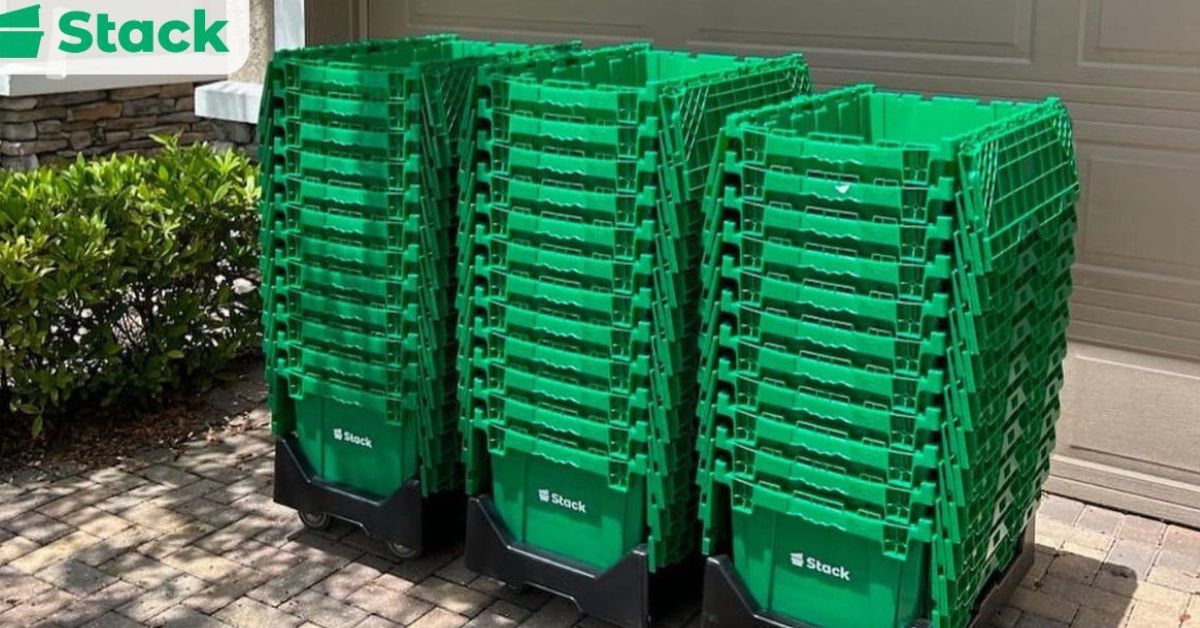
  • Unpack one room at a time: Focus on one room, finish it, then move to the next for a clear sense of progress.
  • Track your boxes: Cross off items from your moving checklist as you unpack. This helps you confirm that everything made it to your new home.
  • Break down or recycle materials: Flatten cardboard boxes and sort packing materials for recycling. You can also offer used boxes on community boards or keep a few for storage.
  • Repurpose what you can: Turn sturdy boxes into organizers for closets or garages.

Need an Easier Way to Organize Moving Boxes?

Staying organized during a move saves time, protects your belongings, and makes settling into your new space far less stressful. With the right strategy, you can make sure that every box fits in your truck and nothing gets left behind.

The best way to keep your moving boxes organized is to use proven tools and systems that encourage efficiency. This could mean properly labeling boxes or using high-quality packing materials like our stackable moving bins, designed to handle heavy loads and keep your items safe. Each rental comes with uniform boxes, labels, and dollies, making it easier for you to stack, track, and transport your load with ease.

Don’t let disorganized packing slow down your move; contact us now to book your moving bins today!

Frequently Asked Questions

We answered common questions about organizing moving boxes. These tips will guide you through the process and help you save time, money, and stress.

What Are the Best Ways to Pack Fragile Items in Moving Boxes?

Wrap each piece in bubble wrap or packing paper, and use dividers for glassware or dishes. Place heavier items at the bottom and lighter items on top. Fill any spaces with packing peanuts, crumpled paper, or towels to prevent shifting. Seal the box securely with tape and mark it “Fragile” on multiple sides so movers handle it with care.

How to Organize Boxes for Moving?

Stack lighter boxes on top of the heavier ones. Don’t overload your boxes because doing so could lead to damage or difficulty in handling them. Label each box clearly with its room and contents. This makes loading, unloading, and unpacking far more efficient.

How to Pack Books Efficiently in Moving Boxes?

Always use small, sturdy boxes to pack books, and keep them below 50lbs for easier lifting. To protect the spine of your hardcover books, lay them flat; paperbacks should be packed spine-down. Fill up spaces with soft cloths or paper to stop shifting. Clearly label the box as “Books” so movers know it’s heavy.

Should You Label Moving Boxes by Room or Item?

Labeling by room is most efficient, since movers can place boxes directly in the correct space. You can even combine both by labeling your boxes with notes like “Kitchen: Pots and Pans” to make the unpacking even easier.

What Items Should Not Be Packed in Moving Boxes?

Avoid packing perishables, plants, valuables, and hazardous materials in moving boxes. Other items, such as expensive jewelry and important documents, should travel with you. Some items, like chemicals, propane, or even paint, are unsafe for transporters to move. So it’s important to check your moving company’s restricted items list to stay safe and compliant.

How to Pack Comforters for Moving

Packing your bedding can seem like a straightforward task, but there are many pitfalls people don’t consider when attempting this task. When packing your comforters, your goal should be to maximize space inside your moving boxes because these items can quickly fill up your storage space.

The best way to pack comforters for moving is to compress them in a vacuum bag and place them inside a sturdy moving box. This keeps the comforters compact, protected, and easy to stack. If you don’t have vacuum bags, you can use a large garbage bag instead; just get as much air out as possible before sealing it tight.

Over the last 2 years, Stack Moves has made moving easier with our durable plastic bins designed for everything from comforters to fragile items. Our friendly team is always ready to give expert advice and practical moving solutions that save space, cut costs, and keep your belongings safe. Contact us today to book your moving bins for rent and enjoy a stress-free relocation.

In this blog, we will teach you the best ways to pack your comforters for moving and ensure they stay in excellent condition throughout the moving process.

How to Pack Comforters for Moving Like a Pro

How to Pack Comforters for Moving Like a Pro

The best way to pack comforters is to pack them last. Because of their fluffy/bulky nature, they can quickly fill up space that could be used for packing smaller objects. Packing your bedding last lets you secure other essential items first, and you can easily use your bedding as packing material if necessary.

1. Sort and Clean Your Comforters

Before you begin packing comforters, make sure they are freshly washed and completely dry. Any moisture could cause mildew, mold, or an unpleasant odor during the move. Also, take this opportunity to donate or discard old blankets and linens you no longer need. Doing this helps you save valuable space in the moving truck.

2. Gather the Necessary Supplies

The success of your move hinges on the quality of your packing materials. Make sure you have the right packing materials on hand to help you protect your items and guarantee a smooth packing process.

Below, we have listed a few necessary supplies needed for packing your bedding:

  • Sturdy moving boxes – Great for packing bedding and linens
  • Vacuum storage bags – Ideal for compressing bulky items like comforters
  • Packing tape – To secure your boxes and keep your belongings protected
  • Packing paper – Gives you a clean layer at the bottom of the box and helps prevent dirt or moisture from reaching your linen
  • Permanent marker – Useful for labeling boxes
  • Lavender sachets or dryer sheets – Keeps your bedding and linens smelling fresh throughout the move

3. Fold the Comforter Neatly

It’s not enough to just toss the comforters into a bag. Fold them neatly to eliminate excess trapped air. This makes compression easier and prevents bulky shapes that waste packing space.

4. Use Vacuum-Seal or Compression Bags

Vacuum-sealing is the most effective way to save valuable space and keep comforters safe. Slip each comforter into a vacuum bag and press out the air inside to create a tight seal. This reduces the bulk and prevents dust, dirt, and moisture from reaching your bedding. If you don’t have vacuum bags, large trash bags can work, but push out as much air as possible before sealing them.

5. Place Comforters in Moving Boxes or Plastic Bins

Once compressed, pack your comforters inside sturdy moving boxes. Layer your blankets and linens together with your comforters to maximize packing space. For long-distance moves in humid environments, plastic bins are the best option because they protect against moisture and rough handling.

6. Label Boxes Clearly for Easy Unpacking

Labeling saves time and stress. Write the contents and room destination on every box, such as “Comforters and Blankets – Master Bedroom.” Clear labeling helps you unpack faster and prevents mix-ups during the move. If you used comforters as padding materials around fragile items, please mark that clearly to ensure the box is handled carefully when unpacking.

7. Keep One Comforter Accessible for Immediate Use

After a long day of moving, you wouldn’t want to dig through sealed boxes to find a blanket for a good night’s sleep. This is why you should always keep at least one comforter within reach to settle in comfortably right away.

The Best Packing Techniques for Comforters When Moving

The Best Packing Techniques for Comforters When Moving

How you pack your comforters matters more than you think. These bulky items are notorious for their space consumption; hence, the right packing technique can save you time and stress as you prepare for your move.

Use Vacuum Storage Bags for Space-Saving

We all know how much room the average comforter takes up. Placing them in a vacuum storage bag after folding them can further compress them and save space. This makes them easier to transport. This packing technique is particularly useful if you have more than one comforter to pack.

Pack in a Sturdy Box or Duffel Bag

To give your comforters some additional protection, you can try packing them in sturdy cardboard boxes or duffel bags. The material these containers are made from can keep your comforters safe from damage and save you from inconvenience during the trip.

Avoid Overstuffing the Box

It can be hard to fight the urge to stuff your box to the brim in an attempt to pack as much as you can. However, overfilling your box can potentially damage the comforter. Not to mention, it makes the box harder to carry.

Seal the Box or Bag Securely With Packing Tape

Once you’re done packing your comforters, be sure to seal the moving box with some tape. This extra step will ensure your bedding stays contained throughout the trip and protected from all forms of dirt and moisture. A well-sealed container also reduces the risk of the comforter shifting or spilling out, keeping it in perfect condition until you’re ready to unpack.

How Do You Pack Linens & Bedding?

Whether you’re dealing with bulky comforters or delicate bedsheets, your bedding and linens need to be packed with careful consideration. This ensures they remain clean and fresh during your move.

How to Pack Bedding for Moving

To compress the size of large items such as blankets, duvets, and pillows, start by folding them neatly. For some added protection, place them in a vacuum storage bag. If you’d rather not use a vacuum storage bag, you could also use garbage bags to get the same result. Remember to pack these last so they don’t get crushed under the weight of heavier items.

How to Pack Linens for Moving

Carefully fold your linens (pillowcases, mattress pads, duvet covers, and flat sheets) to save space and prevent wrinkles. A medium box is usually all you need to pack all your linens, but you may need a larger box if you have a lot. We’d advise you to place them in garbage bags for an extra layer of protection.

How to Pack Towels for Moving

Towels come in varying sizes, so start by sorting them by size. Then fold them neatly into a box. To conserve space, you can try rolling them instead of folding them. You can even try placing your towels between the gaps around other items to maximize space and cushion fragile items.

5 Tips For Packing Bedding and Linens

5 Tips For Packing Bedding and Linens

Keep these five essential tips at the back of your mind to arrive at your new home with your bedding in excellent condition:

  1. Use large boxes for your bedding: Bedding can be bulky, so we recommend using large cardboard boxes or any other container to store it. This will prevent overcrowding and reduce the risk of damaging your possessions, plus moving them will be a lot easier.
  2. Line the bottom of boxes with clean packing paper: Before placing your bedding and soft goods in a box, it is advisable to line the bottom with clean packing paper. Doing this adds an extra layer of protection to the container, keeping it safe from potential dirt and moisture during the move.
  3. Protect linens with plastic bags: If you want your linens to stay clean and fresh throughout your move, consider packing them in plastic bags. This is especially useful if you plan to keep these items stored away for a long time.
  4. Carefully fold them: Fold your bedding neatly into your storage container. This will save you space and make the unpacking process easier.
  5. Pack bedding and linens last: As we mentioned earlier, starting with your bedding can quickly use up your storage space, as it can be very bulky. We recommend packing it last to avoid this and having to resort to placing heavier items on it, which can cause wrinkles or damage.

Where to Find the Best Moving Boxes?

Where to Find the Best Moving Boxes?

When preparing for a move, the first thing that crosses your mind is where to buy moving boxes. While this may be the most common way to get moving boxes, it’s also the most expensive method. Fortunately, there are multiple ways to source moving boxes, each with its pros and cons.

  • Friends and Family: The easiest way to source moving boxes is to get free ones from grocery stores, liquor stores, friends, and family. This is the most cost-effective way to gather moving boxes, but the condition and quality of these boxes are unpredictable.
  • Online Retailers: Sites like Amazon, U-Haul, and Lowe’s make it easy to buy boxes in bulk. Buying storage boxes lets you control their quality. Sadly, this can be very expensive if you need a large number of boxes.
  • Moving and Storage Companies: Some companies sell or provide boxes for your moves, but availability and durability can vary.
  • Rental Companies: This is the best choice because of how cost-effective and convenient it is. For an affordable price, you get sturdy, reusable plastic bins delivered to your doorstep and picked up after you move.

What Size Moving Boxes Do You Need?

Another thing you don’t want to overlook when packing is making sure you have the best-sized boxes for every need. Getting this step right improves packing efficiency and ensures your belongings arrive in excellent condition.

Small boxes are best for dense, heavy items like books, canned goods, tools, and toiletries because they prevent overpacking and tearing. Medium boxes are ideal for kitchenware, folded clothes, towels, and décor because they offer enough space without becoming too heavy to handle. Large boxes are best for bulkier, lightweight items like comforters, duvets, pillows, mattress pads, and other bedding.

Need a Reliable Way to Pack Comforters for Moving?

Packing comforters, blankets, and bedding in general goes beyond stuffing them in a box. Your goal should be to maximize your space while protecting them from dirt, moisture, and any other kind of damage during the move.

We recommend pairing vacuum-storage bags with plastic moving bins to keep your bedding clean, fresh, and undamaged throughout the relocation process. As you prepare for your move, steer clear of damp environments because exposing your bedding to moisture can encourage the growth of mildew and damage it. You can go a step further to check the weather reports for the day you plan to move to prevent moisture damage. Small steps like these go a long way in keeping your belongings in top condition.

Still got questions? In addition to plastic bin rentals, we also share expert packing strategies that take the stress out of moving. Contact us today to book your bins and enjoy a hassle-free relocation.

Frequently Asked Questions

We answered some of the most common questions around how to pack bedding for moving to help you save time, effort, and even money on moving supplies.

What’s the Best Way to Pack Down a Comforter for Moving?

Pack your comforter in a vacuum-seal bag to remove excess air and compress your comforter. Doing this keeps your compact and protects it from dust and moisture. Place the sealed bag inside a sturdy moving box or plastic bin to prevent damage during the move.

How Can You Tightly Pack a Comforter Without Damaging It?

To tightly pack your comforter, fold it neatly, then use a vacuum-seal bag or compression bag to reduce its size. If you don’t have these, you can also use a large trash bag and just press out as much air as possible. Then secure it with tape.

What’s the Proper Way to Pack Blankets for Moving?

You can pack your blankets the same way as your comforters. Fold them flat and place them in vacuum storage bags to reduce their bulkiness. For added protection, you can wrap them in plastic bags before placing them in their moving boxes.

How Should Sheets and Comforters Be Stored Safely?

Store your sheets and comforters in a cool, dry, and well-ventilated place away from direct sunlight or humidity. First, make sure they are dry and clean. Then store them in a breathable container like a fabric bag with silica gel packs or cedar blocks to absorb moisture and deter pests.

Should You Pack Pillows in Boxes or Bags When Moving?

Pillows are best packed in large plastic bags or vacuum-seal bags to save space. If you have extra room in moving boxes, you can use pillows as soft fillers around fragile items. Just ensure they stay clean by covering them first.

Rent Boxes!