Author: Sary

Best Boxes for Moving Books: A Complete Guide for Book Lovers

Books are one of the trickiest things to move and most people do not realize that until they are halfway through packing. When it comes to the best box for the job, dedicated book boxes are the winner every time since they are purpose-built to handle the weight and keep your collection protected. If you are looking for a reusable, waterproof alternative, plastic moving bins are the next best thing.

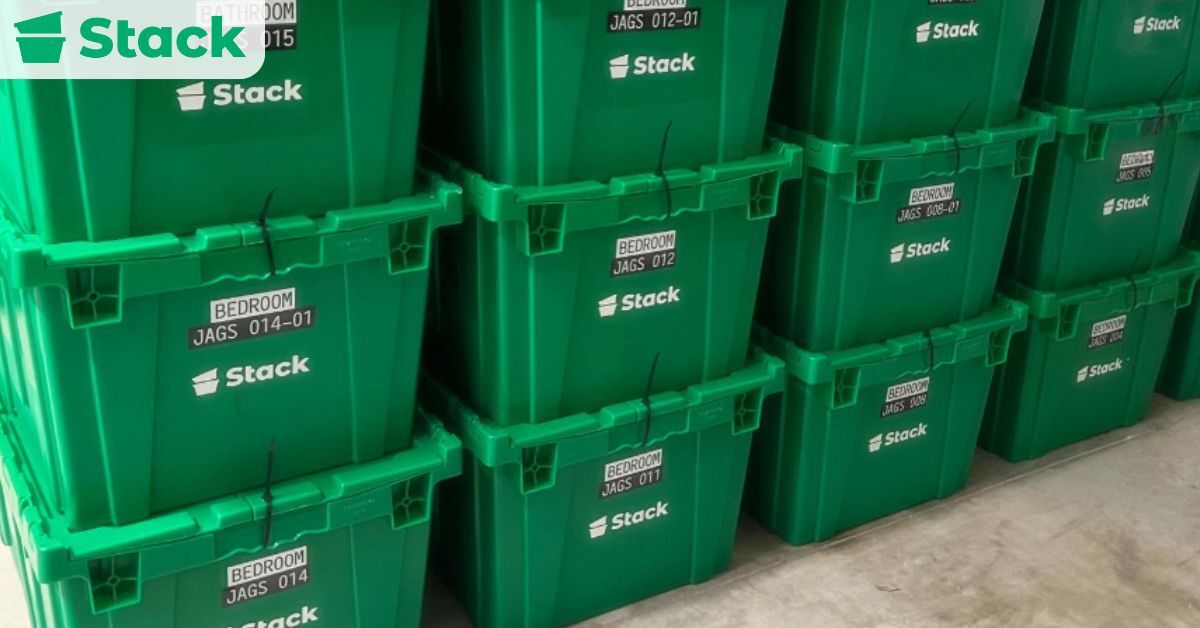
Here at Stack Moves we rent out plastic moving bins specifically designed to make moving books and other belongings easier. Whether you have a small shelf or an entire library, our bins keep your books organized, secure, and safe from the moment they are packed to the moment they arrive. Contact us today to get started.

In this guide we will share our list of the best boxes for moving books, where to get them, and how to pack them properly.

Best Types of Boxes for Moving Books

best boxes for moving books

The boxes on this list are reliable enough to make sure your books arrive at your new home in the same condition they left in.

1) Dedicated Book Boxes

Dedicated book boxes are designed specifically for transporting or storing books, making them the best boxes for this type of move. The cardboard these boxes are made of is thicker than your average moving box, so even a full load of hardcover books is not going to cause any buckling or blowouts. When packing, try to arrange your hardcover books upright, spine to spine, just like they sit on a shelf. Then fill any extra space with balled-up packing paper to stop them from shifting around in the moving truck.

2) Small Moving Boxes

If you can’t get your hands on dedicated book boxes, small moving boxes are honestly just as good for most people. Their small size physically limits how many books you can pack in one box, which naturally keeps things from getting dangerously heavy. Small moving boxes work great for paperbacks and medium-sized hardcovers. Plus, the sizing means you can stack them easily in the moving truck without worrying about them tipping. A good rule of thumb is to pack heavier hardcover books at the bottom and lighter paperbacks on top to keep the weight balanced.

3) Double-Walled Cardboard Boxes

For anyone moving long distance or dealing with a collection full of large, heavy books, double-walled boxes are worth every extra penny. The double layer of cardboard gives them significantly more strength than a standard moving box, meaning they hold up when stacked high in a moving truck for hours or even days at a time. They are also great for oversized books and coffee table books that put more stress on the sides of the box just by the way they sit.

4) File/Banker’s Boxes

Bankers boxes might be the most underrated option on this entire list. They are literally engineered to carry the weight of stacked paper and documents all day, which means a load of books is no problem at all for them structurally. They come with their own lids, which cuts down on how much packing tape you need and makes the whole packing process a lot quicker. They are a particularly smart choice for paperbacks and medium-sized hardcovers since the dimensions line up nicely and keep everything snug without wasted space.

5) Plastic Moving Boxes

Plastic moving bins bring a few things to the table that cardboard boxes simply cannot, mainly that they are reusable, waterproof, and stackable. These qualities make them a great long-term investment if you move regularly or want to store books after the move. The catch is that books will make these boxes brutally heavy very fast, so the key is to never fill a plastic bin with books alone. Mix your books with lighter packing materials like bubble wrap, clothing, or linens to keep the overall weight reasonable and protect books at the same time. You can conveniently rent plastic moving bins from moving companies like Stack Movers.

6) Acid-Free Boxes

Most people will never need these, but if you own rare books, valuable books, or delicate editions that have been in your family for years, acid-free boxes are nonnegotiable. Regular cardboard contains acid that slowly breaks down paper over time, causing yellowing, brittleness, and irreversible damage to pages and covers. Acid-free boxes eliminate that risk entirely and keep your rare editions and delicate books in pristine condition whether you are moving them or putting them into long-term storage. But it’s worth mentioning that these cost more than your traditional cardboard boxes.

How Do You Choose the Right Box for Moving Books?

Start by thinking about weight. Books are among the heaviest things you will pack and your moving boxes need to be able to handle that without giving out. Small boxes are almost always the right call because they naturally limit how many books go in one box, keeping the load manageable and protecting both your books and your back. If you are moving larger books like oversized hardcovers or coffee table books, medium boxes work better since they give you the extra space needed without forcing you to bend or damage them.

You also want to think about wall thickness because single-walled cardboard boxes are fine for lighter loads but double-walled boxes give you the structural strength you need for a collection full of heavy hardcovers. Where you are moving to also matters, since a long-distance move puts a lot more stress on your packing boxes than a quick trip across town.

In our opinion, dedicated book boxes or small moving boxes are the best boxes to use for moving books. They are sized perfectly to keep the box weight under control and sturdy enough to keep your books protected. If you’d prefer a more sustainable option, plastic moving bins are a solid second choice.

Where to Buy Boxes for Moving Books

best boxes for moving books

The right supplier means better quality boxes, the best-sized box, and not overspending on packing supplies you could have gotten for free. Here are some tested and trusted places to shop for moving boxes

  • U-Haul (Your best bet for dedicated book boxes)
    U-Haul sells boxes specifically designed for moving books and you can grab them in store or order online, making it one of the most convenient options if you want purpose-built packing boxes without hunting around.
  • Home Depot/Lowe’s (The go-to for small moving box bundles)
    Both stores carry affordable multipacks, which is great if you have a large collection and need to stock up on sturdy cardboard boxes without paying premium prices.
  • Amazon (Best for variety and convenience)
    You can find everything from small boxes to double-walled options and specialty sizes, all delivered to your door. Great if you are comparing prices or need a specific box type you cannot find locally.
  • UBoxes.com (Great fo bulk buying)
    The best option if you are moving a serious book collection and need boxes in bulk. Pricing gets significantly cheaper the more you buy, so if you have a large library, this is where you will save the most money.
  • Free Options (Budget-friendly alternative)
    You can get moving boxes for free from local businesses in your locality. For example, liquor store boxes are particularly sturdy since they are built to carry heavy bottles. Online marketplaces like Facebook Marketplace are also worth checking since people give away barely used moving boxes all the time.

Common Mistakes to Avoid When Moving Books

Moving books seems simple until you open a box at your new place and find your favorite hardcover looking like it went through a war. This guide is here to make sure that never happens to your collection.

Using Boxes That Are Too Large

Oversized boxes tend to buckle under the weight of books because they’re not built to hold that kind of concentrated load in a small area. Overstuffing a box usually results in blown-out bottoms and books spilling everywhere. Stick to small boxes and keep each one under 40 lbs.

Packing Books Spine Down or at an Angle

Packing books with the spine facing down puts all the weight of the book directly on the binding, which is the most fragile part. Over time, this causes the spine to crack, pages to loosen, and in older books, the cover can separate entirely. Packing at an angle is just as bad because the book has nothing supporting it and shifts constantly during transport. Always pack books flat or upright, spine to spine, never resting on the spine itself.

Leaving Empty Space in the Box

All that empty space lets books slide, tip over, and bang against each other every time the box gets moved or the truck hits a bump. By the time you arrive at your new place, the corners are dented, covers are scuffed, and paperback spines are creased. Always fill gaps with crumpled packing paper until the box feels solid and nothing moves when you shake it.

Skipping the Tape on the Bottom Seam

If you only fold the flaps and skip the tape, you are gambling on whether your books make it to the truck or not. Nobody wants to chase their books across a parking lot or watch a box collapse on the stairs. Reinforce every box bottom with at least two to three strips of packing tape before you put a single book in.

Mixing Books With Heavy Non-Book Items

That box becomes nearly impossible to carry safely and the pressure from heavier objects sitting on or against books causes real damage to covers and pages. It also makes it way harder to know what is in each box when you are unpacking. Keep books in their own dedicated boxes so you can manage the weight properly and label them clearly.

Skipping Protection for Valuable or Fragile Books

Without individual wrapping, books rub against each other the entire move, scuffing covers and wearing down edges with every bump in the road. For anything valuable, wrap each book individually in packing paper or bubble wrap before placing it in the box. Better yet, carry those books in your personal vehicle so they never go near the moving truck at all.

How to Pack Books in Moving Boxes (Step-by-Step)

Knowing which box to use is only half the battle. It’s equally important to pack your moving boxes the right way. If you pack your books incorrectly, you’ll end up dealing with damaged spines, bent covers, and boxes that fall apart mid-move. Here’s exactly how to do it right.

Step 1: Gather Your Supplies

Before you start throwing books into boxes, get everything you need in one place. You’ll want your boxes, packing tape, packing paper, bubble wrap for anything valuable, and a marker for labeling. Having it all ready upfront saves you from stopping every five minutes to hunt something down. Trust me, it makes the whole process way faster.

Step 2: Sort Books by Size

Group your books by size before packing a single one. Hardcovers together, paperbacks together, oversized coffee table books separate. This makes it much easier to pack boxes efficiently and keeps things from shifting around during the move. It also helps you figure out how many boxes you actually need.

Step 3: Pack Heaviest Books at the Bottom

Always start with your largest, heaviest hardcovers at the bottom of the box. This keeps the weight low and the box stable, both when you’re carrying it and when it’s sitting in the truck. Stacking heavy books on top of paperbacks is a great way to end up with crushed covers and bent pages.

Step 4: Pack Upright or Flat, Never at an Angle

This is the step most people get wrong. Standard hardcovers and paperbacks can be packed upright spine to spine, just like they sit on a shelf. Larger or heavier books do better lying flat in a stack. What you never want to do is pack books at an angle because that puts stress on the spine and can cause permanent damage.

Step 5: Fill Every Gap

Once your books are in, fill any empty space with crumpled packing paper. Empty space lets books shift and slide around during the move, which leads to bent corners and damaged covers. A properly packed moving box should feel full and tight when you close it. No rattling, no movement.

Step 6: Keep Each Box Under 40 lbs

This is a rule you really don’t want to ignore. Books are one of the heaviest things you can move and even a small box fills up fast. If you pick it up and it feels too heavy, take some books out. Your back and whoever is helping you move will thank you.

Step 7: Tape the Bottom Well and Label Everything

Reinforce the bottom of every box with two to three strips of packing tape before you even start packing. A box full of books puts serious stress on that bottom seam. Once packed, write “books” and “heavy” on the top and all four sides so anyone carrying it knows what they’re dealing with. Label the destination room too so unpacking is way less of a headache.

Still Not Sure Which Boxes to Use for Moving Books?

best boxes for moving books

Getting this right is the difference between your books arriving in pristine condition and opening boxes to find damaged spines, crushed covers, and bent pages you cannot fix. In our opinion, dedicated book boxes and small moving boxes are the best boxes for moving books, hands down. If you want something reusable and waterproof, plastic moving bins are a solid next-best option; just make sure you are not overpacking them.

You can rent high-quality plastic bins from Stack Moves. We offer free delivery and pickup anywhere in the US, so getting set up is completely hassle-free. Ready to get your books moved the right way? Contact us today, and we’ll take it from there.

Frequently Asked Questions

Moving books throws up a lot of questions, especially when you are staring down a wall of shelves wondering where to even start. Here are the most common questions we get asked and everything you need to know.

Where Can I Buy Boxes for Moving Books?

U-Haul is the best place for dedicated book boxes, while Home Depot and Lowe’s are great for small moving box bundles. Amazon works well if you need variety or want boxes delivered to your door, and UBoxes.com is the smartest option if you are buying in bulk. If you want to save money, local businesses like your grocery stores and bookstores regularly give away sturdy cardboard boxes for free.

How Many Books Can Fit in a Standard Moving Box?

A standard small moving box holds around 15 to 20 books depending on size, but the weight matters more than the number of books. Once a box hits 35 to 40 lbs, it is time to stop packing regardless of how much space is left. Keeping weight in check protects both your books and your back on moving day.

Are Plastic or Cardboard Boxes Better for Moving Books?

Cardboard boxes, specifically small or dedicated book boxes, are the better choice for moving books. They are easier to manage weight wise and the right sizes are designed for keeping books secure and protected. Plastic bins work as a secondary option but only when mixed with lighter items to keep the overall weight reasonable.

Do I Need Special Boxes for Moving Heavy Books?

For most hardcover books, small moving boxes or dedicated book boxes are more than enough. If you are moving a lot of large, heavy hardcovers or going long distance, upgrading to double-walled cardboard boxes gives you extra structural strength worth having. The only time you truly need specialty boxes is for rare, antique, or delicate books, where acid-free boxes are the right call to keep them in pristine condition.

Dorm Room Essentials for Guys: What You Actually Need for Dorm Life

If you’ve been looking for a blog post that clearly lists the dorm room essentials every guy needs to set up his space and not just another generic college packing list, you’re in the right place. Instead of overwhelming you with everything you could bring, our goal is to tell you exactly what you should bring to stay comfortable and organized. In most cases, all you’ll need is bedding, bathroom items, laundry essentials, school gear, and a few extras to settle in comfortably, all of which we cover in detail in this guide.

At Stack Moves, we’ve helped hundreds of students in the U.S. enjoy a smooth and stress-free college move-in day. Drawing on years experience in the moving industry, we’ve designed moving boxes that make packing, loading, and unpacking easier from start to finish. Contact us today to rent your boxes and prepare for a hassle-free college move-in day.

In this blog post, we’ll walk you through the essential dorm room items every guy needs to feel at home from day one.

What Are the Must-Have Dorm Room Essentials for Guys?

The process of moving into a dorm can feel daunting for most students who are unsure about what they need to get started. Fortunately, with the help of a clear list of dorm essentials, it becomes easier to pack efficiently and settle in smoothly once you arrive. If you would also like some tips on getting everything moved and set up, check out our post on tips for moving into a dorm room. It covers helpful packing strategies and pointers on how to make the most of your space.

1. Bedding

As a college student, one of the best things you can do for yourself is to ensure you get a good night’s sleep as often as possible. According to this post by the American Academy of Sleep Medicine, students who get an adequate amount of sleep have better focus, memory, and overall academic performance compared to those who do not.

dorm room essentials for guys including twin xl bedding and pillows

Most colleges provide Twin XL beds in dorm rooms, so make sure all your bedding is in that size. Otherwise, you’ll end up with sheets that don’t fit.

Bedding essentials to bring:

  • Twin XL sheets (fitted + flat)
  • Mattress pad/topper
  • Mattress protector
  • Comforter/duvet
  • Pillows (2–3)
  • Pillowcases
  • Throw blanket/small extra blanket
  • Bedside caddy/bedside shelf
  • Bed risers (if allowed)

Packing Tip: Keep in mind that most bedding items like comforters are usually thick and can take up a ton of valuable space in your moving boxes. To avoid this problem, you can use vacuum-seal bags to compress them and save space. For a more detailed approach, see our step-by-step guide on how to pack comforters and other bedding for a move.

2. Desk and Study Supplies

Your desk is where you’ll spend a lot of time studying and handling everyday tasks, so it’s worth setting it up properly. A functional desk setup helps you stay focused, avoid clutter, and keep all your electronics powered without constantly unplugging things.

Desk and study items to bring:

  • Desk lamp (LED or clamp-on)
  • Surge protector/power strip
  • Extension cord
  • Laptop stand
  • Desk organizer
  • Whiteboard or corkboard
  • Noise-canceling headphones or earphones
  • Desk calendar or planner
  • Phone chargers (extra)
  • Multi-port USB charging station
  • Ethernet cable
  • Alarm clock (backup to phone)
  • Small desk fan
  • HDMI cable

Packing Tip: Keep your desk items organized by grouping similar items together in small boxes or pouches. Also label cords, chargers, and accessories so you can set up quickly when you arrive.

dorm room essentials for guys including desk, laptop, and study supplies

3. Dorm Room Essentials for Guys That Keep Your Space Organized

Picture having an important test, studying all week for it, and walking into class ready to start only to realize you forgot your calculator in your dorm. Unlike a pen, a calculator isn’t something you can just borrow from a classmate in the middle of a quiz. So it’s important to organize your belongings from day one so everything has a place and is easy to locate when you need it.

dorm room essentials for guys including storage bins and closet organizers

Storage and organization items to bring:

  • Closet organizers or hanging shelves
  • Command hooks or adhesive wall hangers
  • Shoe rack or shoe storage bin
  • Desk drawers or organizers
  • Storage cubes or baskets
  • Over-the-door storage racks
  • Small dresser (if not provided and allowed)
  • Cloth hangers
  • Drawer dividers for small items
  • Under-bed storage bins

Packing Tip: Using clear moving boxes lets you see the contents at a glance, making it faster to find what you need when unpacking. Be sure to also clearly label each container with its contents and destination room to make unpacking smooth and organized.

4. Bathroom Essentials

Generally, dorm bathrooms are either communal or en-suite, meaning you’ll either use a shared bathroom down the hall, similar to locker room-style stalls, or have one connected directly to your room. Because of this setup, having the right bathroom essentials makes daily routines quicker, cleaner, and far less awkward.

Bath essentials to bring:

  • Shower caddy
  • Shower shoes/flip-flops
  • Bath towels (2–3)
  • Hand towels/washcloths
  • Bath mat
  • Trash can (if bathroom is en-suite)
  • Hanging toiletry organizer

Packing Tip: Bathroom items can leak or spill if packed carelessly. You can get around this by placing liquids in sealed zip-top bags and wrapping fragile items in towels or washcloths. For more tips on packing bathroom items, see our full post on how to pack bathroom items for moving.

dorm room essentials for guys including shower caddy and bathroom supplies

5. Cleaning and Laundry Supplies

Unless you plan on going home every other week to do laundry, which isn’t practical, you’ll need your own laundry supplies. Beyond keeping your clothes clean, you’ll also need to maintain your dorm room so it remains fresh and comfortable. Remember that small spaces get messy fast, so having basic cleaning supplies on hand makes upkeep much easier.

Cleaning and laundry supplies to bring:

  • Laundry hamper/laundry bag
  • Laundry detergent
  • Dryer sheets
  • Stain remover
  • Lint roller
  • Small fabric freshener/deodorizer
  • Cleaning wipes/all-purpose cleaner
  • Shoe cleaning wipes/brush

Packing Tip: When packing laundry and cleaning supplies, make sure liquids are tightly sealed to prevent leaks. Place heavier items like detergent at the bottom of the box, with lighter items like sponges and sprays on top to avoid crushing them.

6. Extra Items That Make College Life Easier

A few extra comfort and convenience items can go a long way in improving your daily routine, whether that’s relaxing after class, hosting friends, or simply making your room more enjoyable to spend time in.

  • Area rug
  • Posters, framed prints, or wall décor
  • Bluetooth speaker
  • Reusable tote bags for groceries or laundry
  • Bed tray or lap desk
  • Desk plant (real or artificial)
  • Mini fridge/small fridge (if allowed)

What Not to Bring to a Dorm Room

Some items are banned because they pose fire or safety risks, can damage dorm property, or are simply unnecessary in a shared space. To save you the trouble, here are common things guys bring to college that you should leave at home, grouped by category.

  1. Fire Hazards: Candles, incense, space heaters, hot plates, electric grills, deep fryers, toaster ovens, air fryers, electric skillets, rice cookers, open-coil heating devices
  2. Appliances That Aren’t Dorm-Approved: Full-size refrigerators, chest freezers, washers/dryers, dishwashers, large blenders/food processors, portable AC units, humidifiers without approval
  3. Items That Can Damage Dorm Property: Nails, screws, wall anchors, permanent adhesives, duct tape, spray paint, heavy furniture, large bookshelves, wall-mounted TVs
  4. Weapons and Restricted Items: Firearms, ammunition, BB/airsoft guns, tasers, hunting knives, martial arts weapons, pepper spray
  5. Unnecessary Furniture: Couches, loveseats, recliners, coffee tables, full-size desks, extra bed frames, large storage cabinets
  6. Alcohol and Related Items: Alcohol (for underage students), kegs, beer bongs, shot glasses, empty alcohol containers for décor
  7. Loud and Disruptive Items: Large subwoofers, DJ equipment, full drum sets, amplifiers, outdoor speakers

What Are the Most Common Packing Mistakes Parents and Students Make?

One of the most common mistakes parents and students make when packing for college is bringing too much stuff. The usual culprits are items that look useful but end up never being used throughout the school session. Remember that dorm rooms are a lot smaller than your bedroom at home, so overpacking can build up clutter and make it harder to settle in.

Another common mistake parents and students make is not accounting for the twin XL bed requirement. Standard twin sheets don’t fit most college dorm beds, so arriving with the wrong size bedding can result in unnecessary running around to find the right ones. Most parents and students also tend to forget to go over dorm rules and restrictions. Because of this, they may show up with prohibited items on move-in day, resulting in them either being confiscated or sent back home.

You want to avoid making the place feel even more cramped than it already is and failing to coordinate with your roommates often results in bringing duplicate items and wasting precious storage space. Some spaces, like your bathroom, are often shared, so it makes more sense to agree ahead of time on who brings what to reduce clutter and avoid tension early on.

Finally, waiting too long to fully set up makes the space feel temporary and uncomfortable. It helps to take a little extra time on move-in day to organize your room and add a few personal touches so you can settle in faster.

Ready to Get Your Dorm Room Essentials Organized and Moved?

Knowing exactly what’s needed for dorm life makes packing faster and helps you avoid bringing unnecessary stuff. Plus, it makes settling in on move-in day much smoother and less stressful. Once you’ve got the essentials figured out, the next step is safely getting all your essentials to campus, and this depends on the quality of your packing materials.

Plastic moving boxes, like the ones we provide, protect your belongings from spills, crushing, and the wear-and-tear of transport. We offer plastic moving boxes for rent at affordable prices and can have them delivered and picked up, so you don’t have to worry about the hassle of returning or storing them. Book your boxes now to guarantee your stress-free move-in day.

FAQs

Moving into a dorm can bring up a lot of questions, especially if it’s your first time away from home. We’ve put together answers to some of the most common questions guys have about what they need for dorm life.

What Comes in a Dorm Room?

Most dorm rooms come with the basics like a bed frame, a twin XL mattress, a desk, a chair, and a small closet or dresser. You usually also get overhead lighting and maybe a bookshelf, but that’s about it. Everything else, such as bedding and decor, is on you.

What Do Boys Need for Dorms?

Guys mainly need the essentials that cover sleep, school, and daily life. That means twin XL bedding, bathroom and laundry supplies, and school supplies. It’s best to start with the basics and add more along the way.

What Not to Bring to Dorms

Anything that could potentially hurt you, another person, or just make living there uncomfortable should be avoided. This usually includes illegal substances, weapons, and fire hazards. Large or bulky furniture that doesn’t fit the space is also a no-go. Basically, stick to what’s safe and practical for small shared spaces.

Can Guys Add Personal Style to Their Dorm Room Without Damage?

Yes, you can, and it’s easier than you think. Instead of nails or screws, use Command strips or poster putty to hang your wall posters. You can also add color and personality with bedding that matches your style. Throw a small rug or string up some LED lights to make the room cozier. These simple touches make the space feel like yours without damaging school property.

What’s the Best Way to Maximize Small Dorm Spaces?

Use under-bed storage bins to keep things off the floor. Hang organizers in your closet to make use of vertical space. Put hooks on the back of doors for bags, jackets, or towels. Keep only the items you actually use on your desk to reduce clutter.

College Moving Boxes: What to Use and When to Use Them

The average cardboard box can be used for just about any type of move, so is there really such a thing as a “college moving box”? Because boxes vary by factors like size and material, it’s been observed that some are more suitable for certain moves than others. In this case, we’ve found that plastic boxes are best suited for college moves because they’re sturdy, easy to carry, and can be stacked to save space. They’re also a convenient option for gathering boxes since they can be delivered to your address and picked up after your move.

At Stack Moves, we’ve supported students nationwide in making their college move-in days hassle-free. Our years of experience in the moving industry has allowed us to design moving boxes that aren’t just durable, but also student-friendly and perfect for busy move-in days. Contact us today to book your boxes in time for your move.

In this guide, we’ll walk you through the different types of college moving boxes and explain where to get them.

What Are College Moving Boxes?

College moving boxes - Stack Moves

College moving boxes are containers specifically designed to make moving into a dorm or campus apartment easier and more organized. These boxes can come in different sizes and materials ranging from cardboard to plastic. The main reason for using them is to make transporting your belongings easier while keeping them protected.

Best College Moving Boxes for Dorms

Aside from being able to protect your belongings, boxes that are stackable and easy to carry make the best college moving boxes. In this section, we’ll break down the most common box types students use, along with when you should consider using them for your move.

1. Cardboard Moving Boxes

Cardboard boxes are usually our default choice, and for many student moves, they get the job done just fine. They’re simple to find, lightweight, and stack easily, making them a popular choice for packing clothes and other everyday items. They’re especially helpful if you’re moving from a nearby apartment or heading to campus by car, since they’re easy to load and unload quickly.

But the main drawback of these boxes is that they’re not very durable. Cardboard boxes weaken when exposed to moisture and can give out when overpacked or reused too many times. Before using them, be sure to reinforce them with tape so that they can hold up better.

2. Plastic Moving Boxes

If you want to enjoy a smoother and more organized move, we recommend using plastic moving bins instead of cardboard boxes. These boxes are sturdy and do a great job protecting items from moisture and rough handling during move-in. Because of their uniform size, they fit neatly in elevators, hallways, and dorm rooms, making it easier to navigate tight spaces better.

Sadly, they can be expensive if you’re planning to buy them outright. This is why we advise movers to consider renting them instead. For an affordable price you can enjoy a bundle of boxes, along with complimentary packing supplies to make your move even more efficient and stress-free. And the best part is, most rental companies deliver these boxes to you and pick them up after, eliminating the hassle of figuring out what to do with the boxes after moving.

3. Specialty Boxes

Some items require more care than standard boxes can offer, and this is where specialty moving boxes come in. They are designed to fit and protect delicate items such as hanging clothes, dishes, and artwork, thereby reducing the need for extra packing materials. It’s best to get these boxes only when you have a clear need for them. This means that specialty boxes may not always be necessary for a dorm move, as they can be more expensive and take up extra space.

Where to Get Moving Boxes for College Students

When it comes to getting moving boxes for college, there are two main routes students usually take. The first is to purchase a company-supplied college moving kit, where everything is bundled for you. The second is to gather your own boxes based on your budget and needs.

1) College Moving Kits from Moving Companies

College moving kits are pre-assembled box bundles, often paired with basic packing supplies, put together by moving companies to simplify your packing process. The biggest benefit to using moving kits is convenience, especially if you’re short on time or planning a move from out of state. They’re especially helpful for first-time movers or students moving into campus housing on a tight schedule.

A popular example of a college moving kit is U-Haul’s college boxes, which are designed with students in mind and sold as ready-to-use packages. All you have to do is choose a kit and have it delivered to your specified address, pack at your own pace, and then handle disposal once the move is done. This setup works well for students who want a simple, predictable option without having to overthink quantities or box sizes.

That said, moving kits aren’t always the perfect solution for college moves. Most kits use cardboard boxes, which means durability can be an issue if the boxes get wet. You may also end up with box sizes you don’t really need, or not enough of the ones you do, since the kits are standardized rather than personalized. And because you’re buying them outright, you’re left with boxes to dispose of or store after move-in.

2) DIY College Moving Boxes: Free, Cheap, and Rental Options

Finding your own boxes gives you more control over box sizes, materials, and overall quality, so you can pack exactly what you need without paying for extras you won’t use. It also lets you choose sturdier or more budget-friendly options depending on your priorities, while avoiding the hassle of dealing with leftover boxes after move-in. There are generally three ways to source boxes yourself:

1) Free Moving Boxes for College: Free boxes can be a good option when you’re trying to spend as little as possible on your move. It’s best to use free boxes if you’re moving locally, packing lightweight items, and have time to hunt them down ahead of move-in. You can usually find free moving boxes at grocery stores, liquor stores, bookstores, or through local community groups and online listings. Some people also reuse boxes from previous moves or deliveries. The downside is that free boxes are often already worn or weaker than expected. To deal with this, reinforce the bottom with extra tape, and stick to using them for lighter items

2) Cheap College Moving Boxes: If you’re still working with a tight budget but want something more reliable compared to free boxes, consider buying cheap moving boxes. This option works well when you want consistency in size and don’t want to worry about boxes falling apart. The best places to shop for cheap boxes are home improvement stores, moving supply shops, and online retailers. The main downside is that you’re paying for something you’ll likely only use once, and figuring out what to do with the boxes after a move can be a hassle. To offset that, you can recycle them, pass them along to another student, or save a few for future moves or storage.

3) Reusable Plastic Moving Bins for Rent: Whether you’re on a budget or just want convenience, renting moving bins is the easiest and most stress-free way to gather boxes. These bins are sturdy, uniform in size, and designed specifically for moving, which makes packing and stacking much simpler. Rental companies like Stack Moves provide reusable bins and handle delivery and pickup across the U.S., so you don’t have to worry about sourcing or disposing of boxes. The only real downside is that they need to be returned after your move, but this is usually scheduled in advance and handled for you, making it a small trade-off for how easy the process is.

How to Pack College Moving Boxes for Move-In Day

College moving boxes - Stack Moves

Even with the right box, the wrong packing method can still result in a stressful and chaotic move. Packing incorrectly can potentially waste space, time, or even damage your belongings. To help you avoid these outcomes, we put together a practical guide to packing efficiently for your college move:

1. Sort Your Items Before Packing

Before you start packing, place all your belongings where you can see them and decide on what’s following you. Keep in mind that dorm rooms are small, and arriving with a ton of items will only make the room smaller. It’s best to show up with only the basic essentials and build from there.

2. Pack Similar Items Together

You can save yourself a lot of time when setting up by packing similar items together. It is for this reason that we usually advise people planning household relocations to pack room by room. For example, when packing your bathroom, all bathroom items should be packed together. This way you can arrive and unpack your entire bathroom setup in one go.

3. Keep Boxes Light

Some of the most common injuries during a move are sprains and dislocations. This is usually a result of poor posture when lifting and carrying heavy boxes. Overpacking your boxes also increases the risk of the box breaking or getting dropped, leading to damaged items. Only fill your boxes about three-quarters full to keep the weight manageable.

4. Protect Fragile Items

It shouldn’t come as a surprise that glassware is one of the most common items to get broken during a move. Generally, fragile items such as glass, dishes, and small electronics are at higher risk of sustaining damage during any type of move, making it important to pack them carefully. Always wrap breakable items with protective materials like bubble wrap to reduce the risk of breaking them. You can also fill in any gaps in your moving boxes with packing paper, packing peanuts, or small clothing to prevent shifting during transit.

5. Clearly Label Boxes

While there are multiple ways to effectively label a box, we’ve found that the best way to label a box for moving is to write its content and destination on multiple sides of the box. Alternatively, you can also color-code your boxes by room or even link them to your inventory moving list, where each box is numbered and its content is tracked.

6. Prepare an Essentials Box

Finally, set aside a dedicated essentials box with everything you’ll need for your first night and the first day in your dorm. This should include items like bedding, toiletries, a change of clothes, phone chargers, basic snacks, and any medications you might need. The goal is to keep these must-haves accessible so you don’t have to dig through multiple boxes right after arriving.

Rent Plastic Boxes for a Stress-Free College Move

College moving boxes - Stack Moves

The ideal college moving box should be sturdy, stackable, easy to carry, and able to protect your belongings from the rigors of moving. Plastic boxes check all of these boxes, making them the most reliable choice for dorm moves where space is tight and items need extra protection.

What makes them even better is the convenience of renting from companies like Stack Moves. They deliver the boxes directly to your door, pick them up after your move, and often include helpful extras like dollies, labels, and other packing supplies to make move-in day as smooth as possible. Don’t wait a moment longer; schedule your boxes now!

FAQs

These quick answers are here to help you feel prepared and a little less stressed before the big day. Don’t see a question you have in mind? Feel free to reach out and a member of our friendly team will be happy to answer any questions you have.

What Size Boxes Are Best for College Dorms?

It’s best to stick with small and medium-sized boxes for college moves. These boxes are not only easier to carry but also prevent overpacking, which could cause strain or damage later on. Remember that the rooms are small, and you wouldn’t want to crowd the space any more with oversized boxes.

Can You Bring Boxes on Move-in Day?

Yes, you can. Most schools expect students to come with their belongings neatly packed in boxes or some other form of moving container. Remember to make sure that everything is packed and labeled so that you can settle in faster once you arrive.

Should Parents Buy or Reuse Boxes?

Reusing boxes for a move is the simplest and most affordable way to gather moving boxes. The only downside to reusing boxes is they tend to wear out faster and can be difficult to find in matching sizes. However, buying boxes can be expensive if you’re on a budget. Hence why we recommend renting plastic moving bins instead.

Are Plastic Bins Better Than Cardboard Boxes?

In most cases, plastic bins are better than cardboard boxes because of their enhanced durability, especially in humid environments. They are also more affordable and sustainable than their cardboard counterparts. However, there are still some instances where using a cardboard box is better than a plastic one. So it’s best to choose a box based on what you’re packing and how you plan to move it.

Do Colleges Provide Moving Boxes?

Most colleges don’t provide boxes for students. While some schools may share some tips on where to get boxes, it’s usually up to students and their guardians to plan ahead and bring what they need.

Tips For Move In Day College That Make Move-In Faster and Easier

If you’re an incoming freshman or parent looking for practical college move-in day tips that make the whole process faster and easier, this is the guide for you. College moves can be overwhelming, and having the right knowledge on what to pack, when to arrive, and how to stay organized can make a world of difference. For a smoother college move-in experience, it helps to plan ahead, label everything clearly, and use high-quality moving boxes. Remember that your moving boxes don’t just convey your belongings; they also protect them, making it important to use only high-quality packing supplies for your move.

At Stack Moves, we’ve helped hundreds of students in the U.S. enjoy a smooth and stress-free college move-in day. Drawing on our years of experience in the moving industry, we’ve designed moving boxes that make packing, loading, and unpacking easier from start to finish. Contact us today to rent your boxes and prepare for a hassle-free college move-in day.

In this guide, we’ll cover practical tips on packing smarter for college as well as what to do immediately after move-in day so you can settle in fast and start college life on the right foot.

20 Tips for College Move-In Day

20 Tips for College Move-In Day - Stack Moves

By following these tried-and-true tips, you’ll save time, stay organized, and start your freshman year on the right foot.

1. Pack Similar Items Together

Picture wanting to set up your bedroom and finding your bedsheets in one box but not being able to locate your pillowcases anywhere. One good way to pack for your move is to group items by category, room, or function because it makes it easier to unpack and place them where they should go. For example, packing all bathroom items (towels, toiletries, shower caddy) in one box allows you to set up your bathroom faster instead of hunting for the same items across multiple boxes.

2. Label Everything Clearly

Clearly labeling your boxes can save you the stress of opening multiple boxes just to figure out what’s inside while standing in a crowded dorm hallway. It’s especially important for boxes with fragile items or valuables because clear labels help prevent rough handling of the boxes and breaking something. Be sure to mark multiple sides so the label is easy to spot no matter how the box is stacked or carried. The most effective way to label boxes for moving is to write the contents along with the hall name or room number on each box.

3. Use Plastic Bins

One of the very first decisions you’ll have to make is whether you should use cardboard or plastic moving boxes for your move. Plastic boxes offer better durability and protection compared to cardboard boxes. Plus, their ergonomic handles make them easier to carry through busy campus buildings.

There are some instances where using cardboard boxes makes sense, for example, for items you plan to recycle or discard after move-in. But generally, plastic moving boxes and totes make transporting belongings faster, safer, and far less stressful.

4. Keep Clothes on Hangers to Prevent Wrinkles

Generally, people pack their clothes by folding them. For more casual clothing like T-shirts, you can roll them to save even more space in your boxes. However, when dealing with hanging clothes, the best way to pack them is to leave them on their hangers and place them in a wardrobe box. Alternatively, you can cover hanging clothes with a garbage bag and lay them flat inside a plastic moving box for added protection. Both methods not only prevent wrinkles but also make it easier to hang everything up immediately once you arrive at your dorm.

5. Pack Fragile Items Carefully

It’s possible to break fragile items before you even place them fully inside a box, which is why handling them with care is so important. Wrap each item in bubble wrap to prevent cracks and chips, and use packing paper or soft items to fill spaces in the box and prevent shifting. This reduces the risk of damage during transport and keeps your belongings safe throughout move-in day.

6. Keep Valuables in Your Backpack for Safety

Instead of packing valuables like important documents and jewelry in your moving truck, keep them in a pouch or backpack that stays with you at all times. It’s generally advised to avoid placing valuables in boxes because they can be misplaced, stacked incorrectly, or handled by multiple people during move-in day. When it’s not possible to carry everything with you, consider using a secure container with a lock and keeping the key on you for added peace of mind.

7. Remove Packaging Before Move-In to Save Time

While this may seem like a small step, you’d be surprised how much time can go into getting the packaging off your items, especially if you had to buy many new items for the move. Take some time to remove packaging at home before packing items into your boxes. This way, you can unload and start setting up your dorm room right away without having to stop and deal with piles of wrappers or cardboard on move-in day.

8. Check Your Electronics and Chargers Before Moving

The last thing you’d want is to arrive at college and realize that your charger is missing or your phone isn’t working properly. Even if it’s possible to buy a replacement, it will still take some time to find a reliable vendor. Not to mention the possibility that they may not have a replacement that meets your specification. Your safest option is to check all electronics and chargers before you leave so you can sort out any issues ahead of time and avoid unnecessary stress during move-in.

9. Bring Only Essentials and Make a List of Items to Buy Later

This not only lightens your load but can also reduce your overall moving expense, since the amount you bring is a major contributing factor to the cost of a move. If you’re planning a college move across the country, packing every single item you own may not be practical. It makes more sense to focus on dorm essentials like bedding, clothing, school supplies, and toiletries and then buy the remaining items after you arrive.

10. Coordinate With Your Roommate About Shared Items

You’ve probably heard how small dorm rooms are, and in most cases, that’s not an exaggeration; they really are that small. To avoid wasting valuable room by bringing duplicate items, it’s best to coordinate with your roommate ahead of time. This is especially helpful for larger shared items like mini fridges, which can take up a significant amount of space if more than one is brought into the room.

11. Plan Your Room Layout to Maximize Space

Planning your room’s layout helps you decide where the bed, desk, and storage should go rather than showing up and wasting valuable move-in time rearranging furniture in an already tight space. Some colleges provide information about their dorm rooms, including room dimensions and layout details. Try checking your school’s website, social media pages, or housing portal for photos or measurements so you can plan your room layout ahead of time.

12. Unpack Strategically

You typically pack your essentials last so they’re easy to access, but when unpacking, the opposite is the case. You should unpack your bed and daily essentials first, because without them it becomes difficult to rest or function comfortably after a long move-in day. Delaying the process can leave you exhausted and scrambling for something as basic as your phone charger at odd hours so it’s best to get the basics set up before moving on to anything else.

13. Wash Towels, Bedding, and Utensils Before Move-In

While you could arrive with unwashed items and plan to clean them on campus, it’s not recommended. For starters, your chances of being able to use your dorm’s laundry facilities right away on move-in day are really slim due to long lines. Moreover, your first couple of days on campus will be very uncomfortable if you don’t have any clean essentials ready to use. The bottom line is that it’s better to arrive with everything washed and ready so you can settle in immediately.

14. Bring Comfort Items for Emotional Support

First-time college students often experience a mix of excitement and nerves on move-in day. Bringing a few personal comfort items, like a favorite blanket, stuffed toy, or small keepsake, can make your new dorm feel more like home right away. These small personal touches help reduce stress, provide emotional grounding, and make it easier to settle in after the long day of moving.

15. Learn Your University’s Move-In Process and Rules

You should always review your university’s move-in rules before arrival. One of the most common reasons for delays on move-in day is not understanding the school’s move-in process ahead of time. For instance, school authority may confiscate certain items for being prohibited, or you might park in the wrong area when designated unloading zones are available. These are just a few of the issues that can arise when guidelines aren’t followed.

16. Prepare an Essentials Bag

It’s likely that you may not be able to fully unpack on your first day of arrival in college. Meaning you’d have to dig through your boxes to find a few things, which is why you should have an essentials bag ready. Think of it as your move-in survival kit that keeps the basics accessible without unpacking everything at once. This bag ensures that the first night and morning in your dorm are comfortable and stress-free.

17. Take Breaks and Ask for Help

Move-in day is physically and mentally draining, so pacing yourself is crucial. Don’t try to lift heavy boxes alone, and take short breaks to drink water, rest, or just catch your breath. Asking friends, family, or even your roommate for help makes the process safer, faster, and less stressful, while giving you a chance to bond and share the experience.

18. Pack a First-Aid Kit

Having a small first-aid kit with bandages, antiseptic wipes, pain relievers, and any personal medications can come in handy. Remember that accidents are unplanned, so having it on hand means you can handle minor injuries immediately without leaving the dorm or interrupting the move-in flow.

19. Bring Snacks

Come along with easy-to-grab snacks like trail mix, granola bars, or fruit to keep your energy levels up throughout the day. Pair them with juice boxes, energy drinks, or just water to stay hydrated, and you’ll find yourself more focused and ready to tackle the rest of the move-in process.

20. Have Fun and Make the Day Memorable

Even though move-in day can be long and tiring, for students, it still remains a big day worth enjoying. Take photos, talk to other students, and soak in the excitement of starting this new chapter. Even small moments, like decorating your new dorm or grabbing a bite with your family, can make a stressful day memorable. It also helps to maintain a positive attitude, which can help make move-in day feel more like an exciting new start.

What to Do After College Move-In Day

What to Do After College Move-In Day - Stack Moves

Once the boxes are unpacked and your dorm room is set up, there are a few important things to take care of immediately after move-in day. Start by getting to know your new roommate(s) if you haven’t already. This is also a good time to agree on shared items and discuss things like quiet hours or visitors, which helps everyone feel comfortable in the room from day one. A quick conversation about shared spaces like your bathroom and schedules can go a long way in preventing misunderstandings.

Then introduce yourself to your RA or floor staff and get familiar with dorm rules. Familiarizing yourself with who to contact for maintenance issues, safety concerns, or general questions gives you peace of mind and helps you settle in faster.

Another thing to do as soon as you’re settled is to connect your devices to the dorm’s Wi-Fi and make sure everything works properly. Next, confirm your class schedule and classroom locations. Double-check that all your courses are listed correctly, note any online components, and map out where your classes are on campus. This will help you avoid being late or lost on your first day of classes.

Finally, locate key campus facilities like the dining hall, campus infirmary, laundry room, mailroom, and library. Knowing where these essentials are ahead of time saves you stress when you actually need them.

What College Move-In Day Problems Should Every Student Be Ready For?

Students can face unexpected challenges on college move-in day, from long check-in lines to missing essentials. The good news is that being aware of these problems ahead of time can help you prepare for when things don’t go exactly as planned and handle them seamlessly.

  1. Long Lines and Move-In Delays: Many colleges start their move-in process with a check-in procedure, which often means long lines of parents and students waiting to receive keys, IDs, or parking instructions. While you can’t completely avoid waiting in line, you can get it over with faster by arriving earlier so you’re among the first to be attended to. Having your necessary paperwork ready also helps keep the whole process moving.
  2. Limited Parking or Unclear Drop-Off Zones: Most colleges have specific rules about where cars can park and where unloading is allowed. Because this is your first time on campus, you may not be familiar with these zones, which can lead to you and your family circling campus trying to figure out where to stop. To make moving your items from your car to the building easier, consider bringing a hand truck or dolly. These life savers make unloading your vehicle quick even if parking is farther away.
  3. Missing or Forgotten Essentials: Don’t feel bad if you arrive at your new dorm and realize you forgot something important; almost everyone does. When packing, label each bin with its contents and destination to reduce the chances of items going missing. If possible, create a simple inventory list and match it to your boxes so you can quickly confirm whether something was packed or left behind.
  4. Dorm Rooms Smaller Than Expected: Dorm rooms almost always feel smaller in person than they do online. They can feel even more cramped if you don’t know how to organize your belongings properly. One storage trick that never fails is using vertical space, such as under-bed storage bins and wall organizers, to keep the floor clear and maximize limited space.
  5. Prohibited Items Getting Confiscated: It shouldn’t come as a surprise that colleges have strict rules about what students can and can’t bring into dorm rooms. Items are often confiscated if they pose a fire hazard or safety risk or could make shared spaces uncomfortable for other students. If something important gets taken, it can be frustrating, especially if you weren’t aware of the rules ahead of time. The best way to avoid this issue is to review your school’s move-in guidelines early or speak with a current student or the housing office for clarification.
  6. Physical Exhaustion: Moving involves a lot of physical activity, from lifting boxes to walking long distances across campus, often in hot weather. This can quickly lead to exhaustion for both students and family members. To avoid burnout, take regular breaks, stay hydrated, and avoid rushing through the whole process at once.
  7. Emotional Overwhelm: It’s common to feel excited, nervous, and overwhelmed all at the same time on move-in day. Parents, siblings, and friends present are often experiencing similar emotions as they adjust to the change. The above scenario is especially true for first-time college students starting a new chapter. Allow yourself time to pause, take it all in, and ease into the experience without pressure.

Want to Enjoy a Hassle-Free College Move-In Day?

20 Tips for College Move-In Day - Stack Moves

Despite the nerves and uncertainty that students can experience when getting into college, it is unarguably an exciting new chapter and something to be genuinely proud of. Even if you’ve never moved before, you can still have a smooth college move-in day by following a few practical tips like the ones we shared in this guide.

In our opinion, the most important things to prepare for college move-in are planning ahead, packing efficiently, labeling clearly, and bringing only what you truly need. With these steps, you can set things in motion for a stress-free move without any added delays or expenses.

For an even more convenient experience, consider renting moving boxes. These boxes are not only durable and eco-friendly, but they also come with additional packing supplies to simplify your moving experience. Book now and schedule your box delivery ahead of move-in day.

FAQs

College move-in day comes with a lot of questions, especially for first-time students and parents. Below are answers to the most common questions to help you feel more confident and prepared before the big day arrives.

What Should I Pack for College Move-In Day?

Only pack essentials such as bedding, clothes, toiletries, school supplies, and basic cleaning supplies. In reality, a lot of items are just extras that can be bought after you’ve arrived, which could ultimately make your move less expensive. Packing only what you need also helps with limited space in a dorm room and makes unpacking much easier.

Are There Any Tips for Moving Into a College Dorm Room?

Our top three most important tips are to pack similar items together, label everything clearly, and unpack strategically. While there’s more you can do to prepare for move-in day, these three steps set the ball rolling for an organized and stress-free start. They help you find what you need faster and avoid unnecessary delays during check-in.

How Can I Effectively Budget for Move-in Day College Costs?

Start by making a list of everything you’ll need, then check what you already have at home or can get from an older sibling. This way, you’re only spending money on what’s truly necessary instead of buying everything from scratch. It’s also smart to watch for student discounts on dorm essentials and supplies.

What Are Common Mistakes to Avoid on Move-in Day at College?

Some common mistakes include overpacking, ignoring move-in instructions, and underestimating how long the process will take. These often lead to unwanted stress and delays. By applying tested moving tips for college move-in day, you can start your first day on campus feeling prepared.

The Only College Packing List for Guys You’ll Ever Need (2026 Edition)

If you’re looking for a college packing list that will get you fully set for freshman year without any guesswork, you’re in the right place. By the time you finish reading this blog, you’ll have a clear idea of what to pack, what to skip, and how to optimize your limited dorm space for a smooth move-in day. To get started, you’ll want to sort your belongings into key categories like clothing, bedding, electronics, toiletries, school supplies, and dorm room basics. You’ll also need a reliable way to safely transport all your items to campus so everything arrives in one piece.

Over the years, Stack Moves has helped college students enjoy stress-free moves to college. Thanks to our durable moving bins for rent, students have been packing, organizing, and transporting their belongings safely and efficiently. If you’re planning a move soon and want a hassle-free way to get your stuff to campus, book your boxes today.

In this blog we’ll share our college packing list for guys, items you should leave behind, and tips for organizing a tiny dorm room.

Ultimate College Packing List for Guys

Ultimate College Packing List for Guys - Stack Moves

Packing for college can feel like a guessing game, especially if you’re a freshman who isn’t totally sure what college life really requires on a daily basis. Our college packing list breaks down exactly what every guy need to start college confidently.

Dorm Room Essentials & Decor

Dorm essentials are best packed in medium-sized boxes so they’re easy to carry and less likely to get crushed. Make sure you place heavier items at the bottom of your boxes and lighter ones on top to avoid crushing anything. And don’t forget to label each box clearly; this makes unpacking faster and helps you find what you need right away.

  • Command hooks and adhesive strips
  • Small rug or mat
  • Storage baskets
  • Small fan
  • Alarm clock
  • Door hook or over-the-door rack
  • Power strip/surge protector
  • Storage shelves
  • Under-bed storage bins
  • Trash cans
  • Posters, photos, or wall decor (removable)

Bedding

One effective way to pack bedding such as comforters, blankets, and pillows is to compress them in a vacuum-sealed bag and place them in a sturdy box. If you don’t have vacuum bags, you can still pack your bedding in extra-large boxes, but just keep in mind that these should be packed last. This is because their bulky size can take up valuable space in your moving boxes. Whichever method you choose, make sure all bedding items are completely dry and the container is free of moisture to avoid mold, mildew, or a damp smell when you unpack.

  • Twin XL sheets
  • Comforter or duvet
  • Mattress topper/mattress pad
  • Pillows
  • Extra blankets
  • Bedside caddy

Clothing, Shoes & Accessories

To save a ton of space in your moving box, roll casual clothes like T-shirts, shorts, and sweat pants instead of folding them. Hanging clothes should be left on their hangers and packed in a wardrobe box so they don’t end up wrinkled. Alternatively, you can cover them with a garbage bag and lay them flat in a plastic moving bin. Shoes should be packed in pairs, either in their original boxes or wrapped and placed in a separate bag to prevent scuffing.

Tops

  • T-shirts
  • Long-sleeve shirts
  • Sweatshirts/hoodies
  • Button-down shirts

Bottoms

  • Jeans and casual pants
  • Shorts
  • Sweatpants/lounge pants
  • Athletic pants/gym shorts

Undergarments

  • Boxers or briefs
  • Socks (regular and athletic)

Outerwear

  • Jacket/coat for colder months
  • Rain jacket or windbreaker

Shoes

  • Sneakers
  • Dress shoes/casual shoes
  • Rain boots
  • Flip-flops or shower shoes

Accessories

  • Belt
  • Hat/cap
  • Watch
  • Backpack or book bag

School Supplies

Ultimate College Packing List for Guys - Stack Moves

Even with all the fun college brings, your academics still take priority, so expect plenty of studying and assignments. That makes school supplies the real college necessities; think notebooks, binders, planners, and textbooks. Put books in small boxes so the weight stays manageable. Smaller items like pens, pencils, and chargers should go in a pouch or zippered organizer so they don’t get lost. Everything else can go into a medium-sized box and be cushioned with soft items or packing paper to keep them from shifting around.

Writing and Note-Taking Essentials

  • Notebooks
  • Binders
  • Pens and pencils
  • Highlighters
  • Sticky notes

Organization Tools

  • Planner or calendar
  • Folders
  • Desk organizer
  • Whiteboard or corkboard
  • Index cards

Desk Accessories

  • Stapler and staples
  • Paper clips and binder clips
  • Reading lamp
  • Ergonomic chair cushion
  • Desk lamp

Personal Care & Bathroom Items

The safest way to pack bathroom items is to keep liquids in spill-proof bags to prevent any leaks during the move. This way, even if something does break, it won’t spread to the rest of your stuff or ruin anything in your box. Fragile items like colognes, mirrors, or skincare bottles should be cushioned with towels or soft clothing so they don’t crack.

Oral Care

  • Toothpaste
  • Toothbrush
  • Floss
  • Mouthwash

Shower Basics

  • Bath towels
  • Hand towels
  • Flip-flops
  • Bathrobe
  • Washcloth or shower pouf
  • Shower caddy

Hair Care

  • Shampoo
  • Conditioner
  • Hair ties & clips

Skincare & Body Care

  • Body wash or bar soap
  • Razor or shaving cream
  • Perfume and body spray
  • Perfume & body spray

Electronics & Gadgets

Ultimate College Packing List for Guys - Stack Moves

The safest way to pack any device is in its original packaging, as these boxes are designed to fit the item perfectly and protect it from impact. If you don’t have the original packaging, pack your electronics in a sturdy box and use plenty of bubble wrap, packing paper, or foam to cushion them. Make sure everything fits snugly so nothing shifts around during the move.

  • Laptop and charger
  • Phone and charger
  • Headphones or earbuds
  • Power strip
  • Extension cord
  • Alarm clock (optional)
  • Flash drive or external storage

Kitchen & Eating Essentials

Even though most schools have a cafeteria, it’s still a good idea to have your own kitchen basics for snacks, late-night meals, or a quick breakfast. Pack fragile items like glass cups, plates, and mugs with bubble wrap or packing paper to prevent breakage. Non-fragile items like utensils and containers can be grouped together to make unpacking easier once you arrive at college.

  • Plates
  • Bowls
  • Cups
  • Eating utensils: forks, knives, spoons
  • Cooking utensils
  • Food storage containers
  • Reusable water bottle
  • Non-perishable snacks: granola bars, cereal, instant noodles, etc.
  • Snack storage bag

Cleaning Supplies & Laundry Supplies

People naturally form impressions based on how you present yourself and your space. That’s why having the right cleaning and laundry supplies is essential. A tidy room and clean clothes not only makes your dorm look good but it can also help you feel more put together.

  • All-purpose cleaner
  • Disinfecting wipes
  • Glass cleaner
  • Paper towels
  • Microfiber cloths
  • Small broom and dustpan
  • Mini vacuum (handheld)
  • Trash bags
  • Air freshener or odor absorber
  • Stain remover spray
  • Laundry detergent
  • Laundry pods or sheets (if you prefer them)
  • Fabric softener or dryer sheets
  • Laundry bag or hamper
  • Collapsible drying rack (if allowed)
  • Lint roller
  • Rubber gloves
  • Toilet cleaning wipes
  • Shower cleaner
  • Sponge or scrub brush
  • Mop or Swiffer-style cleaner (for dorms with hard floors)

Essential Documents

These are the documents you absolutely don’t want to lose because of their irreplaceable nature. You’ll need them for enrollment, campus jobs, banking, travel, and even medical situations. That said, you should store them in something waterproof or fireproof so nothing happens to them during the move.

  • Student ID (if you already received it)
  • Admission letter
  • Financial aid documents
  • Housing contract
  • Class schedule and registration info
  • Bank documents (account info, checkbook if you use one)
  • Health insurance card
  • Vaccination records
  • Prescription information
  • Driver’s license or state ID
  • Passport (if you have one)
  • Emergency contacts list

Nice-to-Have Extras

While these aren’t necessary, they can make college life more comfortable, fun, or convenient. Think of them as little add-ons that improve your daily routine or help you settle into dorm life more smoothly.

  • Blue-light glasses
  • Extra-long charging cables
  • Mini first-aid kit
  • Noise-canceling headphones
  • Portable speaker
  • Gaming console
  • Compact umbrella
  • Reusable shopping bags
  • Card or board games
  • Slippers or indoor slides

What Not to Bring to College

Every college has rules on what is and isn’t permitted on its campus. Usually, anything that’s hazardous, illegal, a fire risk, or could put you or anyone else in danger is off-limits. Some items are also banned simply because they take up too much space or violate housing policies.

Here’s a quick list of what to avoid and why:

Fire Hazards

Anything that can start a fire is generally prohibited in dorms to keep everyone safe. Even small flames or overheating appliances can quickly become dangerous, which is why most colleges have clear rules against them.

  • Hot plates and electric burners
  • Candles and incense
  • Space heaters
  • Halogen lamps
  • Fireworks

Weapons & Dangerous Items

Anything that could harm yourself or others is banned. This isn’t limited to firearms but also includes smaller items that could be misused.

  • Guns
  • Daggers
  • Knives
  • Machetes
  • Pepper Spray
  • Illegal drugs or paraphernalia

Animals & Pets

Most dorms don’t allow pets for safety, hygiene, and allergy reasons. Exceptions may exist for approved service or emotional support animals, but these always need proper documentation and prior approval.

Appliances & Electronics

Dorms often have rules about appliance size and electrical load to prevent accidents or power overloads. Check your campus guidelines before bringing any electronics or specialty devices.

  • Microwave
  • Mini fridge
  • TVs
  • Drones

Furniture & Valuables

Dorm rooms are small, so extra furniture can create safety hazards or block walkways. Expensive items aren’t banned but are discouraged due to the risk of theft.

4 Organization Tips to Maximize Your Tiny College Dorm

Dorm rooms are famously small, which can make it tricky to stay organized if you aren’t used to spaces that small. These are four of our tried-and-true tips for maximizing your space and keeping your dorm tidy, so everything has a place and your room feels more comfortable.

1. Use the Space Under Your Bed

Maximizing the space underneath your bed is the best way to make a small dorm room feel much larger and less cluttered. With heavy-duty bed risers you can elevate your mattress by several inches and instantly create space large enough to hold shoes, extra blankets, or bulkier items you don’t use often.

2. Assign Zones in Your Room

Divide your room into distinct areas such the study zone (desk), the rest zone (bed), and the storage zone (closet). Try not to let activities spill over; for example, keep school supplies confined to your desk and dirty laundry contained in your closet area. This practice will help you keep your space from turning into a giant mess.

3. Utilize the Back of Your Door

The back of your room door or closet door can be used for storage. With a sturdy over-the-door organizer with multiple pockets you can keep toiletries, hats, scarves, or even snacks out of sight but easily accessible.

4. Invest in Multi-Purpose Furniture

Look for items that serve more than one function. A small ottoman with a removable lid can serve as both seating for guests and discreet storage for electronics or games. Similarly, a shelf that hangs off your bed frame can replace a bulky nightstand, saving precious floor space.

Are Your Moving Boxes Ready to Go?

Packing for the first time can be overwhelming. Fortunately, with a packing checklist, you can stay organized, save time, and make sure nothing important gets left behind. Don’t forget that knowing what to pack is only the first step, getting everything to your dorm safely is the next big step.

The safety of your items hinges on the quality of your packing materials. Using subpar materials could result in damaged belongings, so it’s crucial to opt for sturdy boxes and protective supplies. The easiest way to get high-quality moving materials is to rent them from trusted companies like Stack Moves. We’ve made sourcing for moving boxes so hassle-free that you can do it all online from the comfort of home.

Plus, each rental comes with stackable boxes, labels, and dollies, making it easy to organize, transport, and unpack your stuff safely. Act now to reserve your moving boxes in time for move-in day.

Frequently Asked Questions

Have questions about packing for college? We’ve answered some of the most common concerns to help you stay organized, save money, and move in smoothly. If you can’t find your question, feel free to give us a call.

What Are the Must-Have Items for a Dorm Packing List for Guys?

Focus on items you’ll use daily like your bedding, toiletries, clothing, electronics, school supplies, and basic cleaning tools. Remember, if it supports your comfort or routine, it’s worth packing.

How Early Should I Start Packing for College Move-In?

It’s best to start about a month before move-in. This gives you enough time to sort your belongings, pick up anything you’re missing, and pack at a steady pace without feeling overwhelmed.

How Many Clothes Should I Pack for College?

Aim for about two weeks’ worth of clothes, plus some workout gear and a few nice outfits for formal events. Since there’ll be a laundry service available on campus, packing more than two weeks’ worth may just clutter your small dorm room.

What Tech Essentials Should Guys Bring to Their Dorm?

Plan to bring your laptop, chargers, headphones, and a surge-protected power strip. Depending on your major, you may also want an external hard drive or monitor.

How Can I Pack on a Budget Without Forgetting Important Items?

Create a checklist early and use it to guide what you pack or buy. Don’t purchase anything you already have, and borrow items when possible.

What Items Are Better to Buy After Arriving on Campus?

Hold off on things like snacks, basic cleaning and kitchen supplies, décor, and furniture. You can easily grab these at a local store once you move in, which saves you the hassel of transporting them from home to school.

How to Prepare for the College Move-In Day

If you’re heading to college soon and feeling unsure about what to bring or how to organize your belongings, you’ve come to the right place. By the time you’re done reading this guide, you’ll know exactly how to prepare for college move-in day. To get ready for college move-in day, start by reviewing your school’s move-in guide, gathering essentials early, and packing efficiently to make unloading simpler. This is where rentable plastic moving boxes come in.

At Stack Moves, we’ve helped students in the U.S. enjoy a smooth and stress-free college move-in day. With years of experience in the moving industry, we offer durable plastic moving boxes that make packing, loading, and unpacking easier from start to finish. Contact us today to rent your boxes and prepare for your college move-in day.

In this blog, we’ll share a step-by-step guide on how to prepare for college move-in day and a few pointers on what not to bring to campus.

An 11-Step Guide on How to Prepare for College Move-In Day

An 11-Step Guide on How to Prepare for College Move-In Day

These steps will help you stay organized, save time, and relieve yourself from stress during this big milestone of your freshman year.

1. Review Your College’s Move-In Guide

Before you start packing, take time to read through your college’s official move-in guide. You’ll usually find it on the school’s website. It includes important details about check-in times, parking areas, residence halls, and items not allowed in dorms. Some colleges also use their social media accounts to share links to campus resources like health services and safety offices to help new students settle in better.

2. Coordinate With Your Roommate Early

If possible, reach out to your roommate to decide who’s bringing what before move-in day. Share a list of what’s needed and who’s bringing it, so you don’t end up with duplicate items taking up valuable space. Similarly, you can discuss how to share closet space or organize common areas to keep your room functional and tidy. You can even agree on an arrival time so you can secure earlier time slots to avoid long lines during check-in.

This simple step can make the whole move-in process a lot easier for you and your roommate(s). It gives you a chance to break the ice and reduce those first-day nerves so that by the time you meet in person, it’ll feel like reconnecting with an old friend.

3. Pack Smart

Instead of packing everything you own, focus on only bringing what you’ll need for your first year. You’ll thank yourself later when unpacking feels like a quick, easy win instead of an all-day workout.

The right way to pack your moving boxes is to always pack heavier items at the bottom of your box, while the lighter ones are on top to avoid crushing them. Also, group similar items together and use smaller boxes for heavier items like books. Everyday items and appliances are best suited for medium-sized boxes, and bulky but light items like your comforters go in large boxes.

4. Bring a Dorm Essentials Kit

This should include everything you’ll need to settle in comfortably on your first day. Trust us when we say the last thing you’d want after a long day of moving and unpacking is to look for your phone charger. Having an essentials kit saves you that hassle and boosts your confidence in how prepared you are for your first year in school.

Examples of items to include are a change of clothes, toiletries, phone chargers, medications, and important documents. Some campus resources may even recommend certain must-haves for new students, so check your college’s housing site or orientation guide for ideas.

5. Label Everything

It might seem like an unnecessary extra step at first, but labeling your boxes can actually contribute to a smoother move, especially when done right. The correct way to label your boxes is to clearly write the content of the box and its destination on multiple sides. This method of labeling makes it easier to find what you’re looking for and speeds up the unpacking process. Alternatively, you can even color-code by category (clothes, toiletries, cleaning supplies, school supplies, etc.).

It’s also a good idea to write your room number and building name on each box in case something gets misplaced. This small step can prevent you from mixing up your things with those of someone else.

6. Keep Important Items With You

6. Keep Important Items With You

Keep a small bag or backpack for items you can’t afford to lose during move-in. This might include your student ID, keys, wallet, phone, charger, medications, and any important documents. You’ll save yourself the stress of a panic attack from rummaging through your boxes when you suddenly need them.

7. Plan Meals and Snacks

You may be tempted to skip meals or you might genuinely forget to eat something because of how busy you’ll be. Remember that you need food to keep your energy up and maintain a cheery mood through the day. Bring snacks, water, and maybe even a quick meal for yourself and anyone helping you.

The chances of you getting to explore the campus dining options right away are slim, so it’s best to prepare light meals that can keep you energized through the day. Once you’re settled, you can celebrate your successful move-in with a proper meal on or off campus.

8. Prep for Dorm Setup

Have a mental image of what your dorm room should look like before you move-in. Picture where you’ll place furniture, store clothes, and even hang family photos. If you can, check your school’s website for room measurements or photos of your residence halls to plan ahead. Having a comfortable setup right away makes it easier to relax and soak in the excitement of your first year on campus.

Carry paper towels and cleaning wipes to freshen up surfaces before unpacking. Most dorms may not allow nails. It’s best to come with as many command hooks and strips as you can to help you hang your decor, lights, and small organizers without damaging the walls.

9. Use Vertical Space in Your Dorm

Despite their small size, dorm rooms can feel a lot bigger if you’re intentional about how you organize them. The best way to organize a dorm room is to take advantage of vertical space. This means keeping as much as you can off the floor. To achieve this, you’ll need shelves, hanging organizers, and wall racks. They’ll keep your space a lot more tidy and make daily life easier since you know exactly where everything is. Also, choose moving boxes that can be stacked on top of each other, as this is the best way to organize moving boxes during and after a move.

10. Minimize Stress

Moving day can be emotional, especially if it’s your first time living away from home. To keep calm, start the day early. Also prepare a moving checklist to help you stay organized and allow yourself to take breaks at intervals. The key is to pace yourself and enjoy the process instead of rushing through it.

Remind yourself that everyone is feeling just as nervous as you, even your family. Once you’ve settled in, try to keep your door open because it invites friendly faces. Most campuses offer relaxation or orientation activities for incoming students, so take advantage of those as well. Especially if you have plans of getting involved in clubs or student organizations early on.

11. Make the Move Memorable

College is the start of a whole new chapter. Take photos, laugh with your family, and let yourself feel the emotions of the moment. These memories will mean a lot when you look back on your first year of college. Take time to walk around and explore your new community. Say hello to neighbors or other students moving in because you never know who could become a lifelong friend.

How Long Does College Move-In Take?

How Long Does College Move-In Take?

Most students take about 2 to 4 hours to unpack and set up their room. However, your total time can go up to a full day, depending on the number of belongings you bring. Simply put, the more you pack, the longer it’ll take to unload and organize. Plus, if you plan to decorate or rearrange furniture, expect to spend extra time setting up your space.

Another factor that could extend your total move-in time is logistics involving parking distance, elevator access, or even the building layout. For instance, if your dorm is a multi-story building and your room is on the top floor, it may take a while to get everything upstairs, even with an elevator.

You can ask your parents, friends, and family members to help you set up and cut down your move-in time. They’re usually happy to help because it gives them an opportunity to spend extra time with you before they say goodbye.

What Not to Bring to College (and Why)

What Not to Bring to College (and Why)

Avoid large appliances like toasters, hot plates, and air fryers. Most colleges won’t allow you to move-in with these for safety concerns, plus they’d only take up unnecessary space. Also, resist the urge to show up with bulky furniture such as full-sized dressers, because they won’t fit well in compact dorm rooms and can block movement.

Try not to come with duplicate items since they can quickly crowd your limited storage space. A short conversation with your roommate ahead of time can help you coordinate who’s bringing what and avoid unnecessary overlap. Leave seasonal clothing you won’t need right away; it can stay at home until you return for break.

There’s a higher chance for your belongings to get lost or damaged in shared spaces, so it’s best to leave expensive valuables or sentimental items. Finally, avoid bringing too many décor items, since your dorm will feel cozy with just a few personal touches and functional storage.

Feeling Ready for Your College Move-In Day?

While it’s okay to feel anxious about starting this new chapter of your life, remember that everyone’s figuring it out too. In college, you’ll meet new people who inspire you, learn new things, and create memories that you’ll remember for the rest of your life.

Since your entire college experience hinges on your first day, it is important for the move-in day to go smoothly. By staying organized during a college move, you help yourself save time, reduce stress, and settle into campus life smoothly.

One foolproof way to stay on top of your college move is to rent plastic moving boxes instead of buying cardboard boxes. Our rentals include uniform boxes, labels, and dollies, so you can pack, move, and unpack without a hint of chaos.

Make your freshman move-in day effortless; book your moving boxes today and start your college journey stress-free!

FAQs

We’ve answered some of the most common concerns students have, so you can feel confident, prepared, and ready to start your freshman year strong.

What Should I Pack for College Move-In Day?

Pack essentials like clothes, toiletries, bedding, and dorm necessities first, along with practical extras like snacks, chargers, and cleaning supplies. Also pack first-night essentials in a separate, easily accessible bag. To stay organized and ensure nothing’s left behind, create a detailed packing list and check items off as you go.

How Early Should I Arrive for College Move-In Day?

You can arrive about 30 to 45 minutes earlier than the allocated time slot to stay ahead of check-in lines and parking rushes. This gives you extra time to unload your stuff, start unpacking without feeling rushed, and settle in before meeting your roommate or joining any move-in day activities.

What Are Some Items I Should Avoid Bringing to College on Move-In Day?

Skip bulky furniture, excessive decor, or appliances not allowed by dorm rules. Avoid packing things you rarely use, as dorms have limited space. Instead, focus on essentials and leave other items behind since you can always bring more later once you know what you truly need.

How Should I Label and Organize My Dorm Items for Move-In Day?

Label every box with your name, room number, and contents to stay organized. Pack things in reverse order, meaning items you’ll need first should go last into the car or box. Color-code categories like clothes or kitchen supplies to make unpacking easier and keep your stuff sorted from the start.

11 Tips for Moving Into a Dorm Room

Stepping into dorm life for the first time can feel like a big change. Between packing, planning, and saying goodbye, it’s easy to wonder where to even start. No need to worry, because this guide will walk you through everything you need to make move-in day smooth and stress-free. Our most important tips for moving into a dorm include planning your setup in advance, packing smartly, and using the right moving boxes to pack. Simple steps like creating a checklist, arriving on time, and planning with your roommates in advance are all you need to move in with confidence.

Stack Moves is a U.S.-based moving service that has helped hundreds of students enjoy stress-free moves. For years, our durable plastic moving bins have made dorm transitions easier by cutting down on clutter and protecting personal items during every move. Contact us today to reserve your bins and guarantee delivery before your college move-in day!

In this blog, we’ll share expert tips for moving into a dorm, along with some advice on how you can make the most out of your space.

11 Practical Tips for Moving Into a College Dorm

11 Practical Tips for Moving Into a College Dorm

Using these great tips will make the entire process faster and much less stressful for any college student.

1. Make a Dorm Move-In Checklist

Before you pack anything for your college move-in day, create a detailed moving checklist to help you stay on track. With a checklist, you’re guaranteed a more organized move from the start. Your checklist should include all the things you’d need to make your stay comfortable, such as toiletries, bedding, and school supplies.

Also, be sure to find out from your college what has already been provided for and what items are prohibited, as most colleges have rules about appliances and decor. You can either print out your checklist or use a digital app to tick things off as you go.

2. Coordinate With Your Roommate Ahead of Time

If possible, connect with your roommate before the big day to discuss shared items like a fridge or TV. The major benefit of doing this is that you’d save money on the cost of big purchases. Plus, you’ll also avoid bringing duplicate items and cluttering the limited space you have. Not to mention that good communication early on sets the tone for a positive roommate relationship.

Once you agree on what each person will bring, make a mini checklist for reference. Then talk about how you’d like to arrange your new dorm so setup is faster when you arrive. By sharing your style preferences, you can create a comfortable space you both enjoy.

3. Pack Smart and Stay Organized

You can save time, space, and stress by packing efficiently. For starters, instead of folding your clothes, roll them so you can fit more into your box. When packing bulky items like jackets or blankets, use vacuum-seal bags to shrink them down and make more room. Make sure to always group similar items together so unpacking is easier. Clearly label every box or bin so you know what’s inside at a glance. The correct way to label boxes is to write what’s inside the box and where it’s going on multiple sides.

4. Choose the Right Packing Containers

4. Choose the Right Packing Containers

The containers you choose for your move can make a big difference. Keep in mind that the best moving box not only keeps your items safe but also helps keep your move organized from start to finish.

Consider using plastic moving bins instead of traditional cardboard, since they are more sturdy. They offer better protection thanks to their enhanced durability, plus they’re a much more eco-friendly way to move. For smaller items like toiletries, cords, and desk supplies, you can use compact containers to keep everything neat and easy to find.

5. Set a Budget for Your Move

Don’t buy anything without planning your budget first. Setting spending limits for your move will help you prioritize what’s truly necessary for dorm life. Plus, it also lets you save money while still creating a comfortable space for yourself.

To create your moving budget, all you have to do is list every possible expense you think you’d incur as a result of the move. Examples of typical moving expenses include transportation, moving supplies, cleaning supplies, decor, etc.

Another way for college students to save money when planning for a move is to take advantage of student discounts or back-to-school sales. You can stretch your budget even more if you reuse certain home items instead of buying new ones.

6. Pack an Essentials Bag

Preparing an essentials bag is one of the smartest things you can do for move-in day. It should contain items you’ll need right away to make your first twenty-four hours comfortable, such as toiletries, bedding, chargers, snacks, and pajamas. Also include a change of clothes and any important documents, like your student ID or housing info, so they’re easily accessible.

An essentials box can prevent you from rummaging through multiple boxes after a long day of unpacking. Keep this bag separate from your other luggage so it doesn’t get buried during the move.

7. Arrive Early on Move-In Day

Many students don’t realize that simply by showing up on time, they gain an advantage. Starting early allows you to find parking faster, avoid long lines, and get a head start on setting up. Be sure to check the school’s move-in schedule and follow all parking or unloading rules. If possible, recruit a friend or family member to help speed up the process. Also, bring along a hand truck or rolling cart to make carrying heavy bins and boxes much easier.

8. Set Up Your Room Strategically

8. set up your room strategically

To instantly make your room feel more inviting, start with setting up your bed. Then clean surfaces like desks, dressers, and shelves before you unpack. Move through your room one area at a time, to avoid feeling overwhelmed.

9. Personalize and Decorate Your Space

Once the basics are in place, you can start directing your efforts to making your dorm feel like home. Creating a space that reflects your style helps you feel more relaxed and settled in your new environment. A few well-chosen accessories are all you need to make your dorm room feel cozy without cluttering it.

To start, add personal touches such as photos, posters, or string lights to give the room warmth and personality. Since many colleges don’t allow nails, use command hooks or strips to hang decorations safely. You can also incorporate functional décor like storage ottomans or wall shelves to combine style with practicality.

10. Keep Your Dorm Room Clean

Any space immediately feels more spacious and comfortable when it’s clean. Create a weekly cleaning schedule with your roommates to divide chores fairly and stay consistent. Even setting aside just 10 minutes each day for cleaning can help prevent big messes from building up. We recommend using over-the-door organizers and wall organizers to keep clutter off the floor and surfaces.

11. Adjust to Dorm Life

We understand that it’s going to take some time to settle into dorm life; fortunately, all it takes is an open mind to make the transition easier. Some things you can do to help you adjust quickly include taking time to get to know your roommates and neighbors. This small step can help you build a friendly, supportive atmosphere that feels like home. Make sure you respect shared spaces by keeping noise levels down and cleaning up after yourself.

It also helps to stick to a consistent sleep schedule to keep your energy and mood balanced. And don’t forget to establish a study routine early so you can stay focused even with the constant activity around you.

How to Maximize Space in a Small Dorm Room

how to maximize space in a small dorm room

Moving into a dorm often means having to adjust to a much smaller living space. Thankfully, this doesn’t automatically mean you have to feel cramped. With these organization hacks, you can make your dorm room feel bigger and easier to live in.

  • Use Under-Bed Storage: Take advantage of the space under your bed by storing clothes and shoes underneath. This frees up your floor and keeps less-used items neatly tucked away.
  • Go Vertical with Storage: To keep your room organized and more open, install shelves, tall bookcases, or stackable drawers to utilize every inch of wall space.
  • Try Over-the-Door Organizers: You can use your door for extra storage. Use over-the-door hooks, pocket organizers, or shoe racks to hold accessories, toiletries, or school supplies.
  • Pick Multi-Functional Furniture: Choose furniture that does two things at once. For example, a bed with drawers. This way you can save space while still keeping everything within reach.
  • Keep Your Closet Organized: Use slim hangers, hanging shelves, and dividers to fit more in your closet without creating clutter.
  • Declutter and Prioritize: Dorm rooms can get messy fast, so only keep what you truly need. Store seasonal or extra items at home or in a storage bin under the bed.
  • Use Hooks and Wall-Mounted Racks: For a clear and visually tidy room, use hooks and wall-mounted racks to hang your backpack, jacket, or headphones.
  • Use Rolling Carts or Bins: Portable carts or bins are great for small spaces because you can move them wherever needed and tuck them away when not in use.
  • Use Small Baskets or Containers: You can keep your shelves and desks neat without taking up too much space by using small containers to store small items like pens, chargers, and toiletries.
  • Choose Foldable or Collapsible Items: Opt for foldable chairs, hampers, or storage boxes that can be packed away when not in use.

Ready to Make Your College Dorm Move-In a Success?

Moving into a college dorm might seem overwhelming, but with some planning and organization, it can be a breeze. The right dorm move-in strategy helps you save time, maximize your space, and settle in comfortably from day one.

Some of the most useful tips for moving into a dorm are to budget your expenses, only pack what’s necessary, and coordinate with your roommate ahead of time. If you want to simplify your move even more, consider packing with plastic moving boxes. These boxes make packing, transporting, and unpacking a breeze. Each rental from Stack Moves includes stackable bins, labels, and dollies, so you can move in faster and stay organized.

Don’t let move-in chaos slow you down; book your plastic moving bins today and start your college experience with confidence!

FAQs

Moving into a dorm for the first time comes with lots of questions, from what to pack to how to make your space feel like home. These FAQs address your concerns to help you move in easier, stay organized, and settle comfortably into dorm life.

What to Do on the First Day in a Dorm?

Start unpacking right away to make the space feel like yours. Introduce yourself to roommates, organize essentials, and check for any maintenance issues. Label your desk drawer and hang a few decorations to settle in faster.

How to Prepare for Living in a Dorm?

Preparation starts before college move-in day; bring only what you’ll use daily. Most colleges provide lists of what’s allowed, so review them carefully. Remember, safety matters; avoid overloading outlets or using anything that could be a fire hazard.

What Are Some Essential Items to Bring When Moving Into a Dorm?

Some essential items to bring when moving into a dorm include bedding, toiletries, school supplies, and cleaning supplies. Don’t forget organizers for your desk drawer and closet to keep your space tidy.

How Can I Emotionally Prepare for Moving Into a Dorm and Leaving Home for College?

It’s normal for a college kid to feel nervous leaving home, but remind yourself this is an exciting step toward independence and personal growth. Stay connected with family, but also focus on new friendships and activities on campus.

What Should I Pack for Move-in Day to Ensure a Smooth Transition?

To make move-in easier, organize items by category and pack fragile things last. Put a trash bag over your hanging clothes to move them wrinkle-free, and label boxes clearly with their content. Keep snacks handy so you can stay energized and focused while unpacking.

How Can I Stay Organized in My Dorm Room?

Use stackable drawers and command hooks to save space. Keep frequently used items easily accessible, and make your desk drawer your productivity hub. These great tips help keep clutter under control and your room feeling like a calm, functional space.

What Are the Best Tips for Sharing a Dorm Room?

Respect is key. Have a discussion around quiet hours, cleaning schedules, and shared spaces early. Use headphones for calls or music, and set clear expectations for guests. It’s important to remain considerate to ensure a smooth roommate experience.

How to Move a College Student Across the Country

Planning a cross-country move for your child can feel overwhelming, especially when you’re trying to figure out how to keep it organized. The good news is that with some careful planning, you can make the entire process hassle-free for both you and your student.

To move a college student across the country successfully, start by budgeting and creating a moving timeline, arranging transportation, and securely packing their belongings. For maximum protection, consider using plastic bins to pack your belongings.

At Stack Moves, we’ve helped families and students enjoy stress-free long-distance moves nationwide. With years of experience in the moving industry, we offer reliable moving solutions and durable plastic moving boxes that make packing and unloading easier every step of the way. Contact us today to rent your boxes and make your cross-country college move simple and organized.

By the end of this guide, you’ll know how to coordinate a move across the country so your student arrives at campus ready to start their next chapter.

How to Move a College Student Across the Country

How to Move a College Student Across the Country

As a parent or guardian, your role is to make sure your student’s move goes smoothly. With our clear step-by-step guide, you can help your college student start the school year with zero stress.

Plan Ahead and Set a Budget

By preparing early, you can make smarter decisions about how much stuff should go with your student and what can stay in storage. Start planning your cross-country move at least 8–12 weeks in advance to avoid any last-minute stress. Your moving timeline should cover each step, from packing to arrival day. To stay organized, make a moving checklist of everything your student might need.

Try to set a realistic budget that includes all major moving expenses, such as truck rental or professional movers, shipping fees, and travel expenses like flights, gas, or meals. Do not forget to include college-related costs such as dorm room supplies, too. It’s also a good idea to keep a small emergency fund for unexpected expenses that might come up during the move.

Arrange Transportation

Once you’ve set your budget, the next step is to choose how you’ll get everything and everyone across the country. Decide early whether you will rent a moving truck, hire professional movers, or use a secure storage service to ship items. Plan the student’s personal travel too, whether that means booking a flight or planning a road trip.

It’s best to set a date with your transportation provider as soon as you can because it saves money and ensures everything arrives on time. If you’re planning to drive yourself, map out rest stops and overnight stays for comfort and safety.

Declutter and Organize Belongings

Declutter and Organize Belongings

Before packing, assist your students in deciding what truly needs to make the trip. Categorize items in keep, donate, or sell piles and encourage your student to part with things they no longer use. This simple step makes it easier to figure out how much stuff they need to move and can save money on moving services or shipping.

To keep your things organized and speed up unpacking, clearly label your boxes. The best way to label your moving boxes is to write down the contents and destination of each box on multiple sides. Alternatively, you can also color-code your boxes to guide movers on what goes where, further shortening unloading time.

Gather Moving Supplies

Gather all the supplies you’ll need in advance. This includes moving boxes, packing tape, bubble wrap, and markers for labeling, to name a few. We also advise most movers to consider renting plastic moving boxes instead of using cardboard boxes. Plastic bins are more durable, protect belongings better during long-distance travel, and save time since there’s no assembly or tape required.

Pack Strategically

Proper packing reduces the risk of lost or damaged items and helps your child feel comfortable and prepared in their new space. The right way to pack your box is to place heavy items at the bottom of each box and lighter ones on top to prevent damage during transit. Bulkier items like comforters should be packed last and in large or extra-large boxes since they take up a lot of space. Protect fragile items, electronics, and important documents with bubble wrap or soft clothing as a substitute.

Make sure you prepare an essentials bag that contains everything your child will need to comfortably settle in on their first day on campus. Items like toiletries, chargers, medications, and a few days’ worth of clothes are examples of what should go in your essentials bag. Additionally, important documents, like IDs, transcripts, and payment receipts, should be kept in a secure folder that travels with the student.

Coordinate With the College

Coordinate With the College

Before move-in day, reach out to the college to confirm move-in dates, policies, and dorm check-in procedures. Some colleges have scheduled time slots or designated unloading areas, and having this information handy can save stress and prevent delays. Do not shy away from asking if the school offers moving assistance, storage options, or rental equipment to make the process easier. If possible, review the dorm layouts or photos to plan where furniture and belongings will go.

Unpack and Settle In

When you arrive, unpack essential items first, such as your bedding, bathroom supplies, and kitchen necessities. Do not feel under pressure to set up everything at once; instead, take time to set up the room in a way that feels comfortable and functional. Explore the campus together to find key areas such as dining halls, libraries, and student services.

Reduce Stress During the Move

Prepare snacks, drinks, and meals for travel time to keep everyone energized. Plan for breaks and allow extra time to handle unexpected events that can happen during a busy move-in weekend. Keeping stress levels down helps both you and your student stay focused and make better decisions during the move. You also get to enjoy a more positive experience, allowing your child to start college feeling confident and supported.

Simple Ways to Reduce Stress and Save Money on Your College Move

Simple Ways to Reduce Stress and Save Money on Your College Move

These simple strategies will help you save money while keeping stress levels under control as you plan for your move.

  • Set a realistic budget: List all expected expenses, including transportation, packing supplies, travel, and meals. Track spending to make sure you stay on target and avoid surprises.
  • Compare moving options: Get quotes from multiple moving companies to find the best fit for your needs. Comparing options ahead of time saves money and prevents last-minute headaches.
  • Rent reusable moving boxes: Reusable plastic moving bins are sturdier and more eco-friendly than cardboard. They protect your child’s belongings better and make packing and unpacking faster.
  • Ship items directly to college: Consider ordering dorm essentials online and shipping them to campus. This way, you can save space in your moving truck or car and reduce the amount of stuff you need to carry during travel.
  • Ask for student discounts: Many moving, storage, and transportation services offer special student rates. Taking advantage of these can lower overall costs and make the move more affordable.
  • Use checklists and apps for organization: You can avoid any last-minute stress and ensure nothing important gets left behind by keeping track of tasks with a checklist.
  • Meal prep for travel days: Pack snacks, water, and simple meals for the journey to keep energy levels up. Having food ready reduces stress and keeps both you and your child focused on the move.
  • Provide emotional support: Supporting their emotional needs helps them adjust to the new college dorm or apartment more smoothly.

Ready to Move Your Student Across the Country?

It’s natural to feel stressed about moving your child across the country. But with careful planning, a clear timeline, and organized packing, you can ensure your child’s belongings arrive safely and that the move-in weekend goes smoothly.

One cost-effective way to stay organized is to rent plastic moving boxes for your move. These boxes are reusable, easy to transport, and make the entire moving process faster and more secure. Reserve your moving boxes and set your student up for a smooth start.

Frequently Asked Questions

This FAQ section answers the common concerns parents have to help make the process smoother and less stressful.

How to Move Stuff Across the Country for College?

Start by creating a detailed plan that includes packing, decluttering, and arranging transportation for your child’s belongings. Organizing early and labeling everything clearly ensures the student’s dorm room or apartment is ready for their trip and reduces stress for both of you.

What Is the Best Transportation for College Students?

For large shipments, moving pods or professional movers are reliable, while the student can fly, drive, or take a bus depending on travel time and convenience. Coordinating the students’ personal travel with the arrival of their belongings helps ensure a smooth move and a comfortable start to the school year.

How Much Does It Cost to Move Belongings Across the Country?

The cost of moving a college student across the country can range from around $1,000 to $10,000. The final cost depends on factors like the distance, the amount of belongings, and whether you hire professional movers or use a DIY method.

What Are the Cheapest Ways to Move a College Student Across the Country?

Cost-saving strategies include renting a truck and moving belongings yourself, using shipping or moving pods for heavier items, and decluttering. Parents can take advantage of student discounts on moving, storage, and travel services and ship dorm essentials directly to campus. These methods reduce travel time, stress, and overall costs while keeping the student’s items safe.

How Far in Advance Should I Plan to Move a College Student Across the Country?

Planning should begin at least 8–12 weeks before move-in weekend. This gives enough time to create a budget, book movers or trucks, gather supplies, declutter, and coordinate the student’s travel. Early preparation reduces stress, prevents last-minute problems, and ensures the dorm room or apartment is ready for the school year.

What Are the Benefits of Using Dorm Moving Services for Moving a College Student Across the Country?

Dorm moving services provide professional packing, secure transportation, and sometimes storage options for seasonal items. Parents and guardians can save time and reduce stress knowing belongings will arrive safely for move-in weekend. These services help students settle in faster and ensure essential items like bedding, clothing, and laundry detergent are ready when the school year begins.

How Can College Students Find Community Before Arrival in Their New Location?

They can join online groups or forums for other students attending the same university. They should also take part in campus orientation programs and connect with their roommates. Early connections help the student feel more comfortable and supported, making the transition to college life smoother and less overwhelming.

IT Office Relocation Excel Checklist

Using an IT Office Relocation Checklist in Excel helps you organize tasks, assign responsibilities, and monitor progress in one centralized document. This ensures that nothing is overlooked and keeps the entire relocation process on track.

When it comes to managing the complexities of an IT office relocation, no one understands the importance of organization better than Stack Moves! With years of proven experience and trusted by businesses across industries, we use durable moving crates and packing solutions to make transporting even the most sensitive and expensive equipment safe and efficient. Paired with our professionally developed IT Office Relocation Checklist in Excel, you can keep your move structured, minimize downtime, and protect your assets every step of the way. For a seamless corporate move backed by expertise you can trust, contact Stack Moves today for a free consultation.

This guide will help you use an IT office relocation checklist in Excel to streamline planning, track progress, and ensure a smooth, organized move.

Why Do You Need an IT Office Relocation Checklist?

Why Do You Need an IT Office Relocation Checklist?

Moving IT equipment without a proper plan can expose your business to serious risks such as data loss, extended downtime, or even damage to critical hardware. Without a structured approach, it’s easy to overlook essential steps such as backing up servers, coordinating with corporate relocation services, or setting up network connections in the new location. These disruptions can lead to financial losses, frustrated employees, and decreased productivity.

An IT office relocation checklist helps you stay organized. It clearly outlines each step of the process and assigns responsibilities to appropriate team members. Instead of relying on memory or scattered notes, the checklist ensures that critical tasks such as disconnecting systems, transporting equipment safely, and setting up infrastructure are tracked and completed on time. This structured method reduces confusion, enhances communication, and ensures accountability across your team.

The Excel-based checklist is a valuable tool that simplifies tracking progress, assigning tasks, and setting deadlines. It’s customizable to suit your company’s needs, allowing you to filter tasks by priority and monitor completion status easily. This flexibility keeps the relocation process on schedule. It affords managers a clear, real-time overview of responsibilities and progress, ensuring a smoother and more efficient transition.

What Should an IT Office Relocation Checklist Excel Include?

For a secure, efficient, and successful office move, an Excel IT office moving checklist is a vital tool. By breaking down every step from preparing equipment and safeguarding data to coordinating with vendors and setting up the new office space, you can ensure a seamless transition. This approach minimizes downtime.

  • Inventory of IT Equipment:Start your checklist with a complete inventory of all IT assets, including computers, servers, monitors, printers, routers, and other devices. Assign responsible team members to monitor each item during the move to prevent loss or oversight.
  • Data Backups & Security:Include a schedule for backing up all critical data and verifying that backups are complete and accessible. Note any encryption methods and secure transport procedures to keep sensitive information safe throughout the relocation.
  • Network & Connectivity Planning:Add a checklist for setting up cabling, Wi-Fi, firewalls, and VPNs at the new office. Be sure to test connectivity both before the move and immediately after setup to avoid disruptions.
  • Software & Licensing:Document all installed software across devices and confirm that licenses are transferable or renewed as needed. This step prevents downtime and ensures compliance once systems are reinstalled.
  • Vendor Coordination:List all external partners, including office relocation companies, cleaning services, IT service providers, and utility contacts. Confirm moving expenses, move dates, and responsibilities in advance to minimize delays.
  • Set up at the New Location:Create a checklist for workstation setups, including computers, monitors, and peripheral devices. Also, include detailed steps for server and network setup to ensure operations resume smoothly in the new address.

How to Create Your IT Office Relocation Checklist in Excel

How to Create Your IT Office Relocation Checklist in Excel

To create your IT Office Relocation Checklist in Excel, start by setting up a worksheet that covers all key tasks. List every step of the move, from taking inventory of equipment to coordinating with vendors, in a clear and organized way. This guarantees the documentation of all responsibilities, preventing any gaps during the transition.

Next, design your spreadsheet with essential columns such as Task, Assigned To, Priority, Status, Deadline, and Notes. These categories make it easy to delegate responsibilities to relevant parties, monitor progress, and ensure accountability across your team. By prioritizing tasks and tracking deadlines, you can maintain control over the relocation timeline and address potential issues before they escalate.

To enhance usability, apply conditional formatting to highlight overdue tasks or mark completed items with color coding. You can also add progress bars or percentage trackers for a quick visual overview of how the relocation is advancing. If you’re unsure where to start, have a look at our free Excel template that already includes these features and can be customized to fit your specific IT relocation needs. This approach saves time, improves efficiency, reduces office moving costs, and helps ensure a smooth office transition.

How to Plan an Efficient IT Office Relocation Process?

Moving an IT office requires meticulous planning to prevent disruptions and safeguard valuable equipment and data. A well-structured process can make the move smoother and ensure an easy transition to your new workspace. This flexibility keeps the relocation process on schedule and affords managers a clear, real-time overview of responsibilities and progress, ensuring a smoother and more efficient transition

1. Pre-Move Inventory

Start by creating a detailed inventory of all IT assets, including computers, servers, printers, and networking equipment. This ensures that nothing is misplaced and helps prioritize what needs to be relocated or upgraded.

2. Data Backup and Security Measures

Back up all critical data to a secure cloud storage service or external drives before the move to prevent potential data loss. Implement encryption and strong access controls to protect sensitive information from breaches during transit.

3. Packing IT Equipment Safely

Use anti-static materials, padded boxes, and proper labeling when packing, especially for new and expensive equipment. This prevents physical damage and makes reassembly at the new location faster and more efficient.

4. Coordinating With Movers and IT Vendors

Work with professional movers experienced in handling technology and coordinate closely with IT vendors. Effective communication ensures that equipment is transported securely and is ready for immediate setup.

5. Setting up Workstations at the New Office

Plan the new office layout and floor plan, considering power, cabling, and internet connectivity access points. Have IT staff on-site to install technology infrastructure quickly so the entire team can resume work with minimal downtime.

Tips to Simplify Your IT Office Move

tips to simplify your it office move

Relocating your IT office to a new office location can be a complex process, but with the right preparation and a comprehensive checklist, you can minimize disruptions and avoid costly mistakes. These practical tips will help you protect your equipment, keep your team organized, and ensure a smooth transition to your new workspace.

1. Back Up All Data

You can protect the critical files that your business needs, even if something goes wrong during the move, by creating secure backups. Store copies in both cloud storage and external drives for extra security.

2. Label Equipment and Cables

Marking devices and cables saves time during reassembly and reduces the risk of errors. Use color-coded tags or office moving labels for new equipment or to quickly match items to their correct stations.

3. Assign Roles and Responsibilities

Delegating assignments helps avoid confusion on the moving day and ensures every step of the process is covered. Have a pre-move meeting with team members so everyone knows their duties.

4. Coordinate With IT Vendors and Moving Companies

Early planning with professionals ensures the safe transportation of equipment, especially those that require special handling, from the old office and its proper installation in the new space. Confirm schedules and responsibilities well before moving day to avoid delays.

5. Test the Networks and Systems.

Running connectivity and system checks in advance prevents unexpected downtime. This ensures that employees can resume work smoothly.

6. Rent Office Moving Crates

Plastic crates offer better protection for sensitive devices and are easier to stack and move. They also reduce the risk of equipment shifting or breaking in transit.

7. Keep Essential Tools and Spare Parts Handy

Having cables, adapters, and backup devices available helps resolve small issues immediately. This minimizes interruptions and keeps your employees productive.

8. Communicate Regularly

Inform employees early about the relocation plan and provide updates to keep the relocation process organized and transparent. Clear communication also builds confidence and reduces stress for the whole team.

Common IT Office Move Challenges and Solutions

common it office move challenges and solutions

One of the biggest challenges in any IT office move is avoiding data loss during the transition. Sensitive business information about clients and the entire office can be compromised if systems are not properly backed up or if hardware is mishandled during transport. The solution is to create complete data backups before the move, use encryption for added security, and work with professionals who specialize in handling IT equipment.

Another common issue is minimizing downtime for employees, as even a few hours of lost productivity can impact business operations. To reduce disruption, schedule the relocation outside of peak business hours and set up temporary systems or remote access for critical functions. Having a detailed timeline and clear communication with staff ensures they can prepare and adapt to any short-term changes in workflows.

Finally, troubleshooting network setup issues and handling delays from corporate relocation service vendors or movers often create unexpected obstacles. To avoid network problems, test the infrastructure at the new site ahead of time, and have IT staff available for immediate setup and troubleshooting. When working with vendors or movers, establish clear contracts. Confirm timelines in writing, and build in contingency plans so your relocation can stay on track even if delays occur.

Are You Ready to Move Your IT Office Efficiently?

Careful planning is essential for any IT office move, as it helps prevent data loss, equipment damage, and unnecessary downtime. A comprehensive office relocation checklist serves as a practical tool to organize tasks, assign responsibilities, and track progress, making the relocation process smoother and more efficient.

For reliable corporate moving, trust Stack Moves to keep your IT office relocation organized and secure. With our durable moving bins for rent and expert solutions, paired with an IT office relocation checklist in Excel, you can minimize downtime and protect valuable equipment. Contact us today for a free consultation and a stress-free move.

Frequently Asked Questions

Planning an IT office move comes with many questions, especially when it comes to organizing tasks and tracking progress efficiently. Below are answers to common FAQs to help you streamline your relocation with an Excel checklist.

How to Protect Your Data During the Move?

Back up all your files to a secure cloud service or external drive before the move to prevent accidental loss or damage. Use encryption and strong passwords on your devices to keep sensitive data safe from unauthorized access.

How to Protect Your Office Equipment During the Move?

Disassemble and pack office equipment in sturdy, padded boxes to prevent damage during transport. Label everything clearly and use protective covers for sensitive electronics to ensure safe handling and easy setup at the new location.

Are There Any Templates Available for an IT Office Relocation Checklist in Excel?

Yes, you can find free and customizable IT office relocation checklist templates in Excel online. These templates help track tasks such as inventory, equipment setup, network configuration, and timelines to ensure a smooth move.

How to Ensure the IT Relocation Process Is on Track?

Create a detailed project plan with clear timelines, responsibilities, and milestones to track progress. Regularly communicate with your IT team and vendors, conducting status checks to quickly address any delays or issues.

What Is the Best Way to Notify Employees and Stakeholders About the Upcoming IT Office Relocation?

Send a clear, company-wide announcement via email and internal communication channels, outlining the relocation details, timeline, and expected impact. Follow up with regular updates and provide a dedicated point of contact to address questions or concerns.

How Much Do Movers Charge?

On average, movers charge $300 to $1,500, or about $25–$75 per mover per hour. The exact price depends on factors like the size of your home, moving distance, and additional services. While these estimates are useful for planning, the final price can vary, which is why this guide covers everything from typical rates to hidden fees and cost-saving tips.

Are you worried about the cost of planning for your move? At Stack Moves, we’ve built a reputation for helping movers lower their moving costs with our reusable moving bins for rent. This simple switch from buying boxes to renting them has saved our customers hundreds of dollars while making their moves faster, easier, and more organized. Contact us today to kickstart your journey to a more budget-friendly relocation.

In this post, we’ll break down the main factors that influence local moving costs, hidden fees to watch out for, and how to get the best value for your budget.

How Do Movers Structure Pricing?

How Do Movers Structure Pricing?

Professional moving companies calculate their prices in different ways, and the method used can greatly impact your average moving cost. Knowing how each works will help you choose the option that best fits your budget, timeline, and moving needs. There are three main pricing models used in the moving industry:

1. Hourly Rate Pricing

This is the most common pricing method for local movers, and it involves paying an agreed rate per hour. This pricing method is best suited for smaller local moves. The biggest benefit of using this pricing method is that you only pay for the time used. You can control your costs to some extent by keeping your loading and unloading organized. However, some things, like traffic delays, are out of your control. Such events can extend the time needed to complete the move and increase your bill.

2. Flat-Rate Pricing

With flat-rate pricing, you’re given a fixed estimate for the entire job, regardless of how long it takes. This method is often used for interstate relocations or jobs with clearly defined requirements. It’s ideal for people who want predictable costs and don’t want to worry about hourly billing. However, if the estimate is based on inaccurate information, the price may be adjusted, or the mover may refuse to transport extra items not included in the quote.

3. Weight-Based Pricing

Your cost to hire movers could also be calculated based on the total weight of your shipment, making it common for interstate and cross-country moves. This method works well for large moves if you’ve taken the time to declutter and reduce the load, as fewer pounds means a lower price. The downside is that heavy or bulky items can significantly increase your overall cost.

Hourly Rate PricingFlat-Rate PricingWeight-Based Pricing
Ideal ForLocal moves over short distancesLong-distance movesInterstate or cross-country moves
Cost CalculationSet rate per hourFixed total price based on scopePrice per pound of shipment
Main AdvantageYou only pay for the time usedEasier to budget and avoid unexpected hourly chargesFewer pounds = lower total cost
Potential DrawbackUncontrollable delays like traffic can increase the billPrice may change if the original inventory or details are inaccurateHeavy or bulky items can raise the price even if they take up little space

What’s the Average Cost of Movers?

What’s the Average Cost of Movers?

On average, hiring movers for a local move costs around $80 per hour, while long-distance moving companies typically charge using weight-based pricing. In either case, the total cost will depend on several factors, such as the distance of the move, the size of your home, and any additional services you choose.

How Much Do Local Movers Charge?

For local moves (100-500 miles), many local moving companies will charge an hourly rate that falls between $25 and $75 or more. Some factors that could make this rate higher or lower include the size of your home and moving crew.

For instance, it will only take a few hours for two movers to move a studio apartment, but you might need an entire day and up to 3 movers to move a 3-bedroom apartment. Another factor that can influence your moving cost is your location. For instance, hiring movers in NYC will cost more than hiring the same number in another city.

Some companies even have minimum time or mileage requirements, meaning a short move across town could be billed for several hours regardless of the actual time spent.

How Much Do Long-Distance Movers Cost?

In 2025, the average cost of a long-distance move (over 1,000 miles) is between $2,000 and $8,000+, depending on factors like distance, shipment weight, and more. For long-distance moves, most professional moving companies calculate rates based on the total distance traveled and the weight of your shipment. Other companies may choose to offer a flat-rate quote that still factors in these elements.

The price can also vary depending on whether it’s an out-of-state or cross-country relocation. Moving to a neighboring state will generally cost less than transporting a household from coast to coast, even if the shipment size is the same.

Keep in mind that opting for additional services like professional packing, storage, or special handling for fragile items can increase your total bill.

Move TypeAverage Cost Range (for movers only)
Short Distance Move (100-500 miles)$300–$1,500 (local hourly rate applies)
Long-Distance Move (1000+ miles)$4,000–$8,000 (flat rate or per weight/mile)
Cross-Country Move$2,500–$11,000 (based on distance & load)
International Move$3,000–$18,000+ (movers + handling fees)

How Much Do Movers Charge Based on Home Size?

The average cost of movers for a 2-bedroom apartment will definitely be more than the average price of moving a studio apartment. This is because the size of your home is one of the biggest factors in determining moving costs. Larger homes usually mean more furniture, boxes, and overall weight, which require more labor and a bigger moving truck.

Home Size# of MoversAverage Hourly RateAverage Total Cost (Local Move)
1 Bedroom2 Movers$80–$120/hour$300 – $1,500
2 Bedrooms3 Movers$100–$140/hour$800-$2,500
3 Bedrooms3–4 Movers$120–$170/hour$3,200-$5,500
4 Bedrooms4–5 Movers$150–$200/hour$3,800–$7,000
5 Bedrooms5+ Movers$180–$250/hour$7,000+

How Much Do Movers Charge for Specialty Items?

Specialty items typically cost more to move because these items are often bulky, fragile, unusually heavy, or high in value. This means movers must invest more time, materials, and skill to transport them safely. Some common specialty items and the average cost of moving them include:

Specialty ItemAverage Moving Cost
Piano$200–$1,000+
Pool Table$375-$1,500
Hot Tub$150-$1,000
Car$500–$2,100
Aquarium$100–$500+
Gun Safe$200–$700

What Affects the Price of Movers?

Moving costs aren’t based on distance alone. There are plenty of other factors that can raise or lower your final bill, and knowing them upfront helps you budget more accurately. Some of them include:

  • Specialty or Bulky Items: Heavy furniture, pianos, gym equipment, and fragile or oversized items require more labor, special handling, or custom crating, all of which can push your price higher.
  • Professional Packing Services: Opting for professional packing services instead of packing yourself will save you time and reduce your risk of losing or damaging anything. But it will also increase your overall moving cost.
  • Insurance Coverage: Basic liability protection is usually included, but full-value protection or additional insurance comes at an extra cost. It’s worth the investment if you’re moving valuable items.
  • Number of Movers: The size of your moving crew affects your hourly rate and total job time. If tasked with moving a 4-bedroom home, a two-person team would look cheaper on the surface. In reality, a two-person team could end up being more expensive due to the amount of time required to complete the move. Conversely, a four-person crew can expedite the move, thereby lowering the total billed hours.
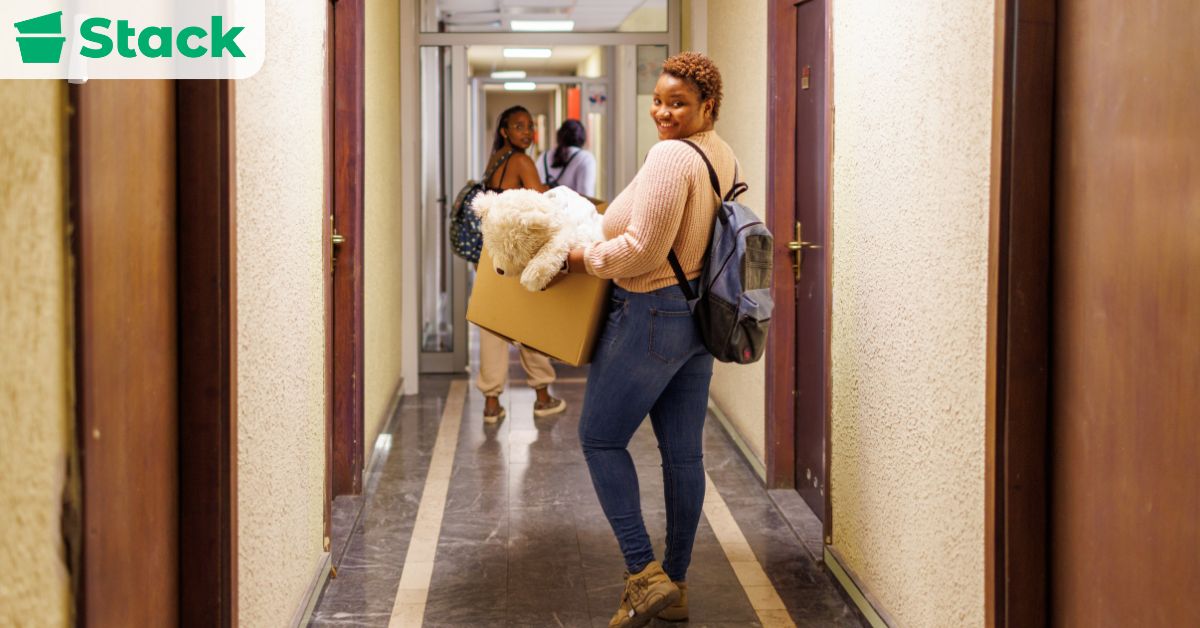
  • Time of the Move: Moves during the summer, fall, or even over the weekend are the most expensive because they fall in peak moving seasons. Scheduling your move during the winter or even on a weekday instead of a weekend can lead to lower rates, whether you’re moving locally or out of state.
  • Extra Services: Services like short- or long-term storage, navigating stairs or elevators, and long-carry surcharges all increase your final moving bill. Plus, not all moving companies pack for you; rather, it becomes an added charge on your overall bill.

What Hidden Moving Costs Exist?

What Hidden Moving Costs Exist?

People often concentrate solely on the moving company’s quote when budgeting for a move. Several hidden or unexpected charges can increase your final bill. An understanding of these costs can help you avoid surprises and keep your moving budget under control.

One of the first hidden costs to prepare for is long-distance fuel surcharges, especially for interstate and cross-country moves. If your home is far from the mover’s main service zone, you may be charged out-of-area fees to reflect the travel time and fuel that went into your move.

Another factor that can attract hidden costs is how accessible your building is. Moves involving long flights of stairs or tight spaces usually incur a stair carry fee. In some cases, movers also pass on elevator reservation costs if they need to secure dedicated lift access in an apartment or high-rise building.

Another common hidden expense is the cost of packing supplies. Most movers provide moving boxes and other materials either as part of your moving package or as a separate charge. If you decide to use plastic bins for your move, such expenses can make these fees pricier when purchased upfront, which is why we always advise customers to rent them instead.

Finally, many people overlook the cost of insurance. Basic liability coverage, typically included at no extra charge, provides minimal protection, while full-value protection provides better coverage. However, the price is based on the declared value of your belongings, which can substantially increase your moving costs.

How Can I Save Money on Moving?

Cutting your moving costs isn’t difficult and often involves simple steps that require a bit of planning, such as booking well in advance of your move date. To help you reduce your moving expenses, we’ve compiled a list of the most effective ways to save money on your next move.

  • Take Advantage of Off-Season Moving Discounts: Many professional moving companies offer discounted rates during these slower periods, making it an ideal time to book if your moving date is flexible.
  • Book Mid-Month or Weekday Moves for Better Rates: Scheduling your move for a weekday or in the middle of the month can help you take advantage of lower rates. Additionally, it can also reduce the risk of delays since movers have fewer jobs to juggle.
  • Cut Labor and Material Costs Wherever Possible: Hiring fewer movers or limiting the number of hours they work can have a big impact on your overall moving expense. You can also save money by sourcing free moving boxes from local stores, reusing packing supplies you already have, or borrowing materials from friends and family.
  • Weigh the Risks and Rewards of DIY vs. Professional Packers: You can shave hundreds of dollars off your moving budget by simply packing your belongings yourself, but doing this comes with some unavoidable risks. One of them is a higher chance of damaging something during the move, which could result in higher replacement costs. Consider your time, energy, and the value of your items before deciding.
  • Reduce the Load to Lower Moving Costs: The fewer items you move, the less you’ll spend on both transportation fees and labor costs. A lighter load can even reduce the size of the moving truck you need, leading to further cost savings.
  • Donate or Sell Unneeded Items: When done right, organizing your belongings is financially and emotionally rewarding. By selling unwanted items, you can raise some extra cash to cover your expenses. Plus, anything donated assures you that it’s going to someone who truly needs it.
  • Compare Box Rental vs. Buying New: If you don’t plan to keep these boxes after the move, rent moving boxes instead of buying them. The best moving boxes are durable, environmentally friendly, and can even be recycled.

Cheaper Than Hiring Movers?

Cheaper Than Hiring Movers?

Yes, in most cases, a DIY move is less expensive than hiring professional movers. If you’re planning a local move, moving from a small apartment, or have only a few belongings, opting for a DIY move can save you money.
When planning a DIY move, your biggest expense will likely be the cost of renting a truck. You should expect to pay a base rate plus mileage and fuel. The fees can vary greatly depending on how big your truck is and the distance traveled. And please keep in mind that you may still need to factor in labor costs for loading and unloading the truck.

While DIY moves can help you cut costs, they still come with some risks. There’s a high potential for injury, property damage, or lost time if things don’t go as planned. The process can also be very challenging if you have to navigate tricky situations like long staircases. These drawbacks can sometimes offset the savings and make hiring a professional moving company the smarter choice.

Reduce Moving Expenses With Box Rentals

Movers typically charge $300 to $1,500, or $25–$75 per mover per hour, depending on your home size, travel distance, and any extra services provided. Additional fees like long carries or traffic delays can also increase your bill.

To get the best value for your money, it’s smart to compare quotes from multiple professional moving companies and look for ways to save money without sacrificing quality. One of the easiest ways to do this is to rent plastic moving bins. They’re a stress-free way to cut down your moving costs while keeping things organized at the same time.

In less than 10 minutes, you can schedule your box rental with one of Los Angeles’ most trusted moving bin providers. At Stack Moves, we combine cost-saving solutions with our expertise to help you move faster, safer, and with less stress. Contact us today for a one-on-one consultation to get all the clarity you need.

FAQs About Moving Prices

Even after reading this blog, you probably have a few questions about what affects moving costs and how to plan. Here are some quick answers to help you make informed decisions.

Should I Tip My Movers?

Yes, tipping is customary in the service industry, especially when your service is delivered quickly and with care. While how much to tip movers depends mainly on how satisfied you are with the work done, the standard practice is 10% – 20% of your overall moving bill.

How Early Should I Book a Mover?

For the best rates and availability, book your local movers at least two to four weeks in advance. Consider booking your movers six to eight weeks before your moving date if you are moving during peak moving seasons or planning a long-distance move.

What Is the Cheapest Day to Move?

Weekdays, especially midweek, tend to offer the lowest average moving costs because of the lower demand for moving services during this period.

How Much Do Moving Company Prices Differ?

Prices can differ depending on location, services offered, and pricing structure. For example, the cost of movers for local moves is usually less than that of an interstate move, even with the same inventory.

Rent Boxes!