
How Much to Tip Movers for a Long-Distance Move?
The combination of stress and uncertainty can make long-distance moves overwhelming for everyone involved. Movers handle demanding tasks, such as loading your belongings securely, driving long hours, and carefully unloading items at your destination, notwithstanding the unpredictable traveling conditions.
While tipping movers isn’t mandatory, it is a standard practice in the moving industry. How much to tip movers for a long-distance move is based on the total moving cost or a flat rate. Most customers tip 10–20% of the total moving cost, while others would go for a fixed tip amount per moving crew member, which is $40–100 per person for a full-day move.
A long-distance move doesn’t have to be stressful or cost you a fortune even if you plan to tip your movers. Renting durable and eco-friendly bins for moving from Stack Moves is an option you should always have in mind. We offer affordable, sturdy moving bins for rent to reduce waste and transport your belongings more efficiently. Contact us now to place your order and we’ll deliver them to your doorstep.
This guide will explain why you should tip movers, how much to tip, and factors that influence tip amounts. You’ll also learn alternative ways to show appreciation if tipping movers isn’t within your budget.
Why You Should Tip Movers for a Long-Distance Move
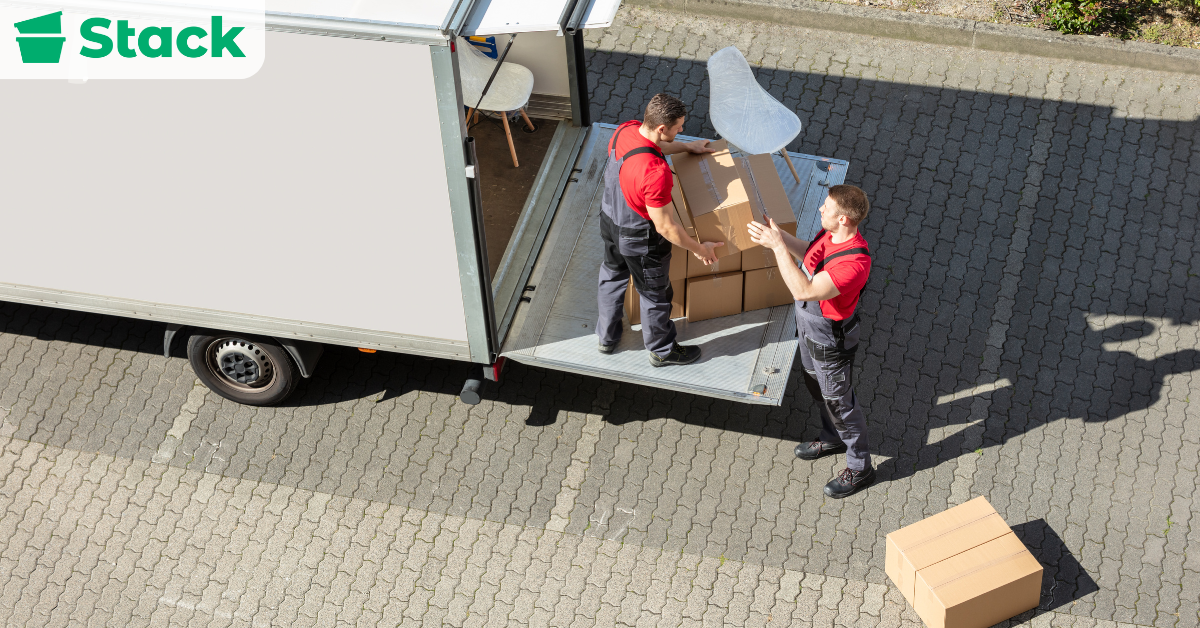
Long-distance moves require more coordination, endurance, and problem-solving than short-distance ones. You should tip movers for a long-distance move to recognize their physical labor, professionalism, and the exceptional service they provide throughout the process.
Beyond the physical demands of loading and transporting heavy items, movers often help customers feel less overwhelmed during an already stressful time. They go the extra mile of answering questions patiently, working around last-minute changes, and troubleshooting unexpected issues with care and calm. These meaningful efforts make a major difference in your moving experience. On this note, tipping is a direct way to acknowledge and appreciate their commitment to making your move as smooth and stress-free as possible.
In addition, many movers earn modest hourly wages that don’t always reflect the true demands of the job. This can be seen mostly when they spend long hours on the road, navigate difficult access points, or handle valuable or fragile belongings. A thoughtful tip closes the gap between pay and effort and also reinforces that their hard work hasn’t gone unnoticed.
How Much to Tip Movers for a Long Distance Move?
Ultimately, how much to tip movers for long-distance moves depends on your situation and the overall quality of service you’ve received. However, there are three ways you can approach tipping movers:
- Percentage-based tipping
- Flat-rate tipping per mover
- Tipping based on performance
Let’s explain each of these approaches in detail;
Percentage-Based Tipping
Tipping movers based on a percentage of your total cost of moving is a widely accepted practice in the service industry. The appropriate tip amount falls within 10–20% of your total moving cost. This is highly dependent on the level of service, difficulty of the move, and your satisfaction with the mover’s effort.
If your total moving cost is $1,000, a 10% total tip would amount to $100, while a 20% tip would be $200. However, if your move costs $2,000, you should tip between $200 and $400. For a $3,000 move, tipping could range from $300 to $600.
Tipping movers based on percentage creates room for fairness by aligning gratuity with the overall moving expense. However, make sure to include tipping as part of your overall expenses when moving because long-distance moves often come with added costs like packing supplies, fuel, and temporary storage.
Flat-Rate Tipping Per Mover
Offering a flat amount is another way you can tip movers. A simple way to go about it is to tip between $4 to $5 per hour per mover or $40 to $100 per person for a full-day move.
This makes your budgeting process simpler, especially if your total moving cost fluctuates or includes additional services. For example, tipping $60 each for a crew of three movers during a full-day move totals a reasonable tip of $180.
Tipping Based on Performance

In some cases, the appropriate tip is influenced by the movers’ professionalism, attitude, or efficiency during the move. When a crew shows up on time, handles fragile or heavy items with exceptional care, and communicates clearly throughout the day, their service goes beyond basic expectations. You may also notice team members that navigate difficult conditions like bad weather or narrow staircases with a positive attitude and calm professionalism. These are signs of a crew that takes pride in their work, and rewarding that level of service with a more generous tip is both appropriate and appreciated.
However, keep in mind that not all moving experiences go smoothly. If the crew arrives late without notice, behaves unprofessionally, or handles your belongings with little regard for safety, you can adjust your tip accordingly. Tipping is meant to reflect the quality of service received, so while it’s a common industry practice, the final amount should be dependent on your experience.
What Affects the Amount You Should Tip Long-Distance Movers
Several factors influence exactly how much you should tip long-distance movers. The quality of service provided, the effort of the crew, and how complex the move is should be reflected in your final decision. The appropriate tip can be determined by considering the following key factors:
Distance and Duration of the Move
The length of your journey affects your movers’ workload. More effort, longer hours on the road, and careful planning are needed to safely deliver your items in a long-distance move. Moving from Los Angeles to Seattle, for instance, involves a great amount of driving, with a distance of over 1,827 km and a driving time of approx. 22h 30min.
Size and Complexity of the Move
Your tip amount should also factor in the size and complexity of your move. Movers who handle valuable objects such as antiques or pianos should be given extra recognition. Also, if you are a household with many items, you should also factor in the size when considering the tip.
To find out about the size of your move, the materials you’ll need and the tipping range based on your findings, consider using a moving box calculator. Using it helps you prepare properly, define your moving process, and help movers handle complex moves in a more efficient way.
Quality of Service Provided by The Moving Team

Always factor in the quality of service provided by your movers. A generous tip is warranted if your movers handle belongings carefully, work quickly, communicate effectively, and maintain a positive attitude. Some movers even accommodate eco-friendly packing choices like plastic moving bins, which make the process easier for you and reduce waste. However, before you rely on this option, it’s best to confirm whether your movers will move plastic bins as policies can vary between companies.
Weather Conditions During the Period of Movement
Bad weather makes movers’ jobs much tougher. Extreme heat, bitter cold, heavy rain, or snow adds significant physical constraints. If movers work through harsh weather conditions while maintaining a professional and positive attitude, acknowledging their extra effort with a larger tip is fitting.
Company Policy on Tipping
Some moving companies already include gratuity in your final bill. Before deciding your total bill and tip amount, check your contract or consult with your moving company directly. Understanding their policy helps avoid double-tipping or under-tipping movers who genuinely deserve recognition.
Additional Moving Services
If movers offer additional services like packing, unpacking services, or providing moving supplies, their workload significantly increases. Packing services require extra time and attention to detail, and providing moving boxes can be an added convenience. If movers assist beyond standard transportation, a higher tip reflects their extra effort.
When and How to Give Tips to Professional Movers?
Professional movers should be tipped at the end of the move and preferably in cash. However, the digital tipping method can be an alternative option if cash is unavailable.
Tipping at the End of the Move
The best time to tip professional movers is after they’ve completed the move and all your belongings are unloaded and in place. This allows you to assess their performance and ensure everything arrived safely before deciding on the final tip amount. If you’ve verified that the movers handled your items with care and maintained a positive attitude, they deserve a generous tip. On the other hand, if there were issues during the move, you’ll still have time to adjust the amount based on the quality of service.
To maintain fairness, try to hand over tips personally instead of giving them to the moving company. Not only does this make sure they receive the full amount without deductions, it also gives you a chance to personally thank them for their effort. A simple, direct gesture like that can leave a lasting impression and show them you truly appreciated their hard work.
Cash vs. Digital Tipping – Which Is Better?

Cash is the preferred tipping method for movers because it is a good way to make sure that they receive their full gratuity immediately. Movers work long, physically demanding hours, and cash tips provide instant recognition for their efforts. To make tipping easier, have small bills ready before moving day so you can distribute them accordingly.
If you don’t have any available cash, digital tipping is a possible alternative. However, check with the moving company first to know if they allow tipping through credit cards or other electronic payment methods.
Also, keep in mind that digital tips processed through company payroll are often subject to taxes or internal deductions, which means the mover may not receive the full amount you intended. On this note, if you choose to tip digitally, ask the crew member directly how they’d prefer to receive it to make sure your full tip reaches them.
Giving Fair Tips Individually vs. as a Group
Tipping movers individually allows each worker to get a fair tip, while tipping as a group is mostly for large crews. A better way to approach this tipping etiquette is highly dependent on the size of the moving team and how the work was divided.
For small crews of two to three movers, tipping individually is the preferred method. This will allow each mover to get direct recognition for their efforts, and you can personally thank them for their hard work.
If you have a larger moving crew, hand the tip to the team leader. However, don’t expect a guarantee that the tip will be evenly split among all workers. If you must hand the tip over, ask the crew leader how the total tip will be divided, or if possible, distribute the amount yourself to ensure fairness.
A good way to tip is also to base your decision on how the workload was divided. If all movers contributed equally, tipping each person the same amount is a fair way to acknowledge their teamwork. However, if one of the movers clearly took on more responsibility, you might choose to give them a slightly larger tip to reflect that extra effort.
Regardless of how you decide to tip your movers, the most important thing is that the movers feel greatly appreciated for their hard work. Proper tipping etiquette indicates a positive experience and shows your genuine appreciation for the moving team that made your long journey move smoother.
What If You Can’t Afford to Tip Movers?
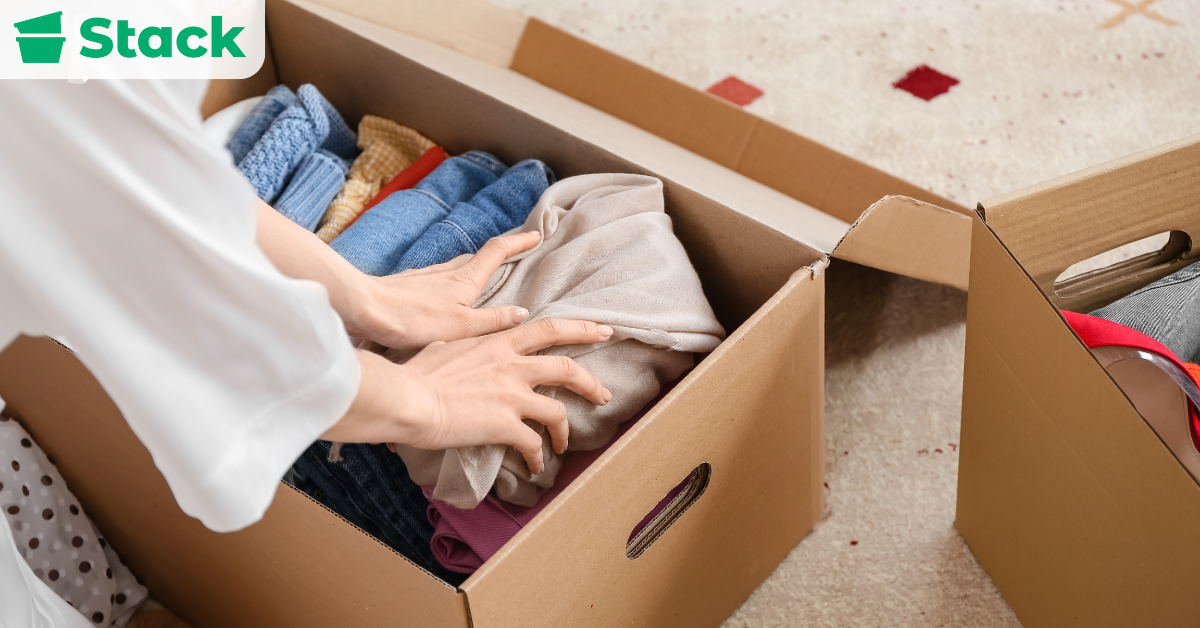
There are alternative ways to show appreciation to long-distance movers if you can’t afford to tip movers. You can show kind gestures by providing snacks and drinks, writing them a review, or offering recommendations. Let’s explain each of these alternative ways of appreciating movers for a long-distance move.
Providing Snacks and Drinks for Long Distance Movers
Providing snacks, drinks, water, and coffee for movers during long-distance moves may seem basic. However, they help the movers refresh themselves throughout the long journey. Movers appreciate when customers recognize their effort, and taking a moment to offer them drinks and snacks shows how much you care about them and creates a friendly atmosphere.
Writing a Positive Review to Appreciate Exceptional Service
Another excellent way to thank your movers is by leaving a positive online review. Most people often look for online reviews before they make their choice of long-distance movers. So, if your movers did a great job, like arriving on time, handling your fragile items carefully, and remaining professional throughout the process, you should leave them a detailed review.
Beyond leaving a detailed review, try to be more specific by mentioning what impressed you the most. This could be their efficiency, friendly attitude, or attention to detail. If you can also remember their names, include them in your review to add a personal touch.
Offering Recommendations to Express Gratitude
A meaningful alternative to tipping is referring your movers to friends and family. Recommending professional movers to people in your circle demonstrates genuine appreciation. Your positive experience brings the company more business and supports its growth.
These thoughtful gestures go a long way toward acknowledging movers’ hard work and exceptional service, even if you can’t provide a monetary tip.
How to Spend Less Money on a Long-Distance Move

Long-distance moves can add up fast, but there are simple strategies to reduce your final moving cost. Planning helps you save time and resources and minimizes stress and uncertainty. Rent moving supplies, and do some work yourself to lower your expenses. Here’s how you can keep your moving budget in check without cutting down on quality.
Compare Moving Industries
Before you book your move, take time to compare several moving companies. Request for different quotes and ask for a detailed breakdown of what each one includes. Some companies may list packing materials, fuel, or stair fees as separate charges.
Instead of focusing only on the cheapest option to go for, review customer feedback and service ratings to make sure you’re getting the best value for your money. If you’re flexible with your schedule, ask if they offer lower rates for mid-week or mid-month moves. Once you’ve found the right provider, book early to avoid last-minute price hike and secure your spot.
Rent Moving Boxes Instead of Buying
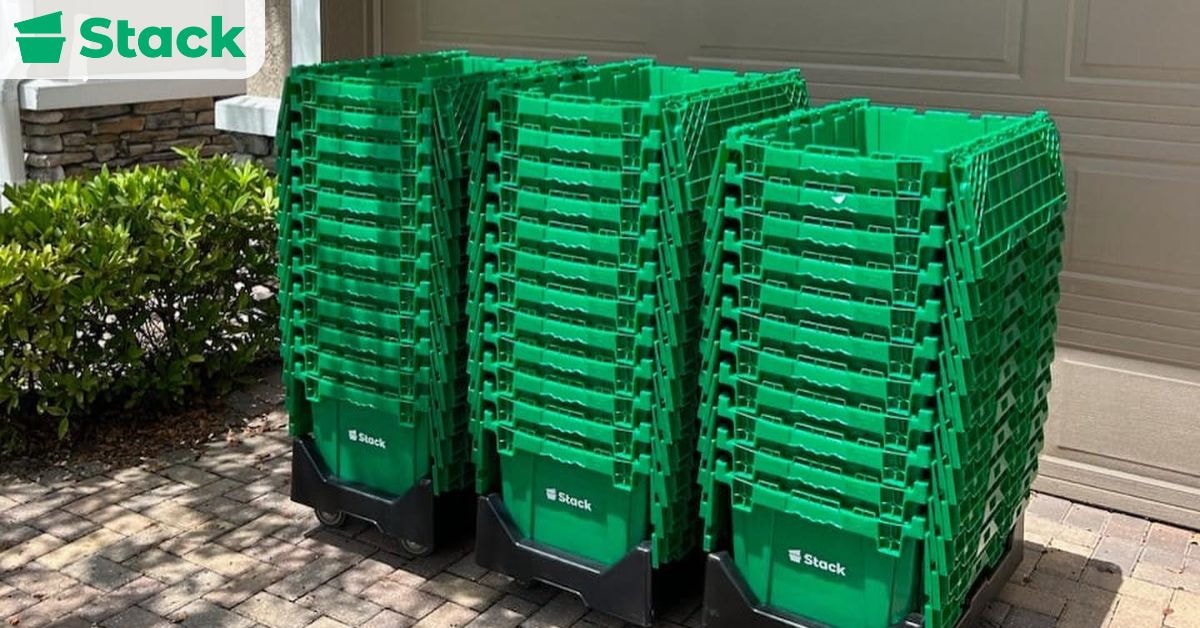
Purchasing disposable cardboard boxes can extend your moving expenses beyond your budget. This can be avoided completely by renting moving bins. Reusable moving bins are sturdy, environmentally friendly, and easier to carry. They also help keep your move more organized especially during long-distance moves.
Pack Your Belongings Yourself to Save Labor Costs
Hiring packing services is convenient but can substantially increase your total moving cost. Packing your belongings yourself can significantly lower expenses, leaving more room in your tipping budget. Consider packing smaller items yourself and leaving heavy furniture or delicate items for professional movers.
Downsize Your Belongings
The good rule of thumb when moving is that you take only things that are important. Before packing, go through your items and set aside anything you no longer use or want.
You can donate usable items to local charities or community centers. Consider selling valuable things online or through a garage sale to make some extra money. Also, discard broken or unusable items responsibly. Taking these steps will reduce the number of boxes you need and reduce your overall moving expenses.
Move During Off-Peak Times
Planning your move during off-peak seasons can significantly reduce your moving costs, as moving companies offer lower rates during these periods. Aim for mid-week or mid-month dates, when demand is typically lower. Winter is also considered a more affordable season to move, as fewer people relocate during colder months.
Being flexible with your moving schedule increases your chances of securing a better deal. If you plan carefully and take advantage of these slower times, you will achieve a smooth, long-distance move.
Rent Moving Boxes and Reduce the Final Moving Cost
Tipping movers for long-distance moves is a good way to recognize their hard work and dedication. There’s no all-in-one way or amount you should always tip per mover. However, you can choose to tip based on 10–20% of your total moving cost or a flat amount of $20–$100 per mover. Ultimately, your tip amount can be altered depending on the quality of services rendered, the complexity of your move, and the extra effort put in by the moving crew.
Keep in mind that tipping is not mandatory. However, it’s a thoughtful gesture. If your movers arrived on time, handled your belongings with care, and stayed professional throughout the move, a generous tip is a great way to thank them. When movers exceed expectations, such as working through bad weather or accommodating last-minute changes, consider giving extra to show your appreciation.
To balance your moving budget effectively while still tipping fairly, consider saving on packing supplies. Renting reusable moving bins is a cost-effective alternative to buying cardboard boxes. Our reusable and rentable moving bins here at Stack Moves are durable, eco-friendly, and more cost-effective. Contact us now to make your request and see how fast we deliver, even if you’re renting moving boxes in Dallas.
Frequently Asked Questions (FAQs)
Do Moving Companies Pack for You?
Yes, moving companies can pack for you. However, this is highly dependent on the moving company you hire.
Is $100 per Person a Good Tip for Movers?
Yes, $100 per person is a general rule and a generous tip for a full-day, long-distance move.
Do You Tip Movers When They Load or Unload?
You should tip movers when they unload. Ultimately, unloading signifies the end of the move, which is the best time to tip movers.
When Should You Tip Extra?
There’s no general rule of thumb on when you should tip extra. However, you can tip extra when movers exceed your expectations to provide quality service.
What to Do While Movers Are Moving Your Stuff?
While movers are moving your stuff, you need to be available to answer any questions they might have. This will keep the move on track and ensure your belongings are placed exactly where you want them. You should also make sure that certain important items are clearly marked or set aside. Not everything needs to be packed in boxes for movers. Some larger items like furniture or appliances can be moved as they are.
Rent Plastic Bins for Your Move!
Moving with cardboard boxes is a pain. Get pre-assembled bins delivered to your door and move hassle-free with Stack!
Stack eliminates the need for you to source, break down, or fill up your trash can with cardboard boxes.