
Moving from an Apartment to a House – A Checklist
Relocating from an apartment to a house is a big step that is both exciting and a little nerve-wracking. On one hand, you’re investing in property that will give you more freedom to create and live in a space that reflects your needs. You can do this through home improvement projects like repainting the walls and landscaping your yard. However, moving to and owning a house comes with great responsibility, not only in terms of higher costs but also in the sheer amount of planning required for the move.
When preparing for any type of move, creating a moving checklist is something you shouldn’t skip. A moving checklist will help you stay on track during the moving process and help you save time and money by avoiding any last-minute surprises. Essential tasks include decluttering, packing room by room, hiring a moving truck, cleaning your current home, and transferring your utilities.
Looking for the perfect rental solution? Stack Moves is here to simplify your moving process with our moving bins for rent. With delivery and pickup, plus complimentary packing materials, our moving containers provide a convenient way to keep your belongings organized and safe. Get your moving boxes today!
In this post, we will guide you on how to move from your apartment to a house. We also share tips on how to enjoy a stress-free move using the right tools and strategies.
How to Organize Moving from an Apartment to a House

The biggest difference between a house and an apartment is that houses usually have extra space, with rooms for guests and even a home office. This additional space gives you the freedom to personalize your home. Plus, owning a home can be a smart investment as houses have the potential to increase in value over time.
To kickstart your move, start by creating a to-do list or a moving checklist. Without one, you risk leaving something important behind. Creating a checklist can also reduce your stress and anxiety about the move by giving you a sense of control.
Next, you should take inventory of everything you plan to move by drafting a moving inventory list. This can be useful for confirming that all items from your apartment safely made it to your new home. Additionally, it will come in handy when making an insurance claim or tracking a lost item with your moving company.
While you take inventory, decide on what items you would want to keep, sell/donate, or discard. Decluttering has been proven to save movers time and money since they are moving fewer items. Once you’ve decided on what to pack, it’s time to gather supplies. Basic packing materials include your moving boxes, packing tape, markers, labels, scissors, and bubble wrap.
Usually, the only thing harder than trying to find quality moving boxes is figuring out how many you need. With a moving box calculator, you can skip the guesswork and get an accurate estimate of how many boxes you’d need for a successful move.
Let’s not forget about the part of moving that doesn’t involve any actual packing. This involves notifying relevant parties about your move and transferring your utilities.
Depending on your budget and preferences, you may choose to hire professional movers or take the DIY route and move your belongings yourself. Whatever the case, make sure to confirm moving arrangements before your move-in day.
To summarize it all, there are four essential parts to moving:
- Planning Ahead – Consider budgeting, choosing the right house, and making a good timeline.
- Packing Your Essentials – Gather all necessary items and follow helpful packing tips.
- Organizing Moving Day – Have a checklist to help you stay on track, and remember to keep children and pets safe.
- Settling into Your New House – Prioritize setting up essential rooms like the bathroom first, and take time to explore your surroundings so you can feel at home.
How to Plan a Move to a New House

Planning for your move isn’t just some helpful tip. It’s an important step that saves you from chaos and unexpected costs. Without a plan, you’re at risk of overspending, missing deadlines, and scrambling to get everything packed on time. For a stress-free move, here are three things you shouldn’t overlook:
How to Budget for the Move
To come up with an accurate budget for your move, start by taking a look at the major factors that influence the cost of a move. These are the distance of your move, the weight of your items, and the services you’ll need. Your budget should include a comprehensive list of expenses when moving out, starting with obvious items like transportation to additional expenses like storage.
We advise all movers to get a quote from multiple companies to compare prices and services offered. By doing this, you’re sure to get the best deal available. One of our major tips on how to save money when planning a move is to set aside 10%–20% of your total moving cost as a contingency fund.
How to Choose the Right House
When choosing a house, try to look beyond the general aesthetic of the building. The most important factor when choosing a home is often the location. Beyond the neighborhood itself, think about how easily you can access facilities such as hospitals, schools, and supermarkets.
The next major factor is the size of the house. Families will need more space compared to a single person or a couple moving into their first home.
Lastly, review the available amenities. Here, you have considerations like parking and backyard space. Other factors that are relevant for choosing a house include your property taxes, how safe your neighborhood is, and the house’s potential resale value.
Before making your final choice, schedule a home inspection.
How to Create a Moving Timeline
- 8 Weeks Before Moving Day: A lot of your focus will be directed to researching your new neighborhood. This is also the best time to create a moving budget and gather quotes from different companies.
- 6 Weeks Before Moving Day: Start packing non-essential items like your seasonal clothes. Also, begin making arrangements to set up utilities at your new place.
- 4 Weeks Before Moving Day: Notify all important stakeholders, such as your landlord, about your move and update your address with relevant institutions, such as your bank.
- 2 Weeks Before Moving Day: Confirm that all moving arrangements made with your moving company or rental company are still good to go. Prepare an essentials box for your immediate needs, like toiletries, to get you through the first day of your move.
- Moving Day: Take a final walkthrough of your apartment to be sure you aren’t forgetting anything.
To avoid any last-minute chaos, prepare for your move in advance. Packing just a box every day will ease the stress of procrastinating and squeezing a month’s worth of packing into a week. When packing, label your boxes clearly. We suggest packing your items room by room and labeling them this way because it can make unpacking easier.
While packing is an important aspect of moving, one potential problem area that is often overlooked is transferring your utilities. Before move-in day arrives, confirm that all your utilities are fully set up to avoid disruptions. Thoughtful planning like this keeps your move running smoothly.
How to Pack Like a Pro When Moving to a New House?
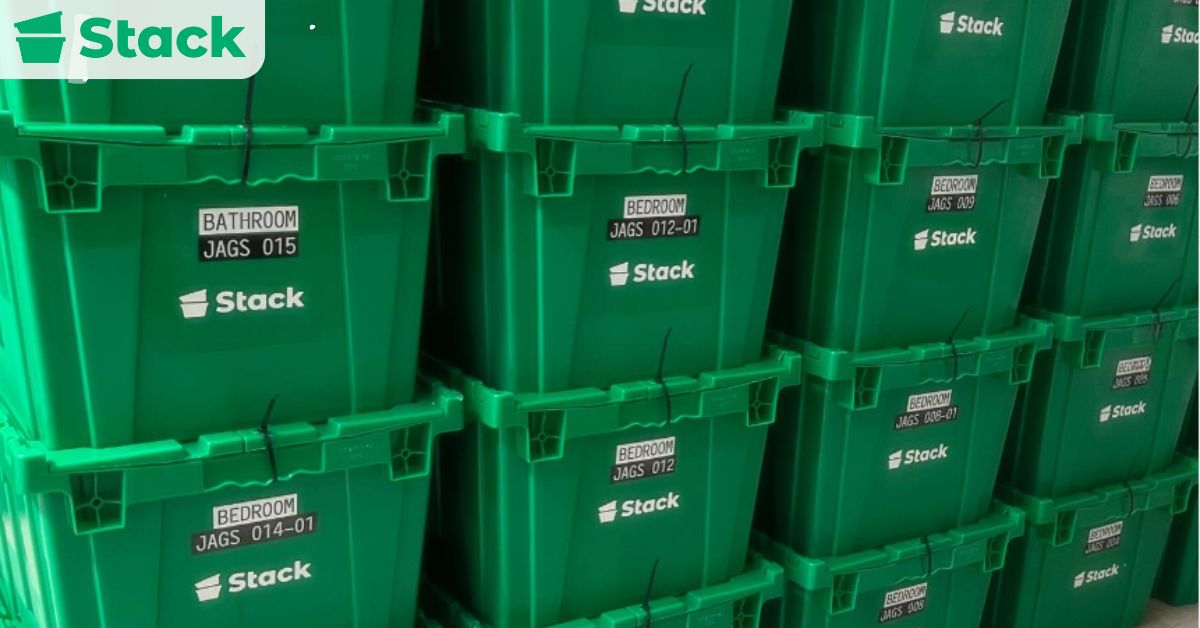
Despite what you’ve heard, moving doesn’t have to be a stressful experience. With the right strategies, it can be a hassle-free process. Some of our proven tips that can help you pack like a pro include:
Don’t Forget to Declutter Before the Move
You should start decluttering at least one month before you move. First, sort your belongings into categories, such as clothing or kitchenware. Then, decide what to keep, donate, or discard.
Gently used items can be donated to local charities or thrift stores. To reduce waste, aim to recycle items you plan to throw away. As you pack, don’t skip preparing a “first-night” essentials box, an easily accessible bag that contains every item you’d need for your first day at your new home.
How to Organize Moving Boxes?
To organize your moving boxes, label them clearly. Virtually everything you pack will go into a moving box, and labeling them properly will make it easier to locate your items. The best way to label moving boxes is to fully describe the content of each box and mention what room these items should go to. For example, “kitchen – utensils.”
It also helps to group your boxes by room when packing, as this can simplify the unloading process at your new house. In addition to your moving boxes, you’ll need other packing supplies, such as tape, markers, scissors, bubble wrap, etc.
Packing Room by Room
Focusing on one room at a time allows you to group similar items together and label your boxes accurately with their destinations. This helps you reduce the confusion of not knowing what goes where when unpacking.
- Kitchen: Most kitchen items are breakable, so we strongly recommend wrapping these delicate items in bubble wrap or packing paper.
- Protect fragile items like plates, glasses, and mugs by wrapping them in bubble wrap or other cushioning materials.
- Use containers for utensils, spices, and small items.
- Pack heavy pots and pans in smaller boxes, and make sure to wrap them well to avoid damage.
- Bathroom: Many bathroom items are liquids or semi-liquids that can leak. Sealing them in plastic bags or wrapping them in a cling film can help prevent spills.
- Pack toiletries, towels, and shower essentials in clearly labeled boxes or bags.
- Keep a separate bag for essentials like toilet paper, soap, and toothbrushes to have on hand during the first few days.
- Living Room & Bedroom: To avoid getting any scratches on your furniture, consider using a moving blanket or some sort of protective cover over the surface.
- Disassemble furniture (e.g., bed frames, dining room table) to save space.
- Use wardrobe boxes for clothing and hanging items.
- Pack electronics securely with plenty of padding.
Tips for Smart Packing
Use bubble wrap to pack fragile items like glass to cushion them and prevent any breakage. Small towels and soft clothing can work as a substitute if you don’t have any bubble wrap. Place heavier items like books at the bottom of your box, and lighter items should go on top of them.
Packing special items like weights requires extra care to protect both the weights and the other contents of your box. Learning how to correctly pack weights for moving can make the move not only smoother but safer for everyone.
Take apart large furniture to save space and reduce the risk of damage. Any bolts and screws from disassembling the furniture should be placed in a ziplock bag and clearly labeled with the furniture it belongs to. This approach can make it a lot faster to reassemble these furniture items.
Get a picture of how the cables of your electronic devices are connected before you unplug them. This serves as a reference when setting up your new home. To maximize space for bulky items like comforters, consider using vacuum bags.
We also recommend using rented plastic moving bins for your move rather than cardboard boxes. Renting moving boxes comes with the convenience of delivery and pickup, taking one worry off your plate as you plan for the move.
Moving Day: How to Make the Transition Smooth
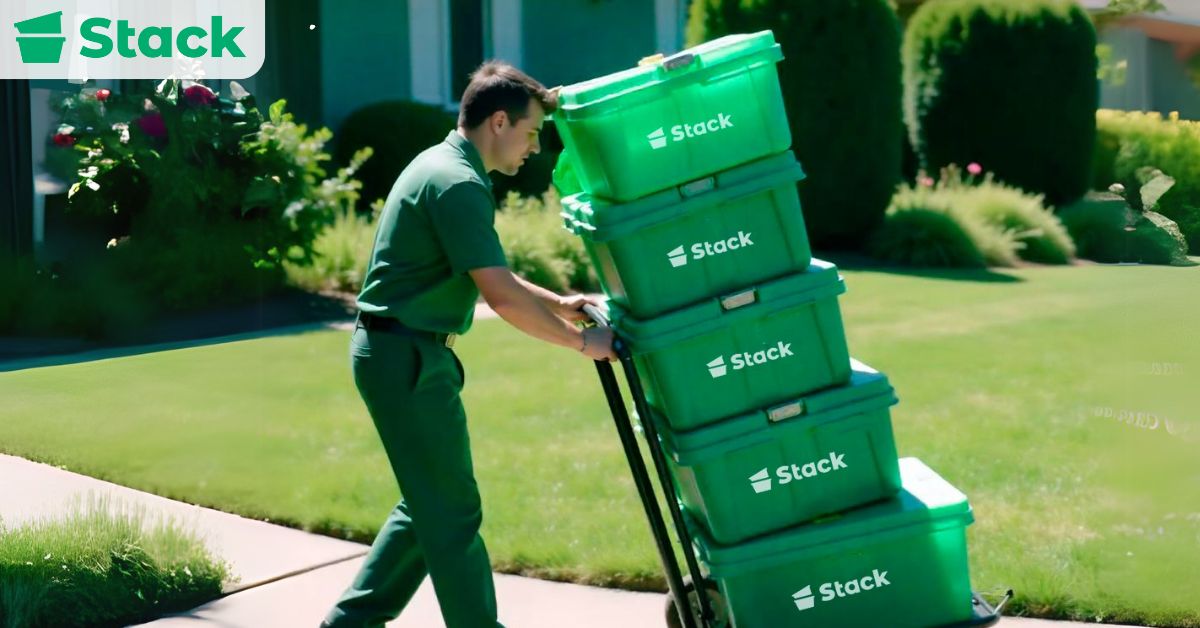
Hiring professional movers can save you time and effort, especially when you’re preparing for a long-distance move. Typically, moving company services include packing, loading, and transporting your belongings from one location to another, but this comes at a high cost. DIY moves are more budget-friendly and are better suited for smaller moves because of how physically demanding they are.
When searching for a reliable mover, look for businesses with good reviews, proper licensing, and insurance. Be sure to ask about what services they offer and any hidden fees you would need to know about. Before your move-in day, confirm your moving company’s availability for that date.
You can keep your kids engaged with age-appropriate tasks like packing toys and clothes or helping with labeling. If you can afford it, it would be easier to hire a babysitter to care for your children while you focus on the move.
To handle your pets, keep them away from the moving madness and in a safe, quiet space. Handing them familiar items like their favorite toys can help reduce their anxiety and keep them calm.
After packing, you’re expected to clean your apartment. Your first reason for doing this is because it is often a lease requirement. Additionally, it is courteous and creates a good impression for the landlord and the next renters after you’ve left.
When loading items into the truck, ensure they are loaded properly. Place heavy boxes at the bottom and stack them from floor to ceiling to create a tight fit. This prevents the boxes from moving around and potentially getting damaged.
Settling into Your New Home
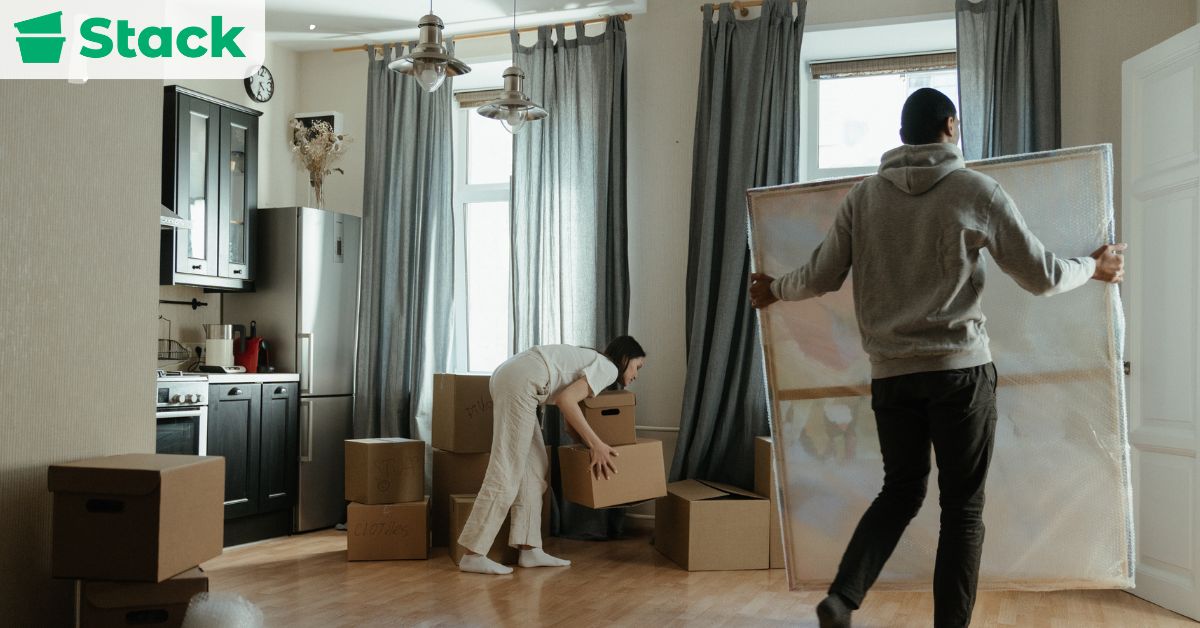
Settling in is about more than just unpacking; it’s about creating a space that makes you feel comfortable and secure. With some thoughtful steps like connecting with your new community, you’ll be feeling at home in no time. Here are a few things you can do to settle into your new space quickly.
Prioritize Unpacking and Organization
Begin unpacking essential items like toiletries, bedding, a change of clothes, and basic kitchen supplies. This will help you settle in comfortably from the first night.
Additionally, you should first focus on setting up essential rooms, such as your kitchen and bedroom. After a hectic journey, it’s nice to prepare a meal without relying on takeout and eventually have a comfortable place to rest. After finishing these areas, you can move on to spaces like the living room.
Getting to Know the Neighborhood
No one can exist in isolation; as humans, we are social beings who thrive best when we belong to a community. This is why it’s important for you to build a local network for yourself once you move into a new neighborhood. And the easiest way to do this is to introduce yourself to your neighbors. From here, you can take it a step further by attending local events and using community platforms to stay informed on all the recent happenings.
Another thing you should tackle quickly is learning where all the local amenities are located. A quick drive or walk around the area can help you familiarize yourself with nearby grocery stores, pharmacies, and recreational centers.
Updating Important Documents
As we mentioned earlier, one of the necessary parts of moving is informing important institutions, such as your bank, about your move. It’s necessary to file a change of address with these establishments because failing to do so could result in
It’s best to set up utilities like gas, water, and electricity before you move into your new house because they are crucial for daily life.
Secure Your Home
Securing your home boosts the safety of your family and yourself. Always change the locks as a precaution in case the previous owners or landlord still have a set of spare keys. If you can, go the extra mile to install security cameras and alarm systems in your home for extra protection.
Need Moving Boxes to Rent?
Moving from an apartment to a house doesn’t have to be overwhelming. With the right approach, moving can be stress-free. It all boils down to getting a head start. Strategies like sourcing quality packing supplies, renting moving boxes, and organizing your boxes can help you enjoy a chaos-free relocation.
We also advise you to embrace whatever new opportunities your new home offers wholeheartedly. Be it a vibrant community or a cozy backyard, it’s a chance for a fresh start and shouldn’t be taken lightly.
Planning to move? Stack Moves has got you covered with our reliable moving boxes for rent and expert advice. Get in touch to book an appointment and make your move ten times smoother.
Rent Plastic Bins for Your Move!
Moving with cardboard boxes is a pain. Get pre-assembled bins delivered to your door and move hassle-free with Stack!
Stack eliminates the need for you to source, break down, or fill up your trash can with cardboard boxes.