
How to Prepare Furniture for Long-Distance Moving
Moving furniture long-distance can feel like a lot, especially when you’re trying to figure out what to pack, what to take apart, and how to keep everything in good shape along the way. Preparing furniture for a move starts with cleaning and inspecting each piece, deciding what is worth taking, disassembling larger items, and protecting surfaces and fragile parts with the right packing materials. Taking a little time to prepare properly can help prevent scratches, dents, and breakage while making moving day much easier.
Stack Moves is built around making the packing side of a move simpler, with reusable plastic bins that are delivered to you, cleaned and sanitized between moves, and picked up when you’re finished. While Stack doesn’t provide moving labor, you can use your own movers or handle the move yourself, making the bins a practical option for keeping household belongings organized while your furniture is being transported separately. If you’re unsure whether Stack is right for your move, contact us and speak with our team about your packing needs.
This guide is for anyone getting ready to move their furniture across a long distance and wants to make sure their pieces arrive in good condition. Whether you’re handling the move yourself or working with professional movers, you’ll find practical tips to make the process a little easier and less stressful.
Table Of Contents
- What Should You Consider Before Moving Your Furniture?
- How Should You Prepare Furniture Before Packing It?
- How to Prepare Furniture for a Long-Distance Move
- How Should You Protect Different Types of Furniture?
- How Should You Load Furniture Into a Moving Truck?
- What Moving Supplies and Equipment Do You Need?
- Should You Hire Professional Movers for Heavy Furniture?
- What Are Common Mistakes to Avoid When Moving Furniture Long Distance?
- Ready to Move Your Furniture Long Distance?
- Frequently Asked Questions
- How Should I Disassemble Furniture for Long-Distance Moving?
- What Tools Do I Need to Disassemble Furniture for Long-Distance Moving?
- How Should I Label the Parts of Disassembled Furniture for Long-Distance Moving?
- Should I Wrap Furniture Pieces In Protective Materials For Long-Distance Moving?
- How Can I Protect Furniture With Delicate Finishes During Long-Distance Moving?
What Should You Consider Before Moving Your Furniture?
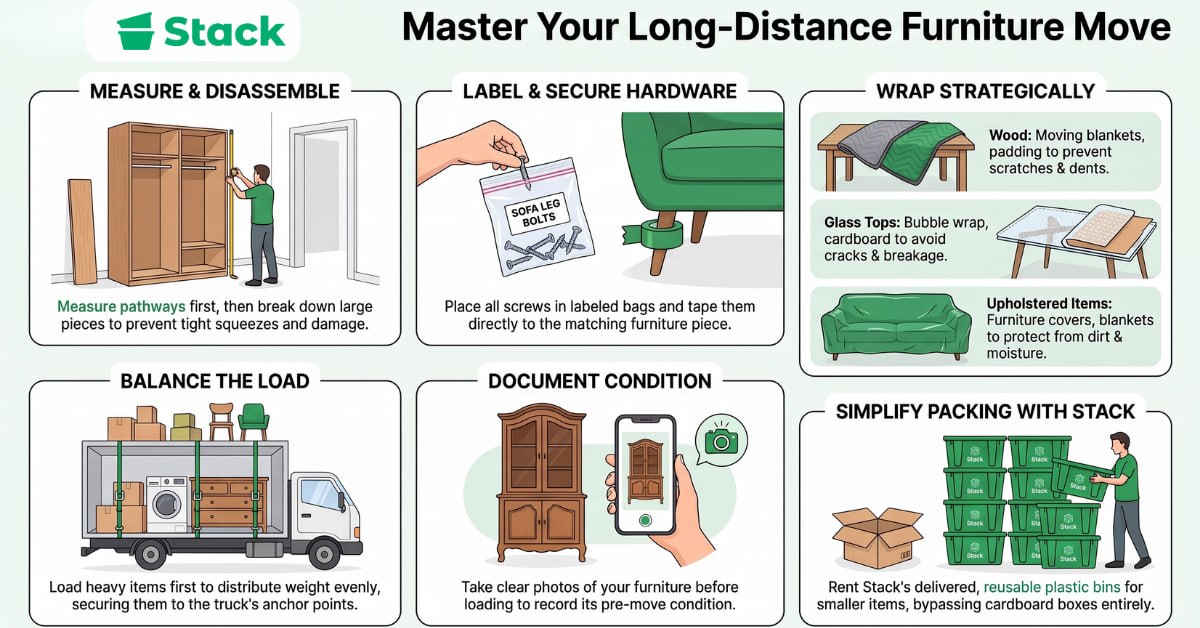
Before bringing out the bubble wrap, take a moment to decide whether every piece of furniture actually needs to make the trip. Moving furniture long distance can take time, space, and money, so it helps to think about how often you use each piece, whether it has sentimental or financial value, and what it would cost to replace it once you arrive.
Size and weight matter, too. A large, heavy dining table or bulky sectional may require more people, special handling, or extra space in the moving truck, which can add to the overall cost of your move. If a piece is difficult to transport and isn’t particularly useful or meaningful to you, it may make more sense to sell, donate, or give it away before moving day.
Decluttering can also make the rest of the move much easier. Fewer furniture pieces mean less packing, less heavy lifting, and more room for the belongings you actually want to keep, which can make a long-distance move feel a little more manageable.
How Should You Prepare Furniture Before Packing It?
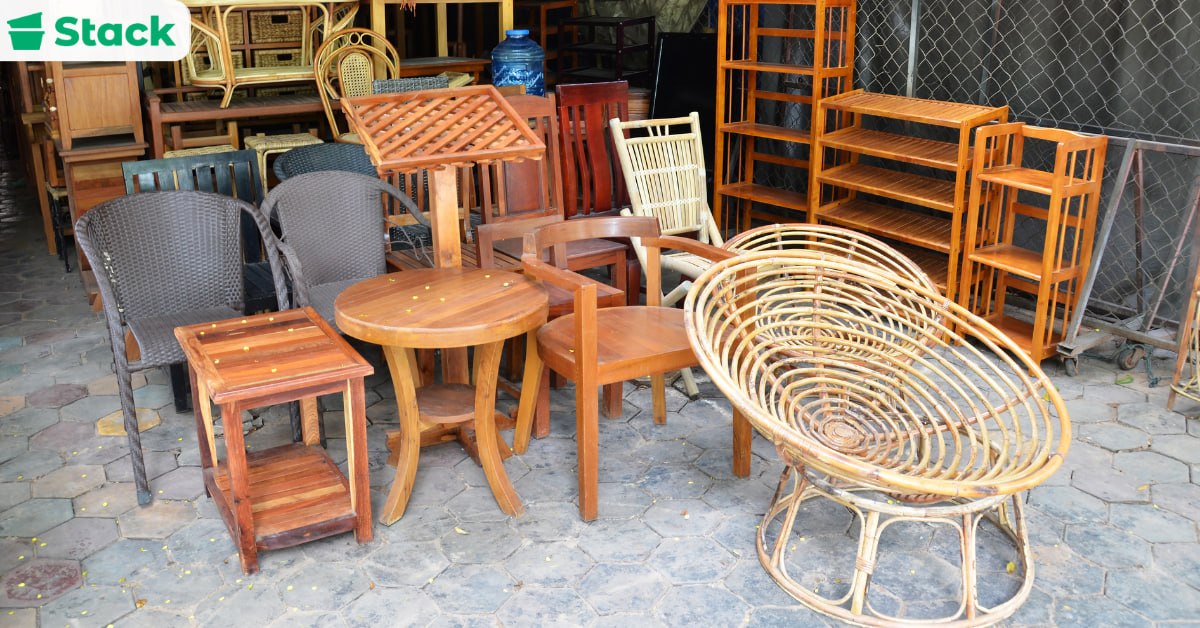
Before you start wrapping furniture, it’s worth doing a little preparation first. Here are a few things you should do to prepare your furniture before packing it.
Clean and Inspect Every Piece
Give your furniture a good clean before you start wrapping it up. Dust, dirt, and moisture can get trapped underneath protective materials during a long-distance move, so use the appropriate cleaner for wood, fabric, leather, or other surfaces and make sure everything is completely dry before packing.
While you’re cleaning, take a few minutes to look for loose joints, weak legs, damaged hardware, or anything else that could become a bigger problem during transport. Make any repairs you can before moving day, and take photos of existing scratches, dents, or other damage so you have a clear record of the furniture’s condition before it leaves your home. If you’re hiring a moving company, it’s also worth asking what coverage applies if your furniture is damaged during the move.
Measure Furniture and Doorways
A piece of furniture that fits comfortably in your living room may be a completely different story when it reaches a narrow hallway or doorway. Measure the height, width, and depth of your larger furniture, then check the doorways, hallways, staircases, and elevators along the route it will need to take.
If something is too large to move in one piece, you’ll know ahead of time that it needs to be disassembled. Planning the route before moving day can also help you avoid last-minute surprises, especially with heavy furniture or large items that need to make a few tight turns.
How to Prepare Furniture for a Long-Distance Move
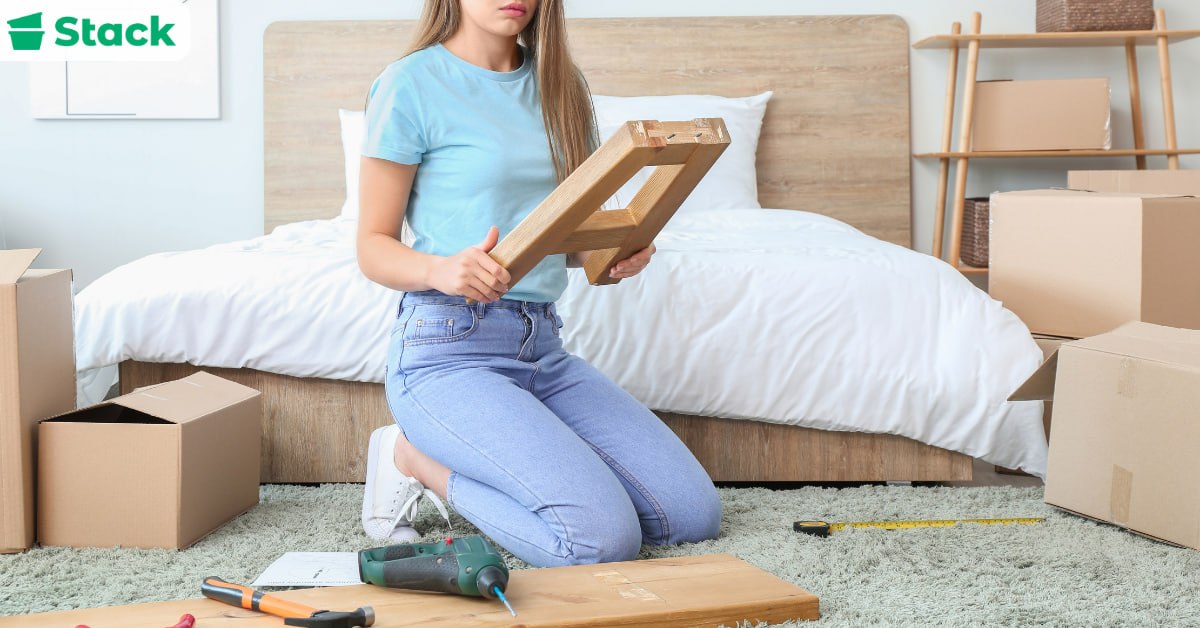
Once you’ve decided what furniture is coming with you and checked that everything is ready to move, it’s time to prepare each piece for the journey. These steps will help you take furniture apart where needed, protect the areas most likely to get damaged, protect fragile items and valuable items, and keep everything organized so loading, unloading, and putting it back together are much easier.
Step 1: Disassemble Large Furniture
Taking apart large furniture can make a big difference when you’re moving furniture long distance. Bed frames, dining tables, bookshelves, cabinets, and other pieces that are designed to come apart are usually easier to carry, protect, and fit into a moving truck when they’re broken down into manageable pieces.
Remove drawers where appropriate, and take off glass tops or other fragile components before moving them. As you disassemble each piece, take a few photos along the way and keep any assembly instructions nearby; those photos can be surprisingly helpful when it’s time to put everything back together.
Step 2: Organize and Label the Hardware
Small hardware has a funny way of disappearing when you need it most, so keep every screw, bolt, washer, and other loose piece together. Put the hardware for each furniture item in its own bag and label it clearly with the name of the piece it belongs to.
When practical, tape the bag to the furniture itself so it doesn’t get separated during the move. Keeping everything together now can save you a lot of frustration when you’re ready to reassemble your furniture at your new home.
Step 3: Protect Corners and Vulnerable Areas
Corners and exposed edges tend to take a beating during loading, unloading, and carrying furniture through doorways. Use cardboard guards or corner guards on these areas, and add extra padding around delicate corners, legs, glass edges, and finishes that could easily be scratched or dented.
Pay particular attention to pieces with delicate finishes or unusual shapes. A little extra protection around a vulnerable edge can make all the difference when furniture is being carried, stacked, or secured inside the moving truck.
Step 4: Wrap Furniture Properly
Moving blankets are useful for protecting larger furniture and wood surfaces from scratches and knocks during a long-distance move. For glass, mirrors, and particularly fragile edges, add bubble wrap or other protective padding before securing everything with plastic stretch wrap.
The stretch wrap should hold the blankets and padding in place rather than replace them. Also, avoid wrapping wood furniture directly in plastic for an extended period, as trapped moisture can damage the surface.
Step 5: Protect Mattresses and Upholstered Furniture
Mattresses, sofas, and other upholstered pieces need protection from more than bumps and scratches. Heavy-duty mattress bags and suitable furniture covers can help keep them away from dirt, dust, and moisture while they’re being moved and transported.
Before covering anything, make sure the fabric is completely dry. You don’t want moisture trapped underneath a protective cover for hours during a long-distance move.
Step 6: Label Each Furniture Piece
Once everything is wrapped and ready to go, label each furniture piece according to the room it belongs in at your new home. Color-coded labels can make this even easier, especially if you’re moving several rooms’ worth of furniture.
For disassembled pieces, mark them clearly so you know what belongs together, and consider making a simple floor plan of your new home. That way, whoever is helping unload can see where things need to go instead of asking you about every single piece while you’re already dealing with moving day.
How Should You Protect Different Types of Furniture?
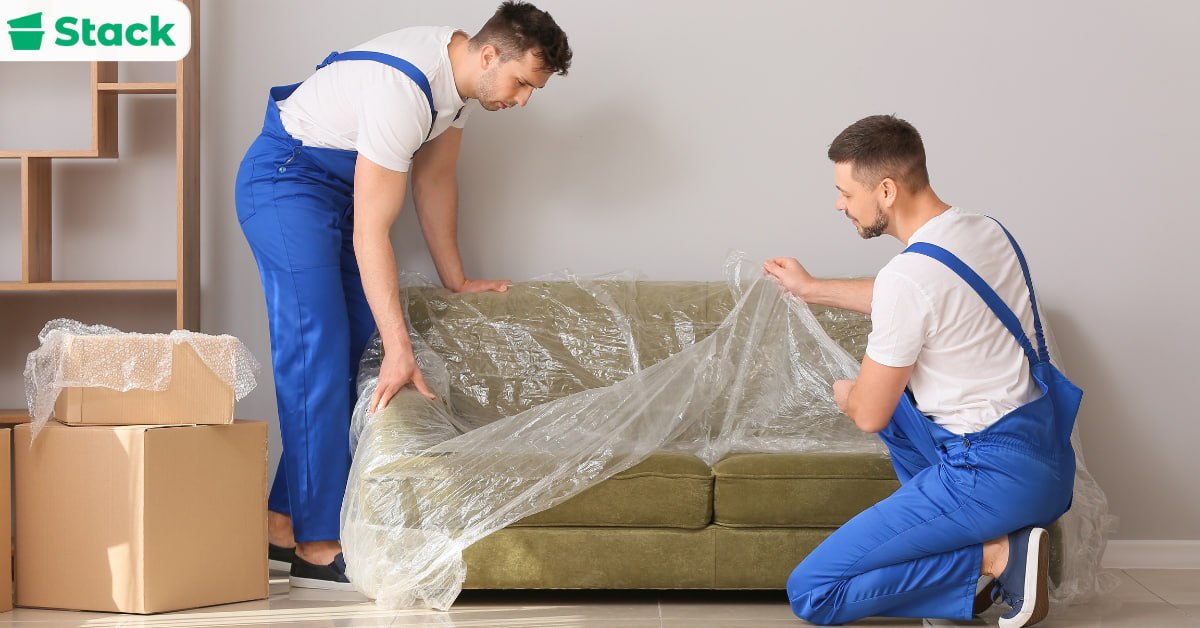
Not every piece of furniture needs to be wrapped in the same way. Wood can be vulnerable to scratches and moisture, while glass, upholstered pieces, and mattresses have their own concerns, so using the right protection for each item can help prevent damage during a long-distance move. Here’s a quick look at the most common furniture pieces, what you can use to protect them, and the problems you’ll want to watch for.
|
Furniture Type |
Recommended Protection |
Main Risk to Watch For |
|---|---|---|
|
Wood furniture |
Moving blankets, padding, corner guards |
Scratches, dents, moisture |
|
Glass tops |
Bubble wrap, cardboard, moving blankets |
Cracks and breakage |
|
Dining tables |
Moving blankets, corner protection, stretch wrap |
Scratches and damaged edges |
|
Coffee tables and side tables |
Padding, blankets, corner guards |
Dents and scratches |
|
Bed frames |
Disassembly, blankets, stretch wrap |
Scratches and lost hardware |
|
Upholstered furniture |
Furniture covers, blankets |
Dirt, moisture, tears |
|
Mattresses |
Heavy-duty mattress bags |
Dust, stains, moisture |
|
Mirrors |
Bubble wrap, cardboard, blankets |
Cracks and broken glass |
How Should You Load Furniture Into a Moving Truck?
Getting your furniture ready is only half the job; how you load it into the moving truck matters just as much. A long-distance move means your furniture will be on the road for hours, so the goal is to keep everything balanced, stable, and protected from shifting or rubbing against other items.
Start with the heavier furniture and larger items, placing them in a way that distributes the weight evenly throughout the truck. Keep heavy pieces stable and use straps to secure them to the truck’s anchor points so they don’t move around during transport.
Once the larger pieces are in place, you can use suitable soft items to fill empty spaces and reduce movement. Keep glass tops, mirrors, and other fragile pieces upright with plenty of padding, and avoid placing heavy items where they could fall or press against delicate furniture.
If you’re working with professional movers, let them handle the loading if they have the right equipment and experience for heavy or awkward pieces. For a DIY move, take your time with the loading process rather than trying to squeeze everything in at once; a well-balanced truck is easier to manage and gives your furniture a better chance of arriving in the same condition it left.
What Moving Supplies and Equipment Do You Need?
By this point, you have a better idea of what needs protecting, so it’s much easier to figure out which supplies you’ll actually need. You don’t have to buy every moving product you see; focus on materials that protect your furniture from scratches, dents, dirt, moisture, and shifting, along with equipment that makes heavy pieces safer to handle.
Packing and Protection Materials
For most furniture, a combination of moving blankets, bubble wrap, plastic stretch wrap, cardboard sheets, and corner guards will cover the basics. You may also want furniture covers, heavy-duty tape, zip-top bags for hardware, labels and markers, and heavy-duty mattress bags for mattresses and upholstered pieces.
If you’re also packing smaller household belongings, Stack Moves offers reusable plastic moving bins with matching dollies and labels. The bins arrive ready to use, which means you can skip assembling and taping cardboard boxes and focus on getting your belongings packed and ready for the move.
Moving Equipment
Heavy furniture is much easier to move when you have the right equipment for the job. Furniture dollies, moving straps, hand trucks, and furniture sliders can make it easier to move large pieces without putting unnecessary strain on yourself or dragging furniture across the floor.
For unusually heavy, oversized, or awkward pieces, specialized equipment or professional help may be the safer option. The right equipment depends on the size and weight of the furniture, as well as the stairs, doorways, and other spaces you’ll need to navigate on moving day.
Should You Hire Professional Movers for Heavy Furniture?
Not every move requires professional movers, but heavy furniture is one area where getting help can be worth considering. If you’re dealing with a large sectional, solid wood furniture, a heavy dining table, narrow staircases, difficult access, or pieces that need special handling, professional movers may have the equipment and experience to handle them more safely.
Heavy lifting can also put more strain on your body than you might expect. Occupational Safety and Health Administration (OSHA) identifies the weight and bulkiness of loads, awkward postures, and difficult handholds as factors that can contribute to lifting injuries, and recommends getting help or using mechanical equipment when a load is too heavy or bulky to handle safely.
Of course, hiring a moving company adds labor costs, so a DIY move may make sense if you have manageable furniture, enough help, and the right equipment. But if saving money on labor means struggling with heavy furniture through a staircase or risking damage to valuable pieces, professional help may be worth the extra cost. If you do hire movers for a long-distance relocation, the FTC recommends getting written estimates and asking what coverage applies if your belongings are damaged; interstate moving companies should also be registered with the U.S. Department of Transportation.
What Are Common Mistakes to Avoid When Moving Furniture Long Distance?
Long-distance furniture moving has plenty of little details that are easy to overlook when you’re focused on getting everything packed and out the door. Avoiding a few common mistakes can make the move smoother and give your furniture a better chance of arriving in the same condition it left.
One common mistake is moving furniture without measuring it first. A piece may fit perfectly in a room but become a problem when you try to get it through a narrow doorway, hallway, staircase, or elevator. Take measurements before moving day and decide in advance which pieces need to be disassembled.
It’s also important to avoid wrapping furniture while it’s dirty or damp. Dirt trapped under blankets or plastic can scratch surfaces, while moisture can cause problems when it stays trapped during a long journey. Wood furniture, in particular, shouldn’t be wrapped directly in plastic for extended periods.
Before anything leaves your home, take clear photographs of existing scratches, dents, or other damage. This gives you a record of the furniture’s condition before the move, and the Federal Motor Carrier Safety Administration (FMCSA) also recommends taking photographs before loading and after unloading if damage occurs during an interstate move.
Other easy mistakes include losing screws and hardware during disassembly, leaving corners unprotected, forgetting removable drawers or glass tops, and failing to secure furniture inside the truck. Heavy pieces should also be loaded with weight distribution in mind rather than simply filling every available space.
If you’re preparing for a long-distance move, it’s worth taking a few extra minutes to document your furniture’s condition before it leaves your home. Take clear photos of existing scratches, dents, or other damage, and keep them with your moving records so you have a reference if something changes during the move. You can also use a moving checklist to keep track of important tasks before, during, and after moving day, including checking your furniture for damage once everything is unloaded.
Ready to Move Your Furniture Long Distance?

Preparing furniture for a long-distance move is mostly about giving each piece the attention it needs before it goes on the truck. Deciding what is worth taking, cleaning and inspecting your furniture, measuring tight spaces, disassembling large pieces, protecting vulnerable areas, and securing everything properly can help prevent damage and make moving day much less stressful.
Once your furniture is ready, Stack Moves can help with the rest of the packing process through reusable plastic moving bins, dollies, and labels delivered to your door. The bins arrive ready to use and are picked up after you’re finished, so you can spend less time dealing with cardboard boxes and more time settling into your new home. Contact Stack Moves to learn more about your move and how Stack can help.
Frequently Asked Questions
Still have a few questions about preparing furniture for a long-distance move? Here are some quick answers to help you feel more prepared before moving day.
How Should I Disassemble Furniture for Long-Distance Moving?
Take apart large pieces such as bed frames, dining tables, bookshelves, and cabinets when they are designed to be disassembled. This makes them easier to carry and load while reducing the chance of damage.
What Tools Do I Need to Disassemble Furniture for Long-Distance Moving?
A screwdriver, wrench, Allen key, and a few labeled zip-top bags will usually cover the basics. Check the furniture’s assembly instructions first if you still have them, as some pieces may require specific tools.
How Should I Label the Parts of Disassembled Furniture for Long-Distance Moving?
Keep the screws, bolts, washers, and other hardware for each piece in a separate labeled bag. You can also attach the bag to the furniture or keep it with the matching parts so everything is easy to find when you’re ready to reassemble it.
Should I Wrap Furniture Pieces In Protective Materials For Long-Distance Moving?
Yes. Moving blankets, bubble wrap, plastic wrap, cardboard, and other suitable padding can help protect furniture from scratches, dents, and knocks during loading and transport.
How Can I Protect Furniture With Delicate Finishes During Long-Distance Moving?
Start with a clean, dry surface and use soft padding or moving blankets to protect the finish from scratches and impact. Avoid putting plastic directly against wood for an extended period, as trapped moisture can damage the surface.
Rent Plastic Bins for Your Move!
Moving with cardboard boxes is a pain. Get pre-assembled bins delivered to your door and move hassle-free with Stack!
Stack eliminates the need for you to source, break down, or fill up your trash can with cardboard boxes.