
How to Plan a Successful Business Relocation
Corporate relocations involve moving your entire business’s operations from one location to another, whether it’s across town or even to a new country. Some common reasons for corporate relocations include expansion, cost reduction, or simply improving accessibility for key stakeholders. When done right, it can mark the beginning of a new phase of growth and productivity.
To successfully move your business, you need to carefully plan for every detail. It starts from choosing the right location, setting a clear moving timeline, and communicating with your stakeholders for the entire move. When you break it down into manageable steps, the process becomes far less overwhelming.
Stack Moves makes office relocations easier by providing heavy-duty office moving crates for rent. These containers are designed with convenience and durability in mind, plus each rental comes with a dolly to make moving your boxes effortless. Rather than blow your budget on single-use boxes, opt for a more cost-effective and ready-to-roll solution. Contact us to get started.
This blog post will teach you everything you need to know to relocate your business with confidence. Our relocation checklist will guide you from planning to setup, and we have included a cost breakdown to help you budget wisely.
Table Of Contents
- Factors to Consider When Relocating a Business
- Business Relocation Checklist for a Smooth Moving Process
- Determine Why Your Business Needs to Move
- Select the Best Location for Your Business
- Create a Detailed Moving Timeline
- Set a Realistic Moving Budget
- Notify Employees, Clients, and Vendors
- Pack and Organize Your Business Inventory
- Secure Packing Supplies
- Protect IT Equipment and Electronics
- Dispose of or Donate Unused Items
- Choose the Right Moving Company
- Arrange for Safe Transportation
- Transfer Utilities and Business Services
- Change Your Business Address on Official Records
- Organize the New Office Layout
- Reinstall IT and Communications Systems
- Hold an Employee Orientation at the New Business Location
- Promote Your Business Relocation to Customers
- How to Make Packing Office Equipment Easier
- How Much Does It Cost to Relocate a Business?
- Ready to Make Your Business Move Easier With Bin Rentals?
Factors to Consider When Relocating a Business

Anything that could potentially affect how your company operates, earns, or grows is a factor to consider when relocating your business. Your business environment, the tax implications associated with your move, and even access to your suppliers are examples of things to carefully consider before signing a lease. Other important factors to always consider are:
- Legal and Compliance Considerations – Review your current lease agreement to understand what’s expected of you when terminating your contract. Before you sign your new agreement, familiarize yourself with the local laws in that area to be sure your business is permitted there. There may be a need to get new business licenses or amend the current ones you have. To be on the safe side, engage the services of a legal advisor.
- Financial Planning for Relocation – A move can have a significant impact on your cash flow, which is why it’s necessary for you to create a detailed budget that accounts for everything at the start of your move. Explore funding options outside of your profits, like relocation grants or business loans. Alternatively, look for ways to reduce costs, like downsizing unused space. Also, consider the economic incentives, such as tax breaks and subsidies, available in your new location. They could be used to offset some incurred operational costs.
- Employee Management and Communication – Your team has a big role to play in ensuring the success of your move. Keep everyone in the loop from the start and give them all the details they’d need to understand how the move will affect their roles and commute. For a smooth transition, offer relocation support or work flexibility to reduce turnover.
- Customer and Brand Impact – If not handled carefully, a move can be destabilizing for your business partners. Educate your business partners on how the move will benefit them, for example, more space might mean better in-person support. Update your business information across all your channels, including both online and offline channels, such as printed materials.
- Supply Chain and Vendor Relationships – Moves tend to disrupt logistics when vendors aren’t informed on time. To avoid this, notify your vendors of your new address and update your delivery schedules well in advance. Go over your contracts to see if any changes are needed to make your relocation smoother.
- Business Growth Opportunities in a New Location – A new location could mean access to untapped markets and emerging business hubs. You may be closer to a more talented labor pool where workforce development initiatives are prioritized. Additionally, you could benefit from tax incentives offered to new businesses in the area. See your move as an opportunity to reintroduce your services or expand your business services.
Business Relocation Checklist for a Smooth Moving Process
Without careful planning, a successful move is impossible. Our office moving checklist covers every step of the moving process, so you can enjoy a seamless move without disrupting your operations.
Determine Why Your Business Needs to Move

Start by pinpointing the reason you want to relocate your business. Are you looking for more space? Or is it a strategic way to be close to your clients? Whatever the case, knowing your “why” will guide every decision you make for the rest of your move.
Select the Best Location for Your Business
We should also mention that the right office space doesn’t necessarily mean the one that’s available. It’s important for you to carry out your research on the different areas you’re looking to rent in order to find a location that benefits your company activities. This means paying attention to how accessible the area is for your employees, suppliers, and customers, amongst other things.
Create a Detailed Moving Timeline
To avoid any last-minute chaos, you should have a well-structured moving timeline. We suggest appointing one or more of your staff as relocation managers, so that there is someone to oversee the entire process. Break the move into phases like packing, moving equipment, and set up, and assign deadlines for each task.
Set a Realistic Moving Budget
Your office moving cost isn’t limited to the moving company alone. You also have to account for professional movers, space renovations, and IT setup. Also include a buffer to cover unexpected expenses like damages, so you aren’t taken by surprise.
Notify Employees, Clients, and Vendors

To enjoy a smooth transition, it’s crucial for you to keep communication between you and your stakeholders open. Hold meetings with your employees, clients, and everyone else who should be aware of your move to get their support.
Pack and Organize Your Business Inventory
When everything is in place, packing can be a breeze. For example, with enough boxes, you don’t have to pause your packing to gather more. A simple tool like a moving box calculator can take out the guesswork. To stay organized, sort your inventory into categories such as furniture, electronics, and documents.
Secure Packing Supplies
Protecting your property is only possible with the right materials. While cardboard boxes are common, plastic bins are more durable and stack better, which is helpful for managing space. Other packing supplies, like packing peanuts and bubble wrap, are also useful for protecting fragile items and minimizing damage during transit.
Protect IT Equipment and Electronics
These deserve extra care because they are crucial for your business’s continuity and are costly to replace. Back up all your data before you set out for your move. If possible, hire a professional IT team to handle this aspect of your move for a seamless transition.
Dispose of or Donate Unused Items
Use this opportunity to declutter your inventory. Donate or sell gently used furniture and properly dispose of hazardous materials according to your local regulations. This will lighten your load and lower your moving costs.
Choose the Right Moving Company
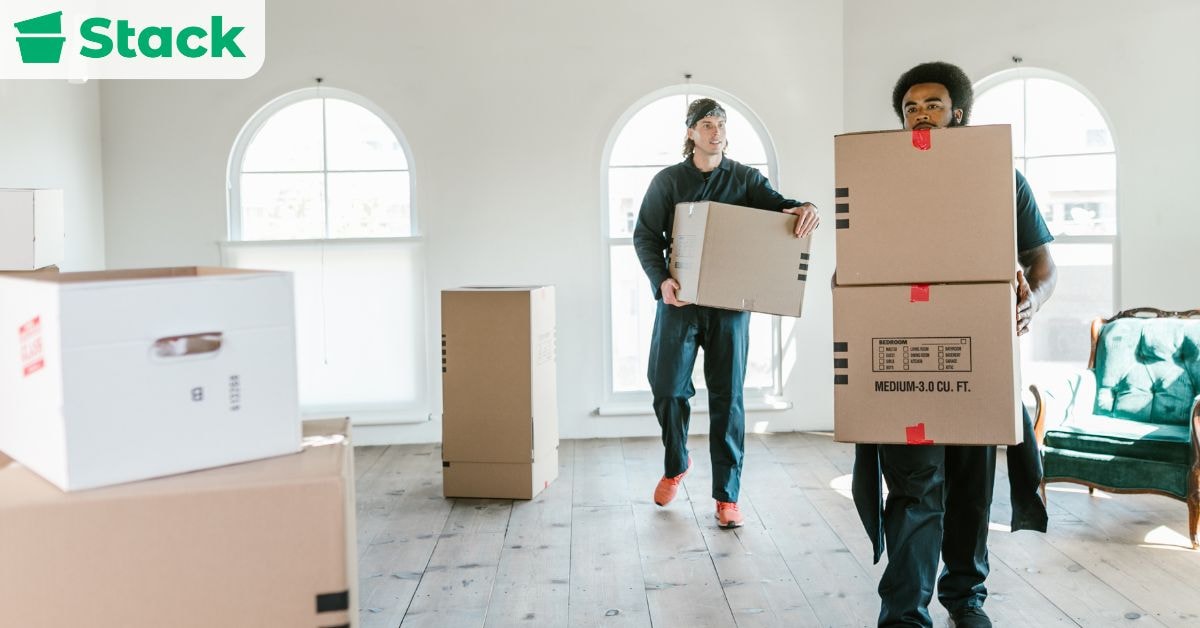
To save time and prevent damage to your property, hire experienced commercial movers. Reach out to multiple companies to get their quotes and secure the best deal. Be sure to confirm if their fee covers essentials like insurance, and also ask about their liability policies. To minimize disruptions, schedule your move outside of peak business hours.
Arrange for Safe Transportation
This should be one of your non-negotiables when relocating your business. The best way to ship moving boxes is to hire a reliable moving service. This guarantees your assets are handled with care from start to finish.
Clearly mark fragile items so that movers handle them with care, and use GPS trackers to monitor your high-value assets. Our office moving crates are built to withstand the rigors of relocation, which keeps your items safe from start to finish. Book your boxes to move with peace of mind.
Transfer Utilities and Business Services
Schedule utility transfers for your electricity, internet, and water in advance. Also, make arrangements for your new space to be cleaned by professionals before move-in day. This way, you and your team can arrive in a fully functional and conducive space from your first day.
Change Your Business Address on Official Records
Update your business address with all relevant parties such as the IRS, tax authorities, banks, insurance companies, vendors, and more. You’ll also need to update some contracts, licenses, and legal documents to reflect this change.
Organize the New Office Layout

Before you move into your new office, plan your workspace. Map out workstations, meeting rooms, and other important spaces to ensure everything complies with safety standards applicable in your industry or area while remaining comfortable for your employees. This will make it easier for your team to settle in quickly and stay productive.
Reinstall IT and Communications Systems
Now that you’re in your new space, test all computers, check phone lines, internet connection, and internal network. Confirm that your data protection systems are active and that all your systems, both hardware and software, are running without issues. With this sorted, your business can reopen without any hiccups.
Hold an Employee Orientation at the New Business Location
Provide support for your employees to settle in quickly by offering a tour of the new office space. Address any concerns they may have about the relocation, such as changes in their commute time or transport costs. Use the orientation to review updated policies, emergency procedures, and facility protocols.
Promote Your Business Relocation to Customers
Once you’re all settled in, the last thing to do is to let everyone know you moved. Ideally, you would’ve informed all your stakeholders of your move before now, but after successfully moving, you still need to let them know. Update your online profiles and consider launching a campaign to encourage visits to your new address.
How to Make Packing Office Equipment Easier
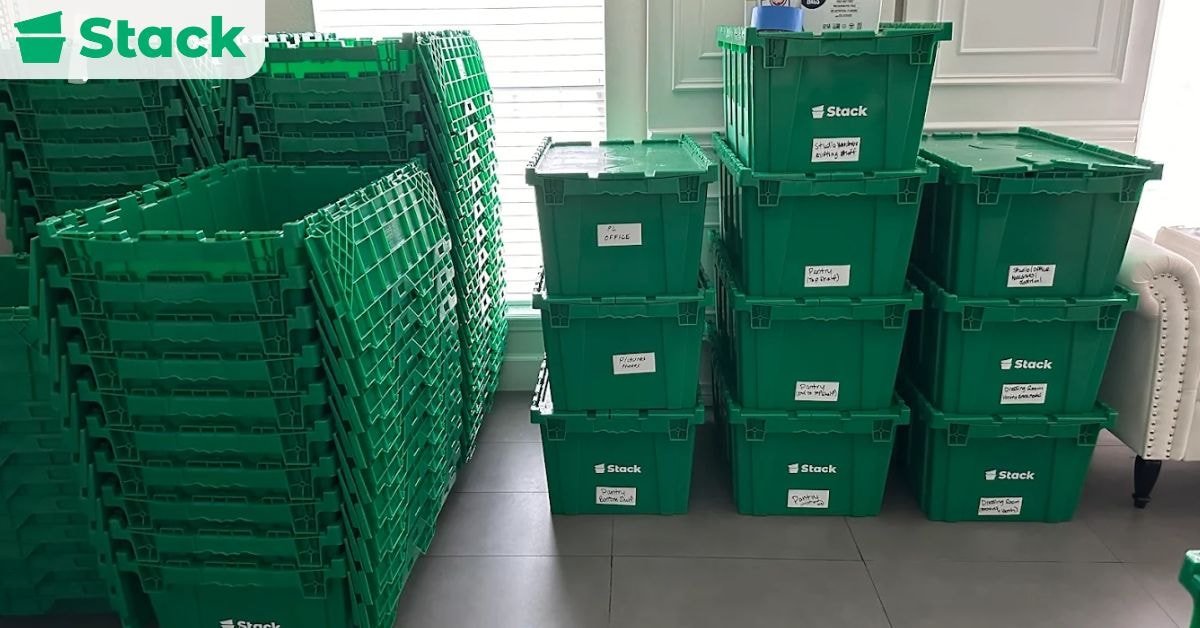
Before touching a single box, create a comprehensive moving inventory list of everything you plan to move. Take note of everything from your desks to your printers to help you stay organized throughout the move.
Label Everything Clearly – Clearly labeling your boxes will save you hours when it’s time to unpack your load. We recommend using a simple numbering system linked to your inventory list or color-coding your labels. This way, everything ends up exactly where it needs to be in your new office.
Disassemble Large Furniture and Equipment – When possible, large pieces of equipment and furniture should be disassembled. This makes them easier to move and also reduces their risk of getting damaged. Before taking anything apart, be sure to take a quick photo to make reassembly easier. A great tip to try is to store all your screws, nuts, and bolts in a labeled zip-lock bag, then tape the bag to the corresponding piece of furniture it belongs to or in a centralized container.
Maximize Space and Minimize Weight – A golden rule when packing is to keep heavy items in small boxes and lighter but bulky items in large boxes. This makes it easier to lift these boxes without physically straining yourself. Be sure to use durable boxes that can handle the weight of your items without collapsing. To make the most out of your space, fill in gaps between large equipment with small items like notepads.
How Much Does It Cost to Relocate a Business?

Corporate relocations cost anywhere from $1,500 to $30,000, depending on the size of the office, the distance of the move, and the needs of your business. Businesses with specialized moving needs, such as tech companies with sensitive equipment, should expect to be on the higher end of that range or even exceed it.
Typical relocation costs include:
- moving expenses like hiring commercial movers, trucks, and packing supplies,
- new office setup, i.e, furniture, décor, and tech infrastructure,
- administrative fees such as deposits, permits, and marketing updates,
- specialized services like IT professionals, consultants, designers, etc.
Don’t forget to include hidden costs like temporary storage, employee relocation assistance, and utility installations in your plan.
Factors That Influence Business Relocation Costs
Multiple factors can affect how much you’ll spend on relocating your business, starting with the size of your company. Large businesses usually have more furniture, equipment, and even staff. This all adds to the cost of your move.
The industry that you operate in also matters. For example, healthcare providers work with a lot of specialized equipment that needs to be specially packed and transported, which adds to the overall expense.
Distance is another major cost driver. Local moves are generally more affordable than long-distance moves since they’re less likely to require multiple days of transport, temporary storage, and additional coordination.
Ready to Make Your Business Move Easier With Bin Rentals?
Relocating your business boils down to proper planning, clear communication, and making smart choices. The more prepared you are, the smoother your move will be. Don’t hesitate to consult experts, because these professionals can help you avoid costly mistakes.
Stack Moves helps you reduce costs while staying organized by offering durable and reusable office moving crates for rent. They’re built to handle the demands of commercial relocations. Plus, your rental would be delivered to your current location and picked up after your move! Contact us to get started.
Frequently Asked Questions
How Can I Reduce the Costs of Relocating My Business?
One way to cut costs is by renting reusable moving crates instead of buying moving boxes. You can also save by decluttering your inventory before the move. Scheduling your move during off-peak seasons or mid-month can help you negotiate lower rates with movers. And handle certain tasks in-house, like packing non-fragile items to reduce outsourcing expenses.
How Long Does a Business Relocation Typically Take?
This could take a few weeks to a full year. You can speed things up by planning early, assigning a relocation manager, and setting clear timelines with your vendors and team.
How Can I Minimize Downtime During a Business Move?
Start by moving in phases to keep important operations running. Then, back up your data and prep your IT team for a fast reinstallation at the new site. Clearly communicate your moving timeline with your clients and vendors, and pack non-essential items first so you’re not disrupting daily work.
Rent Plastic Bins for Your Move!
Moving with cardboard boxes is a pain. Get pre-assembled bins delivered to your door and move hassle-free with Stack!
Stack eliminates the need for you to source, break down, or fill up your trash can with cardboard boxes.