
Moving to Chicago Checklist: Pro Tips for a Smooth Move
Chicago has something for everyone, regardless of their preferred lifestyle or budget. It boasts a beautiful, dynamic urban environment with world-class restaurants, networking opportunities, and nightlife. However, factors like traffic congestion, tax regulations, and harsh winter conditions can make planning a Chicago move more difficult than most. That’s why we suggest you compile a comprehensive moving to Chicago checklist, as it will help you have a smooth transition and avoid feeling overwhelmed.
Your checklist should include pre-move preparations such as proper research into housing arrangements, getting all the necessary moving supplies, understanding Chicago’s climate, gathering all essential documents you’ll need for your move, and many other things!
At Stack Moves, we understand that moving can be costly and challenging, which is why we provide a cost-effective, sturdy packing solution. Our eco-friendly moving bins will help keep your belongings safe even when moving during severe weather conditions like Chicago winters. Contact us today to rent moving boxes and enjoy a hassle-free move.
In this blog, we’ll guide you through your relocation process, from pre-move preparations and budgeting to packing strategies and settling into your new Chicago neighborhood.
Moving to Chicago Checklist for Beginners

Before moving to a big city like Chicago, you need a properly structured checklist for moving out that covers everything from choosing the right neighborhood, setting up utilities and preparing for Chicago’s weather conditions.
Ultimately, your checklist should include the tasks you need to complete before and after moving to this city to stay organized. You need to:
- Research and plan your move
- Find a place to live
- Set a realistic budget for your Chicago move
- Prepare for the move
- Put your moving day essentials together
- Update documents and services after moving
- Settle into Chicago and explore the city
Now, let’s break down each of these steps in detail:
1. Research and Plan Your Move (3–6 Months Before Moving)

Research and plan your move to a beautiful city like Chicago 3-6 months before moving to make sure you’re fully prepared for the new location. Early planning allows you to research neighborhoods, compare housing options, and organize all the details needed for a smooth relocation.
Start by choosing a neighborhood. Chicago is the third-largest city in the United States and has over 200 diverse neighborhoods that make up its total 77 community areas. Downtown areas like River North, Lincoln Park, and the Loop have a fun nightlife and are closer to public transit. However, they may not be the best option if you are moving on a tight budget. If you prioritize affordability but still want to maintain a convenient community feel, Hyde Park and Lakeview areas are your top options.
You also need to understand Chicago has a 14% higher cost of living than the national average. Rent prices highly depend on the neighborhood you choose and the apartment size. Beyond rent, prepare a proper budget for other utilities, groceries, transportation, and local taxes. For transportation, get a Ventra card for CTA buses and trains and Metra commuter rail services, which costs $5 for new cards. Food, healthcare, and transportation all have a higher cost in Chicago. Still, it’s expected since it’s one of the US’s largest, high-demand urban cities with a dense population and thriving economy.
Next, explore Chicago’s job market and employment opportunities. The big city has different finance, healthcare, technology, education and manufacturing opportunities. Renowned firms have their headquarters or significant operations in Chicago, which makes the city very competitive for those seeking a job.
Prioritize researching for schools if you plan to move to Chicago city with your family or to pursue further education. Review the performance of different school options using Chicago Public Schools (CPS) ratings. Check out different options like Northwestern University and the University of Chicago for higher education. Before you make your choice, look out for housing options close to these institutions, as commuting long distances is not ideal in the long run.
2. Find a Place to Live (2–4 Months Before Moving)
About 2–4 months before you move to Chicago, start to actively find a place to live to get the best selection and avoid any form of last-minute stress. Chicago has different living options, including apartments and family homes in both lively neighborhoods and quieter residential areas. Before making your final decision, weigh the pros and cons of renting vs. buying a Chicago home carefully.
It’s best to rent if you’re new to the city. However, renting doesn’t give you access to equity. On the other hand, if you plan on settling in Chicago for a long time, buying a home is a better option. It allows you to build equity and enjoy stability in monthly payments. On the downside, homeowners must handle all forms of ongoing maintenance costs.
Use online resources like Zillow, Apartments, and Craigslist to hunt for apartments. You can also consider hiring local realtors who can provide personalized recommendations and assist you with lease agreements if you need one.
3. Set a Realistic Budget for Your Chicago Move

Set a realistic budget for your Chicago move to manage your expenses and avoid unexpected financial stress. Make a list of expenses when moving out. Your list should include packing supplies, transportation, movers, deposits, and other upfront expenses.
Decide early if you’d prefer hiring professional movers or handling the move yourself. DIY moves with a moving truck may be a cost-effective option. However, if you include gas, mileage fees, rental insurance, and the physical labor involved, the savings might not be as substantial as you imagined. Hiring professional movers may incur higher costs, but it will save you time, energy, and logistical hassle, especially when relocating from a long distance.
Before your move to Chicago or as soon as you arrive, open a Chicago bank account if you’re relocating from another state. Opening the account will simplify paying your rent, utilities, and local taxes. As part of your financial planning, don’t forget to research Chicago’s local tax rates, including property taxes, which can vary depending on the neighborhood. Be sure to integrate these costs into your moving budget to avoid surprises later on.
4. Prepare for the Move (1–2 Months Before Moving)
Organize and prepare for your move to Chicago 1-2 months beforehand. To kick off your pre-move preparations, check out the items you’ll want to take with you and declutter the ones you won’t need.
Use a moving box calculator to estimate the number of boxes you’ll need ahead of time. This tool can help you avoid overspending on unnecessary boxes and prevent you from purchasing too few. Additionally, we recommend that you use plastic bins, as they are by far the best bins for moving.
5. Pack Your Moving Day Essentials Bag
A comprehensive moving checklist also ensures that you prepare properly for your moving day essentials. Make sure you have all the necessary supplies, protect your belongings, and prepare ahead for Chicago’s unique weather conditions. Put together a survival kit so you can have quick and easy access to everything you need during the move. Your kit should contain:
- Toiletries such as toilet paper, your toothbrush and toothpaste, soap and shower gel, etc.,
- A change of clothes for the first night in your new Chicago home,
- Essential documents like your lease agreement, ID, and moving contract,
- Chargers and power banks to keep your devices powered throughout the move,
- Snacks and bottled water,
- Basic cleaning supplies for any last-minute touch-ups as soon as you arrive.
Packing these essentials in a separate survival kit helps to prevent unnecessary stress and allows you to settle in comfortably without digging through multiple boxes. If you also plan to move during the colder months, check the weather forecast way before your move and prepare for sudden changes beforehand. This is because the temperature in Chicago often times goes below zero during the winter season.
Once you arrive in Chicago, check your new place for issues. Inspect all plumbing or electrical appliances and confirm that they are working correctly. If you spot any issues or damage, make sure to take photos and document your concerns.
Focus on unpacking when you are done checking out issues with your new place. Start by unpacking bedding, toiletries, and kitchen items before moving on to non-urgent belongings. Also, contact the moving box suppliers for a pickup if you rented a moving truck and bins for your move.
6. Update Documents and Services After Moving (Must Do)

Update your personal information and services to avoid interruption of service, missing bills, and fines that may come up shortly. Forward a mail to the United States Postal Service (USPS) informing them of your move and requesting a change of address. This would require updating your address with your bank, credit card providers, and insurance providers.
7. Settle Into Chicago After Your Move
Once you’ve moved to Chicago, familiarize yourself with the beautiful city and everything it offers. Understand Chicago’s public transport and how the entire system works. Chicago’s public transport system is also cost-effective compared to the national average. The Chicago Transit Authority (CTA) offers:
- CTA trains (“The L”) are a fast and reliable service that connects major cities, downtown areas, and airports (O’Hare and Midway) in Chicago.
- CTA buses complement train service and reach almost every corner of the city.
- A reloadable Ventra card is used for easy payment on all CTA trains and buses and Metra commuter rail services that connect suburbs with downtown.
If you are moving along with a vehicle, visit an Illinois Secretary of State facility within 30 days of residency so you can obtain an Illinois driver’s license and transfer your vehicle registration. Take your proof of residency and insurance documentation with you, and prepare to pay specific associated fees.
8. Get Involved in the Community
Connect with your new Chicago community to embrace the new suburban life and make the city feel like home. Get involved in the community by joining various groups and events such as:
Social groups and networking opportunities: These groups may occasionally host events tailored to various interests, hobbies, and industries.
Local events, festivals, and entertainment: Chicago hosts different festivals year-round. You can also check out Millennium Park, Navy Pier, and neighborhood street festivals to experience their local culture, food, and lifestyle firsthand. Places like Wicker Park, which is located on the city’s west side, have different bars and restaurants for entertainment.
Making friends and adjusting to life in Chicago: Participate actively in social events like local volunteer programs, community workshops, or neighborhood events so you can connect with people. Many Chicagoans are also known for their friendly and welcoming attitude, so they are more likely to engage with neighbors, coworkers, and fellow newcomers.
What Do I Need to Know Before Moving to Chicago?

There are certain things you should know before settling into the great city of Chicago. You need to fully understand the city’s laws, job market, public transport system, and lifestyle for a smooth move. These are the various factors you need to be aware of:
Understand the Local Laws and Registration Requirements
Chicago has laws and unique regulations regarding residential parking permits, taxes, vehicle registration, and pets. Research early enough to have a hassle-free transition.
For taxes, the national average top rate of state income tax in Illinois is about 4.95%, and Chicago’s taxes are among the highest. The big city requires that Chicagoans pay a sales tax of 10.25%, which is also higher than the national average.
Consider Job Opportunities and the Employment Market
Consider job opportunities and employment prospects if you’re relocating for work or plan to seek new employment when you arrive in the city. Connect with different potential employers or networking groups early enough to have a good advantage.
The Chicago area has a very competitive job market because many Chicagoans are already seeking opportunities across various industries. Research different companies, understand their hiring trends, and organize your resume to fit the expectations of Chicago-based employers. Many companies conduct multiple rounds of interviews so if you decide to wait until after your move to start your application, you may undergo unnecessary delays in securing employment.
Check Out Chicago’s Culture, Entertainment, and Dining Scene
Chicago is also known for its famous dishes, including Italian beef sandwiches and deep-dish pizza. The city also has a vibrant theater scene, annual festivals, and a strong sports culture that brings residents together year-round. Adjust to life in this new city by checking out everything Chicago offers. The more you immerse yourself in these local experiences, the easier it becomes to feel at home.
Explore Different Neighborhoods to Find Your Best Fit
Take time to explore various neighborhoods. This will help you find the ideal community that resonates well with your lifestyle and preferences. Check out different parks, museums, theaters, and shopping centers. You’ll find a host of them in The Loop area. Also, the North side of Chicago is highly recognized for its boutiques and different dining options.
Prepare for Chicago’s Weather Conditions
Make the right preparations for Chicago’s cold temperatures, snow, and icy, challenging periods. Before you move to the city, invest in warm clothing and plan accordingly.
Budget-Friendly Ways For Moving to Chicago
As a newcomer, you should have a strategic plan and budget before you move to Chicago. To make your move smooth without having to sacrifice your convenience or comfort, you need to:
Move During Off-Season
Fall is a good time to schedule your move to Chicago because professional movers offer lower rates during this period, and moving truck rentals are equally more cost-effective than in the summer months. This will help you save significantly compared to moving during the summer months, which is the peak moving season for most Chicago residents.
Declutter and Sell Unwanted Items Before Your Chicago Move
Before you start packing, take time to sort through your belongings and set aside anything you no longer need or use. Downsizing before moving will make your move lighter and more organized. Also, consider selling the things you no longer need, including furniture, clothing, and household goods, online or at garage sales, to offset some of your moving expenses and reduce the number of boxes you’ll need to transport.
Source Free or Discounted Packing Materials
Obtain free packing materials or buy at a discounted price from local grocery stores or retail shops, so you don’t have to overspend on these items.
Compare Multiple Quotes and Negotiate Prices
Request quotes from different Chicago movers or truck rental companies and compare their rates carefully to know the best value that works for you. Don’t also be hesitant to negotiate prices. Most moving companies are open to offering discounts if you have a flexible moving date or would prefer to move during a less busy season.
Plan Utility Setup Strategically
Schedule your utilities properly to avoid overlapping utility payments. Put together disconnect dates at your old place and setup dates at your new home in Chicago so you can avoid paying for duplicate services.
Rent Moving Boxes
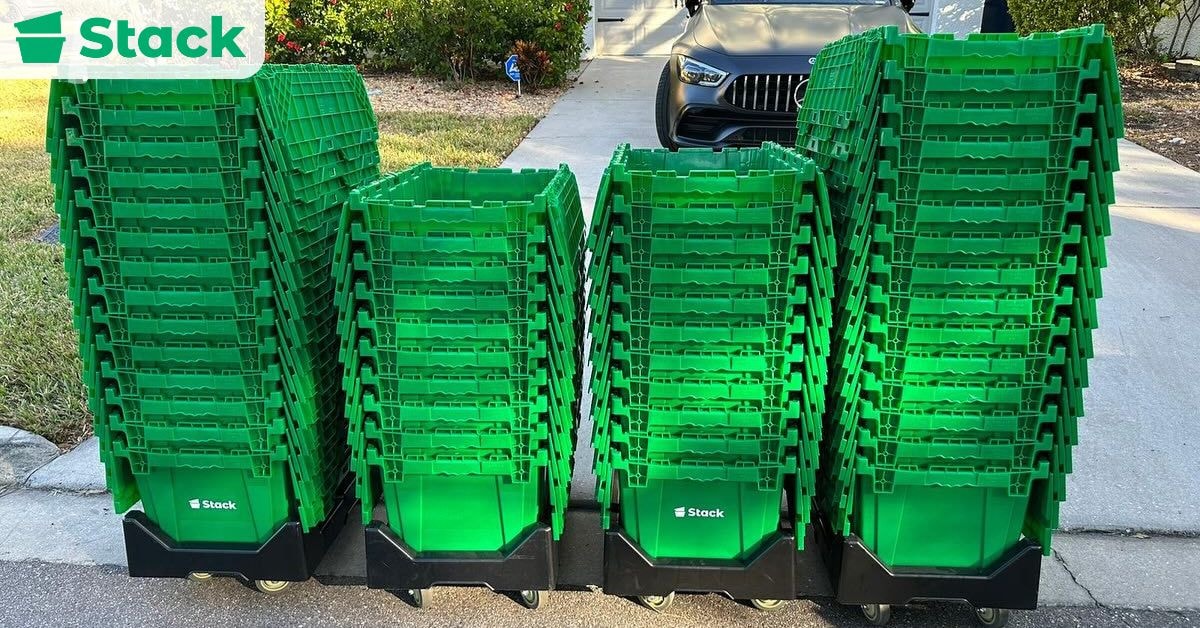
Rent eco-friendly moving boxes instead of buying cardboard boxes. Rental options like sturdy plastic moving bins from Stack Moves are very affordable and convenient. When you rent our boxes, they get delivered to your home and picked up afterward.
Packing and Preparation Tips for a Smooth Move to Chicago
Proper organization will help you reduce stress, save you money, and make sure all your belongings arrive safely. Follow these proven packing and preparation tips for a smooth move to Chicago:
Start Packing Early and Label All the Boxes
Start packing for your move ahead of time. Once you pack up any box, label it clearly with its contents and the room where you’ll eventually want to place them. This will make your unpacking process more straightforward.
Pack an Essentials Bag
Set a bag aside for your toiletries, a change of clothes, medication, chargers, and important documents like your lease agreement, ID, and moving contracts.
Use Vacuum-Sealed Bags for Bulky Items
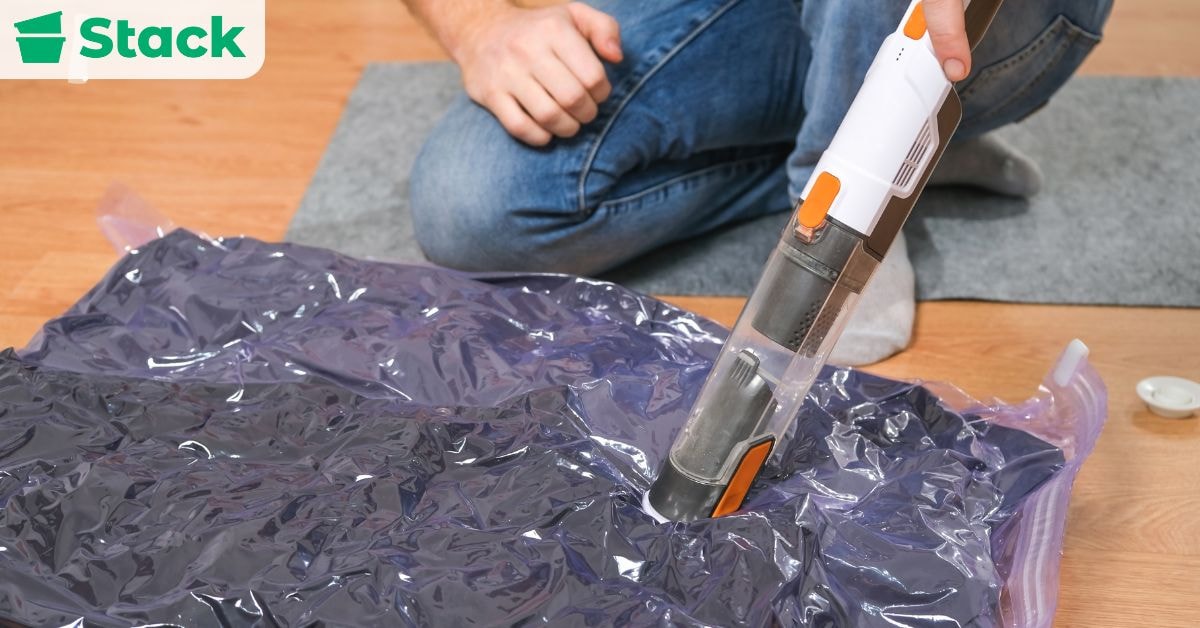
Chicago’s winter season demands that you provide bulky clothing, blankets, and bedding. These items should be compressed into vacuum-sealed containers to save space, make transportation easier, and reduce the number of boxes you’ll be moving with.
Protect Fragile Items Creatively
Use towels, blankets, or clothing instead of bubble wrap to shield fragile items like glassware or decor from breakage. This approach will minimize waste and save you money.
Create a Moving Inventory List
If you’ll be hiring professional movers, create a moving inventory list. Note the condition of each item before you pack it, and while unpacking, use the same inventory to check if everything arrived intact.
Research Chicago Parking and Unloading Restrictions
Parking in Chicago can be tricky, most of all when unloading a moving truck. Most neighborhoods require that you have residential parking permits. They also have strict rules about where moving vehicles can park. Check with your new neighborhood or the city’s official website before you arrive to fully understand the parking guidelines, secure the required permits, and avoid fines or delays on moving day.
Need Help With Your Move to Chicago?
A moving checklist will ensure that your move into the big city is smooth and free from stress. Research the neighborhoods and thoroughly prepare your new home setup, including utilities and documents, before you move. You can also avoid any form of disorganization by creating an inventory list, labeling boxes, and preparing ahead for Chicago’s unique climate and regulations.
To simplify your move and reduce moving expenses further, we recommend using eco-friendly moving boxes. This option is hassle-free compared to buying or sourcing cardboard options.
Stack Moves offers durable, reusable plastic moving bins for rent to make packing easy, safe, and affordable. Each of these bins replaces 500+ cardboard boxes in its lifetime and renting them is very quick and convenient. Contact us now to place your order!
Rent Plastic Bins for Your Move!
Moving with cardboard boxes is a pain. Get pre-assembled bins delivered to your door and move hassle-free with Stack!
Stack eliminates the need for you to source, break down, or fill up your trash can with cardboard boxes.