
Moving Boxes for a 1-Bedroom Apartment
Moving into a new home signifies a fresh start, but the process of packing and organizing everything can quickly become overwhelming. One of the initial steps in the moving process is determining how many boxes you need. Get it right, and you won’t have to worry about having too many or too few boxes in the middle of your move.
For a one-bedroom apartment, you’ll need about 25 boxes, along with essentials like labels, markers, and bubble wrap to keep everything organized and protect your fragile items. But where can you find these supplies, and what do you do with them after the move?
Stack Moves has got you covered. We offer moving boxes for rent along with other packing supplies like labels and dollies to make your move as stress-free as possible, so you don’t have to bother about sourcing or disposing of them post-move. Got any questions? Contact us to learn more about how we can simplify your move.
In this blog post, we’ll guide you on you how many boxes you need to move your 1-bedroom apartment, where to get them, and how much you’ll likely spend on your move. We’ll also share some essential tips on how to pack your apartment for a successful move.
Average Amount of Moving Boxes for a 1-Bedroom Apartment
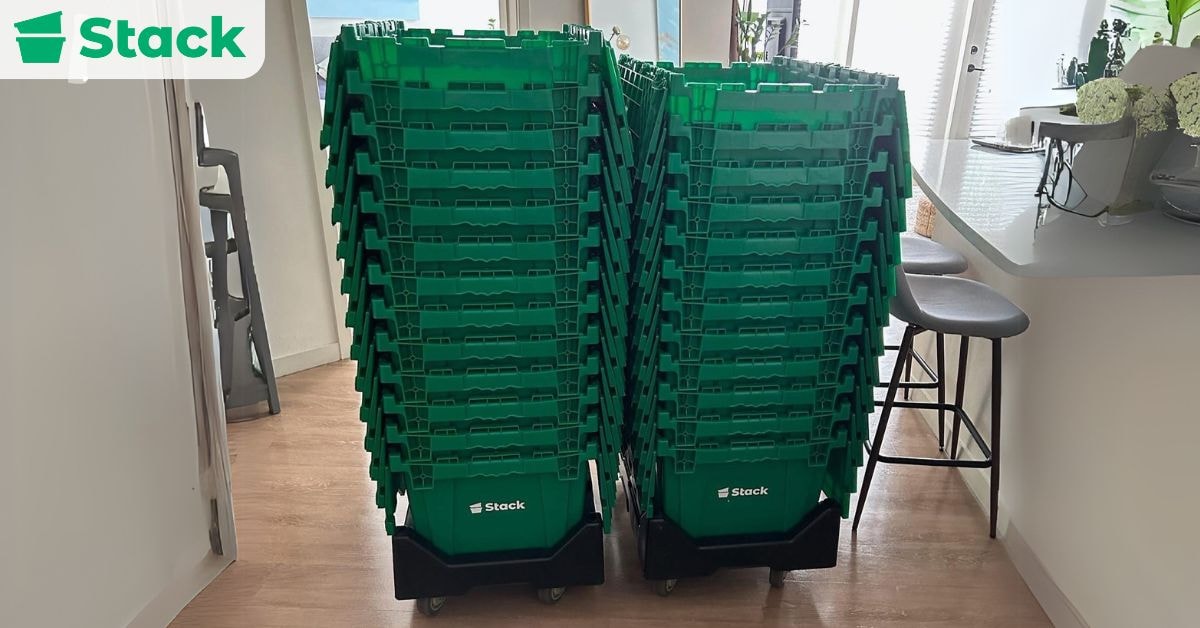
The average amount of boxes needed to move a 1-bedroom apartment is about 25 boxes. However, this could be more or less depending on factors such as how many items you have, whether you’re downsizing or taking everything with you, and even your packing style.
Minimalists may need fewer boxes, whereas people with more belongings may benefit from getting some extra boxes. The easiest way to determine how many boxes you need for a move is to use a moving box calculator. These tools eliminate the guesswork and give you an accurate estimate based on the size of your home.
Here’s a rough estimate of what you’ll need to pack your one-room apartment:
- Small boxes (books, kitchen items): 6-10
- Medium boxes (clothing, decor): 5-8
- Large boxes (bedding, lightweight items): 3-5
- Wardrobe boxes (hanging clothes): 1-2
- Specialty boxes (TV, dishes, mirrors): 1-3
At Stack Moves, our standard moving boxes are designed to enhance your packing efficiency. These boxes measure 27” by 17” at the top, 24.5” by 14.5” at the bottom, and stand 13” tall, providing the ideal size to pack up without overloading them. Many of our customers find that they need fewer boxes than the typical estimates suggest, thanks to their optimized design.
Types of Moving Boxes and Their Uses
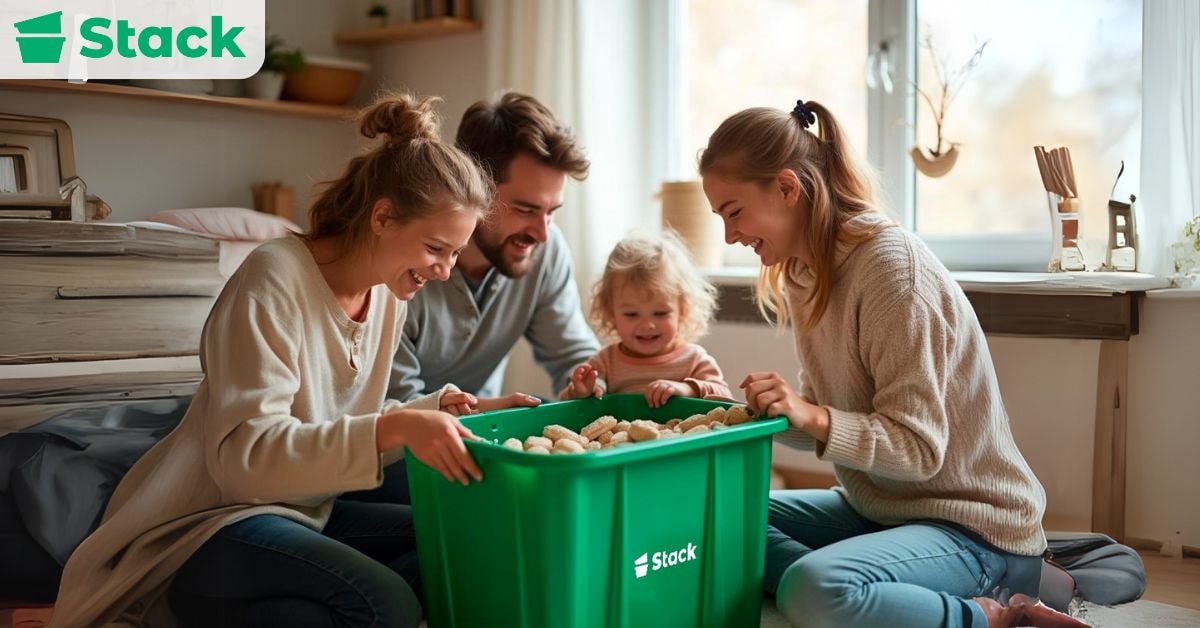
While cardboard boxes remain the default choice for most movers because of their availability and versatility, plastic bins are proving to be a better moving solution. Plastic boxes are considered the best moving boxes because they better secure your items, don’t have to be assembled, and can be easily stacked for transport.
Standard Cardboard Boxes
Cardboard boxes have long been the preferred option for packing, but that doesn’t mean they don’t come with drawbacks. They deteriorate over time, struggle to withstand moisture and heavy loads, and are not ideal for multiple moves. They’re suited for short-term use, but if durability matters to you, they aren’t the best choice. Another aspect to consider is size. Packing requires a variety of box sizes, from small to large. Without the appropriately sized boxes, packing can become a hassle.
Plastic Moving Boxes (Rental Option)
When compared to their cardboard counterparts, plastic moving boxes are more durable and environmentally friendly. Additionally, they come pre-assembled, which saves you time and effort. Unlike cardboard boxes, they are water-resistant, providing protection for your belongings against moisture. They are also designed with stackability in mind, which reduces the likelihood of being crushed when stacked on top of one another.
Cardboard boxes usually seem less expensive upfront, but renting moving boxes saves you more money in the long run. You avoid hidden costs associated with cardboard boxes, like buying extra tape to reinforce weak boxes. We don’t advise you to buy plastic bins because they can be pricey; it’s much more cost-effective to rent your boxes.
Stack Moves makes moving a breeze with our sturdy plastic boxes for rent – delivered to your doorstep and picked up when you’re done for maximum convenience. Ready for a smoother move? Contact us to rent plastic bins today.
How to Pack a One-Bedroom Apartment
There are many logistics involved in moving, and it’s difficult to cover everything without a solid plan. This is where a moving checklist comes in. It’ll guide you on what to do and help you stay organized as you move into your new space.
Declutter Before Packing
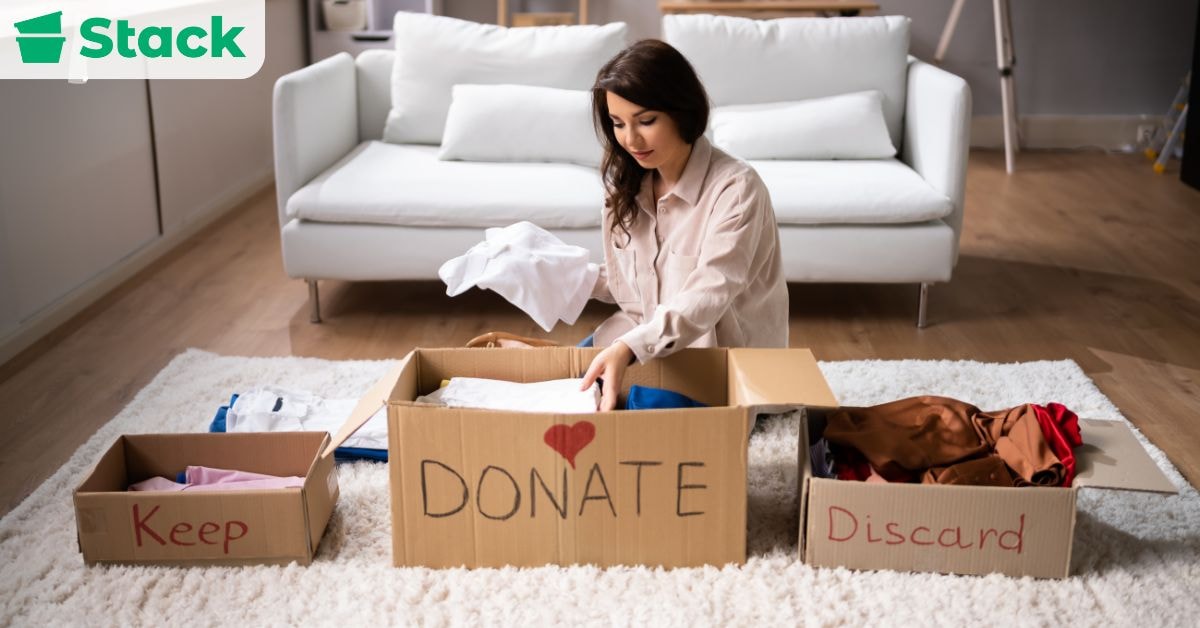
Before boxing up your items, sort through your belongings. Divide these items into three categories: what to keep, what to sell or donate, and what to dispose of. This will help you reduce your moving costs since fewer items mean fewer boxes and possibly a smaller moving truck.
To help you decide on what should stay and what shouldn’t, ask yourself questions like:
- How often do I use this?
- Will this fit my new space?
- Is this worth the effort to move?
Remember, the fewer unnecessary items you pack, the easier it will be to move.
Room-by-Room Packing Plan
Unpacking is a breeze when you pack room by room. By organizing your belongings as you pack, you’ll make your new space feel more like home right away.
Kitchen
Your kitchen likely contains more breakable items than any other room in your home. Be generous with bubble wrap, packing peanuts, or whatever material you choose to pack your fragile items. Wrap up your utensils and glassware to prevent scratches or breakage. Use dish pack boxes for your dishes, as they offer better protection than regular boxes. Avoid packing utensils and appliances together to prevent damage.
Living Room
Protect your electronics with padding to prevent scratches. Pack fragile decor items like vases with packing paper or bubble wrap to prevent damage. Small boxes are best for heavy items like books.
Bedroom
Pack your hanging clothes in wardrobe boxes so they arrive wrinkle-free at their new home. Bulky items like comforters should be packed in large boxes to avoid crushing them, and they should be packed last so they don’t take up valuable box space.
Bathroom
To prevent spills, store your toiletries in leak-proof bags or Ziploc bags. Also, this is a good time to throw out any expired products or anything you don’t need, as bathroom items accumulate very quickly.
Labeling and Organizing Boxes
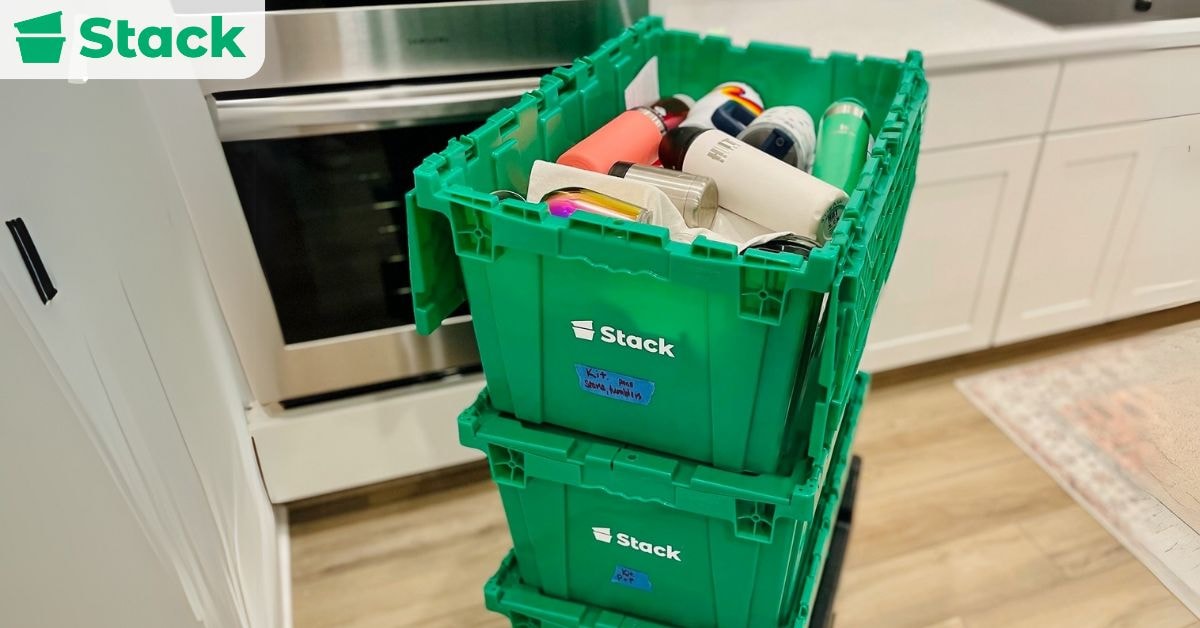
After meticulously packing your items room by room, once the boxes are closed and stacked on top of one another, it can be a bit challenging to differentiate them. This is where labeling comes into play. To effectively label your boxes for moving, clearly list the contents of each box and the room it belongs to. We recommend doing this on multiple sides of the box to make it easier to identify what’s inside from any angle you may be looking at it.
Other good practices for labeling your packing boxes are to color code them and mark boxes with fragile items in them.
Where to Get Moving Boxes for a 1-Bedroom Apartment
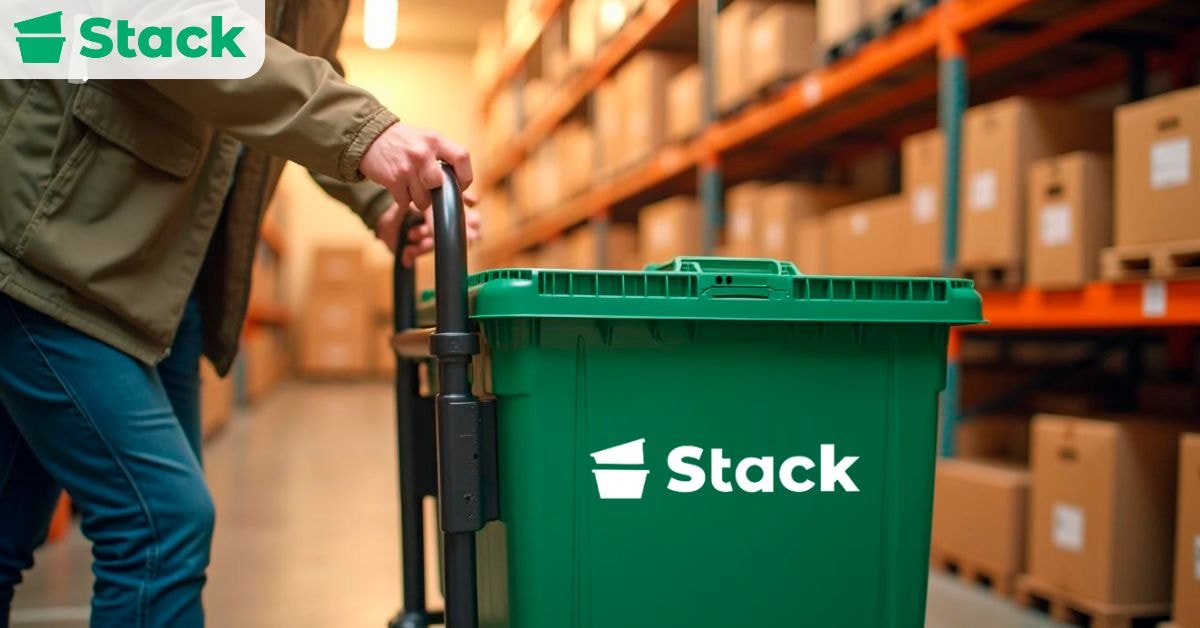
We’ve already established you need boxes to move, but where can you get the best ones? People typically get moving supplies in three ways: for free, bought, or rented. Here’s a breakdown of what each option entails:
Free options
If you’re on a tight budget, you might want to look for free moving boxes. You can get free moving boxes from various places, such as grocery stores, online community groups, Facebook Marketplace, and even local retail stores. Just keep in mind that free boxes may not always be usable, so it helps to inspect them for any damage before you use them.
Buying New Boxes
For movers with a bigger budget, you might have considered buying your boxes. Moving boxes are available at local supply and home improvement stores like Home Depot and Lowe’s. While newly purchased boxes are sturdy and reliable, their costs can accumulate more quickly than you might expect.
Renting Eco-Friendly Moving Boxes
Renting your moving bins combines the benefits of sourcing for free and purchasing new boxes. For a lower cost, you can enjoy sturdy boxes that are environmentally friendly.
How Much Does It Cost to Move a 1-Bedroom Apartment?

For a local move, the total cost of moving a one-bedroom apartment should be between $300 and $1,500. However, this price is dependent on multiple factors, such as distance, labor costs, packing supplies, and additional services like furniture assembly, so you could end up spending more or less.
Looking for Plastic Bins for Your 1-bedroom Apartment?
Moving is stressful, but simple tactics like getting the right supplies can make all the difference. More movers are opting for plastic bins to enjoy a more organized and hassle-free move.
They’re stronger and won’t tear or collapse. They’re also reusable, making them an eco-friendly choice for your move. And they’re super convenient to use: There’s no need to buy, store, or dispose of them; just rent, use, and return them.
Ditch the stress of having your boxes flake on you mid-packing and rent plastic moving bins from Stack Moves. We operate in Miami and many other locations across the U.S. Contact us today to rent your moving bins.
Rent Plastic Bins for Your Move!
Moving with cardboard boxes is a pain. Get pre-assembled bins delivered to your door and move hassle-free with Stack!
Stack eliminates the need for you to source, break down, or fill up your trash can with cardboard boxes.