
How Much Do Moving Boxes Cost?
On average, standard cardboard moving boxes cost between $1 and $4 for small and medium-sized boxes, while larger or heavy-duty options can reach $8 or more per box. The price usually depends on the material it’s made of, the specific purpose of the box, and where you buy it from. Given how much prices can vary based on these factors, it’s important to determine the number of boxes you actually need so you don’t end up paying for boxes you won’t use.
Looking for a more cost-effective alternative to buying moving boxes? Consider renting Stack Moves’ durable plastic moving boxes instead. Use our moving box calculator to figure out exactly how many boxes you need based on the size of your move, so you’re not guessing or overordering. Contact us today to get started and simplify your move from start to finish.
In this blog, we will analyze the cost of moving boxes based on size and type. We will also break down and highlight the factors that influence those costs and share practical tips for saving money on your moving boxes.
Average Cost of Moving Boxes by Size

Moving box prices vary primarily by size, with smaller boxes costing less and larger boxes designed for bulky items priced higher.
- Small Moving Boxes ($1–$3): Best for heavy, compact items like books, canned goods, tools, files, and small décor pieces. Keeping heavy items in small boxes makes them easier and safer to lift.
- Medium Moving Boxes ($1.60–$3.50): Ideal for kitchenware, pots and pans, toys, small appliances, pantry items, and neatly stacked household items. These boxes strike a good balance between weight and capacity.
- Large Moving Boxes ($2–$6): Designed for bulky but lightweight items such as pillows, bedding, comforters, blankets, lampshades, and folded clothing. Avoid packing heavy items in these boxes to prevent tearing.
- Extra Large Moving Boxes ($3–$8): Best for oversized, lightweight items like large blankets, winter coats, bulky clothing, and comforters. These boxes help consolidate space-consuming items while staying manageable when packed correctly.
Cost of Moving Boxes By Type
In addition to size, moving boxes are also priced according to their type.
- Standard Cardboard Boxes ($1–$4): The most common moving boxes, perfect for everyday household items like books, toys, pantry goods, and décor. They are cost-effective and ideal for short-term moves but less durable for heavier or fragile items.
- Heavy-Duty Boxes / Double-Walled Cardboard Boxes ($3–$8): Built with reinforced walls, these boxes are designed to handle heavier items such as dishes, small appliances, glassware, and electronics. They’re ideal when extra strength is needed to prevent collapsing or tearing.
- Corrugated Boxes ($2–$6): Made with multiple layers of fluting, corrugated boxes offer added durability and protection during long-distance moves or shipping. Best for fragile or medium-weight household items that require extra cushioning.
Cost of Specialty Boxes
Specialty moving boxes are designed to protect fragile, oversized, or high-value items that don’t fit well in standard boxes. While they cost more than regular cardboard boxes, they help reduce the risk of damage during transport.
The table below breaks down the average cost range for each box size so you can quickly compare your options at a glance.
| Specialty Box Type | Average Cost | Best Use For |
| Wardrobe Boxes | $10-$20 | Hanging clothes, suits, dresses, coats, and garments you want to move without folding |
| Dish Pack Boxes | $10-$15 | Plates, bowls, glassware, mugs, and other breakable kitchen items |
| TV Moving Boxes | $20-$40 | Flat-screen TVs, computer monitors, and large electronics |
| Electronics Boxes | $5-$12 | Desktop computers, stereo equipment, and office electronics, large monitors, audio equipment, and bundled electronics |
| Wine Shipping Kits | $7-$15 | Wine bottles, liquor bottles, and other glass containers |
| Mirror Boxes | $5-$8 | Wall mirrors, framed mirrors, and fragile flat glass items |
| Picture Boxes | $5-$8 | Framed artwork, photos, canvases, and prints |
| Mattress Boxes | $10-$20 | Twin, full, queen, and king mattresses during transport |
| Lamp Boxes | $6-$10 | Table lamps, floor lamp bases, and lamp shades |
| File Boxes | $4-$7 | Documents, files, paperwork, and office records |
Renting vs. Buying Moving Boxes: A Price Comparison
The cost difference between renting and buying moving boxes comes down to a few key factors: how long you need the boxes, how durable they need to be, how many boxes you require, and what happens to them after the move. Cardboard boxes are priced lower upfront but are typically designed for single use, while plastic moving boxes cost more because they are reusable, sturdier, and built for repeated handling.
In terms of pricing, cardboard boxes usually range from $1 to $8 each depending on size and strength, while plastic moving boxes can cost anywhere from $10 to $30 per box to purchase. Renting plastic moving boxes, however, typically costs around $1.50 to $3 per box for the rental period.
For short-term moves, renting is often the more practical option. You only pay for the time you need the boxes, avoid the hassle of disposal or storage afterward, and often benefit from delivery and pickup services. This makes renting a more controlled and predictable choice, especially when you want durable boxes without the long-term commitment.
Case Study: Moving a 1-Bedroom Apartment
The average one-bedroom apartment moves requires around 25-30 boxes. A typical buying scenario would look something like this:
- 10 small boxes at about $2 each = $20
- 10 medium boxes at about $3 each = $30
- 6 large boxes at about $5 each = $30
- 2 specialty boxes (dish pack or wardrobe) = $25
Customers who buy cardboard boxes almost always need additional supplies to make those boxes usable and secure. Tape, bubble wrap, packing paper, and replacement boxes for ones that tear or collapse typically add another $30 to $60, pushing the total closer to $135–$165 for a one-bedroom move.
Customers who decide to rent plastic bins instead can get the same number of boxes for around $139, inclusive of other packing supplies like labels and dollies. In many cases, they would only need minimal tape or wrapping for fragile items, if any at all.
Why Are Moving Boxes So Expensive?
The high cost of moving boxes comes down to factors like durability, the quality of the materials used, and the rising cost of production. Although high-quality shipping boxes come at a higher price tag, they offer the best protection for your belongings when in transit. But it’s better to rent your boxes rather than buy them. When you rent, you can enjoy reliable, sturdy boxes without overspending. Plus, with rentals, you won’t have to worry about storing the boxes after your move, which can be a hassle if you don’t have the space.
What Are the Best Moving Boxes to Buy?
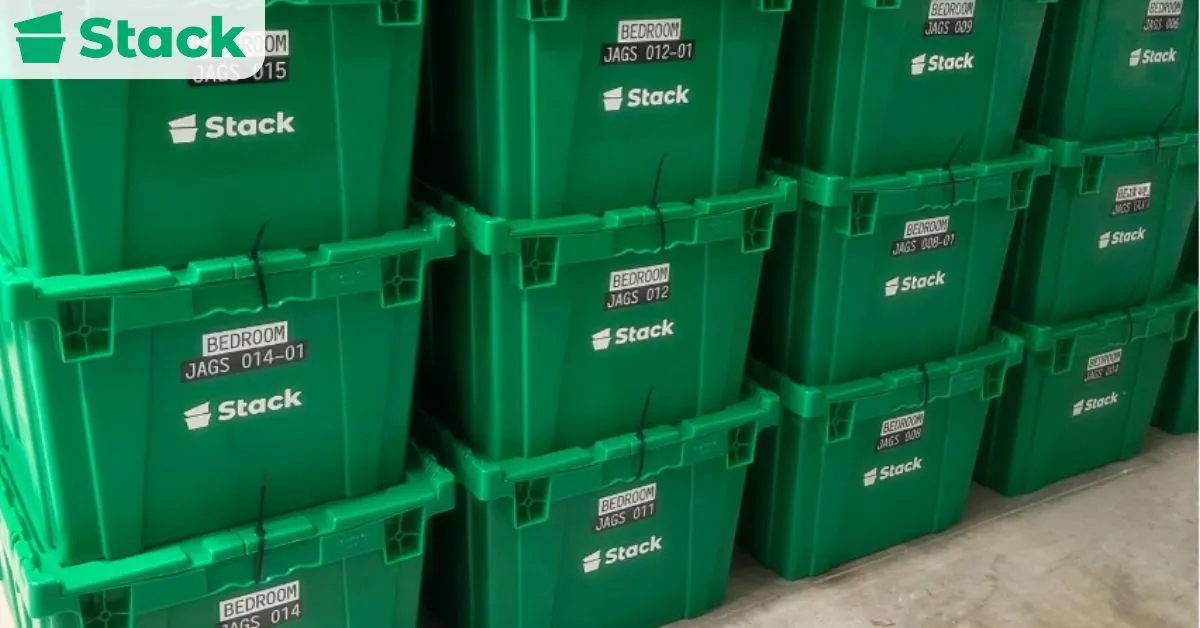
Often, individuals find themselves deciding between cardboard boxes and plastic bins. Cardboard boxes are typically cost-effective but lack durability, particularly for long-term storage. In contrast, plastic bins offer greater durability and are waterproof, making them ideal for storing items for an extended period.
While more expensive initially, plastic bins are by far the best moving boxes as they are reusable, and you can stack them easily and securely.
Plastic bins usually come in different sizes. However, when it comes to the best-size boxes for moving, we recommend a bin that measures 27″ by 17″ at the top, 24.5″ by 14.5″ at the bottom, and 13″ tall.
How Much Do Other Supplies Cost for a Move?
During a moving process, you would need other packing supplies like packing tape and bubble wrap, which help seal boxes securely and protect fragile items. Packing tape costs $2 to $5 per roll, while bubble wrap costs $10 to $20 per roll.
Furthermore, you would also need packing paper to wrap and cushion items within boxes. They cost $10 to $30 per pack. Additionally, having labels and markers help with organizing and identifying box contents. Other items you would need include stretch wrap, furniture covers, moving blankets, and pads.
4 Factors Influencing the Cost of Moving Boxes
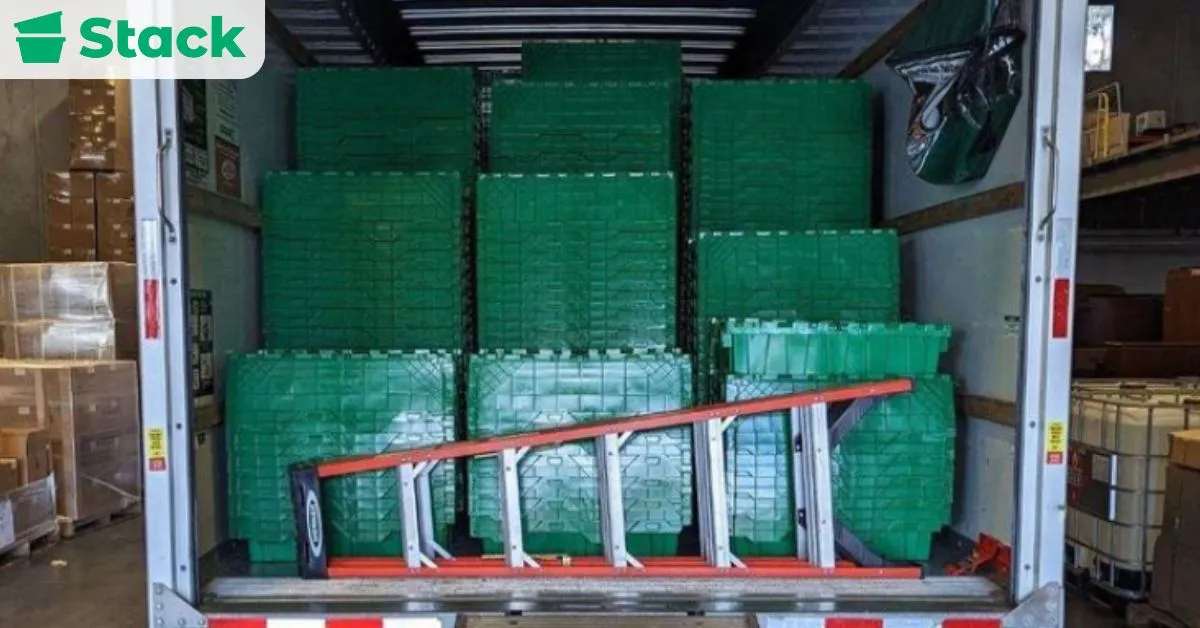
Several factors can influence the cost of moving boxes, affecting how much you’ll spend on your moving supplies. These factors include material and durability, size and type, quantity, and brand.
1. Material and Durability
One of the biggest drivers of cost is what the box is made from and how much wear it’s designed to withstand. Standard cardboard boxes are intended for short-term use and lighter handling, which keeps production costs lower. Plastic moving boxes, by contrast, are built for repeated use, stacking, and transport. Their added durability, weather resistance, and structural strength naturally place them at a higher price point.
2. Size and Intended Use
Box size alone doesn’t determine cost. What matters more is how the box is meant to be used. Smaller boxes are engineered to carry heavier items without breaking, while larger boxes prioritize volume over weight. Specialty boxes add another layer, as they’re designed for specific items like clothing, dishes, TVs, or artwork. Extra materials, reinforcements, or internal supports increase complexity and, in turn, cost.
3. Quantity and Packing Efficiency
How many boxes you need also affects overall cost. Buying or sourcing boxes individually is usually less efficient than acquiring them in bulk or as part of a bundled solution. Larger quantities reduce per-unit handling, packaging, and distribution costs, which is why bulk options or rentals often offer better overall value for bigger moves.
4. Brand and Quality
Brand pricing often reflects consistency and quality standards rather than just the box itself. Established moving-supply brands tend to use thicker materials, standardized sizing, and stronger construction to reduce failure during transport. Lower-cost options may work for lighter loads but often involve trade-offs in durability, which can matter depending on what you’re packing.
What Are the Best Moving Boxes to Buy?

Most people usually have to pick between cardboard moving boxes and plastic bins. In our experience, plastic moving boxes are the best moving boxes to buy because they are sturdier, stack securely, resist moisture, and are far less likely to collapse or tear during transport. Making them especially well-suited for full household moves, multi-day moves, and situations where boxes will be handled multiple times.
That said, buying plastic bins outright can get expensive, especially if you need a large quantity. For example, moving a one-room apartment typically requires around 20 to 30 boxes, which can quickly add up when purchasing plastic bins individually. For this reason, we generally recommend renting plastic moving boxes instead of buying them, as it gives you the same durability and protection without the upfront cost or long-term storage hassle.
Where to Buy Moving Boxes?
You can buy quality moving boxes from retail home improvement stores like Home Depot and Lowe’s, as well as moving supply companies such as U-Haul. Both stores offer a wide selection of box sizes and specialty options, making it easy to find exactly what you need. You can also order from online retailers like Amazon and Walmart, who provide added convenience by delivering boxes directly to your door. However, prices may be higher and the quality can vary.
How to Save Money on Moving Boxes
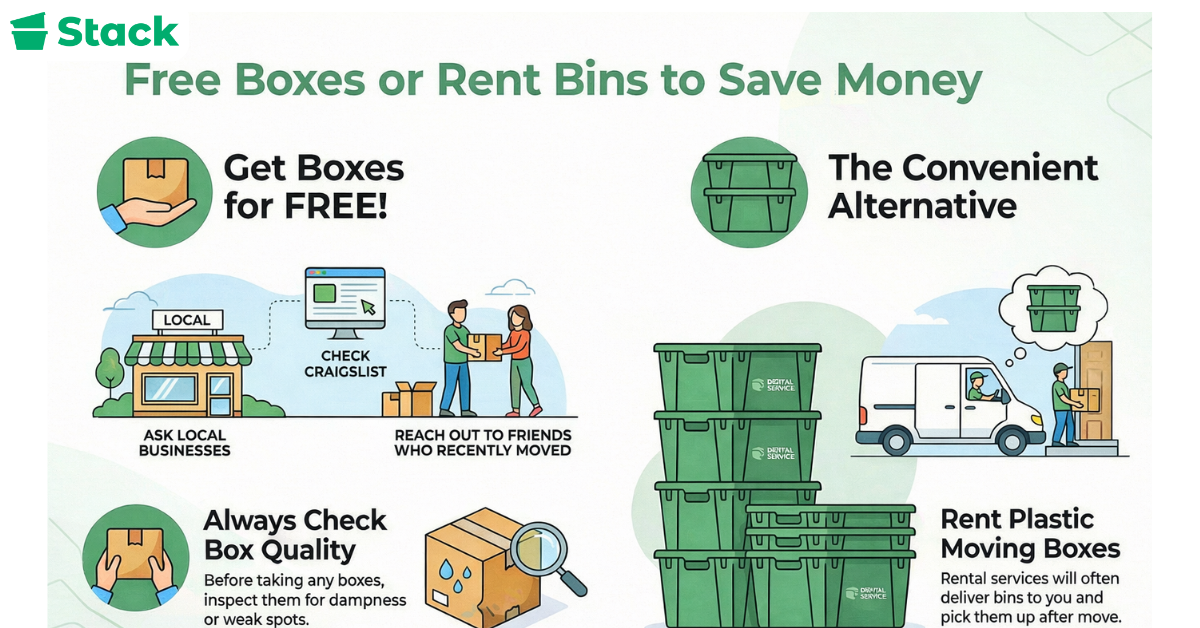
The easiest ways to cut down on moving box costs are to either use free boxes or rent them instead of buying new ones. You can often find great free boxes from local businesses such as grocery stores, liquor stores, and bookstores. It also helps to check the online community on Craigslist and Nextdoor, where people are more than happy to give away their leftover boxes. Just be sure to check the boxes for dampness or weak spots before accepting them. Even a quick text to friends who recently moved can land you a full set for $0.
If the thought of hunting for free boxes sounds exhausting, you should consider renting plastic moving boxes instead. It’s a lot more convenient since most rental services will drop the bins off at your current place and pick them up at your new one.
How Much Do Other Packing Supplies Cost for a Move?
During a moving process, you would need other packing supplies to protect your belongings and keep your move organized. Prices vary by material and quantity, but these are the most common basics most moves require.
Packing Tape ($2–$5 per roll)
Cushioning Materials ($10–$30)
Labels and Markers ($5–$10)
Stretch Wrap ($10–$20)
Moving Blankets or Furniture Pads ($10–$30 each)
Looking for Affordable Moving Boxes?
Moving boxes can make up a significant portion of your moving cost. While using too many boxes or choosing the wrong type can lead to wasted money and damaged belongings, underestimating your needs may force last-minute purchases at higher prices.
We’ve found that the most convenient and cost-effective way to get high-quality boxes is to rent them. Rental boxes are sturdy, stackable, and reusable, giving you the protection you need without the hassle of storing or disposing of them afterward. Plus, many rental services include delivery and pickup, saving you time and effort. Contact us today to schedule your moving boxes in time for your next move.
Frequently Asked Questions
Moving boxes are one of the most common concerns for people planning a move. Below, we answer the questions we hear most often, offering practical guidance to help you plan your move cost-effectively.
How Much Should I Spend on Moving Boxes?
It depends on the size of your move, the types of items you’re packing, and whether you plan to buy or rent boxes. For a small apartment, a modest budget for basic cardboard boxes might be enough, while a larger household with fragile or bulky items may justify investing in specialty or plastic boxes. The key to coming up with a realistic budget is to balance protection with cost.
How Much Do Moving Boxes Cost on Average?
Standard cardboard boxes generally range from about $1 to $8, depending on size and durability. On the other hand, specialty boxes, like wardrobe or dish pack boxes, can cost more, and plastic moving bins are typically $10 to $30 each. Prices vary widely depending on the retailer, location, and whether you buy in bulk or rent.
Who Has the Cheapest Moving Boxes?
It depends on what you need and how many boxes you’re buying. Local grocery stores, liquor stores, and online community marketplaces often provide free or very low-cost pre-used boxes. For new boxes, big-box retailers like Walmart or Home Depot may offer the most affordable options, while specialty moving stores focus more on durability than price.
How Can I Save Money on Moving Boxes?
In most cases, the best way to save is either to reuse free boxes when possible or rent sturdy plastic boxes for your move. Free boxes reduce upfront costs but require time to source and inspect, while renting ensures high-quality, reusable boxes without the long-term storage or disposal hassle.
Rent Plastic Bins for Your Move!
Moving with cardboard boxes is a pain. Get pre-assembled bins delivered to your door and move hassle-free with Stack!
Stack eliminates the need for you to source, break down, or fill up your trash can with cardboard boxes.