
Best Boxes for Moving Books: A Complete Guide for Book Lovers
Books are one of the trickiest things to move and most people do not realize that until they are halfway through packing. When it comes to the best box for the job, dedicated book boxes are the winner every time since they are purpose-built to handle the weight and keep your collection protected. If you are looking for a reusable, waterproof alternative, plastic moving bins are the next best thing.
Here at Stack Moves we rent out plastic moving bins specifically designed to make moving books and other belongings easier. Whether you have a small shelf or an entire library, our bins keep your books organized, secure, and safe from the moment they are packed to the moment they arrive. Contact us today to get started.
In this guide we will share our list of the best boxes for moving books, where to get them, and how to pack them properly.
Best Types of Boxes for Moving Books
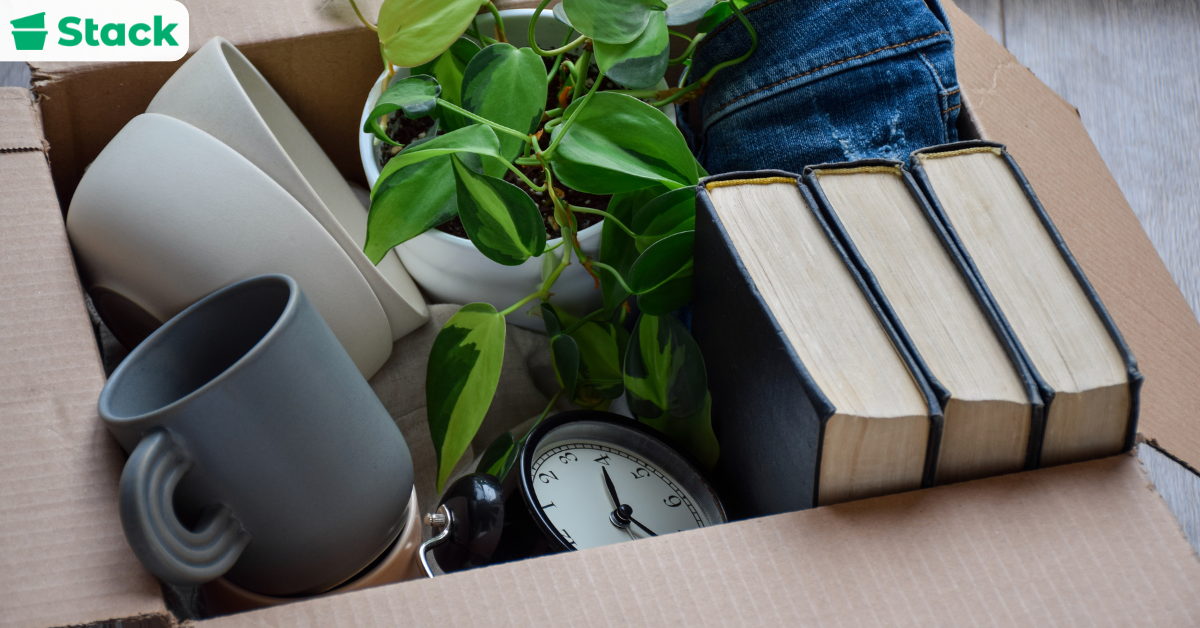
The boxes on this list are reliable enough to make sure your books arrive at your new home in the same condition they left in.
1) Dedicated Book Boxes
Dedicated book boxes are designed specifically for transporting or storing books, making them the best boxes for this type of move. The cardboard these boxes are made of is thicker than your average moving box, so even a full load of hardcover books is not going to cause any buckling or blowouts. When packing, try to arrange your hardcover books upright, spine to spine, just like they sit on a shelf. Then fill any extra space with balled-up packing paper to stop them from shifting around in the moving truck.
2) Small Moving Boxes
If you can’t get your hands on dedicated book boxes, small moving boxes are honestly just as good for most people. Their small size physically limits how many books you can pack in one box, which naturally keeps things from getting dangerously heavy. Small moving boxes work great for paperbacks and medium-sized hardcovers. Plus, the sizing means you can stack them easily in the moving truck without worrying about them tipping. A good rule of thumb is to pack heavier hardcover books at the bottom and lighter paperbacks on top to keep the weight balanced.
3) Double-Walled Cardboard Boxes
For anyone moving long distance or dealing with a collection full of large, heavy books, double-walled boxes are worth every extra penny. The double layer of cardboard gives them significantly more strength than a standard moving box, meaning they hold up when stacked high in a moving truck for hours or even days at a time. They are also great for oversized books and coffee table books that put more stress on the sides of the box just by the way they sit.
4) File/Banker’s Boxes
Bankers boxes might be the most underrated option on this entire list. They are literally engineered to carry the weight of stacked paper and documents all day, which means a load of books is no problem at all for them structurally. They come with their own lids, which cuts down on how much packing tape you need and makes the whole packing process a lot quicker. They are a particularly smart choice for paperbacks and medium-sized hardcovers since the dimensions line up nicely and keep everything snug without wasted space.
5) Plastic Moving Boxes
Plastic moving bins bring a few things to the table that cardboard boxes simply cannot, mainly that they are reusable, waterproof, and stackable. These qualities make them a great long-term investment if you move regularly or want to store books after the move. The catch is that books will make these boxes brutally heavy very fast, so the key is to never fill a plastic bin with books alone. Mix your books with lighter packing materials like bubble wrap, clothing, or linens to keep the overall weight reasonable and protect books at the same time. You can conveniently rent plastic moving bins from moving companies like Stack Movers.
6) Acid-Free Boxes
Most people will never need these, but if you own rare books, valuable books, or delicate editions that have been in your family for years, acid-free boxes are nonnegotiable. Regular cardboard contains acid that slowly breaks down paper over time, causing yellowing, brittleness, and irreversible damage to pages and covers. Acid-free boxes eliminate that risk entirely and keep your rare editions and delicate books in pristine condition whether you are moving them or putting them into long-term storage. But it’s worth mentioning that these cost more than your traditional cardboard boxes.
How Do You Choose the Right Box for Moving Books?
Start by thinking about weight. Books are among the heaviest things you will pack and your moving boxes need to be able to handle that without giving out. Small boxes are almost always the right call because they naturally limit how many books go in one box, keeping the load manageable and protecting both your books and your back. If you are moving larger books like oversized hardcovers or coffee table books, medium boxes work better since they give you the extra space needed without forcing you to bend or damage them.
You also want to think about wall thickness because single-walled cardboard boxes are fine for lighter loads but double-walled boxes give you the structural strength you need for a collection full of heavy hardcovers. Where you are moving to also matters, since a long-distance move puts a lot more stress on your packing boxes than a quick trip across town.
In our opinion, dedicated book boxes or small moving boxes are the best boxes to use for moving books. They are sized perfectly to keep the box weight under control and sturdy enough to keep your books protected. If you’d prefer a more sustainable option, plastic moving bins are a solid second choice.
Where to Buy Boxes for Moving Books
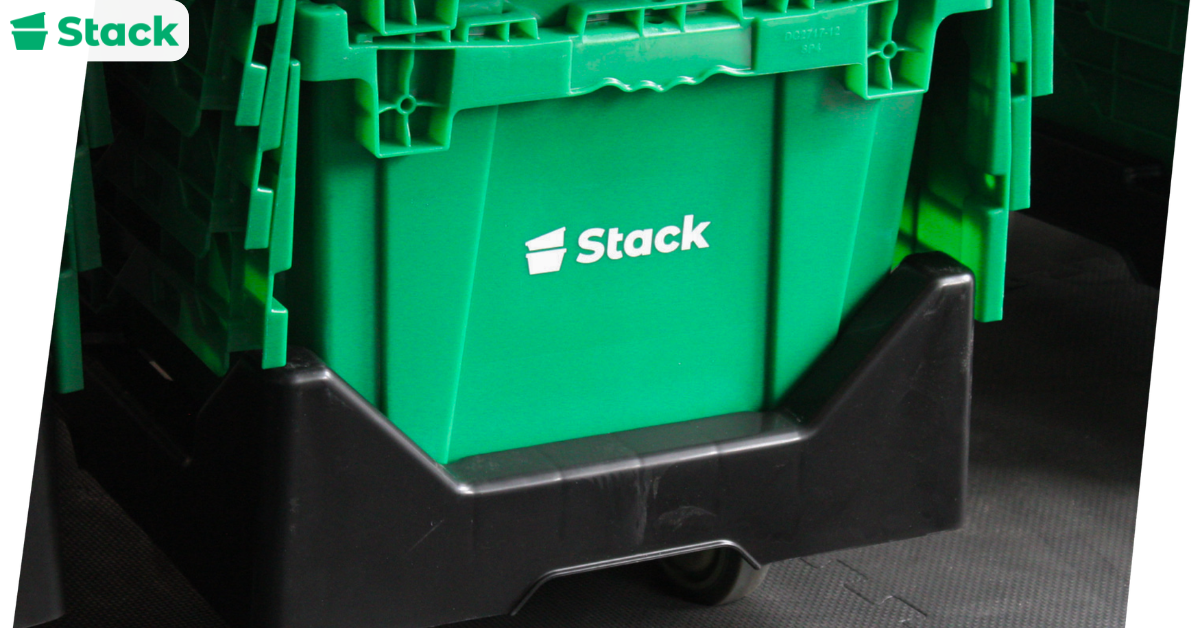
The right supplier means better quality boxes, the best-sized box, and not overspending on packing supplies you could have gotten for free. Here are some tested and trusted places to shop for moving boxes
- U-Haul (Your best bet for dedicated book boxes)
U-Haul sells boxes specifically designed for moving books and you can grab them in store or order online, making it one of the most convenient options if you want purpose-built packing boxes without hunting around. - Home Depot/Lowe’s (The go-to for small moving box bundles)
Both stores carry affordable multipacks, which is great if you have a large collection and need to stock up on sturdy cardboard boxes without paying premium prices. - Amazon (Best for variety and convenience)
You can find everything from small boxes to double-walled options and specialty sizes, all delivered to your door. Great if you are comparing prices or need a specific box type you cannot find locally. - UBoxes.com (Great fo bulk buying)
The best option if you are moving a serious book collection and need boxes in bulk. Pricing gets significantly cheaper the more you buy, so if you have a large library, this is where you will save the most money. - Free Options (Budget-friendly alternative)
You can get moving boxes for free from local businesses in your locality. For example, liquor store boxes are particularly sturdy since they are built to carry heavy bottles. Online marketplaces like Facebook Marketplace are also worth checking since people give away barely used moving boxes all the time.
Common Mistakes to Avoid When Moving Books
Moving books seems simple until you open a box at your new place and find your favorite hardcover looking like it went through a war. This guide is here to make sure that never happens to your collection.
Using Boxes That Are Too Large
Oversized boxes tend to buckle under the weight of books because they’re not built to hold that kind of concentrated load in a small area. Overstuffing a box usually results in blown-out bottoms and books spilling everywhere. Stick to small boxes and keep each one under 40 lbs.
Packing Books Spine Down or at an Angle
Packing books with the spine facing down puts all the weight of the book directly on the binding, which is the most fragile part. Over time, this causes the spine to crack, pages to loosen, and in older books, the cover can separate entirely. Packing at an angle is just as bad because the book has nothing supporting it and shifts constantly during transport. Always pack books flat or upright, spine to spine, never resting on the spine itself.
Leaving Empty Space in the Box
All that empty space lets books slide, tip over, and bang against each other every time the box gets moved or the truck hits a bump. By the time you arrive at your new place, the corners are dented, covers are scuffed, and paperback spines are creased. Always fill gaps with crumpled packing paper until the box feels solid and nothing moves when you shake it.
Skipping the Tape on the Bottom Seam
If you only fold the flaps and skip the tape, you are gambling on whether your books make it to the truck or not. Nobody wants to chase their books across a parking lot or watch a box collapse on the stairs. Reinforce every box bottom with at least two to three strips of packing tape before you put a single book in.
Mixing Books With Heavy Non-Book Items
That box becomes nearly impossible to carry safely and the pressure from heavier objects sitting on or against books causes real damage to covers and pages. It also makes it way harder to know what is in each box when you are unpacking. Keep books in their own dedicated boxes so you can manage the weight properly and label them clearly.
Skipping Protection for Valuable or Fragile Books
Without individual wrapping, books rub against each other the entire move, scuffing covers and wearing down edges with every bump in the road. For anything valuable, wrap each book individually in packing paper or bubble wrap before placing it in the box. Better yet, carry those books in your personal vehicle so they never go near the moving truck at all.
How to Pack Books in Moving Boxes (Step-by-Step)
Knowing which box to use is only half the battle. It’s equally important to pack your moving boxes the right way. If you pack your books incorrectly, you’ll end up dealing with damaged spines, bent covers, and boxes that fall apart mid-move. Here’s exactly how to do it right.
Step 1: Gather Your Supplies
Before you start throwing books into boxes, get everything you need in one place. You’ll want your boxes, packing tape, packing paper, bubble wrap for anything valuable, and a marker for labeling. Having it all ready upfront saves you from stopping every five minutes to hunt something down. Trust me, it makes the whole process way faster.
Step 2: Sort Books by Size
Group your books by size before packing a single one. Hardcovers together, paperbacks together, oversized coffee table books separate. This makes it much easier to pack boxes efficiently and keeps things from shifting around during the move. It also helps you figure out how many boxes you actually need.
Step 3: Pack Heaviest Books at the Bottom
Always start with your largest, heaviest hardcovers at the bottom of the box. This keeps the weight low and the box stable, both when you’re carrying it and when it’s sitting in the truck. Stacking heavy books on top of paperbacks is a great way to end up with crushed covers and bent pages.
Step 4: Pack Upright or Flat, Never at an Angle
This is the step most people get wrong. Standard hardcovers and paperbacks can be packed upright spine to spine, just like they sit on a shelf. Larger or heavier books do better lying flat in a stack. What you never want to do is pack books at an angle because that puts stress on the spine and can cause permanent damage.
Step 5: Fill Every Gap
Once your books are in, fill any empty space with crumpled packing paper. Empty space lets books shift and slide around during the move, which leads to bent corners and damaged covers. A properly packed moving box should feel full and tight when you close it. No rattling, no movement.
Step 6: Keep Each Box Under 40 lbs
This is a rule you really don’t want to ignore. Books are one of the heaviest things you can move and even a small box fills up fast. If you pick it up and it feels too heavy, take some books out. Your back and whoever is helping you move will thank you.
Step 7: Tape the Bottom Well and Label Everything
Reinforce the bottom of every box with two to three strips of packing tape before you even start packing. A box full of books puts serious stress on that bottom seam. Once packed, write “books” and “heavy” on the top and all four sides so anyone carrying it knows what they’re dealing with. Label the destination room too so unpacking is way less of a headache.
Still Not Sure Which Boxes to Use for Moving Books?
Getting this right is the difference between your books arriving in pristine condition and opening boxes to find damaged spines, crushed covers, and bent pages you cannot fix. In our opinion, dedicated book boxes and small moving boxes are the best boxes for moving books, hands down. If you want something reusable and waterproof, plastic moving bins are a solid next-best option; just make sure you are not overpacking them.
You can rent high-quality plastic bins from Stack Moves. We offer free delivery and pickup anywhere in the US, so getting set up is completely hassle-free. Ready to get your books moved the right way? Contact us today, and we’ll take it from there.
Frequently Asked Questions
Moving books throws up a lot of questions, especially when you are staring down a wall of shelves wondering where to even start. Here are the most common questions we get asked and everything you need to know.
Where Can I Buy Boxes for Moving Books?
U-Haul is the best place for dedicated book boxes, while Home Depot and Lowe’s are great for small moving box bundles. Amazon works well if you need variety or want boxes delivered to your door, and UBoxes.com is the smartest option if you are buying in bulk. If you want to save money, local businesses like your grocery stores and bookstores regularly give away sturdy cardboard boxes for free.
How Many Books Can Fit in a Standard Moving Box?
A standard small moving box holds around 15 to 20 books depending on size, but the weight matters more than the number of books. Once a box hits 35 to 40 lbs, it is time to stop packing regardless of how much space is left. Keeping weight in check protects both your books and your back on moving day.
Are Plastic or Cardboard Boxes Better for Moving Books?
Cardboard boxes, specifically small or dedicated book boxes, are the better choice for moving books. They are easier to manage weight wise and the right sizes are designed for keeping books secure and protected. Plastic bins work as a secondary option but only when mixed with lighter items to keep the overall weight reasonable.
Do I Need Special Boxes for Moving Heavy Books?
For most hardcover books, small moving boxes or dedicated book boxes are more than enough. If you are moving a lot of large, heavy hardcovers or going long distance, upgrading to double-walled cardboard boxes gives you extra structural strength worth having. The only time you truly need specialty boxes is for rare, antique, or delicate books, where acid-free boxes are the right call to keep them in pristine condition.
Rent Plastic Bins for Your Move!
Moving with cardboard boxes is a pain. Get pre-assembled bins delivered to your door and move hassle-free with Stack!
Stack eliminates the need for you to source, break down, or fill up your trash can with cardboard boxes.