
Moving Bags vs Boxes: Which Is Actually Better for Your Move?
When it comes to packing for a move, the debate between moving bags vs. boxes is one that comes up more often than you’d think. The right choice depends on factors such as the nature of your items, how far you are moving, ease of packing, and even how much storage space you have afterward. Based on these considerations, plastic moving boxes come out on top because they are durable, waterproof, and versatile enough to handle almost anything you need to pack.
Stack Moves takes the guesswork out of moving with its durable, waterproof plastic moving boxes for rent. We deliver them straight to your door and pick them up once you are done, so there’s nothing to store, recycle, or worry about. Schedule your move with us today!
In this blog, we will give you a clear breakdown of moving bags and moving boxes, including the different types available and how they compare across different factors. By the end, you’ll know exactly which option suits your move and how to get the most out of whichever you choose.
Table Of Contents
What Are Moving Bags?
Moving bags are large, flexible bags designed (or repurposed) to help you pack and transport your belongings for a move. Most moving bags are made from heavy-duty woven polypropylene or reinforced nylon because these materials are very durable.
Depending on the type, they come with features such as water resistance to protect against moisture and tear resistance so they don’t split open when you are hauling them down a flight of stairs. They also come with zip closures to keep everything securely inside until whenever you are ready to unpack.
In general, moving bags work best for soft, flexible items such as clothing, bedding, pillows, towels, and linens. While we would not recommend them as a one-size-fits-all solution, for the right items, they are incredibly convenient.
Types of Moving Bags and When to Use Them
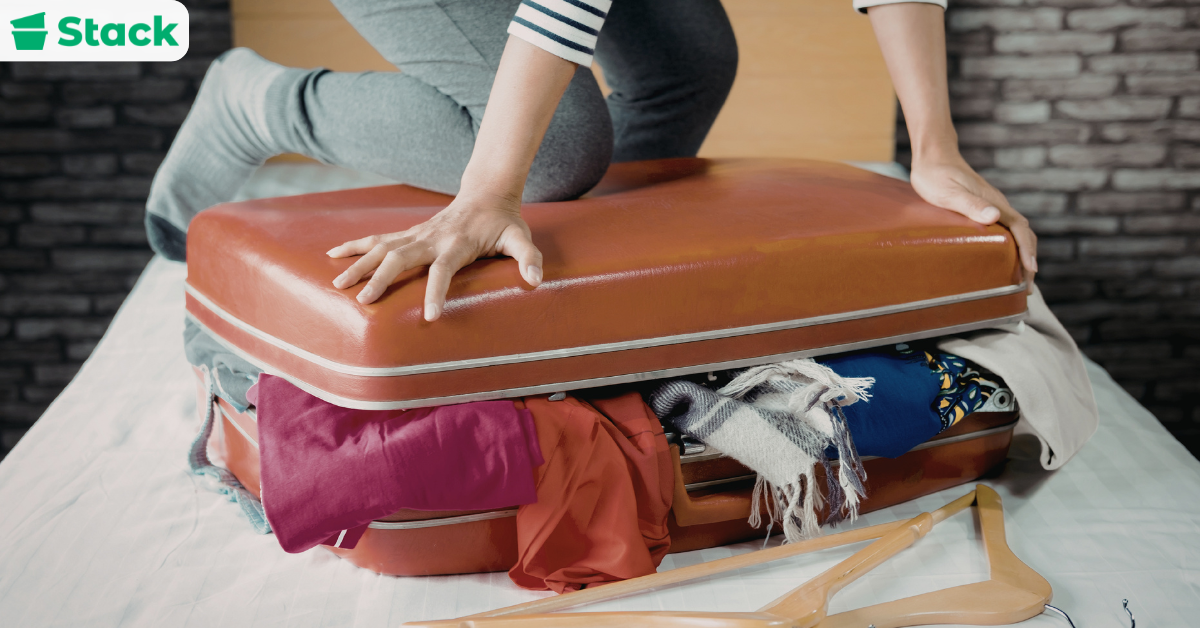
Understanding what each bag is designed for goes a long way in helping you pack smarter and faster. Here’s a breakdown of the most common types and where they work best.
1. Oversized Zip Tote
The oversized zip tote is essentially a shopping bag built for moving day. It is roomy enough to hold a good amount of clothing or soft household items, and the zip closure means nothing falls out mid-carry. These are great for everyday use beyond the move too, so they’re one of the better investments on this list.
2. Duffel Bags
If you already own a large duffel bag, congratulations! You have already got a moving bag. Duffel bags are flexible and easy to carry thanks to their sturdy handles or shoulder strap. They are perfect for clothes, shoes, gym gear or really just anything you want to keep separate from the rest of your stuff. The main limitation with duffel bags is size, so they work better as a supplement to your main packing system rather than a standalone solution.
3. Vacuum-Seal Bags
Vacuum-seal bags are a game changer if you are moving bulky soft items such as comforters, winter jackets, or throw blankets. You pack them in, seal the zip, and use a vacuum to suck out all the air, shrinking the contents down to a fraction of their original size. They are particularly useful when you are tight on truck space or need to compress seasonal items you won’t be reaching for right away.
4. Mattress Bags
A mattress bag is a large plastic or polypropylene sleeve that goes over your entire mattress to protect it during the move. It shields your mattress from dirt, dust, moisture, and any accidental scuffs or tears. If you are not using a professional moving company that supplies their own covers, picking up a mattress bag is genuinely worth the few dollars it costs.
5. Garment Bags
Garment bags are great for transporting your hanging clothes, e.g., suits, dresses, and coats, without folding them. They zip up around the entire garment on its hanger, keeping everything wrinkle-free and protected from dust during transit. Most people reach for these when moving nicer or more delicate pieces of clothing they would otherwise have to iron or steam after the move.
6. Clear Zip Bags
Clear zip bags are smaller, transparent bags that are brilliant for keeping small items organized and visible during a move. Think toiletries, cables and chargers, craft supplies, or anything you would normally toss into a junk drawer. Because you can see exactly what is inside without opening them, they save you a lot of time when you are unpacking.
7. Garbage Bags / Contractor Bags
Trash bags, specifically the heavy-duty contractor ones, are the budget-friendly workhorses of the moving bag world. They are not glamorous, but a 55-gallon contractor bag can swallow a surprising amount of bedding, pillows, or soft clothing in one go. Just keep in mind that these are not reusable in the same way purpose-built moving bags are. And they offer zero structure, so they’re best reserved for soft items that are not precious to you.
What Are Moving Boxes?
Moving boxes are rigid containers used to pack, protect, and transport your belongings from one location to another. They are most commonly made from corrugated cardboard, though you’ll also find options in heavy-duty plastic.
What makes boxes particularly useful is their structure. They are rigid enough to protect whatever it is you are packing, which is why they are the go-to choice for anything fragile, heavy, or oddly shaped. Another benefit moving boxes have over moving bags is that they are stackable, which makes it possible to arrange them neatly in a moving truck. And the best part is they come in a variety of sizes so you are sure to find a box that is big enough to fit whatever you are packing.
Types of Moving Boxes and When to Use Them
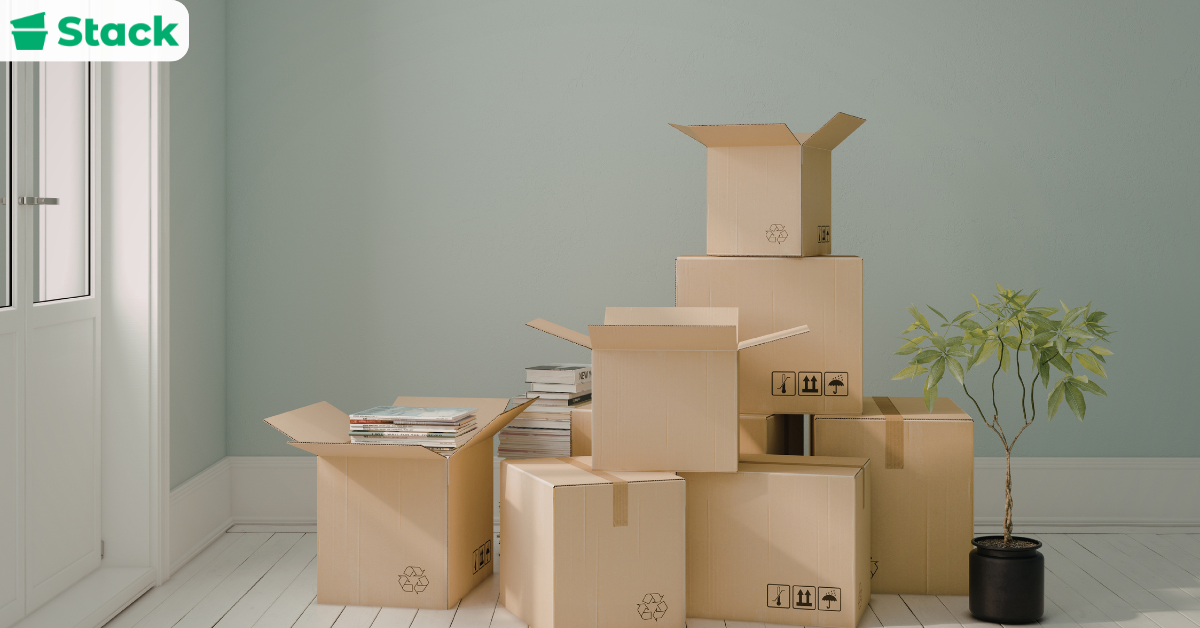
Just like bags, moving boxes come in different types. Picking the right box for the right items can mean the difference between everything arriving safely and opening a box to find something broken. Here’s what you need to know about the main types available.
1. Cardboard Boxes
Cardboard boxes are the number one choice of most movers, and for good reason too. They are affordable, widely available, and get the job done for most items. They come in three main variations. First is the standard folding box that you assemble and tape into shape. Next are the rigid boxes that come with a separate lid and offer a bit more structure for delicate items. And last on the list are corrugated boxes that provide extra strength and cushioning for heavier loads such as books, tools, or kitchen appliances.
2. Plastic Boxes/Totes/Crates
These are all made from heavy-duty plastic but serve slightly different purposes. Plastic boxes are structured containers with secure snap-on lids, great for heavy or moisture-sensitive items. Totes are similar but typically lighter and more versatile; think of them as the everyday storage bin you already have at home. Crates are on the heavy-duty end of the spectrum. They are stackable and built to handle serious weight and are what most moving companies use when offering reusable container rentals. All three are waterproof, won’t buckle under weight, and double as long-term storage after your move.
3. Specialty Boxes
These are purpose-built for specific items that a standard box cannot handle well. Some examples include wardrobe boxes with a built-in hanging rail for clothes, dish pack boxes with cardboard dividers for glassware, and TV boxes for flat screens you no longer have original packaging for.
Moving Bags vs Boxes
Now that you have a clear picture of both options, it is time to see how they actually stack up against each other. We will be comparing them across six key factors so you can make an informed decision based on what matters most to your specific move.
1. Cost: Which Option Costs Less?
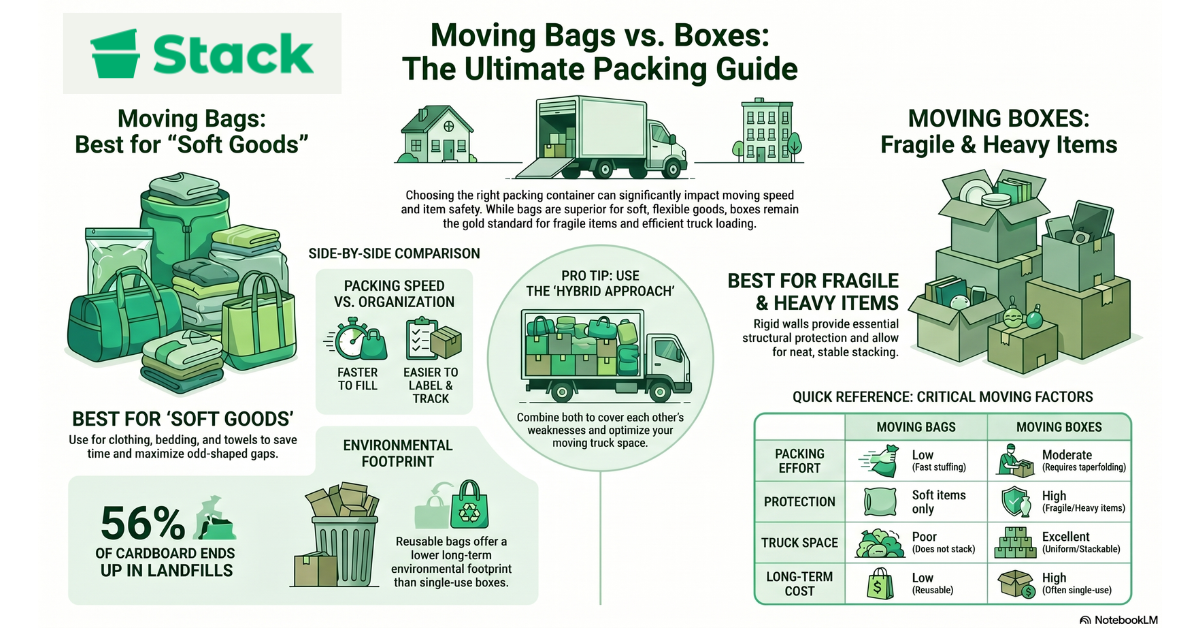
In our experience, the first question we always get is about cost and the answer is almost never as straightforward as people expect. Upfront, moving bags tend to cost more than boxes. A decent set of purpose-built moving bags can run anywhere from $30 to $80 depending on quantity and quality.
On the other hand, boxes are one of the easiest things to source for free. Even if you buy new, a bundle of mixed-size cardboard boxes rarely breaks the bank. Where bags start to make financial sense is in the long run. A good set of moving bags can be reused across dozens of moves, while boxes are essentially single-use. If you move frequently, the math eventually tips in favor of bags. For a one-time move, though, boxes are hard to beat on cost.
2. Ease of Packing: Which One Saves You More Time?
Moving bags win this one pretty comfortably. You open the zipper, stuff your items in, and you are done. When it comes to packing boxes, they require a bit more effort. You have to fold them into shape, tape the bottom securely, pack them carefully so nothing shifts, and tape the top closed before labeling. It is not a huge deal for a few boxes, but when you are staring down a full apartment’s worth of packing, that extra time can add up quickly. If you are working against the clock on moving day, bags are genuinely the lower-effort option.
3. Space Efficiency: What Fits Better in A Truck?
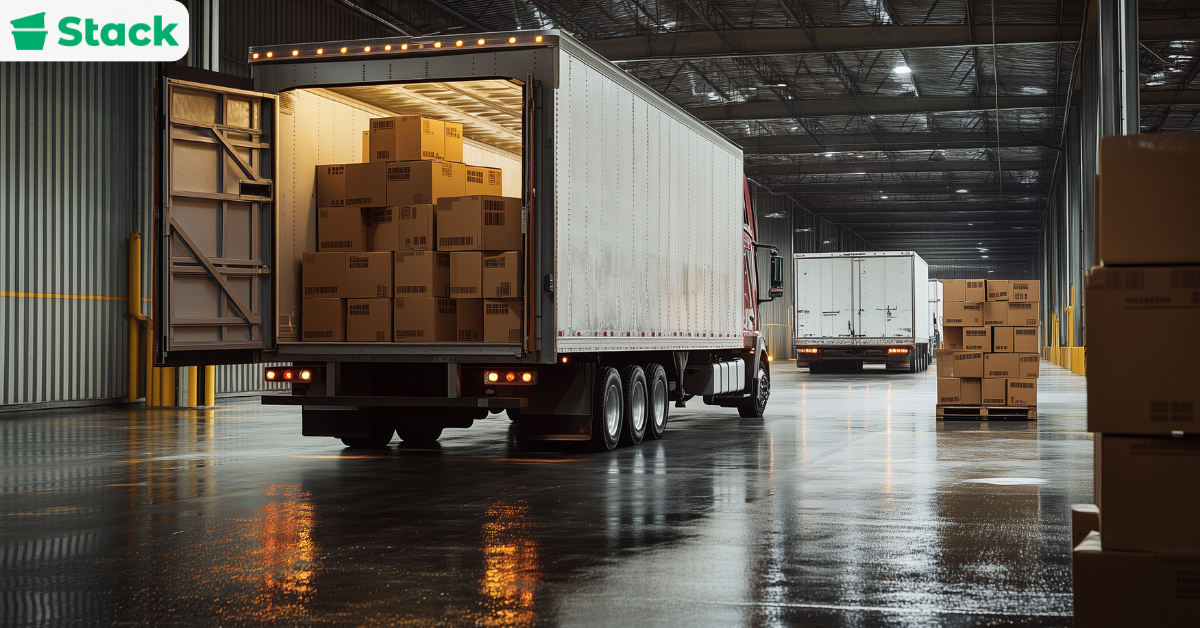
Boxes are uniform in shape, which means they stack neatly on top of each other. You can load a moving truck like a game of Tetris and use virtually every inch of vertical space. Bags, being flexible and shapeless, do not stack reliably. They shift, slide, and slump against each other, making it harder to build a stable load. That said, bags do have one spatial advantage. They can fill in the awkward gaps and corners that boxes leave behind. For the most efficient use of truck space, boxes give you much more control over your load.
4. Protection: Which Offers Better Protection?
The answer really depends on what you are packing. Boxes are the clear winner for packing anything fragile, heavy, or breakable. Their rigid walls act as a physical barrier between your items and whatever is pressing against them in the truck. Plus, you can reinforce that protection further with packing paper, bubble wrap, or foam inserts.
Where bags do hold their own is with soft goods that genuinely don’t need rigid walls to stay safe. For moisture protection, good quality moving bags with sealed zippers actually have an edge over cardboard, which can soften and weaken if it gets wet. But the downside is that bags offer no structural support.
5. Eco-friendliness: Which is Better for the Planet?
One study found that about 56% of paper/cardboard waste in the United States is landfilled annually. While cardboard boxes are recyclable, most people do not actually follow through with properly disposing of them after use. On the other hand, most moving bags are plastic-based and pose a greater environmental risk compared to cardboard. However, their reusability over many years means a significantly lower per-move environmental footprint.
If you are a one-time or occasional mover who sources secondhand boxes and recycles them responsibly afterward, moving with boxes can be sustainable. But if you move frequently or want to reduce waste over the long term, reusable moving bags have the clear edge.
6. Organization: Which is Easier to Keep Track of?
Boxes make organization straightforward. Simply write any relevant information directly on the side, such as the destination room, a brief contents list, or handling instructions such as “fragile.” That label remains visible throughout the move and can be read from across the room when you are trying to figure out where to tell the movers to put things.
Bags require a bit more effort to stay organized. Most of them don’t have a surface you can write on. This leaves you relying on luggage tags, sticky labels, or color-coded handles to tell them apart. It works, but it is an extra step that boxes don’t require. Where bags can keep up is if you invest in a color-coding system from the start. Both options are manageable; boxes provide you with the simpler, more foolproof system.
| Factor | Moving Bags | Moving Boxes |
| Cost (Up-front) | Expensive | Low cost/free |
| Cost (Long-term) | Free | Expensive |
| Ease of Packing | Very easy | Moderate effort required |
| Space Efficiency | Poor | Excellent |
| Protection | Soft items only | All types of items |
| Eco-friendliness | Reusable | Recyclable |
| Organization | Needs tags | Write on the surface or use labels |
When to Use Moving Bags and When to Stick to Boxes
The number one packing mistake we see is people using the wrong container for the wrong item. Because bags are flexible, lightweight, and easy to carry, they are best for soft items such as clothing, bedding, pillows, and towels. Basically things that do not need rigid protection. Bags are also the smarter call when you are short on time, moving locally, or want something reusable for future moves.
When you need to move fragile or heavy loads or plan for a long-distance move where things will be in transit for a while, boxes are the better choice. Their rigid structure, stackability, and easy labeling make them more reliable when the stakes are higher.
Can You Pack With Both Moving Bags and Boxes?
Yes, you can, and honestly, you probably should. The biggest shortfall of boxes is that they are overkill for soft goods. You would be taping up a large box just to move your bedding, which bags handle in seconds. However, bags are not reliable enough to do what boxes do for your kitchen, books, or anything breakable. Used together, these two cover each other’s weak spots perfectly. Bags handle all the soft, bulky items while boxes take care of everything that needs structure and protection.
Common Moving Bag Mistakes to Avoid
Moving bags are a genuinely useful packing tool, but only when used correctly. Here are the most common mistakes people make with them and how to avoid them.
- Overpacking bags: Just because a bag can stretch does not mean it should. Overfilled bags are harder to carry, more likely to split at the seams, and put unnecessary strain on the zippers. A good rule of thumb is to stop filling once the bag becomes difficult to zip without force.
- Using regular trash bags instead of contractor bags: Standard bin liners are simply not built for moving. They tear easily, offer no grip when carrying, and will almost certainly let you down mid-move. If you are going the bag route on a budget, spend the little extra on heavy-duty contractor bags specifically.
- Packing breakable items in a bag: Bags offer zero protection against impact, pressure, or the weight of other items placed on top of them. If you would not feel comfortable dropping the bag from waist height, whatever is inside should be in a box instead.
- Mixing heavy and light items in the same bag: Tossing a pair of shoes in with your bedding might seem harmless, but hard or heavy items packed alongside soft ones can tear through the bag from the inside during transit. Keep hard items separate and reserve bags strictly for soft, uniform loads.
- Leaving bags unsealed during the move: It is easy to leave a bag partially zipped when you are rushing, but an unsealed bag is an open invitation for items to fall out, collect dust, or get damaged if anything spills nearby. Always do a final zip check before the bag leaves the house.
Still Torn Between Moving Bags and Boxes?
It is normal to still be confused about whether you should use a moving bag or box for your upcoming move. We recommend renting plastic moving boxes. These containers are waterproof, incredibly durable, and can handle most of what bags are typically used for. Since you are not buying them, you are spending less than you would buying either option outright, with the added convenience of delivery straight to your door and pickup once you are done. Pair them with a few bags for clothing and bedding, and you have a complete, stress-free packing system. Ready to make your next move simpler? Rent your moving boxes today.
Frequently Asked Questions
If you’ve made it this far, you probably have a solid understanding of both options, but a few specific questions keep coming to mind. Here are the ones we get asked about most.
Are Moving Bags Better Than Boxes?
Neither is objectively better. It really comes down to what you are packing and what your move looks like. Bags are better for soft goods, while boxes are better for fragile items and heavy loads. The smartest approach is to use both, letting each option handle what it is genuinely good at.
Can I Use Moving Bags for Fragile Items?
This is something we’d strongly advise against. Moving bags are flexible by nature, which means they offer zero structural protection against impact, pressure, or the weight of other items stacked on top of them. For anything fragile, stick with corrugated cardboard boxes along with proper cushioning materials such as packing peanuts inside.
How Many Moving Boxes Do I Need for a 2-Bedroom Home?
On average, a 2-bedroom home requires somewhere between 40 and 60 boxes of mixed sizes. That number can vary depending on how much stuff you are packing and how efficiently you pack. Using moving bags for clothing and bedding can realistically cut that number down by 10 to 15 boxes.
What Is the Best Alternative to Moving Boxes?
Heavy-duty moving bags are the most practical alternative, particularly for soft items and clothing. Beyond that, suitcases, laundry hampers, and plastic storage bins you already own are all fair game. The goal is to use what you have before spending money on new supplies. Just make sure whatever you are using can actually handle the weight of what you are putting inside it.
Can You Put Moving Bags in a Storage Unit?
You can, but we wouldn’t recommend it. Because bags aren’t rigid, they don’t stack the way boxes do, which means you’ll lose a lot of vertical space in your unit. If you are planning on using a storage unit for any length of time, a combination of boxes for stacking and bags for filling gaps is going to serve you much better than bags alone.
Rent Plastic Bins for Your Move!
Moving with cardboard boxes is a pain. Get pre-assembled bins delivered to your door and move hassle-free with Stack!
Stack eliminates the need for you to source, break down, or fill up your trash can with cardboard boxes.