
How to Pack for Moving: A Step-by-Step Guide for a Stress-Free Move
The best way to pack for moving is to start early, use the right packing materials, and follow a clear, room-by-room process to keep everything protected and organized. Moving is stressful for many people because packing is easy to mess up, especially when it’s done at the last minute. Without the right strategy, items can get damaged, misplaced, or lost, adding unnecessary frustration and cost to your move. Similarly, the type and quality of packing materials you use matter just as much as the packing method you adopt, making it important to be intentional about what type of box you pack with.
That’s why the best way to pack before a move is to start early. Taking the time to plan, acquire necessary packing supplies, and pack your items weeks in advance will help you stay organized without feeling pressured by the amount of work involved.
Are you looking for affordable yet high-quality moving boxes for your next move? Stack Moves offers durable moving bins for rent that not only protect your belongings better than cardboard but also make packing, stacking, and transporting easier. Book now to receive your boxes in time for your upcoming move.
In this guide, we’ll walk you through our proven packing process that shows you exactly when to start packing, what supplies to use, and how to protect your belongings every step of the way.
Table Of Contents
- How to Pack for Moving in 10 Simple Steps
- 1. Create a Moving Timeline
- 2. Sort and Declutter Before You Pack
- 3. Gather the Right Packing Supplies
- 4. Create a Moving/Packing Checklist
- 5. Pack Non-Essential Items First
- 6. How to Pack for Moving Room-by-Room
- 7. Prepare a First Night Essentials Box
- 8. Notify Important Parties of Your Move
- 9. Confirm Moving Arrangements
- 10. Do a Final Walkthrough
- How to Choose the Right Moving Boxes
- What Are the Best Packing Tips for Moving?
- Need Moving Boxes for Rent?
- Frequently Asked Question
How to Pack for Moving in 10 Simple Steps
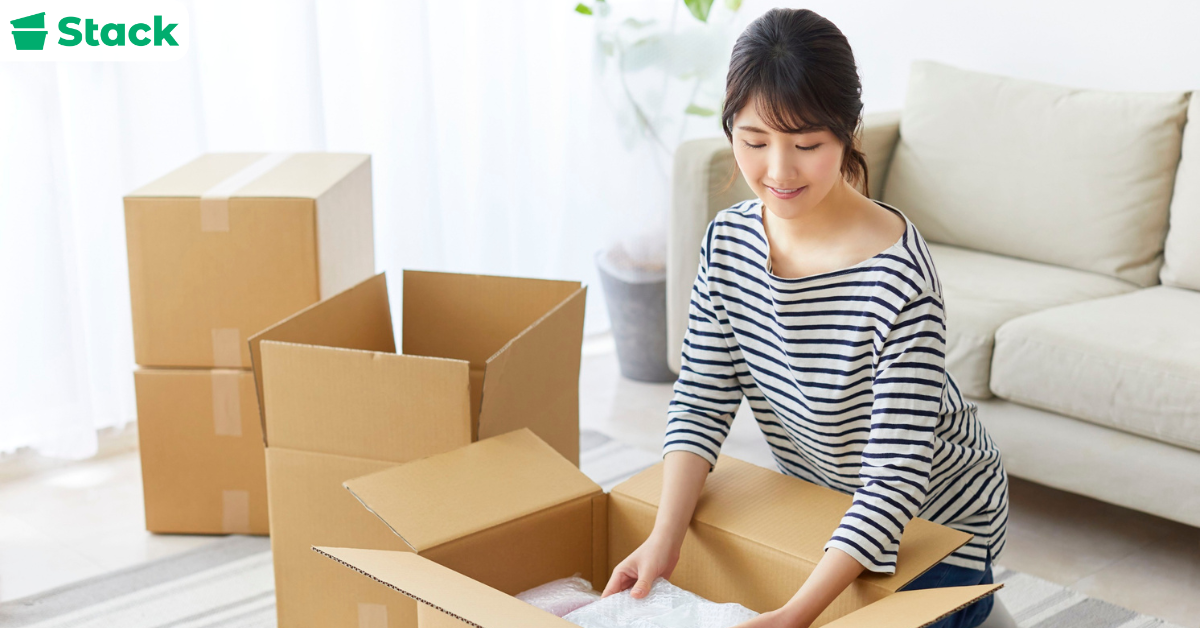
We’ve broken down the entire packing process into 10 simple steps to help you stay organized and make sure nothing important is left behind.
1. Create a Moving Timeline
A moving timeline is a plan that maps out everything that needs to happen between today and moving day. A timeline helps you control the pace of your move and prevents last-minute packing. It also allows you to spread your physical and mental effort over several weeks rather than cramming it into a few stressful days.
To create a moving timeline, start at your intended move date and work backwards, assigning realistic deadlines for milestones such as decluttering, gathering supplies, and packing each room. Try to build in buffer days in between tasks so unexpected delays don’t throw your entire move off track. And even if you do find yourself running short on time, you can still enjoy an organized move despite the added pressure with the help of some of our packing tips for moving in a hurry.
2. Sort and Declutter Before You Pack
Moving can be expensive, and one of the most effective ways to reduce your moving expenses is to pack less stuff. When you declutter before a move, you reduce the number of packing materials you need, saving you time, money, and effort. The best way to declutter is to be realistic about what you actually use, not what you think you might use in the future. Sort your items into categories like ‘keep,’ ‘donate,’ ‘sell,’ and ‘discard.’
3. Gather the Right Packing Supplies
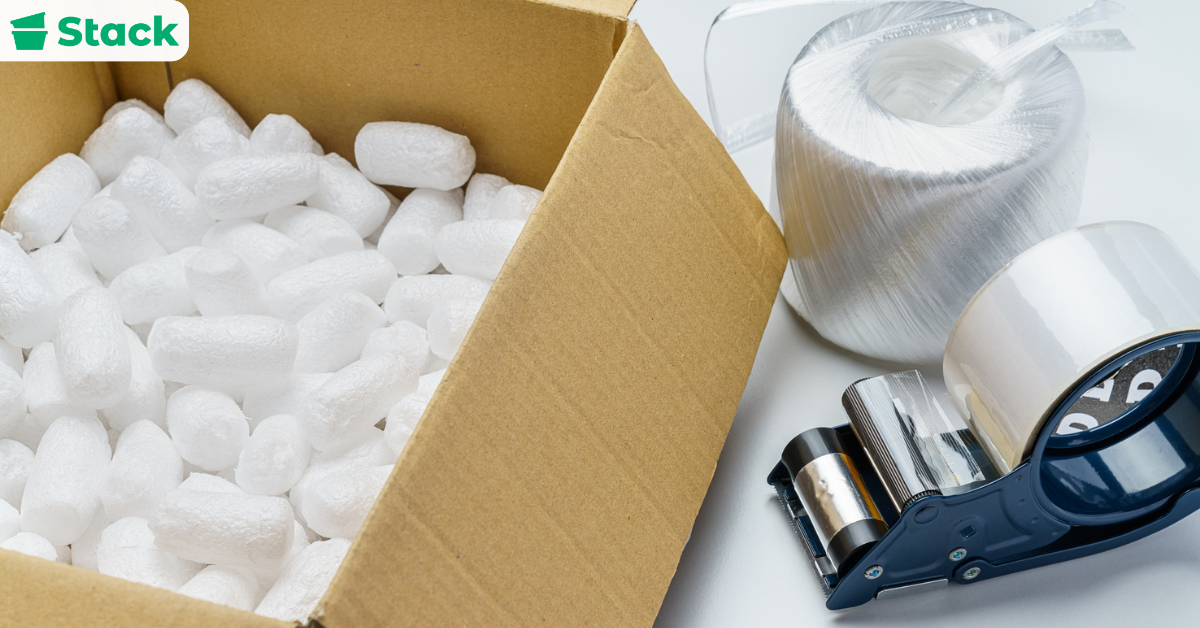
Combining high-quality packing materials with proper packing techniques can make all the difference in your move by ensuring all your belongings arrive at their destination safely. Some basic but essential packing supplies include:
- Moving boxes: These are the most important packing supply because they house all your belongings. With this in mind, you should ensure that your moving boxes are of good quality and that you have an adequate amount for your move. When selecting a box for your move, be sure to factor in the nature of what you’re packing, how fragile it is, and how much weight each box can realistically handle.
- Packing Tape: High-quality packing tape keeps your boxes sealed during the move. It’s a great source of reinforcement for heavy boxes to prevent them from tearing open or falling apart.
- Bubble Wrap/Packing Paper: This gives extra protection to breakable items like glassware and electronics either by absorbing impact or filling up spaces to stop objects from moving around during transit.
- Markers and Labels: Labeling helps speed up the unpacking process since you know the content of every box and where it should go.
- Specialty Boxes: These include wardrobe boxes, dish pack boxes, and any other box specially designed to convey delicate items that require added protection.
- Scissors/Box Cutters: Use these to cut packing tape, open boxes, or trim packing paper quickly and safely.
4. Create a Moving/Packing Checklist
When packing stretches over several weeks or even months, it’s easy to forget where you left off or assume something was already handled. You can avoid this by creating a moving checklist that will help you keep track of what’s been done, what’s in progress, and what still needs attention. You can either create one from scratch based on your timeline or download an editable moving checklist and customize it to your needs. Be sure to update it regularly so it reflects your actual progress, not just your original plan.
5. Pack Non-Essential Items First
The easiest way to guarantee yourself a stress-free moving experience is to start packing early. But it wouldn’t make sense to pack up your kitchen when the move is still weeks away. This is why we advise people to start with non-essential items like seasonal clothing, décor, and rarely used kitchenware.
You’ll avoid any disruptions in your daily life, plus you’ll also have enough time to fine-tune your packing process before you start packing up essentials. By the time moving day approaches, the bulk of the work is already done, making the final stretch far more manageable.
6. How to Pack for Moving Room-by-Room
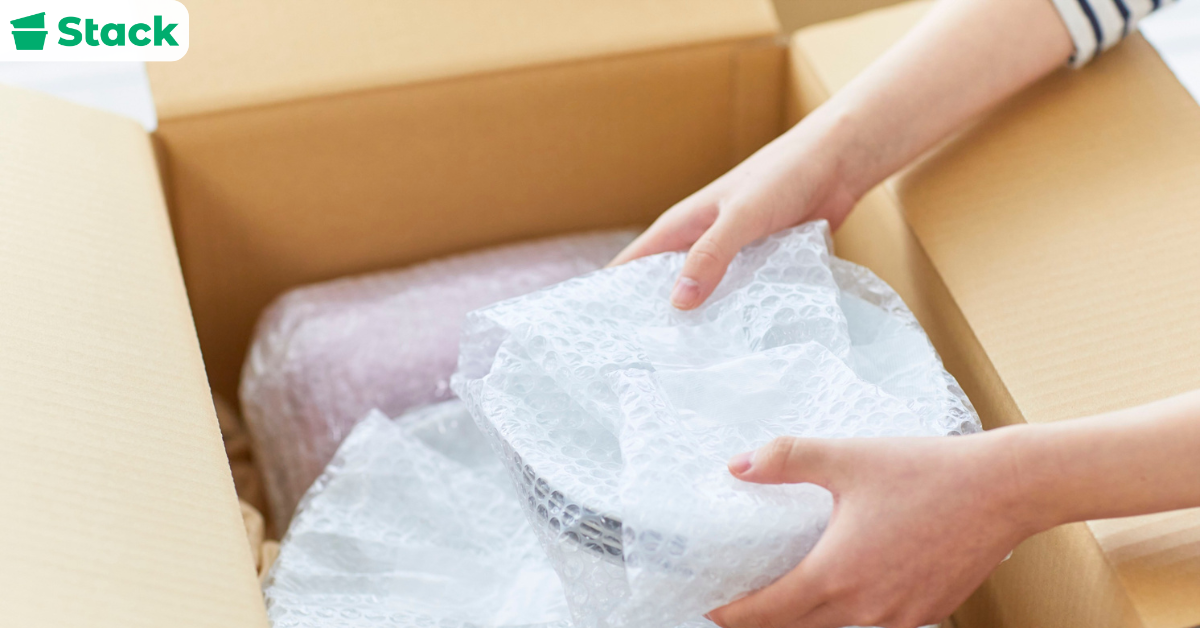
This method of packing makes it easier to track what’s been packed and reduces confusion during loading, unloading, and unpacking. It also allows you to apply the right packing techniques based on the room, since kitchens, bedrooms, and bathrooms all have different packing needs.
How to Pack a Living Room for Moving
Start with smaller items like books, decor pieces, and electronics. Heavy items like books should be kept at the bottom of your moving boxes. Wrap delicate decor pieces in soft materials like blankets to keep them safe from damage. It’s also a good idea to label the wires of each device and keep them together in a small bag. Or you can bundle and secure them using twist ties. Also, remember to remove batteries from remotes and other electronic devices to prevent battery leakages. Battery leakages can corrode important components in these devices and lead to costly repairs or replacements.
How to Pack a Bedroom for Moving
To pack your clothes, neatly fold them into a box, or better yet, roll them to maximize space. Consider using a wardrobe box to transport your hanging clothes. Alternatively, you can place them in a garbage bag and into a plastic container. Bedding like comforters and blankets should be packed last. This is the best way to pack comforters for moving because their bulky nature can take up valuable space if packed first. Disassembling furniture like bed frames and dressers makes them easier to transport and reduces the risk of damage.
How to Pack a Kitchen for Moving
Due to the number of breakable objects kept there, the kitchen is often considered the hardest room to pack. This isn’t meant to scare you but to give you a heads-up so you can prepare adequately. Start with dishes, utensils, and small appliances like a coffee maker. Use bubble wrap, packing paper, or even a towel to prevent your dishes from breaking and your utensils from scratching. Be sure to label perishables like meat properly and pack them last in a cooler filled with ice. Also, make sure you disconnect electrical appliances before you try to pack them to avoid electric shock. It’s also a good idea to ask your moving company about their policies on transporting alcohol, flammable materials, and other commonly restricted items.
How to Pack a Bathroom for Moving
The safest way to pack bathroom items for moving is to secure them in spill-proof bags and place them in water-resistant moving containers. Check that your medications are properly sealed before packing them in plastic bags to avoid leaks. Be sure to throw out any expired products to reduce the risk of contamination and lighten your load. Daily essentials like a toothbrush and medication should be packed separately so they are accessible when you get to your new home.
7. Prepare a First Night Essentials Box
Imagine arriving at your new home after a long move only to realize you can’t find your phone charger. A first-night essentials box prevents this stress by keeping everything you’ll need immediately accessible. The general rule is to pack items that let you function comfortably on your first night without digging through boxes. This typically includes toiletries, medications, chargers, a change of clothes, and basic bedding.
8. Notify Important Parties of Your Move
This step should be done well before moving day, ideally as soon as your moving date is set. The last thing anyone would want in the middle of setting up their new home is to get charged for utilities at a place that they no longer live. Failing to notify important parties of your move, like your bank, utility company, or subscription services, can result in delayed services or unexpected charges.
9. Confirm Moving Arrangements
Ever heard of someone finding out hours before their move that the truck wasn’t coming? While it’s highly unlikely that professional movers would fail to notify you of a change, mix-ups around dates, times, or services can still happen on either end. Confirming your moving arrangements in advance can help prevent these last-minute surprises.
When working with professional movers, double-check the date, arrival window, and scope of services. If you’re renting a truck or relying on friends and family, verify their availability and make sure everyone understands their responsibilities.
10. Do a Final Walkthrough
A final walkthrough is your last chance to make sure nothing is forgotten before you leave. Beyond checking for missed items, you can inspect each room for damage, note anything that needs minor fixing, and ensure the space is clean and ready to hand over. Completing a thorough walkthrough helps you leave the property in good condition and gives you confidence that you’ve wrapped up the move responsibly.
How to Choose the Right Moving Boxes
Some of the key things to consider before you decide on moving boxes are the material, size, and number you’ll need. Once you account for these factors, the right moving box for your move becomes any box that can safely support your items without bending, tearing, or collapsing during transport.
The first thing to determine is the material. Cardboard boxes have been the first choice for many movers, but a lot of people are switching to plastic. Plastic boxes are stronger, don’t get soggy if they get damp, and stack better so nothing shifts around. They’re especially good for fragile stuff or heavier items.
Next is size. There’s no perfect box size, so aim for a mix of small to extra-large boxes. Heavy things like books and tools go in smaller boxes so they’re easier to lift, while light but bulky stuff like bedding and pillows fit nicely in bigger boxes. Picking the right size keeps your stuff safe and makes carrying boxes less of a pain.
Finally, think about how many boxes you’ll need to move. The number of boxes you need for a move generally depends on the size of your home. Grab too few, and you’ll be scrambling at the last minute; grab too many, and you’re wasting money and space. Tools like our moving box calculator can help you figure out exactly how many you need.
What Are the Best Packing Tips for Moving?
These practical moving tips help you save time, protect your belongings, and avoid common mistakes that lead to stress or damage. Use them alongside the steps above to pack smarter and enjoy a hassle-free move.
- Use high-quality packing materials: Cheap or worn boxes can collapse under weight, putting your items at risk. Packing tape, moving boxes, and proper padding help protect your belongings throughout the move.
- Label boxes clearly: Clear labels help you and your movers know exactly where each box belongs. Include both the room name and a brief description of contents to speed up unloading and unpacking.
- Don’t overpack boxes: Overfilled boxes are more likely to tear, break, or cause injury when lifted. Keep boxes at a manageable weight by distributing heavy items across several containers. This makes carrying easier and protects both your belongings and your back.
- Protect fragile items: Each breakable item should be wrapped separately and cushioned with padding to absorb shock. This extra care significantly reduces the chance of cracks or breaks during transit.
- Keep valuable items with you: Documents, valuables like jewelry, and essentials should never be packed in the moving truck. It’s safest to store personal items in a small pouch or bag you can travel with.
- Pack with unpacking in mind: Think ahead to how you’ll unpack in your new space. This makes settling into your new home faster and far less frustrating. Start by grouping similar items together, for example, bathroom items, so it’s easier to keep them in their new spot without digging through multiple boxes.

Need Moving Boxes for Rent?
Starting early and following a clear, organized plan is the most reliable way to guarantee yourself a stress-free move. But even the best planning is useless without the right packing materials. For example, using low-quality boxes can lead to damaged or broken items, making it essential to only use high-quality packing materials for your move.
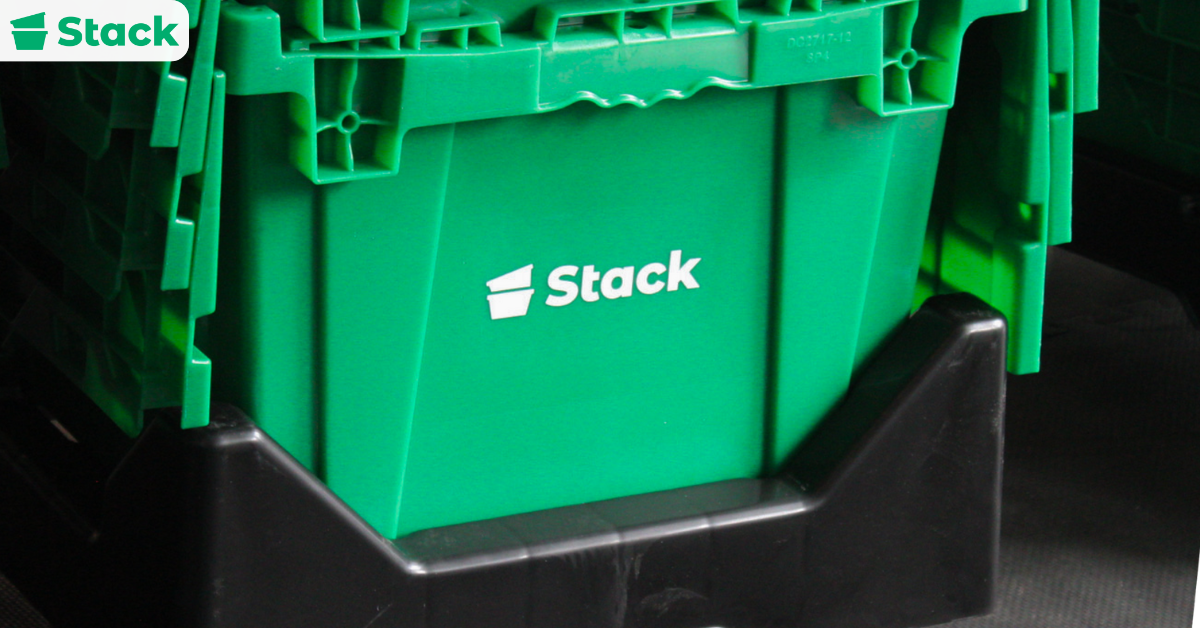
Our sturdy moving bins are designed to protect your belongings throughout the moving process. And the best part is they come with additional packing supplies, like labels and dollies that make organizing and transporting your items effortless. Schedule your box delivery today and take the first step toward a worry-free move.
Frequently Asked Question
Packing comes with a lot of specific “how-do-I-do-this?” moments, especially when it comes to everyday items you don’t want damaged. Below, we answer some of the most common packing questions to help you protect your belongings and enjoy a hassle-free move.
How Do You Pack Books for Moving?
Pack books in small, sturdy boxes to keep the weight manageable. Always place books flat or spine-down to protect their covers and bindings. You can also use packing paper to fill empty spaces to prevent them from shifting.
How Should You Pack Clothes for Moving?
Fold your clothes and place them in a sturdy moving box. For hanging clothes, it’s best to use wardrobe boxes because they offer the best protection during transport. Alternatively, you can also put a garbage bag over them and place them in a plastic moving bin to keep them safe. Roll your casual clothes instead of folding them to save space in your moving box.
What Is the Best Way to Pack Dishes for Moving?
Wrap each dish individually using packing paper or bubble wrap. You should stack plates vertically to reduce the risk of cracking. You can add padding to the bottom and sides of the box to absorb shock. You should clearly label the box as fragile.
How Do You Pack Glasses for Moving Safely?
Wrap each glass separately and use dividers if available. Place glasses upright in a sturdy box with plenty of cushioning on all sides. Avoid stacking glass items directly on top of one another without padding. Mark the box as fragile and handle with care.
How Can I Pack Pictures and Framed Artwork for Moving?
Use picture boxes or wrap frames with bubble wrap for added protection. You can also place a layer of cardboard between multiple frames to prevent scratches. Pack picture frames vertically rather than flat whenever possible to reduce pressure on the glass. And remember to label these boxes as “fragile” so that they’re handled with extra care.
How Do I Safely Pack Electronics for Moving?
If you can, pack electronics in their original boxes since they’re designed to protect delicate components during transport.
Rent Plastic Bins for Your Move!
Moving with cardboard boxes is a pain. Get pre-assembled bins delivered to your door and move hassle-free with Stack!
Stack eliminates the need for you to source, break down, or fill up your trash can with cardboard boxes.
Keep planning your move
- How to Make a Moving Inventory List
- How to Label Moving Boxes Like a Pro (Step-by-Step Guide)
- Do Moving Companies Pack for You?
- How to Organize Moving Boxes Like a Pro
- How to Pack Moving Boxes
- Best Packing Storage Containers for Moving: Top Picks
- How to Pack Comforters for Moving
- How to Pack Hanging Clothes for Moving?