
Best Size Boxes for Moving
When preparing for a move, it’s important to choose the right box sizes because if your box is too big or too small, your belongings could shift, break, or be difficult to carry. The best-sized boxes for moving are usually a mix of small, medium, and large boxes. In some cases, you may also need a specialty box, especially if you’re packing fragile or oddly shaped items.
At Stack Moves, we’ve helped thousands of renters simplify their moves with our durable, eco-friendly moving bins. With years of experience in the moving industry, our team knows exactly what you need to find the best-sized boxes for moving without any of the guesswork. Rent our reusable moving boxes today for a cleaner, faster, and more organized move.
In this blog, we’ll break down which box sizes work best for common household items. We’ll also guide you on where to source the right moving boxes and share practical packing tips to make your move seamless from start to finish.
Standard Moving Box Sizes

When planning a move, choosing the right box sizes is necessary for a hassle-free experience. To help you safely pack and transport your belongings, we’ve explained how different sizes cater to various items.
Small Moving Boxes
Best for: Heavy or compact items
Ideally, a small box is perfect for items like books, DVDs, and canned goods. They are typically 16” x 12” x 12″ and can safely carry up to 40 pounds. When using these boxes, avoid overloading them. Instead, use packing paper to fill empty spaces and protect the contents of the box. It is important to ensure that the box remains easy to lift.
Medium Moving Boxes
Best for: Everyday household items
Medium-sized boxes are usually around 8″ x 14″ x 12″ with a capacity to hold up to 60 pounds. You can use these boxes to pack kitchenware, toys, and decorative items. For these medium-sized boxes, place heavier items at the bottom and lighter items on top. Furthermore, use packing paper or bubble wrap for protection and to prevent items from shifting.
Large and Extra-Large Moving Boxes
Best for: Light but bulky items
These boxes are suitable for bulky but light items like linens, comforters, and pillows. The common dimensions for these boxes are 20″ x 20″ x 15″ or 23″ x 23″ x 16″, and they are capable of holding up to 80 pounds. Despite their size, you should avoid the temptation to overpack them. It can make the boxes too heavy and susceptible to tearing.
Specialty Moving Boxes
Best for: Fragile, valuable, or oddly shaped items
While most items will fit neatly into your standard moving boxes, some belongings need extra protection or special handling. These unique items call for specialty moving boxes. Specialty boxes are specifically designed to keep fragile or irregularly shaped objects safe during transport.
Wardrobe boxes, dish pack boxes, and mirror and art boxes are common examples. These boxes feature reinforced walls, inserts, or adjustable designs that provide added stability and protection. Although they are pricier than your standard-sized boxes, the added safety and convenience they offer make them well worth the investment.
Best Box Sizes for Moving Each Type of Household Item
Here’s our quick guide to help you match the right box size to your belongings:
| Small Boxes | Medium Boxes | Large Boxes | Specialty Boxes |
|---|---|---|---|
| Books | Pots, pans, and kitchen utensils | Suits, dresses, and coats | Flat-screen TVs |
| Tools and hardware | Dishes, bowls, and cups | Bed linens and duvets | Computers and monitors |
| Pantry items (cans, jars, condiments) | Toys and board games | Shoes and handbags | Dishware and glass sets (dish pack boxes) |
| Small kitchen appliances (toaster, blender) | Personal care appliances (hairdryer, shaver) | Accessories and belts | Artwork and picture frames |
| Cleaning supplies | Small decorative items | Blankets and throws | Musical instruments |
| Office supplies and stationery | Pantry staples like cereal boxes | Seasonal wear | Mirrors |
| Small electronics and cords | Towels and bathrobes | Wine or liquor bottles | |
| Bathroom items (lotions, toiletries) | Collectibles and antiques | ||
| DVDs, CDs, and video games | Electronics and gaming consoles | ||
| Decor accents or framed photos | Lamps and fragile decor |
Where to Find the Best Box Size for Moving
Your budget and the nature of your move play a big role in where you get your moving boxes. If you’re on a tight budget, you can get moving boxes for free from local grocery stores, liquor shops, or community listings on Craigslist and Facebook Marketplace. These can be a fantastic way to save money, but the downside is that free boxes often come in mixed sizes and conditions. You’ll need to inspect them carefully for tears, dampness, or signs of wear before packing.
If you’d rather buy, you can still find cheap moving boxes by purchasing in bulk from major retailers like Home Depot and Lowe’s. Buying in sets is often more affordable than picking up individual boxes. You’ll get better quality than free boxes, but you’ll also have to figure out what to do with the boxes after your move.
What if you’d rather source boxes from your moving company? Some moving companies provide boxes and supplies as part of their service, though this convenience usually comes at a higher cost. It’s a good option if you’re short on time or prefer not to deal with packing materials yourself.
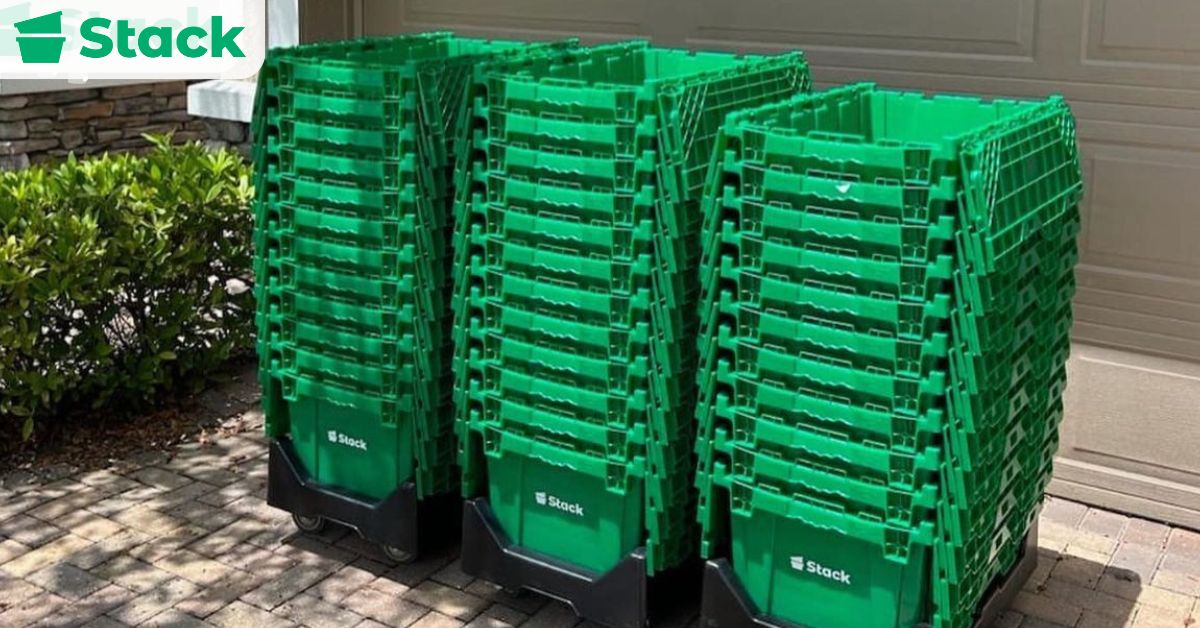
But if you’re looking for a balance between cost, convenience, and sustainability, renting moving boxes might be your best bet. With this option, you’ll get durable, reusable bins delivered right to your doorstep. And the best part? They’re collected once you’re done with your move, leaving you with no waste or clutter.
Factors to Consider When Choosing Box Sizes

Here are the key factors to keep in mind when deciding how to pack or what type of moving container to use:
- Item Size and Volume: Your belongings should fit comfortably inside the box or bin with minimal empty space. Smaller boxes work best for compact but dense items like books, while larger boxes should be reserved for lightweight or bulky items such as bedding. Using appropriately sized boxes prevents wasted space and reduces the risk of damage from shifting items.
- Weight Distribution: The weight of your belongings should also be considered. Heavy items should go in smaller boxes to make lifting easier and to prevent the bottom from giving out. Lighter items can be placed in larger boxes to balance overall weight.
- Fragility of Items: Fragile items like dishes, glassware, or electronics need boxes that provide enough room for cushioning materials such as bubble wrap or packing paper. Avoid overpacking fragile boxes to reduce pressure and the risk of cracks or breakage.
- Type of Belongings: You need to adopt a different packing approach for each household item. For instance, clothes can go into boxes or bags but delicate items like artwork should only be packed in specialty boxes.
- Ease of Handling: Boxes should be easy to lift, carry, and stack without strain. Choose sizes that allow for comfortable movement through doorways and hallways.
- Storage Duration: If your belongings are to be stored for a while before unpacking, consider using boxes or bins that can resist moisture and stacking pressure over time. This helps protect your items during long-term storage or moves across the country.
Tips for Packing Efficiently with Different Box Sizes

The easiest thing you can do to enjoy a smooth move is to match the box size to the item’s weight and type. This simple step keeps your boxes manageable and prevents damage from overloading. Next, make sure to distribute weight evenly when loading boxes into your moving truck. Doing this helps maintain balance during transport and protects fragile items from being crushed.
It also helps to fill any empty spaces inside boxes with soft items like towels, linens, or clothing. Doing so prevents items from shifting during the move and makes full use of the space you have. You’ll need fewer boxes overall, which can help cut down on moving costs.
For added protection, avoid overpacking boxes. While it may seem efficient to squeeze in as much as possible, doing so can make boxes too heavy or cause items to break. Instead, leave some room for bubble wrap or packing paper to cushion delicate belongings.
Finally, if you’re moving during a rainy season or to a humid area, use waterproof containers like plastic bins for moisture-sensitive items. Unlike cardboard boxes, plastic bins keep your belongings dry and safe from mold or water damage, giving you extra peace of mind during your move.
Need Help Deciding the Best Box Sizes for Moving?
Choosing the best box sizes for moving can make all the difference in how smoothly your relocation goes. With the right system, like using small boxes for heavy items and large boxes for light, bulky ones, you’ll keep your belongings safe and make loading and unloading easier for everyone.
However, choosing the right-sized box is only half the battle. You’ll still need to figure out how many boxes you’ll need and what to do with them after the move. That’s where Stack Moves comes in. Our rental moving bins are designed to make your move simpler, cleaner, and more organized from start to finish, giving you an eco-friendly solution you can trust.
Ready to enjoy a stress-free move? Contact us to book your moving boxes for rent now!
Frequently Asked Questions
Still unsure what box sizes to use for your move? This FAQ section answers common questions to help you pack confidently and choose the right boxes for your belongings.
How Do I Choose the Right Box Size for Heavy Items?
Always pack heavy items like books, tools, or canned goods in small boxes. This keeps the box’s weight manageable (under 40-50 pounds) and prevents the bottom from giving out.
What Size Boxes Are Easiest To Move?
Small and medium boxes are the easiest to handle. When packed correctly, they remain light enough for safe lifting and are uniform for efficient stacking in the moving truck.
Can I Reuse Grocery Boxes for Moving?
Yes, you can reuse sturdy boxes from grocery or liquor stores, but check them for damage or moisture. Their compact size makes them ideal for small, heavy items. However, they won’t stack as neatly as uniform moving boxes.
Do Moving Companies Provide Boxes Or Should I Buy My Own?
It depends on your budget and priorities. Most moving companies sell professional-grade boxes that are often double-walled and very sturdy. But these are more expensive than the boxes sold at retail stores. A major advantage of using these boxes is their perfect fit, which maximizes the space in their moving trucks.
What Should I Pack in the Largest Moving Boxes?
The largest boxes should be used for light, bulky items. This includes linens, bedding, pillows, comforters, and curtains. Packing heavy items in them will make them dangerous to lift and prone to breaking.
What Are Specialty Moving Boxes?
Specialty boxes are custom-designed for awkward or fragile items. Examples include wardrobe boxes (with a metal bar for hanging clothes), dish packs (with reinforced walls and dividers), and TV boxes (with extra padding).
Rent Plastic Bins for Your Move!
Moving with cardboard boxes is a pain. Get pre-assembled bins delivered to your door and move hassle-free with Stack!
Stack eliminates the need for you to source, break down, or fill up your trash can with cardboard boxes.