
How to Store Moving Boxes
Properly storing your boxes ensures they remain in good condition, allowing you to reuse them multiple times, either for packing or as a temporary storage solution. This not only saves money but also reduces waste.
To store your boxes correctly, start by cleaning them to ward off pests and flattening them to save space. Choose a dry and pest-free location to store your boxes, preferably off-ground. Go a step further to protect them from dust and moisture by using plastic covers. And most importantly avoid storing your boxes near flammable sources like petrol and propane.
While cardboard boxes are go-to moving solution they come with the headache of collapsing under heavy weight. If your boxes have fallen apart mid-move, you know how frustrating and wasteful this can be. That’s where plastic bins make all the difference. Stack Moves provides durable, stackable, and pest-resistant moving bins for rent that take the stress out of moving. Contact us today to learn more about our affordable bin rental options!
In this blog, we will guide you through the best ways to store your moving boxes, including preparation, storage tips, and pest prevention.
Table Of Contents
Types of Moving Boxes That Are Easy to Store
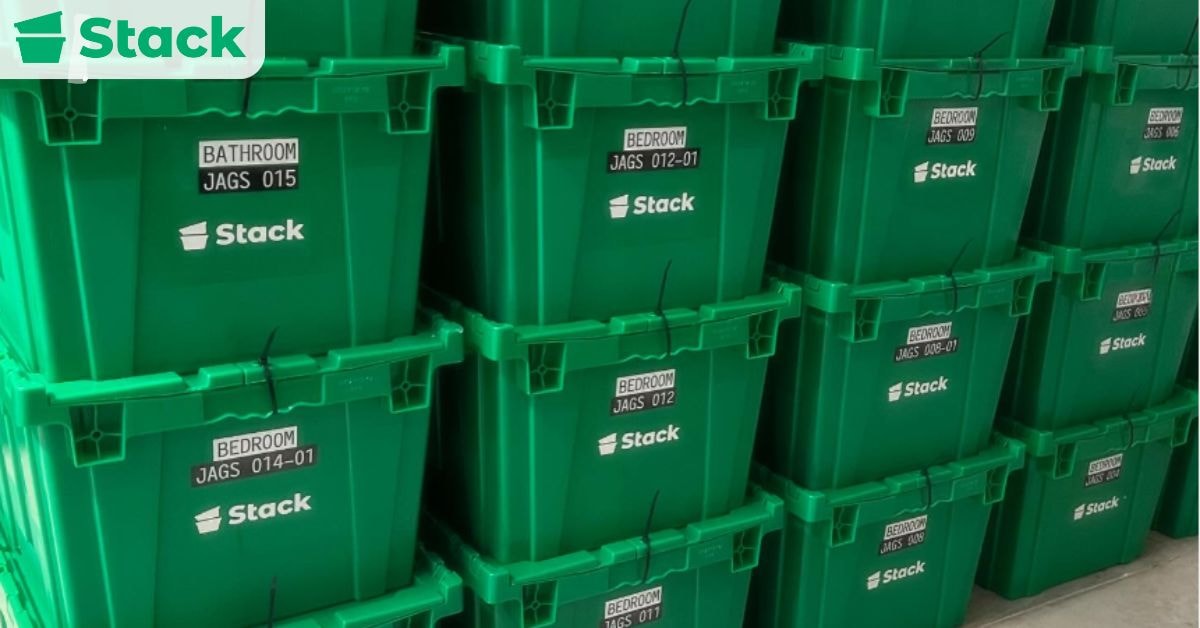
Storing your moving boxes becomes a lot easier when you don’t have to deal with more boxes than you need. This is why we advise all movers to estimate how many boxes they’d need for a stress-free move. Don’t worry about trying to figure out how to get the right number; our moving box calculator does all the hard work and tells you what you’ll need.
Standard Cardboard Boxes: These are ideal for packing books, kitchenware, and general items. However, storing these boxes can be difficult. They attract pests because they tear easily and can create openings for insects like roaches. In humid environments, they become breeding grounds for mold, which could pose a health risk.
Reusable Plastic Moving Bins: Plastic bins are a superior alternative to traditional cardboard boxes. Their biggest benefit is that they are more durable and sustainable. Despite all these benefits, plastic boxes take up a significant amount of space, making storing them very challenging.
Specialty Boxes: Specialty boxes, such as wardrobe boxes, dish pack boxes, and electronic boxes, are made for specific items. While they can be lifesavers during the move, their unique shape makes storing them challenging.
How to Store Moving Boxes Without Damaging Them
Storing your moving boxes the right way can keep them in good shape for reuse, saving you money and the hassle of buying new boxes. The steps below will guide you through the process of storing your cardboard boxes, no matter how long they’re stored.
Prepare Before Storing Moving Boxes
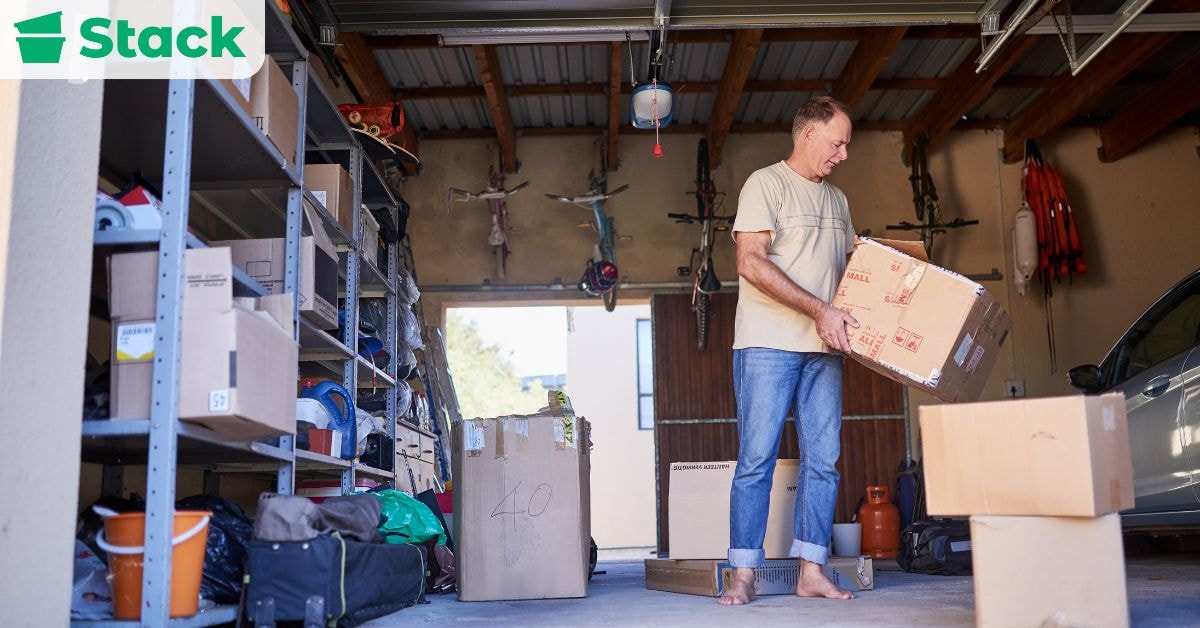
This is the foundation of storing your boxes correctly, and any mistakes here could potentially damage them. Start by emptying the boxes so that you don’t leave anything that could attract pests. Then, inspect them for significant damage, such as tears and worn-out edges.
In addition to making sure your boxes are clean, also make sure they are dry. When wet, cardboard boxes can develop mold and unpleasant odors, so taking time to air-dry them before storage can save you a lot of trouble later.
To save space, flatten your boxes. Flattened boxes reduce clutter and are easier to store, as they can be stacked neatly on top of each other. Label these boxes so it’s easy to tell what they’re for when you need them.
Choose the Right Storage Location
Where you store your boxes is just as important as how you store them. The best place to store your boxes is an indoor storage space like closets, spare rooms, and climate-controlled units. These rooms protect your boxes from pests and humidity, which are the biggest challenges with storing cardboard boxes.
If your only option is to convert an outdoor space, like your garage or shed, to an additional storage solution, with some extra steps you can avoid the problems mentioned. Lifting the boxes off the floor and using pest repellants are great ways to prevent damage to your boxes.
Whether you opt for an indoor or outdoor storage space, it’s more important to consider how accessible your boxes will be after you store them. If you don’t have much space, you can get creative and store your boxes using under-bed storage, attic corners, or even shelving units.
Organize and Stack Boxes
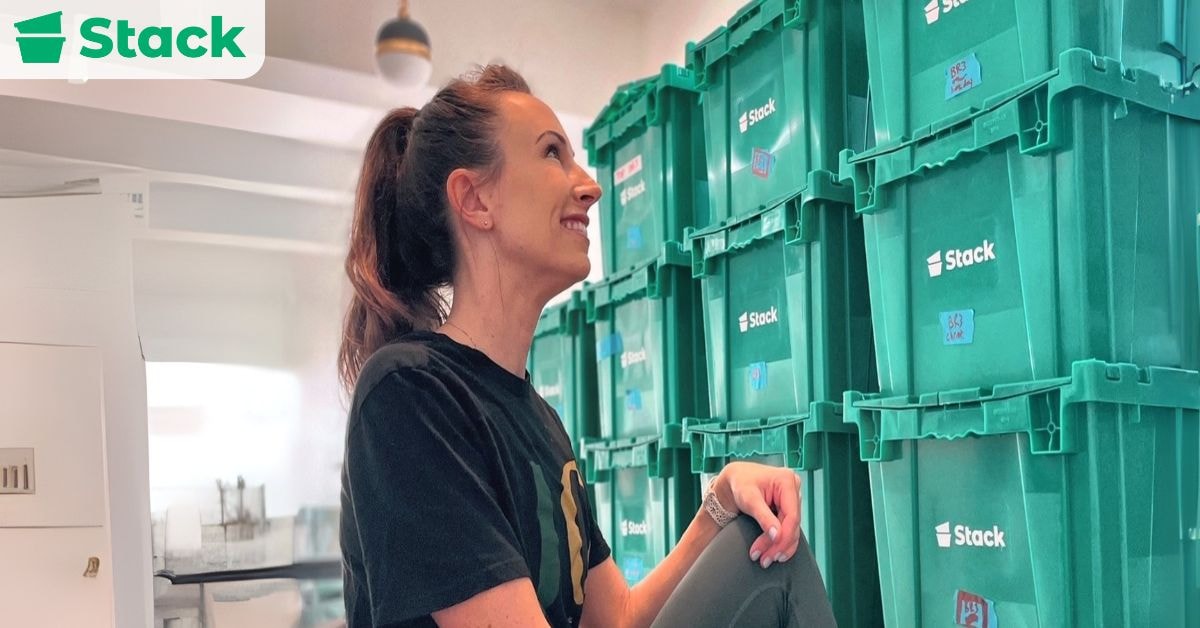
Organizing your boxes is important because it helps you preserve their condition and keeps your storage tidy. A general rule of thumb for organizing your boxes is to place heavier boxes at the bottom of the stack. This gives the lighter boxes a solid foundation and prevents them from getting crushed.
Before stacking your boxes, use good-quality packing tape to seal them so that their edges don’t split open during storage. Avoid overstacking, i.e., making your stacks too tall. This not only increases the risk of everything toppling over but also makes it difficult to retrieve the boxes if you need them.
Use a shelf if you’ve got one. They keep things organized and make it easier to access your boxes. Shelves also take off stress from the boxes at the bottom of the stack. They prevent them from getting crushed under the weight of those above, further extending their lifespan. Finally, leave gaps between your boxes to allow for airflow. Adequate ventilation reduces the risk of moisture buildup, which could weaken your boxes.
Protect Moving Boxes During Storage
The final step in packing moving boxes to protect them is to guard against factors beyond your control, like pests and moisture. To keep them safe, you must regularly check on them.
Consider wrapping your boxes with plastic wrap to give them an extra layer of protection, which is necessary in outdoor storage units. Don’t place your boxes directly on the floor, as they can easily get wet. It’s also wise to use pest repellants like cedar blocks and mothballs to keep pests at bay. If your storage area is prone to infestations, you can even keep your boxes in sealed storage units.
Cost-Saving and Eco-Friendly Options for Moving Box Disposal
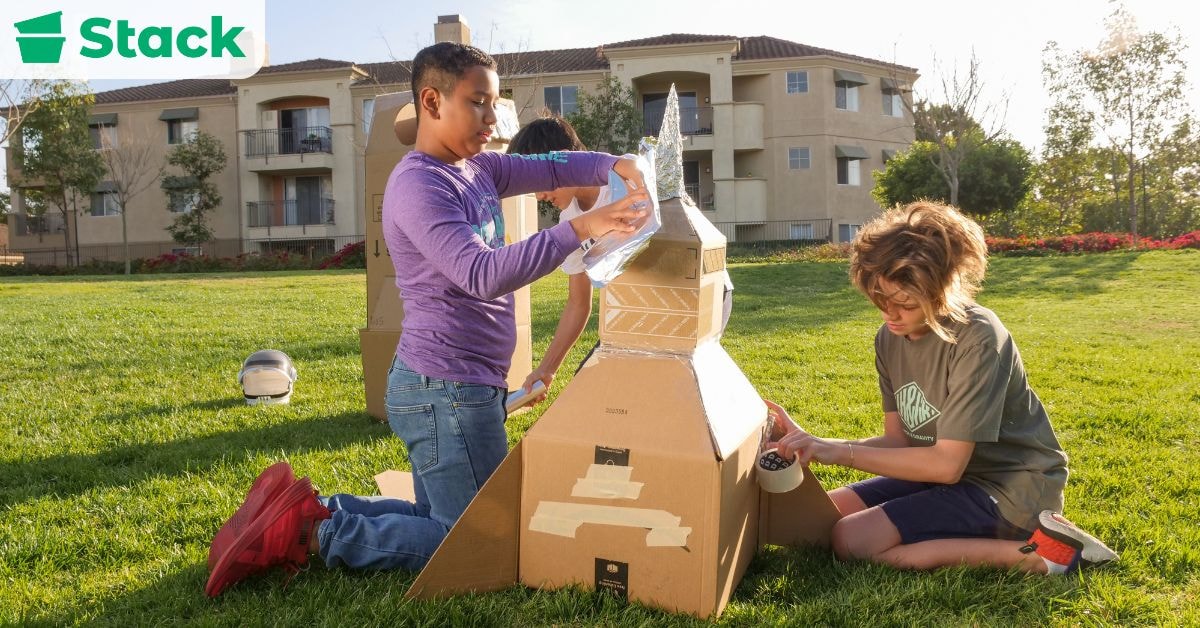
Disposing of your moving boxes shouldn’t always mean throwing them away. By exploring alternative ways to dispose of them, you could protect the earth and even make some extra money.
- Rent Reusable Moving Boxes: The most effective way to skip the hassle of storing or disposing of your boxes is to rent reusable bins. You can just hand them back to your rental company, eliminating the stress of deciding what to do with them after the move. Stack Moves rents eco-friendly plastic bins at affordable prices.
- Reuse Instead of Discarding: Another option is to reuse your boxes. When stored properly, cardboard boxes can be reused multiple times, saving you the money you would’ve spent on purchasing new ones. If you’re a fan of DIY projects, cardboard is a versatile material that can be used for making anything from organizers to home decor. Explore your creative side and give these boxes a second chance at life instead of throwing them out.
- Recycle Responsibly: When your boxes aren’t fit for reuse, the next best thing to do is recycle them. Before you opt-in for recycling your boxes, first make sure that they meet basic recycling requirements by removing any tape or labels on these boxes. This is especially useful when dealing with corrugated boxes.
- Buy Used or Recycled Boxes: If you’d like to own moving boxes without paying a hefty price, buying used or recycled boxes is an excellent choice. Not only are these boxes offered at a lower cost, they are just as functional as the new ones.
- Share with Others: Our final tip for making sure your boxes don’t go to waste is to share them with others. Your friends, neighbors, or family members could need these boxes for their own storage or moving needs. You can also post them on community platforms like Facebook Marketplace, Freecycle, and Craigslist.
These steps are some of the best ways to extend the lifespan of your cardboard boxes and keep them ready for future use. In our guide on how to get rid of moving boxes, we share additional tips for disposing of your boxes along with advice on how to pack efficiently.
What to Keep in Mind When Storing Cardboard Boxes
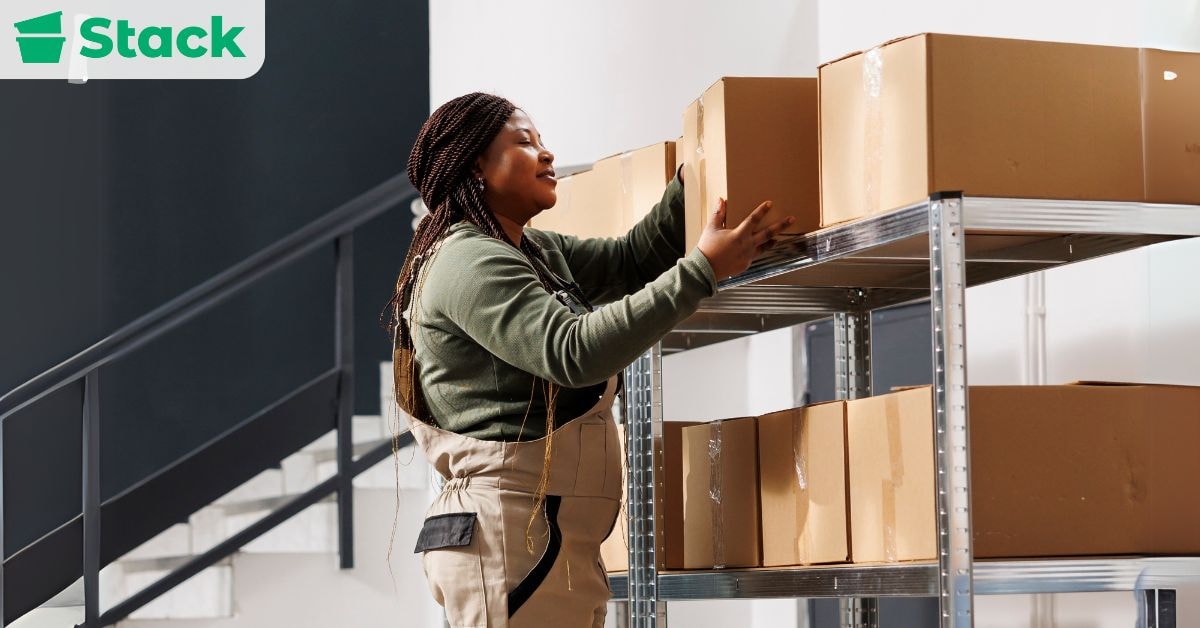
While cardboard boxes are a cost-effective storage option, they come with many challenges that could negatively impact their usefulness over time. To keep your boxes in good condition, we shared some risks to be aware of and the steps you need to take to mitigate them.
Insect Infestations
One of the biggest concerns about storing cardboard boxes is that silverfish, cockroaches, and termites are naturally drawn to them, especially when they’re kept in dark and damp areas.
A way around this is to store your boxes in tightly closed cabinets or plastic bins to deter insects. Also, try using repellants like cedar blocks to keep pests at bay.
Mold and Mildew Growth
Another common issue with storing boxes, especially in humid or damp environments, is mold and mildew growth. A crucial step to preventing this is to make sure your boxes are dry and clean before storing them. The best place to store your boxes is in a low-humidity area, like a climate-controlled room. If the only place available is spaces like your garage or basement that are prone to high moisture levels, consider using dehumidifiers to manage the humidity.
Structural Weakening
Over time, cardboard boxes tend to weaken. Factors like humidity and poor stacking can cause them to sag, tear, and collapse. The best way to deal with this is to flatten your boxes when they aren’t in use. When stacking your boxes, place lighter boxes on top of heavier ones. To protect your boxes from floor moisture, keep them off the floor by placing them on pallets or shelves.
Fire Hazard
It’s easy to forget that cardboard boxes are highly flammable. The likelihood of an accidental fire is pretty high where you have large stacks of boxes in poorly ventilated rooms and near heat sources. As such, don’t store your boxes near open flames, furnaces, or heaters, and keep them in fireproof cabinets if possible.
Rodent Damage
Rats and mice often use packing materials like cardboard boxes for nesting. They often chew through these boxes, placing any items you might have in them at risk of damage. The first step to dealing with rodents is to ensure there are none in the storage area you want to use. Then, seal off any possible entry points. Also, store your boxes off the ground and make use of rodent repellants like peppermint oil-soaked cotton balls.
Dust and Dirt Accumulation
After being stored up in your attic, garage, or basement for a while, these boxes gather cobwebs, dust, and other allergens that can make them potentially harmful to people with allergies and awful to look at. Cover your boxes with breathable fabric or place them in plastic tubs to avoid dust. Regularly clean where you have them stored to reduce the buildup of dirt and keep these stored items in pristine condition.
How Do You Store Cardboard Boxes Without Attracting Bugs?
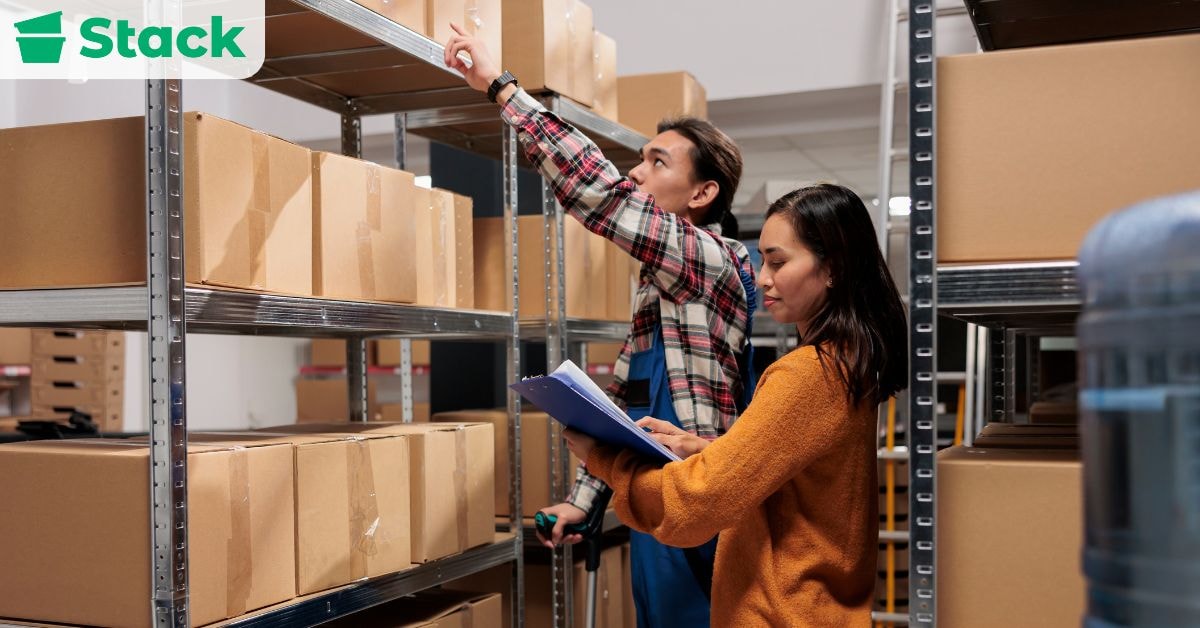
To keep your cardboard boxes bug-free, make sure they are clean and dry before you store them. Dirt and moisture in boxes can attract pests like cockroaches, so a quick cleaning and proper drying is a step you can’t skip. Additionally, use plastic liners or pest deterrents to create an extra layer of protection.
Where your boxes are stored is just as important. The best place to store your boxes is a dry, climate-controlled space since damp and dark environments are breeding grounds for pests. Raising your boxes off the floor also reduces the risk of bug infestations. And finally, regularly check your storage area for any signs of pests so you can deal with them immediately.
Need Reusable Plastic Bins to Rent?
You can save space and extend the usability of your boxes just by storing them the right way. Simple hacks like making sure your boxes are dry and not in direct contact with the floor are great ways to keep them in mint condition until when you need them again.
While cardboard boxes are handy to have, renting reusable plastic bins is an even better option. These bins are made from moisture-resistant materials, eliminating any worry about moisture. Their sturdy and stackable design further enhances your storage experience because the likelihood that they will collapse is very low.
To rent reliable and eco-friendly plastic boxes at affordable prices, contact us today to learn more.
Rent Plastic Bins for Your Move!
Moving with cardboard boxes is a pain. Get pre-assembled bins delivered to your door and move hassle-free with Stack!
Stack eliminates the need for you to source, break down, or fill up your trash can with cardboard boxes.