
Do You Tip Long-Distance Movers?
Tipping long-distance movers is usually a customary act, but it is not compulsory. The right amount of tip depends on the quality of the service, the effort put in by the moving crew, and whether or not the move was complex. Planning for tips ahead makes it easier to budget for movers’ gratuity, recognize good service, and understand the proper tipping etiquette.
Moving long distances comes with plenty of decisions, and knowing how to thank your movers shouldn’t be one of the stressful ones. For the past three years, Stack has helped homeowners and businesses move more efficiently with durable, reusable moving bins delivered directly to their door, giving our team firsthand insight into what makes moving day run smoothly. Whether you’re planning your gratuity, organizing your home packing, or looking for a more convenient alternative to cardboard boxes, Stack is here to help you move with confidence from start to finish. Contact us today to get started!
In this post, we’ll cover how to tip long-distance movers, what factors to consider, when to tip, and how much is fair.
Table Of Contents
- Are You Supposed to Tip Long-Distance Movers?
- How Do You Tip Long-Distance Movers?
- How Much to Tip Movers for a Long-Distance Move
- What Factors Affect How Much You Should Tip?
- How to Make the Move Easier for Your Long-Distance Movers
- Are Reusable Moving Boxes Worth It for Long Moves?
- FAQs
- Do You Tip Long-Distance Movers Before or After the Move?
- Is $100 Per Person a Good Tip for Movers?
- Is It Rude Not to Tip Movers?
- Do You Tip Both the Loading and Unloading Crews?
- Can I Tip Movers With a Credit Card Instead of Cash?
- What If I’m Unhappy With the Moving Service?
- Do Moving Companies Provide Moving Boxes?
- What If I Can’t Afford to Tip My Movers?
Are You Supposed to Tip Long-Distance Movers?
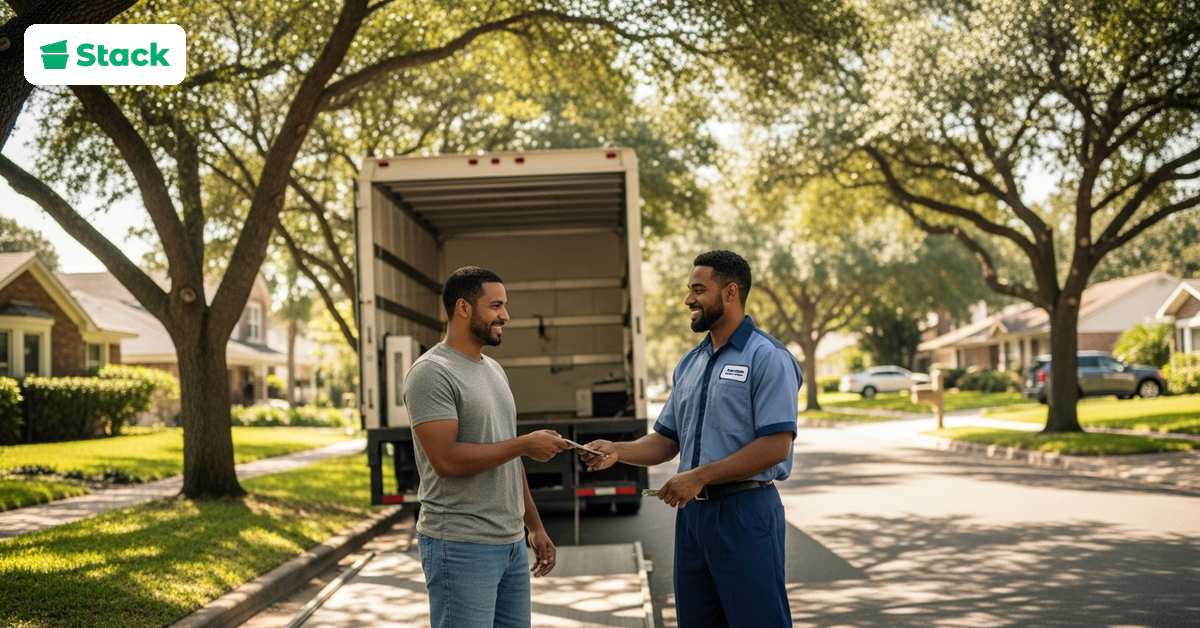
The short answer is yes, but it is not a moving requirement. Tipping is considered a customary way to recognize and appreciate good service in the United States; it is not a compulsory fee that is added to moving costs. Professional movers usually appreciate the gratuity that they receive after they’ve handled your things with care, communicated clearly, and made your long-distance move less stressful. Now every moving company has its own set of rules and policies when it comes to tipping, but the decision to tip depends on the quality of service provided.
At Stack, one question we hear regularly is if tipping is expected or simply appreciated. Michael Weaeedian explains, “A tip should reflect the effort your moving crew puts into your move, not simply the distance traveled. Professionalism, communication, and careful handling are what deserve recognition.” Most moving companies pay their crews separately from customer gratuities, which means tips are generally left to your discretion rather than being included in the final bill. If you’re unsure about a company’s tipping policy, ask your move coordinator before moving day so you know what to expect. Knowing this ahead of time helps you plan your budget and avoids any awkward surprises once the job is complete.
Although tipping long-distance movers is customary, there isn’t a universal amount that fits every move. A small apartment move with one crew looks very different from a cross-country relocation involving multiple trucks, heavy lifting, or even two different crews handling the loading and unloading. Factors such as the complexity of the job, difficult working conditions, and the level of care your movers show should all influence what you consider an appropriate tip amount. Even if you’re working within a tight budget, planning ahead for a mover gratuity makes it easier to reward outstanding service without feeling pressured on moving day. The next step is understanding how much to tip movers and what most customers consider fair for a long-distance move.
How Do You Tip Long-Distance Movers?
Deciding whether to tip your long-distance movers isn’t always the difficult part. Most people simply want to know what’s fair and whether they’re following the right etiquette. Instead of relying on a fixed dollar amount, it helps to look at the overall experience and the level of service your moving crew provided. At Stack, we’ve found that customers feel much more confident when they have a simple way to evaluate the job instead of guessing. That’s why we recommend the TIPS Framework to help you decide on an appropriate tip before your long-distance move is complete.
T- Thank Great Service
A tip should recognize excellent service, not simply the number of miles your movers traveled. Think about how your professional movers communicated, handled your belongings, solved unexpected problems, and whether they went the extra mile to make your move less stressful. Michael Weaeedian explains, “The right tipping decisions come from looking at the complete experience, not just the final invoice. Great service is built on professionalism, communication, and genuine care for a customer’s belongings.” For example, a crew that carefully wraps delicate furniture, keeps you updated throughout the day, and finishes on schedule has demonstrated the kind of good service many customers choose to reward. Looking beyond the distance helps you recognize the effort that truly made a difference.
I- Inspect the Move Before You Tip
Before handing over a gratuity, take a few minutes to walk through your new home and confirm that your belongings have arrived safely. Check that furniture has been placed in the correct rooms, fragile items remain intact, and nothing has been left behind on the truck. This quick inspection gives you confidence that you’re rewarding the complete service provided, not just the loading or transportation portion of the move. It’s also why most customers wait until the delivery end of the job before offering cash tips or another form of appreciation. Taking this extra step helps ensure your tip reflects the entire experience from start to finish.
P- Pay Based on the Overall Experience
Every move presents different challenges, so the same tip won’t be appropriate for every job. A crew carrying heavy furniture through tight spaces, climbing multiple flights of stairs, or working through bad weather has taken on a much more demanding task than a straightforward move with easy access. If your long-distance move involved two crews, consider the effort each team contributed when deciding on an appropriate tip amount.
S- Show Appreciation Beyond the Tip
While tipping movers is the most common way to say thank you, it isn’t the only meaningful gesture. Offering cold water, sports drinks, or lunch during a long moving day can help your crew stay energized, especially during hot weather or physically demanding jobs. If your budget doesn’t allow for a larger gratuity, writing a positive review, referring the moving company to friends, or simply expressing genuine thanks are all thoughtful ways to acknowledge their hard work. These gestures won’t replace an appropriate tip when one is deserved, but they do show respect for the people handling your move. Whether you choose a cash tip, refreshments, or a heartfelt thank-you, recognizing your movers’ effort is always appreciated.
How Much to Tip Movers for a Long-Distance Move
Once you’ve decided to tip your long-distance movers, the next question is usually how much is appropriate. The answer depends on the complexity of your long-distance move, the quality of the service provided, and your overall moving budget. While there isn’t a universal tipping standard, most customers either calculate a percentage of the total moving cost or choose a flat rate for each crew member. According to American Moving Storage’s guide on tipping professional movers, tipping is never expected but is always appreciated, and a typical gratuity for a long-distance move ranges from $40 to $200 per mover, depending on the size and difficulty of the job. Planning for a movers’ gratuity before moving day makes it easier to thank your moving crew without making a last-minute decision.
Calculating Your Tip
The table below provides a simple guideline if you prefer using a percentage of your total moving cost. Think of these figures as a helpful starting point rather than a strict rule, since the final amount should always reflect the effort, professionalism, and care your movers provided.
| Total Moving Cost | 10% Tip | 20% Tip |
|---|---|---|
| $1,000 | $100 | $200 |
| $2,500 | $250 | $500 |
| $5,000 | $500 | $1,000 |
A flat-rate approach is equally common, particularly when your move is billed by the hour or involves multiple professional movers. Many customers choose to tip $5 to $10 per hour per mover or $20 to $50 per mover per day, while larger interstate moves or unusually demanding jobs often justify higher amounts. For example, if your moving team spends two full days loading, transporting, and unloading your belongings through multiple flights of stairs or difficult weather conditions, increasing the tip is a thoughtful way to recognize the additional effort. There isn’t a perfect formula for deciding how much you should tip movers, but considering the level of care, communication, and problem-solving throughout the job will usually lead you to an appropriate tip amount. The next step is understanding which factors deserve the biggest influence when deciding what your movers have truly earned.
What Factors Affect How Much You Should Tip?
The amount you tip should reflect the overall experience rather than follow a fixed formula. While many people start with a percentage of their total moving cost, the quality of the service provided should always carry the most weight. A moving crew that communicates clearly, treats your belongings with care, arrives on time, and stays professional throughout the day has earned more than a crew that simply completes the job. Think about whether your professional movers solved unexpected problems, kept you informed, and went the extra mile to make your long-distance move less stressful. Looking at the complete experience helps you decide on a tip that feels fair to both you and the movers.
The demands of the job should also influence your decision. Carrying heavy furniture through tight spaces, climbing multiple flights of stairs, or working through bad weather requires considerably more effort than a straightforward move with easy access. According to the Occupational Safety and Health Administration (OSHA), more than 420,000 workplace accidents resulted in back injuries in a single year, with lifting, bending, twisting, and turning among the main causes, highlighting the physical demands associated with manual material handling. Eiusmod Tempor explains, “The distance of a move tells only part of the story. The conditions your movers work through often require just as much recognition as the miles they travel.” If your long-distance move involved two different crews for loading and unloading, it’s worth considering the contribution of each team when deciding on an appropriate tip.
It’s also okay to adjust your tip if the experience doesn’t meet your expectations. Repeated lateness without explanation, careless handling, poor communication, or unprofessional behavior may justify reducing your gratuity or choosing not to tip at all. On the other hand, if delays are caused by traffic, weather, or circumstances outside the crew’s control, many customers still choose to reward the effort and professionalism their movers showed throughout the job. Planning for movers gratuity as part of your overall moving budget gives you the flexibility to recognize exceptional work while staying within your means. Once you’ve decided on an appropriate tip amount, the next step is knowing the right time and way to present it.
Tipping Movers: Best Practices and Etiquette
The perfect time to tip your long-distance movers is after the job is complete and you’ve had a chance to confirm everything arrived safely. Walk through your new home, check that your belongings are in the right rooms, and inspect any fragile or valuable items before reaching for your wallet. Most customers prefer to give cash tips because they’re easy for the moving crew to divide immediately, although some moving companies also offer digital tipping options. Waiting until the end of the move allows you to base your decision on the complete service provided rather than just one part of the job. Taking a few extra minutes to do a final walkthrough ensures your gratuity reflects the full experience.
If your move involved multiple crew members, it’s generally ideal to recognize everyone who contributed to the job. Some long-distance moves use one team to load the truck and a different crew to unload it at your destination, so consider acknowledging both teams if they each delivered excellent service. If you’re unsure how your moving company handles gratuities, ask your move coordinator before moving day so you know whether to tip individuals or give the amount to the crew leader for distribution. At Stack, we’ve found that planning for gratuities ahead of time helps customers feel more confident and keeps the focus on the move itself rather than last-minute decisions. A little preparation also ensures every crew member receives fair recognition for their contribution.
While tipping is the most common way to thank your movers, it’s not the only way to show appreciation. Offering cold water, sports drinks, or lunch during a physically demanding move is always a thoughtful gesture, especially on hot days or during long hours of heavy lifting. Michael Weaeedian explains, “Movers remember customers who treat them with respect just as much as they remember generous tips. Small gestures often leave a lasting impression because they show genuine appreciation.” If your budget doesn’t allow for a larger gratuity, leaving a positive review, recommending the company to friends, or simply expressing sincere thanks are meaningful ways to recognize outstanding service. Once you’ve handled the etiquette, there are also a few practical steps you can take before moving day to make the entire job easier for your movers.
How to Make the Move Easier for Your Long-Distance Movers
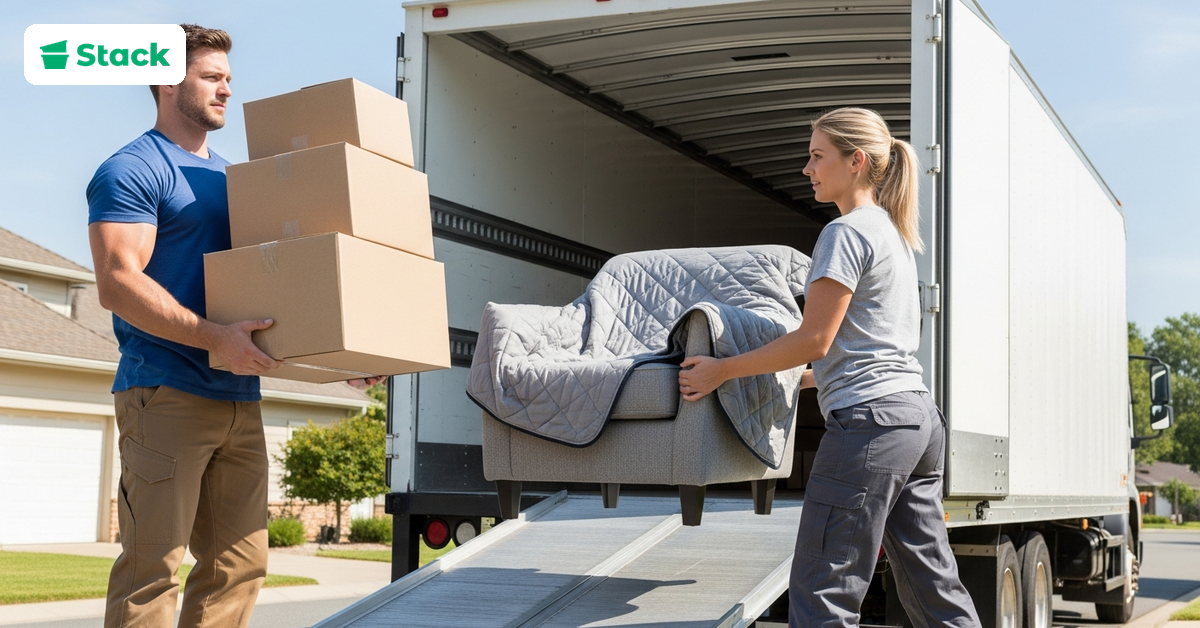
A successful move is a team effort. While your movers bring the experience and equipment, a little preparation on your end can save time, reduce the risk of damage, and make the entire move more efficient. Simple steps before moving day can also reduce unnecessary delays and help your crew focus on transporting your belongings safely. At Stack, we’ve seen that well-prepared homes often lead to smoother moves for everyone involved. Here are five simple ways to help your movers do their work efficiently.
1. Use Plastic Reusable Moving Boxes
One of the easiest ways to enjoy a smooth move is to use reliable packing materials. Switching cardboard boxes with reusable plastic bins can be a game-changer for your move. These bins are uniform in size, making them easier to stack securely in the truck.
They’re also water-resistant and far more durable than traditional boxes, making them more ideal for long-distance moves. Ultimately, these bins save time, reduce waste, and help your movers work more efficiently.
2. Label Boxes Clearly
Whether you’re moving across a short or long distance, if you don’t label your boxes correctly, your movers will waste time figuring out what goes where.
Clearly label your boxes on at least two sides, mention what is in the box, and what room it should be placed in. Another way to organize boxes is to color-code them. This small effort on your part can lead to a much smoother unloading process and fewer questions on moving day.
3. Disassemble Furniture in Advance
If you can, disassemble large furniture ahead of time, because doing so can save your movers a lot of time and effort. Keep hardware like screws and bolts in labeled plastic bags and tape them securely to the corresponding furniture pieces. If you still have the instruction manual, pack it with the parts to make reassembly easier.
4. Clear a Path for Moving
Creating a safe path helps your movers work faster and protects your belongings from unnecessary damage. Use doorstops to keep the doors open during the move-out and move-in process. Make sure all hallways, staircases, and entry points are clear of clutter and obstacles. Also, double-check that your driveway is accessible and legally available for your truck.
5. Keep Kids and Pets Out of the Way
Moving day can be dangerous for your kids and furry friends, making it important to arrange for a friend or sitter to watch them while the move is in session. Pets tend to get anxious with all the commotion that comes with a move, plus small children could unintentionally get in the way.
Keeping them occupied and out of the path prevents accidents and distractions. This lets the movers stay focused and helps the move proceed as quickly and safely as possible.
Are Reusable Moving Boxes Worth It for Long Moves?

Tipping your long-distance movers is ultimately a personal decision, but it’s one of the simplest ways to recognize exceptional service and the hard work that goes into a successful move. Whether you choose to leave a gratuity, offer refreshments, or write a thoughtful review, showing appreciation helps acknowledge the effort your moving crew invested in getting your belongings safely to your new home. Planning ahead, preparing your home, and using durable packing materials can also make the entire moving process easier for both you and your movers.
If you’re planning a local move or moving long distance, our team is ready to help you pack smarter and move with confidence. Reach out to Stack today to reserve your reusable moving bins and make your next move easier from start to finish.
FAQs
The following are answers to common questions about tipping long-distance movers.
Do You Tip Long-Distance Movers Before or After the Move?
The right time to tip your long-distance movers is after the job is complete. Once you’ve confirmed your belongings have arrived safely and you’ve completed a final walkthrough, you can confidently base your tip on the overall service provided. Waiting until the end of the move also gives you the opportunity to recognize movers who remained professional, communicated well, and handled unexpected challenges throughout the job.
Is $100 Per Person a Good Tip for Movers?
It can be. For a demanding long-distance move involving heavy lifting, multiple flights of stairs, or two full days of work, $100 per crew member is often considered a generous tip. For smaller or less complex moves, a lower amount may still be appropriate if it reflects the effort your moving team put into completing the job. The most important factor is matching your gratuity to the quality of the service rather than aiming for a specific dollar amount.
Is It Rude Not to Tip Movers?
No. Tipping movers is customary in the United States, but it isn’t mandatory. If you’re unhappy with the moving services you received because of poor communication, careless handling, or unprofessional behavior, it’s reasonable to reduce your tip or not leave one at all. If your budget is tight, a sincere thank-you, a positive review, or a referral are also meaningful ways to show appreciation.
Do You Tip Both the Loading and Unloading Crews?
If your move involves two different crews, it’s thoughtful to recognize each team separately based on the work they completed. Many long-distance moves have one crew loading the truck and another unloading it at your destination. If you’re unsure how your moving company handles gratuities, ask your move coordinator before moving day so you know the right approach.
Can I Tip Movers With a Credit Card Instead of Cash?
Some moving companies allow customers to add gratuities to a credit card payment, while others encourage tipping in cash. Cash tips are generally preferred because they can be distributed immediately among the crew. If you plan to pay electronically, check with your moving coordinator ahead of time to confirm your available options.
What If I’m Unhappy With the Moving Service?
You should never feel obligated to reward poor service. If your movers damaged your belongings through negligence, arrived unreasonably late without communication, or behaved unprofessionally, it’s appropriate to adjust your gratuity accordingly. Whenever possible, discuss your concerns with the company so they have the opportunity to address the issue.
Do Moving Companies Provide Moving Boxes?
Some professional movers include moving boxes and packing materials as part of a full-service package, while others charge separately or expect customers to supply their own materials. If you’re looking for a cleaner, sturdier alternative to cardboard, Stack’s reusable moving bins help protect your belongings while making packing and unpacking much easier.
What If I Can’t Afford to Tip My Movers?
If tipping isn’t possible, there are still meaningful ways to thank your movers. Offering cold drinks during the move, writing a detailed positive review, recommending the company to friends, or simply thanking each crew member for their hard work are thoughtful gestures that many movers genuinely appreciate. Showing respect and recognizing a job well done can leave just as positive an impression as a cash gratuity.
Rent Plastic Bins for Your Move!
Moving with cardboard boxes is a pain. Get pre-assembled bins delivered to your door and move hassle-free with Stack!
Stack eliminates the need for you to source, break down, or fill up your trash can with cardboard boxes.