
Office Moving Costs: How to Budget for an Office Relocation
Relocating an office is more than just packing and transporting your equipment from one location to another. Think of it instead as a strategic operation that can positively or negatively impact your business. This is because, unlike residential moves, corporate moves are much more expensive, especially for large offices. This is why a well-rounded understanding of the costs involved can help you avoid unexpected expenses.
An office move typically includes packing services, transportation, insurance, and setting up your new workspace. The cost ranges from $1,500 to $30,000, depending primarily on the size of the office. Distance and the required services can also influence your final expense.
Stack Moves offers tailored solutions to make your relocation hassle-free. Our durable and eco-friendly office moving crates simplify packing while reducing waste. Whether you need reliable bins or expert guidance, we provide the tools and expertise to streamline your move. Book an appointment to get started.
This guide will walk you through the factors that influence office moving costs and offer practical tips on how to budget effectively.
Table Of Contents
How Much Does an Office Relocation Cost?

You could spend anything between $1,500 – $30,000 on office relocation costs. On average, it will cost you from $1,500 to $5,000 to move a small office (under 1,500 sq ft), whereas larger moves (5,000+ sq ft) typically range from $15,000 or more. This cost includes packing, transportation, and setup of your new office space.
For DIY moves, the costs are significantly lower since they will focus on the basic things needed, such as rental trucks and packing supplies. The downside of DIY moves is that they require more time and effort from team members, and this could potentially disrupt your business’s operations. Choosing to go with a professional moving service can help you avoid/reduce any operational downtime and streamline the entire moving process. However, the costs associated with hiring movers are far more expensive.
Most moving companies will either charge you per hour or with a flat fee. The average rate per hour is $80, but this can quickly shoot up based on multiple factors, such as the number of laborers needed.
It’s important for you to get multiple quotes from as many reliable businesses as possible. This will give you a chance to compare prices and services and avoid overpaying for anything while still receiving top-notch service.
Components Involved in Office Moving Costs

How much you eventually spend on your office relocation is determined by a number of factors, from the timing to the size of your office. Understanding these factors will help you plan and manage your costs better.
Office Size
The size of your corporate space is the biggest determinant of your total moving cost, as seen in the cost estimation above. Office spaces are typically measured in square feet (sq ft), and the larger your square footage, the higher the cost of your move.
While smaller businesses spend less when moving, it’s crucial not to skimp on key essentials like IT setup and furniture assembly. Failure to do this can potentially disrupt the moving experience and make it less efficient. Larger offices, on the other hand, require months of extensive planning before the actual move and potentially higher insurance coverage.
How Far You’re Moving
Local moves tend to cost less, with rates ranging from $80 to $200 per hour, whereas long-distance moves can cost much more. This is due to the additional costs of fuel, toll fees, accommodation, etc.
What Service Do You Need
Another factor that can influence your moving cost is the type of service you use. Commercial moving services can save you time and reduce your stress, but at an added expense. Their services will typically include packing materials, careful handling of your office equipment, and a seamless unpacking process at your new location. This is a great option for anyone looking to minimize operational downtime and who doesn’t mind spending a little extra to achieve that.
If you have a lot of specialty items, like IT equipment and heavy furniture, the cost of your move can also increase. Sensitive items like these require specialized handling to prevent damage, which sometimes requires more manpower or the use of specialized equipment.
When Do You Plan to Move?
The timing of your move is another factor that plays a role in determining your total cost. Peak moving seasons, such as summer and over the weekends, often come with higher rates due to the increased demand. By scheduling your move outside this period, you can save on costs by securing better prices.
Additionally, how quickly you want to move can also influence how much you spend. If you are looking for a quick relocation, you will have to pay more for the movers to prioritize your job over others. For them, this means working overnight or allocating additional resources. While efficient, it can quickly drive up costs beyond your budget. Careful planning will help you minimize the need for premium services like this.
Permits and Regulations
Most cities have specific requirements for moves, which could also add to your overall cost. For example, some locations require you to get a permit for large trucks, especially in urban areas with strict traffic regulations. These permits are essential to avoid fines or delays during the move.
Another area to pay attention to is parking and loading zones. Reserving space for moving trucks, particularly in busy city centers, may incur additional charges. Without making these arrangements, movers can have a hard time accessing your office, which ultimately means higher labor costs due to delays and increased labor time.
Recurring Costs of Office Moves
An example of such costs is your lease. During the transition, you may end up having to pay rent for both your old and new offices. This happens a lot when your moving date doesn’t align perfectly with the end of your current lease. Another area where we see something like this is in maintaining your utilities and addressing office maintenance requirements such as cleaning and repairs.
Hidden Costs in Office Relocations

Just like with residential moves, corporate moves are also riddled with hidden costs that could catch businesses off guard if not properly planned for.
Downtime and Productivity Loss – One of the biggest problems faced during any move is delays, and this could have a ripple effect on the productivity level of your employees. Each hour of downtime means lost revenue and disruptions to client service. Your staff may also have a hard time adapting to the temporary working conditions provided. To avoid situations like this, it helps to plan your move outside business hours or make provisions for key operations to continue from a convenient remote location.
Insurance and Liability – Another commonly overlooked area is insurance for your equipment and furnishings. Accidents are unpredictable; that’s why you should be ready in case they happen. With adequate insurance coverage, you minimize the risk of having to replace or repair expensive equipment. However, keep in mind that not all moving companies provide insurance as part of their service, and this means you might have to purchase a policy separately.
IT and Infrastructure Setup – IT and infrastructure setup at your new location can be a significant expense. Many don’t realize that rewiring your internet, phone systems, and power outlets is a specialized service, which means added costs.
Post-Move Adjustments – Another area where we see hidden expenses is in post-move adjustments. For example, your vacated space will need cleaning and maintenance. Additionally, your new office may need some purchases to bring the place together. Some of the items you may have to buy include office supplies, office decor, and furniture. Factoring these into your budget will help you make sure the new office is comfortable for your team.
Cancellation or Rescheduling Fees – Any unexpected changes to your moving schedule can attract cancellation or rescheduling fees. To avoid these fees, create flexible timelines that accommodate unforeseen circumstances.
Should You Tip Professional Movers?
Tipping your movers is customary but not mandatory. Keep in mind that the essence of tipping is to show appreciation for hard work, excellent service, or navigating challenging situations. If you choose to tip your movers, the appropriate range is 10% – 15% of your total bill or a flat rate per mover. While this may not seem like a hidden cost, it’s worth factoring into your moving budget.
How to Budget for an Office Move

A move is a costly and complex endeavor, which is why it should be budgeted properly. By accounting for all potential expenses, you’re almost guaranteed a smoother transition while avoiding financial surprises.
Assess Moving Needs
Start by listing everything you’d be moving to the new location, including furniture, electronics, and office supplies. Tools such as a moving box calculator can simplify your move by helping you estimate the number of boxes needed for your move. Don’t forget that specialized equipment and large furniture will need professional handling. Taking note of this during your initial assessment will help you come up with a more accurate cost estimate.
Obtain Quotes
Reach out to multiple moving companies so that you can get a clear picture of what services come at what price range. Be sure to have these quotes include relevant services such as storage and insurance in addition to the usual transportation.
Include Additional Expenses
A move goes beyond transportation alone. Other potential cost elements include storage, professional packing services, set-up costs for the new office, and signage updates. These extra expenses add up quickly and should not be overlooked.
Allocate a Contingency Fund
Set aside 10–15% of your moving budget as a contingency fund to prepare for any surprises, such as delays or last-minute packing needs. This will cushion the effect of any unforeseen expenses without putting a strain on your finances.
Monitor Spending
Budgeting tools such as spreadsheets can help you track your expenses throughout your move. To stay on top of your finances, keep a record of all received quotes, as well as all payments made. Additionally, you should also include any unexpected costs you’ve encountered in this documentation. But don’t stop there! Review all the data you’ve collected to confirm you’re within your budget and to make any necessary adjustments.
Tips on How to Save On Office Moving Costs
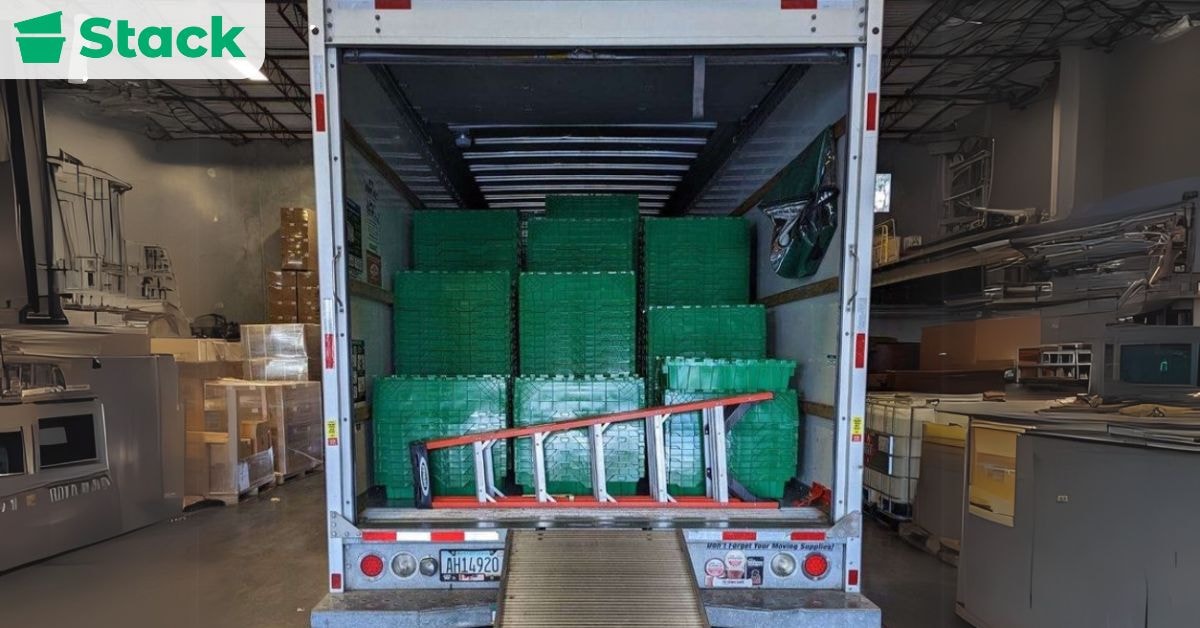
Corporate moves don’t always have to break the bank. While they tend to be more expensive than residential moves, this doesn’t mean there aren’t ways to cut down on moving expenses.
Planning Ahead and Choose Off-Peak Seasons- Book your movers early to secure the best rates. Try to avoid peak moving seasons such as summer months and the weekend. Movers tend to charge less when demand is lower, making this a great cost-saving strategy.
Decluttering Before the Move – Downsizing can do more than lower your transportation costs; it can also generate extra funds. Selling or donating furniture and equipment that’s no longer needed can translate to lower costs since fewer items are being moved.
Leveraging Tax Deductions – Some relocation expenses are tax deductible for businesses. A detailed record of all your moving expenses can help you maximize your tax deductions during tax season.
Rent Moving Boxes – Renting moving boxes is a less expensive and more sustainable alternative to buying them. In addition to their durability, they are also convenient, as most rental companies can deliver them to you and pick them up after your move.
Bundle Services – If you find a mover that offers bundle services, you should prioritize them over others. Bundle services typically include packing, transportation, and setup, which can save you money compared to paying for these services individually.
Hire Local Movers – Local companies are familiar with local regulations, which translates to efficiency since they already know everything required for a successful office move in your area.
How to Successfully Relocate Your Office

Relocating your office is no joke, and unless you’ve planned for it adequately, the disruptions in workflow could cost you more than you could imagine. A structured approach to an office starts with simply using an office moving checklist to stay organized and avoid common pitfalls.
- Set a realistic timeline for the move (ideally 3-6 months). This gives you enough time to plan for logistics, manage tasks, and address any unexpected challenges that might come up.
- Assign roles to team members to oversee key aspects of the move. Clear delegation helps keep the process organized and efficient.
- Create a moving budget that includes moving company costs, insurance, and expenses for setting up equipment at the new location.
- Inform employees, clients, and suppliers early on about the move. Clear communication minimizes confusion and allows everyone to transition smoothly.
- Update your company’s contact information in your email signatures, on your website, social media pages, and business cards so that clients and partners can easily reach you.
- Categorize items to move (e.g., office furniture, files, IT equipment). Taking this systematic approach to packing and unpacking makes setting up the new office much more efficient.
- Rent moving boxes to optimize packing and reduce waste.
- Ensure smooth logistics by confirming dates and arrival times. Verifying these details will help you steer clear of delays that could hinder a seamless moving day experience.
- Test all systems (IT, phones, etc.) before employees return to work. This will help you address issues beforehand and prevent downtime.
- Unpack in an organized manner to avoid confusion and downtime. Start with priority areas like workstations and IT equipment to restore operations quickly.
Want to Ensure a Successful Office Relocation?
Corporate moves are a complex process, but with enough planning and the right tools, they can be an efficient transition. It helps to set a realistic timeline for your move, work with a budget, categorize your items, and ensure all systems are operational before reopening the business.
Enjoy a smooth transition by partnering with Stack Moves for your office relocation. Our expertise in moves combined with our moving bins for rent simplifies the entire moving process, saving you time and money to focus on what matters the most – your business. Contact us today!
Rent Plastic Bins for Your Move!
Moving with cardboard boxes is a pain. Get pre-assembled bins delivered to your door and move hassle-free with Stack!
Stack eliminates the need for you to source, break down, or fill up your trash can with cardboard boxes.