
Things to Do When Moving Out of a House
From arranging the logistics of your move to organizing your belongings, moving out requires thorough planning and coordination to enjoy a smooth transition to your new home.
When moving out of a house, start by decluttering and creating a moving-out checklist. As you prepare for your move, try to source high-quality moving boxes to pack all your belongings room by room. Also, decide whether you will rent a moving truck, hire a moving company, or transport your belongings yourself. Lastly, notify all important parties, such as your landlord and utility company, about your move.
For a more sustainable and efficient packing solution, consider renting moving bins from Stack Moves. Our reusable bins simplify the packing process while reducing waste. To learn more about how our containers can streamline your moving process, contact us today.
This blog post will serve as a guide on everything you need to know about moving out, including a step-by-step checklist, expected costs, and budget-friendly tips to make your move as stress-free as possible.
Table Of Contents
6 Things to Do When Moving Out of a House
Packing is just one piece of the moving puzzle. A successful move involves juggling multiple tasks, which oftentimes feels like a lot to handle. However, breaking the process down into manageable steps can help reduce the chaos and keep things on track.
In this guide, you’ll learn:
- How to create a checklist for moving out
- How to make a plan for your move
- How to pack like a pro for a moving day
- How to finalize your moving process
- How to organize your moving day
- How to settle comfortably into your new home
1. Create a Moving-Out Checklist

The cornerstone of every successful move is a detailed moving checklist. During this hectic period, a moving-out list will help you stay organized and ensure that no tasks are left undone. The best moving checklists break down processes into manageable steps to help you stay on track and reduce stress. Some key items to include on your list are:
- Gathering important documents: Secure all personal documents, such as passports, birth certificates, and lease agreements
- Sorting and decluttering: Decide what to keep, donate, or toss out to lighten your load.
- Scheduling a cleaning: Make arrangements for a deep cleaning session so the house is left in top shape for its new owner.
- Notifying utility providers: Schedule shut-off periods for utilities and set up services at your new home.
2. Preparing for the Move
As we mentioned earlier, with adequate planning, your move will be hassle-free. For example, booking a moving company weeks in advance is a simple step that can help you avoid any last-minute chaos when moving day arrives. Carving out time to organize your move through easy steps like this can make the move far less overwhelming. Remember that the earlier you prepare, the more control you’ll have over how your relocation unfolds.
Setting a Moving Date
To make the move more affordable, avoid peak moving seasons. We recommend moving over the weekends so that you can skip the stress of getting time off work. Be sure to check your work schedule, lease agreements, and any other commitments before choosing a date to avoid any conflicts. This will save you time and money from rescheduling along the line.
Declutter and Organize Your Belongings
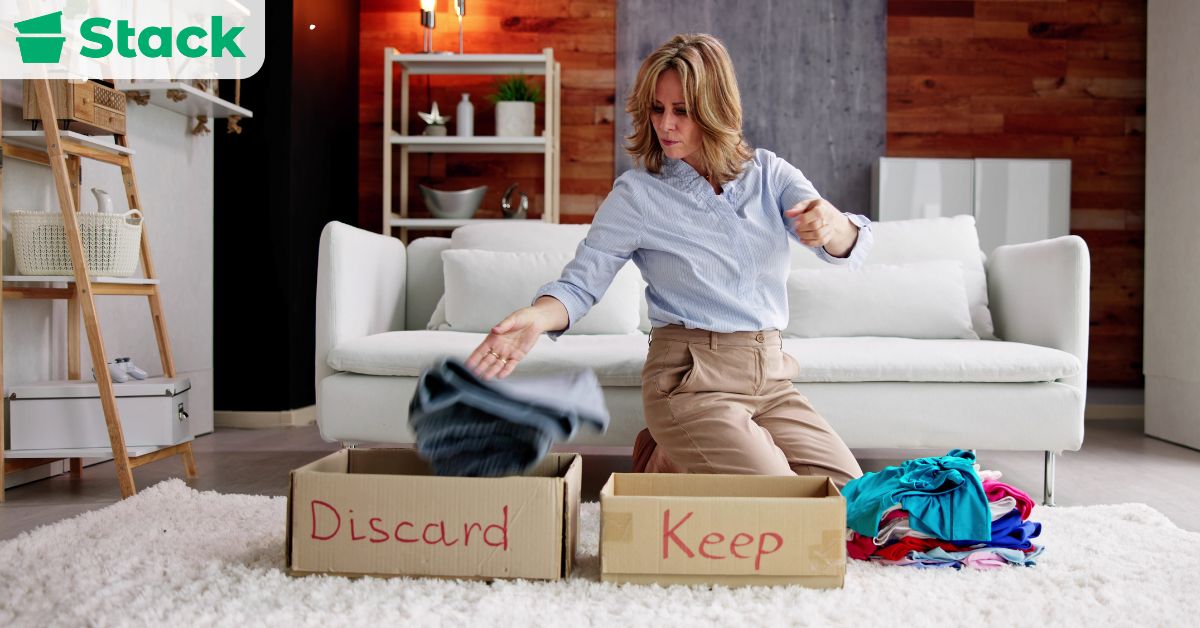
Decluttering before you start packing saves you time and reduces your moving expenses since you’d have fewer items to pack. A good place to start is by sorting your belongings into four categories: keep, donate, sell, or discard.
One of the easiest ways to discard unwanted items is to host a garage sale. Alternatively, you could sell these items online on platforms like Facebook Marketplace and eBay. Items that are not up for sale could be donated to local charities to support people in need. For items that have outlived their purpose, consider recycling them instead of just tossing them to reduce waste. Using any of these steps to declutter will help others or the planet in the process.
Ensure You Have the Right Packing Supplies
Your move would be nearly impossible without the right packing supplies. Basic items you’ll need for any move include:
- Moving boxes
- Packing tape
- Scissors
- Bubble wrap/packing paper/packing peanuts
- Markers and labels
Instead of the traditional cardboard boxes, consider opting for plastic bins. These eco-friendly moving boxes reduce waste and are sturdy enough to withstand the rough handling of a move. Not to mention, most rental companies, like Stack Moves, can deliver these bins to your doorstep and pick them up after your move.
How Many Moving Boxes Will You Need?
While there isn’t a standard way to calculate how many boxes you’d need for a move, you can get a close estimate by paying attention to the size of your home and how much property you have. Our moving box calculator takes away the guesswork and provides an accurate estimate of how many boxes you’ll need for your move.
3. Pack Strategically

Contrary to what most people believe, you don’t have to wait until you are weeks away from your moving day to start packing. You can start packing nonessential items like seasonal decorations and rarely used kitchen items months in advance. For a seamless packing experience, take some time to read online resources on how to pack before moving.
Pack your belongings by tackling one room at a time. This method keeps things orderly and makes all the unloading much faster. Some areas, like your bathroom, will require special attention. For example, packing bathroom items means sorting through toiletries and properly sealing liquids to avoid leaks.
For your valuable keepsakes, use padded packing materials like bubble wrap to protect your breakable items. Decide what items you’ll pack in a box and what you’ll carry personally during the move. Keep an essential items box containing all must-have items like toiletries and clothes separately for easy access.
How to Pack Fragile Items
To safeguard your delicate belongings:
- Use bubble wrap, newspapers, or towels to cushion fragile items.
- Place your lighter items on top of heavier ones.
- Clearly label boxes as “FRAGILE” to ensure movers handle them with care. Remember that there is a right way to label your boxes, and knowing how to label boxes properly will protect your items and contribute to a less stressful move.
4. Finalizing the Move-Out

In this stage, you only need to tie up all the loose ends and prepare the house for its next occupants.
Cleaning the House
There are two reasons to clean up your home before you leave. First, it is a courtesy to the new owners, and it may be a requirement by your landlord. Whatever the case, you should decide whether you will be cleaning the house yourself or using a professional cleaning service. If you decide to clean yourself, you will need to purchase some basic cleaning supplies like glass cleaners, detergent, dishwashing soap, etc.
Notify Relevant Parties About Your Move
Some essential organizations and stakeholders should be aware of your move. These are your utility companies, banks, postal service, etc. Utility companies should be notified of your move so they can transfer or disconnect your electricity, water, and gas. Another party to be informed of your move is your postal service so that you can keep receiving your mail as usual.
Additionally, critical services like your bank and insurance providers should have your updated address so you can avoid missing important communications or payments. Make a checklist to guarantee you don’t forget to notify any of these important providers.
Completing Final Home Check
Before locking up, go through the house one last time:
- Check that there are no forgotten items in any rooms, closets, or storage spaces
- Inspect any damages or repairs to address before handing over the keys and take photos of the property for your record
5. How to Organize Moving Day

Moving day comes with a lot of stress, but with proper organization, it can shift from chaotic to manageable. First, decide if you want to rent a moving truck or hire a professional moving company. Professional movers are ideal for long-distance trips if you would rather not handle the move yourself. A cost-effective alternative is to hire a moving truck. This is better for smaller moves.
If you have children or a pet, it’s best to arrange for childcare or a pet sitter. If you can’t afford this, you can keep your kids engaged with toys, snacks, and activities while you focus on your move. When dealing with pets, a quiet space with familiar items will keep them calm. The final step is to create a timeline to help you stay on track.
6. Settle Into Your New Home
You’ve finally moved, and all that’s left is to settle into your new home. Start with unpacking your items. If you followed our previous advice of packing room by room, you can unpack the same way. Next, ensure that everyone who should have your new address has it.
Lastly, meet your neighbors and explore your new community. Build connections by attending local events, joining community clubs and groups, and taking trips to the park and coffee shops. Consider volunteering at local initiatives or participating in hobby-based meetups. You can also try to strike up a conversation with your neighbor during casual encounters, such as checking your mail.
How Much Does It Cost to Move Out of a House?

Whether you’re moving to a furnished or unfurnished place, some expenses can’t be avoided. Understanding the key expenses involved will help you budget effectively and avoid unnecessary stress. To help you navigate these expenses, we compiled a list of expenses when moving out that covers everything you need to consider.
Expenses to Consider:
- Cost of movers vs. DIY: Moving companies charge based on distance, size, and sometimes the duration of your move.
- Packing materials: The cost of moving supplies can quickly add up. One way to save money here is to rent moving boxes instead of buying them.
- Travel costs to the new location: If you are moving a long distance, account for fuel, meals, and accommodation.
- Potential deposit/fees for the new home: You will need to pay a security deposit and application fees for your new residence.
How to Budget and Save Money During Your Move
- Plan ahead: Book movers or rental trucks early so you can secure lower rates.
- DIY Packing: Pack your belongings yourself to save on labor costs. This is a budget-friendly option that can help you keep your moving costs in check.
- Rent moving boxes: Take the cost-effective route of renting your moving boxes instead of buying them or sourcing free boxes that may be of low quality.
- Declutter: Sell or donate unnecessary items to reduce how much you have to move, saving you time and money.
Need Moving Boxes to Rent?
Despite the stress, moving can be much more manageable with careful planning and the right resources. Some key takeaways for a stress-free move include creating a moving checklist, decluttering, and staying on schedule.
While moving can be challenging, careful planning and organization make it manageable.
If you’re looking for a hassle-free way to handle your packing, Stack Moves is here to help. Our moving box rental service makes packing and moving easier than ever. No need to worry about finding the right box size for your items —just rent, pack, and move! Contact us today to get started!
Rent Plastic Bins for Your Move!
Moving with cardboard boxes is a pain. Get pre-assembled bins delivered to your door and move hassle-free with Stack!
Stack eliminates the need for you to source, break down, or fill up your trash can with cardboard boxes.