
How Much Do Movers Cost for a 2-Bedroom Apartment?
Getting moving quotes can be confusing. One company says it’ll cost $900, another comes back at almost double, and suddenly you’re wondering what a 2-bedroom apartment should actually cost to move.
Planning a move is easier when you know what to expect, especially when it comes to costs. For the past three years, Stack has helped homeowners and businesses move more efficiently with durable, reusable moving bins delivered directly to their door. Made from recycled plastic, our bins provide a more convenient, sustainable alternative to traditional cardboard boxes and can help customers save up to 40% on moving supplies. Contact Stack today to reserve your moving bins and make your next move simpler, more organized, and more cost-effective.
In this guide, we’ll break down the average price, explain why quotes can vary so much, and share a few practical ways to keep your moving costs under control.
Table Of Contents
- How Much Do Movers Cost for a 2-Bedroom Apartment?
- Why Does the Price of Moving Change So Much?
- How Can You Spend Less on Your Move?
- Is Hiring Professional Movers Worth It?
- How Many Moving Boxes Do You Need for a 2-Bedroom Apartment?
- Need Help With Moving?
- Frequently Asked Questions
- How much does it cost to move a 2-bedroom apartment?
- How long does it take to move a 2-bedroom apartment?
- Is it cheaper to move yourself or hire professional movers?
- How many moving boxes do I need for a 2-bedroom apartment?
- Are reusable moving bins better than cardboard boxes?
- When should I book movers for a 2-bedroom apartment?
- What’s included in a professional moving quote?
How Much Do Movers Cost for a 2-Bedroom Apartment?

If you’ve started collecting moving quotes, you’ve probably noticed something already. The prices can be all over the place. One company quotes a few hundred dollars more than the next, and suddenly you’re wondering what a move should actually cost.
For most local moves, hiring professional movers for a 2-bedroom apartment typically costs between $700 and $1,400. Planning a long-distance move instead? You’re generally looking at $4,100 to $8,500 or more, depending on how far you’re going, how much you’re moving, and any extra services you need.
Here’s a quick look at what those costs usually include.
| Move Type | Typical Cost | How Pricing Works |
|---|---|---|
| Local move (under 50 miles) | $700–$1,400 | Usually charged by the hour |
| Average local move (U.S.) | Around $1,250 | Labor, truck, and travel time |
| Long-distance move | $4,100–$8,500+ | Based on weight and distance |
| Average 1,000-mile move | Around $4,890 | Transportation, weight, and mileage |
Don’t assume a local move will automatically be cheap. A building without an elevator, a long walk from your apartment to the truck, or a home filled with heavy furniture can all push the price up because the move takes longer.
Long-distance pricing works differently. Instead of watching the clock, professional moving companies usually focus on the weight of your belongings, the distance you’re travelling, and any additional services you request. That’s why two people moving the same distance can end up paying very different amounts.
Why Does the Price of Moving Change So Much?
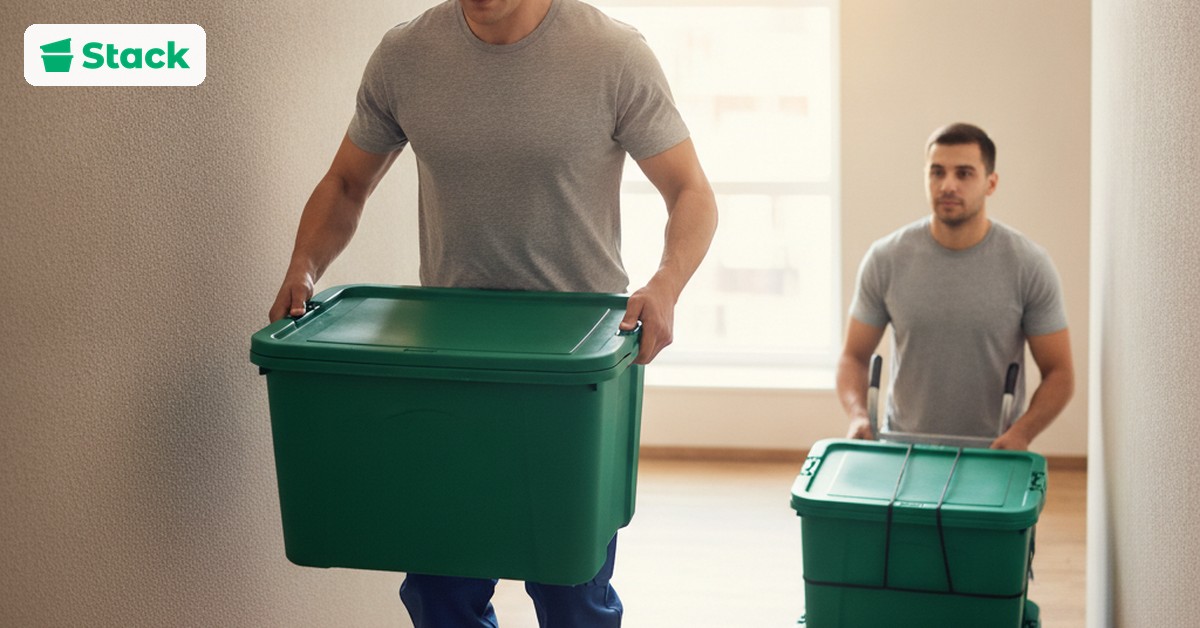
Here’s something we hear all the time.
“I got two quotes for the same apartment. Why is one so much more expensive?”
It’s a fair question, and the answer usually isn’t that one company is overcharging. More often than not, they’re looking at different parts of your move.
Whenever someone asks us why prices vary so much, we walk them through what we call the D.O.L.L.A.R. Rule. These are the six things that have the biggest impact on what you’ll end up paying.
D: Distance
Distance is usually the first thing people think about, and for good reason. The farther you’re moving, the more your move is likely to cost. Local movers often charge by the hour, while long-distance movers build their pricing around mileage, shipment weight, and travel costs.
O: Overall Size of Your Move
This catches a lot of people off guard. A 2-bedroom apartment doesn’t tell movers very much. What matters is how much you’re actually moving. A home with a few essentials will usually cost less to move than one packed with oversized furniture, dozens of boxes, and years of accumulated belongings.
L: Labor
Every move needs people to get the job done, but not every move needs the same number of movers. A simple ground-floor apartment might only need a small crew, while heavy furniture, narrow staircases, or tricky access points can mean extra hands and extra time. Both affect the final price.
L: Little Extras
This is where moving costs can quietly creep up. Packing services, appliance preparation, bulky items, long carries from your apartment to the truck, and specialty moves all come with additional work. Before you compare quotes, check what’s included so you’re making a fair comparison.
A: Around the Calendar
Your moving date can make a bigger difference than you might expect. Summer weekends are usually the busiest time of year, which often means higher demand and higher prices. If your schedule is flexible, moving during the week or in the middle of the month could help you save.
R: Risk
Nobody expects anything to go wrong, but it’s still worth understanding what happens if it does. Most professional movers include basic valuation coverage, and many offer additional protection for high-value items. Knowing your options before moving day can give you one less thing to worry about.
How Can You Spend Less on Your Move?
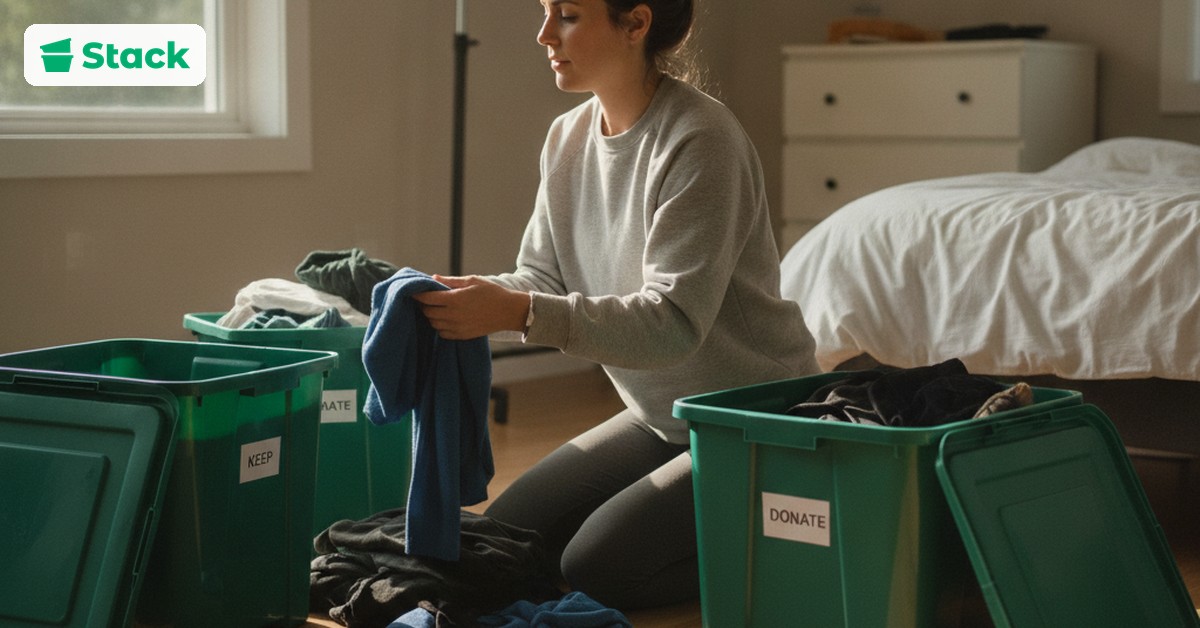
Here’s the thing. Most people don’t blow their moving budget because of one big mistake. It’s usually a handful of small decisions that add up before moving day even arrives.
The good news is that a little planning can go a long way. These are some of the easiest ways to keep your moving costs under control without making the move any harder than it needs to be.
Declutter Before You Pack
Moving companies don’t charge based on how attached you are to your belongings. They charge based on how much they have to move. Before you start packing, take a look around and be honest about what you still use. Fewer boxes usually mean less time, less labor, and a lower bill.
Don’t Stop at the First Quote
It’s tempting to book the first company that gives you a reasonable price, especially when you’re juggling everything else on your to-do list. But taking the time to compare a few quotes can pay off. Just make sure you’re comparing the same services, because the cheapest estimate isn’t always the best value.
Be Flexible With Your Moving Date
If your schedule allows it, avoid the busiest moving days. Summer weekends are in high demand, which often means higher prices and fewer time slots to choose from. A weekday or mid-month move could help you save without changing anything else about your plans.
Pack What You Can Yourself
You don’t have to do everything on your own, but packing everyday items before the movers arrive can reduce the amount of time they spend on the job. Clothes, books, decorations, and kitchen items are all good places to start. Just label your boxes clearly so unpacking is a little easier on the other side.
Rethink the Cardboard Box
Most people buy more cardboard boxes than they actually need. Reusable moving bins are sturdier, easier to stack, and don’t leave you with a pile of flattened boxes once you’ve unpacked. If they’re available in your area, they can be a practical alternative that’s easier on both your budget and the environment.
Is Hiring Professional Movers Worth It?
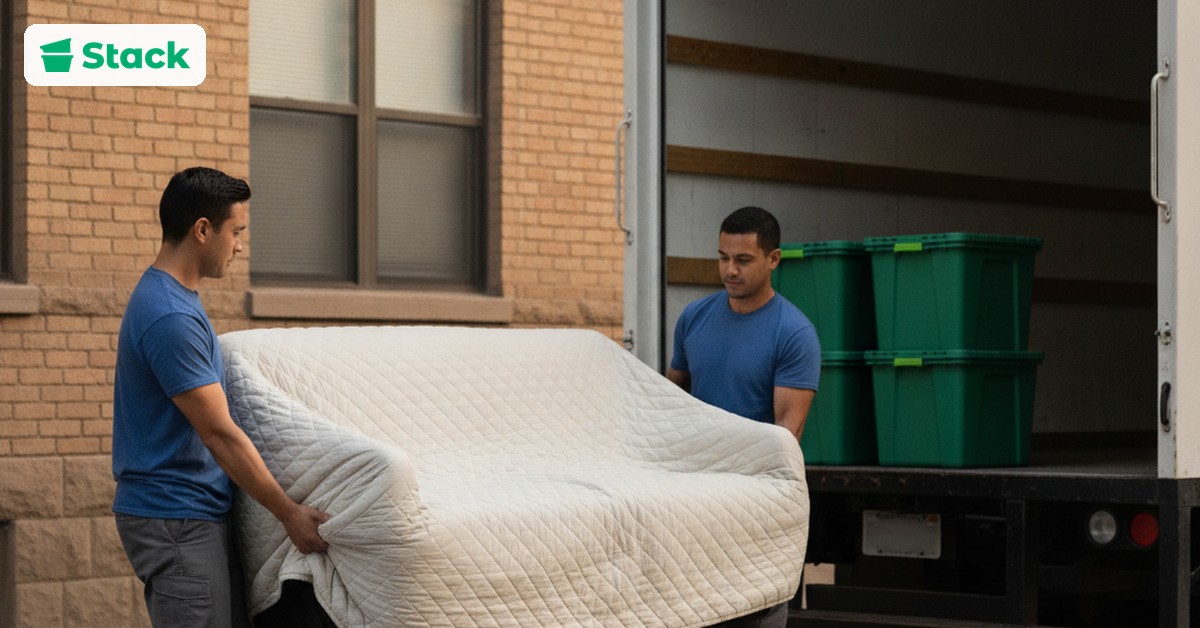
If you’ve ever considered moving everything yourself, you’ve probably had the same thought most people do.
“How hard can it be?”
Then moving day arrives.
Suddenly you’re figuring out how to get a sofa around a tight corner, carrying boxes in the summer heat, and wondering why you own so much stuff in the first place.
You’re Paying for More Than a Moving Truck
Hiring professional movers isn’t just about saving yourself from heavy lifting. You’re also paying for people who know how to move bulky furniture, protect fragile belongings, and get everything loaded and unloaded as efficiently as possible.
As moving expert Michael Weaeedian puts it, “The goal isn’t just to move faster. It’s to make moving day feel manageable.” That’s exactly what experienced movers bring to the table. They don’t just move your belongings. They help take the pressure off one of the busiest days you’ll have all year.
A Good Moving Estimate Can Save You Money
One of the easiest ways to avoid unexpected costs is to understand exactly what you’re paying for before moving day. The Federal Motor Carrier Safety Administration (FMCSA) recommends getting a written estimate that clearly outlines transportation charges, additional services, and any fees that could apply if your move changes. Taking a few minutes to review the estimate now can save you from unpleasant surprises later.
Sometimes DIY Costs More Than You Expect
Renting a truck might seem like the cheaper option at first. Then you start adding fuel, mileage, moving equipment, packing supplies, and maybe even a day off work. By the time everything is added up, the gap between doing it yourself and hiring professional movers is often smaller than people expect. For many households, the extra convenience is well worth the difference.
Experience Matters More Than You Think
Anyone can carry a box. Moving a solid wood dresser through a narrow hallway without scratching the walls or damaging the furniture takes practice. That’s where experienced movers earn their keep.
They’ve handled awkward staircases, tight corners, oversized sectionals, and fragile items hundreds of times before. It’s the kind of experience that’s difficult to appreciate until you’re standing in your living room wondering how your sofa is ever going to fit through the front door.
How Many Moving Boxes Do You Need for a 2-Bedroom Apartment?
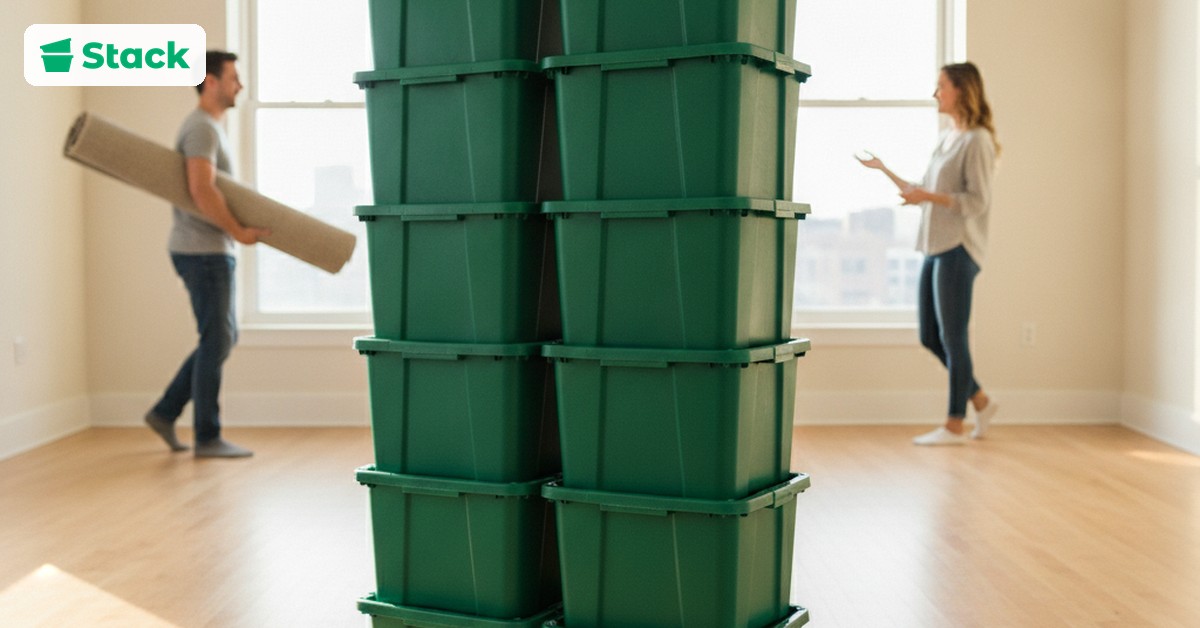
Packing always seems simple at first.
Then you open the kitchen cupboards, look inside the hallway closet, and suddenly you’re wondering where all this stuff came from.
For most 2-bedroom apartments, you’ll need somewhere between 40 and 70 moving boxes. The exact number depends on how long you’ve lived there, how much you own, and whether you’ve taken the time to declutter before moving day.
Here’s a general guide to help you estimate.
| Home Size | Estimated Number of Boxes |
|---|---|
| Minimal belongings | 40–50 boxes |
| Average 2-bedroom apartment | 50–60 boxes |
| Larger household or extra storage | 60–70+ boxes |
Not every box should be the same size. Heavy items like books, tools, and dishes are easier to carry in smaller boxes, while pillows, bedding, and other lightweight items are better suited to larger ones. Mixing the right box sizes makes packing safer and unloading much easier.
Still not sure how many boxes you’ll need? Try Stack’s Moving Box Calculator for calculating moving costs and for a more personalized estimate based on your home and the number of rooms you’re packing. It’s a simple way to save money, avoid buying too many boxes or running out halfway through the job.
If you’re looking for an alternative to cardboard, reusable moving bins are worth considering. They’re sturdy, stack neatly, and don’t leave you with piles of flattened boxes once you’ve unpacked. Sometimes the easiest way to make moving day simpler is to start with better packing supplies.
Need Help With Moving?
By now, you’ve probably realised there isn’t one fixed price for moving a 2-bedroom apartment. Every move is different, and that’s why two people with similar homes can end up with very different quotes. Once you understand what affects the cost, it’s much easier to compare estimates, spot unnecessary fees, and decide where it’s worth spending a little more.
The packing supplies you choose can make a difference too. Strong, reusable moving bins protect your belongings better than worn-out cardboard boxes, stack neatly in the truck, and make both packing and unpacking much easier. They’re a simple upgrade that can save time, reduce waste, and take a bit of the stress out of moving day.
If you’re getting ready for your next move, Stack Moves is here to help. Our reusable moving bin rentals are designed to make packing simpler, keep your belongings protected, and help you move with confidence. Get in touch with our team for a personalized quote and let’s make your next move a little easier.
Frequently Asked Questions
We've answered your most common questions about the cost of moving a 2-bedroom apartment to help you plan smarter and budget with confidence.
How much does it cost to move a 2-bedroom apartment?
The cost of moving a 2-bedroom apartment depends on factors like distance, the amount of furniture you have, the time of year, and any additional services you need. Local moves typically cost less than long-distance relocations, so it’s always worth getting a personalized quote before booking.
How long does it take to move a 2-bedroom apartment?
Most local moves take between four and eight hours. The exact timeline depends on how much you own, how easy your home is to access, and whether you’ve packed everything before the movers arrive.
Is it cheaper to move yourself or hire professional movers?
It depends. Renting a truck may have a lower upfront cost, but you’ll also need to factor in fuel, equipment, packing supplies, and your time. Once everything is added together, hiring professional movers is often more affordable than people expect.
How many moving boxes do I need for a 2-bedroom apartment?
Most households need between 40 and 70 moving boxes. If you’ve recently decluttered, you may need fewer, while larger households or homes with extra storage often require more.
Are reusable moving bins better than cardboard boxes?
For many moves, yes. Reusable moving bins are sturdier, stack more securely, and help protect your belongings from moisture and crushing. They also save you from buying, assembling, and recycling dozens of cardboard boxes after the move.
When should I book movers for a 2-bedroom apartment?
Booking four to eight weeks in advance is a good rule of thumb, especially if you’re moving during summer or at the end of the month when demand is usually higher. Planning ahead gives you more flexibility and a better chance of securing your preferred moving date.
What’s included in a professional moving quote?
Most moving quotes include transportation, loading, unloading, and basic labour. Depending on the company, you may also be able to add packing services, storage, specialty item handling, or reusable moving bin rentals, so it’s always worth reviewing your estimate carefully before booking.
Rent Plastic Bins for Your Move!
Moving with cardboard boxes is a pain. Get pre-assembled bins delivered to your door and move hassle-free with Stack!
Stack eliminates the need for you to source, break down, or fill up your trash can with cardboard boxes.