
How to Organize Moving Boxes Like a Pro
If you’re looking for efficient ways to organize your moving boxes, you’re in the right place. Getting this step right in the moving process can save you hours of frustration and even cut down your moving costs. The best way to organize moving boxes is to keep the same-sized boxes together, stack lighter boxes on top of heavier ones, and clearly label them so nothing gets misplaced along the way.
Enjoy a hassle-free move with Stack Moves‘ durable moving bins for rent. Trusted by hundreds of movers, our reliable and stackable bins fit neatly into your truck, helping you to save space and cut moving costs. Schedule your moving boxes today!
In this guide, you’ll learn every step of organizing moving boxes, from sorting items to labeling. We’ll also share proven moving tips that save time, protect fragile belongings, and make unpacking less stressful.
Table Of Contents
How to Organize Moving Boxes for a Stress-Free Move

Without proper organization, it’s easy to forget essential items, leading to last-minute scrambling to find extra packing supplies. To help you stay organized and make your move as smooth as possible, here’s a practical guide on how to pack and arrange your moving boxes effectively.
1. Sort and Group Items Before Boxing
Before you begin packing, please take a moment to organize your belongings by category and room. Once grouped, you’ll find it easier to decide which box size works best and how to label them for moving. Another big advantage of decluttering is that you save money on supplies because you won’t need as many for items you no longer want. Start packing by grouping items such as books, clothes, kitchen tools, and picture frames into piles before putting them into boxes.
2. Choose the Right Box for Each Item
Using the wrong box can easily result in broken items or wasted space in your moving truck. For example, overpacking in a large box often leads to torn boxes or even back injuries from lifting. Specialty boxes are the best option when packing fragile items like dishes or hanging clothes. They provide the best protection for fragile items, despite being more costly than standard cardboard boxes.
To save money, consider using a combination of specialty boxes with standard cardboard boxes. Always reinforce the bottom and sides of cardboard boxes with strong packing tape to keep them from collapsing under heavy weight. With plastic moving bins, this step isn’t necessary because they are built to carry heavy loads without tearing.
3. Pack Boxes Without Overloading
One of the most important packing tips is to avoid overloading boxes. Overfilled boxes are harder to lift, more likely to break, and unsafe for movers to handle. A sensible rule is to keep boxes under 50 pounds, no matter the size. The major benefit of following this method is avoiding accidents, although it also means you will need more boxes overall.
Place heavier items at the bottom and lighter belongings on top to distribute weight evenly. This method protects fragile belongings like picture frames or glassware from crushing. Another mistake people make is trying to fit all the contents from a single room into the same box, which can make the boxes far too heavy.
Remember that overloading makes stacking boxes in the truck difficult, which can lead to more damage. Instead, mix heavier belongings with lighter fillers, like clothing or towels, to balance the weight.
4. Clearly Label Each Box
Without labels, unpacking becomes chaotic because you won’t know what’s inside each box or which room it belongs to. The most effective method of labeling boxes is to write the contents of the box and the room it belongs to. Use permanent markers to label at least two sides and the top of each box for easy visibility.
Another method of labeling boxes is by color-coding them, for example, blue for the bathroom, red for the kitchen, and so on. This method speeds up unloading since movers know exactly where each box should go. Although labeling your boxes will take extra time during packing, it will save you hours when unpacking. But overall, labeling ensures nothing important gets misplaced.
5. Number and Track Boxes with an Inventory List
In addition to labeling, you should also number each box and connect it back to your inventory list to add an extra layer of organization. Numbering each box lets you know exactly where everything is, and if you misplace a box, your list will help you quickly identify what’s missing.
Create a master list that matches box numbers to their contents and destination room. You can do this with a spreadsheet, a printed checklist, or even moving apps like Sortly. Update the master list each time you seal and label a box so you don’t forget.
6. Stack Boxes by Weight and Fragility
The general rule is to place heavier boxes at the bottom and lighter or fragile ones on top. This prevents breakage and helps keep stacks stable in the moving truck. Movers also prefer well-organized stacks since they can move them more safely.
Stack larger items or awkwardly shaped items against the truck’s walls. Also fill gaps with smaller boxes to maximize space. For fragile items like dishes, mark the box clearly and avoid stacking anything on top. Another helpful moving tip is to keep boxes of similar sizes together so they stack evenly. Using durable bins or sturdy used boxes can reduce the risk of collapse, especially for heavier loads.
7. Separate Essentials and Open First Boxes
Consider preparing a few “open first” boxes to easily access basic items without having to search through numerous boxes. Pack essentials such as toiletries, a change of clothes, medications, important documents, and basic kitchen supplies in clearly marked boxes. These boxes should be the last thing you load into the truck and the first thing you unload. You may also want to create a separate essentials box for each family member to keep things personal and organized.
Efficient Packing Techniques to Keep Boxes Organized

Packing efficiently can significantly ease your moving process, making it smoother, faster, and less stressful. Follow these proven methods to keep boxes organized and simple to manage.
Distribute Weight Correctly
Ideally, you should avoid overpacking large boxes, as they can become too heavy to lift and are more likely to break. Stick to smaller boxes for heavier items and reserve large boxes for lighter, bulky items like pillows and comforters. It is best to distribute weight evenly across all boxes or combine heavy and light items in medium boxes to balance the weight.
Protect Fragile Items
When packing boxes, always place the heaviest items at the bottom. This provides a stable base and prevents lighter, more fragile items from being crushed. If you’re dealing with fragile items, you should wrap each one in bubble wrap or packing paper to prevent damage. You can take it further by placing a layer of padding (towels, blankets, or bubble wrap) between layers of items to prevent movement. Most importantly, mark boxes with fragile items clearly to ensure they are handled with care during the moving process.
Fill Empty Space
When packing, fill spaces to prevent shifting. You can do this by using clothing like socks or scarves to fill the gaps, or towels and blankets. You can also use bubble wrap and packing paper. What matters is that these spaces are filled with soft materials.
Use the Same Box for Similar Items
If it’s possible, pack similar items together in the same box (e.g., books with books, linens with linens). This makes labeling easier and saves time when unpacking. Mixed boxes are harder to sort and can slow down the moving process.
Seal Boxes Properly
A box is only as strong as its seal. Always reinforce seams with high-quality packing tape (not masking tape). For heavier boxes, tape in an “H” pattern across the top and bottom to prevent the box from opening under weight.
Don’t Use Damaged Boxes for Heavy Loads
While used boxes are fine for lighter items, they’re not ideal for heavy or fragile belongings. Reserve sturdy new boxes for larger items or valuables to avoid collapsed bottoms or torn corners.
Where to Find Moving Boxes
Where you source moving boxes depends on whether you’d like to pay for them or get them for free. You can often find free cardboard boxes from friends, family, grocery stores, or online community groups. While sourcing free boxes saves money, these boxes are usually worn out, mismatched in size, or less durable, putting your belongings at greater risk.
Retailers like Amazon and U-Haul sell new moving boxes in different sizes, and some moving companies offer them for an additional fee. You’ll get sturdier boxes than the free options, but costs can add up quickly, especially for larger moves.
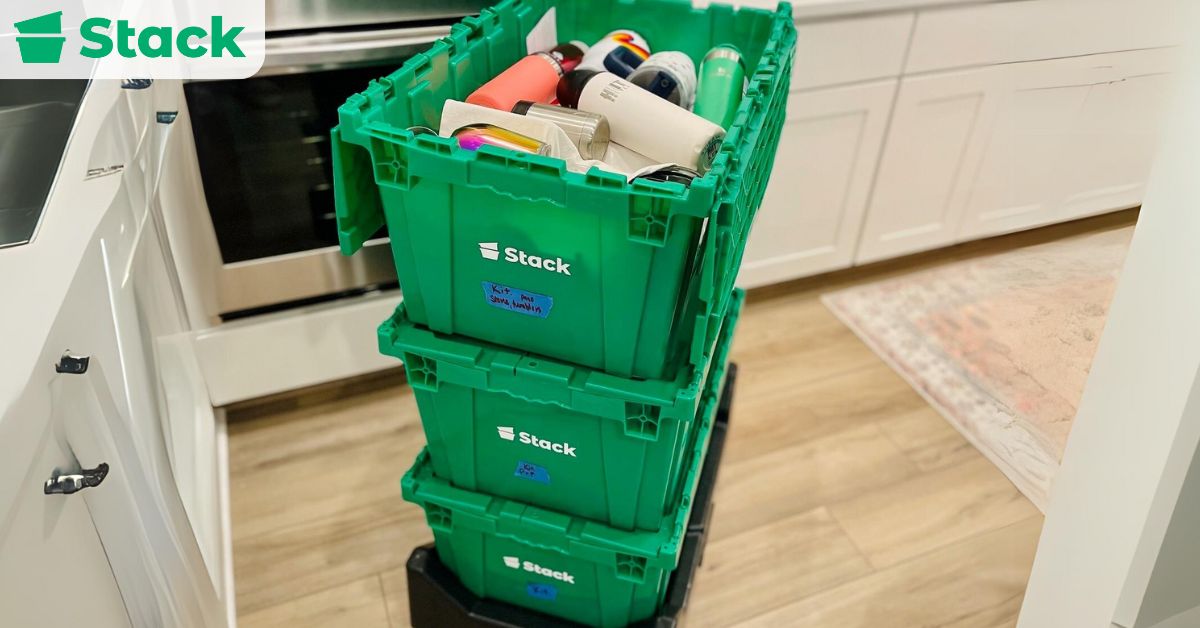
A cost-effective alternative is to rent moving boxes. Most rental companies provide boxes with additional packing supplies and often deliver them to your home and pick them up afterward. Renting combines convenience, strength, and eco-friendliness, making it the most reliable way to source boxes for your move.
What Are the Best Moving Boxes?
Plastic bins are the best moving boxes. They are durable, reusable, water-resistant, and often stackable. This often limits their cardboard counterparts to single-use due to their susceptibility to water damage and tumbling in transit. Although plastic bins are more reliable, they are pricier when compared to cardboard boxes, which is why we advise movers to rent them instead.
How Much Do Moving Boxes Cost?
Moving boxes cost between $1 and $8 per box, but this price varies depending on the size and quality. For box rentals, the price depends on how long the rental period is and the number of boxes needed. Renting can be more cost-effective when considering durability and convenience.
The boxes are usually delivered to your doorstep and picked up from your new location after the move. To avoid wasting money on more boxes than you need, use a moving box calculator to estimate how many boxes are needed for your move.
Essential Moving Day Tips for a Smooth Transition
Keep these tips in mind as you make the big move:
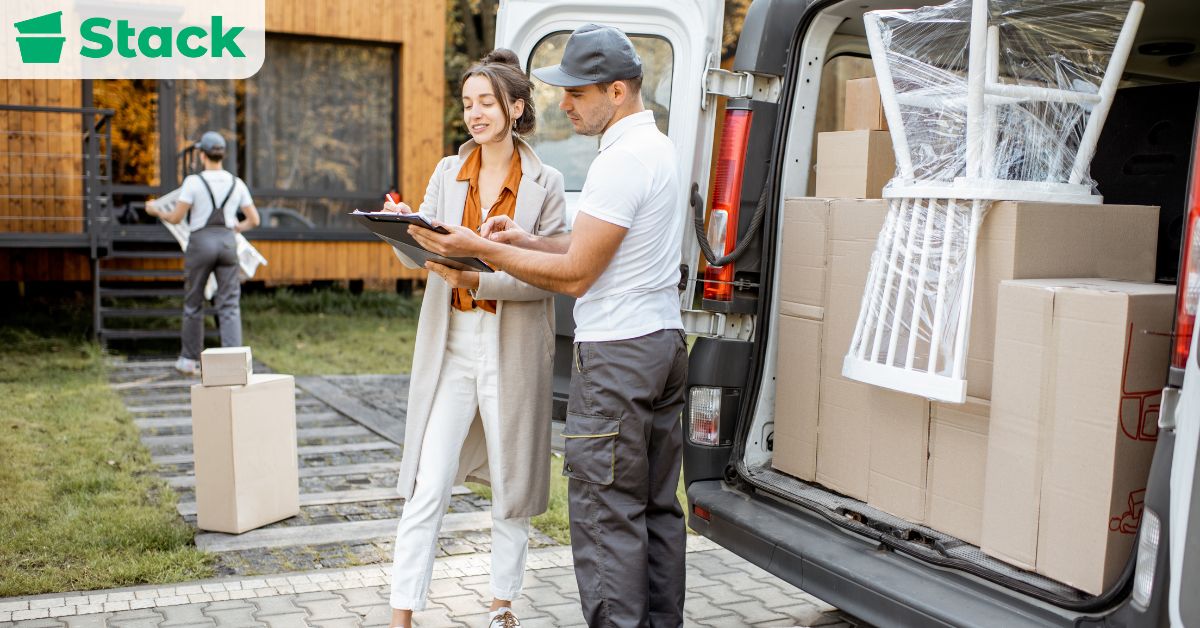
- Loading the Truck Strategically: Start by placing heavier items and boxes at the bottom and toward the front of the truck to maintain stability. Stack lighter and fragile items on top of heavier ones to prevent damage. Also, ensure the weight is evenly distributed to maintain balance during transport.
- Keeping Essentials Accessible: Pack a clearly marked essentials box that contains important documents and first-day necessities such as toiletries, a change of clothes, basic kitchen supplies, toilet paper rolls, paper towels, and medications.
- Communicate with Movers: Label each box with its destination room and any special handling notes. Take a few minutes to explain fragile or high-value items to your movers so they can be handled with extra care.
- Do a Final Walkthrough: Walk through your old home to check closets, cabinets, and storage spaces to be sure nothing gets left behind.
- Stay Comfortable and Safe: Wear comfortable clothes and sturdy shoes for lifting and walking. Keep water bottles and light snacks handy to maintain energy throughout the day.
Smart Tips for Unpacking and Settling In
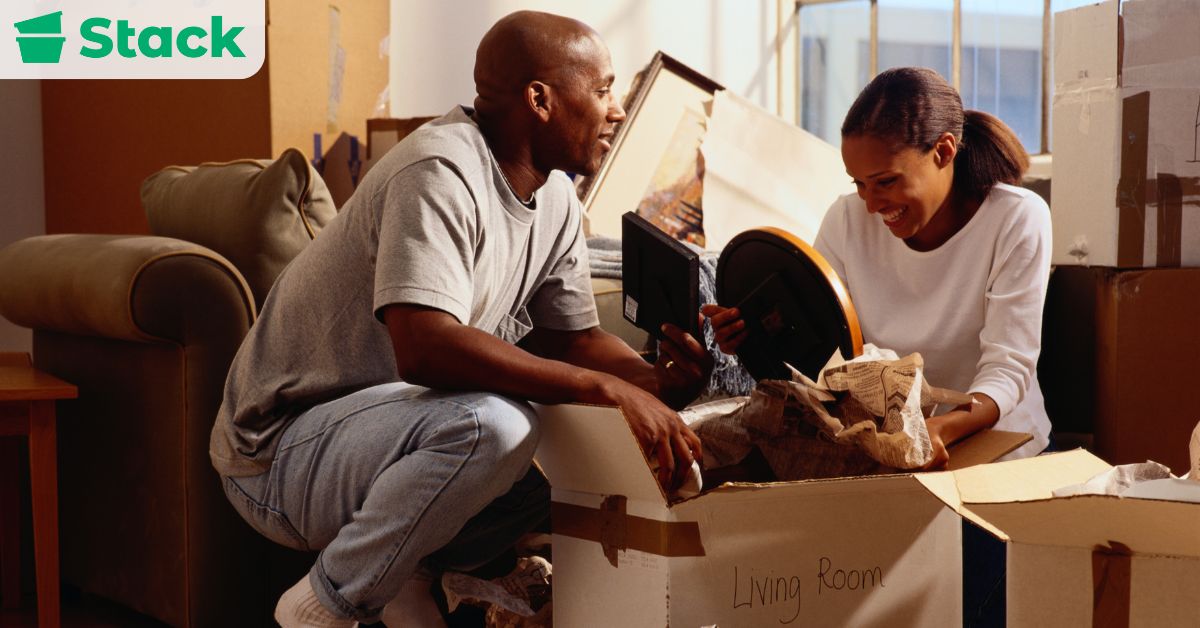
These practical unpacking tips will help you turn your new space into a comfortable home quickly.
- Start with essentials: Unpack rooms you’ll need right away, like the kitchen, bathroom, and bedrooms.
- Unpack one room at a time: Focus on one room, finish it, then move to the next for a clear sense of progress.
- Track your boxes: Cross off items from your moving checklist as you unpack. This helps you confirm that everything made it to your new home.
- Break down or recycle materials: Flatten cardboard boxes and sort packing materials for recycling. You can also offer used boxes on community boards or keep a few for storage.
- Repurpose what you can: Turn sturdy boxes into organizers for closets or garages.
Need an Easier Way to Organize Moving Boxes?
Staying organized during a move saves time, protects your belongings, and makes settling into your new space far less stressful. With the right strategy, you can make sure that every box fits in your truck and nothing gets left behind.
The best way to keep your moving boxes organized is to use proven tools and systems that encourage efficiency. This could mean properly labeling boxes or using high-quality packing materials like our stackable moving bins, designed to handle heavy loads and keep your items safe. Each rental comes with uniform boxes, labels, and dollies, making it easier for you to stack, track, and transport your load with ease.
Don’t let disorganized packing slow down your move; contact us now to book your moving bins today!
Frequently Asked Questions
We answered common questions about organizing moving boxes. These tips will guide you through the process and help you save time, money, and stress.
What Are the Best Ways to Pack Fragile Items in Moving Boxes?
Wrap each piece in bubble wrap or packing paper, and use dividers for glassware or dishes. Place heavier items at the bottom and lighter items on top. Fill any spaces with packing peanuts, crumpled paper, or towels to prevent shifting. Seal the box securely with tape and mark it “Fragile” on multiple sides so movers handle it with care.
How to Organize Boxes for Moving?
Stack lighter boxes on top of the heavier ones. Don’t overload your boxes because doing so could lead to damage or difficulty in handling them. Label each box clearly with its room and contents. This makes loading, unloading, and unpacking far more efficient.
How to Pack Books Efficiently in Moving Boxes?
Always use small, sturdy boxes to pack books, and keep them below 50lbs for easier lifting. To protect the spine of your hardcover books, lay them flat; paperbacks should be packed spine-down. Fill up spaces with soft cloths or paper to stop shifting. Clearly label the box as “Books” so movers know it’s heavy.
Should You Label Moving Boxes by Room or Item?
Labeling by room is most efficient, since movers can place boxes directly in the correct space. You can even combine both by labeling your boxes with notes like “Kitchen: Pots and Pans” to make the unpacking even easier.
What Items Should Not Be Packed in Moving Boxes?
Avoid packing perishables, plants, valuables, and hazardous materials in moving boxes. Other items, such as expensive jewelry and important documents, should travel with you. Some items, like chemicals, propane, or even paint, are unsafe for transporters to move. So it’s important to check your moving company’s restricted items list to stay safe and compliant.
Rent Plastic Bins for Your Move!
Moving with cardboard boxes is a pain. Get pre-assembled bins delivered to your door and move hassle-free with Stack!
Stack eliminates the need for you to source, break down, or fill up your trash can with cardboard boxes.