
How to Pack Moving Boxes
Packing always looks easier than it actually is. A few boxes in and you’ll usually find yourself overloading some, underpacking others, and wondering how fragile items are supposed to survive the trip in one piece. But packing boxes isn’t as complicated as you might think. This guide breaks down everything you need to know about packing moving boxes the right way.
At Stack Moves, we’ve supported hundreds of successful moves nationwide, giving families and businesses peace of mind during one of life’s most stressful tasks. Our durable moving bins for rent are trusted by professional movers to keep belongings safe while cutting down on waste. Contact us today to reserve your bins and move with confidence.
In this guide, we’ll walk through how to pack moving boxes in a way that actually holds up during a real move. You’ll also learn how to choose the right supplies and the common mistakes to avoid.
Table Of Contents
- How to Pack Moving Boxes for a Move
- Step-by-Step Guide to Packing Moving Boxes
- 1. Declutter Before Packing
- 2. Pack Only Clean and Ready-to-Go Items
- 3. Choose the Right Box Size
- 4. Pack One Room Fully Before Moving to the Next
- 5. Protect Fragile Items
- 6. Use Space Efficiently
- 7. Label Everything Clearly (and Consistently)
- 8. Seal Boxes Properly
- 9. Load Boxes in a Way That Prevents Shifting
- Step-by-Step Guide to Packing Moving Boxes
- When Should You Start Packing for a Move?
- Supplies You’ll Need to Pack Moving Boxes
- How to Pack Different Rooms in Your Home
- Common Packing Mistakes to Avoid
- Looking for a Simpler Way to Pack for a Move?
- Frequently Asked Questions
How to Pack Moving Boxes for a Move
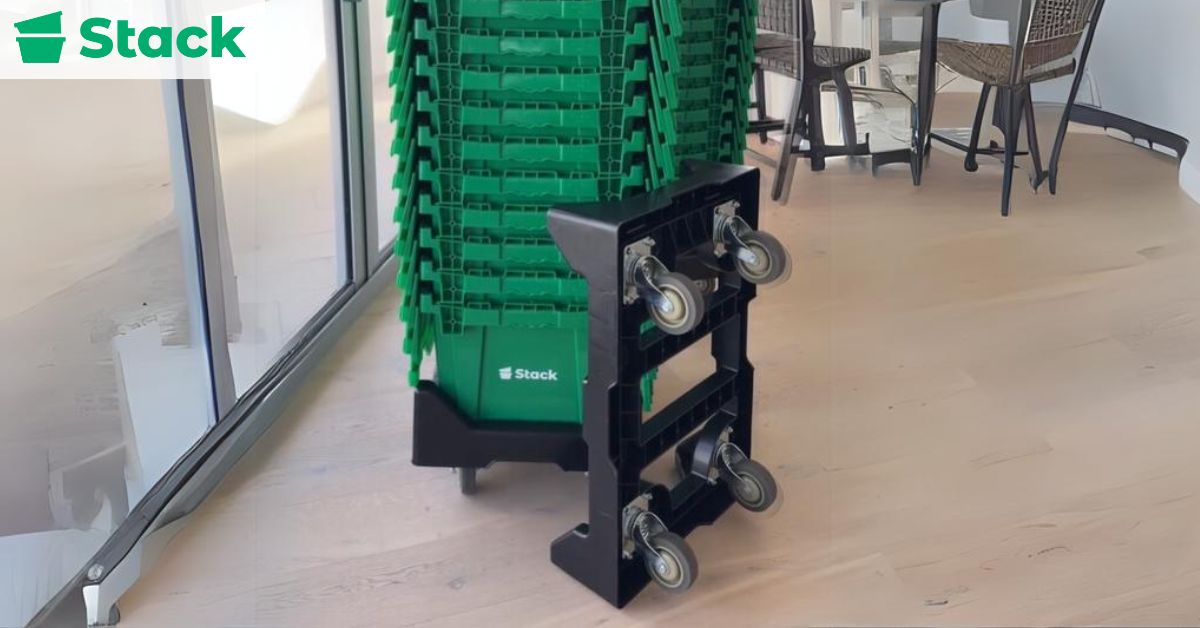
Your goal when packing your boxes should be to make sure nothing gets damaged or lost. You also want to make sure your boxes don’t become unnecessarily heavy or awkward to carry. The best way to do this is to pack one room at a time and keep your boxes under 30 pounds.
Step-by-Step Guide to Packing Moving Boxes
We broke down the whole process the same way professional movers actually do it. Each step shows you exactly how to pack boxes properly without overthinking it.
1. Declutter Before Packing
Most packing problems start because people try to move things they don’t even need anymore. Before you start packing go through your items and separate what you’re keeping, donating, selling, or throwing away. The less you carry, the less complicated your move becomes.
One customer preparing for a three-bedroom move reduced their box count significantly after decluttering before packing. Not only did packing go faster, but unpacking was completed in a single weekend.
Also keep in mind that one of the biggest cost contributors to a move is how much you’re moving. So fewer items automatically mean less money.
2. Pack Only Clean and Ready-to-Go Items
Anything you pack should be clean, dry, and ready to be stored for a while. Dirty or damp items can transfer smells, stains, or even mold during transit. Especially if the move takes more than a day. Make the effort to wipe down your belongings before packing them up.
3. Choose the Right Box Size
A lot of people assume one box size works for everything. But in reality, even a small move requires you to use at least three different box sizes.
Small but heavy items like books should always be packed in small boxes. In contrast, you can get away with packing bulkier but lighter items like comforters in larger boxes. Everything else can usually be packed in a medium-sized box. If a box feels too heavy before it’s even full, that’s usually a sign you should downsize immediately.
4. Pack One Room Fully Before Moving to the Next
Instead of jumping around the house, finish packing one room completely before starting another. This will make unpacking at your new location ten times easier since everything that belongs in that room is together. For example, if you’re moving with children, it helps to pack their bedroom last and unpack it first. Having familiar toys and bedding available on the first night can make the transition much easier.
It can also cut down the time it takes your movers to unload your truck since they know that each box belongs to a single room.
5. Protect Fragile Items
One thing we’ve noticed over the years is that people often focus on wrapping fragile items but forget to secure the empty space around them. In our experience, items are far more likely to break when they can shift inside the box during transport.
To keep your breakable items safe, wrap each item individually. Heavier items should sit at the bottom, with lighter ones on top. Fill up any empty spaces so nothing moves during transport. If something is really delicate, consider using the double-boxing method to protect it during transport.
6. Use Space Efficiently
While it’s important to make good use of your space, your goal shouldn’t be to fill your boxes to the brim. You can actually damage your belongings or even get hurt doing this. Instead, focus on making sure every box is filled to its prescribed capacity, usually around 30-50 lbs.
A useful trick for maximizing space is nesting smaller items inside larger ones. For example, placing socks inside shoes or wrapping items in soft clothing.
7. Label Everything Clearly (and Consistently)
Every box should tell you two things at a glance: where it belongs and what’s inside. Writing on multiple sides helps a lot, especially when boxes are stacked. Some people also use color codes per room, which can sometimes make unloading faster and less chaotic. If you want extra control, numbering boxes and keeping a simple inventory list can help you track everything from start to finish.
8. Seal Boxes Properly
A weak seal is one of the most common reasons boxes break open during a move. Use strong packing tape and make sure both the top and bottom seams are reinforced properly. A properly sealed box should feel firm when lifted, without any bending or separation at the flaps.
9. Load Boxes in a Way That Prevents Shifting
Heavier boxes should always go at the bottom so they don’t crush lighter ones. Try to keep stacks even and stable so nothing shifts when the vehicle moves or turns. If you’re lifting anything heavy, use proper support or tools instead of forcing it to avoid getting injured.
When Should You Start Packing for a Move?
The best time to start packing is usually about 4–6 weeks before your moving date. Starting early gives you enough breathing room to sort through your items properly and make better decisions about what actually needs to come with you. If you leave it too late, you end up rushing everything, which is usually when things get broken or misplaced.
A simple way to think about the timeline looks like this:
- 4–6 weeks before: Seasonal items, storage, decor, books
- 2–3 weeks before: Guest rooms, less-used spaces, non-daily items
- 1 week before: Most of the kitchen, bedroom, and general household items
- Last 2–3 days: Essentials, daily-use items, and final loose ends
If you want a more detailed breakdown of how to structure your entire packing process without missing anything important, we’ve covered that in the moving out checklist.
Supplies You’ll Need to Pack Moving Boxes
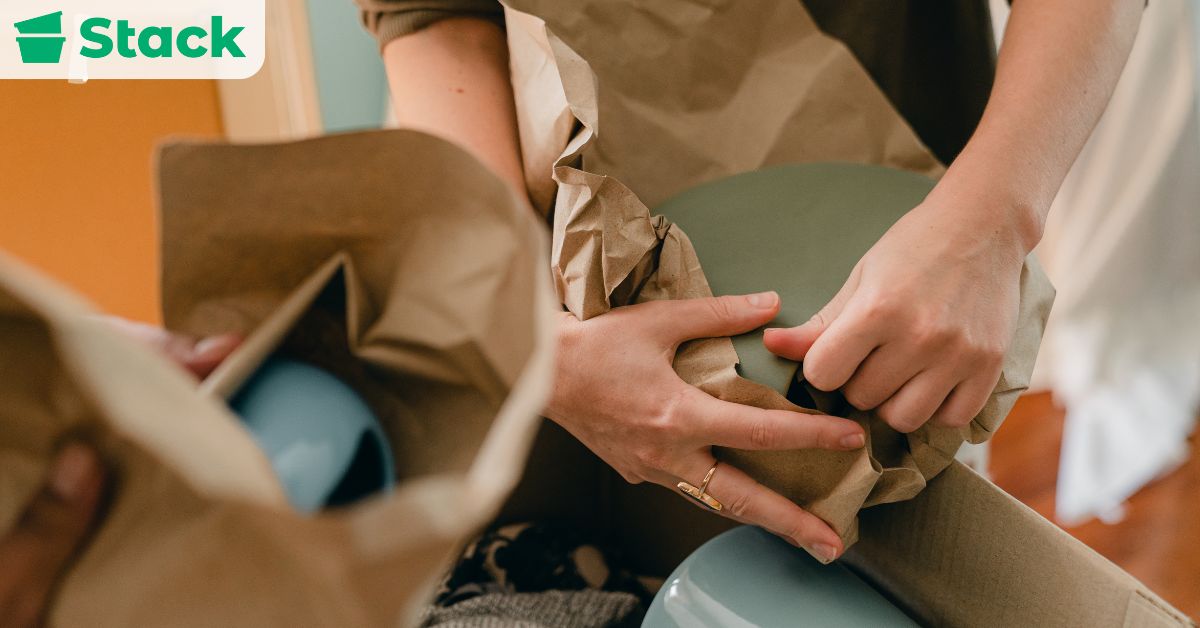
Good packing is really about preparation. Once your materials are in place, everything else becomes much more straightforward and less chaotic. Here’s what you’ll typically need:
- Moving boxes (small, medium, large): for sorting items by weight and size
- Heavy-duty packing tape: for sealing and reinforcing boxes properly
- Bubble wrap or packing paper: for protecting fragile items
- Markers: for labeling boxes clearly on multiple sides
- Scissors or box cutter: for cutting tape and opening materials
- Plastic bags or zip bags: for packing small loose items
- Towels or soft clothing: can double as padding for fragile items
How to Pack Different Rooms in Your Home
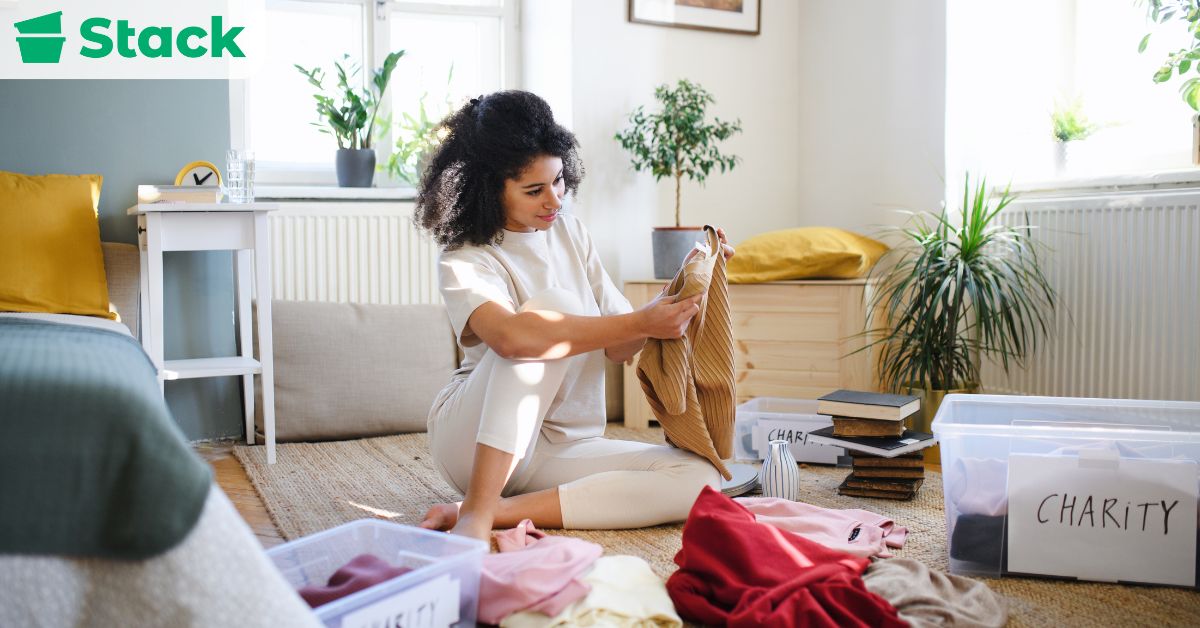
Your approach to packing the different rooms in your home should vary to fit the behavior of that room. The easiest way to observe this principle is to think in terms of what each room actually contains and pack based on that logic. For example, your bathroom usually has items that can break and spill. So when packing bathroom items, your goal is to pack in such a way as to avoid breaking or spilling anything.
How to Pack a Kitchen
The kitchen is usually the most time-consuming room to pack because it has a mix of fragile, sharp, and oddly shaped items. Start with things you rarely use, like special cookware, extra utensils, or appliances, and leave daily-use items for last.
Wrap plates and bowls individually and pack them vertically so they don’t crack under pressure. Glasses should be cushioned properly with paper or soft padding so nothing shifts inside the box during movement.
How to Pack a Bedroom
You can pack your hanging clothes with wardrobe boxes, while folded clothes can go into large or medium boxes depending on weight. Bedding, pillows, and blankets can fill larger boxes since they’re soft and lightweight. It also helps to keep a small first-night or essentials bag separate so you’re not digging through boxes later.
How to Pack a Living Room
If possible, pack electronics in their original boxes, but if not, use strong padding and make sure cables are labeled before they go into bags. Decorative items like frames or ornaments should be wrapped and placed in snug boxes so they don’t move around. Furniture should be disassembled where possible to make transport easier and safer.
How to Pack a Bathroom
The best way to pack bathroom items is to start by sealing all liquid containers tightly and placing them in plastic bags before boxing them. Towels can be used as padding for fragile items or grouped together in larger boxes. Medicines and essential toiletries should be packed separately so they’re easy to access during the move.
Common Packing Mistakes to Avoid

Most of these issues come from rushing or not knowing the better way to handle certain parts of the packing process. Here’s what to avoid so your boxes actually hold up during the move.
Overpacking Boxes: One of the most common mistakes we see movers make is trying to fit too much into a single box. Even if the box closes, it may still be too heavy or unstable to carry safely. This often leads to broken boxes during lifting or transport, especially with fragile items inside. A better approach is to keep boxes balanced and prioritize safety over fitting everything in.
Mixing Items From Different Rooms: Throwing items from multiple rooms into one box might feel efficient at first, but it creates chaos when you start unpacking. It becomes harder to locate things, and movers won’t know where each box should go. Keeping each box tied to a single room makes everything easier from packing to settling in.
Poor or Incomplete Labeling: A lot of people label boxes vaguely or only on one side, which makes things harder when boxes are stacked. Without clear labeling, you end up opening multiple boxes just to find one item. A simple system such as “room name + brief contents written on multiple sides” is easier to understand and cuts down your moving time.
Leaving Too Much Empty Space: Boxes that are half-empty allow items to shift during movement, which increases the chance of damage. On the other hand, completely overstuffed boxes can split open. The goal is to keep things snug but not forced, so nothing moves around during transit.
Waiting Until the Last Minute: Packing too late is probably the biggest mistake overall because it forces you into rushed decisions. When you’re short on time, you’re more likely to pack poorly, forget labeling, or skip organizing altogether. Starting early gives you control, which is what makes the whole process smoother.
Looking for a Simpler Way to Pack for a Move?
Once you have a clear plan, the right supplies, and a room-by-room approach, packing becomes much easier to manage. Taking the time to pack carefully helps protect your belongings and makes unpacking far less stressful when you arrive at your new home.
Of course, even the best packing strategy depends on the moving containers you’re using. That’s why many movers choose reusable plastic moving bins instead of traditional cardboard boxes. Here at Stack Moves, we provide durable plastic bins for rent that make packing, moving, and unpacking simpler from start to finish. Contact us today to reserve your moving bins.
Frequently Asked Questions
These are some of the most frequently asked questions we hear movers ask. If you don’t see your question here, feel free to reach out and we’ll be happy to give you an answer.
How Many Boxes Do I Need for a Move?
The number of boxes you’ll need depends on the size of your home, the number of rooms you’re packing, and how many belongings you’re taking with you. A small apartment may require 20–40 boxes, while a larger home can easily require boxes in the triple digits. Decluttering before you begin packing can significantly reduce the total. If you’re unsure, a moving box calculator is usually the fastest way to get an accurate estimate.
Is It Better to Use Plastic Bins or Cardboard Boxes for Moving?
Cardboard boxes work well for most moves, but it depends on what you’re packing. If you’re storing items for several weeks or moving during rainy weather, plastic bins often provide better protection against moisture and crushing.
What’s the Best Way to Pack Fragile Items?
When packing fragile items, wrap each piece individually using packing paper, bubble wrap, or other soft materials. Place heavier pieces at the bottom and lighter ones above them, then fill gaps to prevent movement inside the box. For extremely delicate items, consider using specialty boxes or the double-boxing packing method for added protection.
Can I Pack Heavy and Light Items in the Same Box?
You can do this as long as you distribute weight evenly. Heavy items should always sit at the bottom, while lighter items like linens or throw pillows can be placed on top. Mixing weights strategically can help prevent wasted space while keeping the box manageable to lift.
How Should I Label Moving Boxes?
Use permanent markers to clearly write both the room destination and a brief description of the contents. Label at least two sides of every box so the information remains visible even when boxes are stacked. If you’re moving a large household, consider numbering boxes as well to help stay organized.
How Should Boxes Be Loaded Into a Moving Truck?
Start by placing heavier boxes on the floor of the moving truck to create a stable foundation. Then stack lighter boxes on top. This way the heavier boxes don’t end up crushing the lighter ones and breaking anything. It’s best to group similar-sized or uniform boxes together because they are easier to secure and less likely to shift.
Rent Plastic Bins for Your Move!
Moving with cardboard boxes is a pain. Get pre-assembled bins delivered to your door and move hassle-free with Stack!
Stack eliminates the need for you to source, break down, or fill up your trash can with cardboard boxes.