
How Much Does It Cost to Relocate an Office?
Businesses relocate for multiple reasons, like getting a location that’s more accessible to clients and employees or downsizing. Many people don’t realize that moving an office is about more than just changing spaces; it’s a financial investment that involves a ton of planning. This is why you need to understand the costs involved in relocating your office so you can avoid any unexpected expenses.
The total cost of relocating your office depends on several factors like the size of your office, the distance of the move, and even your IT setup at the new office. Generally, your office relocation cost can range anywhere from $1,500 to over $30,000, especially for offices with specialized moving needs.
You can manage your moving expenses by renting moving crates from Stack Moves. Renting is far more cost-effective than buying boxes, and eliminates the hassle of disposing of these boxes after your move. Plus, we deliver the crates to your location and pick them up once you’re done, making your office relocation seamless and stress-free. Contact us today!
In this blog post, we will break down the key cost components of moving an office to help your budget better and plan your move in a way that minimizes downtime.
How Much Does It Cost to Relocate an Office?
The cost of moving your office ranges from $1,500 to $30,000 or more. Your office moving cost is primarily determined by the size of your office as well as other factors such as distance, labor, etc. To help you budget properly, we’ve explained the major components that contribute to your total office relocation costs:
Office Size and Layout
Your office size is the most significant factor that affects the cost of your move. Below is an estimated cost range based on the square footage of your office:
| Office Size | Estimated Moving Cost |
|---|---|
| Small office (<1,000 sq. ft.) | $1,500-$5,000 |
| Medium office (1,000 -5,000 sq. ft.) | $5,000-$20,000 |
| Large Office (5,000+ sq. ft.) | $20,000+ |
Distance of the Move: Local vs. Long-Distance
Another key contributor to office relocation expenses is the distance of the move. Local moves or same-city moves, which typically span 50-100 miles, may cost you anything from $1,000 – $10,000. However, a long-distance move like moving from LA to Seattle or generally anything above 100 miles could cost as much as $50,000.
Lease Termination and Deposit Fees
Breaking an office lease early can result in hefty fines, such as early termination fees and lost security deposits. Some of these fees could be the equivalent of several months of rent, making it cheaper to complete the lease term instead of terminating it. To make the best financial decision, carefully compare the cost of breaking your lease vs. waiting until it naturally expires.
Labor: Professional Movers vs DIY
Outsourcing labor is convenient but expensive regardless of whether you are charged a flat fee or an hourly rate. On average, the hourly rate of movers will fall between $80 and $120. With professional laborers, a faster move is guaranteed because, with their experience, they can move quickly. On the other hand, you can save a significant portion of your moving expenses by packing yourself, but if you’re short-staffed, you will end up delaying the move and racking up additional fees on your truck rental. Before opting for a DIY approach, ensure that you have a well-organized team that is up to the task.
Packing Materials
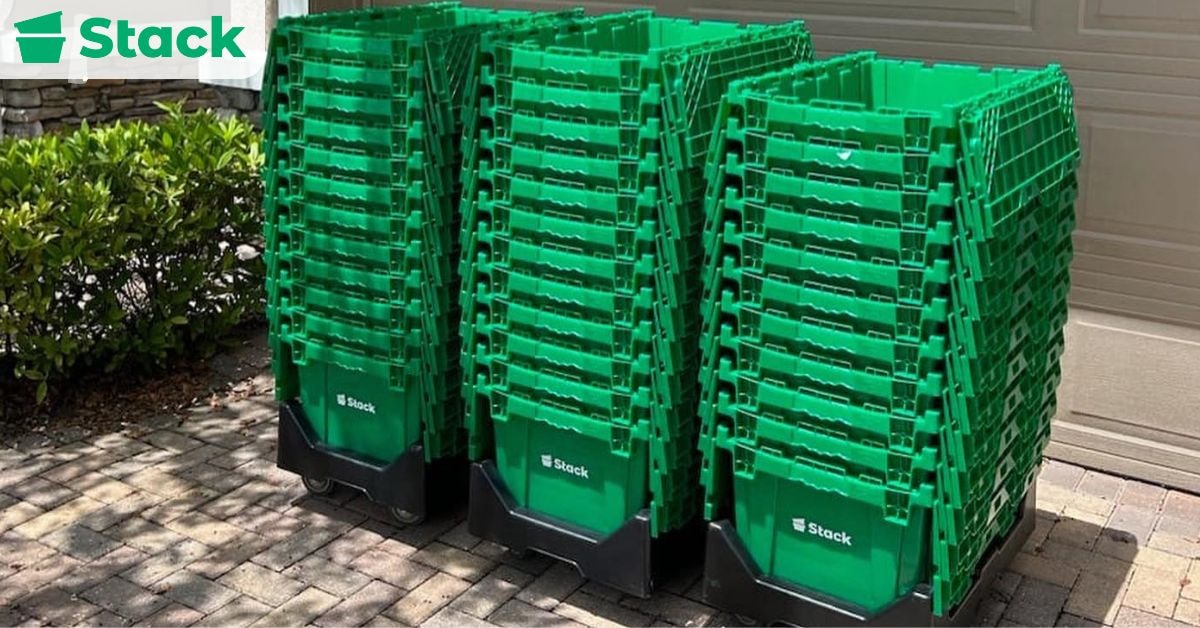
You’d be surprised how much packing material, such as bubble wrap and tape, you need to pack a room in a house, let alone an entire office. Depending on what materials you get and the size of your office, your estimated cost should be between $500 and $2,000.
This is one reason why traditional cardboard boxes can be more expensive compared to plastic bins. They require extra packing materials to make them suitable for use, which isn’t the case with plastic bins. These boxes are reusable and durable from the get-go.
You can also save a few bucks by knowing exactly how many boxes are needed for your move so you don’t overspend on boxes you don’t need or risk looking for more boxes mid-move. Estimating the number of boxes has been simplified thanks to our moving box calculator, which takes the guesswork out of the process by telling you how many boxes you’d need.
Furniture and Equipment Handling
Every office has its fair share of heavy furniture and equipment, which can be a real headache to pack and transport. Depending on the number and type of furniture you have, you’re most likely going to spend $200 – $1,000+ on disassembling and reassembling these pieces. As such for older furniture, it may be a smarter choice to replace them instead of trying to relocate them. When it comes to moving your office, we’d advise you to compare the benefits of moving the item vs. replacing it.
IT and Technology Relocation
This is one of the most complex and probably the most expensive parts of your move. You’d typically spend $1,000 – $5,000+ on this, depending on your IT setup. This cost will cover disconnecting, transporting, and reinstalling your servers and equipment. Because of the high risks involved, some businesses prefer to hire specialized IT movers to handle this as a way to prevent data loss and security breaches.
Insurance Coverage

There’ll be some valuable assets involved in your move, so insurance coverage isn’t something you want to skimp on. Aim for comprehensive coverages that will give you better protection for your assets. Consider policies that do more than cover damage. They should also cover lost items and even liability for moving companies. If you’ll be handling part of the move yourself, it’s wise to check if your business insurance policy covers self-moves.
Seasonality and Timing of the Move
The timing of your move affects your overall cost more than you give it credit for. Summer is a busy season for movers, and they’re likely to charge higher rates because of their limited availability. The opposite is the case for moves scheduled for fall and winter. If possible, try to schedule your move around an off-peak season to enjoy some savings on your move.
Office Relocation Costs You Might Miss
It’s easy to focus on the obvious costs when planning an office move—hiring movers, packing materials, and transportation. However, a few indirect costs can catch businesses off guard, and can lead to your going over your budget. Having an idea of these expenses beforehand can help you prepare better financially and ensure a smoother move to your new office space.
Temporary Storage Costs
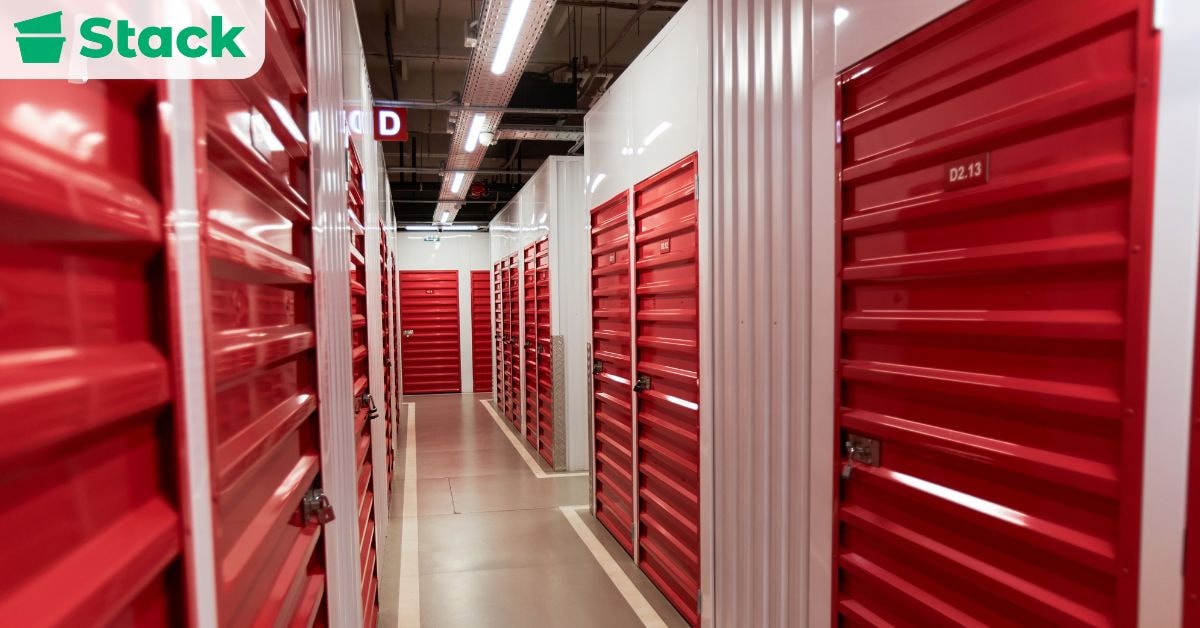
Sometimes, your new office isn’t ready after you’ve vacated your current office, and you will need to store your equipment, furniture, and equipment somewhere temporarily. This leads to temporary storage fees. This cost is commonly overlooked by businesses because no one plans for delays in the course of their move.
Your storage costs will vary depending on the size of the items stored, the duration of storage, and whether you’re opting for climate-controlled rooms for sensitive items. You’d also be spending more on labor and transportation because you’ll be moving your items twice- first to the temporary storage, then to the office. To avoid these expenses, try to make sure your lease dates align as closely as possible.
Marketing Costs
Many businesses fail to plan for the marketing expenses associated with relocating their office. You have to update your business address on your website and stationery like letterheaded papers, which is not only time-consuming but costly.
You’d also have to change your office signage and inform your clients of your new address. In some cases, a move might prompt a complete rebranding, requiring new logos, design assets, and marketing collateral. An effective way to manage marketing costs during a move is to tackle digital platforms first and phase out old materials gradually instead of replacing everything at once.
Unexpected Fees from Movers
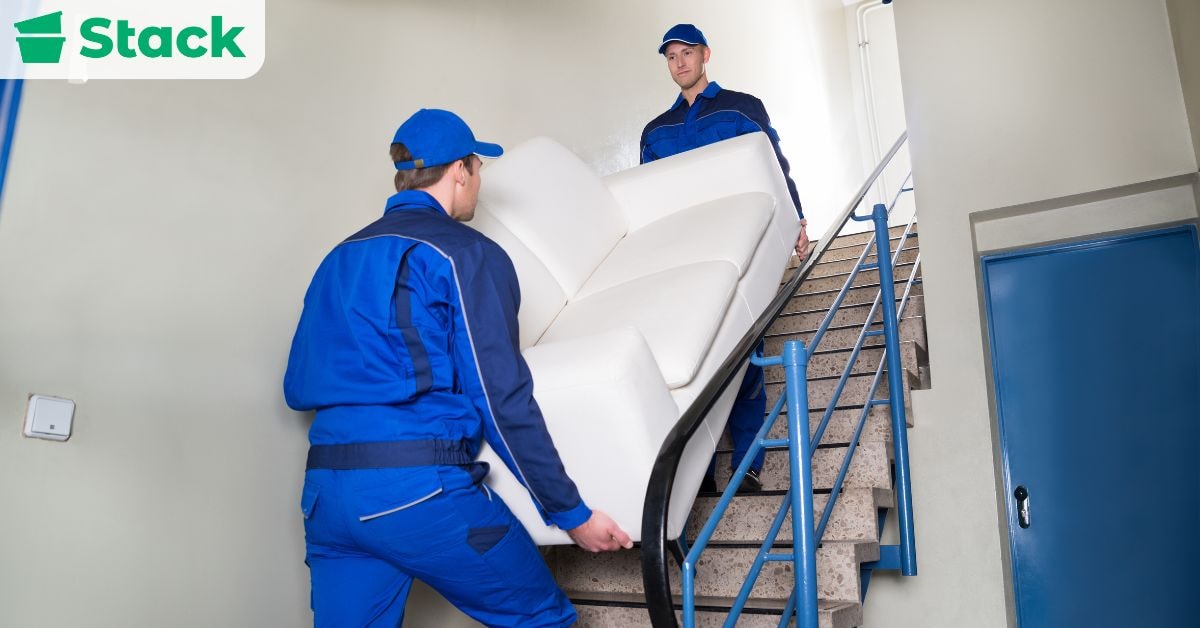
Professional movers will always provide you with an estimated cost for your move, but in the course of executing the move, there might be some unexpected fees that could quickly increase your total costs. For example, movers may charge a fee for carrying items up or down several flights of stairs. They could also charge you extra for having to carry items over a long distance from the truck. You’ll also most likely be charged an additional handling fee for oversized furniture and fragile items that require special care. As such, always request a detailed cost breakdown from your moving company to avoid surprise charges.
IT Setup and Downtime Costs
Avoid the common mistake of underestimating the cost of moving IT infrastructures such as internet service providers, phone systems, and office networks. If you don’t have in-house IT personnel, you’ll have to hire someone to disconnect and reinstall your tech equipment, which can be really expensive for businesses with complex setups.
Moreover, any downtime experienced during the move can negatively impact your operations and lead to a loss of revenue. To minimize these costs, plan IT transitions carefully, set up backup systems, and test everything before employees resume work.
Employee Relocation Costs and Lost Productivity
If your new location is significantly further than the previous one, you’re bound to face relocation challenges for numerous employees like higher commuting costs. To retain key employees, offer some assistance like transportation stipends or reimbursements. You also have to factor in the productivity loss that comes with switching office spaces. Like the movers, your employees will have to unpack their belongings, set up their new workstations, and adjust to the new space.
Also, keep in mind that you’d have to take out the time normally scheduled for regular work tasks to bring your employees up to speed on new building protocols, which can be time-consuming. The best way to mitigate these challenges is to communicate about the move early and schedule your move during a slow business period.
How to Move Your Office Without Overspending

One of the easiest ways to save money during a move is to rent moving boxes and hire a moving truck instead of relying on full-service movers or buying cardboard boxes. Unlike flimsy cardboard boxes, plastic crates are more durable, offering better protection for your office equipment and documents. You’d also save costs on additional packing materials like tape since these bins don’t need additional reinforcement like cardboard boxes do.
Planning Ahead to Reduce Costs
Last-minute planning comes with a premium price tag because of limited availability and rushed bookings. When you plan your move months ahead, you get the chance to compare quotes, negotiate for better deals, and secure the most cost-effective services. You can also schedule your move during off-peak seasons and when rates are lower. With more time, you can allocate your resources and cut unnecessary expenses better.
Declutter and Downsize
A move is the best time to get rid of any outdated furniture, old electronics, and unnecessary paperwork. When done right, downsizing reduces the number of items you have to transport, which lowers labor and transportation costs. If you decide to sell these items, you can even generate extra funds to offset some of your moving expenses.
DIY Where Possible
You don’t have to outsource every part of your move. Full-service movers are convenient, but their services are pricey. Consider renting a truck and using labor-only movers or going for a hybrid service where you pack, and the movers handle transportation.
Non-fragile items and small office supplies can be packed and transported by members of your team. This helps you cut down costs by saving on paid labor hours. However, professional movers should handle fragile items, specialized equipment, and oversized furniture to avoid damaging them.
Ask About Potential Incentives
Some landlords may offer relocation incentives such as discounted rent or free months in the lease arrangement as a strategy to attract new tenants. This also applies to moving companies that may offer promotional deals on business relocations during off-peak seasons. Always ask about these opportunities when negotiating your contracts because they could help you save thousands of dollars.
Office Relocation Checklist for a Smooth Transition
A lot of careful planning goes into an office move to guarantee all forms of disruptions and unexpected expenses can be avoided. With a detailed office moving checklist, you can stay organized and keep track of everything, from packing to notifying key stakeholders about your change of address.
Need Assistance with Your Office Move?
Business relocation costs add up quickly, with factors like office size and distance being major contributors to the overall cost. Budgeting wisely, comparing prices, and planning for your move early are easy tips to keep your expenses under control.
Stack Moves simplifies the moving process with its eco-friendly moving box rentals. Whether you’re moving locally within Las Vegas or to various locations across the US, our service guarantees a seamless experience wherever you are. Ready to enjoy a smoother move at a lower cost? Contact us today.
Rent Plastic Bins for Your Move!
Moving with cardboard boxes is a pain. Get pre-assembled bins delivered to your door and move hassle-free with Stack!
Stack eliminates the need for you to source, break down, or fill up your trash can with cardboard boxes.