
What Is the Average Cost of Moving Out of State?
In 2025, the average cost of moving out of state ranges from $2,000 to $8,000, depending on several key factors like the distance of the move, the size of your home, and the type of moving services you choose.
For example, a DIY move in a rental truck might cost as little as $1,200, while full-service movers for a large home can exceed $9,000. These costs highlight why planning ahead is so important when relocating out of state. Stack Moves helps you compare moving options and find the best fit for your needs and budget.
Ready to make your move both stress-free and affordable? At Stack Moves, we offer durable moving bins for rent. We offer competitive pricing for our sturdy plastic boxes that will protect your items no matter the distance. Contact us today for personalized moving advice.
This blog will talk about how much it costs to move out of state. It will also touch on tips for saving money and how to come up with the ultimate packing checklist for long-distance moves.
How Much Does It Cost to Move Out of State?
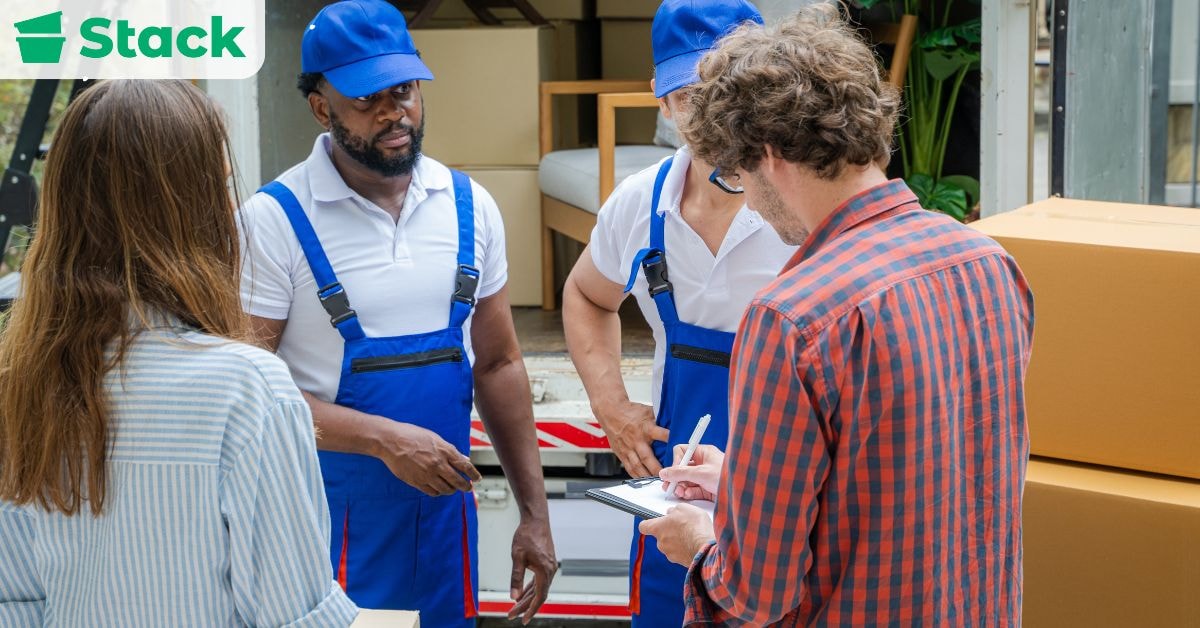
In planning an out-of-state move, the cost could vary by home size, distance, and service type. For example, the price for moving a studio apartment is between $1,500 and $3,000, while moving a three-bedroom house would cost between $5,000 and $8,000. Typically, much larger homes can cost upwards of $7,000.
When moving out of state, the distance between your old home and your new one will also greatly impact the cost. For a short-range interstate move (100-500 miles), you can expect to pay $1,500-$4,500, while mid-range moves (500-1,000 miles) would cost $3,500-$7,000. However, long-distance moves (1,000+ miles) would go as high as $4,000 to $8,000. As you can see, the farther you move, the higher the cost.
Furthermore, the type of service you choose can alter your final moving costs. If you decide to go for a DIY move where you rent a truck and handle the move yourself, expect costs between $1,000 and $3,000, depending on distance and truck size. On the other hand, if you choose to go for professional moving companies, the cost would range from $4,000 to $8,000 for long-distance moves.
| Category | Details | Cost Range (USD) |
|---|---|---|
| Home Size | Studio Apartment | $1,500 – $3,000 |
| Three-Bedroom House | $5,000 – $8,000 | |
| Larger Homes | $7,000+ | |
| Distance | Short-range (100–500 miles) | $1,500 – $4,500 |
| Mid-range (500–1,000 miles) | $3,500 – $7,000 | |
| Long-distance (1,000+ miles) | $4,000 – $8,000 | |
| Service Type | DIY Move (truck rental, self-move) | $1,000 – $3,000 |
| Professional Movers (long-distance) | $4,000 – $8,000 |
What Factors Influence the Cost of Moving Out of State?

When planning an out-of-state move, several factors can significantly impact your moving costs. These factors include the distance of the move, the size of the move, moving services, time of the year, etc.
Distance of the Move
The farther you move, the more you can expect to pay. Longer distances typically lead to higher costs due to fuel charges, tolls, and wear and tear on moving trucks.
For example, moving across state lines for a long-distance move may cost significantly more than a local or short-range move. Additionally, moving companies often charge by mileage, making fuel surcharges a key consideration.
Size of the Move (Volume and Weight)
The more belongings you have, the higher your moving costs will be. Professional movers typically charge based on the weight and volume of your items.
Moving a one-bedroom apartment will naturally cost less than relocating a four-bedroom house because fewer belongings require less space on the moving truck and less time to load and unload. A full-service moving company often charges flat fees for larger moves, and long-distance moving companies may charge extra based on the weight of your items.
Moving Services
Different moving services come with varying price tags. For example, if you decide to use professional moving companies, expect to pay between $4,000 and $8,000 for a full-service move that includes packing, loading, transporting, and unloading your items. On the other hand, a DIY move can cost between $1,000 and $3,000, depending on the size of the truck you are renting and the distance.
You also have the option of hiring a moving container that typically costs between $2,000 and $4,000. It involves packing your belongings into a portable container that gets transported to your new location.
Moreover, full-service movers provide all-inclusive options, where they handle every aspect of the move, from packing your items with packing supplies to unloading them at your new home. These packing services can increase the cost but save you significant time and effort.
Typically, many full-service movers will also offer to help with the disassembly of more difficult items such as electronic recliners, mechanical bed frames, and bulky outdoor playsets such as basketball hoops and exercise equipment. These are all things that are hassles and usually difficult to do on your own. These full-service movers would sometimes include it in the base price or charge you an extra amount for these services.
Time of Year
Moving costs fluctuate based on the time of year. Peak moving season during the summer months can cause prices to soar by 10-30%. Conversely, moving during the fall or winter offers more competitive rates.
Similarly, weekday moves are often cheaper than weekends due to lower demand. Thus, planning ahead and selecting off-season or weekday moving dates can reduce your overall moving expenses.
Additional Costs to Watch Out For
Several additional costs can catch you off guard during an out-of-state move. This includes packing supplies like bubble wrap and moving boxes. Renting moving boxes is a good idea because they are more affordable and more eco-friendly than buying new ones.
Moving companies may also charge extra for carrying items up or down stairs, navigating elevators, or long carries from the truck to your door. You should also budget for vehicle shipping or transporting large, delicate items like pianos, antiques, or artwork. These fees typically range from $120 to $500 or more.
Other potential expenses to watch out for include insurance and storage. If your move-in and move-out dates don’t align, you might need short-term storage, which can cost hundreds, depending on the size and duration.
Finally, be aware of hidden or unexpected fees such as fuel or toll surcharges, rescheduling or cancellation penalties, and delays caused by weather or logistics. These surprise charges can quickly inflate your long-distance moving costs if you’re not prepared.
Tips on How to Reduce Your Moving Costs

One of the simplest ways to reduce costs is to declutter your belongings before the move. The fewer items you have, the less you’ll spend on packing supplies, moving services, and transportation. You need to take the time to donate, sell, or discard things you no longer need. We recommend hosting a garage sale to lighten your load and make extra cash to offset your moving expenses.
Another helpful tip is to rent moving boxes for your move. Renting moving boxes is an eco-friendly and cost-effective way to pack your belongings. Some companies, like Stack Moves, offer moving bins for rent that can be delivered and picked up for free. This saves you both time and hassle. Typically, reusable plastic bins are sturdier than traditional cardboard boxes and are helpful in organizing moving boxes in the moving trucks, as they are easier to stack.
If you are looking to reduce costs without going full DIY, consider a hybrid moving option. This approach involves packing and loading your items yourself while hiring professional movers to handle transportation. It is a great way to cut down on labor costs while still benefiting from the expertise of a reputable moving company. However, keep in mind that if you opt for the hybrid moving option, the moving company is not liable to compensate you if anything gets broken during transit, as you are the one who packed it.
Booking your movers or moving truck well in advance is also a surefire way to save on moving costs. Last-minute bookings often come with higher rates, especially during the peak moving season in the summer. By planning ahead, you can secure a better rate from full-service moving companies or truck rental companies.
Furthermore, you should time your move during off-peak times, such as weekdays or during the fall and winter months. Most long-distance moving companies charge less when demand is lower, meaning you can avoid the surge pricing often associated with the busy summer months and weekend moves.
The Ultimate Packing Checklist for Long-Distance Move

In coming up with a list for moving out, you should develop a packing strategy. This helps you determine whether you will handle the packing yourself or hire a professional moving company. The packing strategy should consider your timeline, budget, and the moving services you will need.
The next step is to sort and organize your home. You can start by decluttering, as the less you have to pack, the more money you will save on moving costs. In sorting, you should sort by category: donate, sell, recycle, or toss items you will no longer need.
Typically, packing can seem overwhelming, but packing room by room helps you stay organized. When packing, label your boxes by room and content for easier unpacking at your destination. Use a system that allows you to prioritize essential items that will be unpacked first. Don’t forget to pack heavier items like books in smaller boxes to avoid overloading larger ones.
Furthermore, protect fragile items when packing. You can do this by using plenty of bubble wrap and packing paper, and labeling the boxes as fragile. Professional movers will appreciate the heads-up, and you will avoid damage during transport. For delicate or valuable items, consider insurance to cover any potential losses.
You also have to secure important documents, including birth certificates, passports, and financial records, and store them separately. Carry them with you during the move to avoid losing them in transit. In addition, keep digital backups for added security. You’ll want these documents easily accessible as you settle into your new home.
Next, take time to properly prepare appliances and electronics for the move. Unplug, defrost, and clean large appliances before the movers arrive. For electronics, secure wires, remotes, and batteries separately, and use the original boxes if possible. This will help prevent damage during your long-distance move.
Additionally, pack personal items and valuables separately. Keeping these items close by ensures they aren’t lost or damaged during the move. If you’re using a truck rental or moving container, consider a separate bag for personal belongings to carry with you.
The Benefits of Renting Moving Boxes for Your Relocation
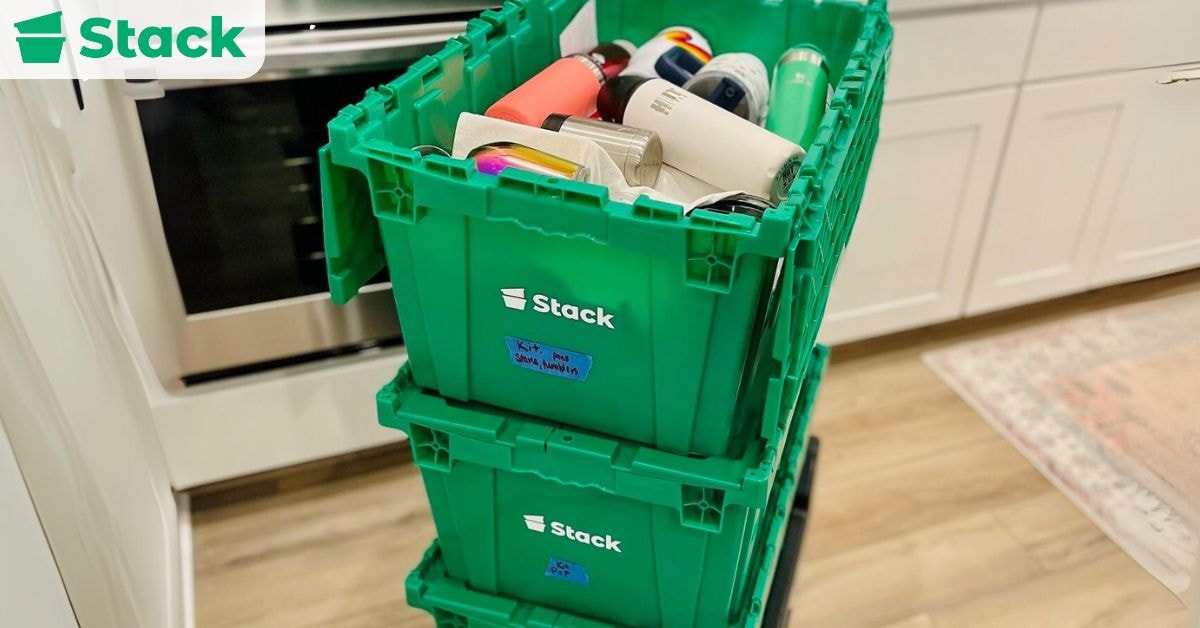
There are various types of moving boxes you can rent, such as plastic bins, standard cardboard boxes, and specialty boxes. Standard cardboard boxes are cheaper, but they may require reinforcement for long-distance moves and are less eco-friendly. However, specialty boxes are for specific needs as they are designed for specific items. Types of specialty boxes include wardrobe boxes, dish packs, and mirror boxes, which are designed for specific items.
However, plastic bins are far more durable than cardboard as they offer protection from water, pests, and rough handling. They are easier to stack securely, reducing the risk of items being damaged during transport. Plus, renting plastic bins saves you from the hassle of disposing of or recycling cardboard after your move.
The type of moving box you would get depends on your moving needs. It is always best to go with an option that doesn’t put you in a compromising position.
If you are unsure of how many boxes you will need for a move, use our moving box calculator. This calculator will help you get an accurate estimate based on your home size and the type of items you need to pack.
How to Choose a Professional Moving Company?

In choosing the right professional moving company for your long-distance move, start by researching and getting recommendations about moving companies. Ask for recommendations from friends, family, and coworkers who have moved recently. Online reviews and testimonials can also offer insights into a company’s reliability. It is important to look for a reputable moving company with positive feedback, especially for out-of-state moves.
When comparing professional movers, evaluate the services offered. One important question to consider during this process is, ‘Does the company offer packing and unpacking services?’ If they do, it can save time and effort, especially if you have a lot of fragile or valuable items. You should also check if they can provide temporary or long-term storage solutions. This can be useful if your move-out date and move-in date do not align.
It is also important to verify that the moving company is properly licensed and insured. For interstate moves, check that they are registered with the U.S. Department of Transportation (USDOT). You should also confirm that they have sufficient insurance coverage to protect your belongings in case of damage or loss. This ensures that you’re working with a professional moving company that operates legally and responsibly.
In addition, you should carefully review the company’s contracts and quotes. In doing this, look for clear details about services, fees, and policies to avoid hidden charges.
Ready to Move Out of State?
The cost of moving out of state depends on factors such as the distance of the move, the size of your home, and the services you choose. On average, it costs $2,000 to $8,000. To help reduce these expenses, consider decluttering, renting moving boxes, and moving during the off-peak seasons.
By creating a detailed plan and budgeting wisely, you can ensure a smooth, stress-free move without any unexpected expenses. It is helpful to take the time to compare prices, request multiple quotes, and select a professional moving company that fits your needs.
Ready to get started? At Stack Moves, we have moving boxes for rent and can give expert advice on your out-of-state move. Contact us today to get quotes! We are here to help make your move as smooth as possible!
Common Questions About Out-of-State Moving Costs
Planning an out-of-state move can feel overwhelming, especially when it comes to budgeting. Below are answers to some of the most frequently asked questions about interstate moving costs.
How Much Does It Cost to Move Out of State?
The average cost of an out-of-state move is $2,000 to $8,000, depending on several factors like moving distance, home size, and the type of services you choose. If you’re on a tight budget, consider using a truck rental to save costs. However, if you’re looking for convenience, then hiring full-service movers may be worth the higher cost.
What Factors Increase Long-Distance Moving Prices?
Many factors can raise the cost of a long-distance or out-of-state move, including total mileage, home size, and added services like packing or storage. The time of year also matters; for example, summer moves often cost more.
Is It Cheaper to Move Yourself or Hire Movers?
A DIY out-of-state move using a truck rental is usually cheaper than hiring full-service movers. Moving yourself might cost around $1,200 to $3,000, while professional long-distance movers can charge $5,000 or more. However, the savings come with added time, effort, and risk of damage.
How Can I Reduce Moving Costs for an Out-of-State Move?
To cut costs on an out-of-state move, compare multiple moving estimates, book early, and consider a hybrid option where you pack yourself but hire movers for loading. Also, consider renting reusable moving boxes instead of buying cardboard boxes to save money and reduce waste.
What Is the Cheapest Month to Move Out of State?
The cheapest month to move out of state is January. This is because it falls in the off-peak moving season, which runs from October to March. During this period, demand is low, and many moving companies often lower their rates.
Can Local Movers Do State-to-State Moves?
Yes, some local movers are licensed for interstate moves, but not all are. To move across state lines legally, a mover must have a U.S. DOT number issued by the Federal Motor Carrier Safety Administration (FMCSA). It’s important to always confirm that a mover is authorized for interstate moves, especially if they market themselves as a local company.
Rent Plastic Bins for Your Move!
Moving with cardboard boxes is a pain. Get pre-assembled bins delivered to your door and move hassle-free with Stack!
Stack eliminates the need for you to source, break down, or fill up your trash can with cardboard boxes.