
What to do With Moving Boxes After Moving
If you’re staring at a mountain of empty boxes after a long move, you probably want to know how to clear that clutter without just tossing it in the trash. While it’s often a relief to get them out of the house, finding a second life for your supplies is a great way to reduce waste and help out a neighbor. You can either keep them for storage, sell or donate them to someone else, or dispose of them responsibly.
At Stack Moves, we’ve helped thousands of people avoid the post-move clutter by providing a smarter way to pack. Our reusable moving bins for rent serve as a convenient alternative to cardboard boxes, allowing you to skip the stress of disposing of cardboard altogether. To get started on your hassle-free move, contact us today.
We are going to walk you through the most practical ways to handle your leftover boxes so you can enjoy your new home.
Table Of Contents
- 15 Practical & Creative Ways to Reuse Moving Boxes
- A. Creative Ways to Reuse Moving Boxes
- B. Practical Things to do With Moving Boxes
- 7. Keep Boxes for Future Storage Needs
- 8. Protect Floors During Painting or Renovations
- 9. Use Boxes for Garage or Attic Storage
- 10. Make Dividers for Fragile Items
- 11. Repurpose Boxes for Shipping and Packaging
- 12. Sell Your Used Boxes for Extra Money
- 13. Give Away Free Moving Boxes Locally
- 14. Donate Boxes to Schools or Small Businesses
- 15. Use Boxes for Donations and Decluttering
- How to Properly Recycle Cardboard Boxes
- Where to Donate Moving Boxes
- How to Organize Your Moving Boxes After You Move
- What’s the Best Way to Get Rid of Moving Boxes After Moving?
- Frequently Asked Questions
15 Practical & Creative Ways to Reuse Moving Boxes
After a move, you’re usually left with a stack of empty boxes and one big question: what now? Instead of tossing them right away, there are plenty of practical and creative ways to reuse moving boxes that can save you money and reduce waste.
A. Creative Ways to Reuse Moving Boxes
Cardboard is surprisingly versatile, and a little creativity can save you money while cutting down on waste. If you’re not in a rush to get rid of them, these ideas are worth trying first.
1. Turn Boxes Into Drawer or Closet Organizers
This is a simple way to stay organized without buying storage bins. Start by measuring your drawer or shelf so you know what size inserts you need. Cut your moving boxes down to fit, then place them inside to separate clothes, accessories, or office supplies. Smaller boxes are perfect for this since they already fit tighter spaces. If you want a cleaner look, line them with paper or fabric before placing items inside.
2. Build a DIY Kids’ Playhouse or Fort
Large moving boxes are perfect for creating a playhouse or fort. It’s an easy project that turns your leftover packing supplies into something fun, especially if you’re exploring moving box alternatives beyond traditional uses. Start with one or two large moving boxes and tape them together if you need more space. Cut out doors and windows using a box cutter, then fold back flaps to create openings. Use tape to reinforce weak corners so the structure holds up during play. Once it’s set up, let kids decorate with markers, stickers, or paint.
3. Create a Cozy Pet House or Cat Scratcher
Cardboard moving boxes can double as a low-cost alternative to store-bought pet furniture. Pick a sturdy box that’s large enough for your pet to sit or lie down comfortably. Cut a wide opening on one side so they can easily get in and out. Add a soft blanket or cushion inside to make it more inviting. For cats, you can stack or layer pieces of cardboard inside to create a scratching surface.
4. Use Cardboard as a Weed Barrier in Your Garden
Place flattened cardboard boxes over soil to block weeds naturally. Add mulch on top to hold everything in place and improve the look. This method helps retain moisture while reducing the need for chemicals. It’s especially useful for garden beds or landscaping projects. Just make sure to remove tape and labels first.
5. Get Creative With DIY Cardboard Projects
Moving boxes are great for DIY projects like wall art, storage bins, or even small furniture. You can cut, paint, and shape them into just about anything. We recommend this for anyone who enjoys hands-on projects and wants to reduce waste. It’s also a fun way to personalize your space on a budget.
6. Compost Cardboard for Eco-Friendly Disposal
Composting is a great option if you’re looking into how to get rid of moving boxes in a more eco-friendly way. It’s simple and good for your garden long-term. Plain cardboard can be added to your compost pile as a carbon-rich material. Tear it into smaller pieces so it breaks down faster. Bear in mind that this works best for boxes without heavy ink or coatings. For best practices, resources like the US Composting Council offer helpful guidance on composting cardboard safely.
B. Practical Things to do With Moving Boxes
If you’re looking for more straightforward ways to handle leftover moving boxes, there are plenty of practical options too. These ideas focus on saving money, staying organized, or helping someone else out. Most of them take little effort but can make a big difference.
7. Keep Boxes for Future Storage Needs
Hold onto sturdy moving boxes for seasonal storage like holiday decorations or clothing. This saves you from buying new storage bins; plus, it’s one of the easiest ways to reuse moving boxes long-term. Most moving boxes are designed to stack and handle weight fairly well. Just be sure to label them clearly so you can find your things later. For long-term storage, it helps to understand how to store moving boxes properly so they stay in good condition.
8. Protect Floors During Painting or Renovations
Flatten your boxes and lay them across areas where you’ll be painting or working. Overlap the edges slightly to make sure no part of the floor is exposed. Tape the corners or edges down so they don’t shift while you move around. This creates a protective layer against paint, dust, and debris. It’s a quick setup that can save you from costly cleanup later.
9. Use Boxes for Garage or Attic Storage
Moving boxes are perfect for organizing items in your garage or attic. Group similar items together and label each box clearly. This helps reduce clutter and makes storage more efficient. If possible, place them on shelves or pallets to avoid moisture damage. This keeps your storage organized and protects your belongings long-term.
10. Make Dividers for Fragile Items
Measure the inside of your box and cut cardboard into equal strips based on the size of your items. Cut small slots halfway through each strip so they can slide into each other and form a grid. Place the grid inside the box, then fit each glass or item into its own section. This keeps everything separated and prevents movement during storage or transport. It’s a simple way to protect fragile items without buying inserts.
11. Repurpose Boxes for Shipping and Packaging
Shipping items can get expensive when you have to repeatedly buy materials for each shipment. Fortunately, moving boxes can double as ready-to-go shipping supplies. It’s one of the easiest ways to get extra value out of your boxes. Just remove the old labels and reinforce the edges with tape, and they’re good to use again. This works especially well if you’re selling items online or sending packages regularly. You save money, reduce waste, and still get reliable packaging that holds up during transit.
12. Sell Your Used Boxes for Extra Money
This is a simple way to recover some of your moving costs when you consider how much moving boxes cost. Start by setting aside clean, sturdy boxes in good condition. Bundle them by size or type to make your listing more appealing. Take clear photos and list them on platforms like Facebook Marketplace or Craigslist with basic details.
13. Give Away Free Moving Boxes Locally
If you don’t want to sell, offering free moving boxes is the fastest way to get rid of them. Many people are actively looking for free packing supplies. It’s not only convenient but also helps someone else save money. Post them in local groups or community boards for quick pickup.
14. Donate Boxes to Schools or Small Businesses
Schools, nonprofits, and small businesses often need boxes for storage or shipping. Start by identifying local schools, nonprofits, or small businesses that might need boxes. Call ahead or send a quick message to confirm they accept donations. Bundle your boxes neatly to make drop-off easier. Focus on giving away clean, sturdy ones that can be reused.
15. Use Boxes for Donations and Decluttering
One problem with donating items is that you need to present them in a way that looks presentable. Loose items or overstuffed bags can make donations look messy and harder for organizations to handle. Moving boxes solve that instantly by giving you a sturdy, stackable way to sort clothes, books, and household items neatly. It’s a simple way to declutter your space while making your donations more presentable and useful.
How to Properly Recycle Cardboard Boxes
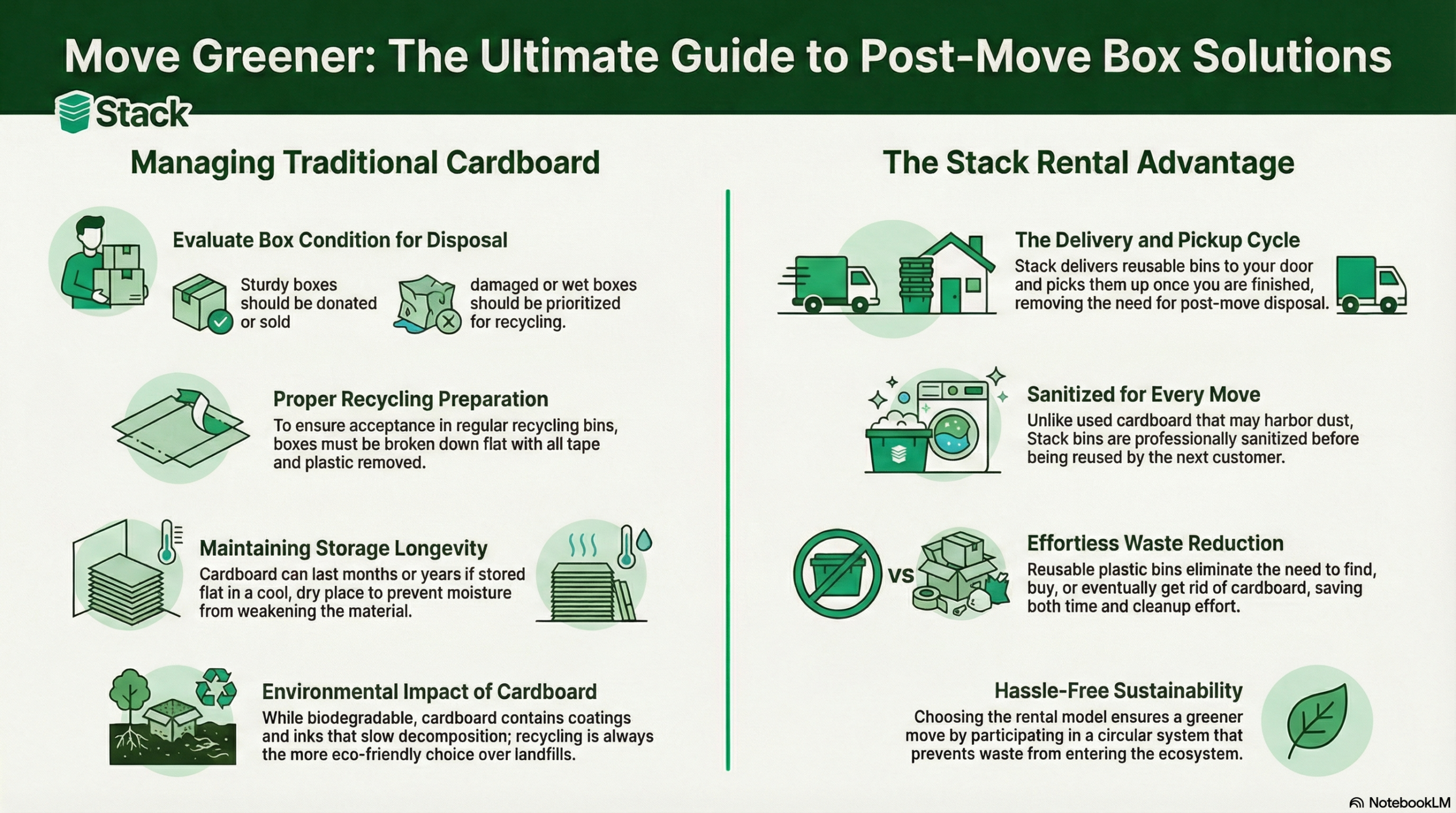
Start by breaking down your moving boxes so they lay flat and take up less space. Make sure your boxes are dry and free from food, grease, or moisture, as contaminated cardboard is often rejected from recycling programs. Go even further to remove tape, labels, and any packing materials first to improve your chances. If you’re unsure where to go, a quick search for the local recycling centers in your area will show drop-off locations and accepted materials.
Flattening and bundling your unused moving boxes also makes pickup or drop-off faster and more efficient. When done right, recycling keeps a large amount of waste out of landfills and supports local waste management systems.
Where to Donate Moving Boxes
Before recycling, set aside any gently used boxes that are still sturdy and intact. These sturdy cardboard boxes are often in high demand, especially from people trying to avoid the cost of having to buy cardboard boxes for their own move. Boxes with lids, uniform sizes, or minimal wear tend to get picked up fastest.
Start locally. Reach out to local businesses like liquor stores, bookstores, or small e-commerce shops. Many reuse moving boxes for shipments or storage and are happy to take clean extras. You can also contact nonprofit organizations, schools, or community centers, which often need packing supplies for events, donations, or storage.
For faster results, list your unused boxes on neighborhood apps or local marketplaces where people actively look for free cardboard boxes. Be clear about quantity, size, and condition to avoid back-and-forth messages. Donating this way not only clears space quickly but also helps someone else cut moving costs while keeping usable materials in circulation.
How to Organize Your Moving Boxes After You Move
Moving is just the beginning; you still have to arrange everything you came with, including your moving boxes and other packing materials. Knowing how to organize your moving boxes properly helps you save space and makes future moves easier. Here are four tips to help you keep things tidy and manageable:
- Assess the Condition of the Boxes: Before you actually start organizing your boxes, take a moment to inspect them. Check if the boxes made it through the move unscathed or if they sustained some damage. Only keep sturdy moving boxes (boxes still in good condition) since they can be reused in the future.
- Sort by Size and Type: To arrange your boxes by size, stack smaller ones on top of the larger ones to maximize space. Also, group them by type to make finding a box easier when you need it. For instance, sturdy boxes that can be reused should be kept together, and flimsy ones should be kept in a separate pile.
- Plan for Next Steps: Now that you’ve got all your boxes in one place, decide on what you’re going to do with them. If they’re still in good condition, you could reuse them or give them out to someone who needs them. Damaged boxes should either be recycled or properly disposed of.
- Avoid Leaving Boxes Around the House: Leaving your boxes scattered around the house creates clutter and makes it harder to settle in. When unpacking, try to put things in their proper places at the same time, including the boxes. If you’re having a difficult time getting rid of your boxes all at once, gradually dispose of them over time instead.
What’s the Best Way to Get Rid of Moving Boxes After Moving?
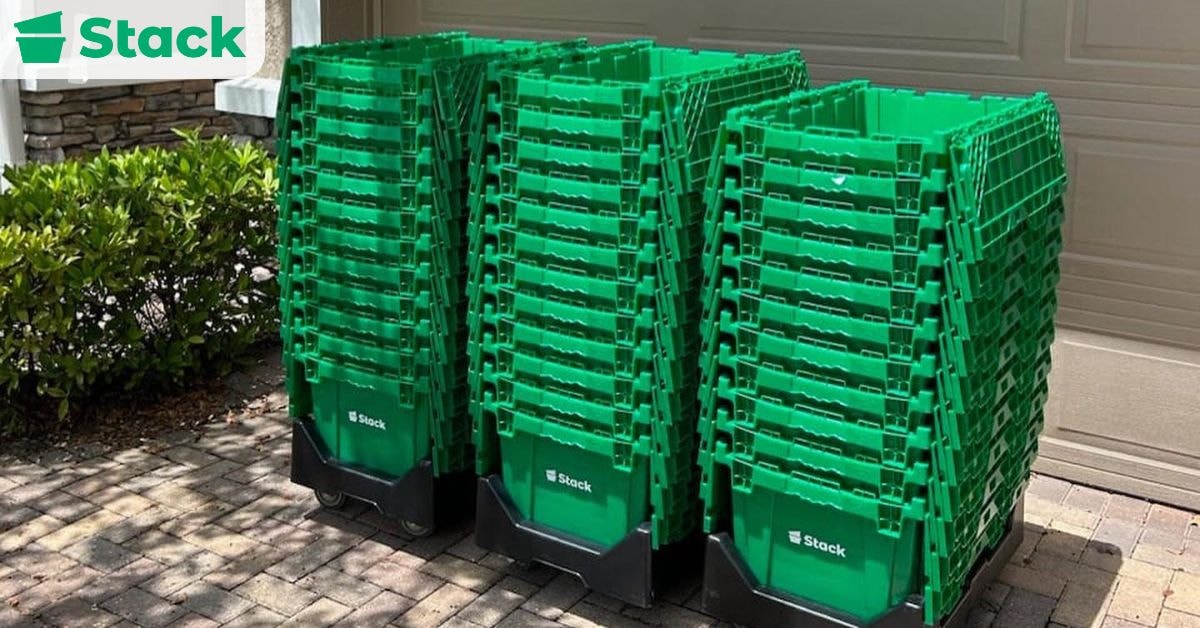
At this point you know that you can either reuse, donate, recycle, or even sell your moving boxes after your move. Depending on how much time and effort you want to put into handling them after the move, each of these options work just fine
But if you’d rather skip the stress of figuring out what to do with your boxes after the move, consider renting your moving boxes instead. These reusable bins are picked up once you’re done. You don’t have to worry about disposal, storage, or extra clutter afterward; it’s all handled for you. It’s a cleaner, more convenient approach that also cuts down on waste.
Ready to make your next move easier? Contact us today or schedule your moving box delivery and skip the post-move cleanup altogether.
Frequently Asked Questions
Still have questions about what to do with your moving boxes? Here are quick answers to help you recycle, donate, or reuse them the right way.
Where Can I Find Free Cardboard Boxes Near Me?
You can find free cardboard boxes through local marketplaces, neighborhood groups, and platforms like Freecycle. Many people give away gently used boxes after a move to avoid disposal. You can also check with local businesses like grocery or liquor stores that regularly receive shipments.
Should I Recycle Or Donate Moving Boxes?
If your moving boxes are still in good condition, donating is the better option. Sturdy cardboard boxes can be reused by others, reducing the need to buy cardboard boxes. Only recycle boxes that are damaged, wet, or no longer usable.
What Types Of Cardboard Boxes Cannot Be Recycled?
Boxes with grease, food residue, or water damage are usually not accepted at the nearest recycling center. Wax-coated or heavily treated cardboard may also be excluded from standard recycling programs. These materials can contaminate recycling batches and should be disposed of separately.
Who Accepts Donations Of Moving Boxes In The U.S.?
Many nonprofit organizations like Goodwill and Habitat for Humanity accept unused moving boxes in good condition. You can also donate to local businesses, schools, or community groups that reuse packaging materials. Online platforms make it easy to connect with people looking for free cardboard boxes nearby.
Rent Plastic Bins for Your Move!
Moving with cardboard boxes is a pain. Get pre-assembled bins delivered to your door and move hassle-free with Stack!
Stack eliminates the need for you to source, break down, or fill up your trash can with cardboard boxes.